REVIEW · TOKYO
From Tokyo: Mount Fuji and Hakone Private Day Trip
Book on GetYourGuide →Operated by Japan-tours · Bookable on GetYourGuide
Mount Fuji views feel like a plot twist on this private day trip. You’ll hit classic photo stops like Subaru 5th Station and Hakone lakeside sights (with options like a Lake Ashi boat ride), all with a driver who can shift your pacing when weather changes. The main downside: Fuji sightings depend on clouds, and some top extras (ropeway, boat, museum) cost extra.
In This Review
- Two reasons this works so well in real life
- The one thing to plan for
- Quick highlights you can actually use
- A smooth private day between Tokyo, Fuji, and Hakone
- The Fuji stops that make the biggest difference
- Subaru 5th Station and Tenjosan Komitake Shrine
- Chureito Pagoda in Arakurayama Sengen Park
- Kitaguchi Hongu Fuji Sengen Shrine and its red torii
- Oshino Hakkai: the easy walk that feels totally Japan
- Hakone National Park: volcanic views, hot-spring area vibes, and Lake Ashi
- Owakudani and the ropeway/cable car option
- Lake Ashi and the Pirate Cruise option
- Hakone Open Air Museum
- How the day is paced (and why the guide matters)
- Price and logistics: what you pay for, and what costs extra
- What to bring so the day feels easy
- Who this tour is best for
- Should you book the Mount Fuji and Hakone private day trip?
- FAQ
- Is this a private tour?
- How much does the tour cost?
- What’s included in the price?
- What is not included?
- Do I need cash?
- Is there an extra pickup fee?
- Can we visit everything in the itinerary in 10 hours?
- Is Mt Fuji 5th Station accessible in summer?
- What languages are available?
- Are there age or safety limitations?
Two reasons this works so well in real life
First, I like that the day is built around the best angles of the Fuji region, not just one viewpoint—so even if visibility varies, you still get multiple chances. Second, you also get Hakone’s atmosphere in a practical order: volcanic views at Owakudani, then the calm of Lake Ashi and Hakone National Park moments, plus time at places like the Hakone Open Air Museum when it fits your route.
The one thing to plan for
If you’re traveling July through September, there’s a seasonal change: private vehicles can’t enter Fuji Subaru line to the 5th Station, so you’d use a shuttle bus (with an extra per-person charge). Add that to the fact that lunch isn’t included, and you’ll want some cash ready for smaller fees and optional tickets.
You can also read our reviews of more private tours in Tokyo

Quick highlights you can actually use
- Subaru 5th Station viewpoints (2,300 meters up) plus time at Tenjosan Komitake Shrine for wide Fuji Five Lakes views
- Chureito Pagoda in Arakurayama Sengen Park for one of the most famous Fuji compositions, especially in cherry blossom or autumn foliage
- Oshino Hakkai ponds formed by Fuji’s melting snow, with traditional streets and a slow, scenic walk
- Hakone Open Air Museum for art + gentle walking, a nice break from mostly viewpoint-heavy days
- Lake Ashi options, including the Pirate Cruise and ropeway/cable car rides over volcanic scenery
- Guide-led weather routing, something you’ll notice when clouds roll in and your stops shift to better timing
A smooth private day between Tokyo, Fuji, and Hakone
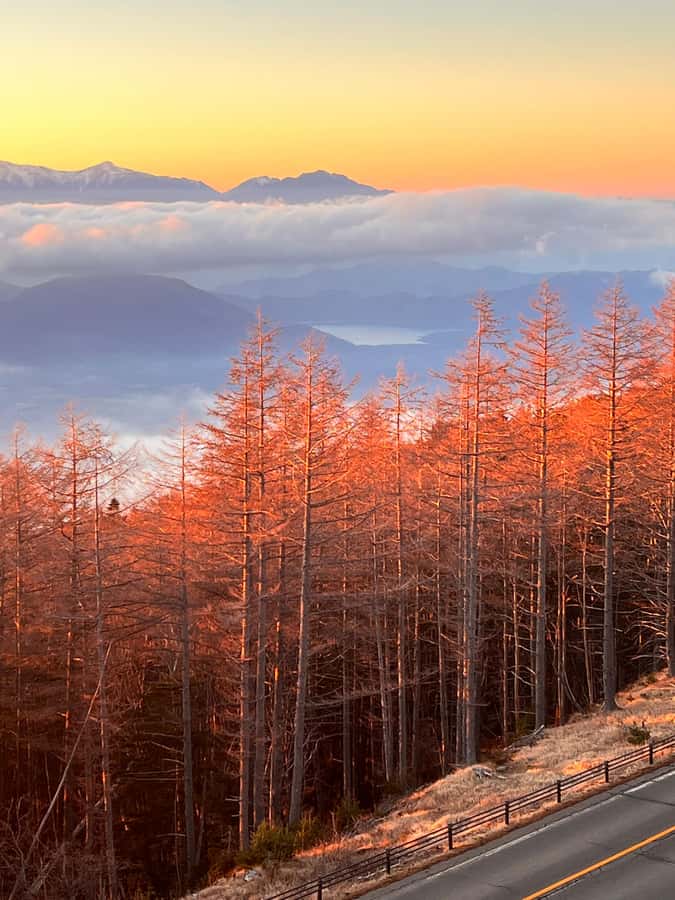
This is the kind of day trip that feels different from the big group bus tours, mainly because you’re not trapped in a rigid schedule. You start with hotel pickup and drop-off, then spend the day in an air-conditioned vehicle with a driver/guide who handles parking and the driving so you can focus on the scenery.
The price is listed as $438 per group (up to 5 people). That’s actually a decent value when you compare it to coach-tour pricing for multiple people, especially because you get flexibility. Many days around Fuji are crowded, and the ability to time stops (and sometimes reroute slightly) matters more than squeezing in one more checkbox.
Expect a long day. The timing is flexible, but it’s designed as a 10-hour-style full day. That means you’ll get a strong sampler of the region, not a deep-dive into every single site.
The Fuji stops that make the biggest difference
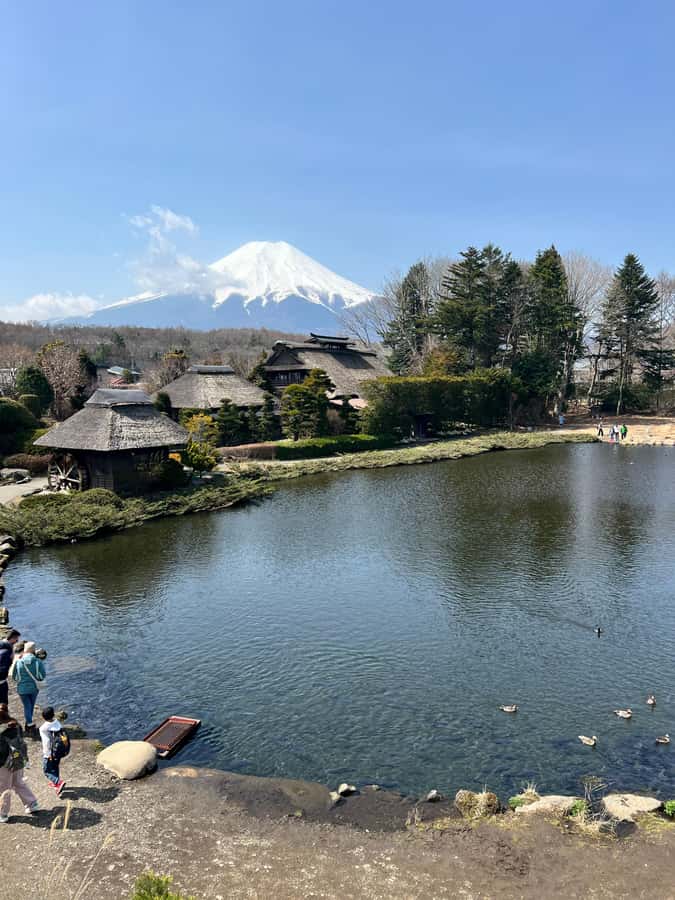
Mount Fuji is famous, but seeing it well is about angles and timing. This tour smartly builds in several Fuji-related stops so your odds improve even when visibility shifts.
Subaru 5th Station and Tenjosan Komitake Shrine
A big moment is Subaru 5th Station. It’s about 2,300 meters above sea level, so the air feels cooler and the views open up fast. From here, you can look down into the crater area and out toward the surrounding mountains—and on clear days, you’ll also see the Fuji Five Lakes region.
Right up at this altitude, you also visit Tenjosan Komitake Shrine. The shrine stop is practical: it gives you a calm break while still keeping you in the best viewing zone. The payoff is simple—more unobstructed sightlines and a chance to slow down.
Seasonal note you should know: from July 1 to September 30, private vehicles are not allowed on Fuji Subaru line to the 5th Station. If you want to go to 5th Station during those months, you’ll use a shuttle bus instead, with an extra 2,500¥ per person.
You can also read our reviews of more tours and experiences in Tokyo




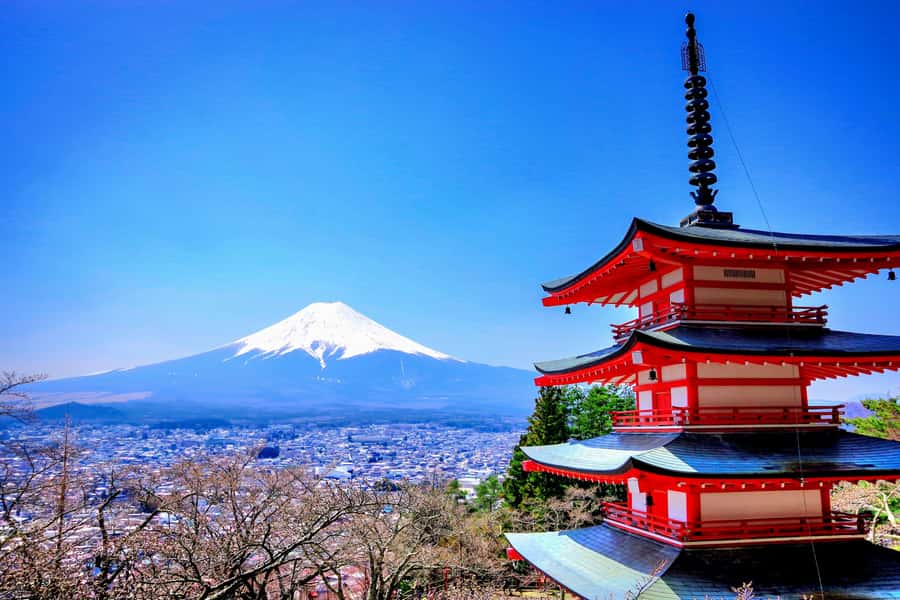
Chureito Pagoda in Arakurayama Sengen Park
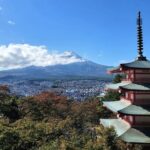
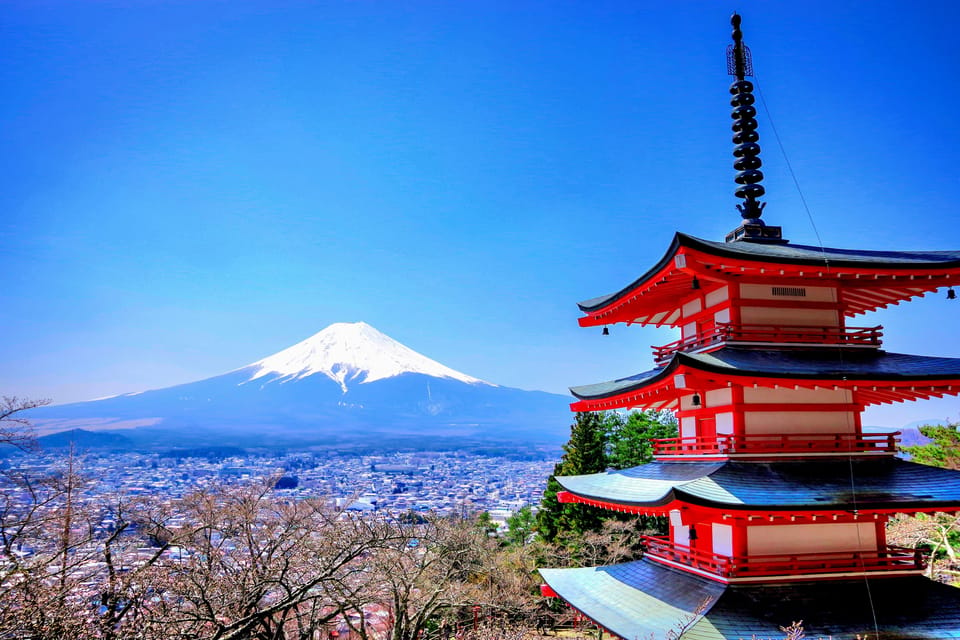
Next, you get Chureito Pagoda, a striking five-story pagoda set in Arakurayama Sengen Park. The reason this stop is worth it isn’t just architecture. It’s composition. Fuji, pagoda, and park paths create that iconic layered view.
If you’re traveling during cherry blossom season or autumn foliage, this stop can look extra dramatic. Even outside those seasons, it’s still one of the most recognizable Fuji photographs you’ll see in Japan.
Kitaguchi Hongu Fuji Sengen Shrine and its red torii
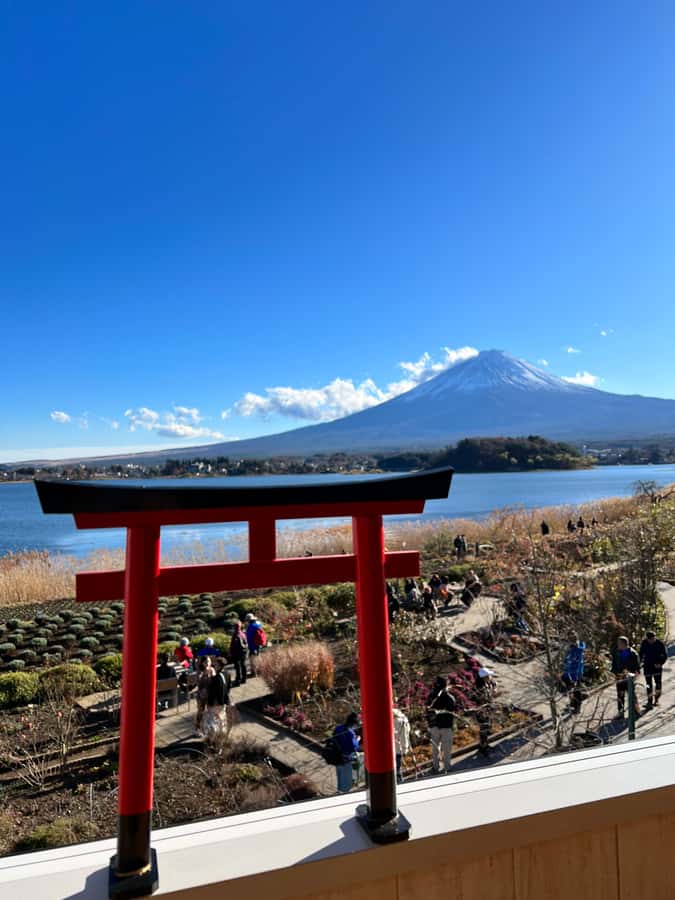
Another important stop is Kitaguchi Hongu Fuji Sengen Shrine, known for its red torii gates and peaceful atmosphere. You’ll also walk along a path shaded by very old cedar trees (over 1,000 years old) with stone lanterns lining the route.
This is a nice counterbalance to the high-altitude viewpoint feel earlier in the day. It also adds context: Mount Fuji isn’t only scenery here—it’s treated as a sacred presence in local life.
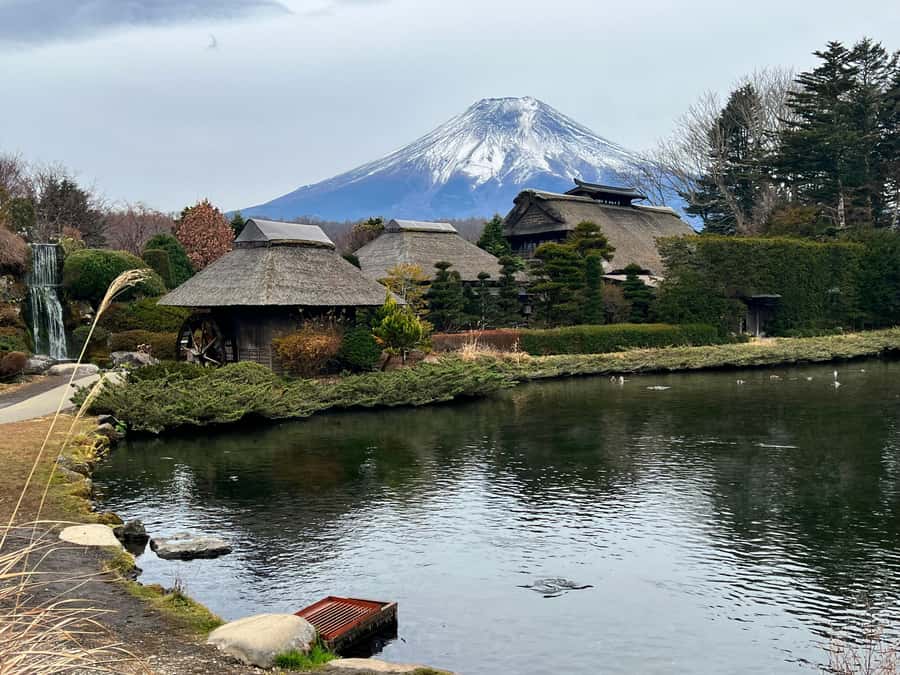
Oshino Hakkai: the easy walk that feels totally Japan
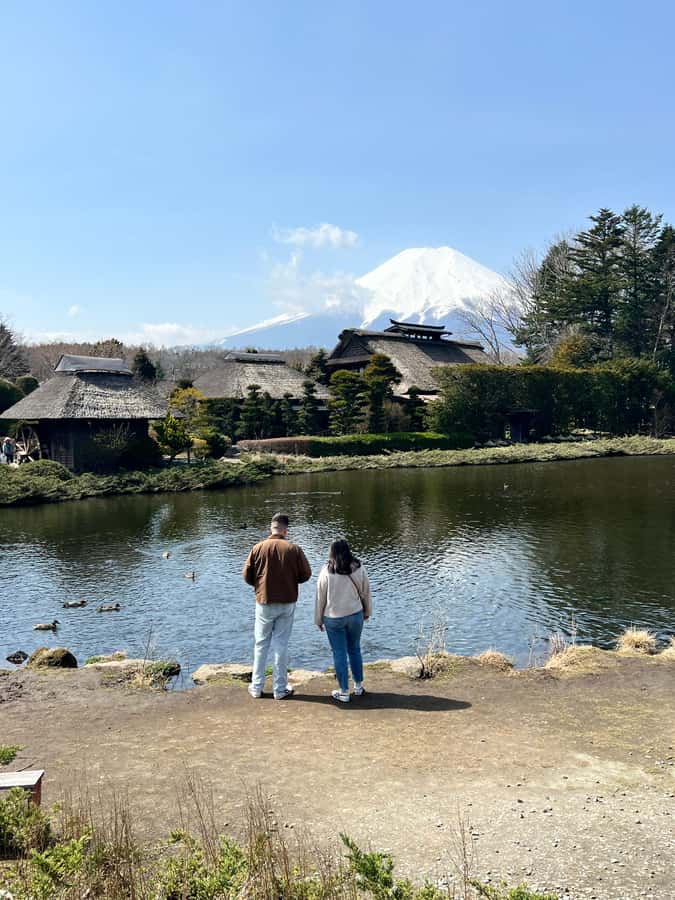
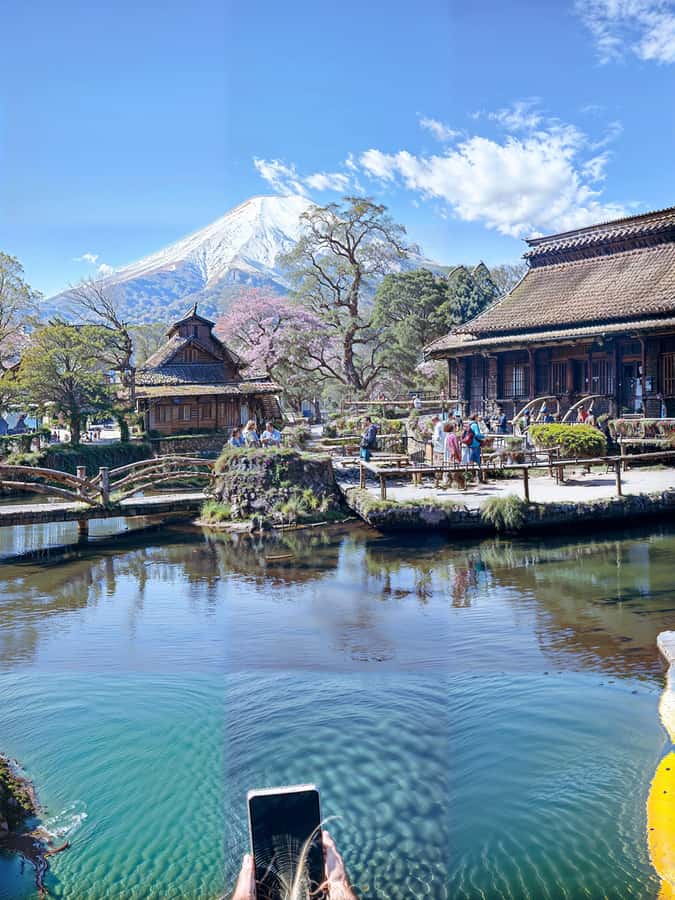
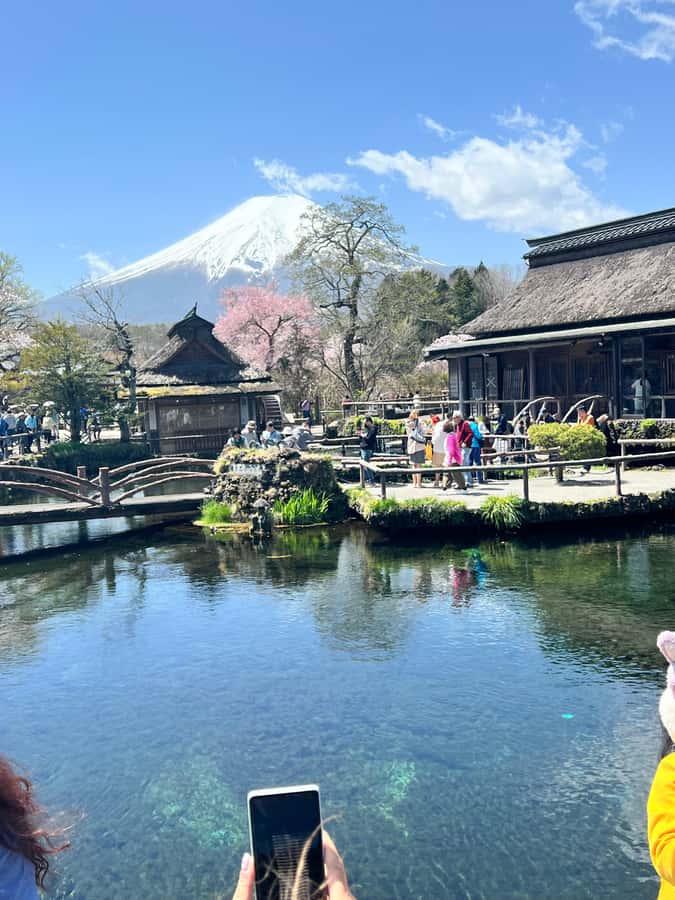
If you want one “take your time” part of the day, it’s Oshino Hakkai. This village area centers on eight ponds formed by melting snow from Mount Fuji.
The walk is gentle, and the setting gives you a break from road travel. You’ll see traditional houses and low-key streets, and you can enjoy the calm pace. It’s the kind of stop that works well even if your Fuji visibility was shaky earlier—because the ponds themselves are the point.
One practical tip: the day can be busy, so use this stop to slow down, take photos early, and recharge your energy for Hakone after.
Hakone National Park: volcanic views, hot-spring area vibes, and Lake Ashi
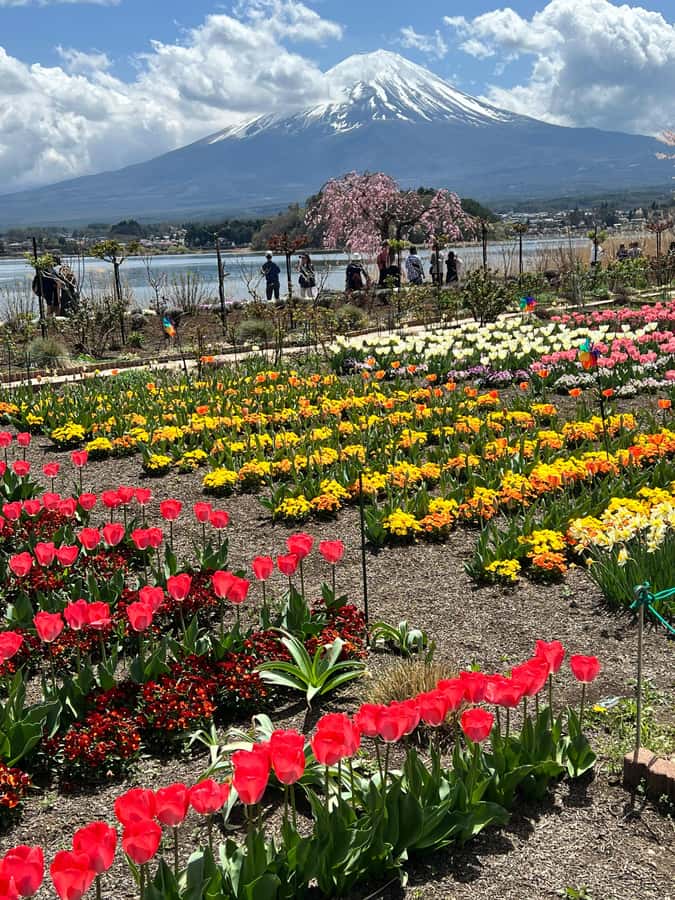
Hakone is where the day starts to feel like a different world. You move from Fuji’s shrine-and-lakes vibe into Hakone National Park’s volcanic scenery, with hot spring areas, sulfur views, and then lake views.
Owakudani and the ropeway/cable car option
One of the most famous Hakone experiences is Owakudani, the sulfur area. It’s visually intense and gives you that classic “volcanic valley” feeling. You’ll also have access to panoramic viewpoints via the Hakone Ropeway (cable car) option.
Even if you’re not chasing every thrill ride, this section helps you understand why Hakone is so closely tied to hot springs. It’s not just a spa region. The terrain is part of the story.
Lake Ashi and the Pirate Cruise option
Then comes the calm shift: Lake Ashi. The lake is surrounded by mountain views, and it’s one of those places where the scenery changes as you move. There’s an optional boat cruise—often described as the Pirate Cruise—that lets you see Mount Fuji in the background when conditions are right.
This is one of the best-value add-ons in the day because it gives you movement and perspective without exhausting hiking. If the weather starts improving later in the day, Lake Ashi is a strong place to benefit from that.
Hakone Open Air Museum
A standout cultural stop is the Hakone Open Air Museum. It’s good for a day like this because it mixes art viewing with an easy walking pace—useful when you’ve already done shrines and viewpoints.
It also gives your eyes a rest. Instead of more “look at the view,” you’re looking at sculpture and installations placed outdoors, which fits the Hakone environment.
How the day is paced (and why the guide matters)
A private day trip lives or dies on pacing, and the reviews you’ll hear about this trip tend to be consistent: guides often adjust the schedule based on clouds and crowds. You’ll see this when your route shifts so you’re more likely to catch clearer weather at the best angles.
Guides you might encounter include people like Hadi, Ali, Nomi, Sam, Haider, and Mike-san. Different personalities, same goal: make the day flow. Some guides also help with practical stuff like taking photos of your group so you’re not stuck handing your camera to strangers.
For me, the biggest practical win is this: on a long day, it’s not the number of stops that matters—it’s the quality of time at each stop. A good guide helps you avoid wasting your best daylight stuck in lines.
Price and logistics: what you pay for, and what costs extra
Here’s the clean cost picture. You pay $438 per group up to 5, and the tour includes:
- Hotel pickup and drop-off
- Transportation by air-conditioned vehicle
- Driver/guide
- Parking fees
- Water bottle
Not included:
- Boat cruise / cable car / museum entry tickets
- Mt Fuji entrance fee: 2100¥ per group
- Lunch
Then there are a couple “bring-your-own-planning” items:
- If your pickup is outside Tokyo’s 23 wards, there’s an extra 5,000¥ charge, paid in cash to the driver on the day.
- You’re expected to bring cash for fees and smaller purchases since card acceptance can vary at scenic spots.
This is also one reason private tours can be a better deal than they look: the flexibility can save you from paying for unnecessary time sinks.
What to bring so the day feels easy
You don’t need much gear, but a few items make a difference on a day running from city pick-up to high elevations and back.
Bring:
- Comfortable shoes (you’ll walk at shrines and parks)
- A camera (the Fuji angles are the reason to come)
- Comfortable clothes (layers help with altitude changes)
- Cash (for optional tickets and fees)
Also note the basic rule: no smoking in the vehicle.
Who this tour is best for
This trip shines if you want a lot of major sights in one day without dealing with train changes, parking, and timing. I especially think it fits:
- Families or groups of up to 5 who want breaks between stops
- People who want Fuji + Hakone together, since other tours often do only one area
- First-timers who still want cultural texture (shrines + Oshino Hakkai), not only views
If you’re traveling with limited mobility, you might find the day a bit active due to walking time at several stops. The good news is you’re in a vehicle all day, with guided stops instead of solo navigation.
Should you book the Mount Fuji and Hakone private day trip?
If you care about getting the best shot of Fuji and still want Hakone’s volcanic-lake vibe in the same day, I’d book it. The private format is the real value here: you get multiple Fuji angles, a Hakone mix of views and culture, and a guide who can help your schedule respond to real-world conditions like clouds and traffic.
Book it if:
- You’re traveling with a small group and want better use of time than a coach tour
- You’d enjoy optional add-ons like Lake Ashi cruising and ropeway/cable car
- You want shrines and scenery, not just one viewpoint
Skip it if:
- You can’t handle extra costs for optional tickets and lunch
- Your plan only works if Fuji is guaranteed on a clear day
If you decide to go, consider asking for a guide when booking (people like Ali and Hadi show up repeatedly in past experiences), and come ready with comfortable shoes and some cash. That combo is how you turn this long day into a calm, high-return Fuji and Hakone highlight reel.
FAQ
Is this a private tour?
Yes. It’s a private day trip for a group up to 5, with hotel pickup/drop-off and a driver/guide.
How much does the tour cost?
The price is listed as $438 per group up to 5.
What’s included in the price?
Included are hotel pickup and drop-off, air-conditioned vehicle transportation, driver/guide, parking fees, and a water bottle.
What is not included?
Not included are the boat cruise, cable car, and museum entry tickets, the Mt Fuji entrance fee (2100¥ per group), and lunch.
Do I need cash?
You should bring cash, especially for optional tickets and the Mt Fuji entrance fee. There may also be an additional pickup charge outside Tokyo’s 23 wards.
Is there an extra pickup fee?
Yes. There is an additional 5,000¥ charge for pickup outside Tokyo’s 23 wards, paid in cash to the driver on the tour day. No extra fee is charged for pickups within Tokyo’s 23 wards.
Can we visit everything in the itinerary in 10 hours?
The listed stops are for reference. It may not be possible to visit all places within the time limit, and the guide will help build the best possible plan on the day.
Is Mt Fuji 5th Station accessible in summer?
From July 1 to September 30, private vehicles are not allowed on Fuji Subaru line to the 5th Station. You can go by shuttle bus with an extra charge of 2,500¥ per person.
What languages are available?
Languages listed are English, Hindi, and Japanese.
Are there age or safety limitations?
The tour is not suitable for people over 95 years. Smoking is not allowed in the vehicle.