REVIEW · TOKYO
Premium 14-Piece Sushi & Cultural Discovery with Chef Interaction
Book on Viator →Operated by REONA Sushi Tokyo – A Journey to Reveal Sushi's Secrets · Bookable on Viator
Sushi lessons at the chef’s counter. You’re in Tokyo for a guided, small-group sushi experience built around Edomae technique demos, hands-on-style chef interaction, and a 14-piece premium omakase with smart ingredient comparisons.
What I like most is the 14-piece tasting that keeps you satisfied without sending you hunting for ramen after. I also really enjoy the comparative tastings, where the chef shows you how premium ingredients and rice choices change the bite, not just the plating.
One thing to consider: drinks (including alcohol) aren’t included, so if you want sake, you’ll be adding that cost separately.
In This Review
- Key highlights you’ll actually care about
- Why this chef-counter sushi experience feels different in Tokyo
- The 14-piece premium omakase: what you get and why it’s good value
- Edomae technique demos: searing, marinating, wrapping, and the “how” behind the taste
- The premium vs standard tastings: rice, wasabi, and subtle differences you can notice
- Sake pairings are optional: what’s included and what you’ll pay extra for
- Where the “cultural discovery” fits around sushi
- Behind-the-counter photos: the rare part you’ll want to remember
- Who should book this sushi course (and who might not)
- Families and kids: how the kids’ room plan works
- Price, timing, and booking: how to judge if $171.73 is worth it
- Should you book REONA Sushi Tokyo’s 14-piece chef interaction?
- FAQ
- Where is the meeting point for this sushi experience?
- How long does the tour last?
- What’s included in the 14-piece premium sushi course?
- Are drinks included, and can I order sake?
- Can kids join, and will they eat the same 14-piece sushi course?
- Does this experience accommodate allergies or dietary restrictions?
- Is there a refund if I cancel?
Key highlights you’ll actually care about
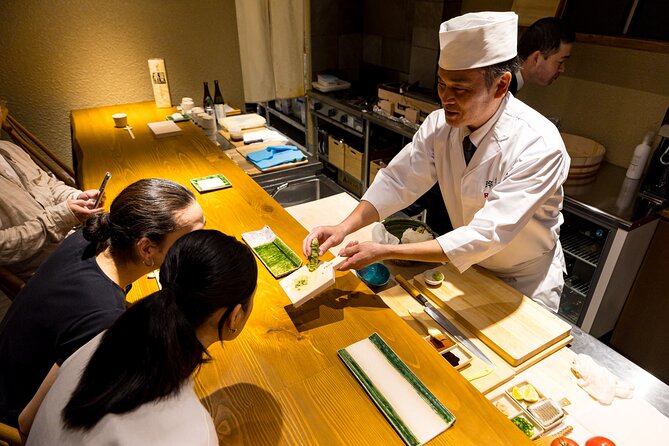
- Watch Edomae technique in real time: searing, simmering, marinating, and wrapping at the counter
- Taste premium vs standard side-by-side through guided comparisons that explain why the difference matters
- Learn the rice and wasabi thinking behind sushi, including freshly grated wasabi vs common pastes
- See the chef’s workspace and get time for exclusive behind-the-counter photos
- Small group for a calmer pace with a maximum of 5 travelers
Why this chef-counter sushi experience feels different in Tokyo
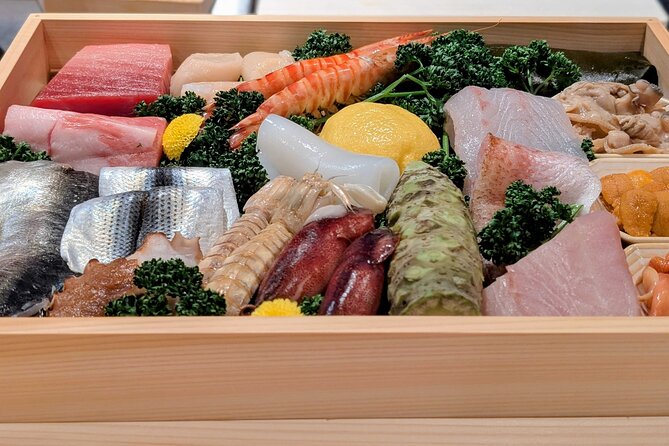
Tokyo has a lot of sushi choices, but this setup is built for learning. You’re seated at the chef’s counter at an authentic sushi restaurant, so you see the pacing, the tools, and the small movements that usually disappear in a regular dining room. The guide helps bridge the language gap, and the chef’s interaction turns the meal into a mini lesson, not just food you eat quickly and forget.
I also like the tone here. This isn’t pitched as some mystical “only experts know” thing. The focus stays practical: what each tool is for, what each ingredient contributes, and how technique shapes flavor. You’re not just watching; you’re being shown comparisons and given context so you can understand what you’re tasting.
And it’s small-group by design (maximum 5 travelers). That matters. A group of a handful means you’re less likely to feel like background noise, and the chef can keep the tempo human. You’ll still feel that true Tokyo restaurant energy, but you won’t be trapped in the “silent stare” mode.
You can also read our reviews of more tours and experiences in Tokyo.



The 14-piece premium omakase: what you get and why it’s good value
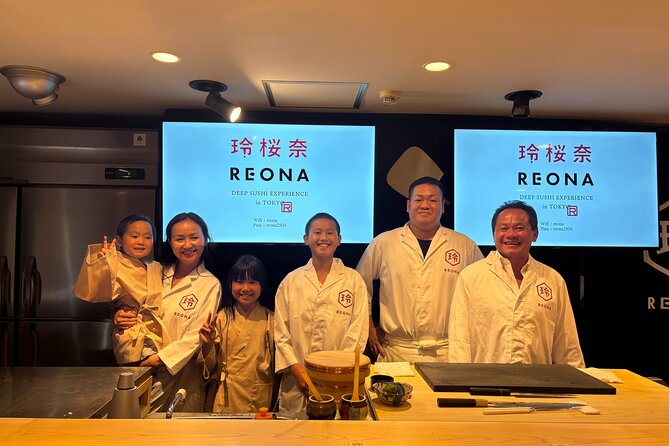
The headline is a 14-piece omakase course over about 2 hours (standard timing) with a maximum that can run up to 2.5 hours. For the price of $171.73 per person, the value isn’t just the fish. It’s what’s packaged with it: chef demonstrations, ingredient and technique comparisons, and time at the counter plus a behind-the-counter photo moment.
Most sushi meals in Tokyo either go “eat first, explain never” or “explain in theory, eat at the end.” Here, the teaching is built into the flow. As the chef works, you’re also doing comparative tastings that highlight premium vs standard ingredients, and you’re getting explanations during the process (like how different rice preparation affects flavor).
That changes your experience in two ways:
- You can taste the why, not just the what.
- You finish the meal feeling like you understand sushi better, instead of just having had a nice dinner.
Also, the course is designed so you won’t leave with hunger pangs. Fourteen pieces is a real meal, and the experience is structured to keep you fed while still leaving room for the cultural and technique bits.
Edomae technique demos: searing, marinating, wrapping, and the “how” behind the taste
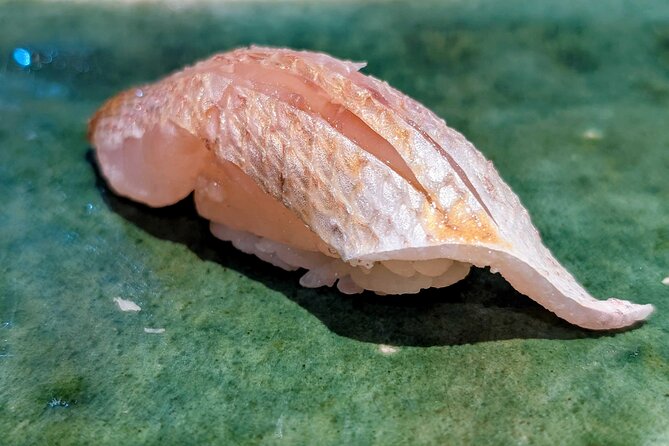
This is where the experience earns its place on your Tokyo plan. You get to watch the chef demonstrate essential Edomae techniques, including searing, simmering, marinating, and wrapping. These steps are often hidden in a restaurant kitchen or rushed past your seat.
Searing and simmering matter because they change texture and depth. Marinating matters because it adds flavor and balance before the final assembly. Wrapping matters because it protects the shape and helps deliver the bite exactly how the chef intends.
What I like is that you’re not given a vague lecture. The format focuses on tools and ingredients as the chef works. You’ll also get guidance on unique chef tools and equipment used for exceptional sushi making. That’s not just trivia. It teaches you what to look for next time you eat sushi, and why certain places taste more precise.
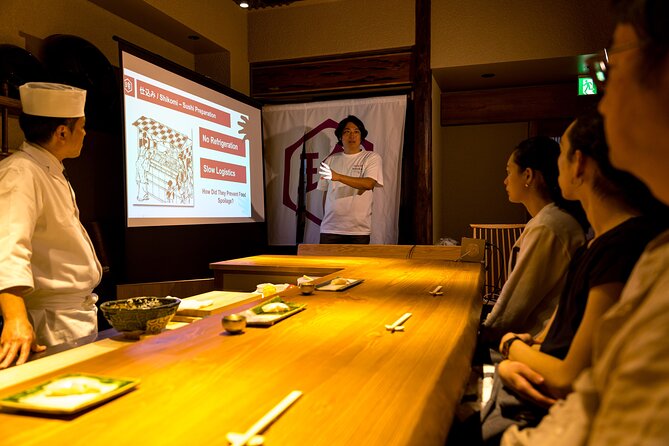
There’s also a learning-friendly touch from the way the lesson is delivered. In feedback about the experience, people have praised the use of visual aids and videos that help explain techniques and the history behind sushi-making. That’s a big deal if your Japanese is limited. You’ll likely get more from the session than you would from a purely spoken explanation.
The premium vs standard tastings: rice, wasabi, and subtle differences you can notice
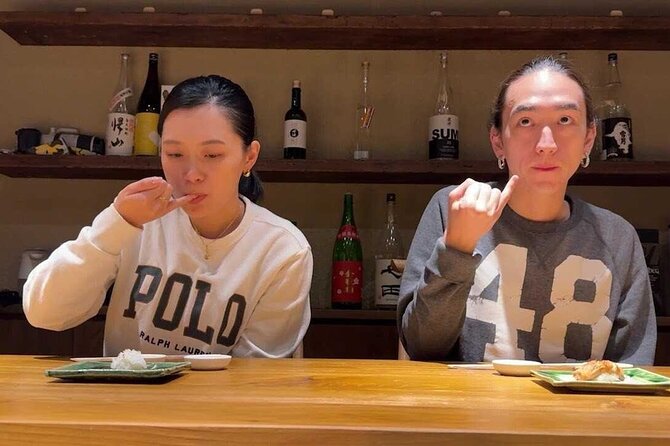
The guided comparisons are the reason I’d pick this over a basic sushi meal. You’ll participate in special comparative tastings that clearly show differences between sushi made with premium versus standard ingredients.
A few comparison themes you should expect:
- Rice preparation differences: the session explains how rice prep influences flavor.
- Wasabi differences: you’ll compare authentic freshly grated wasabi versus standard pastes.
- Tool-and-ingredient effects: you’ll learn about chef tools and how technique changes the final product.
This kind of tasting turns sushi into something you can “read.” After the comparisons, you’re more likely to notice things like aroma, firmness, and the way the fish and rice move together in one bite. Even if you’re not a huge fish person, this can help you understand why sushi fans talk about balance so much.
And yes, I like the practical aspect: the differences can be subtle, but the guide and chef structure the lesson so you’re not left guessing. The session is designed to make the contrasts obvious enough to register during a busy, short meal.
Sake pairings are optional: what’s included and what you’ll pay extra for
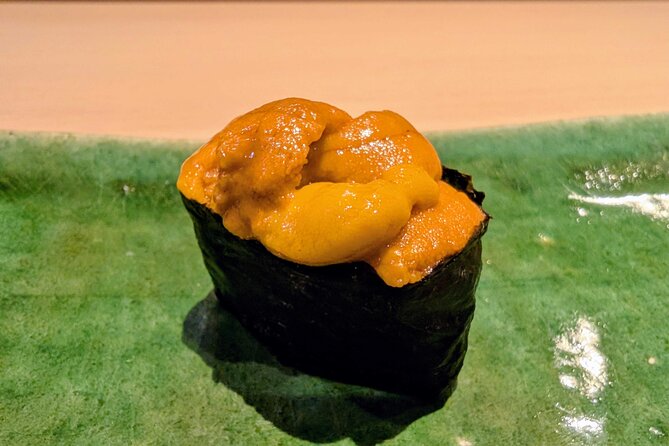
Your meal includes the 14-piece premium sushi course, plus the guided learning components: cultural insights into sushi traditions, chef interaction, demonstrations, and the ingredient/technique comparison tastings.
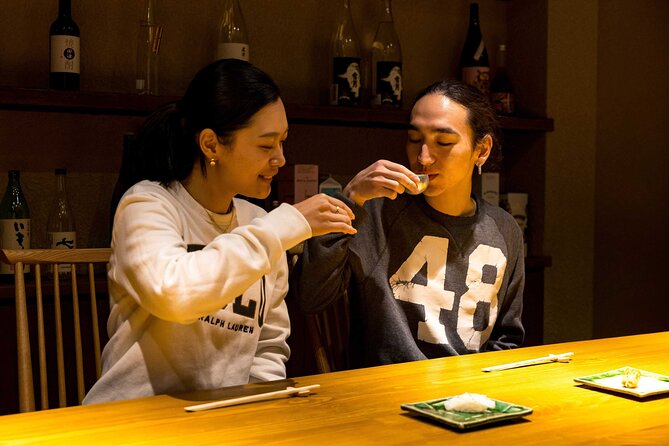
What isn’t included is beverages. That includes alcohol. The good news is you can order sake pairings after arrival at the restaurant if you want. Soft drinks are also available upon arrival if you’d rather not drink alcohol.
If you’re the type who likes pairing food and drink, plan to budget for it. If you’d rather keep it simple, you can still enjoy the full experience without alcohol and focus on the sushi and lessons. Either way, the course itself is the centerpiece, and the teaching is tied directly to what you’re eating.






Where the “cultural discovery” fits around sushi
The experience includes time tied to several central Tokyo areas: Chiyoda, Ochanomizu / Akihabara / Kanda, Tokyo Prefecture, the Kanda Jimbocho bookstore area, and Akihabara again. Even though the itinerary stops are listed as these zones, the purpose is clear: you’re getting a bit of Tokyo context alongside the food.
Here’s how I’d think about this as a traveler:
- If you’re staying in central Tokyo, these neighborhoods are close enough to make the day feel efficient.
- If you’re expecting huge sightseeing blocks, don’t. This is a short, focused session built around the counter experience, not a full-day tour with museum-style stops.
In other words, you’re not losing the plot. The walking/area transitions support the cultural feel, then you get back to the main event: chef demos, tastings, and technique explanations.
Also, the experience runs about 2 hours, which keeps it manageable even if you’ve got jet lag or a long day of exploring.
Behind-the-counter photos: the rare part you’ll want to remember
One of the standout “only here” benefits is the chance to step behind the sushi counter into the chef’s workspace. You also get exclusive photo opportunities tied to that moment.
This is a neat bonus because most sushi experiences keep you on the customer side for the whole meal. Having that behind-the-counter access turns the experience into something you can reference later. It’s also useful for learning: seeing the setup you were watching helps you connect the tools to the technique you just saw.
If you care about photos, this is the moment. Plan to use it thoughtfully, not as an endless photo shoot that interrupts the flow.
Who should book this sushi course (and who might not)
This tour fits best if you meet at least one of these conditions:
- You want a small-group, counter-seat sushi experience with real technique explanations.
- You like learning how food is made, not only eating it.
- You want tasting comparisons that teach you what changes flavor.
A surprising plus: the feedback includes people who weren’t sure about fish, or who went mainly for sake, yet still ended up enjoying every dish and valuing the learning. If you’re worried sushi won’t work for your taste, the comparative format and pacing can help you find what you actually enjoy.
That said, there are clear “read the fine print” points:
- No allergy/diet accommodations for rice, soy, or seafood: the experience says it cannot accommodate allergies or dietary restrictions related to those items. If you have constraints in those categories, you’ll need a different food experience.
- If you’re traveling with kids, the kid plan is different. Kids have their own kids’ room experience and a child-friendly meal, not the adult 14-piece course at the counter. For the full counter experience, you’ll need to book under the adult plan.
Families and kids: how the kids’ room plan works
Kids can book, but the experience is split. Children up to 12 years old can use a Kids’ Room, and they’ll receive a child-friendly meal. Seating differs too: kids aren’t seated at the sushi counter in the same way adults are.
If your child’s goal is the full 14-piece sushi course at the counter alongside adults, the data here is direct: book the adult plan for that child so they can join the counter experience. The kids’ booking doesn’t include the 14-piece omakase.
This setup is practical. It keeps the adult counter experience intact while still allowing families to participate in a meaningful way. Just go in with the right expectation: kids’ plan equals a different meal and a different seating setup.
Price, timing, and booking: how to judge if $171.73 is worth it
At $171.73 per person, you’re paying for more than fish. You’re paying for:
- an English-speaking guide,
- chef interaction and demonstrations,
- a 14-piece premium omakase course,
- comparative tastings focused on premium vs standard ingredients,
- explanations of tools and techniques,
- and time behind the counter with photo opportunities.
It also helps that the group size is capped at 5 travelers. If you hate crowded tours where questions never get asked, this format is designed for your comfort.
Timing is also reasonable. At about 2 hours, you get a full learning meal without turning it into a half-day project. And if you’re looking at demand, the average booking window is 39 days in advance, so earlier booking can help secure your preferred slot.
Should you book REONA Sushi Tokyo’s 14-piece chef interaction?
Book it if you want a sushi experience that teaches you what makes sushi taste the way it does. The combination of chef technique demos, guided premium-vs-standard tastings, rice and wasabi explanations, and the behind-the-counter workspace photo time makes it feel more like a craft workshop than a typical dinner.
Skip it or plan carefully if you:
- need allergy accommodations for rice/soy/seafood (those aren’t supported),
- want alcohol fully included in the price (beverages aren’t included),
- or are bringing a child and expect them to sit at the counter with the adult omakase on a kids’ plan (they won’t).
If your goal is to understand sushi at a deeper level in a short window of time, this one is a strong fit.
FAQ
Where is the meeting point for this sushi experience?
The meeting point is 3-chōme-3-6 Kanda Surugadai, Chiyoda City, Tokyo 101-0062, Japan. The activity ends back at the meeting point.
How long does the tour last?
It runs about 2 hours on a standard schedule, with a maximum duration of up to 2.5 hours.
What’s included in the 14-piece premium sushi course?
You get the 14-piece omakase sushi course, chef interaction and demonstrations, and guided sushi ingredient and technique comparison tastings. You’ll also get cultural insights and explanations of authentic sushi chef tools and equipment.
Are drinks included, and can I order sake?
Beverages are not included. You can order sake pairings after arrival if you want, and soft drinks are also available upon arrival.
Can kids join, and will they eat the same 14-piece sushi course?
Kids up to 12 can book the kids plan, which includes a kids’ meal and access to the Kids’ Room. The kids’ meal is not the same as the adult 14-piece sushi course, and children are not seated at the sushi counter. To have a child join the full 14-piece counter experience, you need to book under the adult plan.
Does this experience accommodate allergies or dietary restrictions?
No. It says it is unable to accommodate allergies or dietary restrictions related to rice, soy, or seafood.
Is there a refund if I cancel?
Yes. You can cancel for a full refund up to 24 hours before the experience start time. If you cancel less than 24 hours before, the amount paid is not refunded.