REVIEW · TOKYO
Tokyo: Mt Fuji Lake Kawaguchi & Yamanaka Hot Spring Day Tour
Book on GetYourGuide →Operated by Hakuu Co Ltd. · Bookable on GetYourGuide
Tokyo to Fuji is one of the easiest ways to see Japan’s favorite mountain. This 10-hour small-group tour mixes classic photo spots with a few quieter stops, then finishes with real relaxation at Benifuji no Yu with Mt. Fuji in your line of sight.
I especially like the pacing: you get multiple chances to frame Mt. Fuji from different angles, not just one rushed overlook. I also like that the tour is set up for self-guided time at each stop, so you can linger for photos without waiting for a long lecture, and you still have a bilingual driver-guide on board (people like Jason and Li have been praised for friendly, helpful support).
One thing to plan around: it’s not a deep, narrated tour. You’ll have free time at most stops, which is great for flexibility, but it also means you should expect limited detailed explanations on-site, plus not much time if you want an extra-long stay anywhere.
In This Review
- Key highlights worth your attention
- Mt. Fuji in 10 hours: what this day tour really delivers
- Getting there from Tokyo: pickup options and the small-group feel
- Oishi Park and the Maple Corridor swap: seasonal Fuji color
- Kawaguchiko Station Lawson: real-life convenience-store photos
- Hikawa Clock Shop: “The Heavenly Town” streets and quiet Fuji angles
- Oshino Hakkai: spring-water calm with time to shop and snack
- Lake Yamanaka viewpoints: the payoff before the hot spring
- Benifuji no Yu hot spring: what to expect and what to plan
- Photo and comfort strategy: simple gear that makes a difference
- Price and value: is $68 a good deal for this Mt. Fuji day?
- Who should book this, and who should skip it
- Should you book Tokyo to Mt. Fuji, Lake Kawaguchi, and Yamanaka hot spring?
- FAQ
- Where do I meet the guide?
- Does this tour include hotel pickup and drop-off?
- How big is the group and what languages does the guide speak?
- Is the Benifuji no Yu hot spring admission included?
- How guided is the experience at each attraction?
- Do stops change depending on the season?
Key highlights worth your attention
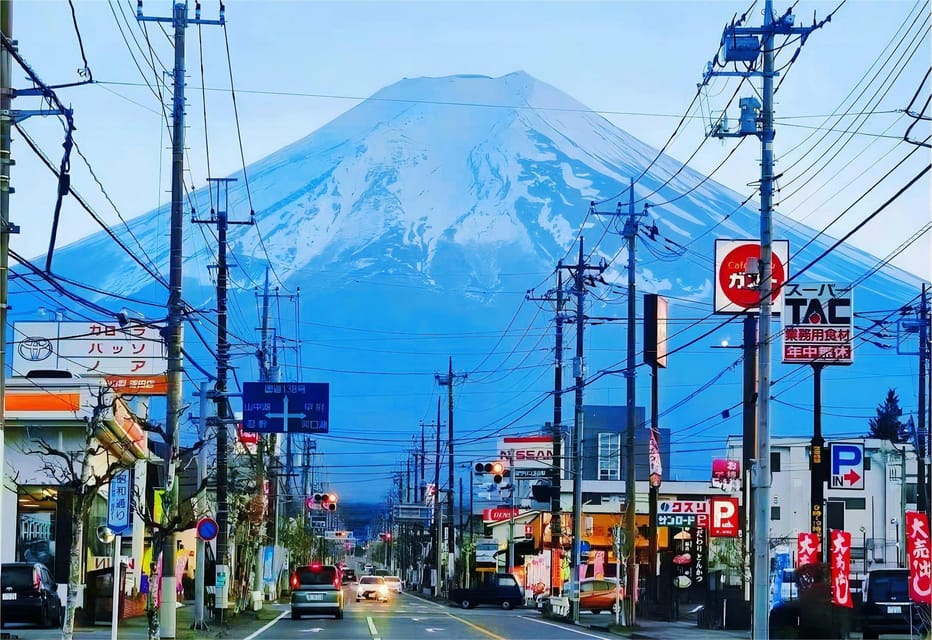
- Photo-time built into the route so you can shoot Oishi Park/Maple Corridor and Lake Yamanaka from prime viewpoints
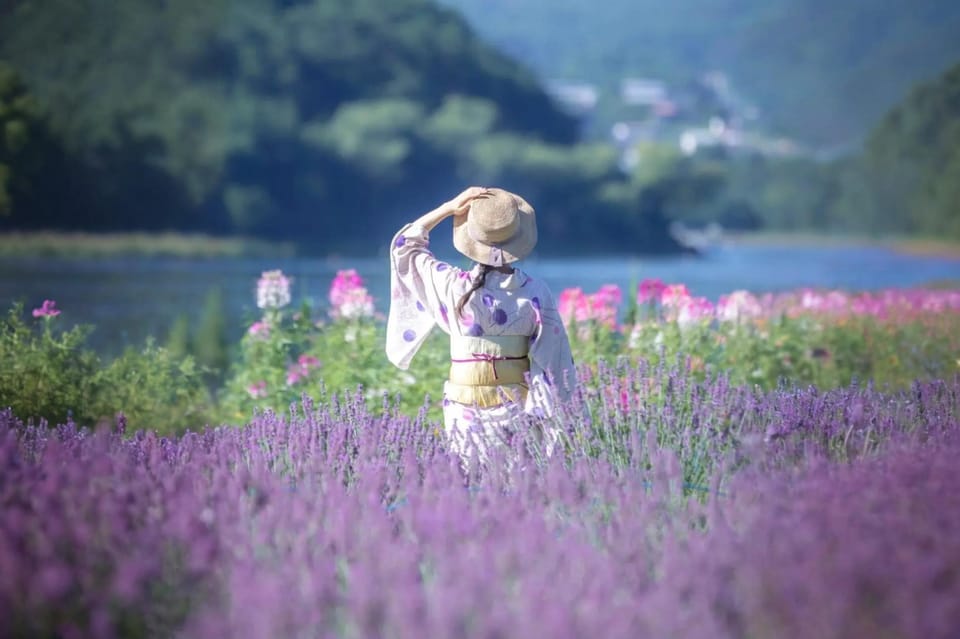
- Seasonal Mt. Fuji color themes: lavender in summer, Kochia in autumn, and a Maple Corridor swap in peak fall weeks
- Oshino Hakkai’s spring-water walk in a traditional setting, with time for shopping and simple meals
- Benifuji no Yu hot spring on Lake Yamanaka for the kind of calm you can’t recreate in the city
- Small group (max 9) plus a 10/14-seater vehicle for a more personal flow than big buses
- Bilingual, mainly self-guided stops—you’re not trapped listening, but you’ll guide yourself most of the day
Mt. Fuji in 10 hours: what this day tour really delivers
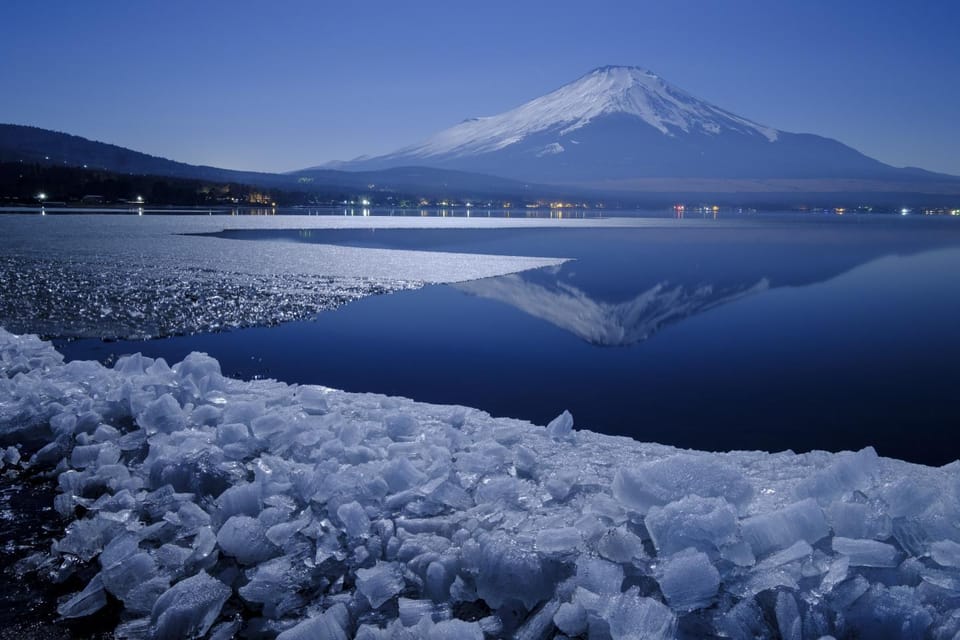
This is a straightforward Tokyo-to-Fuji day trip that aims for balance: big-name views, a few less-common stops, and an actual reset at a hot spring. You’re not trying to “do everything”—you’re trying to see Mt. Fuji from several angles while your transportation is handled and your timing is pre-built.
For you, the win is simple: you get to manage the day with your own eyes and camera. Since the driver-guide keeps explanations light at each attraction, you can spend your time where it matters—on the shoreline views, the spring-water walkways, and the lakeside hot-spring atmosphere.
The other plus is mental. Mt. Fuji can feel like a postcard from Tokyo, but the moment you’re at Lake Kawaguchi and Lake Yamanaka you feel the change in air and elevation. Even during a day that’s mostly scenic stops, you’ll feel like you left the city for real.
You can also read our reviews of more tours and experiences in Tokyo
Getting there from Tokyo: pickup options and the small-group feel
The tour runs from JR Tokyo Station Marunouchi North Exit (Marunouchi North Gate area) or via hotel pickup in 12 select districts. If you choose hotel pickup, you’ll be asked for your hotel name and address to confirm it’s within the pickup zone. If it’s outside the zone, you may need to meet at Tokyo Station with a partial refund.
This setup matters because Fuji-area traffic can be unpredictable. A small group in a 10/14-seater Toyota Hiace usually moves in a tighter rhythm than a large bus, and it’s easier for the driver to make quick timing adjustments when needed.
A practical note: you meet the guide using a WhatsApp photo, and your guide contacts you the night before via WhatsApp or LINE. Plan on having that app ready. Also, the bus leaves on time with no exceptions, and luggage space is limited—so pack light.
Oishi Park and the Maple Corridor swap: seasonal Fuji color
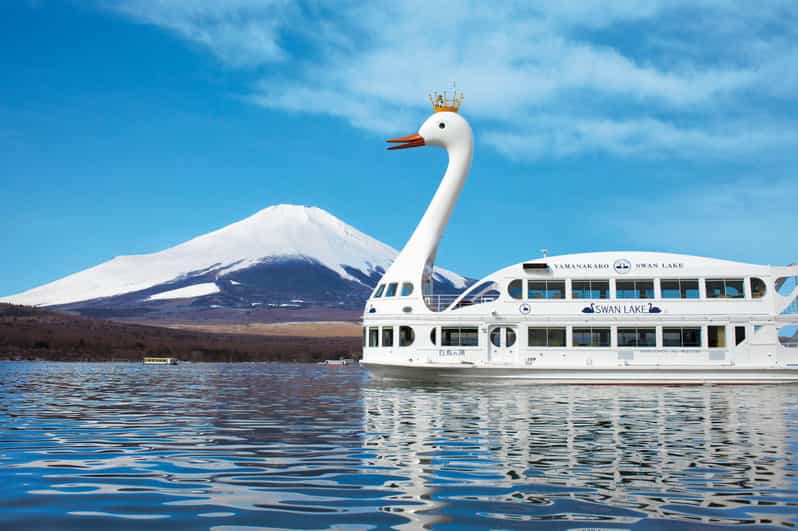
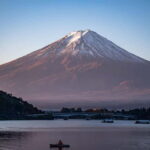
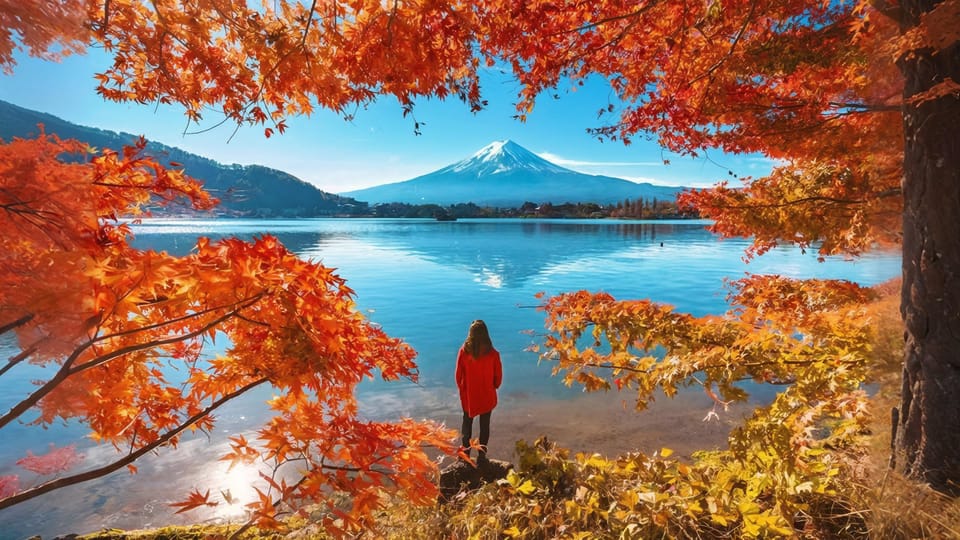
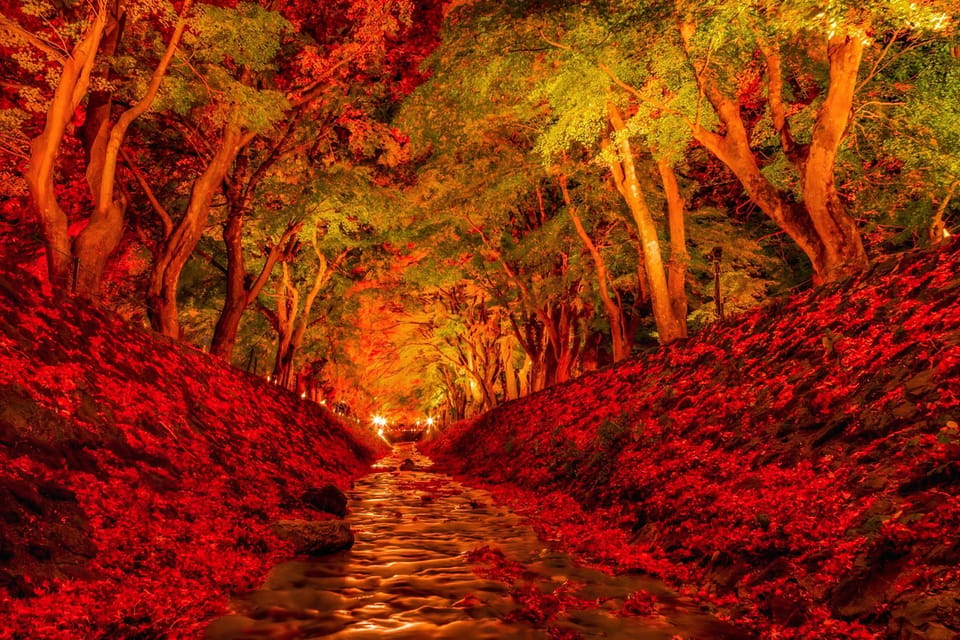
This tour is built around changing scenery. One of your main Mt. Fuji photo moments comes at Oishi Park in most seasons, with a seasonal substitution during the peak fall window (roughly October 30 to November 25), when the route visits the Kawaguchiko Maple Corridor instead.
Here’s how the colors typically work:
- Summer theme at Oishi Park: lavender creates a purple carpet look that contrasts with Mt. Fuji in the background.
- Autumn theme at Oishi Park: Kochia shrubs shift to bright tones that frame the mountain.
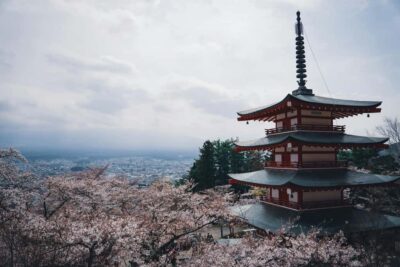
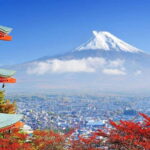
- Peak autumn swap (Maple Corridor): you’re aiming for snow-capped Mt. Fuji framed by red maple leaves. The tour treats this as a special, once-a-year visual.
What this means for you is that you should book with the season in mind, not just the destination. If you want lavender, you go in summer. If you want the classic red-leaf Fuji framing, plan for the late-October to late-November window.
The only catch is weather and cloud. Mt. Fuji is famous for showing up on cue and also for hiding when conditions turn. Your best strategy is to show up ready, shoot when you have the chance, and don’t assume the mountain will be perfectly visible at every stop.
Kawaguchiko Station Lawson: real-life convenience-store photos
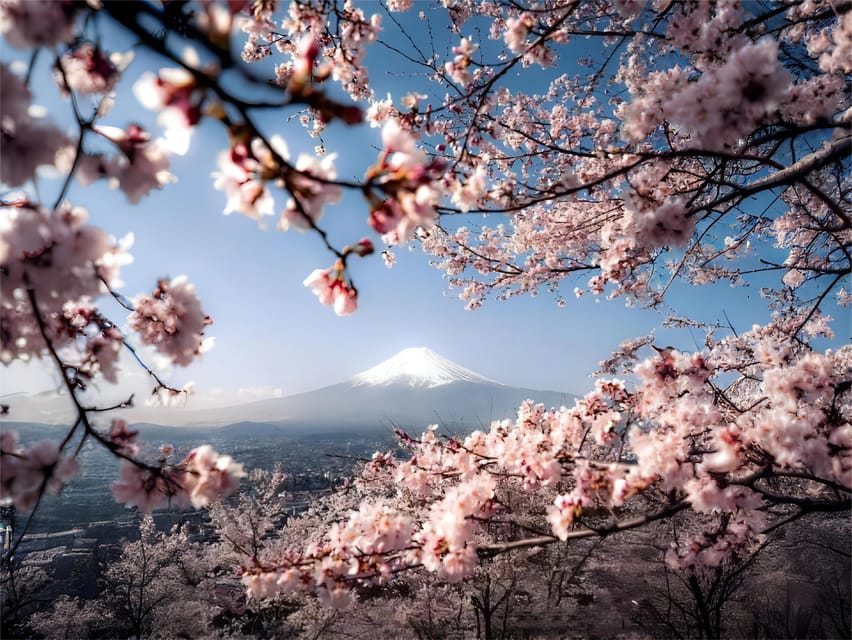
Yes, there’s a stop at the Lawson near Kawaguchiko Station. This isn’t there for shopping alone—it’s there for photos and quick snacks in a very Japanese setting.
You’ll have about 20 minutes here, which is short but workable. Bring your camera habits: Mt. Fuji can sometimes peek between buildings or across open bits of the station area, and this stop is timed to give you a quick window without eating up the entire day.
It’s also a good reminder that this is a self-paced day. You’re not stuck waiting for a full group meal break. You can grab local snacks, use a restroom, and reset your energy for the next scenic leg.
Hikawa Clock Shop: “The Heavenly Town” streets and quiet Fuji angles
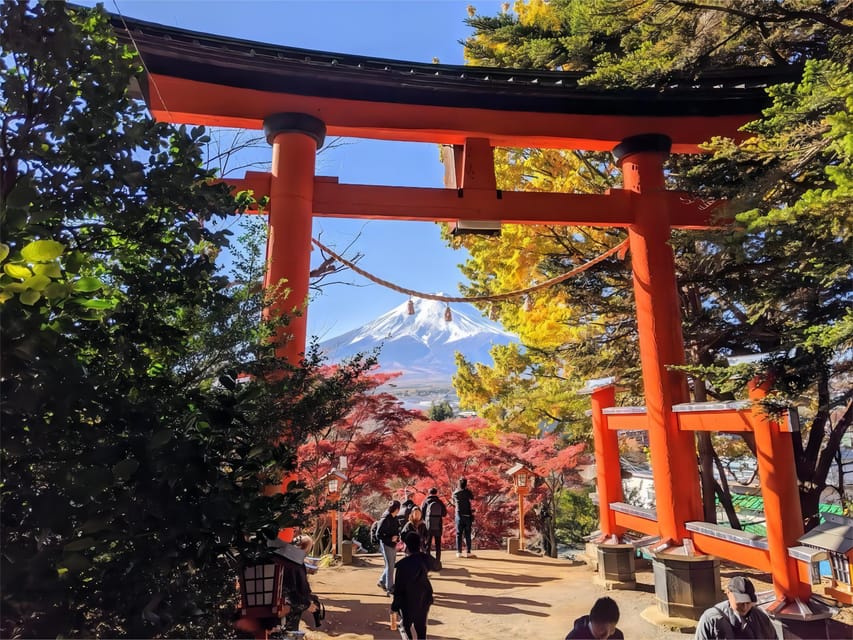
Hikawa Clock Shop is one of those places that feels different from the standard roadside view. The area is often described as The Heavenly Town, and the point of the stop is simple: walk through those photo-worthy streets and look for Mt. Fuji angles that don’t look like the obvious postcard spots.
You’ll get about 20 minutes here—enough to move around, take a few pictures, and enjoy the novelty of the architecture and atmosphere. The downside is also obvious: if you love wandering, you might wish this stop lasted longer. But as part of a packed Fuji loop, it does its job.
This is also a stop where your own pace matters. Wear shoes you can walk in comfortably. Some surfaces can be uneven, and you don’t want foot fatigue to limit your photo time.






Oshino Hakkai: spring-water calm with time to shop and snack
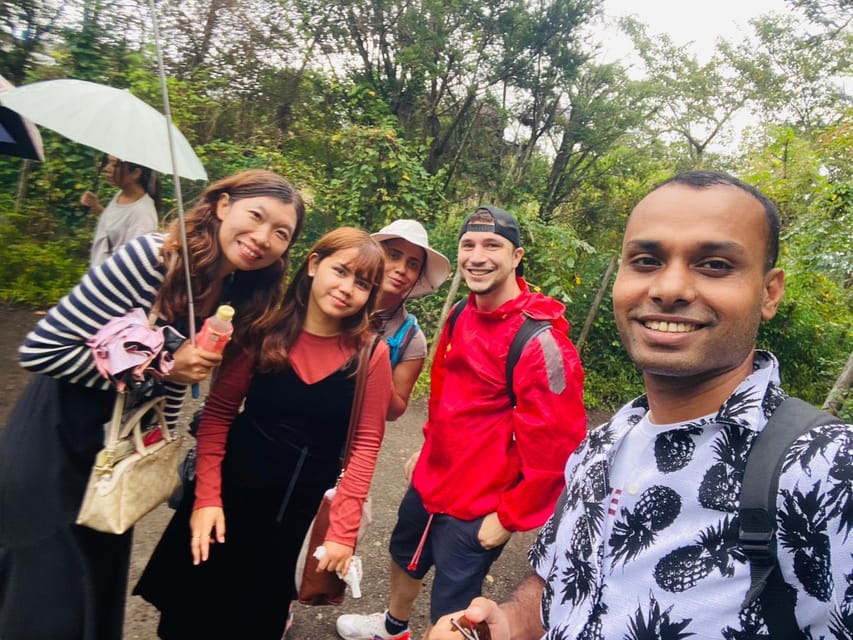
Oshino Hakkai is where the day turns from “views” to “walk and breathe.” This is a traditional village setting known as Fuji’s Hidden Pond, centered on fresh spring water. You’re given about 80 minutes, which is a healthy chunk of time for a scenic stroll without turning it into a full hiking day.
What I like about this stop for you: it adds texture. Mt. Fuji is the headline everywhere, but the small-water channels and village layout make the experience feel grounded in place. Instead of only watching the mountain from a distance, you’re interacting with the landscape through water and small paths.
There’s also time for shopping and regional food. That matters because lunch doesn’t have to be stressful. You can decide as you go—pick something quick, keep moving, and still keep your camera time for later at Lake Yamanaka.
A small caution: the walk is time-based, not time-flexible. If you find a food stand you love, you might want to eat sooner and move on, so you don’t end up rushing the hot spring later.
Lake Yamanaka viewpoints: the payoff before the hot spring
Lake Yamanaka is where the atmosphere shifts from “tour mode” to “slow down.” You’ll have about 1.5 hours, including a photo stop, free time, and a walk.
This is a key moment for photographers because the lake can offer very clear compositions of Mt. Fuji when conditions cooperate. It’s also a chance to watch the shoreline energy: people taking photos, families moving at a relaxed pace, and the general quiet you only get near water at elevation.
Even if you’re not chasing perfect photos, you’ll appreciate the break in tempo. After Kawaguchiko, Oishi/Maple, and Oshino Hakkai, this is your breathing space before the thermal soak.
If your goal is best light for photos, don’t treat this as a quick stop. Set aside a few minutes to scan the lake direction and find your own angle, not just the first viewpoint you reach.
Benifuji no Yu hot spring: what to expect and what to plan
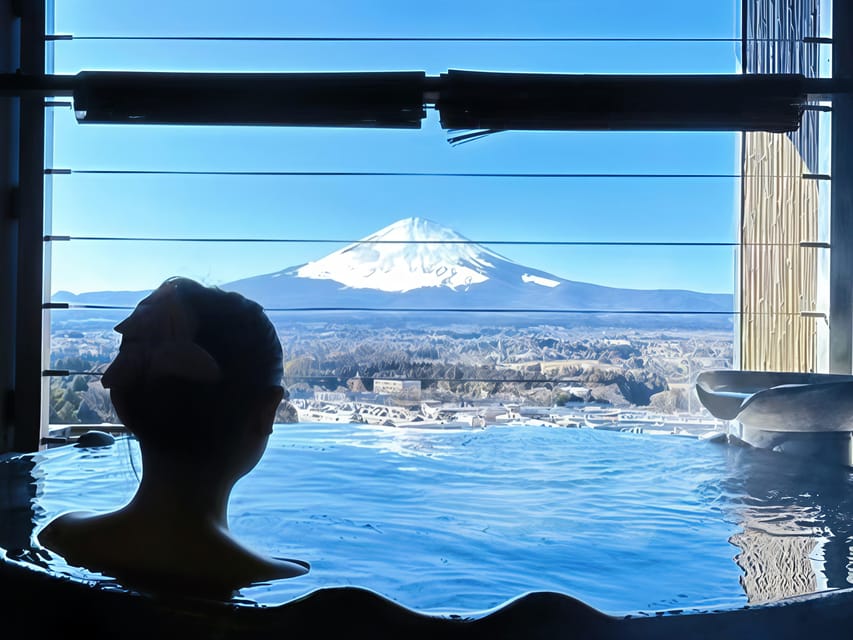
The hot spring stop is Benifuji no Yu at Yamanakako Onsen, with about 1.5 hours of free time. Admission is not included, so you’ll pay the entrance fee separately once you’re there.
This is the relaxing anchor of the tour. You’re soaking while gazing toward Mt. Fuji—exactly the kind of finish that makes a Fuji day feel complete, not just scenic.
A few practical points based on the provided info:
- Japanese hot springs are typically enjoyed without swimwear.
- Tattoos are generally not permitted. You may cover tattoos with bandages, and the data also notes you may opt for a private bath for an additional fee (if offered).
- It’s a self-guided hot spring stop, so follow on-site signage and staff guidance when you arrive.
Also bring a towel if the facility doesn’t supply one (the tour data doesn’t specify, so you might find it helpful to check). At minimum, plan around basic bathing rules and give yourself time to change calmly.
Photo and comfort strategy: simple gear that makes a difference
This day runs outdoors for long stretches, with weather that can change quickly near the lakes. Use the packing list as your starting point:
- Comfortable shoes
- Hat and sunscreen
- Camera (obviously)
- Water
Then add your personal comfort habits. If you’re sensitive to cold, bring a light layer for the lake areas where breeze can cut through. And if you’re traveling with kids, build in extra buffer time for bathroom breaks—this tour’s schedule is tight enough that delays can compress your free time.
One more tip: since it’s mainly self-guided, you don’t need to keep watching the guide for the next step every minute. But you do need to be back on time for the vehicle departure. That’s the real rhythm of the day.
Price and value: is $68 a good deal for this Mt. Fuji day?
At $68 per person (for the tour duration around 10 hours), this is paying for three big things: transportation from Tokyo, a small-group guided driver setup, and a pre-arranged route with photo stops and timed free time.
You’re not paying extra for entry tickets inside the tour cost. Meals aren’t included either. Hot spring admission at Benifuji no Yu is also separate. So the true cost is $68 plus whatever you spend on food and the hot spring fee.
Still, it’s good value if you want the convenience of:
- a direct day trip from Tokyo without planning transit on your own
- a small-group vehicle (max 9 participants)
- a structured route that hits Lake Kawaguchi area first, then Oshino Hakkai, then Lake Yamanaka
If you’re the type who would independently take trains and buses and still feel stressed about timing, this tour can be a relief. If you love public transit planning and want full flexibility to linger longer at one place, you might compare the cost against what you’d spend on tickets and taxis.
Who should book this, and who should skip it
This tour fits best if you want a balanced day: great Mt. Fuji photography chances plus a real hot spring ending.
You’ll likely enjoy it if you:
- prefer a small group over a big bus
- want self-guided time rather than a constant narration
- care about seasonal Fuji scenes like lavender or Kochia
- want one day that covers multiple Fuji-area icons without logistics headaches
It’s less ideal if:
- you want detailed explanations at every stop (the guide provides basic English and doesn’t provide detailed on-site explanations)
- you’re expecting long stays anywhere (most stops are timed and free time is limited)
- you have mobility limits that make walking hard; the data also says it’s not suitable for people over 80 years
Should you book Tokyo to Mt. Fuji, Lake Kawaguchi, and Yamanaka hot spring?
If your dream is a classic Fuji day with minimal planning, I’d say this is a solid book. The best reason is the combination: Lake Kawaguchi area viewpoints for the mountain, Oshino Hakkai for spring-water calm, and then Lake Yamanaka hot spring as the payoff.
I’d book especially if you’re going during a season with strong color—summer for lavender, autumn for Kochia or the Maple Corridor swap, depending on the dates. And if you love photos, this route gives you repeated chances to frame Fuji rather than betting everything on one perfect viewpoint.
Just go in with the right expectations: it’s mostly self-guided at stops, and the hot spring costs extra. If that fits your style, you’ll likely come away feeling like you used your Tokyo time well—calm, scenic, and easy to manage.
FAQ
Where do I meet the guide?
Meet at JR Tokyo Station Marunouchi North Exit (1-chōme-9-1 Marunouchi, Chiyoda City). The guide sends the gathering location photo via WhatsApp, and you’ll be contacted the night before through WhatsApp or LINE.
Does this tour include hotel pickup and drop-off?
Hotel pickup and drop-off are available if you select the pickup option. Pickup is offered in 12 select districts; if your hotel is outside the pickup area, you may need to meet at Tokyo Station with a partial refund of 3200 JPY.
How big is the group and what languages does the guide speak?
The tour is a non-private small group limited to 9 participants. The live driver-guide can speak Chinese, English, and Japanese.
Is the Benifuji no Yu hot spring admission included?
No. Admission to Benifuji no Yu is not included, so you’ll pay separately when you get there.
How guided is the experience at each attraction?
This is mainly a self-guided day tour. The driver-guide can speak basic English, but they do not provide detailed explanations at each attraction.
Do stops change depending on the season?
Yes. From about October 30 to November 25, the tour visits the Kawaguchiko Maple Corridor instead of Oishi Park to highlight autumn colors.