REVIEW · TOKYO
Private Ueno Park Architecture Tour
Book on GetYourGuide →Operated by Showcase Tokyo Architecture Tours · Bookable on GetYourGuide
Ueno Park is a shortcut through Tokyo’s modern architecture story. I love how this tour ties together Le Corbusier and his Japanese influence through Kunio Maekawa, and I also like that it walks you through real buildings you can see and compare, not just photos. The one thing to watch is the time: 3.5 hours covers a lot, so if you stop for extra photos, it can start to feel a bit rushed.
This is a smart pick if you want architecture history with street-level context. You start at a UNESCO-listed Le Corbusier museum, then keep moving to nearby sites so the ideas connect as your feet connect them. If the museum is closed during specific dates, you’ll still get guidance, but you won’t be going inside that stop.
In This Review
- Quick reasons to go
- Modern Tokyo Architecture in 3.5 Hours (and why the route makes sense)
- Meeting at Le Corbusier’s National Museum of Western Art (UNESCO, 2016)
- Tokyo Bunka Kaikan: Kunio Maekawa and the mentor-to-apprentice link
- International Library of Children’s Literature: preservation plus a new annex
- Tokyo National Museum buildings: eras you can actually compare
- What you learn from the architecture story (beyond facts and names)
- Night tours: seeing modern buildings from a different perspective
- Guide quality and the private-group advantage (especially if you get Mari)
- Price and Logistics: is $158 good value?
- Who this tour suits best (and who might want something else)
- Should you book this Ueno Park Architecture Tour?
- FAQ
- Where does the tour start?
- How long is the Private Ueno Park Architecture Tour?
- Is this a private tour?
- What’s included in the price?
- Is hotel pickup or drop-off included?
- What if the National Museum of Western Art is closed?
Quick reasons to go
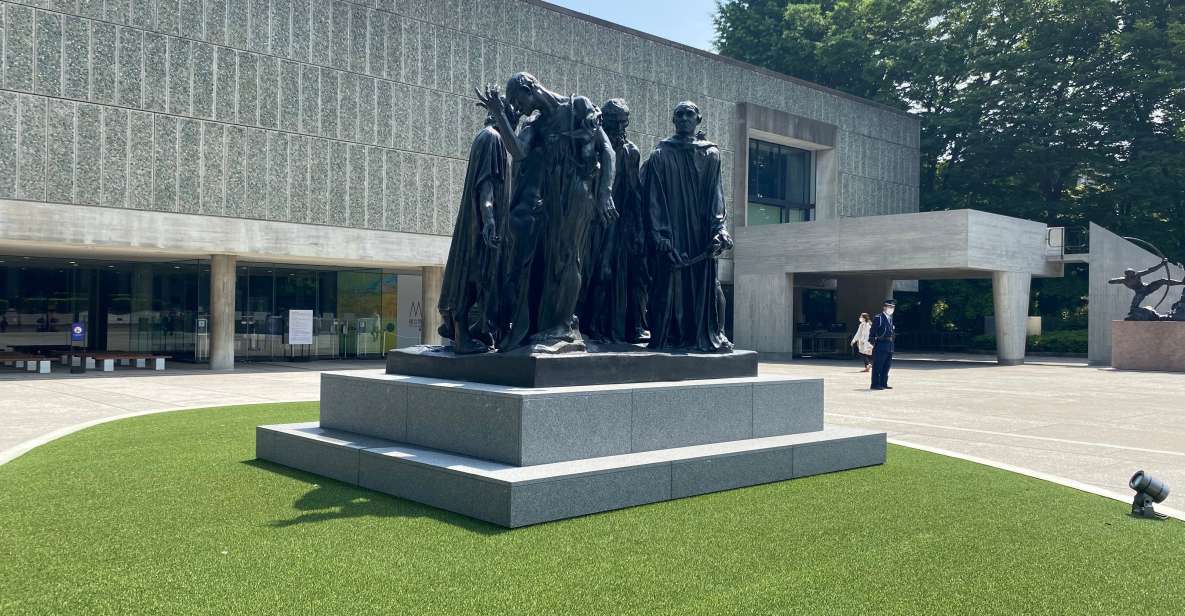
- Le Corbusier right at the start: National Museum of Western Art, a UNESCO World Cultural Heritage site since 2016
- Kunio Maekawa’s mentor-respect in stone: Tokyo Bunka Kaikan sits opposite Le Corbusier’s museum
- A renovation story, not just a design story: International Library of Children’s Literature focuses on preservation plus a new arch-shaped annex
- Tokyo National Museum buildings by era: Hyokei-kan, Hon-kan, Toyo-kan, and the Gallery of Horyuji Treasure cover eras from 1908 to 1999
- Night option changes the mood: viewing masterpieces from a different perspective can be a big part of the experience
- Small, private pacing: you get an English-speaking guide and time for questions as you go
Modern Tokyo Architecture in 3.5 Hours (and why the route makes sense)
Ueno Park is Tokyo’s art-and-culture hub, but this tour treats it like a living classroom. Instead of jumping between far-off districts, you stay in a tight pocket and let the architecture speak in sequence. That matters, because modern Japanese design often reads best when you can see connections in close proximity.
You’ll spend about 3.5 hours on foot with an English-speaking guide, moving from one major site to the next. It’s a private group, so you’re not stuck watching someone else’s slow pace or getting rushed by a large tour pack. If you’re the type who likes to ask why something looks the way it does, this format tends to work well.
The tour also has a night option. Architecture can look completely different after dark—shadows stretch, materials feel more dramatic, and buildings stop looking like daytime scenery and start looking like statements. If you can, I’d seriously consider booking an evening start for this one.
You can also read our reviews of more private tours in Tokyo



Meeting at Le Corbusier’s National Museum of Western Art (UNESCO, 2016)
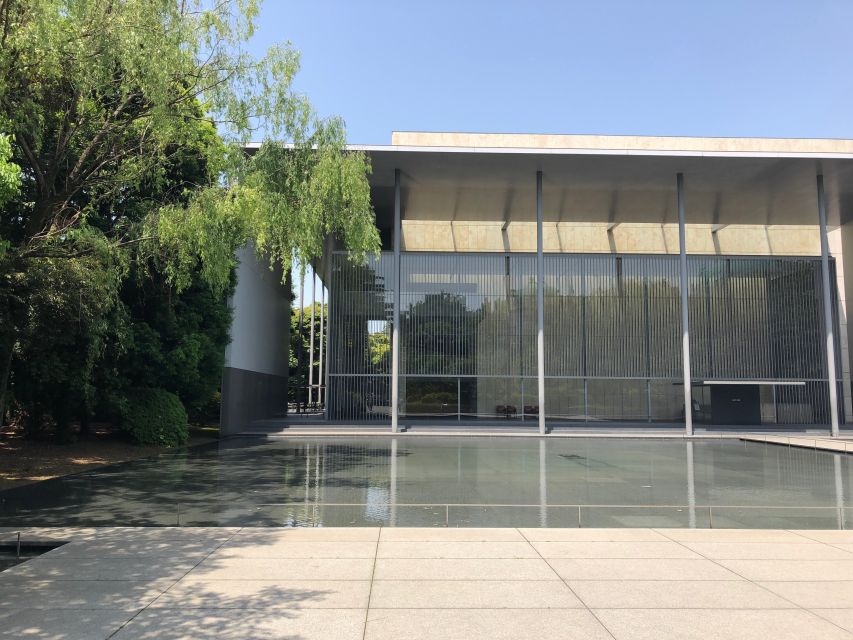
Your tour begins in front of the National Museum of Western Art in Ueno Park. This is the star opening act because it’s designed by Le Corbusier, and it was designated a UNESCO World Cultural Heritage Site in 2016 for its modern architectural value.
What I like about starting here is that it anchors the whole theme fast. The guide can point out ideas—structure, space, proportions—that you’ll recognize later when you see how Japanese architects responded to Western modernism. You’re not learning architecture history in the abstract; you’re learning it with a specific building as your reference point.
One practical note: there’s a date window when the museum closes. From 23 Jan 2023 to 28 Feb 2023, you can’t visit inside the museum, but the guidance still happens outside. So you’re not losing the tour’s logic—you’re just adjusting expectations for interior access.
Tokyo Bunka Kaikan: Kunio Maekawa and the mentor-to-apprentice link
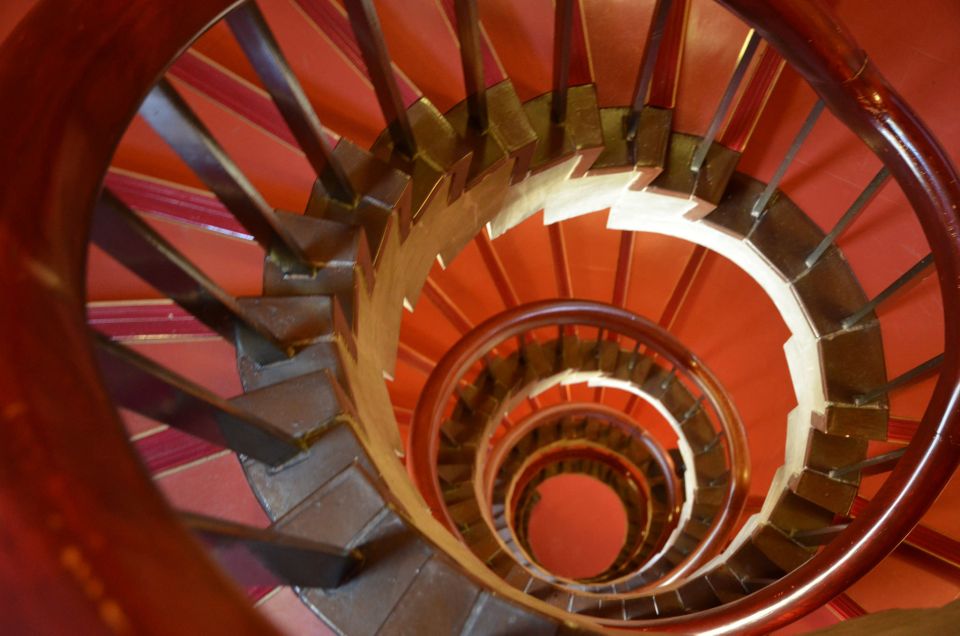
Next, you head to Tokyo Bunka Kaikan, located just opposite the Le Corbusier museum. This is designed by Kunio Maekawa, who is described here as one of Le Corbusier’s local apprentices, and the tour frames it as an expression of respect for his mentor.
This stop is where the tour becomes more than sightseeing. Seeing these two buildings so close together helps you understand how “influence” works in architecture. It’s not copy-paste; it’s more like a conversation—Maekawa taking key modern principles and expressing them through a Japanese lens.
If you’ve ever felt confused by how Japanese modern architecture developed so quickly, this comparison is one of the clearest ways to get it. You’ll likely start noticing small differences in how forms relate to light, how the building holds space, and how the massing feels in person.
International Library of Children’s Literature: preservation plus a new annex
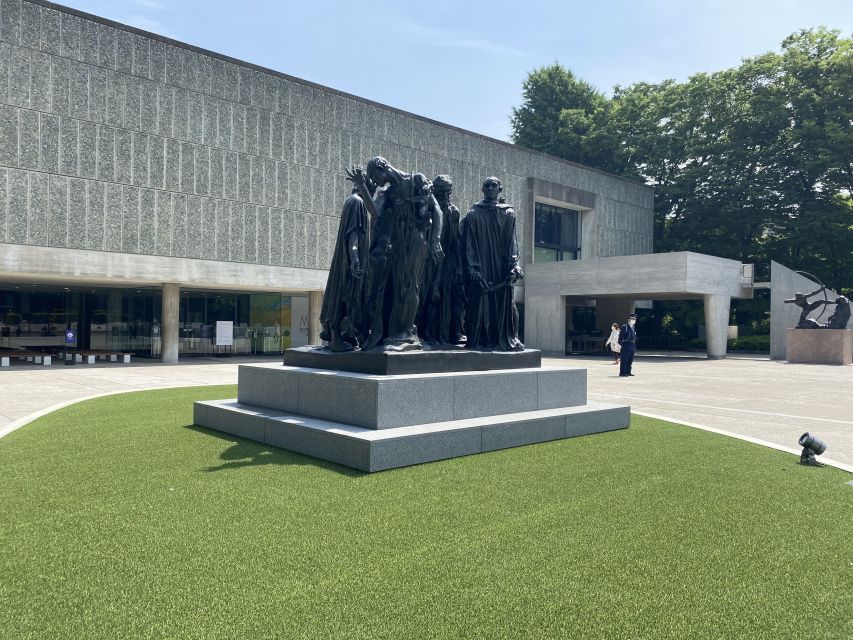
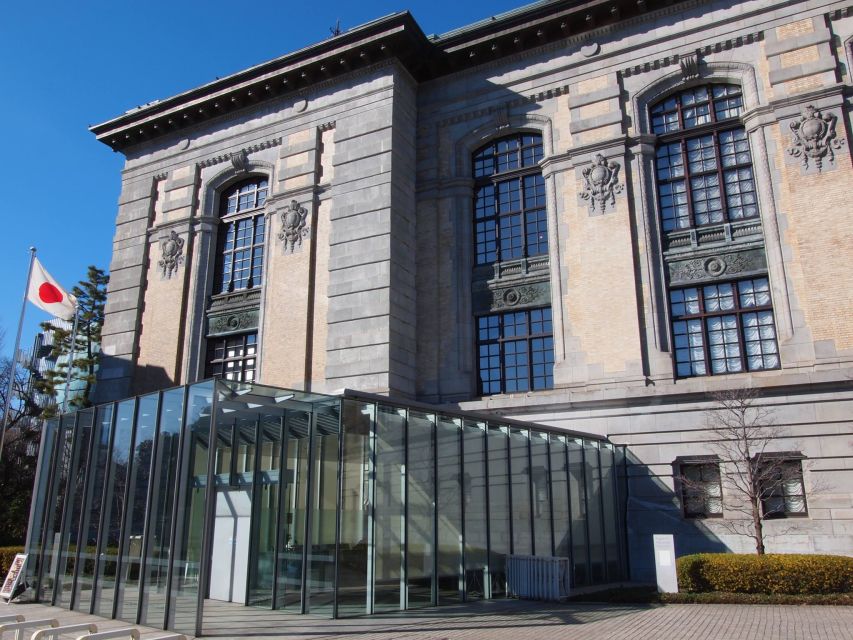
After the first two anchors, you visit the International Library of Children’s Literature. Here, the focus shifts from iconic modern masterpieces to what it means to keep buildings usable over time.
The tour highlights how preservation and renovation work are handled, plus it points out a new arch-shaped annex building. That combination is valuable because architecture isn’t frozen at opening day. Real buildings age, get reworked, and still need to serve people, and this site gives you a clear example of that balancing act.
I especially like this stop for practical reasons. Museums and galleries often get all the attention, but libraries are where you can see how architecture supports daily life and long-term cultural missions. If you enjoy buildings that show both design intent and careful maintenance, this is a great middle chapter.
Tokyo National Museum buildings: eras you can actually compare
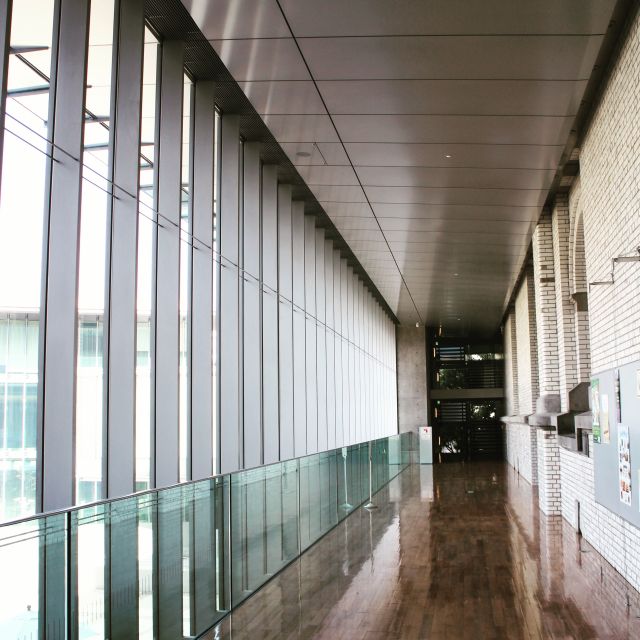
The big museum visit is Tokyo National Museum, where the tour includes the admission fee. Here you’ll admire four key architectural works: Hyokei-kan, Hon-kan, Toyo-kan, and the Gallery of Horyuji Treasure. Together, they reflect the historical background of different eras between 1908 and 1999.
This is the section that turns the walk into a timeline. When buildings cover multiple decades, you start to see how styles shift with time—materials, layouts, and how the architects translated each era’s priorities into form. It’s easier to understand those changes when you’re standing in front of the buildings that represent them.
There’s also a good pacing element: once the guided portion ends, you can explore the collections at your own pace. That flexibility helps if you get hooked on a particular building and want to spend a little longer inside (or if you’d rather step back and just absorb the exterior).
One drawback to consider here is attention span. The tour packs in multiple major sites, and museum time can stretch slower than the map suggests. If you’re the kind of person who likes reading plaques and taking in details, you might feel the urge to extend your visit beyond the planned stop.






What you learn from the architecture story (beyond facts and names)
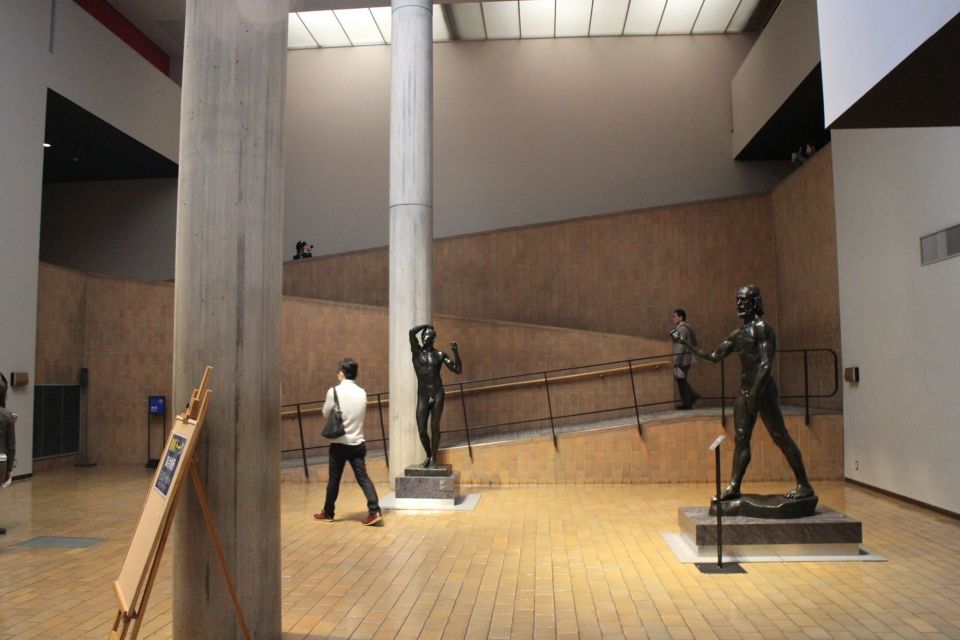
The headline names—Le Corbusier and Kunio Maekawa—are only half the reason to go. The deeper value is how the tour builds a cause-and-effect chain from Western modernism to Japanese adaptation, then to how buildings evolve as needs change.
You also get the timeline benefit: you’re following Japanese architectural history from the late 1800s up to now, with Ueno Park acting like a condensed route through that progression. Even with a short walking window, it gives you enough structure to keep noticing architecture after the tour ends.
This is also where questions matter. The guide is there for your follow-ups, including English explanations that connect design choices to context. If you’re the type who thinks, What’s the point of that shape? or Why did they build it that way?—this format is designed for you to get answers while you can still look back at the building.
Night tours: seeing modern buildings from a different perspective
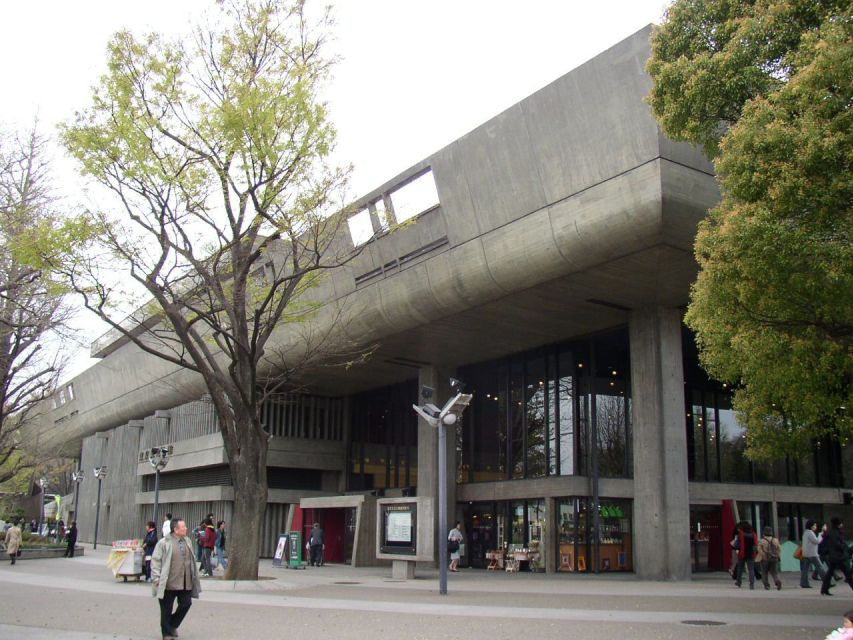
The tour includes an option to take the walk at night. I like the idea because modern architecture often relies on light and shadow as part of its personality, not just as an afterthought.
At night, the facades can feel less like museum backdrops and more like real urban landmarks. Details that are subtle by day—edge lines, openings, and the way structure reads—tend to show up more clearly once the surrounding street light changes the contrast.
If you’re choosing between day and night, consider your goal. Day works if you want maximum clarity for photos and reading exterior details. Night can make the buildings feel more atmospheric and more “about design,” which is exactly what architecture tours aim for.
Guide quality and the private-group advantage (especially if you get Mari)
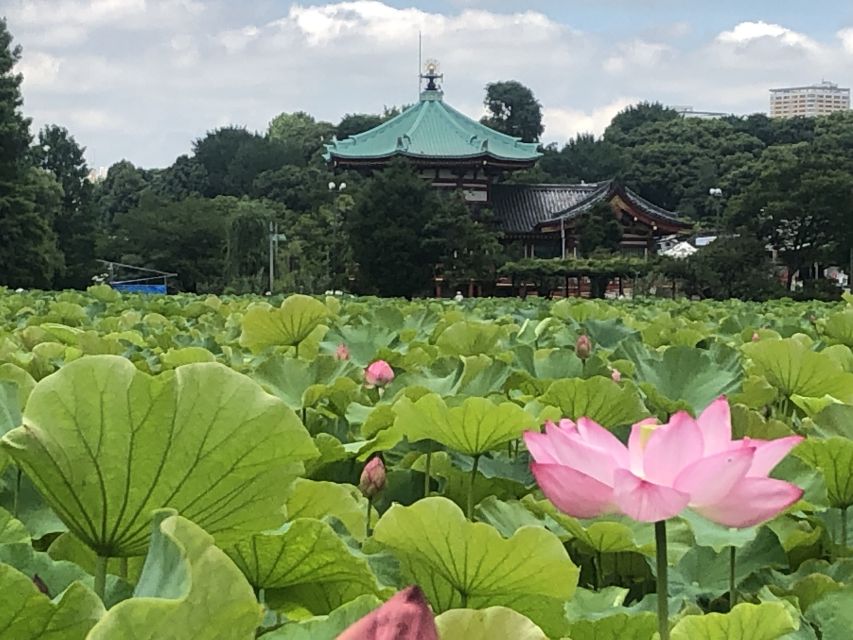
One of the most praised parts of this experience is the guide. In particular, Mari is described as warm and fun, and as an experienced guide with a strong passion for Ueno Park architecture. The big practical upside is that she communicates enthusiastically in English and can answer questions along the way.
That matters more than people expect. Architecture history gets easier when you can ask a question at the exact moment you’re looking at the building that triggered it. A private group also helps you keep that rhythm, because the guide can adjust to your pace instead of following a fixed conveyor-belt script.
You’ll also get a break time with drinks included. It’s a small detail, but it keeps the tour from turning into nonstop walking and standing in lines. With a route that includes multiple major sites, a reset matters.
Price and Logistics: is $158 good value?
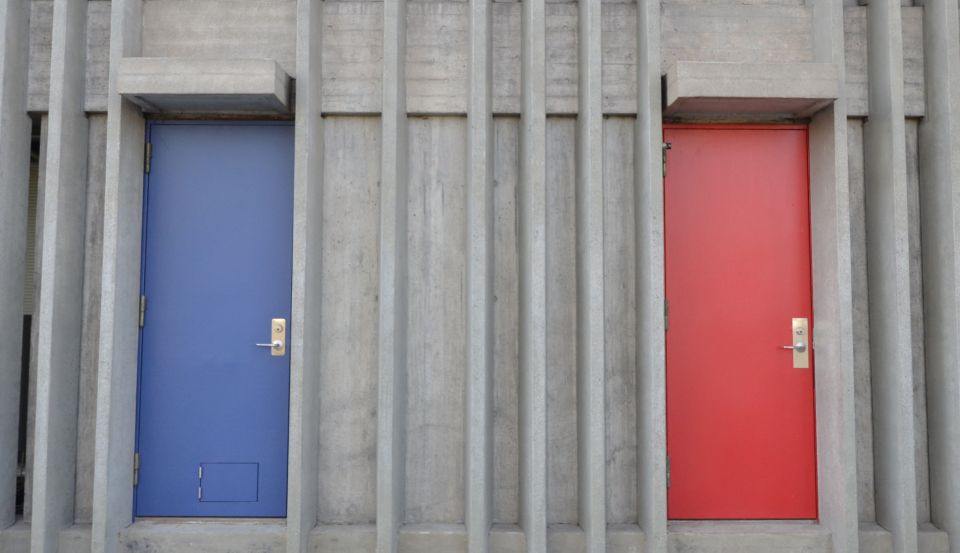
At $158 per person for about 3.5 hours, the price is not cheap, but it can be good value if you care about interpretation. You’re paying for an English-speaking guide, entry/admission to Tokyo National Museum, and a structured walk that connects major architecture sites efficiently.
The most common reason this feels worth it is time saved. Ueno Park is big enough to feel like a blur if you’re wandering alone, and you can easily miss the “why” behind what you’re seeing. With a guide, you get the connections in a compact format.
Logistics are straightforward. You meet in front of the National Museum of Western Art (Uenokōen 7-7, Taitō-ku, Tōkyō-to 110-0007) and the tour ends back at the meeting point. There’s no hotel pickup and drop-off, so you’ll want to handle your own transit to get there.
If you’re traveling with friends or family, the private format is a plus. You can share the cost and still get personal attention, which is often the best way to make architecture tours feel more than just another paid walk.
Who this tour suits best (and who might want something else)
This tour is a strong match for design lovers who want context and comparisons. If you like architecture history, especially the modern era and the cross-cultural link between Le Corbusier and Japanese architects, you’ll probably find the route satisfying.
It also works well for first-timers who don’t want to research everything before arriving. Ueno Park can be museum-heavy, and this tour acts like a guiderail through a meaningful set of buildings.
If you’re looking for a very long museum day with lots of time to wander galleries, you might find 3.5 hours a bit short. The tour gives you a guided core, plus a chance to explore collections afterward, but it’s still designed as a concentrated architecture experience.
Should you book this Ueno Park Architecture Tour?
If you want to understand modern Japanese architecture through real, nearby buildings, I’d book it. Starting at Le Corbusier’s National Museum of Western Art (UNESCO, 2016) and then walking to Kunio Maekawa’s Tokyo Bunka Kaikan is an efficient, meaningful way to see influence in action. Add stops like the International Library of Children’s Literature (preservation plus an arch-shaped annex) and the Tokyo National Museum lineup from 1908 to 1999, and you get a lot of architectural “signal” for your time.
I’d be cautious only if you’re hoping for a super slow, fully unhurried pace or if you plan your trip during the Western Art museum closure window. Even then, guidance still happens outside, but you should know you won’t be touring inside that specific building.
Book this if you want interpretation, not just photos, and if a private guide like Mari (warm, fun, and ready with answers) sounds like your kind of tour.
FAQ
Where does the tour start?
You meet in front of the National Museum of Western Art in Ueno Park at Uenokōen 7-7, Taitō-ku, Tōkyō-to 110-0007, Japan.
How long is the Private Ueno Park Architecture Tour?
The duration is 3.5 hours. Starting times vary, so you’ll want to check availability for the best time slot.
Is this a private tour?
Yes, it’s listed as a private group tour.
What’s included in the price?
Admission fee to the Tokyo National Museum, an English-speaking guide, and a break time with drinks are included.
Is hotel pickup or drop-off included?
No. Hotel pickup and drop-off are not included.
What if the National Museum of Western Art is closed?
From 23 Jan 2023 to 28 Feb 2023, the National Museum of Western Art is closed, and you won’t be able to visit inside during that time. Guidance will still be provided outside the museum.