REVIEW · TOKYO
Tokyo: Buddhism and Shinto Temple Tour with a Real Local
Book on GetYourGuide →Operated by Manami Watanabe · Bookable on GetYourGuide
Fire ceremony rules beat tourist chaos in Monzen-nakacho. This 2-hour, small-group walk is led by Manami Watanabe, a local born and raised in East Tokyo with a Ph.D. in cultural heritage protection, so the explanations feel like they come from daily life, not a script. You’ll learn how Buddhism and Shinto work side by side in Japan, then watch a serious fire ritual with guidance on how to behave and where to stand.
I especially like the way the tour treats the fire ceremony as a real religious moment. You get scene-by-scene explanations plus etiquette and photography rules before you watch, and the group keeps a respectful posture during the ritual. I also love the second half at Tomioka Hachimangu Shrine, where the guide connects everyday Shinto details like fortune paper, wish bars, goshuin stamps, and even sumo-related elements to family stories tied to the place.
One thing to consider: the rules are strict, and that can feel limiting if you want lots of photos or video. There’s no video or audio recording, you can’t wear hats, you need to follow indoor shoe rules, and you’ll also want to handle the Exit 4 stairs at Monzen-nakacho Station. It’s also not suitable for people over 80 or children under 5.
In This Review
- Key takeaways before you go
- Why Monzen-nakacho makes Tokyo feel human
- Meet Manami Watanabe: a local Ph.D. guide, not a script reader
- Naritasan Fukagawa Fudōdō fire ceremony: watch it correctly, not loudly
- Tomioka Hachimangu Shrine: white fortune paper, goshuin stamps, and sumo rocks
- Temple and shrine etiquette you’ll actually remember
- What 2 hours covers (and the trade-offs)
- Who this tour suits best
- Price and value: why $62 feels fair here
- Getting there: Monzen-nakacho Exit 4 and the right drug store
- Should you book this Tokyo Buddhism and Shinto tour?
- FAQ
- How long is the Tokyo Buddhism and Shinto Temple Tour?
- What is the meeting point for the tour?
- Is the group small?
- What’s included in the price?
- Are photos or video allowed?
- What should I bring with me?
- What clothing rules should I follow?
- Is this tour suitable for children or seniors?
Key takeaways before you go
- A local guide with a cultural heritage Ph.D. explains how Buddhism and Shinto overlap in real life
- Fire ceremony seating etiquette matters and the tour avoids taking the most convenient spots
- Clear, practical rules for photos and behavior so you don’t accidentally disrespect the ritual
- Two temple shrines, not one rushed stop plus short walks in historic Monzen-nakacho
- Small group size (up to 6) gives you room to ask questions
- Shoulder/knee coverage support with shawls for guests who need it
Why Monzen-nakacho makes Tokyo feel human
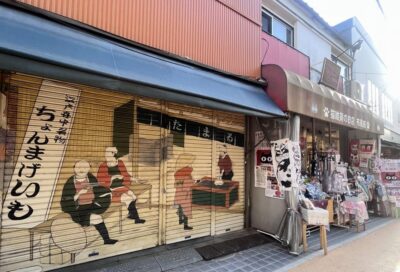
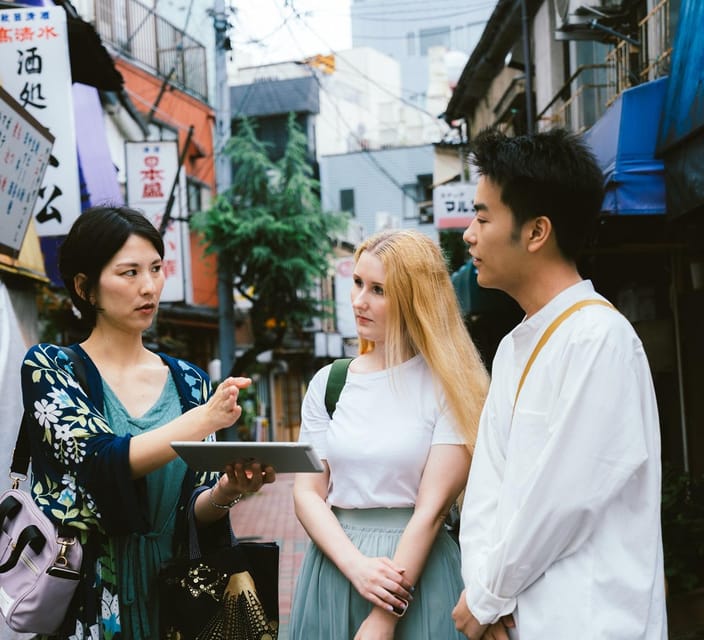
Most Tokyo sightseeing funnels you toward the same big-name sights and the same camera angles. This tour starts in Monzen-nakacho, an East Tokyo neighborhood known for Shitamachi-style life—older, more local, and less polished. You’ll walk parts of the area with short guided pauses, including a stop by the Oyoko River and another along Tatsumi-shindo.
Those small segments matter because they reset your mindset. Instead of jumping straight into temples, you start in the neighborhood context—how people actually live around these sacred spaces. It’s the difference between treating religion like a show and seeing it as part of the everyday rhythm of the district.
The pace stays light. You’re not doing long hikes, but you are moving between stops, so comfortable shoes help. Also, remember that you’ll be expected to follow the site rules quickly—this is a tour where etiquette is taught, not assumed.
You can also read our reviews of more tours and experiences in Tokyo.



Meet Manami Watanabe: a local Ph.D. guide, not a script reader
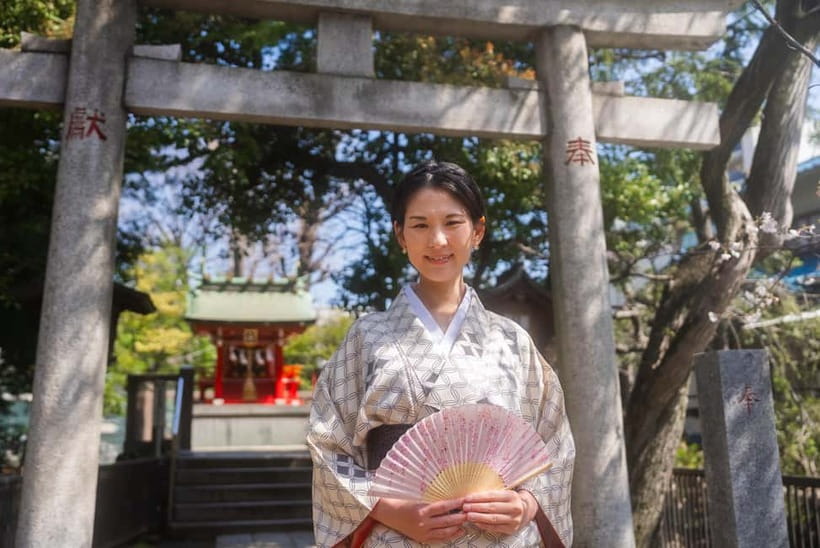
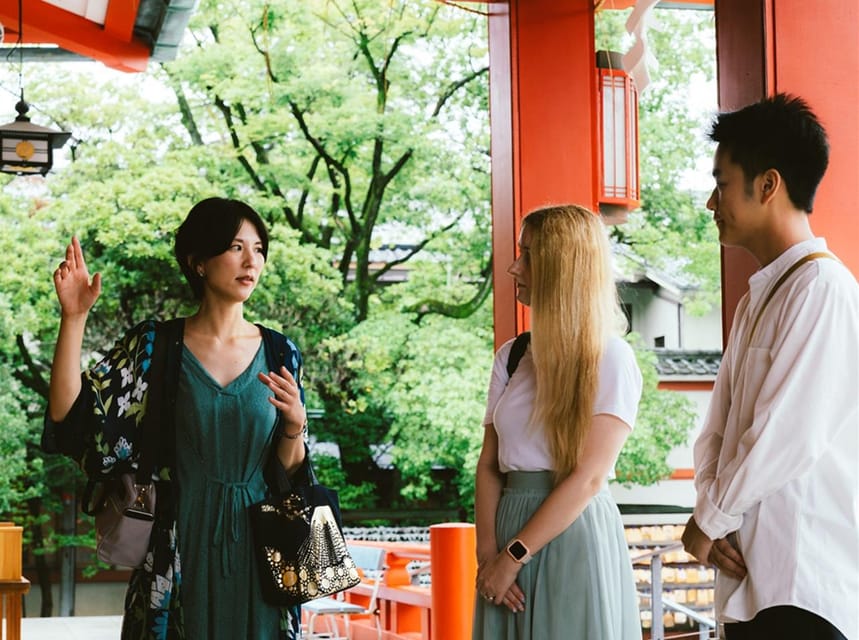
The biggest reason this tour feels different is your guide, Manami Watanabe. She’s a local from this part of Tokyo, born and raised here, and she speaks English. That alone changes the tone: questions don’t feel like interruptions, and answers don’t feel like generic tourism facts.
On top of that, the guide’s background includes a Ph.D. focused on cultural heritage protection. In practical terms, you get explanations with structure—how terms fit together, how people practice, and why certain customs exist. For example, you’ll learn about the relationship between Buddhism and Shinto in Japan, but you’ll also learn what’s different about them, so you can stop lumping everything into one vague label.
The tour is also built for questions. In a small group of up to 6 people, you’re less likely to feel rushed or ignored. If you’re the type who asks why something is done a certain way—this is the format you want.
Naritasan Fukagawa Fudōdō fire ceremony: watch it correctly, not loudly
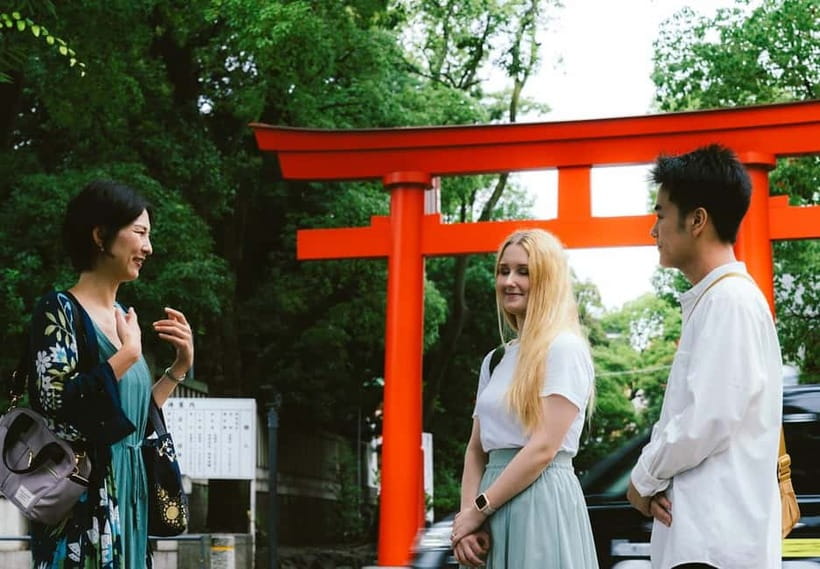
The center of the experience is the Naritasan Fukagawa Fudōdō fire ceremony. You’ll spend about 40 minutes at the temple, and it’s framed as an active Buddhist ritual with powerful drum beats—not a performance designed for tourists.
Here’s what I think you’ll appreciate most: the tour prepares you before you’re in the thick of it. You’ll get scene-by-scene explanations so you understand what’s happening at each moment. You’ll also receive explanation sheets during the viewing time, and the guide asks the group to observe in silence while the ceremony is underway.
That silence rule is not a gimmick. It’s part of respecting the event as something locals do regularly. The guide also makes a point about seating: unlike many tours that go for the front-middle view, this one doesn’t. The reason is simple—local community members get priority for the best seating, and the group doesn’t treat the ceremony like a stage.
Etiquette details are taught in plain language. For instance, the tour highlights that crossing your legs in chairs can be regarded as rude to Buddha and the monks. It’s the kind of thing you might never learn from a standard temple visit, but it can change how respectful your whole presence feels.
Photography is also handled carefully. There’s guidance on the photography rules for this ceremony, and the tour’s broader policy is strict about what’s allowed inside religious spaces. If you want to be respectful without constantly worrying what’s okay, this preparation is a real value.
Tomioka Hachimangu Shrine: white fortune paper, goshuin stamps, and sumo rocks
After the fire ceremony, the tour shifts to a calmer Shinto space: Tomioka Hachimangu Shrine. You’ll spend about 25 minutes there with guided context that ties spiritual objects to everyday meaning.
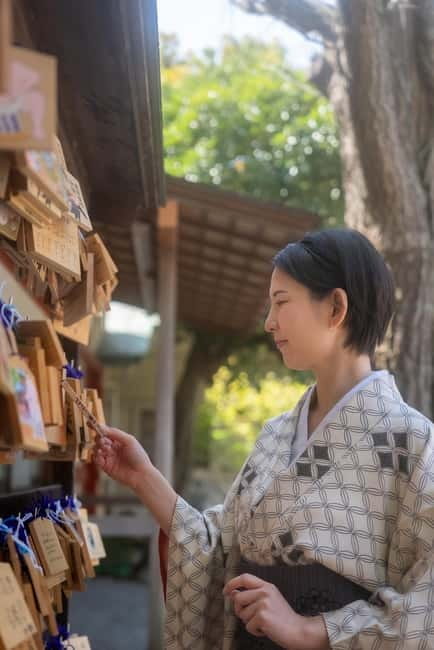
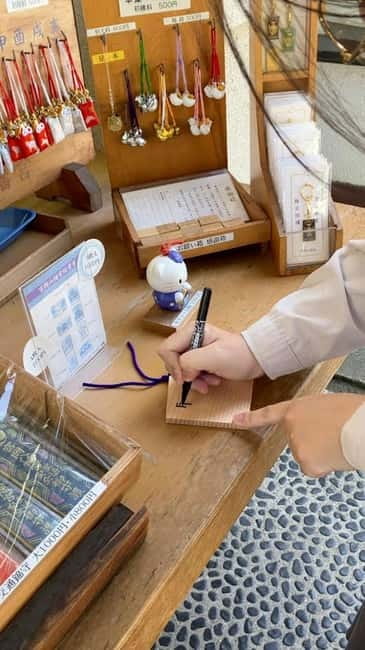
This stop isn’t just decorative. You’ll learn about goshuin stamps and the kinds of symbols people look for at shrines. You’ll also hear meanings behind white fortune telling paper and wooden wish bars—what people use them for, and how the act of seeking blessings fits Shinto practice.
Two other elements stand out because they connect religion to Japanese culture beyond temples. The guide explains why sake and sumo matter to Shinto, and you’ll see the impressive sumo rocks. Even if you know basic sumo facts, this gives you a more grounded understanding of how sacred space connects to local traditions.
What I like here is the personal layer. The guide shares family stories with a strong connection to this place. That turns the shrine from a list of objects into something you can understand as part of a community identity, not just a photographed landmark.
Temple and shrine etiquette you’ll actually remember
Etiquette is the hidden core of this tour. The guide doesn’t just say be respectful; she teaches what respectful looks like in real situations, including how to handle your body, your clothing, and your phone.
First, clothing and coverage. If you need to cover your shoulders or knees, shawls are provided. That’s useful because many people pack for Tokyo weather, not for religious dress codes. You’ll also be asked to avoid short skirts, sleeveless shirts, and see-through clothing.
Second, indoor behavior. Shoes indoors are not allowed, so you should plan to remove footwear at the right moments. Hats are also not permitted, and smoking is prohibited during the experience.
Third, electronics and recording rules. Video recording is not allowed, and audio recording is not allowed. That might sound restrictive, but it helps the group treat each site with the right level of focus. It also means you’re not distracted by filming—use your eyes, and let the guide explain what you’re seeing.
One more detail: the tour notes that small coins to throw as part of visiting rituals are optional and not included. If you want to participate in that tradition where it applies, you’ll want to bring small cash for it.




What 2 hours covers (and the trade-offs)
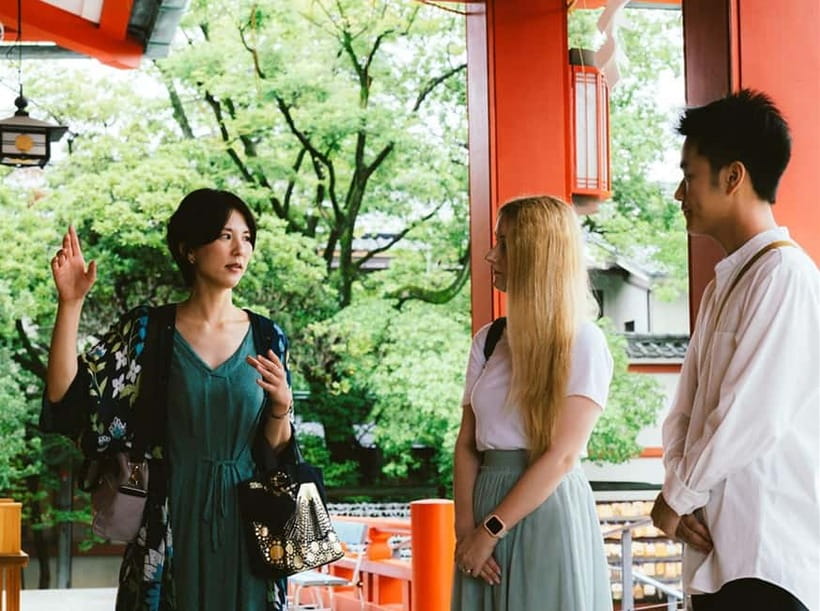
This is a short tour by design. Over roughly 2 hours, you cover Monzen-nakacho neighborhood walking, then two major religious experiences: the Naritasan Fukagawa Fudōdō fire ceremony and Tomioka Hachimangu Shrine.
The trade-off is focus. You’re not doing lots of stops, and you’re not turning it into a food-and-sake crawl. That might disappoint you if you were expecting street snacks and quick sightseeing photos. But if you care about understanding what you’re watching, the timing makes sense—you get time to learn, then time to observe without turning everything into a checklist.
The schedule also matters because the fire ceremony needs attention. The guide’s approach—explanations, sheets, silence—means you’ll likely experience the moment in a different way than a rushed stop. Expect a calm, structured rhythm rather than a “grab the best shots and go” style.
If you’re traveling with limited time in Tokyo, this tour fits well. It gives you a concentrated cultural experience without consuming an entire day.
Who this tour suits best
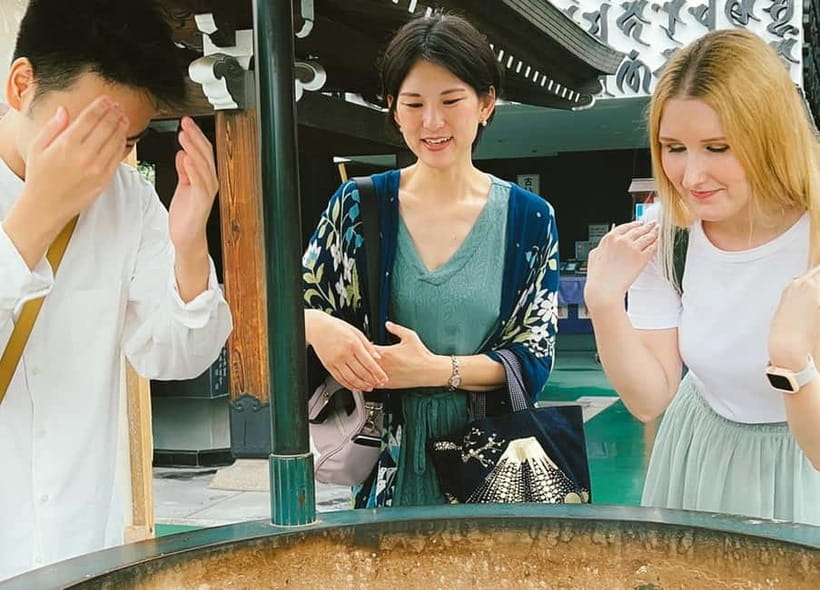
This works best for people who want more than surface-level temple photos. You should book it if you’re curious about how Japanese people live with both Buddhism and Shinto, and you want an explanation that connects rituals to daily culture.
It’s also a strong choice if you enjoy good Q&A. With a small group capped at 6, you won’t feel like your questions get buried. The guide’s patience is a major part of the experience—she handles repeated questions without rushing you.
Where it might not fit: if you need maximum mobility, the tour involves stairs at the meeting point, and you’ll be following etiquette rules in multiple locations. It’s not suitable for people over 80, and it’s not for children under 5. If you’re traveling with a stroller or you’re sensitive to shoe removal and indoor rules, you might find it more complicated than a standard city walk.
Price and value: why $62 feels fair here
At $62 per person for a 2-hour outing, the cost isn’t just paying for a guide walking you around. Admission for the fire ceremony is included, and the guide provides a small-group cultural explanation in English. On top of that, you get shawls if you need coverage, and the tour focuses on correct behavior during an event that can’t be treated like a photo op.
Is it a bargain? It’s priced like a premium cultural experience, but the value is real because the guide’s role is specific. You’re not just visiting a shrine; you’re learning the do’s and don’ts for a serious Buddhist ritual, including seating etiquette and body posture. That’s hard to replicate on your own, especially if you don’t already know how Japanese temple and shrine etiquette works.
If you’ve done tours that take you to the fire, snap a few pictures, and move on, this one is different. Here, understanding the moment is part of the product.
Getting there: Monzen-nakacho Exit 4 and the right drug store
Meeting point details are unusually important for this one. You meet outside Exit 4 of Monzen-nakacho Station (O-edo and Tozai lines). The correct landmark is a drug store called Kusuri no Fukutaro with a red sign banner just outside the exit.
Use the stairs at the exit, not the elevator. If you take the wrong exit, you might end up at a different Kusuri no Fukutaro location. And if you arrive by taxi and the driver is confused, you should ask him to call the guide’s phone number for confirmation.
In terms of what to bring: cash is useful, drinks help, and comfortable shoes matter because you’ll be walking between spots and following indoor shoe rules. Also, dress with the etiquette rules in mind so you’re not scrambling for coverage.
Should you book this Tokyo Buddhism and Shinto tour?
Book it if you want a guided experience that treats religion as lived practice, not a backdrop. This tour is a great match for anyone who cares about proper etiquette and wants to understand what you’re seeing—especially during the Naritasan Fukagawa Fudōdō fire ceremony.
Skip it if your top goal is video-heavy sightseeing or if strict site rules will frustrate you. It’s also not ideal for very young kids or older travelers who can’t manage stairs and indoor footwear rules.
If you’re in Tokyo for a short time and want one experience that teaches you how Japanese spirituality shows up in real spaces, this tour is a strong bet.
FAQ
How long is the Tokyo Buddhism and Shinto Temple Tour?
It lasts about 2 hours.
What is the meeting point for the tour?
You meet outside Exit 4 of Monzen-nakacho Station. Look for the Kusuri no Fukutaro drug store with the red sign banner right outside that exit.
Is the group small?
Yes. The group is limited to 6 participants.
What’s included in the price?
Admission fee to the Fukagawa Fudōdō fire ceremony is included, along with a guided tour led by a local English-speaking guide. Shawls are also provided if you need to cover shoulders or knees.
Are photos or video allowed?
Video recording is not allowed, and photography inside is not allowed. Audio recording is also not allowed.
What should I bring with me?
Bring cash and comfortable shoes, plus drinks if you want them.
What clothing rules should I follow?
Avoid short skirts and sleeveless shirts, and avoid see-through clothing. You may also need to use the provided shawls to cover shoulders or knees.
Is this tour suitable for children or seniors?
It’s not suitable for people over 80 years old, and it’s not suitable for children under 5 years old.