REVIEW · TOKYO
Ueno and Yanaka Culture Art Walking Tour in Old Tokyo
Book on Viator →Operated by Snow Monkey Resorts Tours (Machinovate Japan Ltd.) · Bookable on Viator
Tokyo has a quieter side, if you walk. This 7.5-hour old-Tokyo art and culture route strings together Ueno Park temples and museum time with Yanaka’s lower-city streets and craft atmosphere. I like how the day mixes big-name sights with the kind of neighborhood details that usually slip past you.
I also like that the tour is led by an English-speaking guide—Beth comes up again and again for calm, clear explanations and a patient, adaptable approach when plans go slightly off track. The main thing to consider: this is a walking-forward day with several hours outdoors, so comfy shoes matter, and weather can affect your pace.
In This Review
- Key highlights you’ll feel from day one
- Getting there and where the tour actually ends
- The price: what $148.93 buys you (and what it doesn’t)
- Stop 1 at the National Museum of Nature and Science: scale that hits fast
- Ueno Park temples, shrines, and the lake: the calm reset
- Ameyoko Shopping Street: retro shopping lanes with real context
- Yanaka’s art-and-history stop: why a studio house matters
- Yanaka Ginza: cat statues, side-street calm, and small surprises
- Yanaka Cemetery and the Buddha statues: a quiet ending that feels earned
- Who this tour suits best (and who might want to tweak plans)
- Should you book this Ueno and Yanaka culture art walk?
- FAQ
- How long is the Ueno and Yanaka Culture Art Walking Tour?
- What does the tour cost?
- Where do I meet, and where does it end?
- What time does the tour begin?
- Is admission included?
- Is food included?
- Will we travel by private vehicle?
- What group size should I expect?
- Is there free cancellation?
Key highlights you’ll feel from day one
- Small group size (up to 15) keeps the pace human and the questions answerable
- Ueno Park + museum mix: blue-whale scale wonders and then quiet temple strolls
- Ameyoko orientation: more than shopping, you get context before a lunch break
- Yanaka’s old-town feel: slower streets, traditional sites, and craft-focused stops
- Cat-stamped Yanaka Ginza: playful shopping lanes with cat-themed markers and statues
- A peaceful finish at Yanaka Cemetery with Buddha statues and calm walking afterward
Getting there and where the tour actually ends
This tour starts at Ueno Station (7 Chome-1, Ueno, Taito City) around 9:30am and ends near Nippori Station (2 Chome-19 Nishinippori, Arakawa City). The route is designed so you begin close to the Park Gate area of Ueno, and the ending puts you in a different neighborhood rather than backtracking to the same station.
The practical benefit: you’re not “doing Tokyo in a circle.” You’ll travel across old districts on foot, which is exactly what you want when your goal is to see how the city changes street by street. The practical downside: you should plan for that one-way finish. If you’re taking a late train or lining up a second activity, build in a little buffer time so you’re not rushing across Tokyo.
Also note the guide works with a mobile ticket, and the tour doesn’t include private vehicles. You’re walking outdoors for hours, so bring what you need to stay comfortable: water, a layer (even in mild weather), and shoes you trust for long stretches.
You can also read our reviews of more walking tours in Tokyo



The price: what $148.93 buys you (and what it doesn’t)
At $148.93 per person, this is not a bargain bargain. But it’s not just “a guide holding your hand.” The day includes admission fees for museums and Toshogu Shrine, and the itinerary has multiple ticketed stops. That means you’re paying for a guided, structured experience—plus entry costs that can add up if you DIY.
What’s not included is also clear: food and drink aren’t covered, and trains before and after the tour are on you. Since the guide will handle museum and site context, the best way to think of the price is: you’re buying time, clarity, and access to places you might otherwise skim.
Who tends to get the best value from this?
- You want a guided narrative through old neighborhoods, not just a checklist.
- You’re okay spending a full day moving (at a calm pace) between Ueno, Ameyoko, and Yanaka.
- You’d rather spend your energy noticing details than figuring out museum timing and how to connect sites efficiently.
If you already love self-guided wandering and don’t care about museum context, you could do something similar on your own. But if you want the story behind the streets and sites, this price starts to look fair.
Stop 1 at the National Museum of Nature and Science: scale that hits fast
The day begins at the National Museum of Nature and Science with a guided introduction plus time to see key highlights. Expect big, memorable exhibits—there’s a life-sized Blue Whale model that’s hard to forget, along with a steam locomotive and other taxidermied specimens.
Why this works at the start: it gives you a strong “first wow” without needing much explanation. Then the guide can set the tone—how museums, science collections, and display choices shape what people learn (even before you get to the shrines and old neighborhoods).
A fair consideration: museums take attention, and you’ll be in your feet after. If you tend to get museum fatigue, pace yourself. Look for the specific items your guide points out and then move on—don’t feel like you need to see everything in the building.
Ueno Park temples, shrines, and the lake: the calm reset

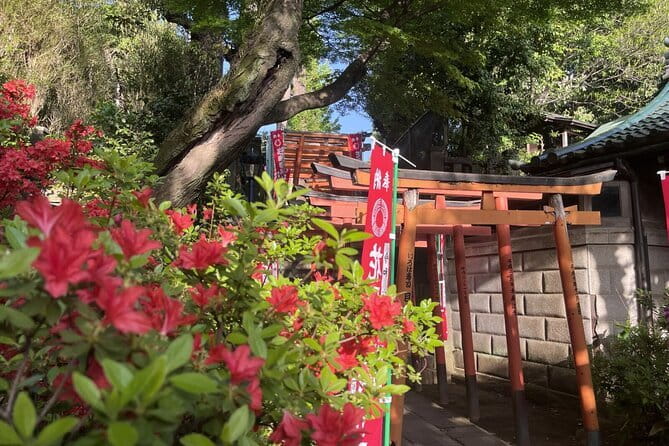
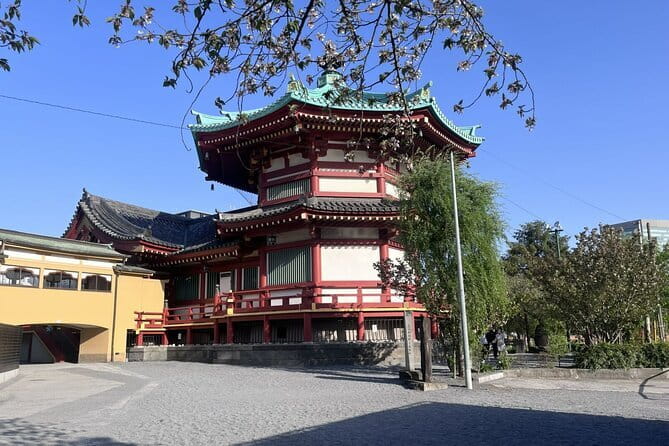
Next comes Ueno Park, where the tour focuses on temples, shrines, and the lake—your scheduled break from Tokyo’s constant motion. The best part of Ueno Park on a guided day is the order: you don’t just wander randomly and hope things connect. Instead, you see key religious sites and landscape areas in a way that makes sense.
Also, this stop includes admission (including Toshogu Shrine). That’s important because it’s not only “free view” sightseeing. You’re paying attention to cultural spaces that are meant to be experienced, not just photographed from the edge.
Practical note: Ueno Park can be busy, especially near major attractions. A guide helps you navigate without turning the day into a crowd shuffle. Bring a little patience here and focus on the slower moments—views, steps, and the quiet feeling that shows up once you get away from the busiest lanes.
Ameyoko Shopping Street: retro shopping lanes with real context
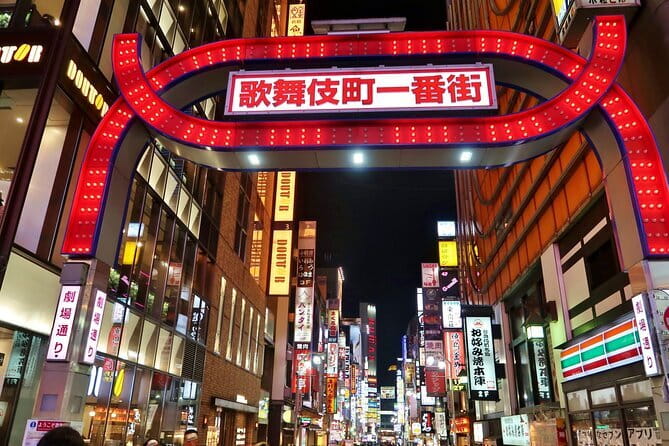
Then you shift gears to Ameyoko Shopping Street, the retro Ueno area known for shopping and restaurants. This is more than a fun stroll and snack hunt. You’ll get a guide-led look at the area’s history and significance, before you get a lunch break to explore at your own pace.
I like this structure because it prevents the common problem of market streets turning into pure consumption. With the story first, you notice more: how the lanes feel, how businesses cluster, and why this part of Ueno carries its own personality. After that, lunch becomes your choice—grab something quick, sit down, or just browse.
One consideration: Ameyoko can feel intense in terms of noise and foot traffic. If you need quiet, plan for short bursts and step aside when you want a reset. The guided portion helps you move through efficiently.





Yanaka’s art-and-history stop: why a studio house matters
In Yanaka District, the tour includes a museum stop tied to a sculptor’s life—specifically, the workshop and family house of a famous Japanese sculptor. That detail changes how you experience the building. You’re not just viewing art behind glass; you’re connecting with the place where craft and daily life overlapped.
This is a strong match for an “art walking tour” because it’s about process and place, not only objects. It also sets up the later Yanaka neighborhood walking with a better sense of why the area still feels old-town and human-scaled.
A practical drawback to keep in mind: museum time is still museum time. If you prefer street-level sightseeing, use the guide’s points as your priority list, then decide how long to linger.
Yanaka Ginza: cat statues, side-street calm, and small surprises

Next is Yanaka Ginza Shopping Street, where the vibe is calmer and slower than many central Tokyo areas. The guide walk here focuses on the neighborhood feel, and you’ll also spot why Yanaka is often called cat town: there are cat statues and cat-themed items around the shopping lanes.
This stop is often the one people enjoy most because it’s low-pressure. You’re not hustling between major sights. Instead, you’re learning how to notice: storefront rhythms, street corners, and little themed details that make the area memorable even after you leave.
If you’re shopping, treat it as browsing time. If you’re not, it’s still worth going just for the atmosphere and the way the street-level experience contrasts with the earlier museum and market segments.
Yanaka Cemetery and the Buddha statues: a quiet ending that feels earned
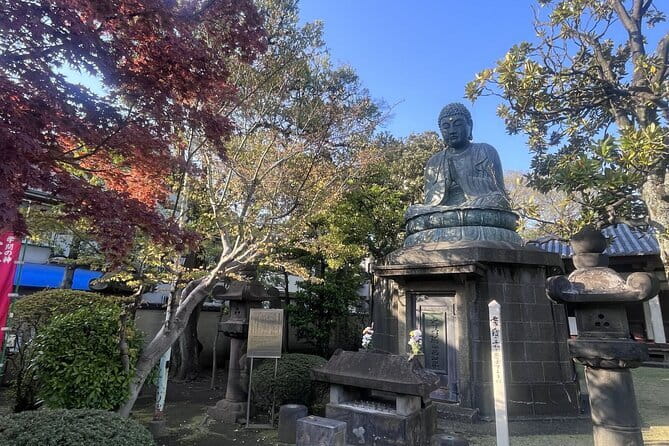
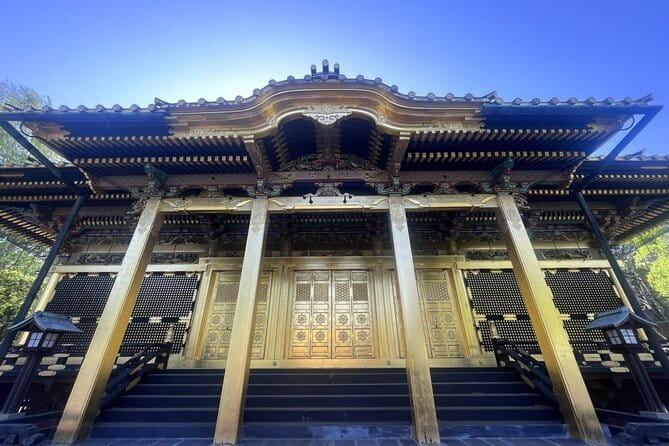
The tour finishes with Yanaka Cemetery, including a visit to a Buddhist temple known for impressive Buddha statues. Then you walk through the cemetery area and along Sakura-dori.
Why this ending works: it gives you a mental landing pad after a day of busy streets and indoor stops. The cemetery isn’t just scenic; it’s a different mode of Tokyo—quiet, respectful, and slower-moving. You’ll likely appreciate it more if you’ve been paying attention all day rather than treating it as a final checkbox.
Practical consideration: this is still walking. After a full day, you’ll feel it. Plan for an unhurried pace, and don’t push yourself to rush for photos.
Who this tour suits best (and who might want to tweak plans)
This tour is a great match if you:
- Want a guided mix of museums, parks, shrines, and neighborhood streets
- Like traditional areas and want Shitamachi atmosphere rather than only headline districts
- Enjoy art context, especially when art is tied to real places (like a sculptor’s workshop)
- Prefer a small group format (up to 15)
It may be less ideal if you:
- Have limited stamina for a full day of walking outdoors
- Expect a bus-ride-style sightseeing day with lots of sitting
- Want food fully included in the price (you’ll need to handle lunch and drinks)
Should you book this Ueno and Yanaka culture art walk?
I’d book it if you want Tokyo with texture: the museum-scale wow of nature and science, the calm reset of Ueno Park, the story behind Ameyoko, and the genuine neighborhood feel of Yanaka. The inclusion of museum and shrine admissions makes the ticket feel more like a complete experience than a basic guide service.
I’d think twice if your day is planned tightly around minimal walking, or if you prefer to travel independently without paying for entry and context. But if you like being shown where to look—and then being given time to wander on your own inside that frame—this is the kind of day that leaves you with more than photos.
FAQ
How long is the Ueno and Yanaka Culture Art Walking Tour?
It runs for about 7 hours 30 minutes.
What does the tour cost?
The price is $148.93 per person.
Where do I meet, and where does it end?
You start at Ueno Station (7 Chome-1, Ueno) and the tour ends at Nippori Station (2 Chome-19 Nishinippori).
What time does the tour begin?
The start time is 9:30am.
Is admission included?
Yes. Museum admissions and Toshogu Shrine are included as part of the tour.
Is food included?
No. Food and drink are not included.
Will we travel by private vehicle?
No. The tour does not use a private vehicle, and you’ll walk outdoors for several hours.
What group size should I expect?
The tour has a maximum group size of 15 travelers.
Is there free cancellation?
Yes. You can cancel for a full refund up to 24 hours before the experience starts.