REVIEW · TOKYO
Tsukiji: Outer Market Walking Tour & Sake Tasting Experience
Book on GetYourGuide →Operated by Sake Lovers Inc · Bookable on GetYourGuide
Tsukiji turns lunch into a lesson. This 3-hour walk pairs temple etiquette, market snacking, and a serious sake tasting session in one afternoon.
What I like most is the start at Tsukiji Hongwanji Temple, where you learn how to pray before you wander. I also love the format of the sake stop: an expert sommelier guides your samples, and tastings are set up so you can keep trying until you find your favorites.
One consideration: the Outer Market won’t run on Sundays and National Holidays (and some stores close on Wednesdays), so check the day you plan to go. Also, it’s rain or shine—comfortable shoes are not optional.
In This Review
- Key Things You’ll Notice on This Tour
- Tsukiji Hongwanji Temple: Learn How to Pray Before You Eat
- Tsukiji Outer Market: How the Guide Helps You Eat Like a Local
- What the Tour Includes at the Market (and What You Pay For)
- The Sake Salon: Unlimited Tastings with a Sommelier
- Why Temperature Changes Sake (Cold vs Warm Tastes Different)
- 3 Hours in Tokyo Time: Pace, Group Flow, and Family Fit
- Value Check: Does $70 Add Up Here?
- Practical Tips So Your Afternoon Goes Smoothly
- Should You Book This Tsukiji Outer Market and Sake Tour?
- FAQ
- How long is the Tsukiji Outer Market walking tour and sake tasting?
- Where do I meet the guide?
- What language is the tour guide?
- Is the sake tasting unlimited?
- Do I need to bring an ID?
- Will the tour run in bad weather?
- Is the Outer Market open every day?
Key Things You’ll Notice on This Tour
- Hongwanji Temple prayer practice: you start with local etiquette, not just photos
- Outer Market navigation with a food guide: you get pointed to stands that match what you want to eat
- Snacks included, food purchases optional: you can sample without overspending
- Unlimited sake tastings: you can keep going and compare styles side by side
- 50 to 60 kinds on offer: a wide range so your tastes evolve fast
- Kids get tea and soft drinks: the food culture part stays fun for families
Tsukiji Hongwanji Temple: Learn How to Pray Before You Eat
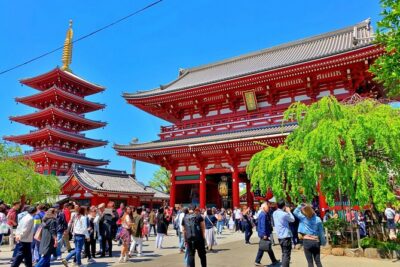
The meeting point is right in front of the main entrance gate of Tsukiji Hongwanji Temple. From there, you go into the temple with your live guide (English and Japanese are offered). The key idea here is simple: you don’t just walk through a religious site. You learn basic prayer etiquette so you feel less like a tourist passing by and more like a respectful visitor participating in what locals do.
In practice, the guide sets the tone fast. You’ll pick up what to do, when to do it, and how to move so you’re not blocking others or repeating awkward motions. It’s the kind of cultural head start that makes the whole afternoon feel anchored. Then, when the walk shifts to the market, you’re still in the same mindset: observe, ask, taste, and learn.
One small tip: wear shoes you can stand in for a while. The day is a mix of temple time and market walking, and you’ll want your feet to feel good when the samplers and snack stops begin.
You can also read our reviews of more walking tours in Tokyo



Tsukiji Outer Market: How the Guide Helps You Eat Like a Local
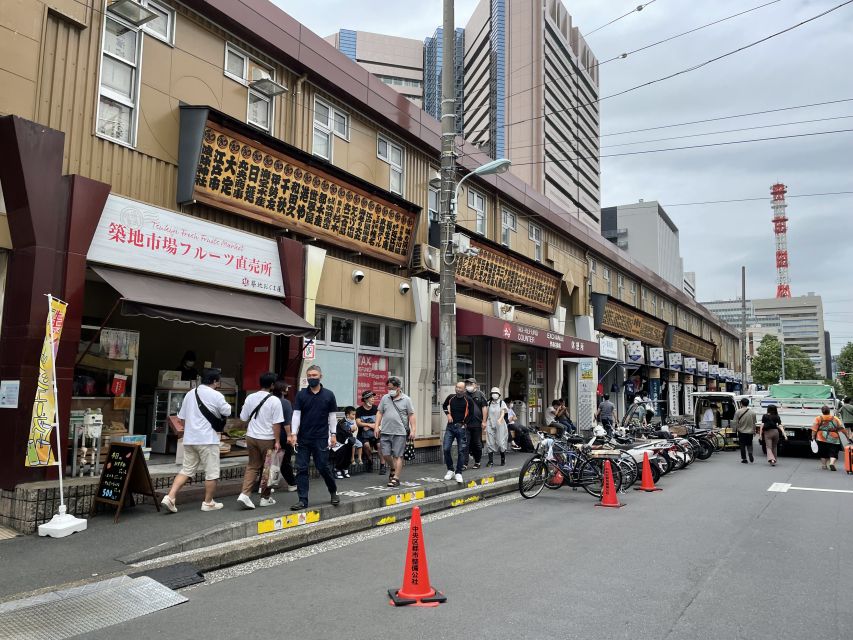
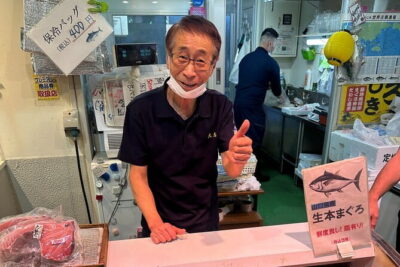
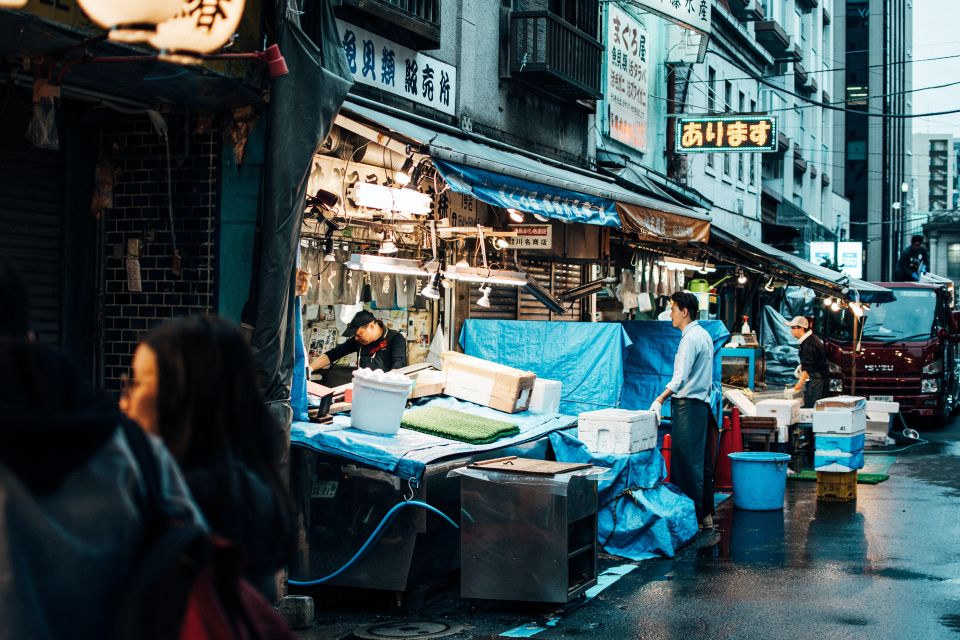
After the temple, you move into Tsukiji Outer Market and follow your food guide through the maze. This is where the value really shows. The market is big, crowded in peak hours, and easy to wander in circles. With a guide, you’re not guessing which stalls to try. You get targeted recommendations based on what you like and how hungry you are.
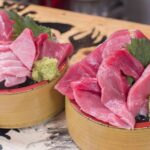
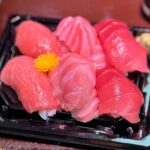
The walk is built around food stops. You’ll discover interesting shops, learn what makes certain products worth trying, and then choose what you want to buy if you feel like bringing extra food along. The point isn’t to force you into a rigid tasting menu. It’s more like: here’s what to try, here’s why people buy it, and you get to steer your own snack direction.
A detail I appreciate from the experiences people shared is how flexible the guides can be about getting food people actually want. Some guides are named in accounts, like Kumi, Kyoko, Yuki, Sally, Sarah, and even Kyoto (with excellent English skills noted). Even if your guide isn’t one of those names, you can expect the same goal: keep the pace moving and help you order with confidence.
Heads up on timing: if you’re there on Sundays or National Holidays, the Outer Market is closed. On Wednesdays, some stores may also be closed, so your best bet is to plan your afternoon with the market schedule in mind.
What the Tour Includes at the Market (and What You Pay For)
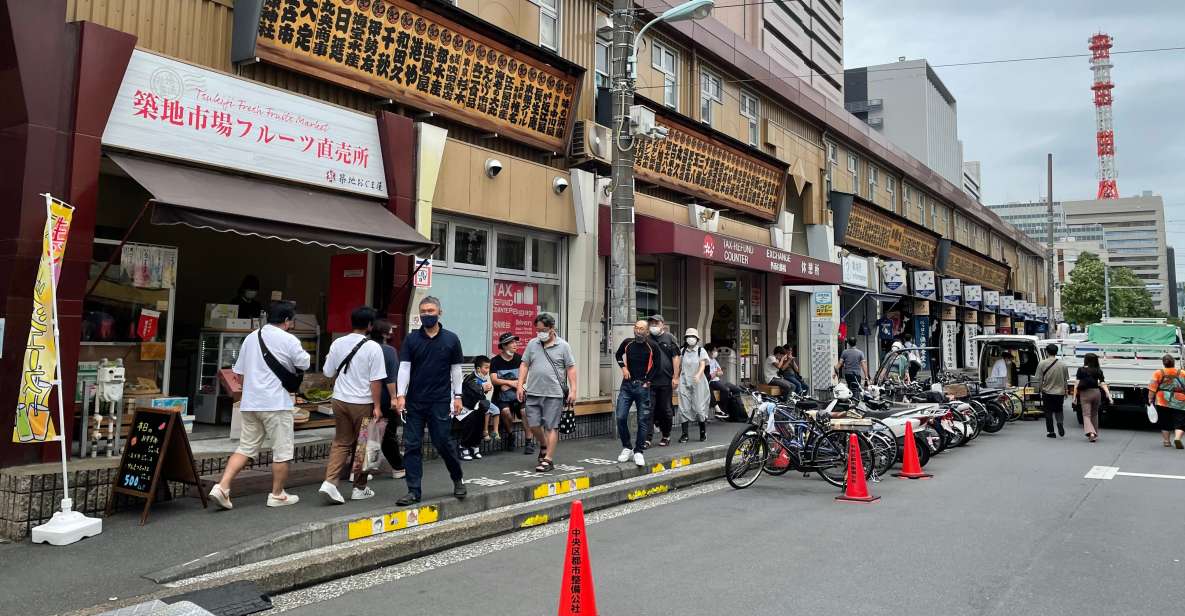
At the market part, the tour includes walking guidance and snacks. It does not include food purchases. That sounds like a fine print detail, but it matters for your budget and for how you approach the day.
Here’s how I’d think about it: you’re not paying $70 just to eat random bites. You’re paying for a guided route through a complex food area plus enough included snacks to get started. Then, if you want to turn your favorites into a fuller meal, you can buy extra items at the stalls you like.
A couple of practical benefits show up in real-world experiences:
- People often end up buying more confidently because the guide explains what to look for.
- You can snack at your own level instead of feeling forced to finish someone else’s portion.
- If you want to carry food to the next stop, the day is structured so you can do that (the tour ends at a nearby sake salon, just a few minutes from either Tsukiji station or Shintomicho station).
Also, because this tour runs rain or shine, the included snacks help you stay comfortable even if weather changes your appetite. Just bring the right mindset: you’re sampling, not dining in one sit-down place.
The Sake Salon: Unlimited Tastings with a Sommelier
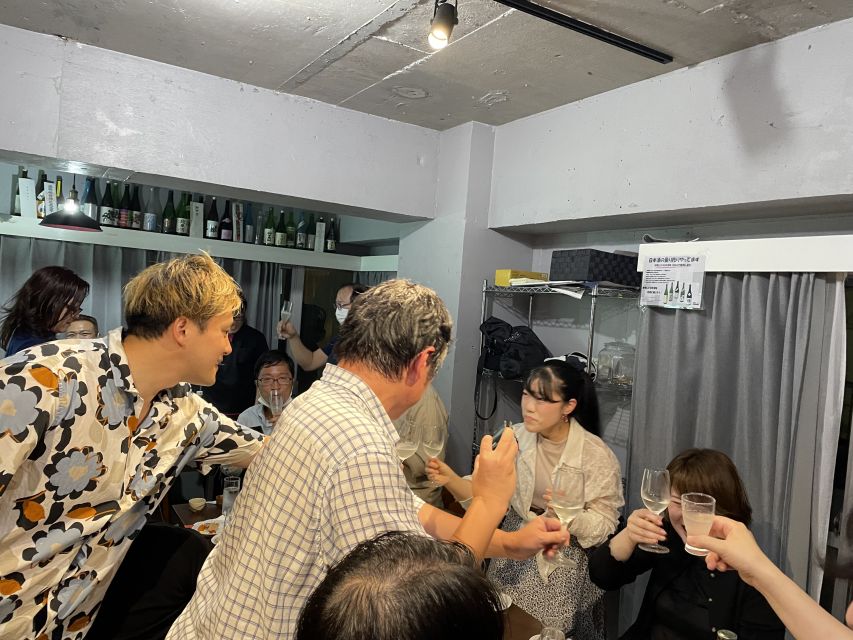
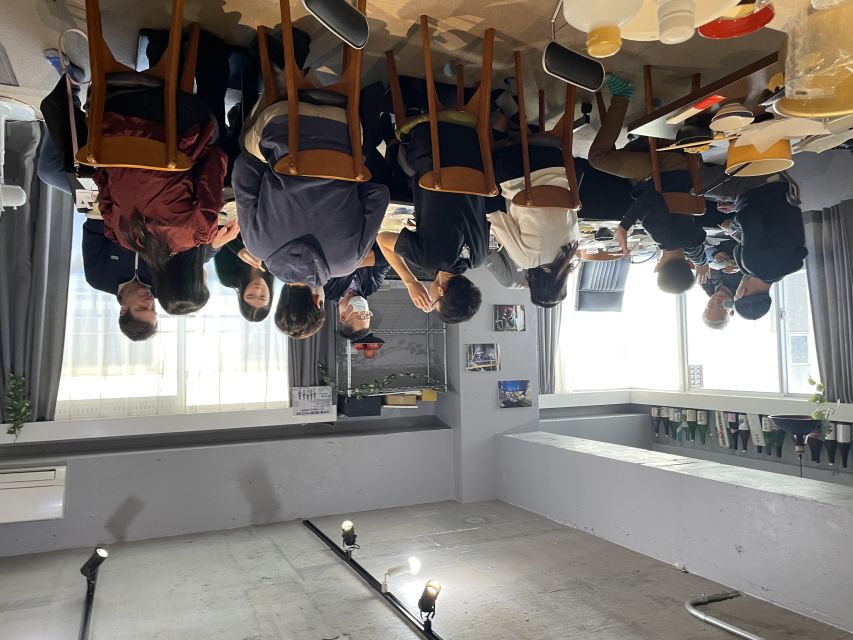
Then comes the main event. After the market, the group heads to a private sake salon for a tasting session. This is where the tour justifies its price most clearly.
You’ll taste a large variety of sake—50 to 60 types offered, with unlimited tastings during your session. Different people reported tasting around 15 to 28 kinds, which tells me the lineup you sample may vary by what’s selected for your group and timing. Either way, the main idea is that you don’t get cut off after a few pours. You can keep sampling to find patterns and favorites.
A sommelier guides the tasting and shares background on each sake you try: the brewery story, some production basics, and what flavor direction to look for. The result is that you start to understand sake as more than just alcohol. People who begin the day knowing very little often leave with a map in their head: how the style shifts, why you might prefer one bottle cold vs warm, and what traits go together.
Snacks are available during the session too. That matters because sake tastes different as your palate changes. The snacks help you reset between pours so you can compare more accurately.
If you’re the type who likes to learn by doing, this is the sweet spot. You’re not stuck listening for three hours. You’re tasting while someone explains what you’re experiencing.
Why Temperature Changes Sake (Cold vs Warm Tastes Different)
One of the smartest parts of the tasting setup is that you’ll sample sake at different temperatures. Temperature can change aroma, mouthfeel, and how sweetness or acidity reads on your tongue.
Cold sake often feels crisp and clean, with a sharper edge. Warm sake can bring out deeper texture and soften edges, sometimes making flavors taste rounder. When you try both in one sitting, you stop treating sake like one fixed flavor category. You start seeing it as a set of variables you can actually experience.
This matters for your real shopping choices later, because you’ll realize you might like a style more at one temperature than another. It also helps you pick sakes for meals, since temperature and food pairing often go together in Japanese drinking culture.
And yes, this is also a lot of fun. The day shifts from market walking to a cozy salon where you can compare, ask questions, and build taste preferences without feeling judged.
You can also read our reviews of more food & drink experiences in Tokyo




3 Hours in Tokyo Time: Pace, Group Flow, and Family Fit
The total duration is about 3 hours, with the walking portion and the tasting at the end. That length is practical: it’s enough time to feel like you actually did something in Tsukiji, but short enough that you don’t wipe out your whole afternoon.
The tour includes a live guide in English or Japanese, and experiences suggest guides are good at adjusting so people can try what they want. That flexibility is important in a market environment, where everyone has different dietary preferences and comfort levels.
For families: the tour description explicitly says kids are welcome for a fun introduction to Japan’s food culture. During the tasting, kids get soft drinks, tea, and snacks. This keeps the vibe from becoming only an adult drinking experience, even though the main session centers on sake.
A few notes that affect your comfort and planning:
- Bring comfortable shoes. You’ll be on your feet for the market walk.
- Bring passport or ID card (a copy is accepted).
- The tour will run rain or shine.
- It’s not suitable for wheelchair users and not suitable for pregnant women.
Value Check: Does $70 Add Up Here?
At $70 per person, you’re paying for more than access to a market and a drink. You’re paying for three big things that are hard to DIY in a short window:
- Temple etiquette coaching at the start, so you understand what you’re doing instead of just walking past.
- Market guidance through a place that can be overwhelming. You get help choosing stalls and sampling items you might miss on your own.
- Unlimited sake tastings with a sommelier, plus snacks and temperature-based comparisons.
A regular market wandering day in Tsukiji can be fun, but you usually end up doing it one of two ways: either you snack blindly, or you spend a lot of time researching which stalls are worth your yen. Here, the structure compresses decision-making and gives you explanations while you eat and drink.
Two costs to keep in mind: hotel pickup/drop-off isn’t included, and food purchases are not included. But those are typical for this kind of experience. The included snacks plus the sake tasting setup do most of the value lifting.
Based on the overall rating (4.9 from 81 reviews), the biggest selling point people return to is the sake portion: many people say it’s generous, informative, and the range is large enough to surprise even beginners. The market part is also praised as the right length and the right support in a crowded area.
Practical Tips So Your Afternoon Goes Smoothly
If you want this tour to feel effortless, do a few small things ahead of time.
First, arrive with your feet ready. Comfortable shoes matter more than you think when you’re walking through market lanes. Second, bring your ID. The tour notes passport or ID card (a copy is accepted), which is especially relevant around tasting logistics.
Third, go in with some flexibility. Even with unlimited tastings, your favorites will show up after a few comparisons. Don’t rush to decide too early. Let the guide explain the styles, then taste for yourself.
Fourth, if you plan to buy extra market food, decide what you want that day. The tour encourages sampling and optional purchasing. If you’re tempted by seafood, sweet treats, or produce, ask the guide what to prioritize so you don’t end up with items that don’t fit your taste.
Finally, plan the day you’re booking. Outer Market closure on Sundays and National Holidays can change what you can actually see and eat.
Should You Book This Tsukiji Outer Market and Sake Tour?
I’d book it if you want a Tsukiji afternoon that mixes cultural context with real food and real tasting. This isn’t just a stroll with a camera stop. Starting at Hongwanji Temple gives the day meaning, the Outer Market walk helps you eat with confidence, and the unlimited sake tasting turns the experience into something you can remember because you can compare flavors for yourself.
I’d skip it if:
- you need wheelchair accessibility, or
- you’re pregnant and want a tour that fits safely and comfortably, or
- you’re traveling on a Sunday or National Holiday without adjusting your expectations for the Outer Market closure.
If you’re a first-timer to Tokyo and you like your activities hands-on—eat, learn, taste—this is a strong value way to spend a few hours in Tsukiji.
FAQ
How long is the Tsukiji Outer Market walking tour and sake tasting?
The tour is about 3 hours long.
Where do I meet the guide?
Meet your guide in front of the main entrance gate of Tsukiji Hongwanji Temple.
What language is the tour guide?
The live tour guide speaks English and Japanese.
Is the sake tasting unlimited?
Yes. The tasting includes unlimited tastings.
Do I need to bring an ID?
Yes. You should bring a passport or ID card (a copy is accepted).
Will the tour run in bad weather?
Yes. The tour takes place rain or shine.
Is the Outer Market open every day?
No. The Outer Market is closed on Sundays and National Holidays, and some stores close on Wednesdays.