REVIEW · TOKYO
Tokyo: Matcha and Kimono Experience
Book on GetYourGuide →Operated by Matchaful · Bookable on GetYourGuide
Wearing kimono can change how you taste. This Tokyo experience near Shinjuku pairs an easy-to-wear kimono with a tea expert-led lesson focused on matcha quality and the tea ceremony mindset. You’ll learn how to compare different matcha, then make your own bowl step by step.
What I like most is the focus on first flush matcha from their large selection, plus the hands-on part where you actually prepare a beautiful bowl. I also like that the lesson doesn’t treat matcha as a flavor only; it explains tea culture through concepts like Teaism and proper manners.
One possible drawback: the kimono dressing and cultural lecture take real time. If you mainly want nonstop matcha production, you might wish for a bit more matcha-making time and a little less ceremony set-up.
In This Review
- Key things you’ll remember
- Matcha and Kimono Near Shinjuku: What You’re Really Buying
- Finding the Meeting Point by Yotsuya (Near Shinjuku)
- Easy-to-Wear Kimono: Why This One Works for Beginners
- Teaism and Tea Ceremony: The Mindset Behind the Bowl
- Matcha Flight With Eye, Nose, Tongue (Plus Japanese vs Overseas)
- Real Match vs Fake Matcha: A Tasting Reality Check
- How the Tea Tools and Sweet Pair With the Lesson
- Making Your Own Bowl: Practice, Manners, and Home Keys
- Price and Value: Is $57 Fair for Tokyo?
- Who This Experience Suits Best
- Final Call: Should You Book This Matchaful Experience?
- FAQ
- Where do I meet the guide?
- What should I bring?
- What’s included in the experience?
- Can I drink alcohol or use fragrance products?
- What languages is the lesson offered in?
- Is it okay for young children?
Key things you’ll remember
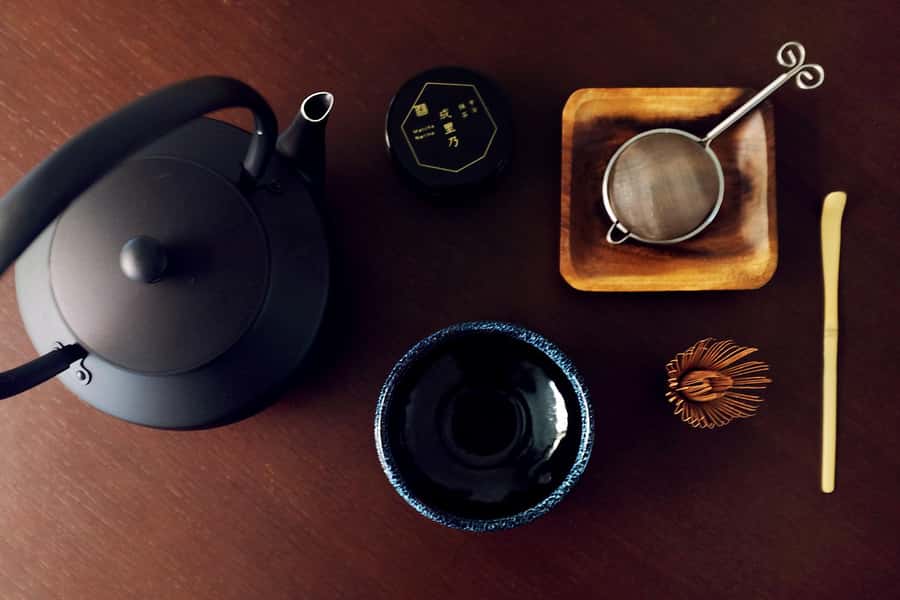
- First flush matcha tasting: chosen from a 100+ matcha collection across Japan, using eye, nose, and tongue
- Teaism + tea ceremony context: the why behind the gestures, not just the steps
- Easy-to-wear kimono: designed to go on quickly compared with the usual 30-minute process
- Real match vs fake matcha: a practical tasting reality check
- Tools rental included: you learn with the same utensils you’ll need at home
Matcha and Kimono Near Shinjuku: What You’re Really Buying
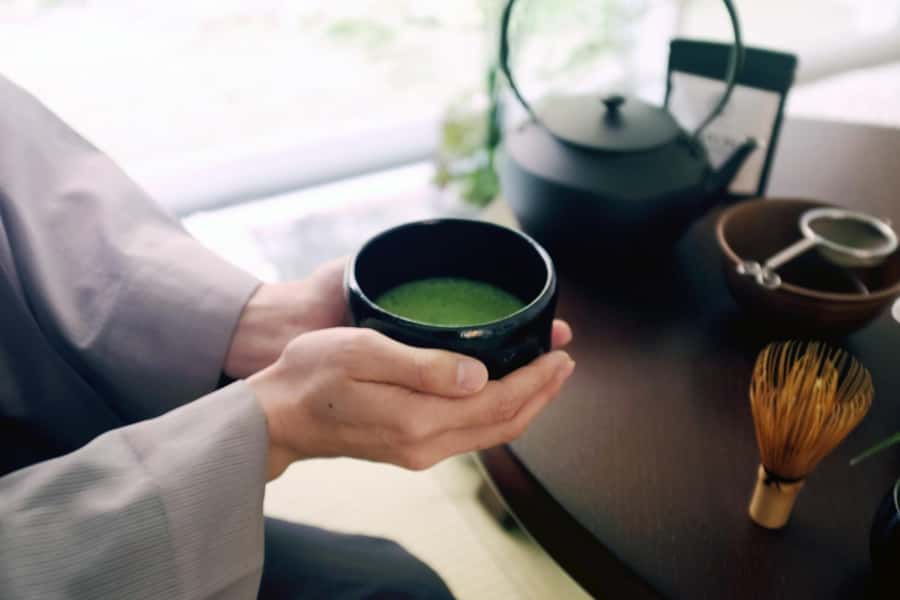
This is a Tokyo class that feels more like a guided ritual than a quick demo. You don’t just watch someone make matcha. You taste multiple styles, learn the cultural logic behind the tea ceremony, then prepare a bowl yourself.
For $57, the value is in three things working together: the kimono experience, the curated matcha tasting, and the matcha-making lesson using tea tools you can rent for the session. Many Tokyo food experiences stop at tasting. This one tries to make you leave with a repeatable routine.
It’s also set up for people who want authenticity without needing months of prep. You get rules, philosophy, and practice, all in an organized format.
You can also read our reviews of more tours and experiences in Tokyo.



Finding the Meeting Point by Yotsuya (Near Shinjuku)
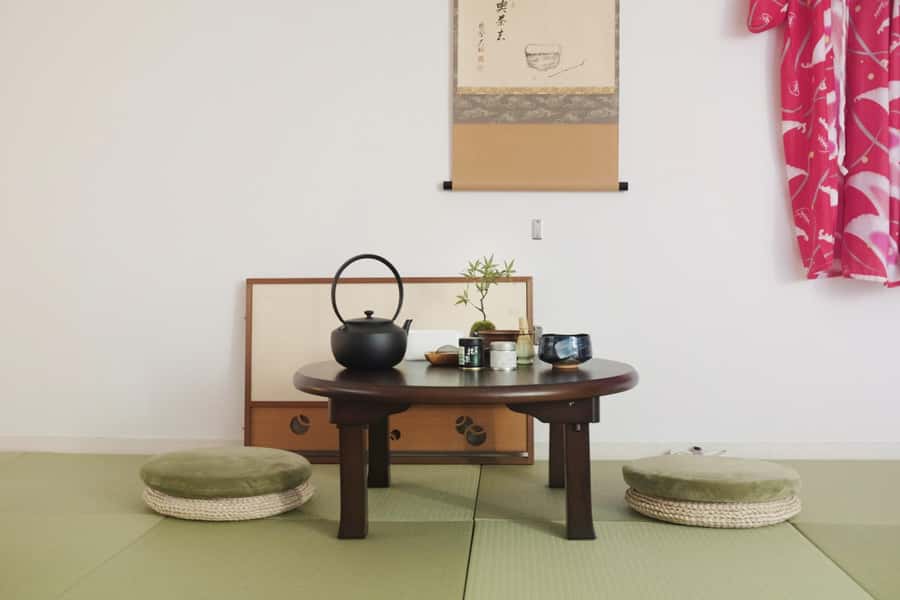
You start where it’s easy to locate: your guide waits in front of the LUUP scooter stand next to the ACN Yotsuya Building, with a workshop sign. Google Maps link is provided by the operator, and it’s about a 6-minute walk from Yotsuya Station (and also very close to Shinjuku).
That location matters. Shinjuku/Yotsuya is a maze when you’re tired. A clear, ground-level meeting spot helps you get on track without hunting down alley entrances.
Two practical notes:
- Bring your own socks. They’re required to protect the traditional flooring.
- Plan to be there on time. If you’re delayed by more than 10 minutes, your booking is automatically canceled and there’s no refund.
Easy-to-Wear Kimono: Why This One Works for Beginners
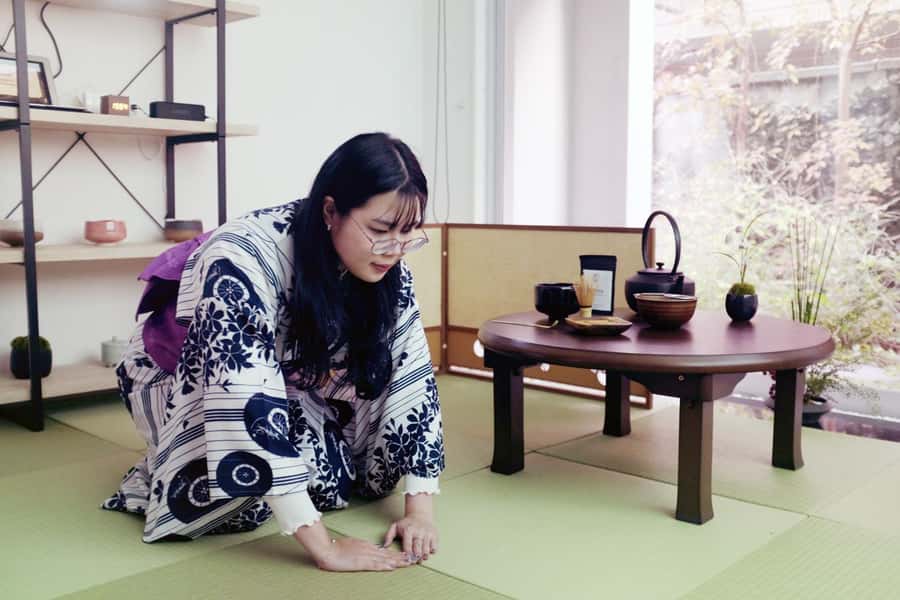
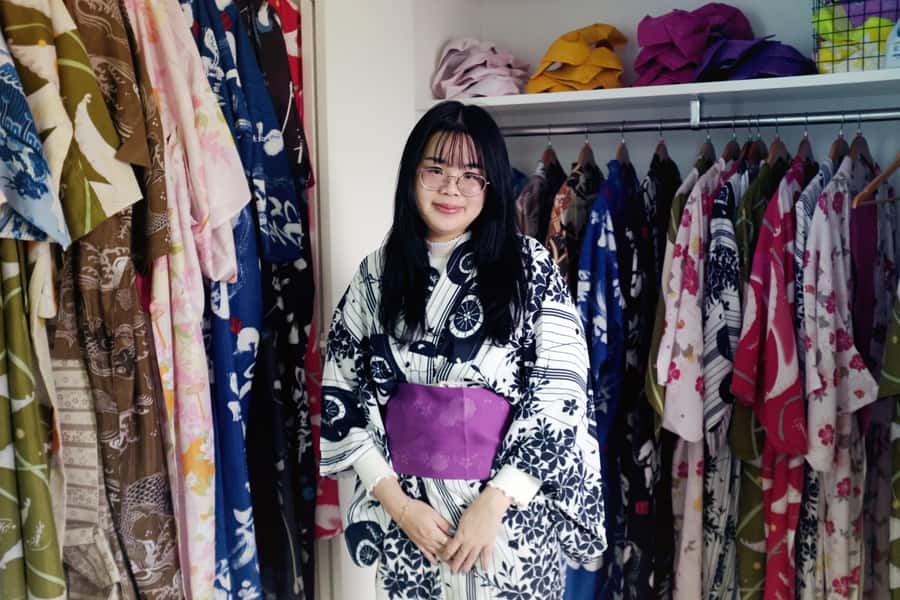
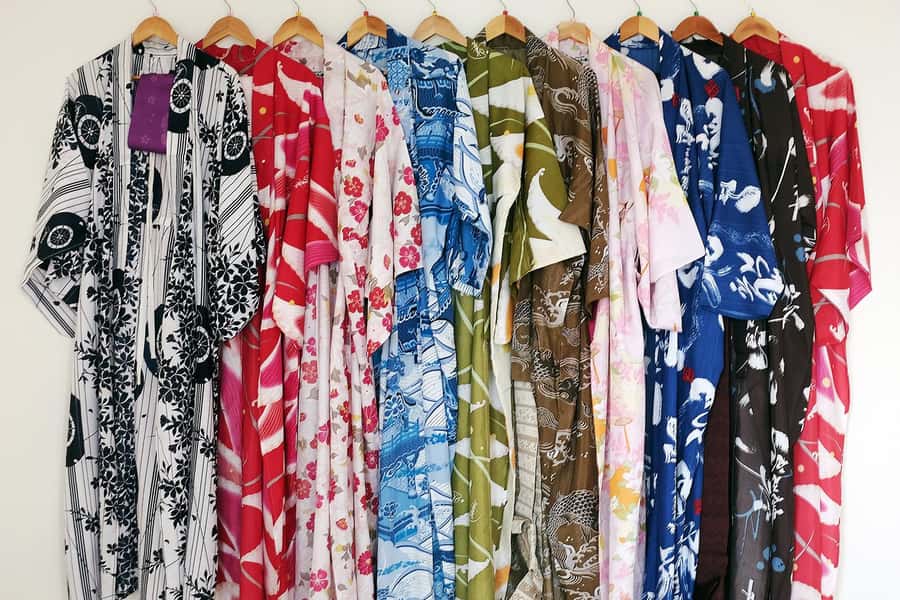
The kimono here is a highlight, but in a very practical way. The experience includes a kimono you wear throughout the session, and it’s an easy-to-wear design—not the standard type that often takes around 30 minutes to put on.
That’s not a small detail. If you’ve ever watched someone struggle to get dressed in traditional layers, you know the risk: you spend the lesson fussing with fabric instead of learning. This setup is designed to keep you comfortable and moving, so the kimono becomes part of the atmosphere rather than a hurdle.
Also, you’ll learn the proper way to wear it and how to handle yourself during the tea sequence. One thing I really like about this approach is that it treats clothing as part of etiquette, not just a photo prop.
Teaism and Tea Ceremony: The Mindset Behind the Bowl
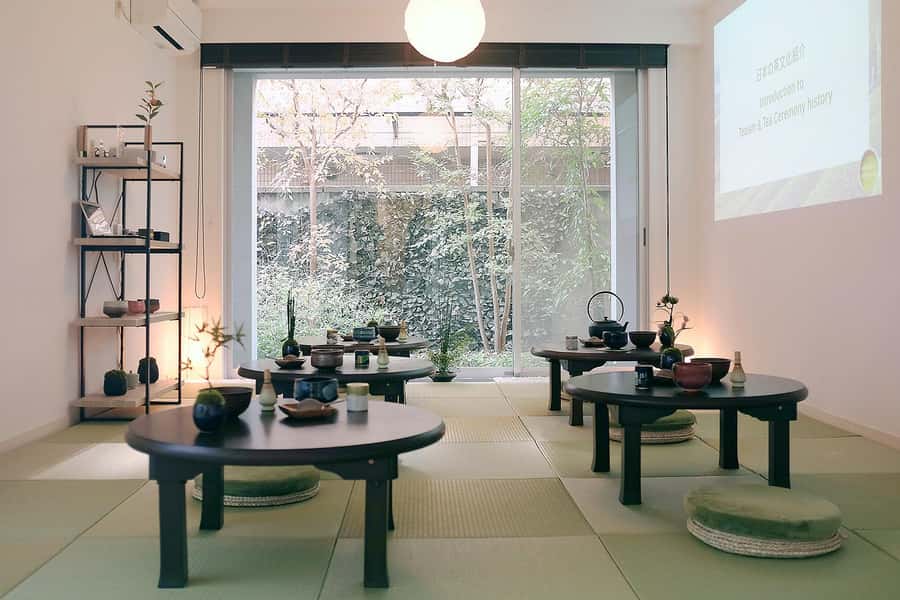
After the kimono part, the lesson shifts into culture and concept. You’ll cover differences between teas—green, black, and Chinese teas—and you’ll be guided through the philosophy of Teaism and the tea ceremony.
Why does this matter for you as a visitor? Because it changes how you experience taste and technique. Instead of chasing flavor like it’s a soda comparison, you start paying attention to restraint, timing, tool handling, and the role of respect in the process.
It’s also where the tour becomes more than a skill workshop. The tea ceremony framework helps you understand why matcha isn’t treated like just another drink. It’s a structured ritual with a method and a purpose.
Matcha Flight With Eye, Nose, Tongue (Plus Japanese vs Overseas)
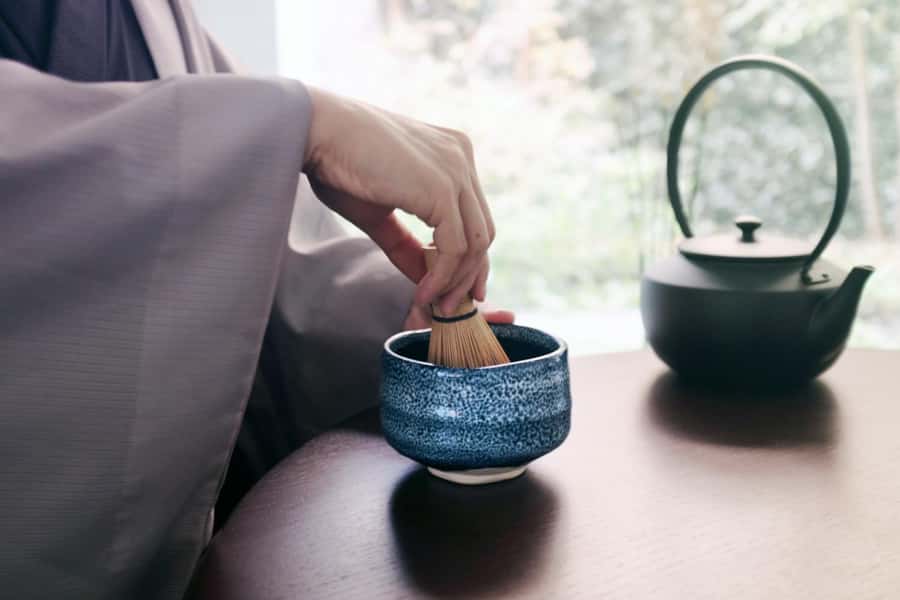
This part is genuinely fun. You’ll compare matcha types using your senses—eyes, nose, and tongue—to find your favorite from their selection. The experience emphasizes an exclusive first flush matcha, described as the highest quality version in their range, carefully chosen from their 100+ matcha collection across Japan.
You’ll also learn that Japanese matcha and overseas matcha are very different. That’s a key takeaway for anyone who has only tried bottled or supermarket versions. The goal is to train your palate and vocabulary so you can recognize quality, not just enjoy sweetness or bitterness.
And yes, this tasting-by-senses approach is the kind of practice that actually helps you later at home. If you know what to notice—aroma, color depth, and flavor behavior—you’ll waste less money guessing in shops.






Real Match vs Fake Matcha: A Tasting Reality Check
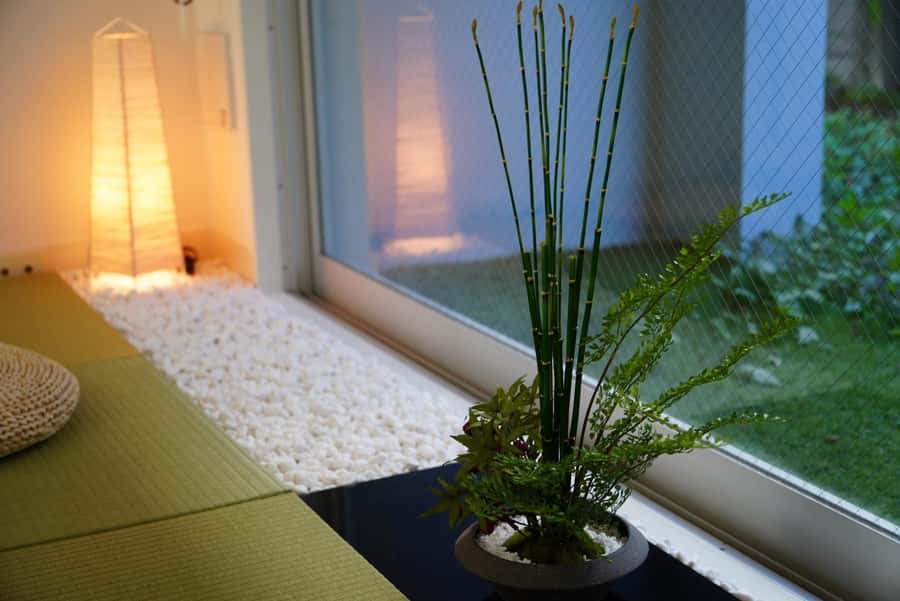
One of the most useful inclusions is the segment that compares real match vs fake matcha.
People often think matcha is a category like “green tea.” This session treats it like a product with quality signals. That’s a big deal if you’ve ever bought matcha that tasted flat, overly grassy, or suspiciously uniform.
Even if you don’t remember every lecture detail, the tasting comparison teaches your senses what to trust. Then you can shop with more confidence back in Tokyo—or when you return home.
How the Tea Tools and Sweet Pair With the Lesson
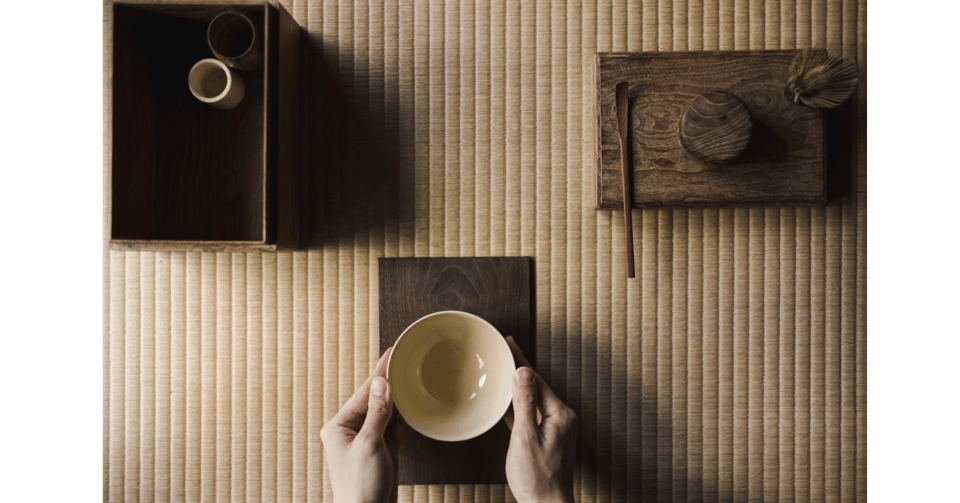
Your session includes a few nice extras that keep the experience human, not sterile.
You’ll get:
- Japanese traditional sweets
- A welcome drink
- Tea ceremony tools rental
The sweets aren’t random. In tea culture, snacks help balance flavors so the matcha tastes clearer. It also makes the whole tempo feel more like a real tea visit rather than a classroom.
The tools rental matters because you learn what matters when you’re actually preparing the bowl—whisking, handling, and serving basics—without having to buy equipment on day one.
Making Your Own Bowl: Practice, Manners, and Home Keys
Then comes the practical part: you learn how to prepare a beautiful bowl of matcha using the tea tools provided. You’ll also practice basic manner for drinking matcha—so you know what to do with the bowl, not just how to make it.
The experience explicitly mentions that you’ll master 4 keypoints to prepare matcha at home. They don’t hand you a single recipe and call it done. The goal is to give you a repeatable method grounded in technique and attention.
What I like about this approach: it treats your at-home bowl like a mini version of the ritual. You’re not just recreating taste; you’re recreating structure.
A note for expectations: because kimono, tasting, and culture all have their place, the hands-on matcha lesson is paced as part of the full experience. If you love the ritual, you’ll probably enjoy the timing. If you only want a fast matcha class, you might feel the balance slightly off.
Price and Value: Is $57 Fair for Tokyo?
For $57 per person, you’re paying for more than ingredients. You’re paying for:
- An expert-led lesson covering culture and technique
- First flush matcha tasting from a large selection
- An included kimono to wear throughout
- Tools rental for practicing
- Sweets and a welcome drink
In Tokyo terms, this sits in the “good deal if you’re curious” zone. You’re not buying a show; you’re buying instruction plus tasting plus equipment access.
If you love food learning—how ingredients differ and how technique changes flavor—this is worth it. If you’re a matcha super-fan who wants the best quality and a clear shopping mindset, the real match vs fake segment alone is strong value.
Who This Experience Suits Best
This is a great fit if:
- You’re staying around Shinjuku/Yotsuya and want an easy-to-reach cultural activity
- You want kimono + matcha in one package without complex planning
- You like hands-on learning and want to make a bowl yourself
- You care about quality and want a lesson in what separates good matcha from mediocre matcha
It’s also a good option if you’re traveling solo or with one other person, because the structure helps you feel comfortable and guided even if you don’t know tea ceremony etiquette.
Two fit notes:
- It’s not suitable for children under 5
- Strong rules apply in the space: no alcohol/drugs, no strong fragrances, and no making noise
Final Call: Should You Book This Matchaful Experience?
If you want a Tokyo afternoon that mixes style, sensory tasting, and a skill you can reuse at home, I’d book it. The pairing of easy kimono, first flush matcha tasting, and the matcha-making lesson with tools rental gives you real variety. It’s not just a photo stop, and it’s not just a drink workshop.
Skip it only if you’re mainly chasing maximum matcha time and minimal ceremony. The kimono and philosophy pieces are built into the flow, and the pacing reflects that.
If you do go, bring the socks, arrive on time, and lean into the tasting. Your best souvenirs won’t be the photos. They’ll be the new way you recognize good matcha.
FAQ
Where do I meet the guide?
You meet in front of the LUUP scooter stand next to the ACN Yotsuya Building with a workshop sign. It’s about a 6-minute walk from Yotsuya Station.
What should I bring?
You must bring socks to protect the traditional flooring. If you forget, you’re asked to buy them at the workshop place.
What’s included in the experience?
It includes matcha experience, kimono to wear throughout, a Teaism and matcha lecture, a matcha making lesson, exclusive first flush matcha, Japanese traditional sweets, a welcome drink, and tea ceremony tools rental.
Can I drink alcohol or use fragrance products?
No. Alcohol and drugs are not allowed, strong fragrances are not allowed, and you should keep noise to a minimum.
What languages is the lesson offered in?
The experience is offered in English and Japanese.
Is it okay for young children?
It’s not suitable for children under 5 years old.