REVIEW · TOKYO
Traditional Japanese Music ZAKURO SHOW in Tokyo
Book on Viator →Operated by Traditional Japanese Music Events ZAKURO SHOW · Bookable on Viator
Tokyo has a way of surprising you with sound. The Zakuro Traditional Japanese Music show turns an hour of live performance into an easy lesson on how Japanese instruments and musical styles developed, with English translation that keeps it friendly and up-close musicians right in front of you.
I especially like the way the program connects each tune to context, so you hear more than just pretty notes. I also like the intimate pace: it’s relaxed enough to fit into real itineraries without wrecking your day. One thing to consider is that it’s only about an hour, so if you crave a long concert night, you may wish it ran longer.
In This Review
- Key highlights you should know before you go
- Zakuro in Omotesando: a short show that feels like a real introduction
- What actually happens during the 1-hour performance
- The music mix: ancient traditions, modern touches, and one friendly left turn
- Why the English translation matters more than you think
- Up close in a cozy room: how to get the most out of your seats
- Value and price: is $39.64 a fair deal?
- Getting there and planning your evening
- Who Zakuro is best for (and who might pass)
- What to expect when you’re done: a souvenir-minded ending
- The bottom line: should you book Zakuro?
- FAQ
- How long is the Zakuro show in Tokyo?
- What is the price per person?
- Where is the show located?
- Is the show in English?
- What instruments will I see during the performance?
- Do I get a ticket on my phone?
- How far in advance should I book?
- What is the cancellation policy?
- When will I receive confirmation after booking?
Key highlights you should know before you go
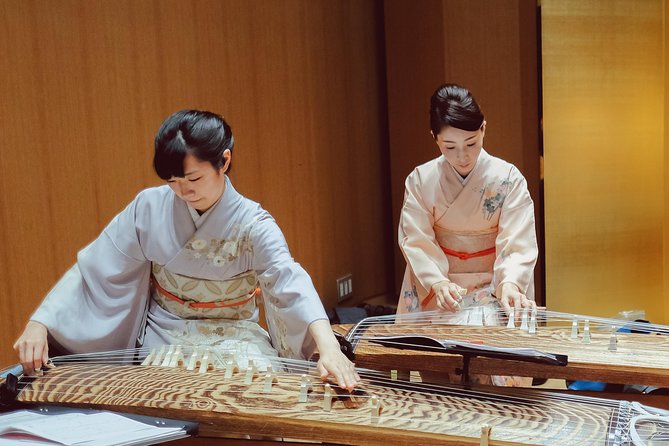
- Omotesando venue feel: a beautiful, cozy setting that makes the show feel personal
- Live dialogue and translations: explanations are part of the performance, not tacked on
- A focused instrument lineup: you’ll see koto, shamisen, shakuhachi, and taiko in one show
- Story-by-song programming: ancient and more modern traditional music are mixed with variety
- A western hit cover: the program includes a cover (including one performance that used Nirvana) to help you hear the Japanese instruments differently
Zakuro in Omotesando: a short show that feels like a real introduction
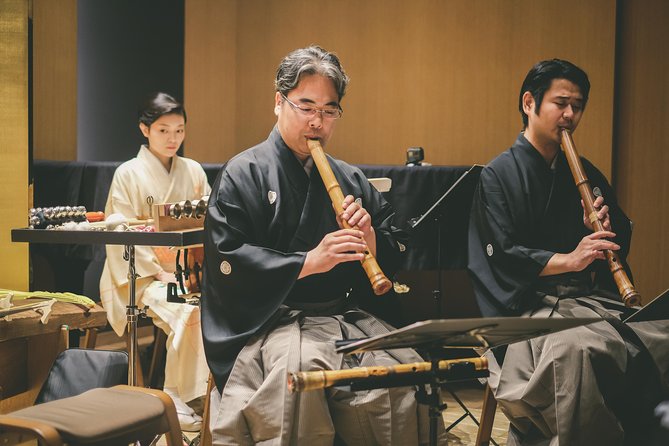
If you want Tokyo culture in a format that doesn’t require homework, this is a strong pick. Zakuro is a traditional music performance built to make the “what you’re hearing” and “why it matters” clear as you go. You’re not stuck reading a guidebook after the fact. You get the explanations live, while the musicians are still in front of you.
The venue is in Omotesando, and the setup aims for cozy intimacy. That matters more than you might think. When musicians and instruments are close and the environment feels comfortable, your attention stays on details like tone changes, rhythm, and how each instrument behaves. It also helps if you’re traveling with non-musicians who still want a meaningful cultural activity.
This is also a timing win. The show runs about one hour, which means you can add it to a packed day without turning your evening into a juggling act. For many visitors, that shorter format is the difference between seeing something cultural and skipping it.
You can also read our reviews of more tours and experiences in Tokyo


What actually happens during the 1-hour performance
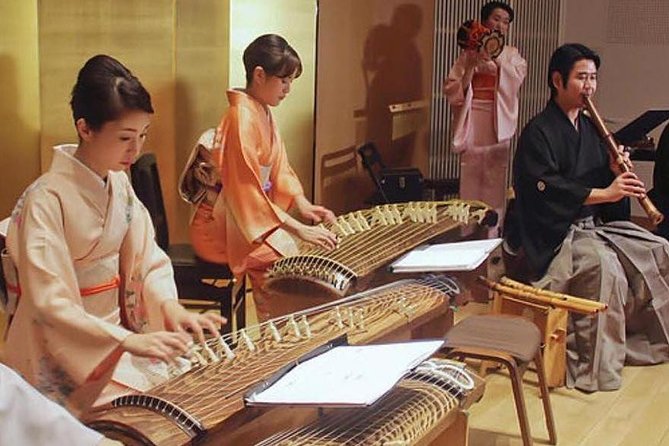
You should expect the show to feel like a guided concert. The musicians play, then there’s commentary that ties the next piece to craft and history. The program is designed so each tune arrives with context, not as a surprise track on a random playlist.
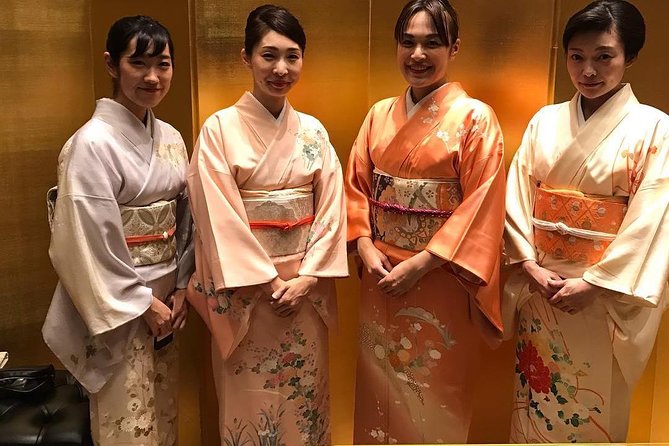
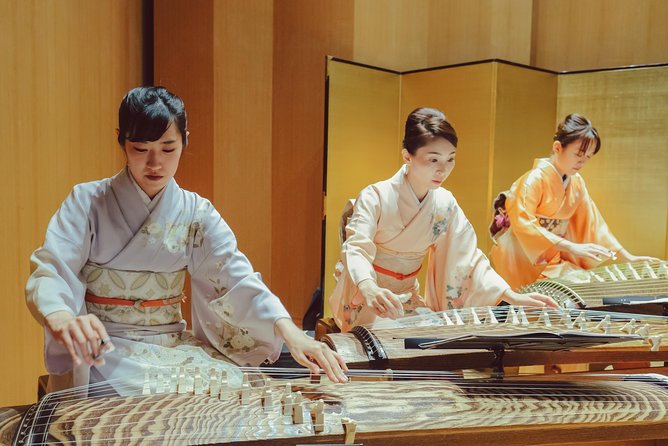
The performers are dressed in colorful kimono, and they explain parts of their craft as they go. The whole point is that the instruments are the center of the room, and the show gives you enough background to appreciate what’s happening. That includes talking about techniques, how the instruments produce sound, and where different musical styles fit in Japan’s broader musical story.
You’ll also see the range of Japanese traditional instruments used across the set. The lineup includes:
- Koto (the harp-like instrument)
- Shamisen (a string instrument known for its punchy, rhythmic feel)
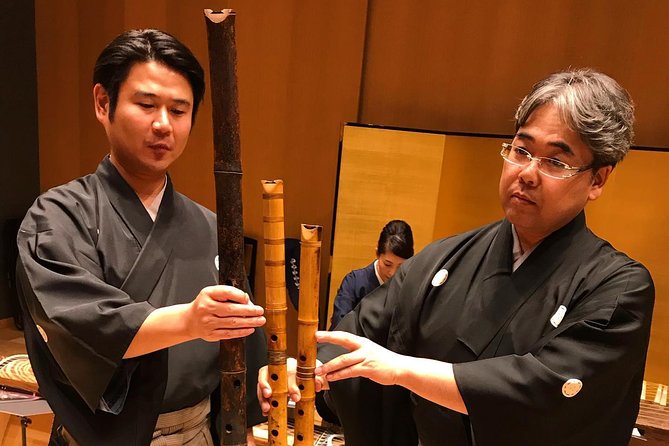
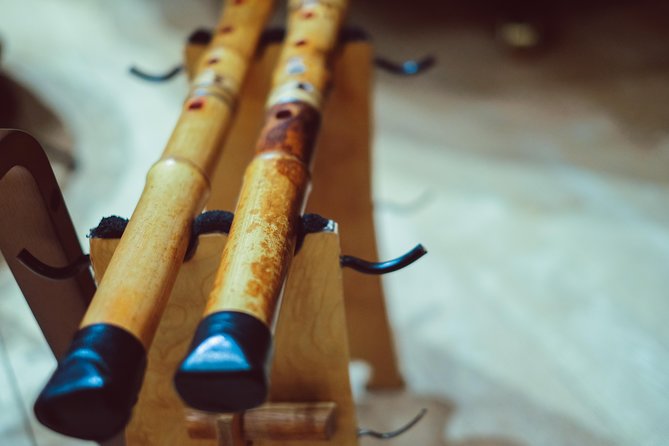
- Shakuhachi (the bamboo flute, often connected with breath-driven phrasing)
- Taiko (drums that can be thunderous, energetic, and theatrical even when you’re sitting still)
Because the show moves between instruments, you get contrast fast. Soft becomes sharp, and smooth becomes rhythmic. Even if you don’t know the names of the pieces, you’ll still feel the structure.
The music mix: ancient traditions, modern touches, and one friendly left turn
A big reason this show earns such strong ratings is the variety in the program. It’s not only one style of old-school music. You get both ancient and more modern traditional music in the same performance. That keeps it from feeling like you’re watching one long, single-tone lesson.
Then there’s the cover of a western hit. One review specifically referenced a Nirvana song being covered. Even if you’re not a fan of the original, this is one of the cleverest parts of the experience: hearing a familiar melody played through wagakki (traditional instruments) helps your brain connect patterns. You start noticing how Japanese instruments shape rhythm and accent differently than what most people are used to.
That left turn is also practical for travelers. If you’re the type who needs something to grab onto early, the western hit helps you settle in before the show deepens into more traditional sounds.
Why the English translation matters more than you think
Many cultural performances in Japan have a language barrier. Zakuro handles that by making translation part of the show itself. The result is that you can follow along without pausing to ask questions or stand around after the music ends.
The performers provide live commentary between musical numbers, with English translation support so you understand what you’re hearing and why it’s being presented. That includes explanations about each instrument and the role it plays in the broader sound world of Japanese music.
For me, this is the key value: you’re not just watching. You’re learning the vocabulary of sound in real time. You can leave with a clearer sense of what koto, shamisen, shakuhachi, and taiko do differently, not only what they’re called.
Also, the show’s pacing makes the translation feel natural instead of like an interruption. It flows with the music, which keeps the experience from turning into a lecture.
Up close in a cozy room: how to get the most out of your seats
Since the musicians are right in front of you, you’ll want to pay attention to small visual cues. Watch hands, breath, and timing. Traditional instruments have distinct “body language.” The koto’s plucking and the shamisen’s string work aren’t just technical details; they explain why notes feel crisp, rounded, or suddenly percussive.
With taiko, you’ll likely feel rhythm in a physical way. Even in a short show, drums can reset the atmosphere. If you like energy, this is usually where the room wakes up.
With shakuhachi, listen for how phrasing comes from breath. In flute music, the gaps matter as much as the notes. With a translated explanation, you’ll be better able to recognize when the musician is shaping tone versus simply playing a pitch.
If you’re trying to decide whether to go, here’s the practical test: if you’d enjoy a short concert where the artist explains what you’re hearing as you go, you’ll probably love this. If you only want silent, purely musical performances with no dialogue, you might find the commentary breaks up the flow. Most people come for exactly this mix, though.





Value and price: is $39.64 a fair deal?
At $39.64 per person for about an hour, this isn’t bargain-basement entertainment. It’s priced like a curated cultural performance with professional musicians and live translation.
For the cost, you’re getting several things that usually cost extra when you do them separately:
- live performances on multiple traditional instruments in one sitting
- explanations tied to each section of the program
- an easy-to-handle time commitment (about an hour)
If you’re comparing it to spending an evening on less structured activities, this gives you a meaningful cultural experience with context. It also works well for visitors who don’t want to gamble on a longer show where language might leave them lost.
Also, the show offers a mobile ticket, which helps on busy travel days. That small detail can matter when you’re moving through Tokyo with limited time and lots of options.
Getting there and planning your evening
Zakuro is near public transportation, so you can build it into your day without needing a taxi plan. That’s important because Tokyo neighborhoods can be time-consuming if you’re bouncing between far-apart areas.
Omotesando is a convenient area for visitors who are already exploring around Harajuku and fashionable shopping streets. You can treat this as a cultural counterbalance: spend the afternoon browsing or walking, then switch to a calm, instrument-focused evening activity.
Timing-wise, aim to go when your ears are fresh. After a long day of walking, music still lands, but you’ll enjoy the explanations more if you’re not completely drained. Since it’s about an hour, it’s also easy to recover afterward with a casual dinner nearby.
Who Zakuro is best for (and who might pass)
You’ll likely enjoy this if you:
- want a cultural activity that’s understandable fast
- like music and want to learn how instruments work
- prefer short, well-paced experiences over long commitments
- travel with someone who wants both entertainment and education
It’s also a solid choice if you’re worried about language. English commentary is built in, not treated as an optional add-on.
You might pass if:
- you strongly dislike any spoken commentary during performances
- you’re looking for a multi-hour concert experience
- you want only modern pop-style music without traditional-instrument context
But even then, the western hit cover can be a friendly entry point, and the instrument variety helps keep attention.
What to expect when you’re done: a souvenir-minded ending
One nice touch from the experience is that it can extend beyond the show. After the performance, you may be able to buy a CD if you want something to take home and replay. That’s not required, but it’s a good way to keep the sound in your head while you’re still in Japan.
If you do pick one up, it helps you remember which instrument you liked most. Then your next music experience in Japan starts making more sense, because you’ve got a personal reference point.
The bottom line: should you book Zakuro?
I’d book Zakuro if you want a friendly, well-paced introduction to traditional Japanese music that’s short enough to fit any itinerary. The strongest reasons to go are the live explanations with English translation and the fact that you’ll hear multiple instruments—koto, shamisen, shakuhachi, and taiko—in one coherent show. It’s not a random “see a performance” stop. It’s a guided listening session.
I’d think twice only if you need a longer concert, or if any spoken commentary during music sounds like a deal-breaker. Otherwise, this is the kind of cultural activity that turns into a memorable evening because you understand it as it happens.
FAQ
How long is the Zakuro show in Tokyo?
The performance is about 1 hour.
What is the price per person?
The price is $39.64 per person.
Where is the show located?
It takes place in Tokyo, in the Omotesando area, and it’s near public transportation.
Is the show in English?
It includes explanations with English translations, designed to be tourist-friendly.
What instruments will I see during the performance?
You’ll see traditional Japanese instruments including taiko drums, koto harp, shamisen, and shakuhachi flute.
Do I get a ticket on my phone?
Yes, the show uses a mobile ticket.
How far in advance should I book?
On average, it’s booked about 33 days in advance.
What is the cancellation policy?
Free cancellation is available up to 24 hours in advance for a full refund.
When will I receive confirmation after booking?
You receive confirmation at the time of booking.