REVIEW · TOKYO
Traditional Japanese Knife-Making Workshop in Asakusa
Book on GetYourGuide →Operated by Traveling Tokyo · Bookable on GetYourGuide
Knife work in Tokyo can be surprisingly calm.
In Asakusa, this traditional Japanese knife-making workshop turns 90 minutes into a hands-on lesson where you shape and refine a blade using real tools and careful guidance.
I especially like the step-by-step coaching that makes the process workable even if you’ve never sharpened anything before. I also like that you get to pick your handle wood and, if you want, add an engraving as a personal touch.
One drawback to plan for: the session is short, so it often feels more like sharpening, refining, and finishing than full blacksmith-style forging.
In This Review
- Key points
- Asakusa Knife-Making Setup: Finding the 10th Floor Workshop
- What You’ll Make in 90 Minutes: Blade Refinement and a Custom Handle
- Tools, Safety, and Learning to Sharpen Without Prior Experience
- The Take-Home Knife: A Souvenir You Can Use
- Price and Value: Is $96 Worth 90 Minutes?
- Who This Is For (And Who Might Want Something Else)
- Your Day Plan: How to Get the Most From the Workshop
- Should You Book This Traditional Knife-Making Workshop in Asakusa?
- FAQ
- How long is the traditional Japanese knife-making workshop?
- What does the experience cost?
- Do I need prior experience to make the knife?
- What languages are available during the workshop?
- What do I take home at the end?
- Where is the meeting point?
- Is the workshop wheelchair accessible?
Key points
- Beginner-friendly instruction with English/Japanese support throughout
- Blade shaping and refinement using traditional tools, guided step by step
- Handle choice with wood options, plus optional engraving
- You take home the knife you helped make, with blade and handle included
- Clean, beautiful workshop environment, with freshly cut wood smell reported by past participants
- Dewi and Shin are among the instructors who provide attentive help
Asakusa Knife-Making Setup: Finding the 10th Floor Workshop
You’ll start in Asakusa, a part of Tokyo that feels made for crafts and old-school traditions. This experience takes place on the 10th floor of the building, so do yourself a favor and confirm the exact location before you go.
Once you’re inside, the room tends to feel organized and welcoming rather than intimidating. People have noted it’s very clean and beautiful, and you may catch that strong, fresh smell of cut wood as you enter. Even if you’re not a tool person, that detail matters, because it sets the tone: this is a craft space, not a showroom.
From the building, you can even see Tokyo Skytree according to past participants. It’s a small Tokyo reward while you wait for your turn, and it helps the experience feel special without turning it into a tourist-only performance.
You can also read our reviews of more tours and experiences in Tokyo


What You’ll Make in 90 Minutes: Blade Refinement and a Custom Handle
The promise here is simple: you’ll shape and refine a handcrafted Japanese knife, then leave with the knife you helped create. The workshop includes the knife blade and handle, plus the tools and the workspace.
In the first part of the session, you’ll get an introduction to the materials and tools used in traditional knife-making. That matters because Japanese knives aren’t just about being sharp; they’re about precision—how the edge is formed, how the surface is refined, and how patience shows up in the results.
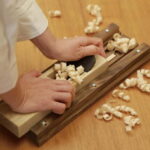
Then comes the hands-on work. You’ll work at your own pace while your instructor guides you on what to do next. The focus is on precision and patience, with step-by-step help so you’re not guessing.
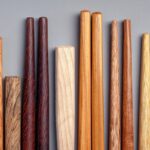
Later in the process, you shift from blade work to handle work. Past participants have mentioned that you can choose from a variety of wood handle options, and some have even added engraving. That’s a big deal for value because it turns the knife from a generic souvenir into something more personal you can keep using.
One more practical note: because the session is 90 minutes, the experience is structured to fit the time. That means you may not get the long, full production arc you’d see in a traditional smith’s workshop day. Instead, you’ll focus on the key steps that a beginner can learn safely and realistically.
Tools, Safety, and Learning to Sharpen Without Prior Experience
You don’t need prior experience. That’s stated up front, and the way the workshop is described suggests the instructor’s job is to make the process understandable and safe from minute one.
You’ll start by learning what the tools are for and how they connect to the final result. Then you get guided practice with enough direction to prevent frustration. The best part of this setup is that it reduces the usual fear factor of craft classes: you’re not supposed to show up already knowing how to do it.
English/Japanese support is also a real help. Bilingual staff means you won’t lose details when instructions get technical—especially around sharpening and refinement, where small differences matter.
From past participants, instructors such as Dewi and Shin have stood out for supportive, careful instruction and helpful pacing. If you like classes where the teacher actually watches your technique and helps you correct it, you’ll likely appreciate that style.
Also, you’ll likely have moments to ask questions. The workshop setting is set up so you can keep moving without feeling rushed, and people have mentioned plenty of chances to take photos along the way. That matters because you’ll want proof of what you made, but you’ll also want a record of how the process was explained.
The Take-Home Knife: A Souvenir You Can Use
Lots of Tokyo souvenirs look good on a shelf. This one is different: you leave with a handmade knife you created, including both the blade and the handle.
That’s why the workshop feels more meaningful than many craft experiences. You’re not just collecting a memory. You’re building something practical. Even if you don’t become a home chef overnight, having a knife made through your own effort gives you a reason to keep learning about care, sharpening, and safe use.
The handle customization helps too. Choosing wood—and possibly adding engraving—adds emotional value, and it also makes the knife feel like yours rather than a product. It’s the kind of detail you’ll notice every time you pick it up.
There’s also a subtle benefit that’s easy to overlook: the process teaches you what sharpening really involves. You’ll likely walk away with a better sense of why good edges take time and why rushing usually shows in the result.
Price and Value: Is $96 Worth 90 Minutes?
At $96 per person for a 90-minute workshop, this sits in the category of experiences that can be either a great value or a letdown—depending on what you expect to do.
Here’s the value case. You get:
- Tools and workshop space provided
- A knife blade and handle included
- Bilingual staff support (English/Japanese)
- Hands-on guidance, even if you start from zero
- The end result: a knife you help make
When you combine all of that, the price starts to make sense. You’re paying for materials, instruction, and the chance to produce something tangible and useful.
Now, the “watch your expectations” case. Because the session is limited to 90 minutes, the experience is designed around what a beginner can accomplish safely and clearly. Some people have found the pace and structure to be more like sharpening and finishing rather than an all-day full forging story. If you’re expecting dramatic metal-hammering scenes, you may feel the mismatch.
If you’re excited to learn how refinement and sharpening work, and you want a practical handmade item at the end, the cost is easier to justify. If you need a longer, more theatrical production, you might want to look at a different style of craft class.
Good news: the booking approach includes flexibility, with free cancellation up to 24 hours in advance for a full refund, and reserve now & pay later options. That lowers the risk if your Tokyo schedule is still in flux.






Who This Is For (And Who Might Want Something Else)
This is best for people who enjoy hands-on learning and don’t mind slow, careful work. If you want a cultural activity that isn’t just looking, and you like the idea of leaving with something you made, you’ll probably enjoy it a lot.
It’s also a strong choice for:
- Couples and friends who like doing something together with a real outcome
- Food lovers who care about tools and quality
- Beginners who want structured instruction rather than trial-and-error
It may be less satisfying if you’re hunting for a longer, more dramatic forging experience. The workshop is built for a guided process, not a full-day workshop tour.
Wheelchair accessibility is listed, which is another plus if mobility access matters to your plan. The workshop is designed to be reachable for different needs.
Your Day Plan: How to Get the Most From the Workshop
Here’s how I’d plan your day in a simple, low-stress way.
First, give yourself a little buffer to reach that 10th floor meeting point. Floors and entrances can be confusing in Tokyo, and you don’t want to start a precision workshop with stress.
Second, come with the right mindset: you’re learning fine technique, not speed. Your instructor will guide you through shaping and refinement, and you’ll do better if you focus on small steps and questions.
Third, decide ahead of time whether you want handle engraving. If it’s offered in your session, it’s one of the easiest ways to make the knife feel like a personal keepsake rather than a standard build.
Finally, bring a plan for photos. You’ll likely want images of the process and the finished knife. The workshop setting includes time to take photos, so you can capture the moments without making it distracting.
Should You Book This Traditional Knife-Making Workshop in Asakusa?
Book it if you want a practical craft experience where you learn how sharpening and refinement work, and you’ll actually take something home you made. At $96 for 90 minutes, with blade and handle included and English/Japanese support, it’s a solid value if you’re looking for real instruction and a hands-on outcome.
Skip or rethink if you want a longer blacksmith-show style workshop, or if you expect an all-encompassing journey from raw metal to fully finished production. The session is focused and beginner-friendly, and that structure is exactly what keeps it accessible.
If your goal is a meaningful Tokyo craft day with a tangible result, this is one of the better ways to spend time in Asakusa.
FAQ
How long is the traditional Japanese knife-making workshop?
The workshop lasts 90 minutes.
What does the experience cost?
It costs $96 per person.
Do I need prior experience to make the knife?
No prior experience is needed. The session is designed for beginners with step-by-step instruction.
What languages are available during the workshop?
The staff provide instruction in English and Japanese.
What do I take home at the end?
You leave with the handmade knife you created, including the knife blade and handle.
Where is the meeting point?
The workshop meeting point is on the 10th floor of the building.
Is the workshop wheelchair accessible?
Yes, the workshop is wheelchair accessible.