REVIEW · TOKYO
Mount Fuji Sightseeing tour with English speaking guide
Book on GetYourGuide →Operated by Royal travellers · Bookable on GetYourGuide
Mount Fuji makes the whole day worth it. I really like the round-trip Tokyo pickup and the chance to slow down at Lake Kawaguchiko and Oshino Hakkai with an English-speaking driver. The main catch is that the plan for the Mount Fuji Fifth Station depends on weather.
This is a small-group, air-conditioned day trip where you’re not stuck with one rigid script. You’ll move by car between multiple iconic stops around Fujiyoshida and Hakone, and the guide can help shape what you spend time on. One thing to keep in mind: the rules are strict about what you can bring, and a few bookings have reported pickup problems, so you’ll want a backup plan for meeting time.
In This Review
- Key highlights worth knowing
- Why a one-day Mt. Fuji loop can feel surprisingly satisfying
- Price and logistics: what $108 really covers
- Pickup in Tokyo: easy when it works, stressful when it doesn’t
- Inside the car: your driver, your pace, your comfort
- Arakura Fuji Sengen Shrine and the Fujiyoshida shrine circuit
- Lake Kawaguchiko: the Fuji classic that deserves time
- Oshino Hakkai: spring-water village vibes in a Fuji setting
- Owakudani Valley, Hakone, and Lake Ashi: the volcanic side of Mt. Fuji country
- Saiko Iyashi-no-Sato Nenba and calmer breaks in the schedule
- Fifth Station plan: the weather-dependent payoff
- Rules that can surprise you: cameras, food, and comfort limits
- Who this tour suits best
- Should you book this Mt. Fuji tour?
- FAQ
- FAQ
- How long is the Mount Fuji sightseeing tour?
- Where does pickup happen in Tokyo and nearby areas?
- What language will you have with the guide/driver?
- What stops are included during the day?
- Does the tour include the Mount Fuji Fifth Station?
- Is the Mount Fuji entrance fee included?
- Are cameras allowed on the tour?
Key highlights worth knowing
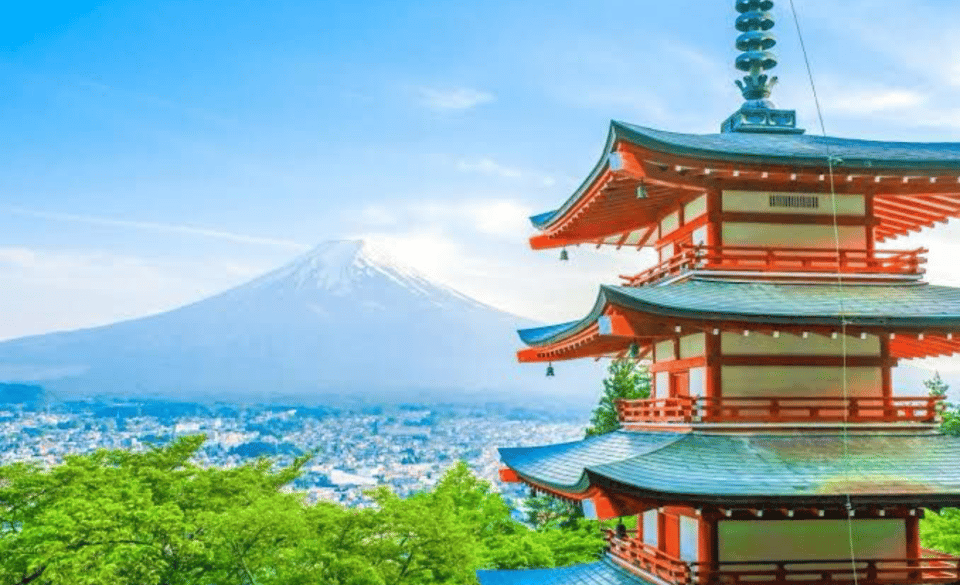
- Full-day Fuji region routing with a car that does the long distances for you
- Lake Kawaguchiko + Oshino Hakkai as two of the most memorable stops in the area
- Hakone add-ons like Owakudani and Lake Ashi when timing and conditions allow
- Optional Fifth Station if visibility and weather cooperate
- Small-group size (up to 9) keeps things smoother than a big bus day
Why a one-day Mt. Fuji loop can feel surprisingly satisfying
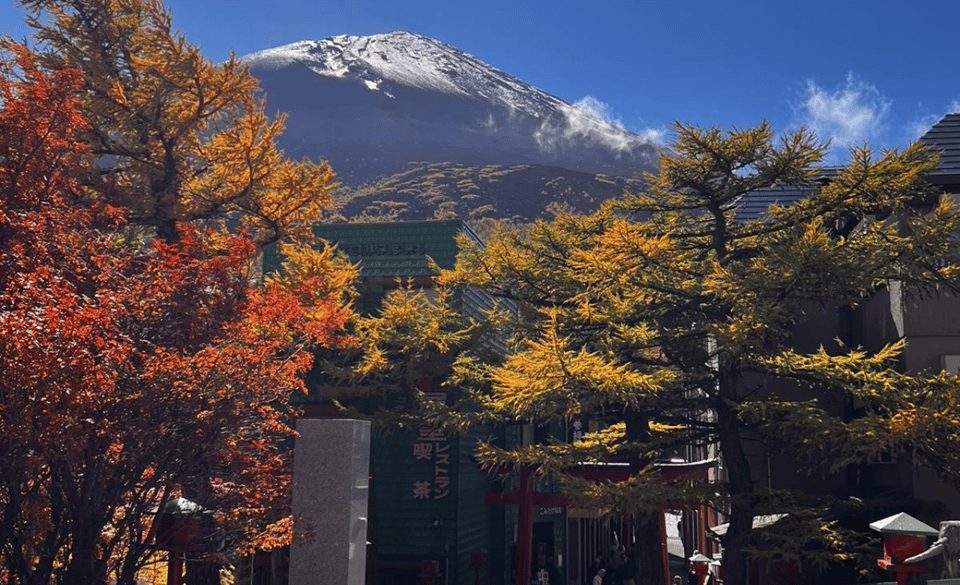
A lot of people think Mt. Fuji requires a multi-day plan. With this tour, you get a concentrated hit of the Fuji “greatest hits” in one day—shrines, lakes, volcanic viewpoints, and the nearby historic water village.
What I like is how the route balances different vibes. You’re not only chasing mountain views. You also get cultural stops like Fuji Sengen shrines, plus the calmer scenery at Lake Kawaguchiko and Oshino Hakkai.
The drawback is simple: it’s still one day. If you’re hoping for maximum time at every site, you might feel the schedule move quickly. That’s why the small-group size and flexible pacing matter.
You can also read our reviews of more guided tours in Tokyo
Price and logistics: what $108 really covers
At $108 per group (up to 1), you’re not paying for tickets and meals. You’re paying for the heavy lift: transportation from central Tokyo, a driver who speaks English, and the highway tolls and fuel.
Two cost items to keep straight:
- You’ll handle your own food and drinks.
- You may need to budget for the Mount Fuji entrance fee (2100 yen per group), because it’s not included.
For value, this price makes the most sense if you want convenience and an English-speaking driver more than you want to self-navigate trains and buses. If you’re comfortable getting around independently and you don’t need a guide, that’s where the value could feel less impressive.
Pickup in Tokyo: easy when it works, stressful when it doesn’t
You get multiple pickup options across Tokyo and nearby areas, including Shibuya, Shinjuku, Chiyoda, Tokyo, and Kanagawa. Drop-off is similarly flexible.
In real life, the success of a day like this often comes down to one thing: the meeting point and timing. While many bookings run fine, there have been reports of missed pickup with no clear contact. I’d treat that as a risk and plan accordingly—stay near your pickup location early, keep your phone ready, and confirm the exact pickup details the night before.
The upside is that when pickup goes well, you start the day already in motion. That matters on a Fuji day when weather can change fast.
Inside the car: your driver, your pace, your comfort
The tour uses a private, air-conditioned vehicle, and your driver is listed as English (with Arabic and Hindi also available). In practice, that means you should be able to ask questions and get help with the flow of the day.
The guide role seems to go beyond just navigation. One highly positive experience specifically mentioned Ali as helpful, with explanations of Japanese culture while visiting the sites. If that’s the kind of day you enjoy—learning a bit while you look around—this setup can be a good fit.
A small practical note: cameras are listed as not allowed. That’s not common for Japan sightseeing, so if photography is a big part of your travel style, factor that into your decision early.
Arakura Fuji Sengen Shrine and the Fujiyoshida shrine circuit
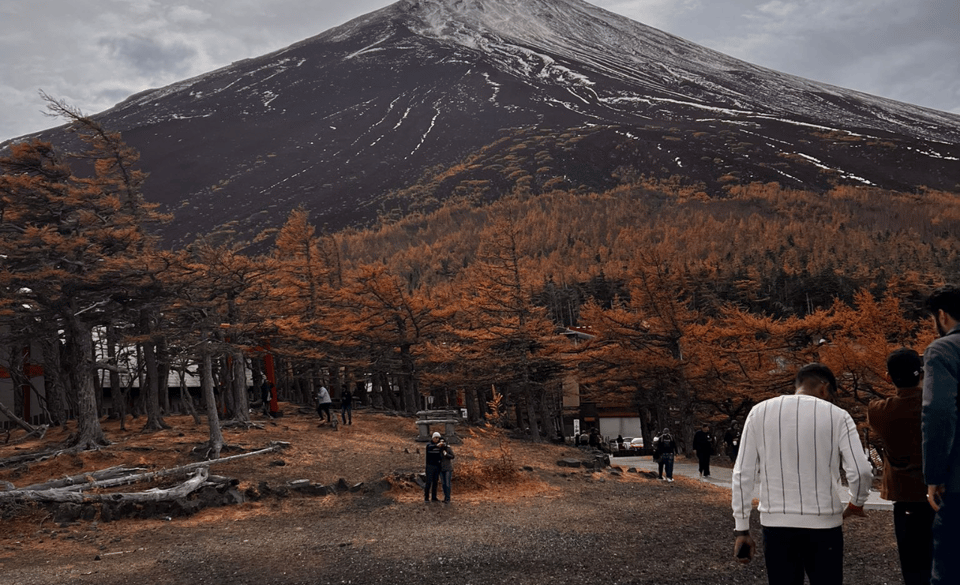
Even though the route includes several shrine stops, they all point to the same theme: Fuji as a sacred mountain, seen through Shinto practice.
You’ll visit places such as the Sengen Shrine Complex and Arakura Fuji Sengen Shrine, plus additional Fuji Sengen sites like Kitaguchi-hongu Fuji Sengen Shrine. You’ll also have time for short walks in areas like Shimoyoshida Honcho Street.
What I like about layering these shrine visits is that you get different angles on the same cultural idea. You’re not only staring at the mountain. You’re learning how local people frame it—through ritual, architecture, and the way pathways lead you toward view points.
The possible downside is that if you don’t enjoy shrine etiquette or walking around in crowds, this portion could feel a bit more “touristy” than you want. Still, it’s one of the most authentic ways to understand why Fuji matters beyond the postcard.






Lake Kawaguchiko: the Fuji classic that deserves time
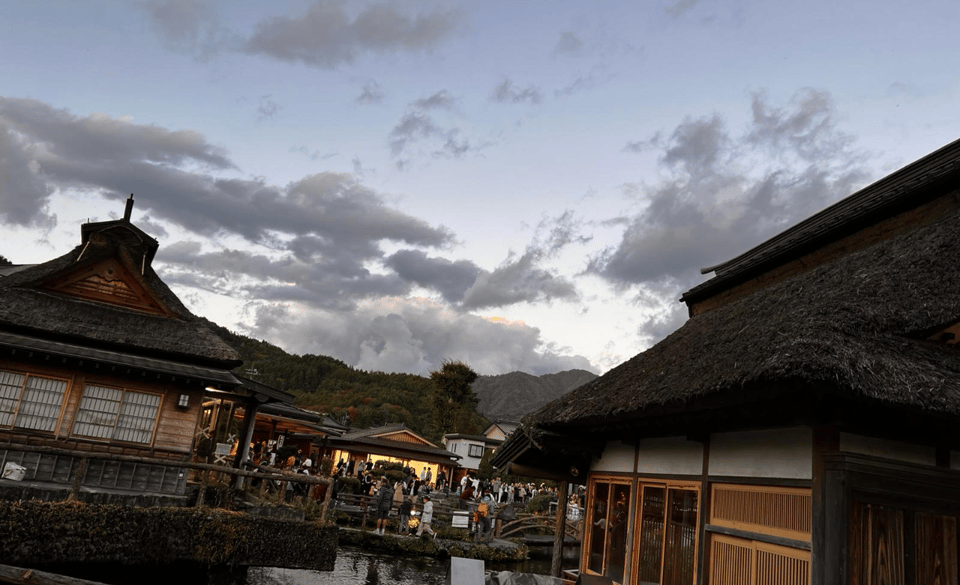
Lake Kawaguchiko is a top stop for a reason. Even when Mt. Fuji is partly hidden, the lake area gives you a strong sense of place: reflections, shoreline scenery, and a view that can snap into focus when skies clear.
This tour typically includes time around Lake Kawaguchiko, and it also references the Kachi Kachi Ropeway. That means there’s a chance to get higher perspective views, which can help if the lake level feels too far for your taste.
What you’ll want to watch here is time management. This is one of the stops where your mood matters. If Fuji is visible, you’ll probably want to linger. If it’s not, you may still enjoy the atmosphere, but you’ll want the rest of the day planned so you’re not chasing a view that won’t arrive.
Oshino Hakkai: spring-water village vibes in a Fuji setting
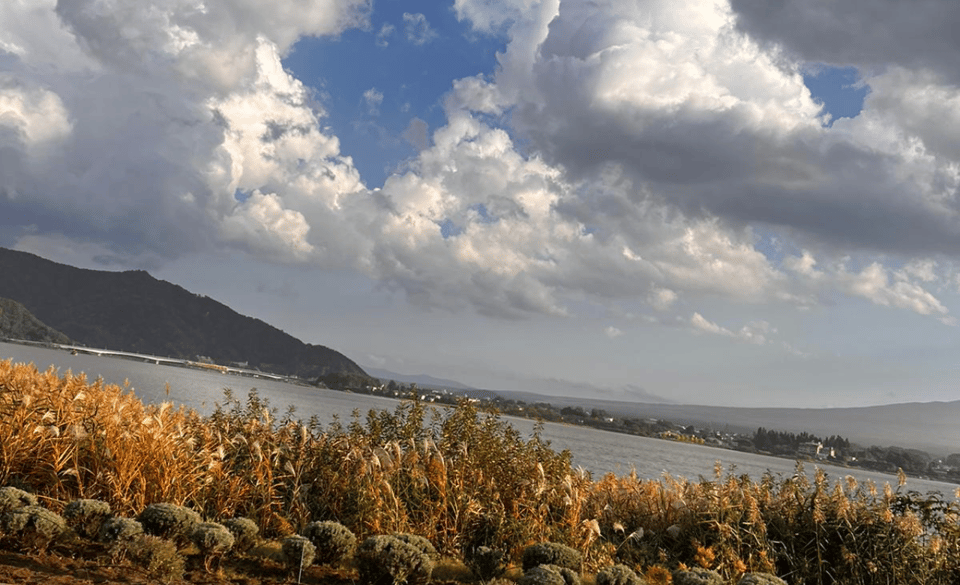
Oshino Hakkai is one of those places that changes your perspective from “giant mountain scenery” to “how people live next to it.”
You’ll visit Oshino Hakkai and spend guided and self-guided time. The key experience here is the setting: you’re walking a compact area tied to the Fuji water environment, with multiple viewpoints that help you understand the landscape’s logic.
I like this stop because it’s not just one photo angle. You’ll move between spots, and the environment rewards slow walking. It also tends to be easier to enjoy than the more hectic viewpoint areas, since the pace feels more human-sized.
The practical drawback: if you’re sensitive to crowds or want lots of mobility, check the walking you’ll likely do inside a village layout. The tour limits how long you can linger, but Oshino Hakkai is still manageable as a break from viewpoint hopping.
Owakudani Valley, Hakone, and Lake Ashi: the volcanic side of Mt. Fuji country
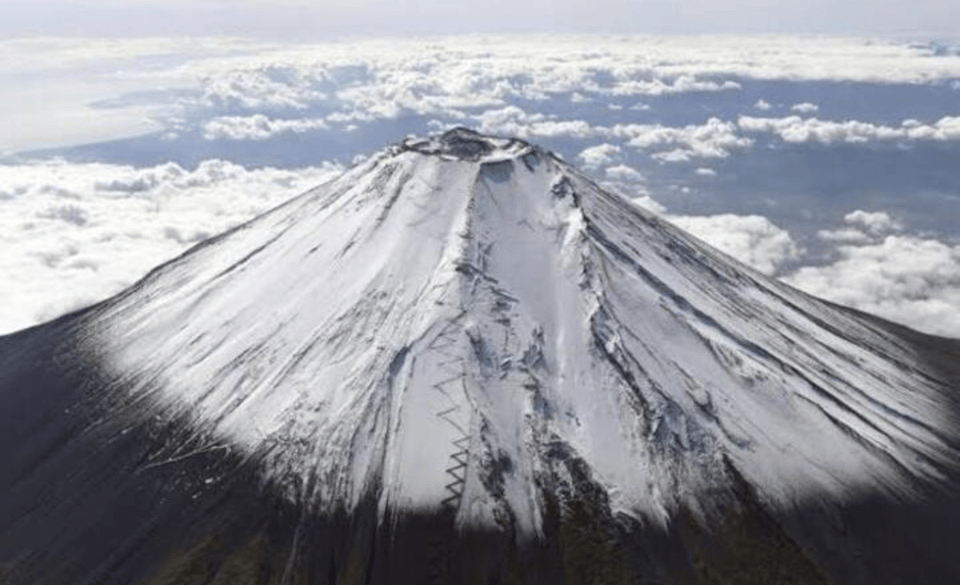
This tour leans into the Hakone geography with stops around Owakudani Valley and Lake Ashi. It’s a meaningful contrast. Fuji is a mountain; Owakudani feels like the ground is still alive.
In the route, Hakone appears as part of the day, and Lake Ashi is included too. That combination usually gives you both geology and water views in the same chunk of time.
What to expect emotionally is a shift. Where Fujiyoshida feels more classic and shrine-centered, this portion gives you a more dramatic, travel-movie feel. If you enjoy scenery that’s a little unusual—even if you’re not a hardcore “volcano person”—this is the segment that can change your whole impression of the region.
One consideration: since it’s still a one-day trip, you might not get long hangs at each specific spot. If visibility is poor, the scenery can feel flatter. Still, the area’s atmosphere can be interesting even without perfect views.
Saiko Iyashi-no-Sato Nenba and calmer breaks in the schedule
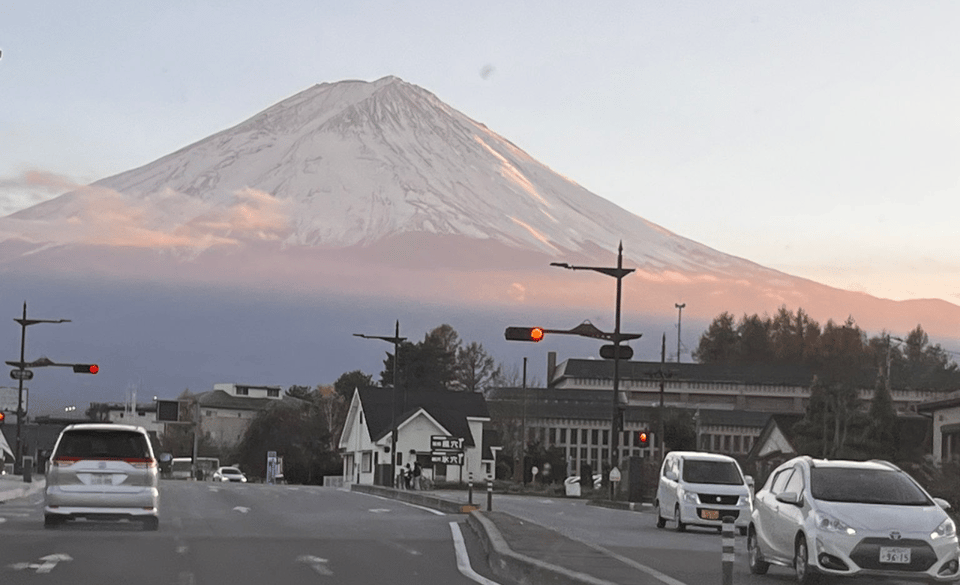
You may also stop at Saiko Iyashi-no-Sato Nenba, which adds a quieter, traditional contrast to the more view-focused locations. This is a useful pause when the day starts to feel like “look, walk, repeat.”
You’ll also have time near LAWSON Kawaguchiko Station. That kind of convenience-store stop can be handy for personal needs during a long day—especially when you’re responsible for your own food and drinks.
The key here is to treat these as pacing tools. They help you reset so you can enjoy the next viewpoint without feeling fried.
Fifth Station plan: the weather-dependent payoff
The tour mentions a trip up to the Mount Fuji Fifth Station if weather permits. That’s the big “wow” option for many people because it’s as close as most visitors can get in a one-day plan.
Two reality checks matter:
- You can’t count on clear conditions.
- There’s an additional Mount Fuji entrance fee of 2100 yen per group, which is not included.
If your heart is set on reaching high elevation, I’d plan your day with flexibility. Even if the Fifth Station isn’t possible, you’ll still see a lot of the Fuji region. But if clear skies are the main reason you booked, this is the part where you should expect uncertainty.
Rules that can surprise you: cameras, food, and comfort limits
This tour lists some restrictions that affect day-to-day comfort.
Not allowed:
- Cameras (listed as not allowed)
- Baby strollers
- Food and drinks
- Drinks in the vehicle
Also, it’s marked as not suitable for:
- People over 287 lbs (130 kg)
- People with high blood pressure
- People over 70 years
It also says the tour is wheelchair accessible, which is a helpful plus if mobility is a concern.
Before you get excited, I’d scan these rules carefully. The biggest surprise for many is the camera policy. If you’re traveling with a phone-only photo style, you’ll want to confirm what the rule means in practice for personal devices—because the policy is stated plainly.
Who this tour suits best
This is a strong choice if you:
- Want an English-speaking driver doing the planning and driving
- Prefer a car-based route over train hopping
- Like the mix of culture (shrines) plus scenery (lakes and volcanic viewpoints)
- Enjoy a day trip with small-group pacing (limited to 9)
It might not be your best match if you:
- Need long stays at each location
- Rely on cameras as part of your travel workflow
- Are counting on perfect weather for the Fifth Station
- Are sensitive to health limits listed for the tour
And if you want a purely self-guided adventure where you can stop exactly when you feel like it, you may find the structure a bit limiting.
Should you book this Mt. Fuji tour?
I’d book it if your top priority is convenience—being picked up, driven around, and guided through the Fuji region highlights in one day. The combination of Lake Kawaguchiko, Oshino Hakkai, shrine stops like Sengen and Arakura, plus the Hakone-style add-ons around Owakudani and Lake Ashi, gives you a lot of variety without the hassle of logistics.
I’d pause and plan carefully if photography matters to you, because cameras are listed as not allowed. I’d also be cautious about pickup reliability, because there are reports of missed pickup and no show. If you decide to go, show up early at your pickup spot, keep your contact info ready, and avoid scheduling something tight right after the drop-off.
FAQ
FAQ
How long is the Mount Fuji sightseeing tour?
The tour runs for 1 day.
Where does pickup happen in Tokyo and nearby areas?
Pickup options include Shibuya City, Shinjuku City, Chiyoda City, Tokyo, and Kanagawa.
What language will you have with the guide/driver?
The tour lists an English-speaking driver/guide, and it also mentions Arabic and Hindi.
What stops are included during the day?
The experience can include the Sengen Shrine Complex, Lake Kawaguchiko, Oshino Hakkai, Arakura Fuji Sengen Shrine, Owakudani Valley, Hakone, Saiko Iyashi-no-Sato Nenba, Kitaguchi-hongu Fuji Sengen Shrine, Shimoyoshida Honcho Street, a stop near LAWSON Kawaguchiko Station, Lake Ashi, and Gotemba Premium Outlets.
Does the tour include the Mount Fuji Fifth Station?
Yes, the Fifth Station trip is included if weather permits.
Is the Mount Fuji entrance fee included?
No. The Mount Fuji entrance fee is listed as 2100 yen per group and is not included.
Are cameras allowed on the tour?
No. Cameras are listed as not allowed.