REVIEW · TOKYO
Tokyo Walking Tour : Sumo, Sushi, Tea, Temples and Tokyo Tower
Book on Viator →Operated by Snow Monkey Resorts Tours (Machinovate Japan Ltd.) · Bookable on Viator
Sumo training and Tokyo Tower, same day. I really like this hands-on mix: you get to watch sumo practice at Arashio Beya, then slow down with a Hama Rikyu tea house moment in a classic garden. It’s a smart way to see several Tokyo “faces” without doing a stressful hop-scotch of locations.
The best part is the rhythm. You’re guided through market energy, then you’re walking into quieter spaces—gardens and a Buddhist temple—before ending up on the iconic Tokyo Tower observation deck. The one catch to plan for: the sumo training schedule can change, and during certain weeks (Jan, May, Sep) the wrestlers may not train for your visit—plus you should expect several hours outdoors on foot.
In This Review
- Key highlights worth knowing before you go
- A Tokyo Walking Route That Actually Makes Sense
- Arashio Beya: Watching Sumo Train Without Getting in the Way
- Tsukiji Outer Market: Guided Eating Energy Plus Your Own Time
- Hama Rikyu Gardens: Tea House Calm After Market Chaos
- Zojoji Temple and Sutra Copying: A Hands-On Pause
- Tokyo Tower Observation Deck: Retro Architecture Meets City Views
- Price and Value: What You’re Really Paying For
- Timing, Meeting Points, and How to Prepare for the 8:15 Start
- Who This Tour Fits Best (and Who Might Want a Different Style)
- Should You Book This Tokyo Sumo, Sushi, Tea, Temples and Tokyo Tower Tour?
- FAQ
- What is the duration of the Tokyo walking tour?
- Where does the tour start and end?
- What time does the tour begin?
- Is this tour done by private vehicle?
- How large is the group?
- Does the tour include tickets and entry fees?
- Is food included in the price?
- Does the tour include any transport costs?
- Can the tour guarantee you’ll see sumo training?
- When is sumo training closed for this type of visit?
Key highlights worth knowing before you go
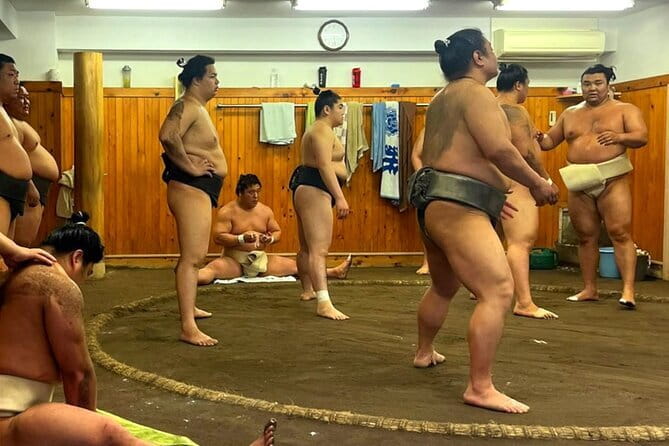
- Arashio Beya, real training room viewing with rules that keep the wrestlers focused
- Tsukiji Outer Market guided time plus free time for your own food-and-shopping pace
- Hama Rikyu Gardens tea house experience with a traditional tea and sweet included
- Zojoji Temple sutra copying that gives you a calmer, hands-on cultural pause
- Tokyo Tower observation deck ticket included for views with retro Tokyo vibes
A Tokyo Walking Route That Actually Makes Sense
This is a classic “covered in one day” Tokyo plan, but it’s not one of those tours where you constantly feel rushed. The full outing runs about 8 hours 15 minutes, and it uses public transport—no private vehicle—so you’re learning the city while you’re doing the sightseeing.
It also keeps the group size controlled: maximum 15 people. That matters because it helps you move with less accordion-styled stopping and starting. You’ll still be walking for several hours outdoors, so wear shoes that you trust. If you’re the type who gets cranky after a couple hours standing, you’ll want to adjust your expectations and keep breaks in your mindset.
Value-wise, the tour is priced around $166.85 per person, and what you’re paying for is more than “transport between attractions.” You’re getting included entry/fees for Hama Rikyu Gardens, the tea house experience, Zojoji Temple sutra copying, and a Tokyo Tower observation deck ticket, plus a guided route and a local English-speaking guide. That’s the framework that makes the day feel like it has momentum.
You can also read our reviews of more walking tours in Tokyo
Arashio Beya: Watching Sumo Train Without Getting in the Way
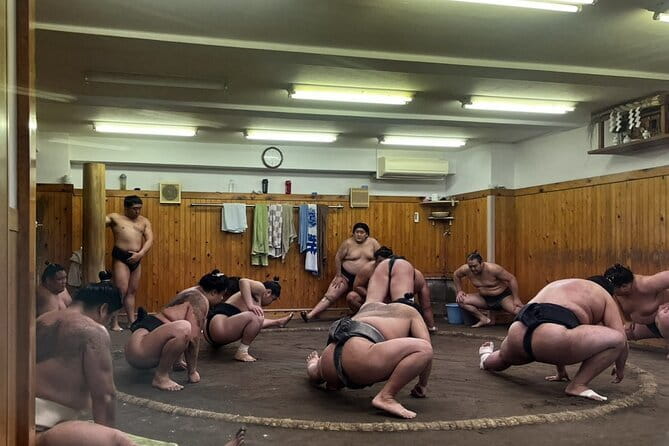
Your day starts at Arashio Beya, a traditional sumo training room setting. This part is exciting because it’s not a staged show. You’re watching real training, and you’re expected to follow the flow of the room—no interrupting the wrestlers while they do their work.
I also love that the tour is upfront about the reality of sumo schedules. The sumo training schedule is subject to change, and sometimes training won’t be happening when you arrive, meaning you might not see sumo training after all. There’s also a clear seasonal note: training is closed during certain weeks when the Grand Sumo Tournaments are held, specifically January, May, and September. If you’re going to Tokyo in one of those months, treat this stop as a best-effort viewing, not a guaranteed wrestling session.
Practical tip: even though you’re excited, keep your camera manners. In training spaces, the vibe is about focus, not spectacle. You’ll get the best experience by staying quiet, moving carefully, and letting the moment be what it is.
Tsukiji Outer Market: Guided Eating Energy Plus Your Own Time
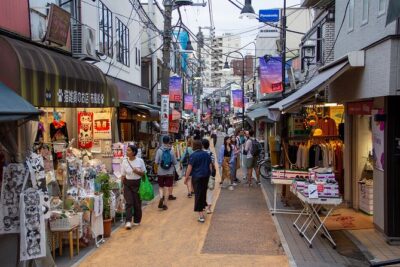
Next up is Tsukiji Outer Market, and the approach here is smart: you get a guided tour and then free time to explore at your pace. The guided portion helps you get oriented fast—what to look for, how the lanes work, and how to think about what you want to taste and buy.
One important point: this tour includes access and guidance time at Tsukiji, but food and drink aren’t included. That means you’re in charge of your own budget. The good news is you’ll have exactly the kind of breathing room that helps you decide. If something looks good, you can go for it. If you’re more into photos and browsing, you can slow down without feeling like you’re constantly behind.
This stop is also a great place to practice a basic Tokyo strategy: read the crowd, not the signs. Busy stalls usually mean you’ll find a higher chance of turnover and variety. Also, bring small bills if you prefer smoother payment in busy market conditions—just a practical hedge.
Hama Rikyu Gardens: Tea House Calm After Market Chaos

Then the day pivots. You head to Hama Rikyu Gardens, where you’ll get a guided introduction before getting some free time. This is one of the best ways to balance Tokyo sightseeing because it gives you a decompression moment. Gardens here work because you’re walking gradually and you’re not chasing the next photo spot every 30 seconds.
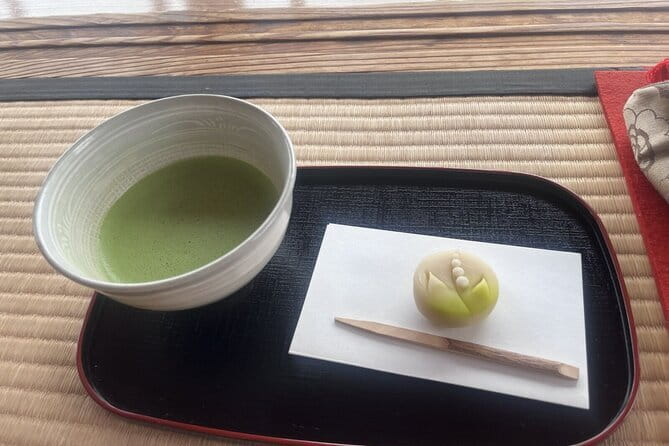
The highlight is the tea house experience, included in the tour. You’ll enjoy a traditional tea and sweet in the garden’s tea house setting. I like this stop because it’s not just watching a pretty place—you’re participating in a small cultural ritual that fits naturally into your day.
A consideration: because you’re walking from market energy into a quieter garden space, your timing matters. If you’re the type who needs food constantly, you may want to plan your eating so you’re not too full before the tea, but you’re also not hungry when you sit for the experience.
Zojoji Temple and Sutra Copying: A Hands-On Pause
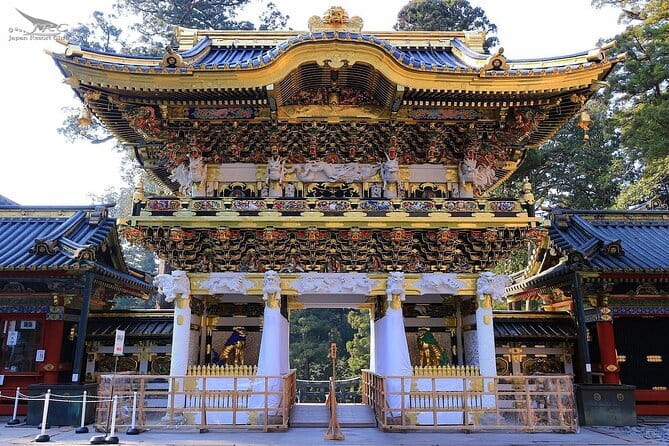
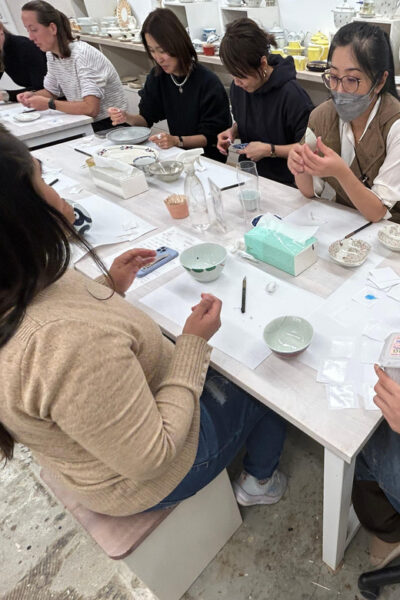
After the garden, you walk into Zojoji Temple, and the tone changes again. You’ll get a guided tour focused on the temple and its history, and the tour also includes a sutra copying experience with a fee covered.
This is one of those activities that feels small on paper, but it changes how you experience the space. Sutra copying slows your attention down. Even if you’re not super into religion, the physical act gives you a calmer mental break from the city’s fast pace. It’s also a neat reminder that Tokyo isn’t only about electronics and food lines—people build traditions here and keep them going.
The drawback to expect: it’s a guided cultural activity, so it’s less of a free-roam photo sprint. If you want nonstop wandering and random side streets, this part may feel more structured than you expect. On the other hand, the structure is what makes the day feel balanced.






Tokyo Tower Observation Deck: Retro Architecture Meets City Views
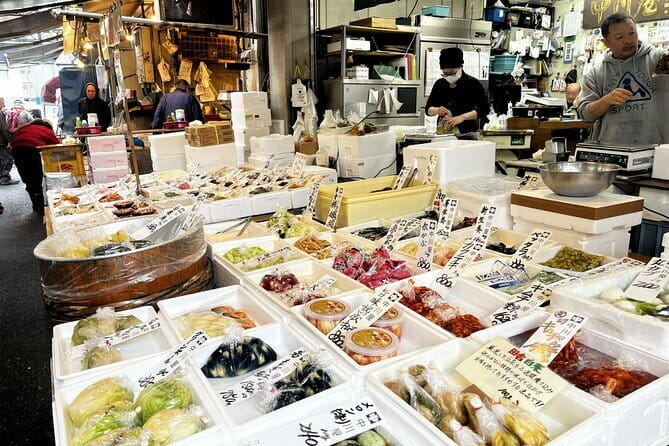
You end at Tokyo Tower, and you’ll have time to take in the sights with a ticket to the observation deck included. Tokyo Tower is famous for a reason: it’s instantly recognizable, and it has that retro look that makes it feel like you’re seeing modern Tokyo with an older personality.
The stop is about 1 hour 15 minutes, which is a good amount of time. It gives you leeway to look outward, find your bearings from above, and still come back down without feeling like you’re in a hurry. If you’re doing this as a first big “Tokyo skyline” moment, this is a strong finish.
Value note: observation deck tickets can add up when purchased separately. Including it here helps keep the day’s math cleaner, especially since other entries/experiences in the plan are covered too.
Price and Value: What You’re Really Paying For

At $166.85 per person, this isn’t a budget stroll. But it’s also not priced like you’re sitting in a private van all day. You’re paying for guided structure and multiple paid stops: Hama Rikyu Gardens entry, the tea house experience, Zojoji Temple sutra copying, and Tokyo Tower observation deck access. The guide also covers key segments of transport—specifically a train fee from Ningyocho Station to Tsukiji Station.
What’s not included is equally important: food and drink. If you treat Tsukiji as a casual browsing stop and don’t plan on multiple tastings, your overall costs might stay closer to the tour price. If you go hard on snacks and meals, you’ll naturally add more.
My advice for getting value: treat the included experiences as your “anchors.” Plan your extra spending around them. For example, use Tsukiji free time strategically—treat it like a choose-your-own set, not a frantic checklist.
Timing, Meeting Points, and How to Prepare for the 8:15 Start
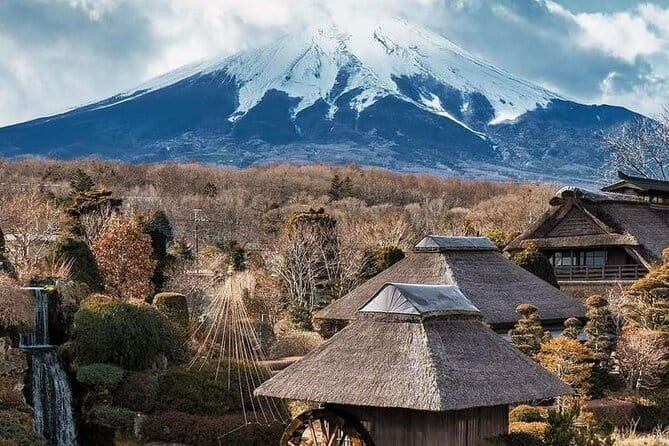
The tour starts at 8:15 am at Hamacho Station. It ends at nearby Akabanebashi Station, and your guide will help with questions about getting back to your hotel or on to your next stop.
This start time matters. Early starts in Tokyo keep you ahead of the heaviest crowds, especially around market areas and popular sights. Since the day includes several hours walking outdoors, you’ll want to dress for weather and plan for temperature shifts. Bring layers if there’s a chance it’s cool early and warmer later.
Also, remember: it uses public transport and involves walking. Even if you’re a confident walker, expect the day to feel like a full outing—not a relaxed Sunday afternoon. If you keep your pace steady and take the pauses when the guide gathers the group, the flow stays smooth.
Who This Tour Fits Best (and Who Might Want a Different Style)
This walking tour makes the most sense if you want a guided day that covers very different Tokyo experiences: sumo training, market culture, a garden tea ritual, a Buddhist temple activity, and then Tokyo Tower views.
You’ll likely enjoy it if:
- you like being guided through multiple neighborhoods without planning each transfer
- you want hands-on cultural moments like sutra copying
- you want the big-name end point of Tokyo Tower, but you also want quieter moments in between
You might want to think twice if:
- you’re coming in January, May, or September and you’re counting on guaranteed sumo training visibility
- you hate long outdoor walking days
- you want food to be fully included (it’s not)
Should You Book This Tokyo Sumo, Sushi, Tea, Temples and Tokyo Tower Tour?
Yes, I’d book it if your goal is a balanced Tokyo day with real structure and multiple included experiences, especially if you’re a first-timer or you only have one full day to do more than surface-level sightseeing. The day’s strength is the contrast: loud and lively Tsukiji energy, then garden calm, then temple focus, then city views from Tokyo Tower.
The decision hinge is the sumo part. Because training can be changed or canceled, and because certain weeks around the Grand Sumo Tournaments (Jan, May, Sep) can mean no training, you should treat Arashio Beya as your best chance—not a guaranteed performance.
If that uncertainty won’t ruin your day, this tour is a solid way to see a lot of Tokyo with a guided backbone and meaningful cultural stops.
FAQ
What is the duration of the Tokyo walking tour?
It runs about 8 hours 15 minutes (approximately).
Where does the tour start and end?
It starts at Hamacho Station and ends at Akabanebashi Station.
What time does the tour begin?
The start time is 8:15 am.
Is this tour done by private vehicle?
No. It uses public transport and includes walking outdoors.
How large is the group?
The tour has a maximum of 15 travelers.
Does the tour include tickets and entry fees?
Yes. It includes admission fees for Hama Rikyu Gardens, the tea house experience, the sutra copying experience, and a Tokyo Tower ticket.
Is food included in the price?
No. Food and drink are not included, even though you’ll have time at places like Tsukiji Outer Market.
Does the tour include any transport costs?
It includes the train fee from Ningyocho Station to Tsukiji Station. Trains before and after the tour aren’t included.
Can the tour guarantee you’ll see sumo training?
Not always. The sumo training schedule is subject to change, and sometimes training may not happen, so you might not be able to see sumo.
When is sumo training closed for this type of visit?
Training is closed during certain weeks when Grand Sumo Tournaments are held, specifically January, May, and September.