Tokyo can feel like a video game with too many levels. This full-day tour helps you move fast and smart through major sights and local spots with a guide who knows the shortcuts.
What I like most is how much you cover without turning it into a blur. You get a tight circuit of unforgettable places, and the group stays small enough (up to 7) that you’re not just a face in the crowd.
One consideration: it’s a serious walking day. The pace is built for roughly 20,000 steps, and the tour isn’t a great match if you have back issues, low mobility, or you’re pregnant.
In This Review
- Key highlights worth getting excited about
- Why This 10-Hour Tokyo Loop Works for Your First Day
- Getting Oriented at JR Yoyogi: Meet, Set Your Feet Up, Then Learn the Rhythm
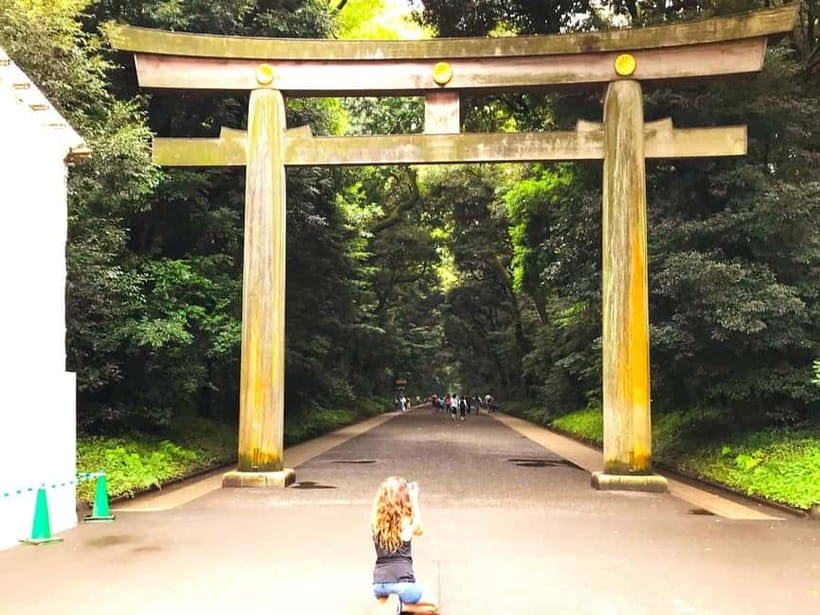
- Meiji Jingu Shrine: Tokyo’s Quick Reset in a Forest Pocket
- Harajuku Fashion Street: Youth Culture, Street Energy, and Street Food Choices
- Shibuya Hachiko and Scramble Crossing: The Iconic Stops That Still Matter
- Between Neighborhoods: The Metro Rides That Teach You How to Travel Like a Local
- Tsukiji Hongan-ji Temple: The Surprise Architecture Stop
- Tsukiji Outer Market: Japan’s Kitchen, Plus How to Eat Without Guessing
- Imperial Palace Grounds and Marunouchi: Stone Walls, Glass Towers, and a Central Walk
- Akihabara, Then Ueno Park: Pop Culture Meets Art and Old Legends
- Ameyoko Street and Asakusa’s Temples: The End-of-Day Magic Zone
- The Guide Factor: Why Reviews Keep Mentioning the Same Names
- Price and Value: Paying for Guidance, Not Entry Fees
- Who This Tokyo Full-Course Tour Fits Best
- Should You Book This Tour?
- FAQ
- Where does the tour start?
- How long is the tour and how big is the group?
- Are the attractions included in the ticket price?
- Do I need cash and an IC card?
- What meals are included?
- Is the tour suitable for children?
Key highlights worth getting excited about
- Up to 7 people keeps the experience personal instead of chaotic
- All stops are free to enter, so your money mostly goes to transport and meals
- English live guide trained to top standards, with strong praise for guides like Yasuko and Michiko
- Metro + on-foot routing helps you learn the real Tokyo flow
- Food focus, including a konbini culture stop and clear vegetarian/vegan options
Why This 10-Hour Tokyo Loop Works for Your First Day
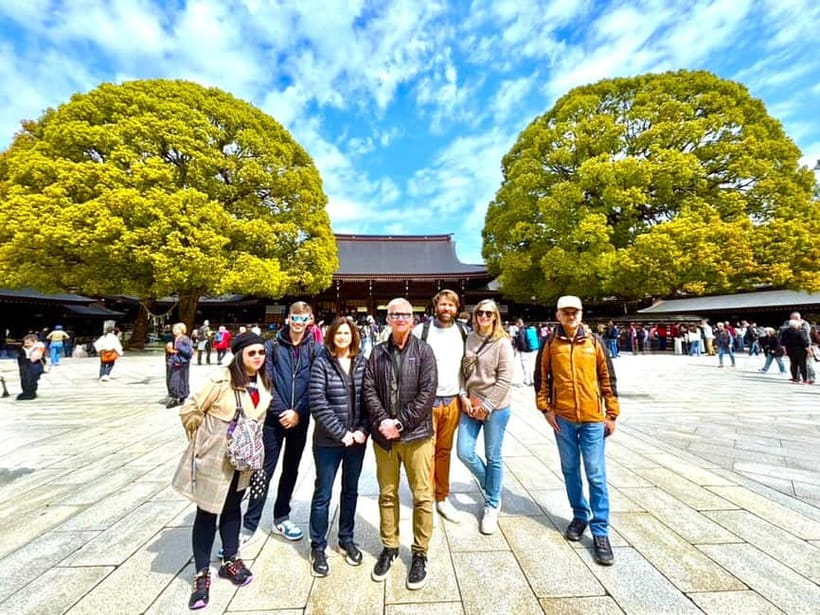
Tokyo is huge, and first-time planning can turn into stress shopping. This tour is designed around a simple idea: hit the big landmarks early, then connect them with the kinds of streets and everyday routines that make Tokyo feel like Tokyo.
The value is not just the number of places. It’s the logic behind how you move. You’re guided across neighborhoods using public transport, with breaks for orientation so you don’t waste energy figuring out which station exit actually matches your next photo.
I also love that the tour treats etiquette and daily life as part of the sightseeing. Learning how to ride the metro properly and how to act in small, normal moments makes the rest of your trip easier.
The main tradeoff is time and stamina. Expect long stretches on foot, and you’ll want comfortable shoes and rain gear. If you’re the type who needs to sit down often, you’ll feel it by mid-afternoon.
You can also read our reviews of more tours and experiences in Tokyo.



Getting Oriented at JR Yoyogi: Meet, Set Your Feet Up, Then Learn the Rhythm
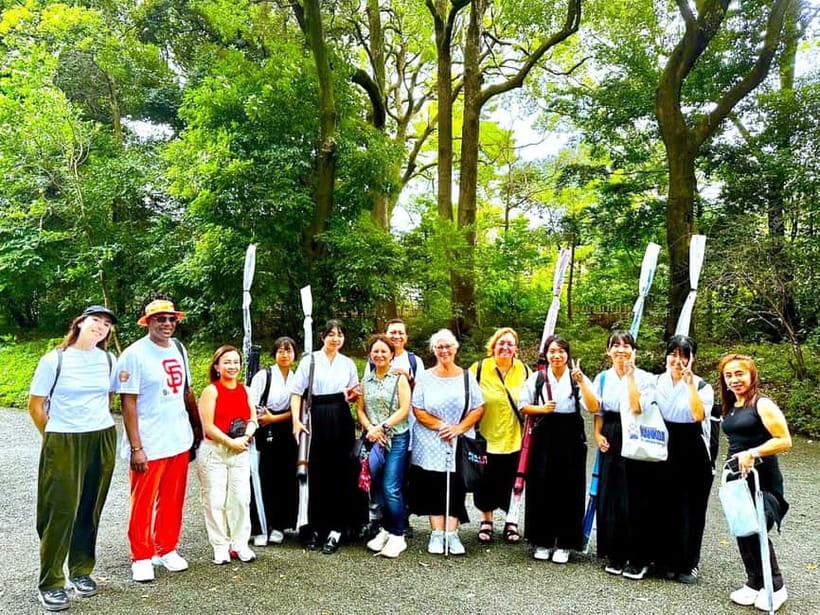
Your day starts at JR Yoyogi Station on the west side, outside the ticket gate. That’s a practical choice because you begin with a big hub, where you can instantly understand how Tokyo routing works.
Right away, you’ll also get the “how Tokyo runs” mindset. The tour uses a mix of walking and metro/train hops, so you learn how to switch modes without losing the plot. Your guide helps you stay on time and together, which matters in a city where stations can feel like underground cities.
One extra detail that feels small but useful: the tour includes konbini culture (Seven-Eleven) and a snack-style look at everyday Japanese convenience stores. This is the kind of stop that saves you later. Once you understand what to buy and how it works, you can travel lighter and eat more confidently on your own.
Meiji Jingu Shrine: Tokyo’s Quick Reset in a Forest Pocket
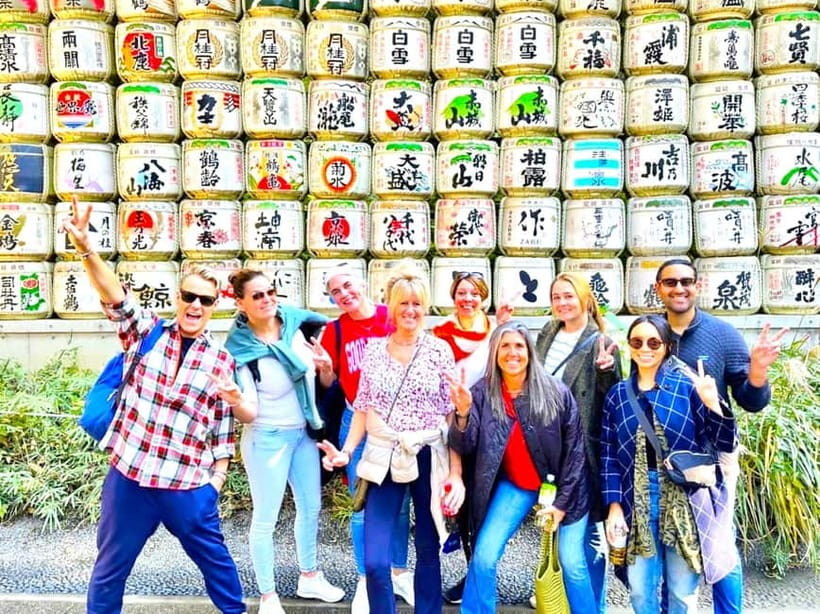
You’ll start the sightseeing portion at Meiji Jingu Shrine, with about 30 minutes there. This is your calm start button. You get a shaded walk into a forest-like space, which is a dramatic contrast to Tokyo’s speed.
The best part is how the guide frames the experience. Instead of only pointing at buildings, you learn what you’re looking at and how people behave there. That makes your visit feel respectful and less like you’re just checking a list.
Time-wise, 30 minutes is enough to take in the main atmosphere and move on without feeling rushed into the next stop. If you’re sensitive to crowds, come ready for people at popular times, but you’ll still find the shrine itself feels like a pause.
Practical note: bring water even if you don’t plan a long sit-down. This tour can run warm, especially after you leave the shade.
Harajuku Fashion Street: Youth Culture, Street Energy, and Street Food Choices
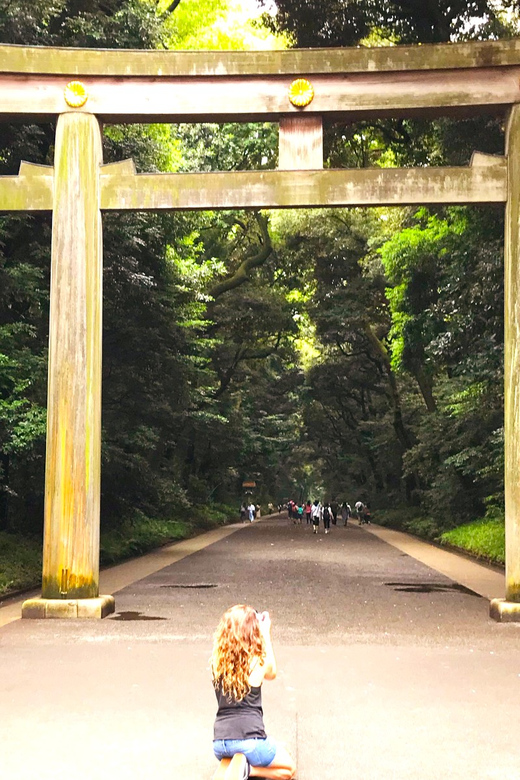
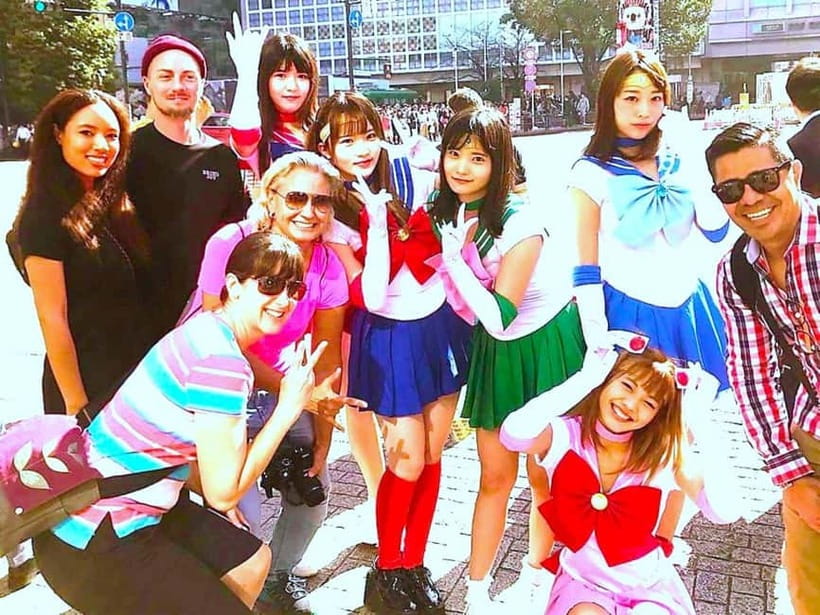
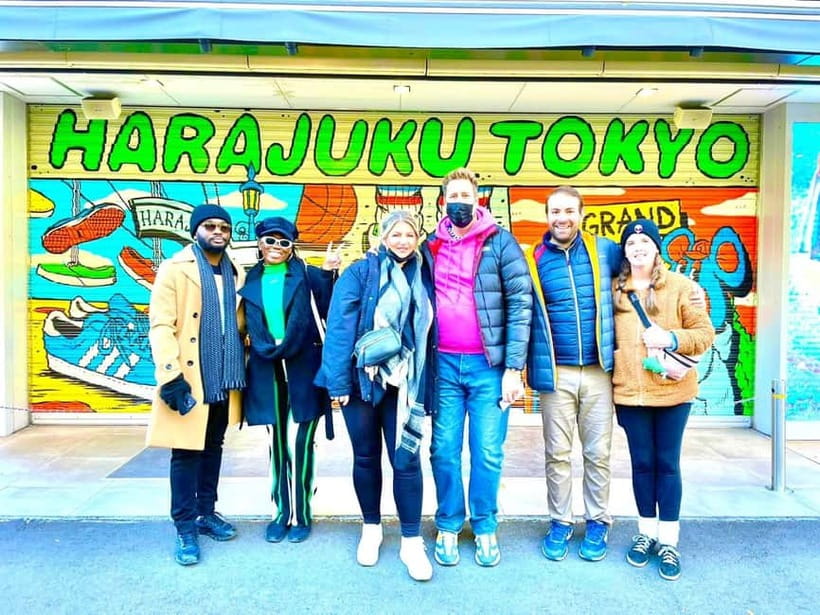
Next comes Harajuku, about 30 minutes. This is the Tokyo you see in photos, but what matters here is how the guide helps you read the area. Harajuku is not just fashion. It’s a snapshot of what trends look like when they’re still alive and changing.
You’ll likely spot trendy street styles and food stalls. The tour also keeps it practical on the eating front, and it notes that vegetarian and vegan options are always available. That’s a big deal in Japan, where “no options” can sometimes mean “one sad salad.”
If you’re not into shopping, don’t panic. You’ll still get a sense of the neighborhood’s vibe and where the best people-watching routes are. The drawback is simple: Harajuku can be dense with foot traffic. Expect to move with the group and don’t plan to stop for long photo detours.
Shibuya Hachiko and Scramble Crossing: The Iconic Stops That Still Matter
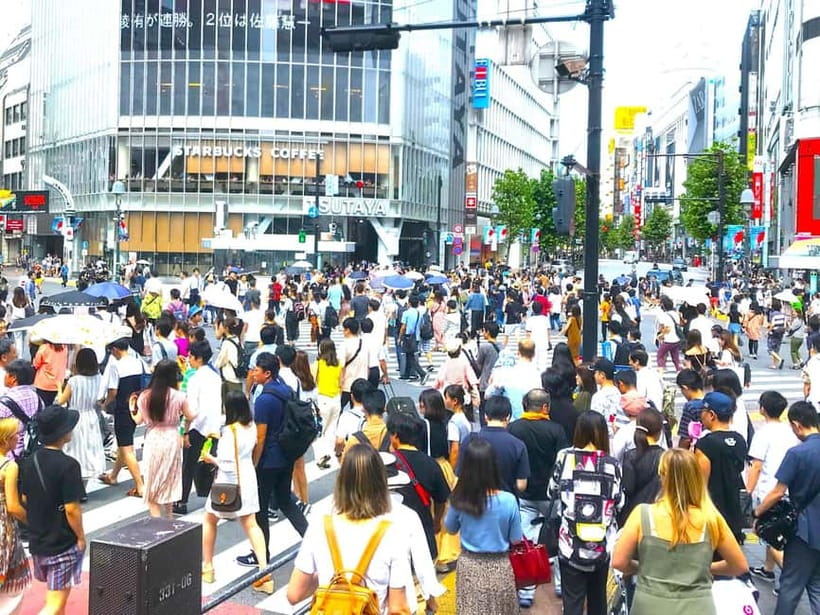
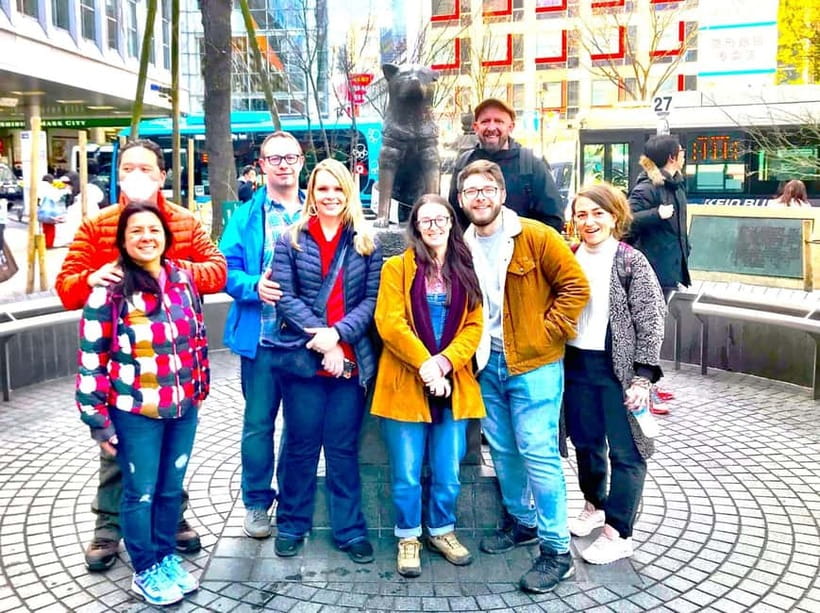
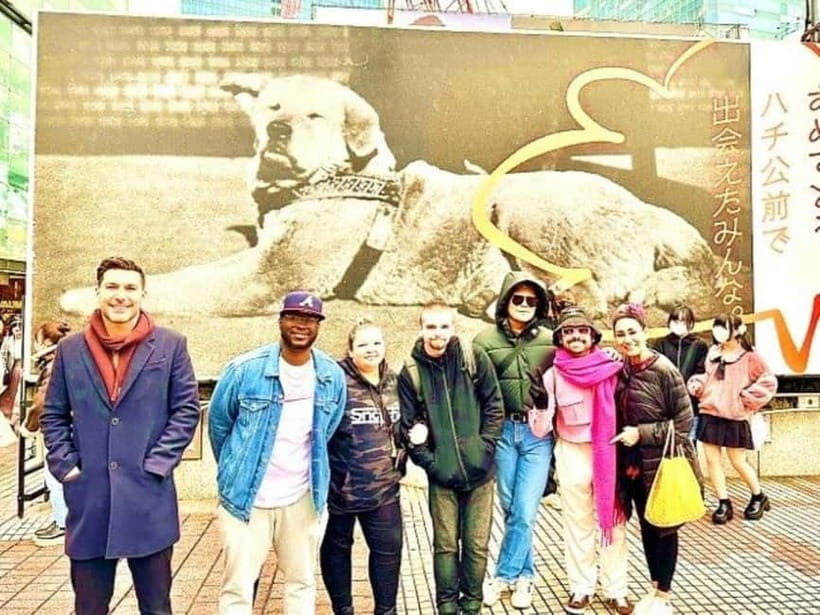
From Harajuku you head to Hachiko at Shibuya for a quick look (about 10 minutes), then it’s on to Shibuya Scramble Crossing for another short photo-and-walk window (about 10 minutes).
This is the part of the day where timing matters. Short visits sound rushed, but there’s method: you’re getting the icons without losing the energy you’ll need later. The guide also tells you the story behind Hachiko, so the statue doesn’t feel like a random meeting point.
For the crossing, you’re aiming for one thing: the chance to experience how Tokyo manages mass movement. You’ll get your photo, and you’ll also learn how to position yourself safely and how the flow works when the lights change.
One consideration: if you hate crowds, Shibuya will test you. But you can still make it enjoyable by going with the group, listening for the guide’s timing cues, and keeping your expectations realistic: you’re there for a moment, not a half-day.






Between Neighborhoods: The Metro Rides That Teach You How to Travel Like a Local
You’ll take the metro between major areas, including a longer segment (about 30 minutes) and shorter train rides later in the day. This is one of the most valuable parts of the whole experience because it’s not just transport. It’s training.
The tour clearly expects you to travel smart: you’ll use a transportation IC card like Suica, Pasmo, or Icoca, and you’ll follow local habits for moving through stations and on trains. If you’ve never used the metro in Tokyo, this alone can save you hours of confusion.
Also, bring cash for moments when it’s needed. The tour notes that some shops and items are cash-only, so having a bit of JPY matters more than you might think.
Bonus from the guide quality: reviews include praise for guides who stayed considerate of pacing and individual needs. That matters especially on metro time, when you can’t easily pause to rethink your next move.
Tsukiji Hongan-ji Temple: The Surprise Architecture Stop
Then it’s to Tsukiji Hongan-ji Temple, around 30 minutes. This is a nice mid-day palate cleanser because it’s quieter than the market area yet still visually impressive.
What makes this stop memorable is the architecture. The tour describes it as having Indian-inspired features and stained glass. That’s a strong reason to stop here even if you’ve already heard Tsukiji’s name.
A common drawback with temple stops is that people sprint through because they feel they’ve “seen temples before.” The guide helps you slow down and look at the details that make this one different. If you only have time for one temple beyond the big classic ones, this temple is worth it.
Tsukiji Outer Market: Japan’s Kitchen, Plus How to Eat Without Guessing
After that, you’ll spend about 1.5 hours at Tsukiji Outer Market. This is the most food-forward segment of the day, and it’s a big part of why the tour is popular.
You’ll get the sense of how Tokyo shops: seafood displays, snack sampling, and quick meals that are meant to be eaten on the go. The tour also frames it as Japan’s kitchen, which is a good way to approach it. Don’t just hunt for souvenirs. Notice how food culture shows up in packaging, preparation, and variety.
The tradeoff is that it’s busy, and you need to keep moving as a group. If you want to fully browse like a local (lingering over every stall), you may wish you had more time. Still, 90 minutes is a solid sampling window.
Also, meals are not included, but the tour plans a lunch stop around Tsukiji and it notes veg and vegan options are always available. Bring some cash, and don’t overthink it: you’ll have enough time to eat well without turning the market into your entire day.
Imperial Palace Grounds and Marunouchi: Stone Walls, Glass Towers, and a Central Walk
Next is the Imperial Palace grounds for about 15 minutes, then Marunouchi for another 15, plus time in the Tokyo Station area (including the station square) for about 15.
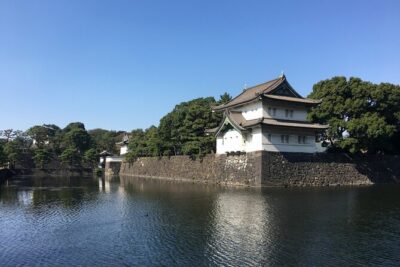
This section changes your Tokyo lens. After shrine and market energy, you see Tokyo’s official center: stone walls, wide spaces, and the mix of heritage and modern design.
The Imperial Palace stop is brief, so don’t come expecting a deep guided history lecture. Instead, use this as a grounding experience. You’ll learn what the former Edo Castle area represents and why this part of Tokyo still feels structured and ceremonial.
Marunouchi and Tokyo Station are great for walking and photos. You’ll see sleek business towers beside a classic landmark with red-brick character, and you can feel the contrast between old and new.
One consideration: this segment can be easier on your feet because it’s more walkable in open areas, but the schedule stays tight. If you’re someone who likes slow strolling, you may want to slow down for 1-2 photos max and let the guide keep you moving.
Akihabara, Then Ueno Park: Pop Culture Meets Art and Old Legends
After a short train ride, you reach Akihabara for about 30 minutes. This is your pop culture stop: anime, gaming, and the broader world of Japanese tech and fandom.
Akihabara can be overwhelming if you just wander in hungry for niche details. The guide helps you focus on the best streets and what to notice, so you don’t end up spending your time inside shops you didn’t even mean to enter.
Then it’s to Ueno Park for about 30 minutes. The tour frames it as a cultural forest of art, with museums and samurai-era ties in the background. Even if you don’t go inside any museums, the setting gives you a break from the street noise.
A practical thought: Ueno Park is big. With only 30 minutes, you’re not doing everything. You’re doing the essentials and getting your bearings for a future self-guided return if you want to go deeper.
Ameyoko Street and Asakusa’s Temples: The End-of-Day Magic Zone
You’ll head to Ameyokocho (Ameyoko Street) for about 15 minutes. It’s a market-style street with local food energy and a more everyday feel than many tourist-only areas. It’s also short enough that you won’t end the day burnt out.
Finally, you reach the spiritual finale: Sensō-ji for about 30 minutes, then Asakusa Shrine for about 10 minutes. These are Tokyo classics, but the tour keeps them human-scale by spacing them at the end, when you’ll appreciate the atmosphere more.
Sensō-ji is the big one, and the guide helps you understand why it matters and how people move through the approach. The drawback of Asakusa is obvious: crowds. But that also means the energy stays high. If you treat it like a “walk through the moment” rather than a “search for the perfect quiet corner,” you’ll enjoy it more.
Asakusa Shrine within the Sensō-ji grounds is a calm closing. That small extra stop lets you shift from spectacle to reflection without adding a full extra hour.
The Guide Factor: Why Reviews Keep Mentioning the Same Names
This tour’s biggest strength is the guide quality, and it shows up in the pattern of praise. English is repeatedly highlighted as strong and clear, and guide names like Yasuko and Michiko come up with consistent themes: warmth, organization, and pacing that keeps the day enjoyable.
One specific type of help is also mentioned: a guide assisting with getting a taxi when needed. That’s the kind of practical care you only notice when something goes wrong or when you’re tired and want the right next step.
The tour also emphasizes that guides are born-and-raised experts trained to top standards. What you feel as a participant is less “lecture” and more “direction.” You get explanations, yes, but you also get the route decisions that keep you from wandering into the wrong alley or stuck at the wrong intersection.
In a city where people can blow an entire afternoon just finding the right exit, this matters.
Price and Value: Paying for Guidance, Not Entry Fees
At $90 per person for a 10-hour day, you’re paying mostly for the guided route and the English-speaking expertise. The tour also states that all attractions on the itinerary are free to enter, which is a real cost saver compared to tours that stack paid admissions.
What’s not included is just as important for budgeting:
- Transportation fares (about 1,500 JPY / around 10 USD) for metro and JR train segments
- Food and drinks, including lunch around Tsukiji and dinner at an izakaya
- Snacks and anything you add on your own
You’ll want to carry both cash and your IC card, and plan to spend on meals. If you eat only convenience-store snacks, you’ll spend less; if you want proper meals in each area, you’ll spend more. The tour structure supports either choice.
Is it a bargain? For a day that strings together major Tokyo icons plus several neighborhood experiences, it often feels fair. The biggest reason is that you’re not buying access to places. You’re buying a day plan that keeps you from wasting time.
Who This Tokyo Full-Course Tour Fits Best
This tour is ideal if you:
- Have one day to see a lot and want the route optimized
- Want to learn metro habits and etiquette so you feel confident after the tour
- Like a mix of classic landmarks (shrine, temples, station) and modern neighborhoods (Shibuya, Harajuku, Akihabara)
- Appreciate English commentary and human pacing, especially in a small group
It’s not a great fit if you:
- Need minimal walking or have mobility or back issues
- Are traveling with a wheelchair or need stroller-friendly support (the tour notes it doesn’t allow baby strollers and doesn’t suit wheelchair users)
- Want an alcohol-focused night (no alcohol is allowed)
- Are planning to arrive late. The tour departs on time and late arrivals can’t join
Should You Book This Tour?
I’d book it if your goal is a confident first-day foundation. You’ll see the major icons, but you’ll also pick up the practical Tokyo skills that make the rest of your trip smoother—especially the metro rhythm, etiquette moments, and how to handle cash and konbini-style eating.
I’d skip it if you’re hoping for a slow, sit-down sightseeing day. This is more “move with purpose” than “wander for hours.” And if you’re not comfortable with lots of steps, you’ll likely feel it.
If you can handle the walking and you want an expert-led day plan through Tokyo’s biggest areas, this tour is one of the most straightforward ways to get your bearings fast.
FAQ
Where does the tour start?
The meeting point is JR Yoyogi Station, west exit, outside the ticket gate.
How long is the tour and how big is the group?
The tour runs for about 10 hours, and it’s limited to a small group of up to 7 participants.
Are the attractions included in the ticket price?
The tour says all attractions on the tour are free to enter. The guide fee and all taxes are included, but meals and transportation are not.
Do I need cash and an IC card?
Yes. Cash (JPY) is needed for shops and items that accept cash only. For metro travel, you’ll need a pre-charged IC card such as Suica, Pasmo, or Icoca.
What meals are included?
Food and drinks are not included. Lunch around Tsukiji and snacks and dinner at an izakaya are part of the day, but you’ll pay for them.
Is the tour suitable for children?
The tour is not suitable for children under 13. Under 18s must be accompanied by an adult, and under 13 requires a private tour.