REVIEW · TOKYO
Private Tokyo Tour with Local Guide
Book on Viator →Operated by ABU · Bookable on Viator
Tokyo can be a maze at first. This private tour helps you get your bearings fast. I like the private guide advantage, because the stops come with meaning, not just photos. I also like that you control the start time, so you can match the day to your energy. One thing to consider: this is a walking and subway mix, and you’ll likely cover a good chunk of ground.
Guides here seem to care about more than checklists. I’ve seen names like Maruf, Abu, Nami, Erica, Amir, and Abu show up in standout feedback, and the common thread is clarity and flexibility in how they explain Tokyo. Your pace stays in your hands, and you’re not stuck with the typical group-taxi rhythm.
For value, the big win is learning how to move around. You’ll get public-transport help while ticking off major areas like Tsukiji, Senso-ji, Ueno, and Akihabara. Just don’t expect this to be a car tour with door-to-door driving between neighborhoods.
In This Review
- Key things that make this tour work
- Tsukiji First Thing: Morning market energy without getting lost
- Asakusa walk from Nakamise to Kaminarimon (and why the street is the point)
- Senso-ji Temple: the calm pause after the street chaos
- Sumida River views: a breather that helps Tokyo feel navigable
- Ueno and Ameyoko: shopping energy plus park time
- Akihabara: electronics, anime culture, and the fun kind of intensity
- Subway confidence: the real hidden benefit
- Price at $130 per person: what you’re paying for
- Who this tour fits best (and who might want to adjust expectations)
- The practical itinerary flow (so you can plan your day)
- Should you book this private Tokyo tour?
- FAQ
- How long is the private Tokyo tour?
- What’s included in the tour price?
- What stops are part of the route?
- Is lunch included?
- Are tickets for Tokyo Sky Tree or TeamLab included?
- Is this tour private?
- What should I know about cancellation?
Key things that make this tour work
- Private pacing with a real local guide so you’re not just following a crowd
- Start time freedom (unlike fixed group schedules) to fit your plans
- Public-transport coaching so you can repeat the routes on your own
- Major districts in a short window: Tsukiji, Asakusa, Ueno, and Akihabara
- A good mix of culture and modern Tokyo without feeling like whiplash
- Pickup offered via public transportation, helpful if you’re not near the action
Tsukiji First Thing: Morning market energy without getting lost
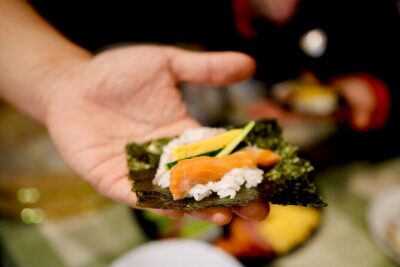
Tsukiji is one of those Tokyo stops that can either be a blur or a real experience. The tour starts you in the right place at the right time, aiming for the morning auction energy (when the area feels most alive). If you’ve ever wandered a market and thought, I don’t even know where to look, that’s exactly what your guide prevents.
What I like about this approach is that you’re not trying to figure out how the flow works while also decoding signage and crowds. A local guide can also steer you toward what to pay attention to, and what you can safely skip. That saves time and keeps you from ending up in the wrong lane with a line behind you.
Practical expectations: you’ll be on your feet around Tsukiji’s core areas and moving at a morning pace. If you hate early mornings, you might still enjoy Tsukiji later, but this tour is designed around the morning rhythm.
Quick value note: Tsukiji is the kind of place where an hour with context feels longer than two hours alone. For a 4–5 hour private tour at $130 per person, the payoff is speed plus understanding, not just sightseeing.
You can also read our reviews of more guided tours in Tokyo
Asakusa walk from Nakamise to Kaminarimon (and why the street is the point)
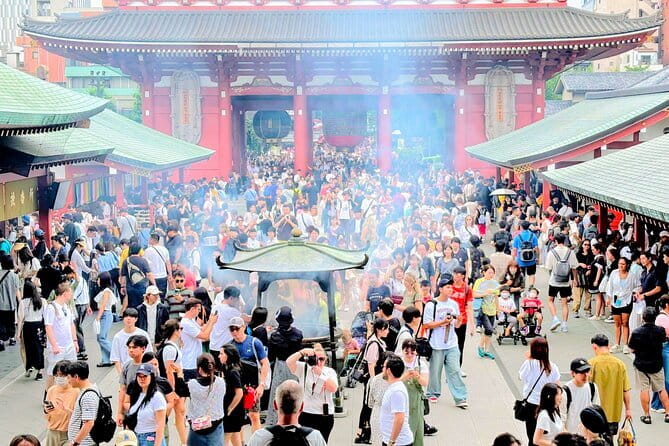
Asakusa is where Tokyo’s old and new vibe meet. You start with Nakamise Shopping Street near Kaminarimon. This strip is famous for snacks, souvenirs, and the classic “you’ll want to stop every 10 steps” energy. The tour uses it as more than a shopping corridor. It’s part of the story of the area and the route toward Senso-ji.
Then you reach Kaminarimon Gate, the giant red-lantern landmark that marks the gateway into Senso-ji Temple grounds. The gate is worth seeing on its own, but the real advantage is having someone point out what you’re actually looking at and why it matters in the temple approach. When the significance clicks, your photos improve too, because you start framing the right elements.
What to expect on the ground: you’ll walk through a dense tourist zone that can feel chaotic. Your guide’s job is to keep you moving and to help you not get trapped in the slowest flow. It also helps if you want to buy small things without turning it into a 45-minute detour.
From a drawback standpoint, Asakusa can be crowded. Even with a guide, you’ll still experience that packed feeling. If you’re visiting for quiet photography only, you’ll want patience.
Senso-ji Temple: the calm pause after the street chaos
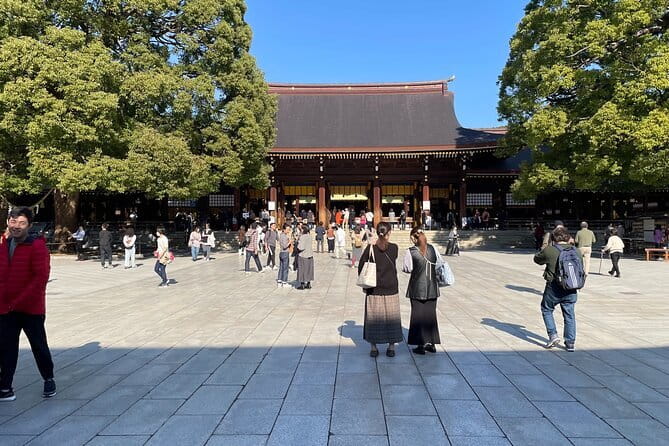
Senso-ji Temple is the emotional center of this Asakusa block. After Nakamise and Kaminarimon, you step into the temple environment and the mood shifts. This is where the tour earns its keep, because the landmark becomes more than a postcard.
Timing matters. The tour keeps this segment tight, so you get the main temple views without turning the visit into an all-day project. Admission is free for Senso-ji itself on this tour, so you’re not paying extra just to enter and look around.
Practical tip: treat this like your reset moment. Use it to slow down, observe, and decide what you want to do next. If you keep walking nonstop from gate to gate, you miss what makes Senso-ji memorable.
Sumida River views: a breather that helps Tokyo feel navigable
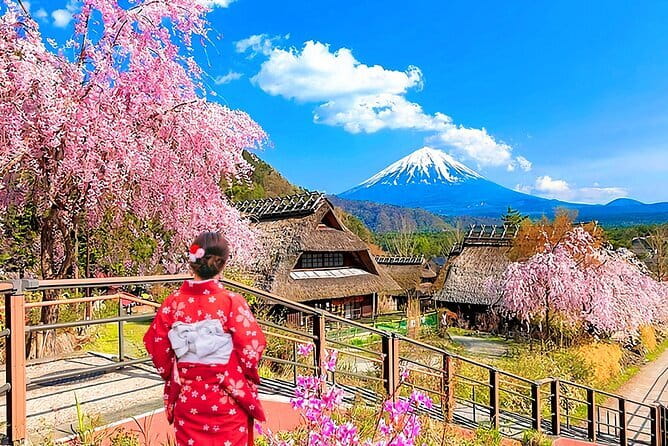
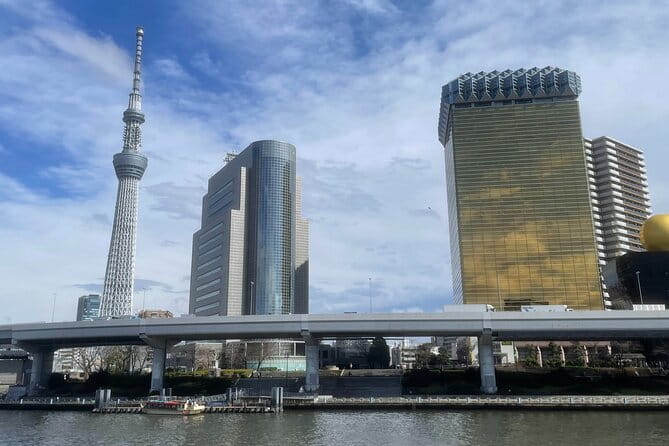
After temple time, the itinerary includes a stop at the Sumida River side park. This is a smart insert. Tokyo’s streets can run together. A riverside pause gives you a visual landmark and a sense of scale.
What I like about adding the Sumida area is that it breaks the pattern of shopping and temple lanes. It also helps you “reorient” mentally, which matters when you’re about to head into Ueno and then Akihabara.
Expect: open-air views and the chance to catch your breath. Bring water if you’re sensitive to long walks. Tokyo heat or cold can sneak up on you when you’re moving every hour.
Ueno and Ameyoko: shopping energy plus park time
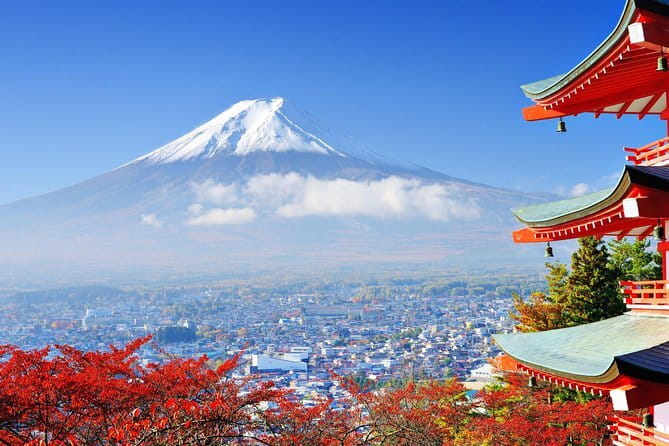
Ueno is the area that balances Tokyo’s high-energy streets with a real sense of space. The tour checks two key elements here: Ameyoko Shopping Street and Ueno Park.
Ameyoko is known for its market-style atmosphere and mix of goods. If you like browsing, it’s a great place to slow down just enough to feel local life without needing a shopping plan. The tour format helps because your guide can direct you to what’s worth your attention, so you’re not stuck wondering what you’re supposed to look for.
Then you move to Ueno Park, which is a large urban park area tied to museums, temples, and gardens. This stop changes the tempo again. It’s where you get greenery, space, and calmer movement compared to the dense lanes elsewhere.
The trade-off: parks and shopping streets both take time, and you’re doing them in a limited window. If you’re the type who wants to read every sign and watch every stall, you may feel slightly rushed. If you prefer highlights and a route you can repeat later, it’s a good fit.
You can also read our reviews of more private tours in Tokyo

Akihabara: electronics, anime culture, and the fun kind of intensity
Akihabara is the final big district in this tour. It’s the part of Tokyo that feels most like a theme park, except it’s real life. The key is that the tour doesn’t just dump you into the crowd and wish you luck. You’ll have a guide who can explain what you’re seeing and help you navigate shop-to-shop without losing your direction.
If you’re into electronics, anime, or the whole otaku culture ecosystem, Akihabara can take over your day. With only 4–5 hours total, the goal is smart: hit the area, learn how it’s organized, and leave with a plan for what to explore next.
Practical expectations: you’ll walk. You may want to check store opening patterns, but this tour doesn’t add any ticket requirements for Akihabara itself based on the info provided. The experience is about orientation and context.
Subway confidence: the real hidden benefit
Here’s the part that often matters more than the final photo. This tour includes public transportation and pickup with public transportation. That means you’re not learning Tokyo by car or by a tour-only bubble. You’re learning how to take the train and get from stop to stop efficiently.
In feedback, guides like Maruf and Amir stood out for clear communication and helping first-time visitors understand the subway system quickly. That matters because Tokyo’s transit can feel intimidating until someone shows you the basics: which direction you’re headed, how transfers work, and how to avoid wasting time.
You’ll also get personalized recommendations. That’s key because Tokyo is huge. A guide can point you toward what’s worth your time based on your interests, instead of sending you to generic “must sees.”
Price at $130 per person: what you’re paying for
$130 per person for a 4–5 hour private tour sounds like a splurge until you look at what you actually get. You’re paying for:
- a local guide who can explain what you’re seeing
- public-transport support to reduce confusion
- a route that packs multiple top districts into one morning or afternoon
- start time choice, so you’re not trapped by group timing
If you’re traveling as a couple, solo, or with friends who want to move at the same pace, private tours like this can be efficient. If you’re the kind of traveler who enjoys planning but hates scrambling once you arrive, the guide’s route planning is a big part of the value.
If you’re mostly happy with self-guided browsing, you might feel this is more than you need. But if you want context and transit confidence fast, the price starts to make sense.
Who this tour fits best (and who might want to adjust expectations)
This tour is a strong match if you:
- want an orientation day in Tokyo
- like mixing major landmarks with a bit of street life
- want help using public transit right away
- value clear English and a guide who adapts to your pace
It may be less ideal if you:
- hate walking (some experiences can feel like a long active block; one guide feedback mentioned around five miles)
- expect a driving-style tour between neighborhoods
- want quiet, low-crowd time at every stop
Small note on communication: one piece of feedback suggested the tour felt more like walking than a car ride, plus there were misunderstandings about expectations. To avoid that, I’d suggest you confirm in advance what the plan is: mostly walking, mostly subway.
The practical itinerary flow (so you can plan your day)
This tour is designed as one continuous “Tokyo sampler” arc:
1) Tsukiji early for morning market energy
2) Asakusa street approach through Nakamise and Kaminarimon
3) Senso-ji temple visit
4) Sumida River side park for a visual break
5) Ameyoko + Ueno Park for shopping plus green space
6) Akihabara for electronics/anime culture
That sequence works because it alternates between crowds and calm. It also avoids backtracking too much in a short window. If you’re booking this for day one, it’s a great way to learn how different parts of Tokyo “feel” and how to connect them later on your own.
Should you book this private Tokyo tour?
I’d book it if you want a fast, friendly way to hit Tokyo highlights without wasting time figuring out transit. The best reason to choose this tour is the combination of private pace plus public-transport help, and the fact that your guide is there to explain significance, not just move you along.
I wouldn’t book it if you’re chasing a low-walking, sit-down-only day, or if you want a purely car-based sightseeing loop. In that case, you’d probably prefer a different format.
If you do book, do one simple thing: message your guide or confirm details about how pickup works and what the day’s movement will feel like. That one step helps you avoid the most common mismatch and lets you enjoy the stops for what they are.
FAQ
How long is the private Tokyo tour?
It runs about 4 to 5 hours.
What’s included in the tour price?
You get a local guide, public transportation, and pickup with public transportation.
What stops are part of the route?
The tour includes Tsukiji Fish Market, Nakamise Shopping Street near Kaminarimon, Kaminarimon Gate, Senso-ji Temple, Sumida River side park, Ameyoko Shopping Street, Ueno Park, and Akihabara.
Is lunch included?
No, lunch is not included.
Are tickets for Tokyo Sky Tree or TeamLab included?
No. Tickets for Tokyo Sky Tree and TeamLab Planet/TeamLab Borderless are not included.
Is this tour private?
Yes. It’s a private tour/activity with only your group participating.
What should I know about cancellation?
You can cancel for a full refund up to 24 hours before the experience start time. If you cancel within 24 hours, the amount you paid is not refunded.