Akihabara runs on fandom. This 2-hour, small-group walking tour is a practical way to see the anime and gaming side of Tokyo without wandering in circles, and you get free entry stops along the way. I particularly like how the guide, Inok, frames what you’re seeing so it makes sense—anime, manga, figures, and games connect in a way that feels more than just shopping.
What I love most is the mix of stops: an exhibition you can catch early at Tamashii Nations, then a real retro-gaming hunt at Super Potato. The one catch to plan for: the pacing is tight, so if you want long browse time for buying souvenirs, you’ll likely want to come back after the tour for extra shopping.
In This Review
- Key highlights worth your time
- How a 2-Hour Akihabara Walk Saves You Time
- Starting at Tamashii Nations Store Tokyo: A Rotating Anime Exhibit
- Akihabara Radio Kaikan: Figures, Models, and 5,000-Plus Items Under One Roof
- Super Potato: Retro Gaming Store Energy and the NES Feeling
- gee store!!: Anime Clothing That Lets You Walk Out Wearing Your Fandom
- Otaku Culture in Plain English: What the Guide Connects for You
- Value and Price: Is $39.09 a Smart Deal for Akihabara?
- Who This Tour Fits Best (and Who Might Prefer Something Else)
- Practical Tips So You Enjoy Every Stop
- Should You Book This Akihabara Anime and Retro Tour?
- FAQ
- How long is the Tokyo Akihabara Anime Manga Video Games and Hidden Gems Tour?
- How much does the tour cost?
- How many people are in the group?
- What is included in the tour price?
- Are admission tickets included for the stops?
- Where does the tour start?
Key highlights worth your time
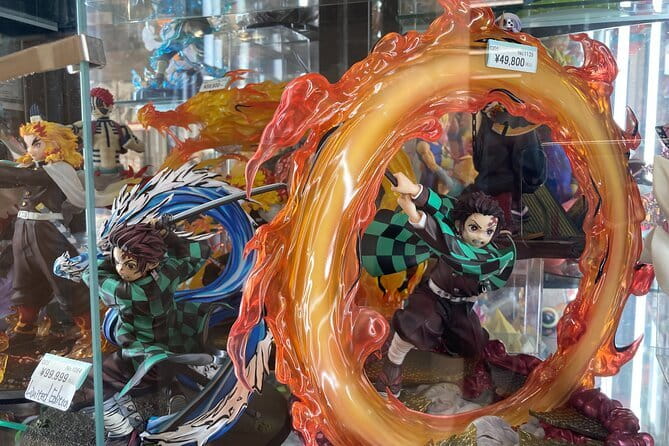
- Rotating Tamashii Nations exhibit: an anime exhibition that changes every two months, with free admission.
- Radio Kaikan’s scale: you’ll tour a hub with 5,000+ anime-related items to shop and spot.
- Super Potato’s retro hardware focus: you’ll see very old-school gaming devices, including NES-era gear.
- Anime clothing at gee store!!: themed apparel you can wear right away, not just display.
- Inok tailors the flow: the tour can adapt to what your group already knows and enjoys.
- Free entry at every listed stop: you’re paying for the guide and walking time, not tickets.
How a 2-Hour Akihabara Walk Saves You Time

Akihabara can overwhelm you fast. You’re surrounded by character goods, figure displays, game memorabilia, and the kind of in-jokes only hardcore fans seem to understand. This tour helps you get your bearings fast and turn that overload into a smart route.
The group stays small—up to 10 people—so you’re not lost in a crowd. And since it’s a walking tour with an English-speaking guide, you spend more time learning and less time figuring out which floor to start on.
For value, the biggest win is that the main stops have free admission. You’re not paying extra to get inside the stores and exhibition spaces, so your $39.09 per person goes toward guidance and time.
You can also read our reviews of more tours and experiences in Tokyo.



Starting at Tamashii Nations Store Tokyo: A Rotating Anime Exhibit

You begin at Tamashii Nations Store Tokyo in Sotokanda, and you get a quick hit of the current anime spotlight there. This store hosts an anime exhibition, and the key detail is that it changes every two months. That means your visit is tied to what’s being promoted right now, not just permanent displays.
The stop is short—about 10 minutes—but it works as a warm-up. Before you start hunting figures, models, or older game systems, you see how modern fandom gets packaged and presented in a retail setting.
Also, the admission is free. Even if you’re not the type to collect, exhibitions like this are often the clearest way to understand what a franchise is doing at the moment—where the attention is going in that season.
Practical note: since it’s a changing exhibit, the exact content will vary. If you’re visiting later in your trip and timing matters, it’s worth keeping your expectations flexible and just enjoying what’s on display that day.
Akihabara Radio Kaikan: Figures, Models, and 5,000-Plus Items Under One Roof
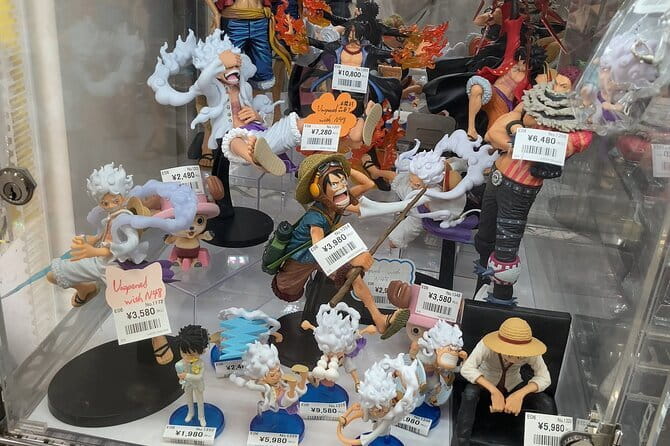
Next comes Akihabara Radio Kaikan, where the pace shifts from “look and learn” to “spot and search.” This is where you’ll find figurines and model stores, plus lots of smaller, lower-cost items that are easier to justify as souvenirs.
The scale is one of the standout details: the store complex has over 5,000 anime products you can buy. That number gives you a good mental picture—this isn’t one shop with a shelf of merch. It’s a multi-store shopping environment where you can browse by character, by franchise style, or by the type of collectible you like.
You’ll spend about 50 minutes here, which is long enough to get a feel for the layout. It’s also long enough to let the guide point you toward categories you might otherwise miss, like places focused on models versus pure figure displays.
One possible drawback to keep in mind: this stop is shopping-heavy. If you’re hoping for lots of historical context or deep gaming mechanics talk, you’ll still get explanation, but your eyes will be pulling you toward products the whole time. I’d treat Radio Kaikan as your main “buying or bookmarking” phase.
Super Potato: Retro Gaming Store Energy and the NES Feeling
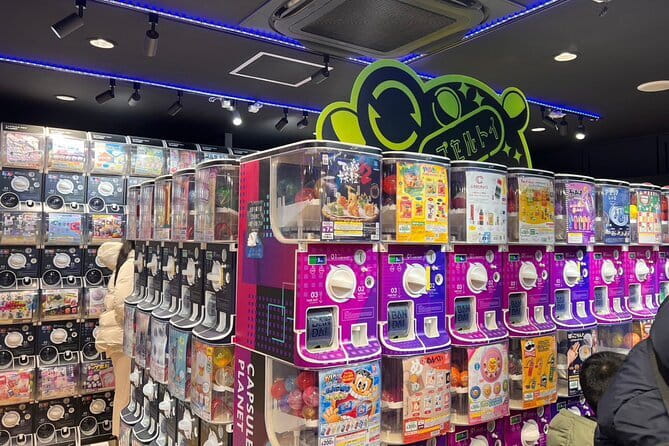
Then the tour turns into a time machine. Super Potato is the retro gaming store stop, and it’s the one that tends to make people grin immediately. The shop is known for very old-school devices, with NES specifically called out.
You’ll spend about 30 minutes here. That time is realistic: you don’t need an all-day commitment to enjoy the vibe, but you do need enough minutes to see different generations of hardware and soak up the retail focus. It’s the kind of place where even if you’re not planning to buy, you’ll understand why retro gaming has such a strong fan base.
This is also where a guide adds real value. In a store like this, it’s easy to either get overwhelmed or stay silent and just look. With Inok leading, you get the chance to connect what you’re seeing to how games evolved—from systems to hardware quirks to the culture that kept older consoles alive through collectors and fans.
Budget tip that matters here: the tour does not include purchases. If you want to buy something, set aside a separate amount you’re comfortable spending. Retro items can tempt you in a way normal souvenir shopping doesn’t.
gee store!!: Anime Clothing That Lets You Walk Out Wearing Your Fandom
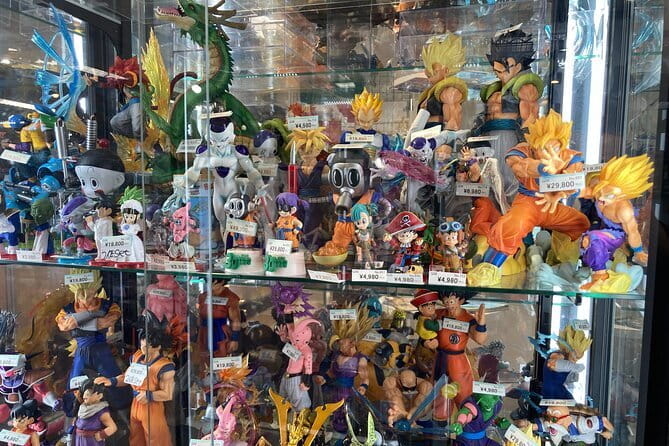
After the gaming stop, you head into fashion territory at gee store!!. This is an anime clothes shop, and the point is simple: you can find wearable anime items like themed T-shirts and other themed clothing.
This stop is also about 30 minutes, which is a good length for trying things on, checking sizing, and looking for items that fit your style. It’s the kind of souvenir you can actually use while you’re still traveling, instead of only packing something away for later.
Compared with figure-heavy stores, clothing shopping usually moves faster because you’re filtering by what looks good and fits well. The guide’s role here is helpful for practical questions and for narrowing your search so you don’t waste time going back and forth.
If you’re traveling with limited luggage space, this is a smart category to prioritize. A small shirt can be easier than bulky collectibles, and it’s also something you’ll remember because you can wear it on the spot.




Otaku Culture in Plain English: What the Guide Connects for You
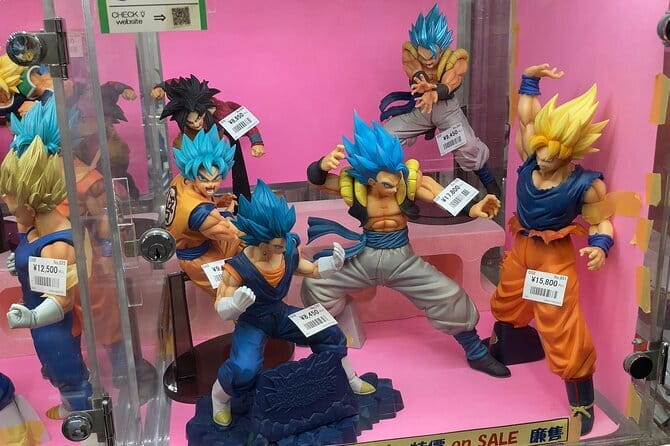
What makes this tour more than a simple store crawl is the way it explains the connections. Akihabara is deeply tied to Otaku culture—Japanese geek culture—and the guide brings that context into the walking route so you understand what’s driving the shopping scene.
You learn facts along the way about anime, manga, and video games, not just store names. The goal isn’t to turn you into an expert overnight. It’s to help you recognize why figures exist, why specific franchises have distinct aesthetics, and why retro gaming still has dedicated retail spaces.
Inok also brings humor and adjusts to the group. One family-style detail that’s worth noting: the tour has worked well for groups with different levels of fandom knowledge. If you’re coming with a teen who knows the characters already, Inok can meet that excitement. If you’re coming as a parent (or an adult newcomer), the tour can still feel fun because it frames the basics while still respecting the details.
That adaptability is a big reason a small-group tour makes sense in Akihabara. You’re surrounded by niche references, so having a guide translate the parts you don’t know yet is the difference between shopping and understanding.
Value and Price: Is $39.09 a Smart Deal for Akihabara?

At $39.09 per person, this tour prices itself as a budget-friendly add-on. For the math to work, you want to get value from the guide and the route, not from extras like included meals or included shopping credit (those aren’t part of the package).
The value comes from three concrete factors you can lean on:
- Two hours of guided navigation through a dense shopping district.
- An English-speaking guide who explains what you’re looking at.
- Free admission at the listed stops, so your money stays focused on the experience itself.
And you do get a decent mix of categories for that price: exhibition space, figure/model shopping, retro gaming, and anime clothing. If you’re trying to cover multiple interests without doing four separate independent mini-plans, this format saves effort.
Where value drops a bit is if you already know Akihabara well and you mainly want unstructured shopping time. In that case, you might spend the tour time feeling slightly restricted by the schedule. This isn’t a “wander all day” plan.
A balanced way to think about it: book this if you want direction plus context. Skip it if you want full free-form shopping and discovery with no guidance.
Who This Tour Fits Best (and Who Might Prefer Something Else)
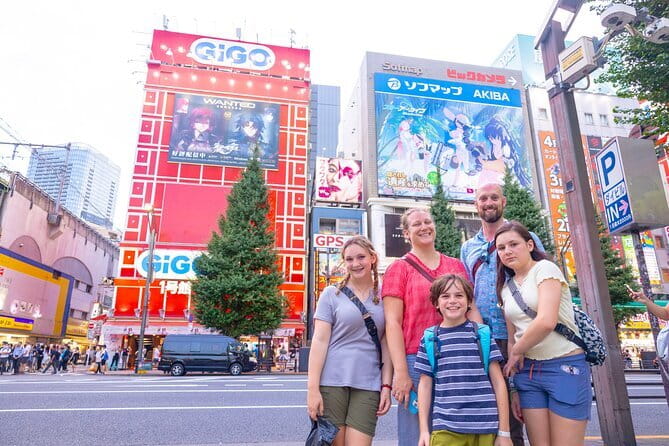
This tour is a great match if your interests overlap across anime, manga, and games. It also fits well if you like collecting or browsing, because the route hits both display-heavy and purchase-friendly shops.
It’s especially useful for:
- Families bringing teens who love anime and video games.
- Adults who want the Akihabara experience without spending hours figuring out where to go first.
- People who want to learn the why behind the merch, not just snap photos in stores.
It may be less satisfying if:
- You only care about one narrow category (like only retro consoles or only fashion).
- You want long shopping sessions in each shop, with no time pressure.
- You’re determined to do heavy buying during the tour window, since the stops are timed.
Keep your expectations aligned with the structure: it’s about a focused route, not an open-ended shopping day.
Practical Tips So You Enjoy Every Stop
You’ll enjoy this tour more if you prepare for a shopping district mindset. Wear comfortable shoes because you’re walking between different stores and levels. Also, keep your phone charged—mobile tickets are part of the setup, and you’ll likely use your map too.
For shopping, bring a simple strategy. Decide what you’re willing to carry, set a budget for collectibles, and treat the tour stops as “evaluation time.” If something is a must-buy, you’ll be glad you can compare it to what you see next—especially at Radio Kaikan where there are a lot of items under one roof.
Finally, don’t ignore the non-shopping moments. That quick Tamashii Nations exhibit and the context from Inok make the rest of the route click. Even if you end up buying nothing, you’ll still walk away understanding what Akihabara is selling and why.
Should You Book This Akihabara Anime and Retro Tour?
Book it if you want a clear plan for Akihabara that mixes anime exhibits, figure/model browsing, retro gaming stops, and anime clothing—without paying for paid admissions at each stop. The small group size and Inok’s ability to match the conversation to your interests are the kind of details that genuinely improve the experience here.
Don’t book it if you already know exactly where you want to spend the day, or if you’re mainly looking for uninterrupted free time for heavy shopping. In that case, a self-guided day might suit you better.
If you’re on the fence, here’s the simplest call: if you’d rather learn why the stores matter and still get time to buy, this tour is a smart fit. If you’d rather just shop as fast as possible and skip explanations, you may not get enough from the schedule to justify the price.
FAQ
How long is the Tokyo Akihabara Anime Manga Video Games and Hidden Gems Tour?
It lasts about 2 hours.
How much does the tour cost?
The price is $39.09 per person.
How many people are in the group?
The tour has a maximum of 10 people.
What is included in the tour price?
An English-speaking guide and a walking tour are included.
Are admission tickets included for the stops?
Admission tickets for the listed stops are free.
Where does the tour start?
It starts at 1 Chome-17 Sotokanda, Chiyoda City, Tokyo 101-0021, Japan, and ends back at the meeting point.