REVIEW · TOKYO
Tokyo: Matcha Tea Ceremony Experience in Shibuya
Book on GetYourGuide →Operated by Trip Port · Bookable on GetYourGuide
Sipping matcha is an easy reset. In this Shibuya tea ceremony, you get hands-on matcha making with step-by-step guidance, plus a calm, welcoming atmosphere that slows everything down. You’ll also taste multiple Japanese teas and learn how their traditions shape what’s in your cup.
I really like two things here. First, you get to make your own matcha instead of just watching from the sidelines. Second, the tasting part is structured so you can compare teas side by side and notice differences in flavor, aroma, and presentation while learning serving manners.
One possible drawback: it’s a 1-hour experience. If you’re hoping for a long, ultra-formal ceremony, you may wish you had more time. Still, for a first taste of Japanese tea culture, it’s a strong, efficient way in.
In This Review
- Key Things You’ll Enjoy Most
- Tokyo Matcha Ceremony in Shibuya: A Calm Hour in the Middle of It All
- Meeting Point: Okazaki Building Entrance (With a Vending Machine Nearby)
- A Small Group, English Instruction, and a One-Hour Pace
- Making Your Own Matcha: What the Step-by-Step Guidance Really Helps
- Tea Tasting Like a Pro: Comparing Japanese Teas and Their Pairings
- Tea Ceremony Manners: Practical Respect, Not Stiff Performance
- The Teacher Factor: Local Insight in English (Including Taku)
- Photos During the Experience: Handy for Memories (and Proof)
- Price and Value: Is $30 for a 1-Hour Matcha Class Worth It?
- Who This Matcha Ceremony Suits Best
- Should You Book This Matcha Tea Ceremony in Shibuya?
- FAQ
- FAQ
- How long is the matcha tea ceremony experience?
- What is the price per person?
- Where is the meeting point in Shibuya?
- What language is the instruction?
- Is the experience hands-on, or do I just watch?
- What’s included in the experience?
- How many people are in the group?
- Is the experience wheelchair accessible?
- What are the cancellation terms?
- Can I reserve now and pay later?
Key Things You’ll Enjoy Most
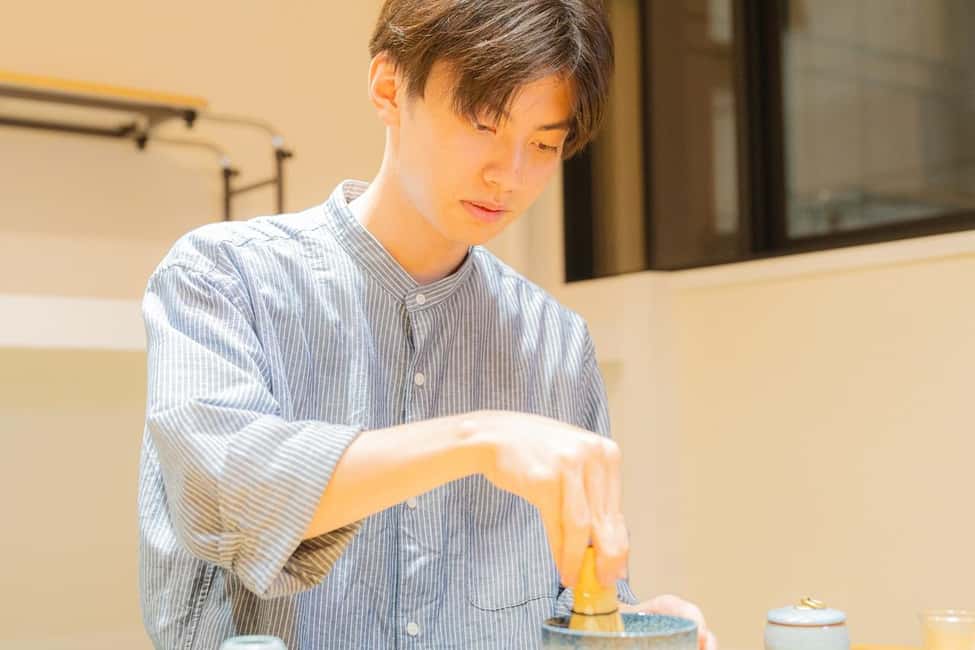
- Hands-on matcha making with clear, step-by-step guidance
- Side-by-side tea tasting, including several Japanese teas
- Sweet pairings that help you notice flavor differences
- Tea ceremony manners taught in a relaxed, practical way
- A local English-speaking teacher, including hosts like Taku in past sessions
- Photos during the experience so you can remember the moment
Tokyo Matcha Ceremony in Shibuya: A Calm Hour in the Middle of It All
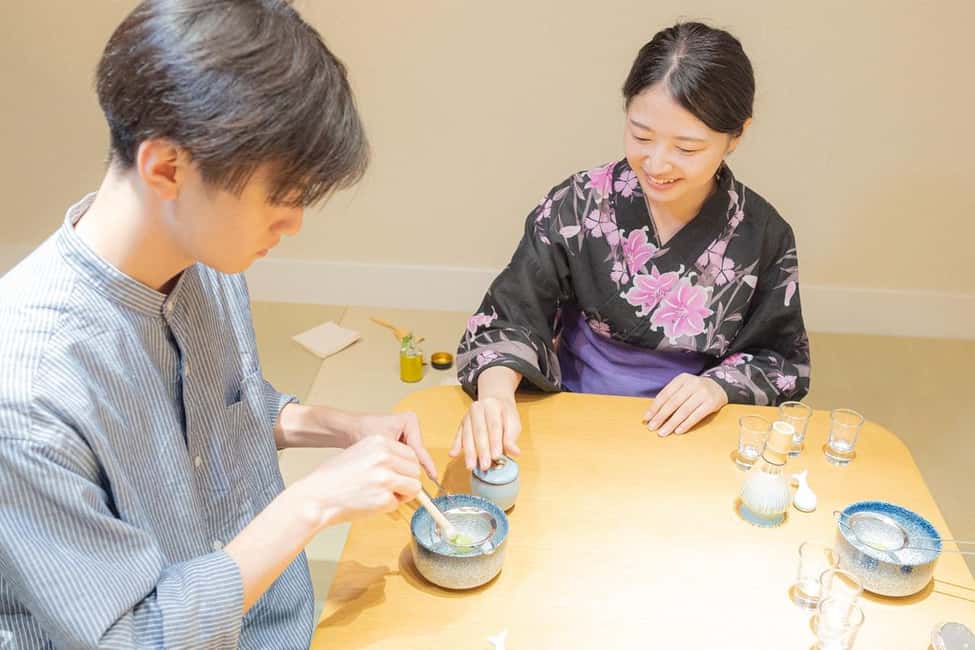
Shibuya can move fast. This experience gives you a break that actually feels Japanese, not just a photo stop. In an hour, you step into the kind of quiet focus that tea culture is known for, with real instruction and real tasting, not just a sit-and-smile performance.
What’s especially nice is the balance. You learn technique (how to make matcha), tradition (why tea is served the way it is), and sensory skills (how to taste without rushing). It’s a thoughtful combo if you want something meaningful without committing to a half-day class.
You can also read our reviews of more tours and experiences in Tokyo.



Meeting Point: Okazaki Building Entrance (With a Vending Machine Nearby)
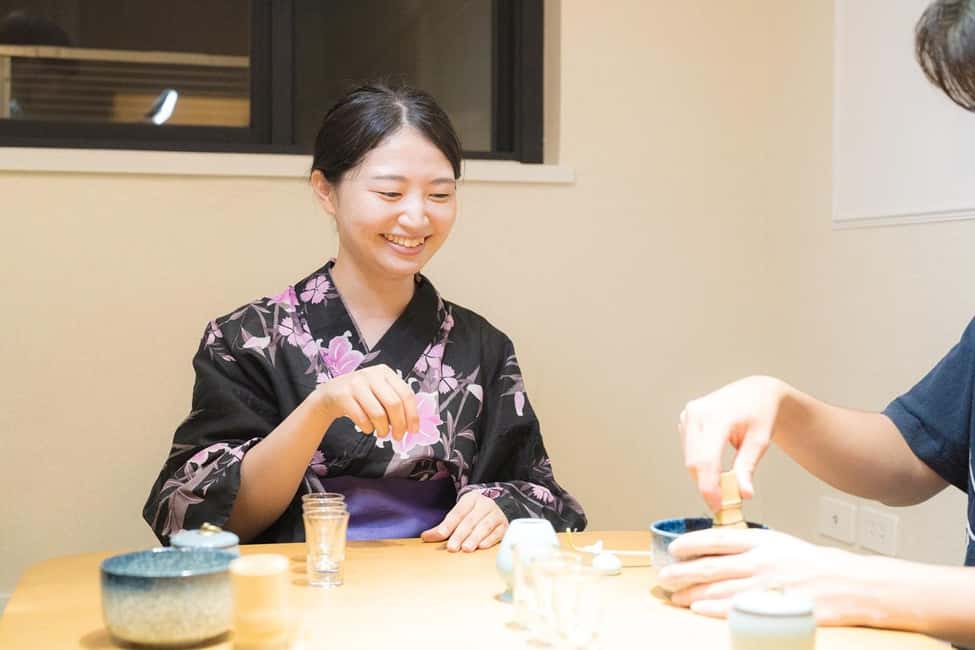
You’ll meet your instructor standing in front of the Okazaki Building’s entrance. There’s a vending machine right next to it, which makes the meetup easier if you’re arriving early and trying not to wander in circles.
Since the group is small (up to 10), arriving a few minutes early matters. You’ll want time to get settled before tea tools come out and the session starts flowing.
A Small Group, English Instruction, and a One-Hour Pace
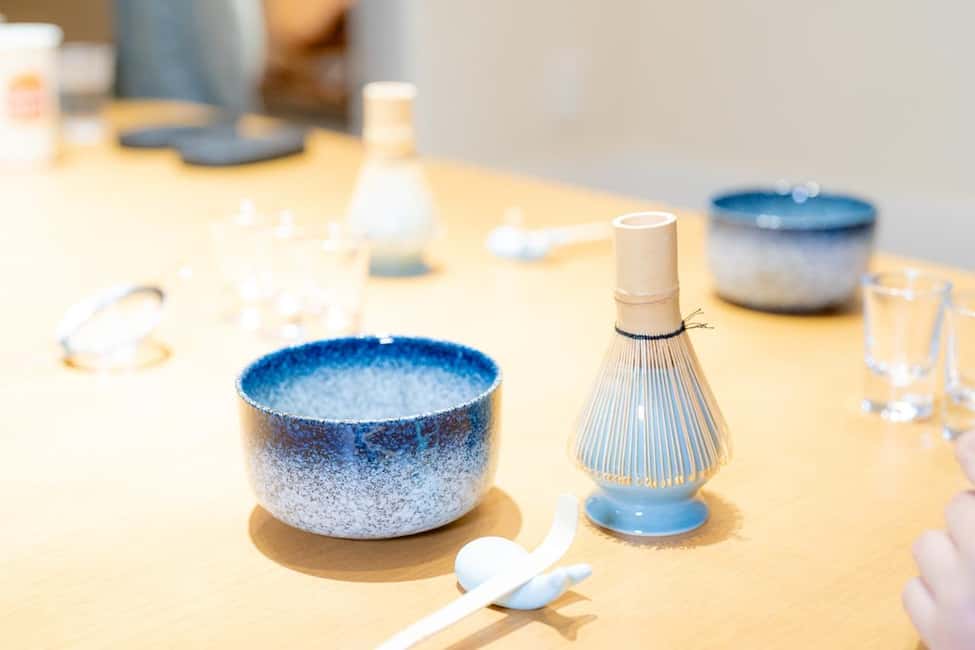
This is designed for comfort and clarity. The session runs for 1 hour and is taught in English, so you won’t be stuck figuring things out by guessing. Because it’s limited to 10 participants, the teacher can actually guide you while you work with the tools.
You should expect a paced, guided experience rather than a lecture marathon. The format supports beginners. If you’ve never touched a matcha whisk before, you’re still in the right place.
Also, this is wheelchair accessible, which you’ll appreciate if you need an easier route through the session space.
Making Your Own Matcha: What the Step-by-Step Guidance Really Helps
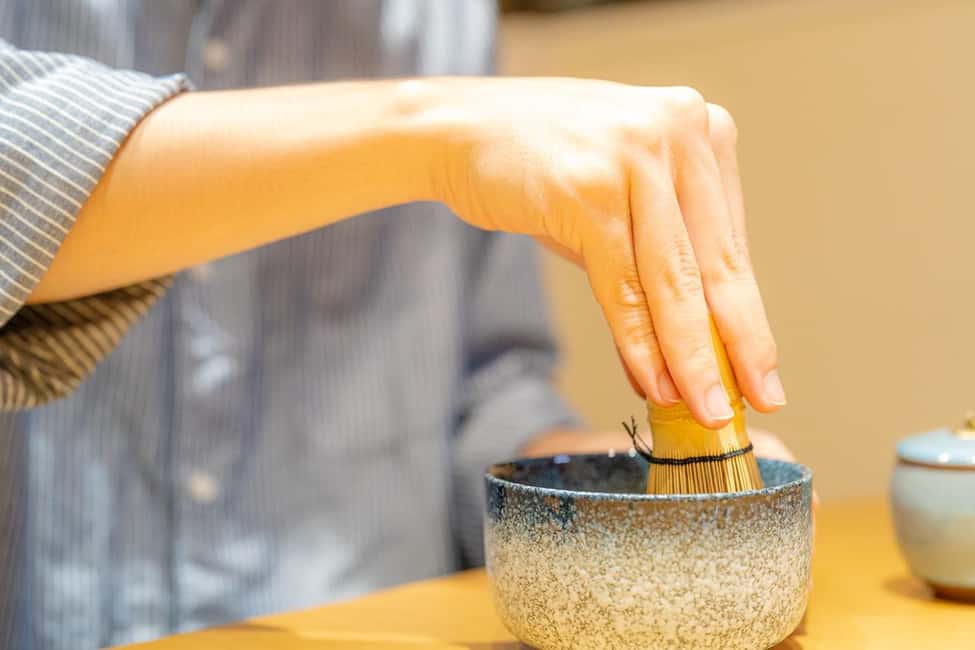
The main event is simple: you make your own matcha with step-by-step guidance. That matters, because matcha is one of those things people either overthink or misunderstand. Here, you get the basics and the manners together, so you learn more than just the end result.
You’ll use the provided tea ceremony tools, and you’ll get guidance on what you’re doing as you go. The goal isn’t perfection. It’s understanding the process enough to appreciate what you’re drinking.
Practical tip for your first try: focus on the rhythm. Tea work feels more natural when you move with intention. If you rush, it shows. If you slow down, it becomes easier to notice texture, aroma, and how the tea is presented.
Tea Tasting Like a Pro: Comparing Japanese Teas and Their Pairings
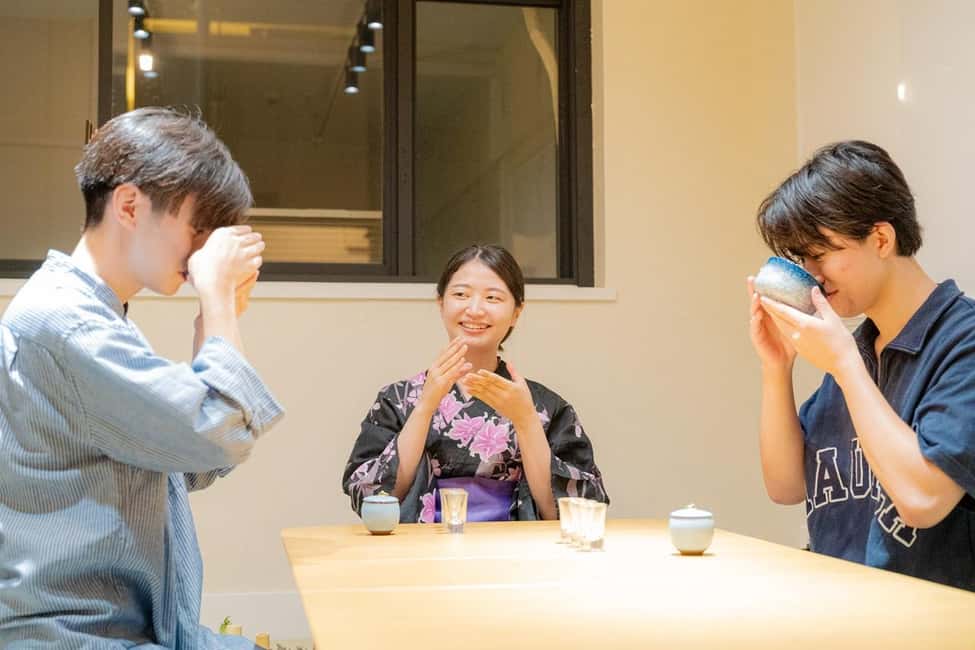
This is where the experience gets interesting fast. You’ll taste several kinds of Japanese teas, and each one is paired with a traditional sweet snack. The teaching style is built around comparison—so you can learn the subtle differences instead of treating each cup like a random surprise.
You’ll pay attention to things that matter in tea:
- Taste: how each tea lands on your palate
- Aroma: what you notice before you even sip
- Presentation: how tea and sweets are served together
That paired sweet is not just a snack. It’s part of the lesson. By matching a sweet with a specific tea, you’ll understand why certain flavor combinations work and how sweetness can change your perception of tea bitterness, grassiness, or smoothness.
If you like tasting menus, you’ll enjoy this. It’s basically a guided flight, taught in the language of Japanese tea tradition.






Tea Ceremony Manners: Practical Respect, Not Stiff Performance
A lot of people worry that a tea ceremony will feel too formal. This one is relaxed and welcoming, with guidance on serving manners that you can actually understand and use.
You’ll learn the basic steps and manners of serving tea. That includes how to handle the moment respectfully—through calm movement, attentive timing, and the idea that every action has a purpose. It’s not about being overly strict. It’s about showing care.
If you’re the type who appreciates small rituals, you’ll likely find this part satisfying. You don’t just learn what to do. You learn why it matters for the experience.
The Teacher Factor: Local Insight in English (Including Taku)
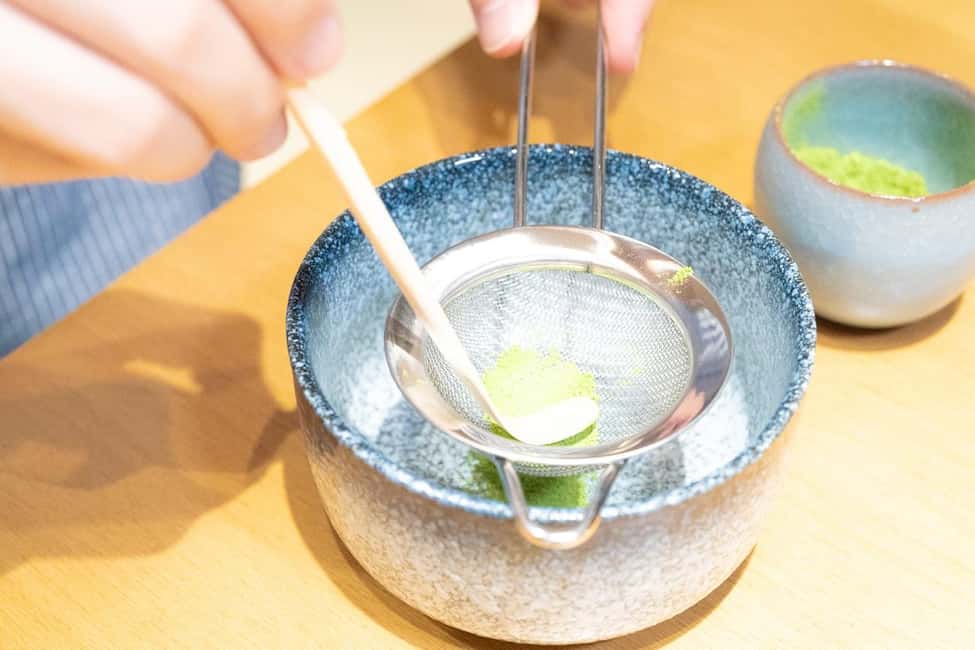
A tea ceremony is only half about the tea. The other half is the person guiding you. This class is led by a friendly local teacher who provides expert guidance in English, and you’ll learn the history from a local perspective.
One past host named Taku is specifically mentioned as an excellent English speaker and a well-prepared guide. That kind of preparation makes a difference. You get explanations that land clearly, and you can follow along without losing the quiet mood.
Expect the teacher to connect the ceremony to its cultural meaning, not just the mechanics. Even if you’re new to Japanese culture, you should walk out with a better sense of why tea is treated as more than a drink.
Photos During the Experience: Handy for Memories (and Proof)
You’ll take photos during the session, and they’re shared at the end. This is a small but real value-add, especially in Tokyo where it’s easy to spend your whole day asking strangers to take your picture.
You’ll likely want a few shots of the tools and the cups, plus your finished matcha. It’s one of those activities where photos help you remember the steps later when you’re back home comparing tea experiences.
Price and Value: Is $30 for a 1-Hour Matcha Class Worth It?
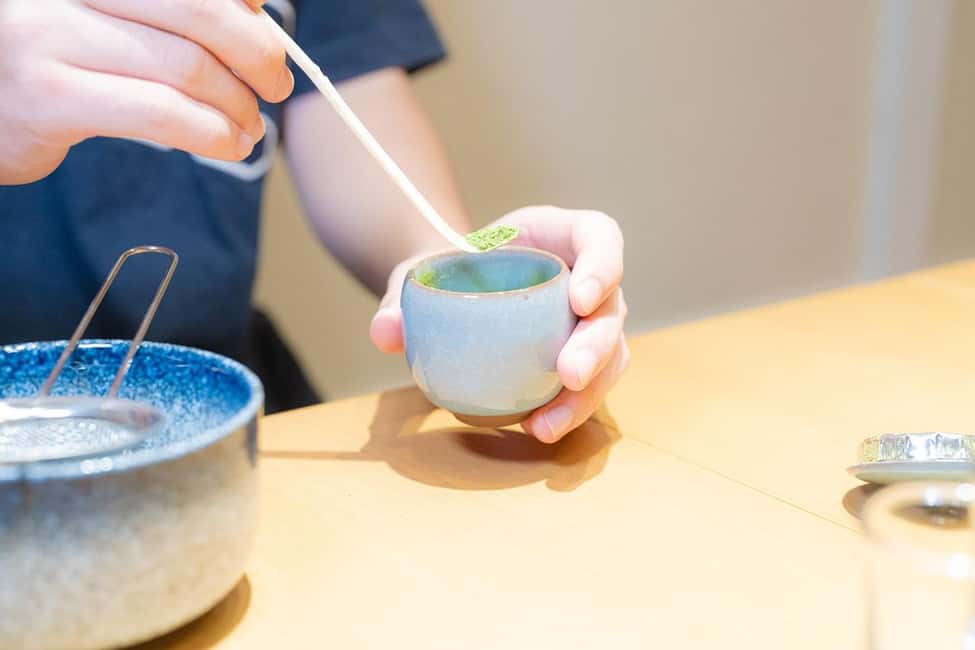
$30 for one hour sounds simple, but the value is in what’s included. You’re not just tasting tea off a menu. You’re getting:
- 1-hour expert guidance from a teacher
- Tools for the tea ceremony
- Selected tea leaves and a little sweet snack
- Photos shared after the experience
If you compare this to buying matcha and a sweet at a shop, you’re paying for instruction, tasting structure, and cultural context. You also get multiple teas, not just one cup.
In other words, the cost is paying for what’s hardest to DIY: step-by-step guidance, etiquette, and a tasting framework that helps you learn quickly. For a first-time experience in Shibuya, it’s a pretty clean deal.
Who This Matcha Ceremony Suits Best
This experience fits best if you want:
- A calm cultural activity without needing prior knowledge
- A hands-on class where you do the making
- A structured tasting that helps you notice differences in tea
- English instruction and a small group atmosphere
It’s also a good option if you only have a limited window. One hour is often easier to schedule in Tokyo than longer cultural activities.
If you’re the kind of person who loves flavors and wants them explained through real practice, this works well. If you just want a quick photo moment, you might prefer something else, because the ceremony is designed around learning and tasting.
Should You Book This Matcha Tea Ceremony in Shibuya?
I’d book it if you want an easy, meaningful way to experience Japanese tea culture in a short time. The combination of making matcha yourself, tasting multiple teas, and learning manners from an English-speaking teacher gives you real takeaways, not just a moment.
Don’t book it if you’re specifically seeking an all-day, ultra-traditional, highly ceremonial format. The 1-hour pace is intentional, and it’s geared toward clarity and comfort.
FAQ
FAQ
How long is the matcha tea ceremony experience?
It lasts 1 hour.
What is the price per person?
The price is $30 per person.
Where is the meeting point in Shibuya?
Meet the instructor standing in front of the Okazaki Building’s entrance. A vending machine is next to the entrance.
What language is the instruction?
The instruction is in English.
Is the experience hands-on, or do I just watch?
It’s hands-on. You make your own matcha with step-by-step guidance.
What’s included in the experience?
You get 1-hour expert guidance, tools for the tea ceremony, tea selections and a little sweet snack, and photos taken during the experience that are shared at the end.
How many people are in the group?
The group is small, limited to 10 participants.
Is the experience wheelchair accessible?
Yes, it’s wheelchair accessible.
What are the cancellation terms?
You can cancel up to 24 hours in advance for a full refund.
Can I reserve now and pay later?
Yes, reserve now & pay later is available.