REVIEW · TOKYO
Tokyo Private Sightseeing Tour by Car – English speaking driver
Book on Viator →Operated by Nipponic Tours · Bookable on Viator
Tokyo is big. This tour is how you attack it efficiently. You start with hotel pickup and drop-off, then ride in an air-conditioned private car while a English-speaking chauffeur helps you connect the dots between places—so the day feels less like random wandering and more like a route with meaning. It’s also built for flexibility, meaning you can shape the timing around what you care about most.
What I like most is the way it lets you see major “first-time” Tokyo hits in one long day without the stress of trains, transfers, and hauling bags. I also like that the drive-time info happens between stops, which keeps things moving while you still learn what you’re looking at. One drawback: this is mostly a driving tour, not a full walking guide at every site—so you’ll still do your own exploring (and some places involve real walking).
In This Review
- Key highlights to know before you go
- Private car pace: why this feels easier than trains
- Price and what the $277.49 really covers
- Morning hit: Tsukiji Outer Market for food-first Tokyo
- Asakusa and Senso-ji: the temple walk you can’t skip
- Skytree vs Tokyo Tower: one tall view moment
- Imperial Palace and Ginza: two very different Tokyo styles
- Harajuku energy: Takeshita Street on your terms
- Shibuya Crossing: the world-stage intersection
- Odaiba by car: Tokyo Bay views without the scramble
- How the chauffeur’s English and style affects your day
- Tips to make an 8–9 hour day actually work
- Who this tour fits best
- Should you book this private Tokyo car day?
- FAQ
- How long is the Tokyo private car tour?
- What time does the tour start?
- What is included in the price?
- Are entrance fees included for Tokyo Skytree and Tokyo Tower?
- Can you customize the stops?
- Where does pickup and drop-off happen?
- What happens if weather is poor?
Key highlights to know before you go
- Hotel pickup and drop-off keeps the day friction-free from start to finish
- Customizable route means you’re not stuck with a rigid group plan
- In-car commentary helps you understand what you’re seeing between stops
- Major photo-and-view stops include Skytree and Shibuya Crossing
- A/C private car time is a lifesaver when Tokyo heat and crowds hit
Private car pace: why this feels easier than trains
Tokyo is easy to navigate—but only if you’re okay with schedules, station transfers, and the constant question of whether you’re walking too far. With a private car, you skip the planning gymnastics. You also get a calm reset between neighborhoods, which matters when your day stacks up from morning temples to late-afternoon skyline views.
The private format also changes the social feel of sightseeing. You can ask questions, slow down when you want photos, or move on when the line is too long. In the reviews, names like Jason, John, Wendell, and Lookman pop up for being punctual and professional, and that’s not a small thing in a city where delays add up fast.
Just remember the style: you’re not getting a guide holding your hand minute-by-minute inside each shop or pavilion. You’re getting smart context while you drive, plus time to explore on your own.
You can also read our reviews of more private tours in Tokyo

Price and what the $277.49 really covers
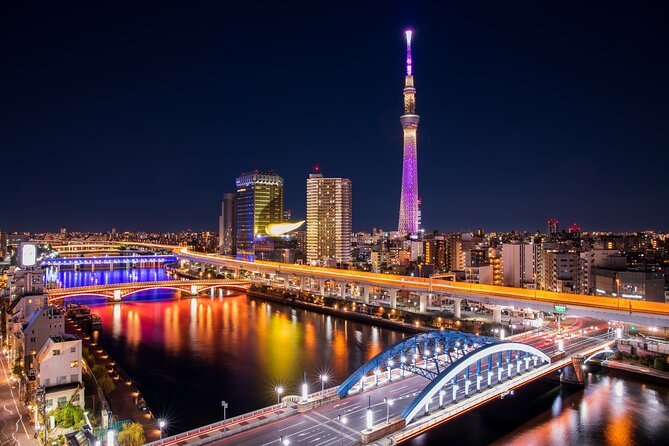
At $277.49 per group (up to 3), you’re paying for a full-day private vehicle plus an English-speaking chauffeur. That matters because Tokyo can be expensive when you add up taxis, parking, and the time cost of trying to do it yourself. Here, you’re buying the time back.
Included in the price:
- Private air-conditioned vehicle
- Private English-speaking chauffeur
- Fuel, parking, and toll fees
Not included (plan for this):
- Skytree and Tokyo Tower observation tickets
- If you want pickup/drop-off beyond the usual Tokyo hotel area (for Haneda/Narita/Kanagawa territories), there’s a 10,000 JPY surcharge in cash
One more “value check” for you: the car can accommodate up to six people, but the price is shown for groups up to three. If you’re a larger group, confirm how the pricing works with the provider before you book.
Morning hit: Tsukiji Outer Market for food-first Tokyo
A typical day starts at Tsukiji Outer Market, where you’ll spend about 1 hour in the area known for food culture. This isn’t a museum stop—you’re walking through lanes of stalls and small counters, looking at ingredients, snacks, and shopfronts that locals and visitors associate with classic Japanese food habits.
Because your time is limited, the biggest advantage of coming with a driver is that you’re not wasting morning energy getting there. You can start eating and browsing faster. Also, Tsukiji’s layout rewards casual wandering, so having the option to take it easy for the full hour works well.
Practical note: it can get crowded, so wear comfortable shoes. And if you’re picky about what you’ll eat, use the first 15 minutes to scan what looks best before you commit.
Asakusa and Senso-ji: the temple walk you can’t skip
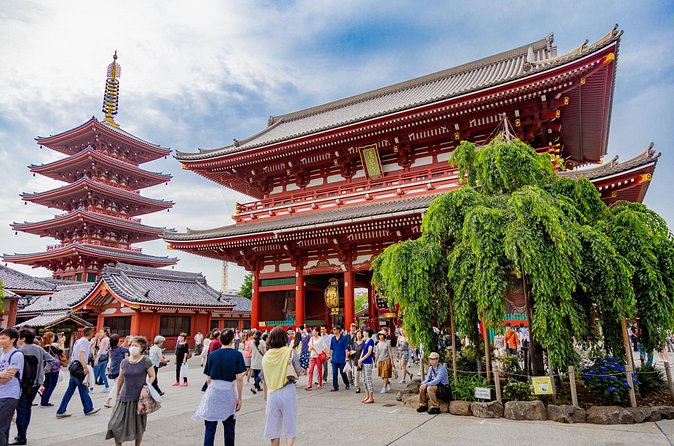
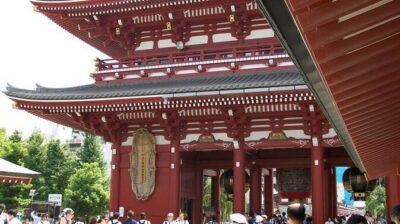
Next you head to Senso-ji Temple in Asakusa, where you’ll get about 1 hour and free entry. This is one of Tokyo’s most visited temples, with a history reaching back more than 1,400 years. Translation: you’re stepping into a place that’s been drawing people for a very long time, and you’ll feel that the moment you arrive.
Here’s the reality check that helps: even though it’s a car tour, you’ll do meaningful walking around the approach. You’ll likely pass a long shopping street lined with vendors, and the crowds can be intense. It’s worth it, but treat it like a “walk-through” experience, not a quick stop.
If your driver is strong at storytelling, this is often where it clicks. In reviews, drivers like Asi and Jason were praised for being flexible and answering questions, though one reviewer did note some chauffeurs are quieter in the van. If you want more explanation here, ask early—at the start of the day—so your guide has context for your interests.
Skytree vs Tokyo Tower: one tall view moment
For skyline time, you have Tokyo Skytree included as a standard stop (about 1 hour, admission not included). Skytree is the world’s tallest freestanding tower at 634 meters, and it has observation decks at 350 and 450 meters. That height is the whole point: you get a sweeping view that helps you understand the city’s scale.
Tokyo Tower is also part of the typical route (about 1 hour, admission not included). It stands 333 meters tall and was built in 1958, tied to post-war recovery symbolism. If you choose both, you’re stacking two different “Tokyo skyline” vibes in one day. If you want to reduce ticket spend, you could prioritize one based on what you’re most interested in: modern super-tall views (Skytree) versus the classic Tokyo silhouette (Tokyo Tower).
Either way, this is the moment to plan for:
- Lines and ticket-buying time you’ll need to account for
- How long you actually want at the top (30 minutes can feel like an hour, and vice versa)
You can also read our reviews of more tours and experiences in Tokyo

Imperial Palace and Ginza: two very different Tokyo styles
After temples and towers, the route shifts to Imperial Palace (about 1 hour, free) and then Ginza (about 30 minutes, free). This combo works well because it shows two sides of Tokyo at once: history and power in the Imperial Palace complex, and modern retail swagger in Ginza.
At the Imperial Palace, your time is mostly about strolling the grounds and appreciating the layout—gardens, stone walls, and a sense of formality built around the location’s significance since 1868. It’s not about buying souvenirs. It’s about reading the city’s structure.
Then Ginza gives you a quick taste of high-end shopping: sleek modern buildings side by side with traces of older Tokyo. You won’t have time to shop deeply here, but 30 minutes is enough for people-watching, a quick snack break, and a feeling for the neighborhood’s vibe.
Harajuku energy: Takeshita Street on your terms
Next comes Takeshita Street (about 1 hour, free), usually paired with Harajuku. This is a short street—around 350 meters—that packs in youth fashion, colorful style, and rapid-fire “look at that” moments.
The best way to enjoy it is to think of it like a photo-and-people-watching loop. If you only walk the main stretch without exploring side stalls, you’ll still get the hit. But if you’re curious, this stop is a good place to slow down and browse accessories, snacks, and trend-driven fashion items.
One warning that’s still practical: this is the kind of place where you can get tired fast if you stop every 30 seconds. If that sounds like you, keep the pace. Your Shibuya Crossing stop is coming next, and that one really delivers visually.
Shibuya Crossing: the world-stage intersection
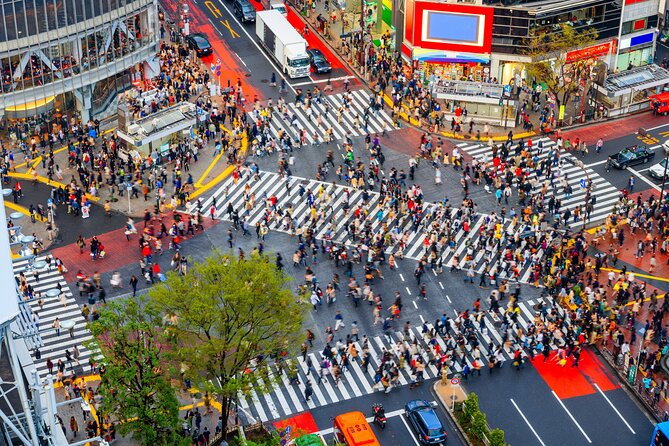
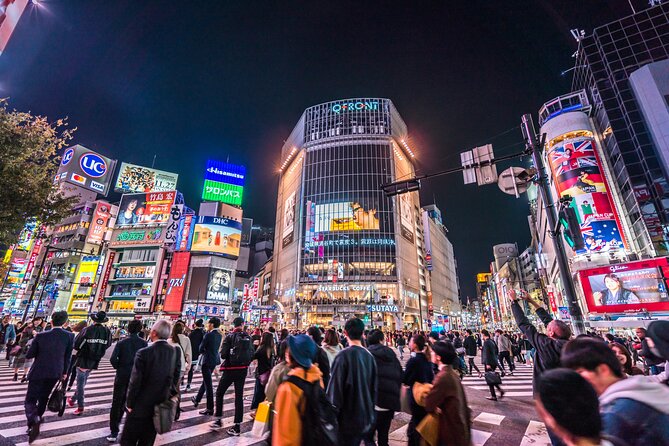
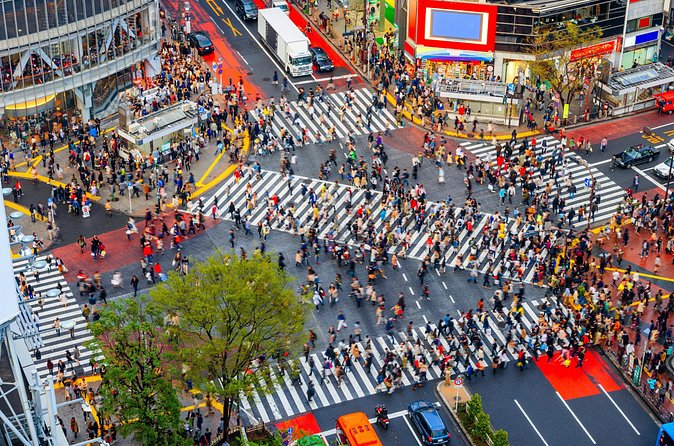
Shibuya Crossing is next (about 1 hour, free). It’s famous for being one of the world’s busiest intersections, with crowds crossing from multiple directions in a choreographed flow. Even if you’ve seen videos, being there is different: you feel the scale and the momentum.
The real win on a private tour is how you arrive. You’re not juggling transit schedules or trying to find the right station exit while the crowd crush builds. You also have time to wander the surrounding streets so you can pick your own viewing spots and photo angles.
If you’re with teens or group members who want action, this is usually where the energy spikes. In reviews, families liked having the car as a break between above-ground sightseeing moments, and Shibuya fits that “big Tokyo scene” function perfectly.
Odaiba by car: Tokyo Bay views without the scramble
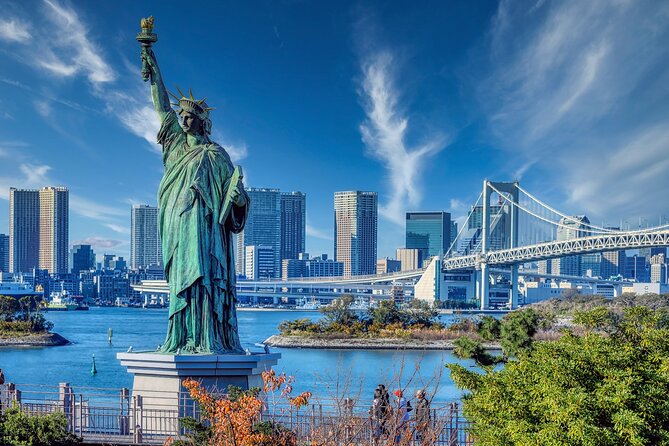
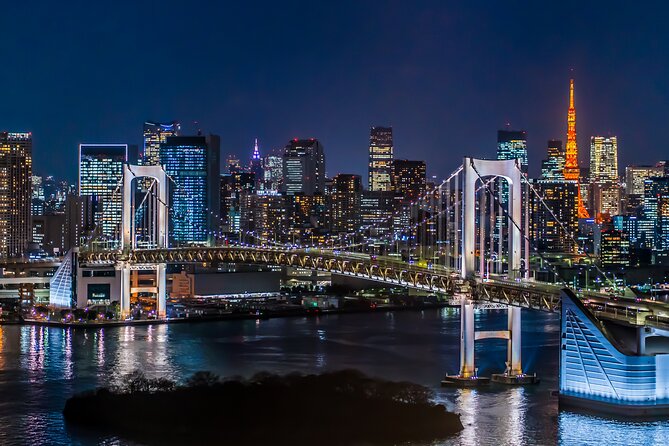
The day often ends with Odaiba (about 30 minutes, free). Odaiba is a man-made island in Tokyo Bay with shopping, entertainment complexes, parks, and a relaxing seaside feel. The views matter here—especially the wide angles toward the Rainbow Bridge and the city skyline.
Because Odaiba can be a little more spread out than central neighborhoods, arriving by car helps you make the most of your short window. You’re not spending your limited time figuring out how to connect one walkway to another. You get dropped near where you can enjoy the bay air and the scenery.
This is also a good place to do a final “last photos” sweep—by then you know your group’s style and what you still want to capture.
How the chauffeur’s English and style affects your day
The biggest variable in a tour like this is the driver. Many of the reviews sing praises about English ability and attentiveness: people mentioned punctual pickup, polite service, and explanations that made history feel understandable. Names tied to strong service in the feedback include Caffrey, Daniel-san, John, Kane, Wendell, Jason, Lookman, and Hayashi.
But there’s also a style distinction you should understand up front. Some guides act more like chauffeurs with helpful commentary, while others lean into guiding—asking what you care about and expanding on it. One review mentioned a guide being quieter and more of a driver than a guide. That doesn’t mean the day is bad—it just means you’ll want to be proactive. Ask questions early, and if you want more context, say so.
Also note the walking reality: this is primarily a driving route, yet certain stops require more walking than others. Senso-ji in particular tends to involve a longer street with vendors and crowds. If walking is hard for you, you’ll want to build your comfort breaks into your stop times.
Tips to make an 8–9 hour day actually work
This tour is 8 to 9 hours starting around 9:00 am. That’s a long block, so your best strategy is to keep your priorities clear before pickup.
Here are smart ways to get the most from your time:
- Decide your “musts” (for example: Skytree, Senso-ji, Shibuya Crossing).
- Decide your “optional” (shopping areas or second skyline stop).
- Tell your driver what pace you want: quick photos and move, or linger and soak up.
Bring practical comfort items: water, sunscreen (especially in summer), and shoes you can walk in for temple streets and market lanes. Reviews also mentioned how helpful the car’s A/C can be between stops—so treat the drive time as your reset.
If you’re traveling with kids or a multi-generation group, private cars are especially useful. One family mention included a flexible approach when kids wanted a different type of stop, and that’s the real advantage of a customizable day.
Who this tour fits best
This tour is ideal if you:
- Have only one day in Tokyo and want a structured route
- Want to avoid train transfers and crowded group logistics
- Value explanations while driving, plus freedom to explore on your own
- Prefer air-conditioned breaks during a hot day
It’s also a strong choice for families with teens who want variety: temples in the morning, fashion energy in Harajuku, big-city spectacle at Shibuya, then bay scenery in Odaiba.
If you want a step-by-step walking guide at each stop with deep site interpretation, you might find you need extra guiding beyond what this format is set up to provide. The upside: you can still control how much you ask and how long you spend at each place.
Should you book this private Tokyo car day?
I’d book it if you want a stress-light way to hit Tokyo highlights in one day and you like the idea of customizing while still following a solid route. The price looks fair for the time you save, especially once you factor in chauffeured driving, parking/tolls, and avoiding the headache of planning stations for every hop.
I’d hesitate only if your main goal is a highly detailed walking guide inside every attraction, or if you’re trying to squeeze in lots of extra stops beyond the standard flow. This tour shines when you treat the car as the connector and use your time at each stop to explore at your own speed.
One final note: the experience is marked as requiring good weather, so if rain is common during your dates, have a backup plan for shifting timing.
FAQ
How long is the Tokyo private car tour?
It runs about 8 to 9 hours.
What time does the tour start?
The start time is 9:00 am.
What is included in the price?
You get a private air-conditioned vehicle, a private English-speaking chauffeur, and fuel/parking/toll fees. You also receive a mobile ticket.
Are entrance fees included for Tokyo Skytree and Tokyo Tower?
No. Entrance fees for Skytree and Tokyo Tower are not included.
Can you customize the stops?
Yes. The day is customizable to your interests, and your driver helps tailor the plan.
Where does pickup and drop-off happen?
Pickup and drop-off are offered at your Tokyo hotel. If pickup/drop-off is needed for Haneda/Narita/Kanagawa territories, there is a 10,000 JPY cash surcharge.
What happens if weather is poor?
The experience requires good weather. If it’s canceled due to poor weather, you’ll be offered a different date or a full refund.