REVIEW · TOKYO
Tokyo: Mt. Fuji, Owakudani, Hakone Shrine, & Open-Air Museum
Book on GetYourGuide →Operated by JTOURSTORY · Bookable on GetYourGuide
Hakone is a lot for one day. You get big nature drama at Owakudani and then ease into calm lake views at Hakone Shrine, all wrapped around world-class outdoor art at the Open-Air Museum. I especially like how the day blends art and geology instead of feeling like a checklist, and I like that the guides (I’ve seen Juna, Icchi, and Yuichi handling everything) actively manage timing and weather. One thing to consider: this is a long day with traffic changes, and the order of stops can shift in peak season or when conditions demand it.
If you’re the type who wants your Tokyo trip to feel less like commuting and more like escaping, this works. It’s built for comfort—transportation, an English/Korean-speaking guide, and admission tickets are included—yet you still have room for optional add-ons like the Ropeway or Pirate Ship when weather permits. The main drawback is simple: meals aren’t included, so plan for snacks or a light lunch or you’ll get hangry at exactly the wrong moment.
In This Review
- Key highlights you’ll notice right away
- Escaping Tokyo: why Hakone is a strong one-day move
- Hakone Open-Air Museum: sculpture gardens with big art names
- Owakudani’s volcanic steam: real geology, real smells
- Hakone Shrine at Lake Ashi: the torii gate postcard you can walk to
- Ropeway and Pirate Ship: optional tickets that can change your view
- Tour logistics in plain terms: how the guide keeps your day together
- Cost and value: is $79 worth it?
- Who this day trip suits best
- Quick tips to make the day easier
- Should you book this Hakone day trip from Tokyo?
- FAQ
- What is included in the ticket price?
- Are meals provided on the tour?
- Is the Hakone Ropeway included?
- Is the Pirate Ship included?
- What languages will the guide speak?
- Where does the tour start and end?
- What should I bring?
- Can I bring a stroller?
- What about infants—do they need a ticket?
- Does the itinerary ever change?
- How flexible is booking and cancellation?
Key highlights you’ll notice right away
- Hakone Open-Air Museum outdoors: sculpture gardens with major names like Henry Moore, Joan Miró, and a Picasso gallery
- Owakudani’s active volcanic mood: steam vents and sulfur-spring setting that feels real, not staged
- Lake Ashi at the shrine: the iconic torii gate sitting at the waterline makes photos easy
- Guides who adapt fast: itinerary adjustments in rain and heavy crowds so your day still makes sense
- Small details that matter: like advice to fill a bottle with mineral water at the shrine
- Optional views from above or across the lake: Ropeway or Pirate Ship tickets you can add on-site
Escaping Tokyo: why Hakone is a strong one-day move
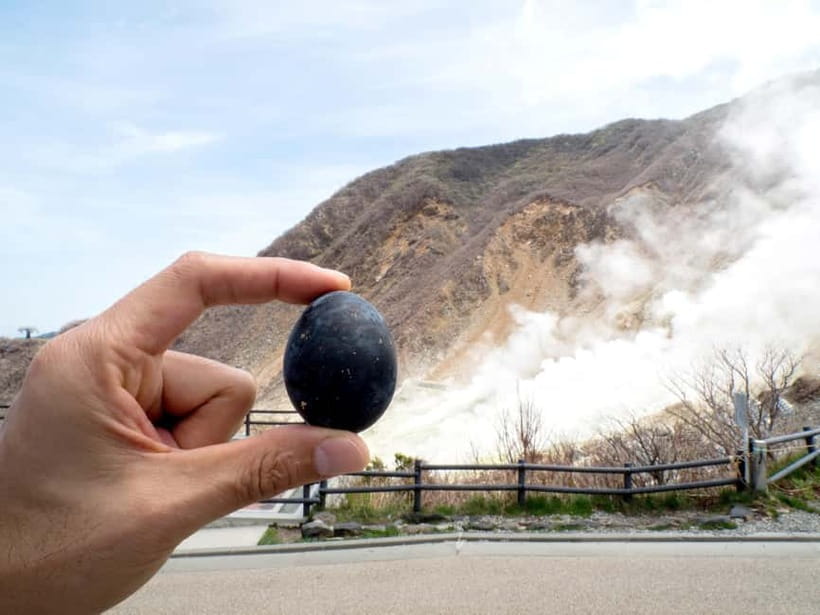
Hakone is one of those places where you can feel Japan’s range in a single trip. You start with outdoor art, then shift to an active volcanic valley, then end up by a lake with forests and mountain silhouettes. That pattern matters because it keeps the day from turning into pure sightseeing fatigue.
Also, Hakone is close enough that a day tour feels realistic. Instead of you stitching together train changes and walking routes, the tour handles the driving and the handoffs between major stops. You still walk quite a bit, but you’re not fighting transit while you’re tired.
The biggest practical catch is timing. Vehicles can’t operate beyond 10 hours under Japanese law, and your guide may adjust the plan based on real-time traffic and weather. In peak season, stop order can reverse due to crowd pressure. It’s not a flaw—it’s actually how you avoid wasting hours.
You can also read our reviews of more museum experiences in Tokyo

Hakone Open-Air Museum: sculpture gardens with big art names
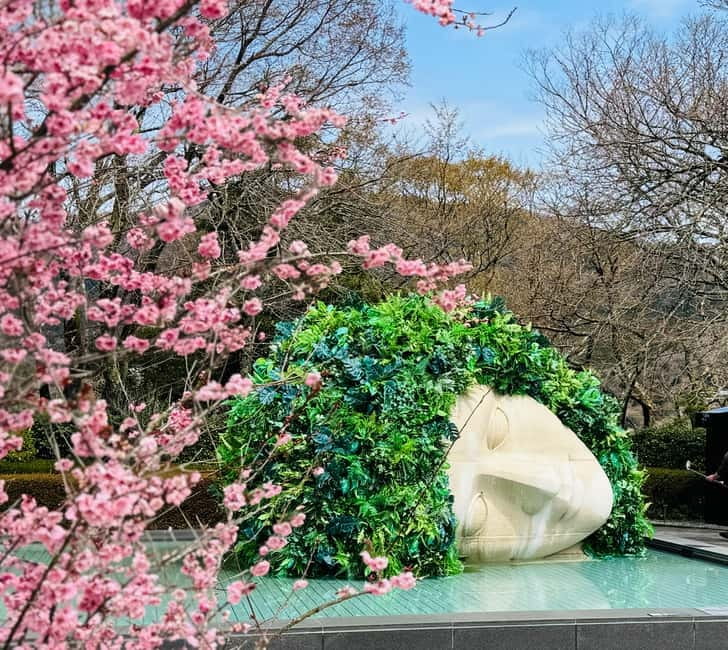
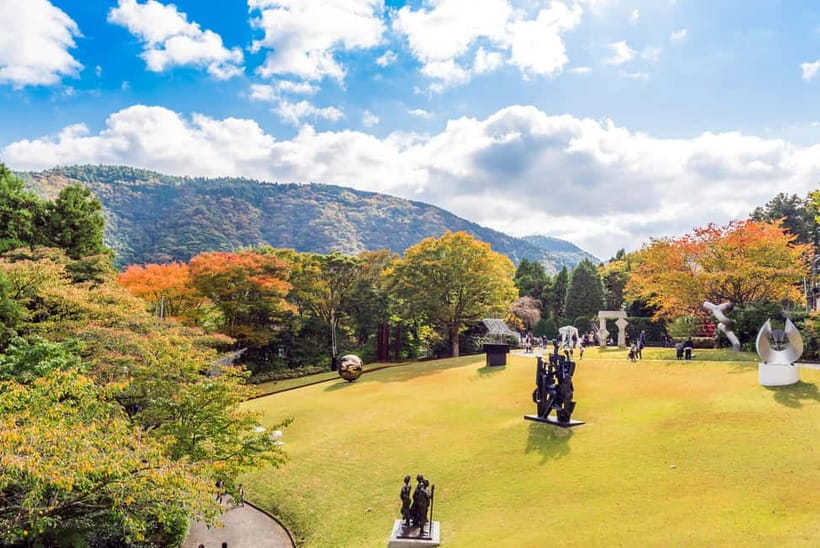
If you only cared about nature in Hakone, you’d still be glad the day includes the Open-Air Museum. The museum is built for walking, breathing, and letting art sit inside the scenery instead of competing with it.
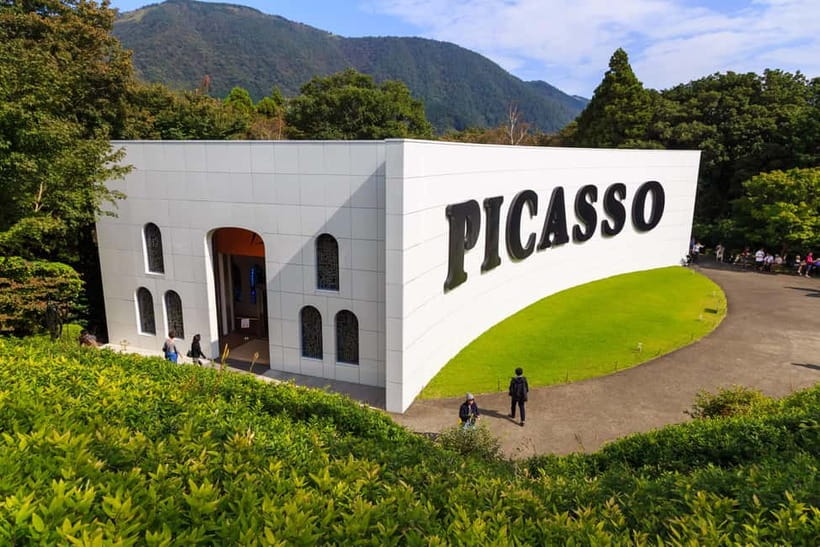
What I like about this stop is that it’s not just one museum room. It’s a sculpture garden experience with open-air installations and landscaped grounds. The art also gives you multiple entry points: you’ll see works by major artists such as Henry Moore and Joan Miró, plus a dedicated Picasso gallery.
This is also a good pacing reset. The museum’s format makes it easier to slow down. If you’re someone who likes to wander for 30 minutes without worrying you’re falling behind, this stop fits. If you’re the opposite—very schedule-driven—you’ll still get plenty because the museum is designed for self-paced viewing inside a structured route.
One small consideration: because it’s outdoors, weather matters. If it’s raining, bring protection (even a light umbrella) and expect slick paths. Comfortable shoes are not optional here.
Owakudani’s volcanic steam: real geology, real smells
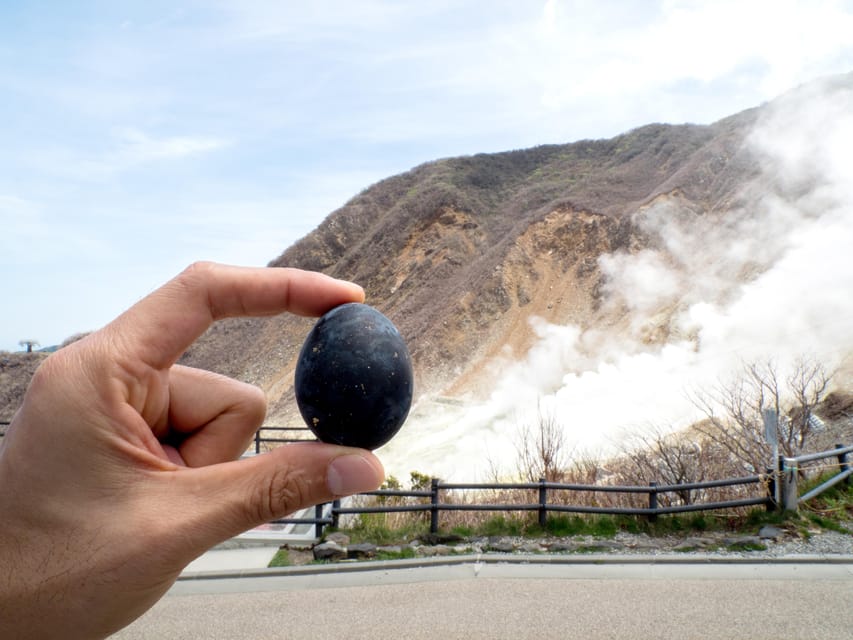
Owakudani is the part of the day that feels most alive. You’re in an active volcanic valley where steam vents and sulfurous conditions shape the whole atmosphere. It’s dramatic in a way that can’t be faked.
Here’s what makes Owakudani worth prioritizing: it’s not just a viewpoint. It’s a place where you’re close to the effects of volcanic activity. That proximity changes how the whole Hakone story makes sense. The lake and the shrine feel calm afterward, but you now understand the “engine” behind the region’s geothermal character.
Expect sensory cues, too. The sulfur vibe is part of it, and the air can feel heavier than the rest of Hakone. If you’re sensitive to smells, you’ll still manage—just know you’re walking into the main event.
Timing can help. Your guide may rearrange the day to put you in better positions for views or lower crowds, especially when weather looks likely to affect what you can see. If you’re hoping for Mount Fuji views, this is exactly the type of stop where the day’s order can matter.
Hakone Shrine at Lake Ashi: the torii gate postcard you can walk to
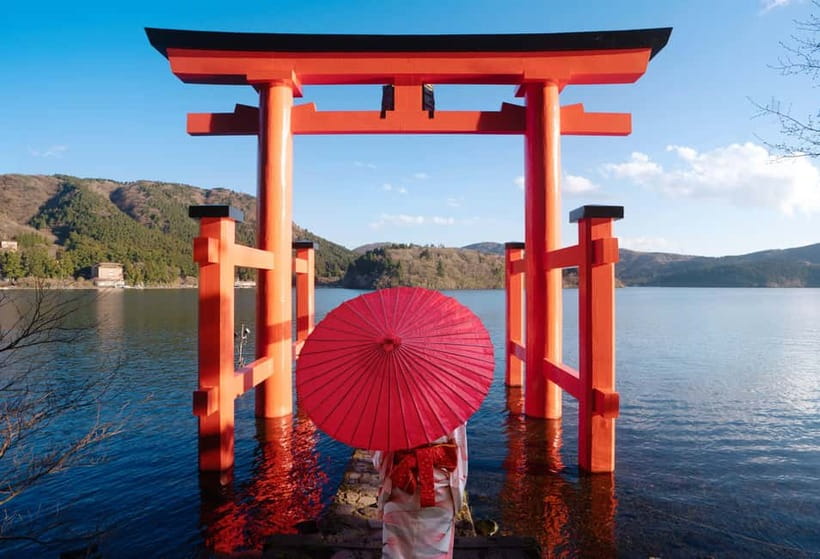
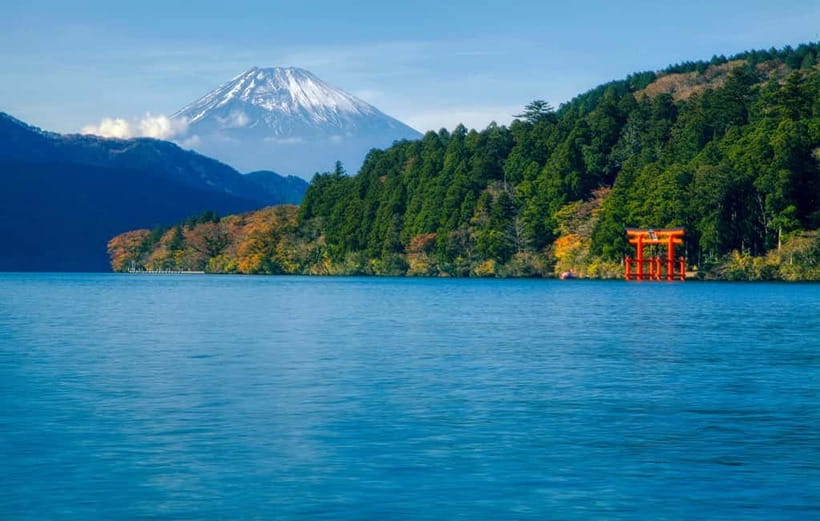
After the volcanic energy, Hakone Shrine by Lake Ashi feels like a breather. This is where you get the iconic scene: the shrine’s torii gate standing in the water at Lake Ashi. Even if you’ve seen it online, it hits differently when you’re standing near it.
I like this part of the tour because it’s not only photogenic. The setting creates breathing room—lush forests framing the lake, with mountains in the background when the weather cooperates. It’s the kind of place where your brain stops racing and you start looking around properly.
There’s also a practical detail you might not expect until someone points it out: mineral water. One guide (Icchi) gave an idea that can be useful—bringing a bottle and filling it with mineral water at the shrine. It’s a small memory you can take home as a tangible, not just a photo.
If Mount Fuji is on your wish list, plan for flexibility. Guides have adjusted routes so you might catch the best chances for views. But clouds happen, and sometimes you’ll leave without the Fuji you hoped for. When that happens, the shrine and lake are still worth it on their own.
Ropeway and Pirate Ship: optional tickets that can change your view
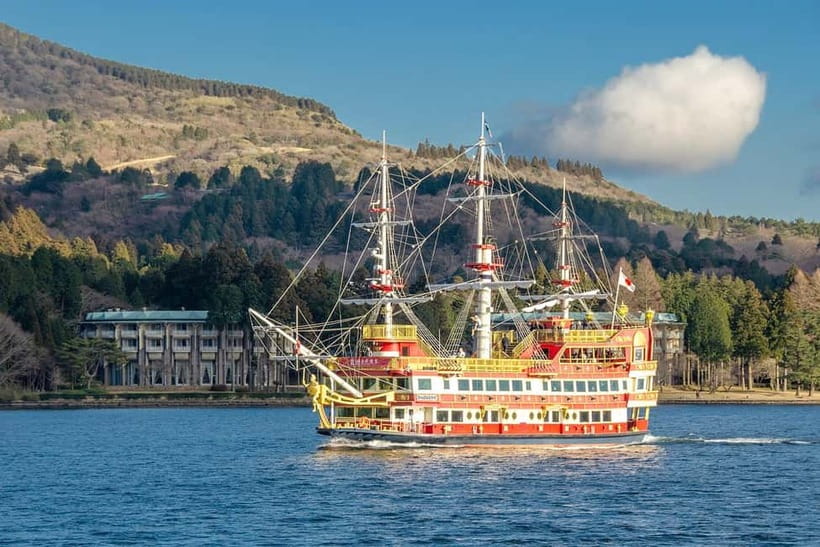
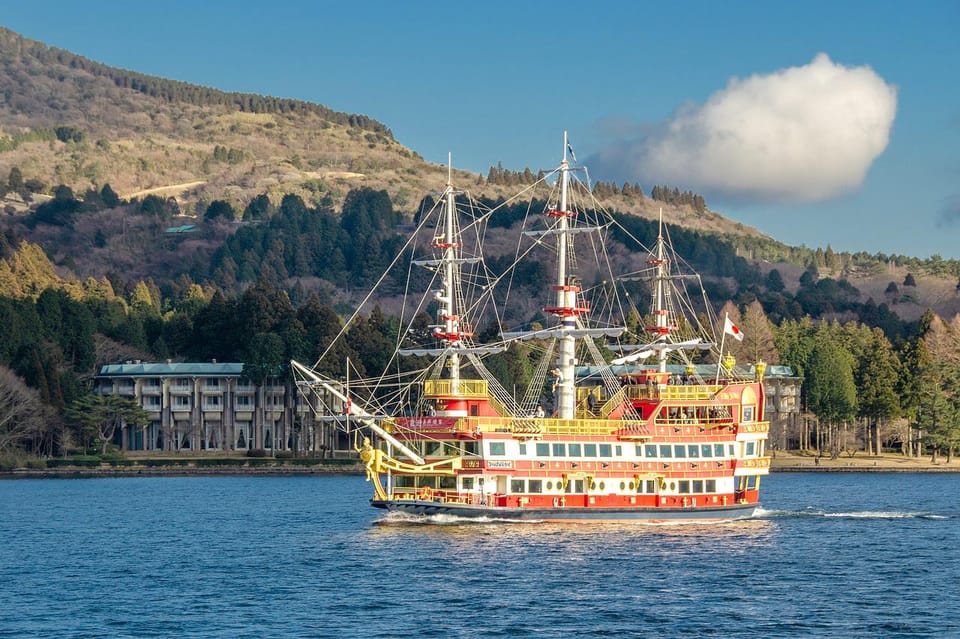
This tour may offer add-ons like the Hakone Ropeway and the Pirate Ship across Lake Ashi, depending on weather and local conditions. They’re not included in the base price, but the guide can help you join if conditions allow.
Why they’re worth considering: both add time in ways that can improve your perspective.
- The Pirate Ship gives you a more relaxed way to cross the lake and can set up viewpoints that feel more panoramic.
- The Ropeway can help you experience Hakone’s elevation changes when visibility is decent.
Weather is the deciding factor. If it’s clear, these can feel like the best “bang for effort.” If it’s not, you might skip them rather than waste energy. The key is that your guide can assist with the decision on the ground.
In one case, the day was adjusted so the group went to Hakone Shrine and Lake Ashi first, took the Pirate Ship across, then headed to Owakudani afterward. That order made sense for the day’s conditions and helped everyone keep the flow.






Tour logistics in plain terms: how the guide keeps your day together
A day tour from Tokyo sounds simple until you’re watching traffic and weather roll in. What you want is a guide who treats logistics as part of the experience, not an afterthought.
I’ve seen this work in real time through examples of guides who:
- kept the day on track with smooth timing,
- handled heavy rain while still getting everyone to the right places,
- and rearranged the itinerary to avoid the worst crowd bottlenecks.
That adaptability is especially useful because the itinerary order isn’t fixed. In peak season, it may reverse. With bad weather, it may shift again. And there’s always the 10-hour vehicle limit, so your guide isn’t going to drag the day into a time crunch.
Group size can also affect your day. In one highlighted case, the group was relatively small—six people—which can make the day feel more personal. Even if your group ends up larger, you’ll still benefit from having transportation and an English/Korean-speaking guide handling the “how do we get there” part.
Also, if you’re traveling with a stroller, tell the operator in advance. The tour notes that you should inform them if you will bring one, which is a good sign that they plan rather than improvise at the last second.
Cost and value: is $79 worth it?
At $79 per person, this tour can be a strong value if you compare it to paying for transportation, admission, and guide help separately. Here’s what you’re getting included:
- transportation,
- an English and Korean-speaking guide,
- admission tickets.
Meals are not included, and that’s normal for day tours. But it’s important because it changes how you manage your spending and energy. If you don’t want to buy food at inflated prices or search around in limited time, bring snacks or a light lunch. One guide even suggested practical habits like taking a bottle for mineral water, which hints that small planning choices can add up.
Optional costs (like Ropeway and Pirate Ship tickets) are extra on-site. Think of them as the margin you can control: add them when visibility and weather are good, skip them when it’s not.
And the best value angle is time. Hakone is easier when someone else manages the routing. Instead of you piecing together transit and walking segments, you spend the day at the places that matter.
Who this day trip suits best
This tour fits best if you want:
- a tight day plan without train logistics,
- a mix of art, nature, and culture rather than just one theme,
- and a guide who adjusts when conditions change.
It’s also ideal for people staying in Tokyo who don’t want to commit to an overnight trip. The day works as a “reset day” when you want variety fast.
Who might skip it? If you need lots of unstructured time or you hate any possibility of a schedule shift, a guided day tour might stress you. Weather and traffic drive the reality here. You’ll still get a great day, but the order can change.
Infants are free of charge, with no seat available. If you’re traveling with very young kids, bring what you need and plan for comfort with stroller policies mentioned in the tour notes.
Quick tips to make the day easier
- Wear comfortable shoes. You’ll walk outdoors at multiple stops.
- Bring snacks or a light lunch since meals aren’t included.
- Consider a bottle for mineral water at the shrine—one guide shared this tip.
- Pack for weather. Outdoor museums and volcanic areas don’t pause for forecasts.
- If you’re hoping for Mount Fuji views, stay flexible. Guides may alter the order to improve chances.
- If you plan to add Ropeway or Pirate Ship, know they’re optional and depend on local conditions.
Should you book this Hakone day trip from Tokyo?
Yes, if you want a well-paced Hakone highlight day that combines Open-Air Museum art, Owakudani volcanic drama, and the calm of Lake Ashi and Hakone Shrine. The included transportation and guide help are a big part of the value, and the guide-led flexibility is the difference between a good day and a frustrating one.
I’d especially recommend it if you’re traveling with limited time in Tokyo. This tour gives you multiple “wow” moments without making you coordinate the whole route yourself.
If you can only do one day and you want it to feel like more than a day trip, this is a solid choice.
FAQ
What is included in the ticket price?
Transportation, an English and Korean-speaking guide, and admission tickets are included. Meals are not included.
Are meals provided on the tour?
No. The tour recommends bringing snacks or a light lunch so you can enjoy the attractions or eat during the bus ride.
Is the Hakone Ropeway included?
No. The Ropeway ticket is optional and purchased on-site, depending on weather and local conditions.
Is the Pirate Ship included?
No. The Pirate Ship ticket is optional and purchased on-site, depending on weather and local conditions. Your guide can assist if you want to join.
What languages will the guide speak?
The guide speaks English and Korean.
Where does the tour start and end?
The start meeting point may vary depending on the option booked, and the tour ends back at the meeting point.
What should I bring?
Comfortable shoes are recommended. It’s also smart to bring snacks or a light lunch, and you may want a bottle for mineral water at the shrine.
Can I bring a stroller?
Yes, but you should inform the operator in advance if you will bring a baby stroller.
What about infants—do they need a ticket?
Infants are free of charge, and there is no seat available.
Does the itinerary ever change?
Yes. The itinerary is subject to traffic and weather conditions. In peak season, stop order may be reversed, and the guide may adjust the route based on real-time conditions, including the 10-hour vehicle limit.
How flexible is booking and cancellation?
You can reserve and pay later (keep plans flexible). Cancellation is allowed up to 24 hours in advance for a full refund.
You Might Also Enjoy
 Tokyo:Samurai sword and archery class from a samurai descendant
 Mochi Matcha Gluten Free Japanese Sweets Class near Shibuya area
 Experience all of Japanese culture and Japanese food experience classes “origami, udon, Japanese food, green tea, calligraphy” in 4 hours