REVIEW · TOKYO
Tokyo Sumo Culture Tour with Chanko-Nabe Lunch in Ryogoku
Book on Viator →Operated by Arumachi · Bookable on Viator
Sumo town has a smell and a rhythm. This Ryogoku walk is a practical way to learn how the sport really fits into Japanese life, with chanko-nabe lunch as a satisfying payoff and small group size that keeps the guide’s stories coming in clearly. The main catch is timing: you’re not guaranteed to see live training or matches, and on some days indoor spots can be closed.
What I like most is how the route is built for people who feel lost in Tokyo. You get a guide to connect each place to the bigger sumo story, and you’re not just standing around the big arena from far away. The other win is the food: chanko-nabe isn’t an afterthought; it’s part of the culture and the wrestlers’ routine, and you get it as part of the tour.
One consideration before you book: the tour is designed around viewpoints and short visits. Even when you stop at real stables, you may mostly see the outside, and you should treat it as a culture walk rather than a ringside seat.
In This Review
- Key things to know before you go
- Ryogoku’s sumo streets: why this walk works
- Price and value: where your $131.12 goes
- The guides: real voices behind the stories
- Stop-by-stop breakdown in Ryogoku
- Stop 1: Hakkaku-beya sumo stable (outside view)
- Stop 2: Nominosukune Shrine and the 1500-year origin story
- Stop 3: Ryogoku Kokugikan from the outside
- Stop 4: Ryogoku Edo Noren and the sumo ring vibe
- Stop 5: Ekoin Temple and Edo-era tournament context
- Stop 6: Kasuganobeya stable and wrestler-size bicycles
- Stop 7: Tomoegata Chanko and the chanko-nabe lunch
- Timing reality: what you’ll see during busy sumo seasons
- Who this tour is best for
- Practical tips that make it smoother
- Should you book? My honest take
- FAQ
- Is chanko-nabe lunch included?
- Does the tour include hotel pickup or drop-off?
- Will I see actual sumo practice or matches?
- How long is the tour?
- What is the group size?
- Is alcohol included?
Key things to know before you go
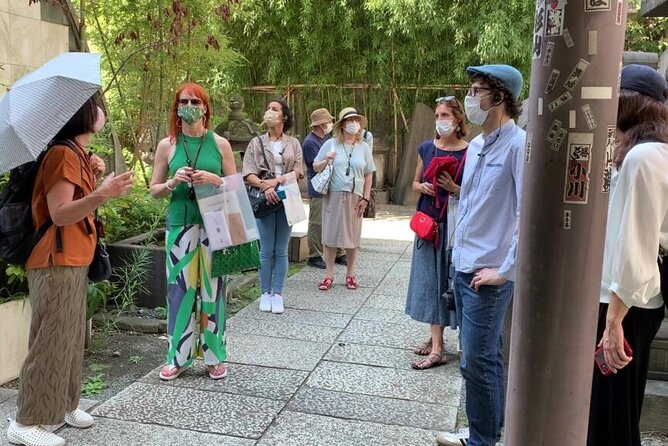
- Max 8 travelers makes it easier to ask questions and keep the pace friendly
- Ryogoku focus means you’re seeing the working side of sumo town, not scattered landmarks
- Every stop is short (often 15–30 minutes), so you’ll cover a lot without feeling trapped
- Chanko-nabe lunch is included and it’s served as a centerpiece meal tied to wrestler life
- No practice or match viewing is included, so set expectations for what you’ll and won’t see
- Some days can be tighter if a training-area or indoor stop is closed
Ryogoku’s sumo streets: why this walk works
Ryogoku is the part of Tokyo that feels like it was built for sumo. You’re not dealing with a long list of random sights; you’re moving through a neighborhood that has stables, shrines, temples, and the big arena nearby. The tour starts in a very practical place: Ryogoku Station (meeting at 1-chōme), so you can get there by public transit without drama.
The structure matters. This is a 3 hours 30 minutes guided route with a small group, and it’s designed so you don’t have to do research while you’re in Japan. Instead of you piecing together what each location means, the guide ties the stops together in a way that makes the sport feel understandable.
It also helps that many stops have free admission. That doesn’t mean it’s cheap feeling. It means your money goes to the guide time, the routing, and the included meal, not entry fees.
You can also read our reviews of more tours and experiences in Tokyo
Price and value: where your $131.12 goes
At $131.12 per person for about 3.5 hours, the value comes from a few specific things:
First, you’re paying for a guided, curated route through a focused district. That sounds basic, but it saves real time and confusion in Tokyo, especially in a neighborhood like Ryogoku where the meaning of places isn’t always obvious from the sidewalk.
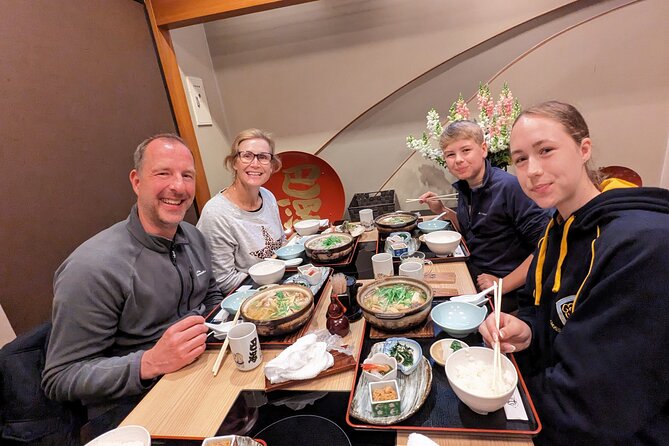
Second, lunch is included. The tour ends at Tomoegata Chanko, and you get chanko-nabe there. That’s not the same as a generic “food stop.” Chanko-nabe is presented as the nutrient hot-pot dish connected to sumo wrestlers building weight and muscle, so you get a cultural meal, not just something filling.
Third, the group cap of eight changes the experience. Smaller groups tend to move faster only when you want them to. Here, it usually means fewer people blocking questions and a guide who can adjust the pace when something grabs your attention.
The only place you should be cautious is expectations. You’re not buying access to practice sessions or a match. This is more about context, landmarks, and the story behind them.
The guides: real voices behind the stories
The tour has the kind of guide experience that shows up in how smoothly the walking route flows and how clearly the culture comes across. In past departures, names like Taka, Jeff, and Aki-san have been leading the group, and the pattern is consistent: the explanations connect the places you see with the traditions you’re learning.
You’ll also feel it in the stop format. Many stops are quick, but they’re not random. The guide uses that short window to point out what you’d miss if you were sightseeing alone, like why a shrine matters to the sport’s origin story or why certain Edo-era tournament sites show up in sumo’s modern identity.
If you like tours where the guide is part teacher, part local storyteller, this one tends to fit.
Stop-by-stop breakdown in Ryogoku
Stop 1: Hakkaku-beya sumo stable (outside view)
You begin with Hakkaku-beya Sumo Stable. The visit here is described as a short drop-in with a focus on seeing the stable from outside where wrestlers live and train.
This is a classic setup for sumo tours: you’re respecting the reality that stables are working places. So instead of expecting a full behind-the-scenes training room, you get a quick orientation to the stable world and a chance to connect it to what you’ll learn later.
Even at just 15 minutes, it gives you the feeling of being in a real sumo environment, not only a museum-themed day.





Stop 2: Nominosukune Shrine and the 1500-year origin story
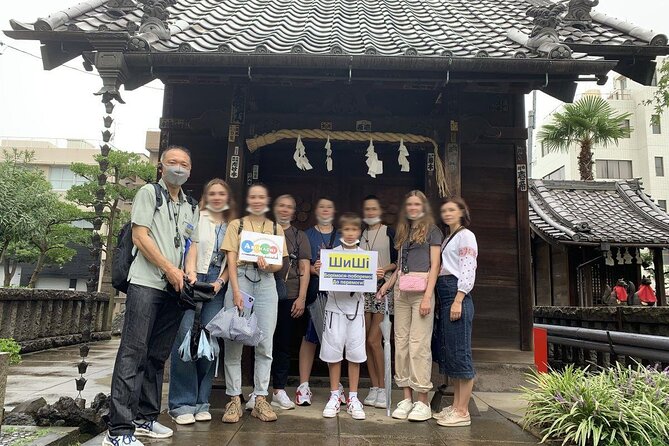
Next is Nominosukune Shrine, dedicated to the founder of sumo. This stop is heavier on meaning and symbolism. The guide explains that sumo was instigated about 1500 years ago, and that the sport’s rules were refined into the form people recognize today.
This is one of the reasons the tour works even if you’re not a sumo rules expert. You get the origin story early, so later stops feel connected instead of like separate sightseeing photos.
It’s also a good pacing stop: 30 minutes gives enough time to absorb what the guide is explaining without rushing you onward too fast.
Stop 3: Ryogoku Kokugikan from the outside
Then you’ll be near Ryogoku Kokugikan, the sumo arena where Grand sumo tournaments are held three times a year. Here, you view the arena from outside, with the guide sharing stories about the building and the culture tied to it.
From a practical standpoint, this stop is a great “anchor.” After the shrine and origin details, you get a sense of where modern sumo happens. You see the scale and importance of the arena even if you’re not entering for a session.
If your goal is ringside viewing, keep your expectations aligned: this tour is not an actual match ticket plan. It’s a landmark-and-story day.
Stop 4: Ryogoku Edo Noren and the sumo ring vibe
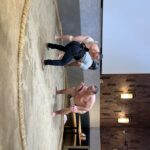
At Ryogoku Edo Noren, you shift into a more visual, old-Tokyo feel. The tour describes the atmosphere of old Edo and includes seeing a full-scale sumo ring.
This is one of the stops that tends to break up the more historical sites with something you can actually look at and picture. It’s a strong segment for first-timers because it helps you imagine how the sport looked and felt before it became the modern arena spectacle.
Stop 5: Ekoin Temple and Edo-era tournament context
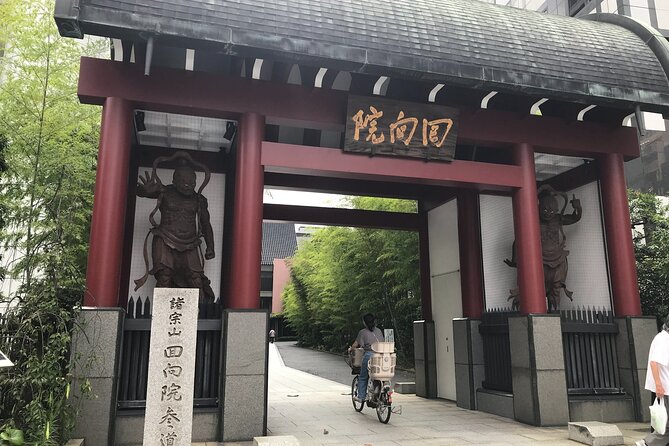
Next comes Ekoin Temple, described as a venue connected to tournaments held during the Edo period.
This stop focuses on social status and the tournament setting in pre-modern times. You’re not just learning “what” happened. You’re learning the why: how tournaments functioned socially and how sumo wrestlers fit into the world around them.
It’s also a good reminder that sumo has always been more than athletic competition. It carried social meaning in different eras.
Stop 6: Kasuganobeya stable and wrestler-size bicycles
After that, you visit Kasuganobeya, where the tour points out that a Bulgarian-born wrestler belongs to the stable.
Then you see one of those small but memorable details: the wrestler-size bicycles they use in daily life. That detail does a lot of work. It makes the stables feel human-scale even though the wrestlers are known for size and power.
This stop is short (about 15 minutes), so listen closely. The details are the point.
Stop 7: Tomoegata Chanko and the chanko-nabe lunch
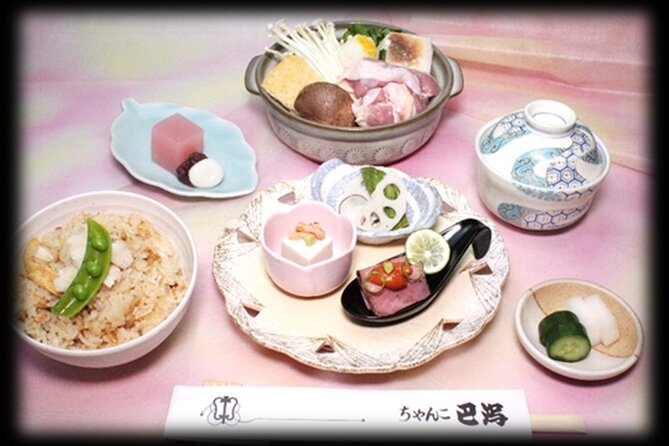
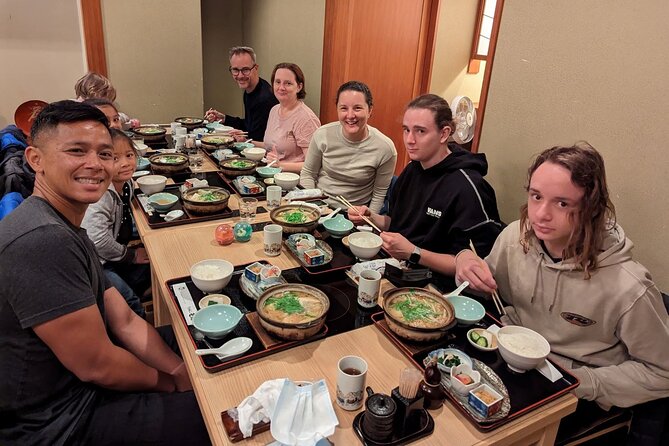
Finally, the tour ends at Tomoegata Chanko for chanko-nabe, with lunch set at about one hour.
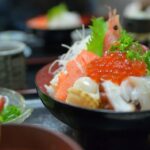
Chanko-nabe is described as a nutrient hot-pot dish at the centerpiece of a sumo wrestler’s diet to help build weight and muscle. Even if you don’t know anything about the sport, the meal connects you back to what you’ve been hearing all morning about training, routines, and discipline.
One practical advantage: the tour concludes at the restaurant, so you don’t have to figure out your own final transit plan if you’re tired. Just eat, then walk out into Ryogoku again.
Timing reality: what you’ll see during busy sumo seasons
This is where I’d urge you to be clear-eyed. The tour is designed around landmarks and culture stops, not guaranteed access to practice or match viewing. The itinerary also includes visits that can be influenced by opening schedules.
In particular, there’s a common situation when tournaments are near: not all stable-related areas or training facility tours run every day. One guide-led experience noted that on Sundays, training facility tours were not open. Another mention said an indoor museum stop was closed.
So if you’re planning around a specific date and your heart is set on seeing active training sessions, plan for the possibility that you’ll mostly get the outside views plus the guided context. This won’t make the tour bad, but it will change the kind of photos you can expect.
Who this tour is best for
This tour is a smart fit if you want:
- a structured introduction to sumo culture without doing homework first
- an intimate group experience with time for questions
- a day that mixes shrines, temples, and stable culture with a real meal payoff
It’s especially good for first-timers who know sumo as a sport but want to understand the traditions, rituals, and neighborhood layout that make it feel like a living system.
If your priority is actual match attendance or observing training in action, you’ll want another type of ticket or add-on. This one is for the story and the place.
Practical tips that make it smoother
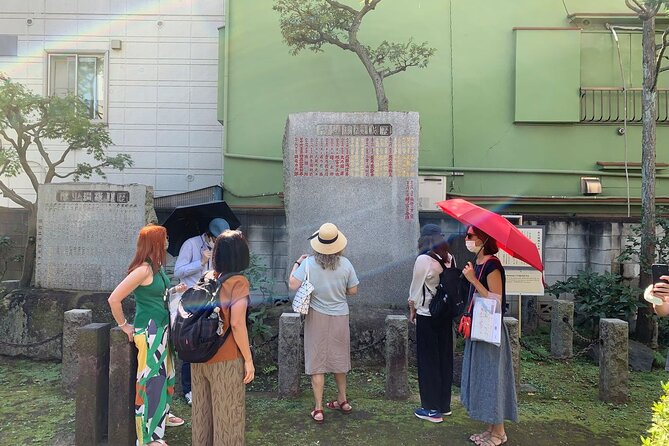
- Arrive at Ryogoku Station a bit early. The day runs on short windows at each stop.
- Bring your curiosity, not just your camera. Many stops are short but concept-heavy, like the shrine origin story and Edo-era context.
- Know what’s not included: alcoholic beverages aren’t included, and you’re not getting actual practice or match viewing.
Should you book? My honest take
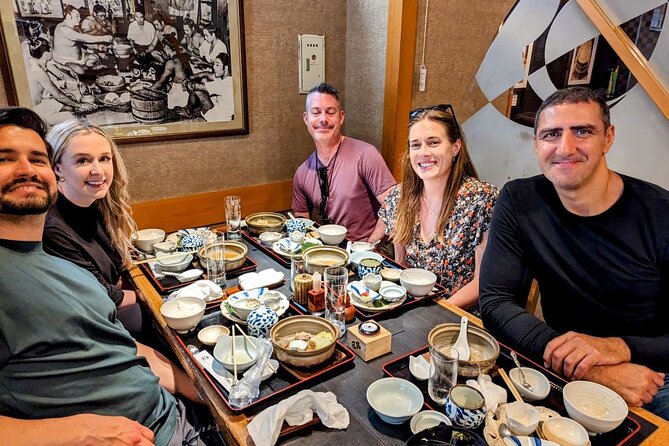
Book it if you want a high-signal sumo day in Ryogoku that explains what you’re seeing and finishes with a culturally meaningful lunch. The max eight group size and the guide-led pacing are the difference between a confusing neighborhood walk and a coherent story of sumo as a tradition.
Skip or adjust expectations if you’re paying primarily to see wrestling practice or matches. This tour is built for context and landmarks, and on some days certain indoor or training-related access may be limited.
If you’re the type who enjoys understanding how a place works, not only photographing it, this Ryogoku sumo culture tour is a strong buy.
FAQ
Is chanko-nabe lunch included?
Yes. The tour includes a chanko-nabe lunch at Tomoegata Chanko.
Does the tour include hotel pickup or drop-off?
No. Hotel pickup and drop-off are not included.
Will I see actual sumo practice or matches?
No. Actual sumo viewing like practice or matches is not included.
How long is the tour?
The tour is about 3 hours 30 minutes.
What is the group size?
The tour has a maximum of 8 travelers, keeping it intimate.
Is alcohol included?
No. Alcoholic beverages are not included.