REVIEW · TOKYO
Tokyo: Locals´ Secret Food Tour // Eat like a Japanese
Book on GetYourGuide →Operated by Sunrise Adventure · Bookable on GetYourGuide
Ueno is where Tokyo eats like a local. This tour moves through Ueno Station sushi, then gyoza, yakitori, and chicken soba ramen in a way that feels natural, not showy. I especially love the dinner-with-a-friend pace and the chance to learn from guides like Kana and Nobu, who actually talk you through what’s in front of you.
One thing to consider first: there are dietary limits. The tour can’t accommodate vegetarian, vegan, or gluten-free diets, and you may face lines at popular spots (very normal in Japan, but still worth planning around).
In This Review
- Key Things I’d Tell a Friend
- Why Ueno Feels Like the Real Tokyo Food Scene
- Meeting at JR Ueno Station and Keeping It Simple
- Stop 1: Sushi at Ueno Station (Fresh Fish and Zero Guesswork)
- What to watch for
- Stop 2: Gyoza With Flavor Choices (The Everyday Dish Done Right)
- Why this stop is valuable
- Stop 3: Izakaya + Yakitori (Order Like You Belong)
- A small practical note
- Stop 4: Chicken Soba Ramen (Smooth Broth, Specific Ingredients)
- The ramen finish is more than food
- Price and Value: Is $91 Worth It?
- How the Tour Stays Relaxed (And Why That’s a Big Deal)
- Cultural Notes You’ll Pick Up Along the Way
- Who Should Book This Ueno Food Night
- Should You Book This Tour in Ueno?
- FAQ
- Where do you meet for the tour?
- What’s included in the food and drink?
- Is transportation included in the price?
- Is alcohol included?
- Can vegetarians, vegans, or gluten-free diners join?
- Is this tour good for solo travelers?
- What languages are the guides?
- Is the tour suitable for children, wheelchair users, or pregnant women?
Key Things I’d Tell a Friend
- Ueno Station sushi to start: You begin right inside JR Ueno Station, so you’re eating before the night even starts.
- Fresh fish timing matters: The sushi shop is known for sourcing fish every morning from the market.
- Gyoza with real flavor variety: You get to choose among multiple gyoza flavors, not just one safe option.
- Izakaya energy with drink choices: Over 50 drink options are offered, including a recommended yuzu sour.
- Chicken soba ramen built from specific ingredients: Oyama chicken, Hidaka kelp, slow-cooked broth, then double-strained for smoothness.
- Guides make it personal: Names like Kana, Nobu, Suzu, Mari, and Tatsuya show up in the strongest praise for friendliness and helpful answers.
Why Ueno Feels Like the Real Tokyo Food Scene
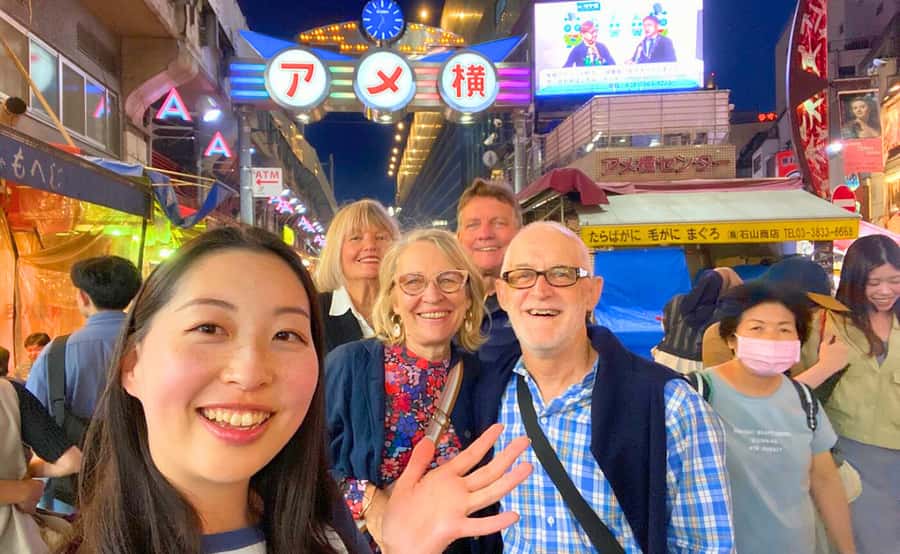
Ueno is a smart choice for a food tour because it’s busy, practical, and full of everyday habits. You’re not just hunting famous dishes in a tourist bubble. You’re eating where people go on a normal evening.
This is the kind of tour where the food order tells a story. Sushi leads to gyoza. Gyoza leads to an izakaya moment with yakitori. Then ramen closes it out in a way that feels like a Tokyo night rhythm.
I also like that the vibe is described as relaxed. That matters because Tokyo food can be intense if you’re trying to self-guide every decision. Here, you’re handed a plan and a guide who can help you order and understand what you’re eating.
You can also read our reviews of more food & drink experiences in Tokyo


Meeting at JR Ueno Station and Keeping It Simple
You meet inside JR Ueno Station, near the Hard Rock Cafe entrance area, close to a large station map. You’re also told to look across from the bakery Andersen (Andersen is your landmark). If you get stuck, you can point to the Japanese help text:
JR上野駅 構内、ハードロックカフェ入口付近。パン屋 ANDERSEN の向かい
The tour ends back at the meeting point. That’s useful when you’re tired or when you want an easy reset before heading to your next stop in Tokyo.
Also note: transportation isn’t included. So yes, you’ll likely be using your own transit ticket to reach Ueno Station. In return, you’re spending your money on multiple plated meals and drinks rather than on getting bused around.
Stop 1: Sushi at Ueno Station (Fresh Fish and Zero Guesswork)
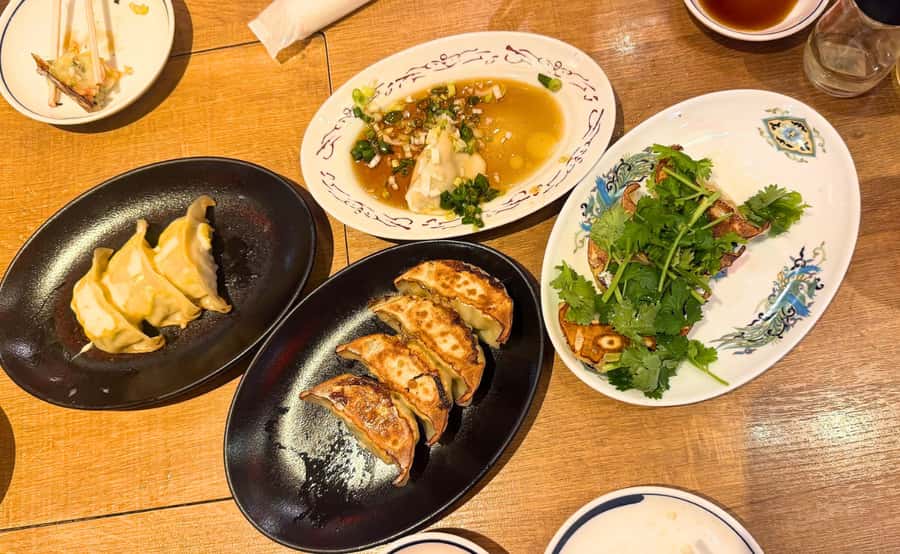
You’ll start with sushi at a local shop inside Ueno Station. The big selling point is freshness: the fish is sourced every morning from the market. That timing is not marketing fluff. In Japan, it’s the difference between sushi that tastes like a meal and sushi that tastes like an event.
This is also a place that can have a line. The fact that it’s inside the station matters because it feels doable even on a tight schedule. You’re not spending half your night traveling between far-flung areas. You’re eating early, then building momentum.
You’ll also get green tea with the sushi. That’s a small detail, but it helps you pace the meal. You won’t just be “stuffed with rice” by the time you reach the next stop.
What to watch for
If you’re not used to lining up for popular food spots, it helps to assume there will be a wait. That’s normal here, and it’s part of why the food is worth the trip.
Stop 2: Gyoza With Flavor Choices (The Everyday Dish Done Right)
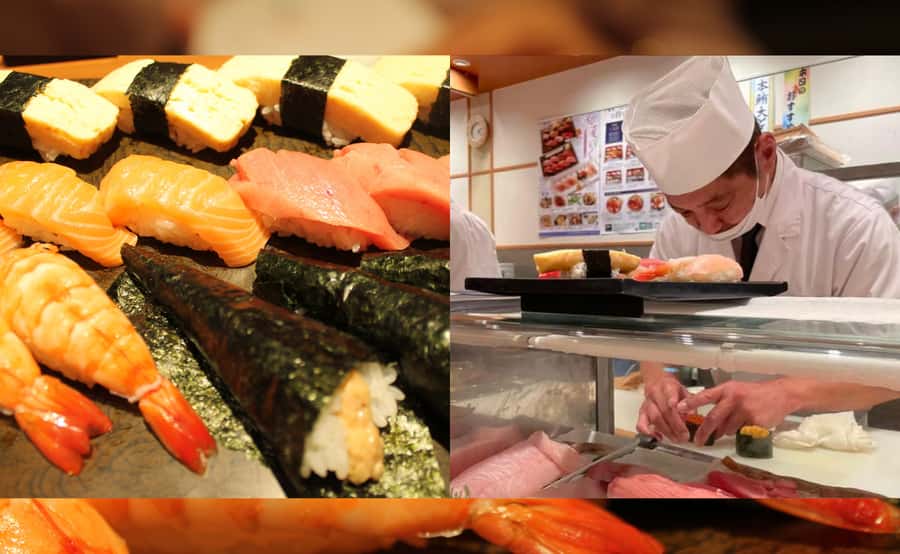
Next up is gyoza, Japanese dumplings. This stop is positioned as a best-of type of gyoza spot, and the format is practical: you can choose among several flavors. That makes it more interesting than a one-flavor “tour sampler” where you’re mostly hoping you like everything.
Gyoza is one of those foods that’s deceptively simple. A good version isn’t just about “tastes good.” It’s about texture: crisp bottoms, tender insides, and a sauce balance that doesn’t overpower. Having multiple flavor options helps you catch the differences instead of treating it like one dish.
You’ll also get water with this stop. That keeps the evening comfortable, especially after you’ve already eaten sushi.
You can also read our reviews of more tours and experiences in Tokyo


Why this stop is valuable
Gyoza is everyday Tokyo food. When you learn how it’s made and how people order it in a casual setting, you can recreate the experience later on your own—without guessing menus like a detective.
Stop 3: Izakaya + Yakitori (Order Like You Belong)
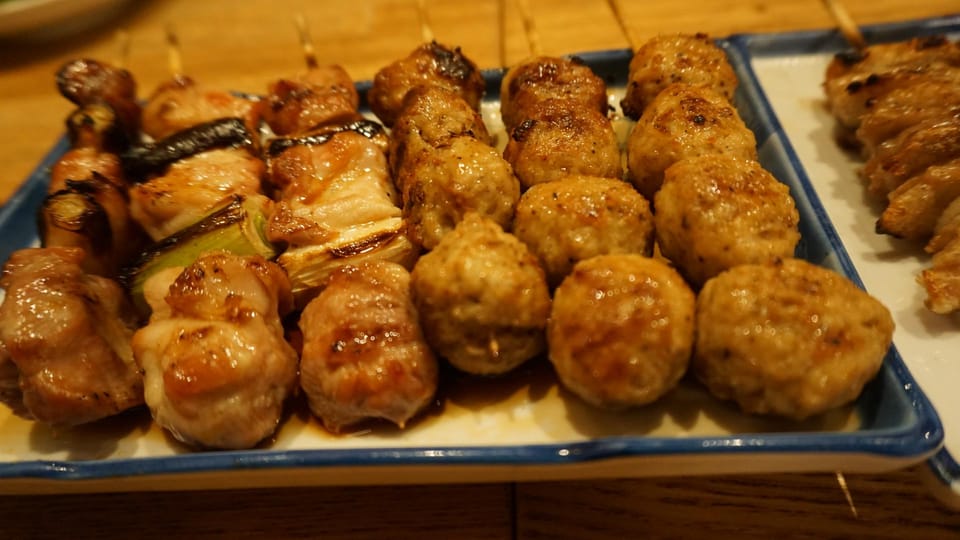
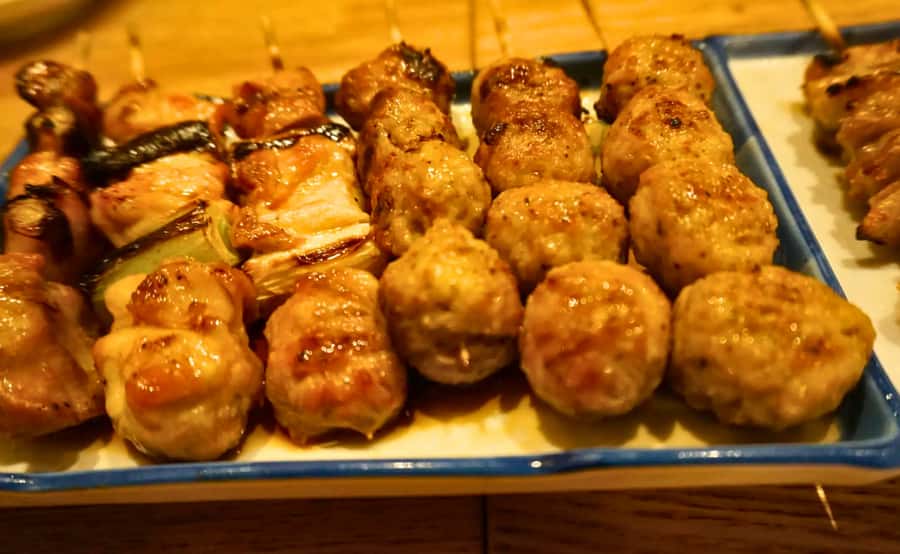
After gyoza, the tour shifts into izakaya mode. This is where the night becomes social. You’ll try yakitori, chicken skewers, and you’ll get options for a drink.
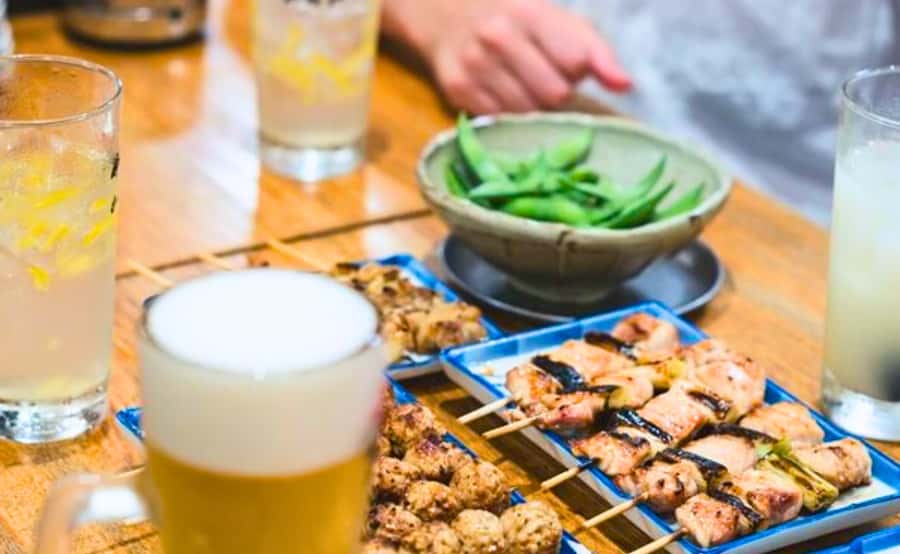
You’re offered 3 different yakitori types, plus you can choose an alcohol or soft drink. One highlighted option is the yuzu sour, made with yuzu liqueur and sparkling water. It’s bright and refreshing, which helps when you’re eating salty grilled chicken.
The menu is large—over 50 drink options are offered—so you’re not locked into just one choice. Even if you don’t drink alcohol, the soft drink options keep the experience feeling complete.
This is also where you’ll feel the “locals only” goal most clearly. Izakaya culture is about conversation and shared plates, not formality. The tour is designed to feel like you’re being shown places by someone who lives here, not escorted through a checklist.
A small practical note
Yakitori is best when you’re ready to eat at a steady rhythm. If you’re easily overwhelmed by multiple meals, pace yourself with water and let the guide help with ordering.
Stop 4: Chicken Soba Ramen (Smooth Broth, Specific Ingredients)
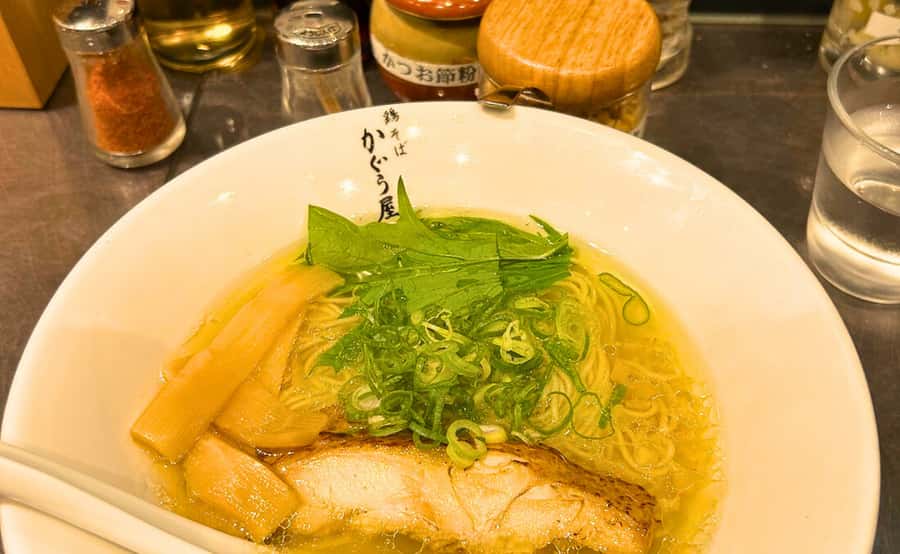
The final stop is ramen, specifically chicken soba with Oyama chicken. This isn’t described as generic “good ramen.” It’s built from a specific broth process: the broth is slow-cooked and double-strained for a smooth, rich result. You’ll also find Hidaka kelp in the flavor foundation.
That matters because broth texture is what makes ramen memorable. Double-straining tends to remove impurities that can make soup feel cloudy or heavy. If you’re the type who notices mouthfeel, you’ll likely enjoy this more than a basic bowl.
You’ll be served ramen with water. That keeps the finish comfortable rather than syrupy, especially if you had drinks at the izakaya stop.
The ramen finish is more than food
Ending with ramen works because it’s a Tokyo habit. People grab a bowl late, even after other meals. So you’re tasting a dish, but you’re also learning the order of operations that locals follow when they’re out for the night.
Price and Value: Is $91 Worth It?
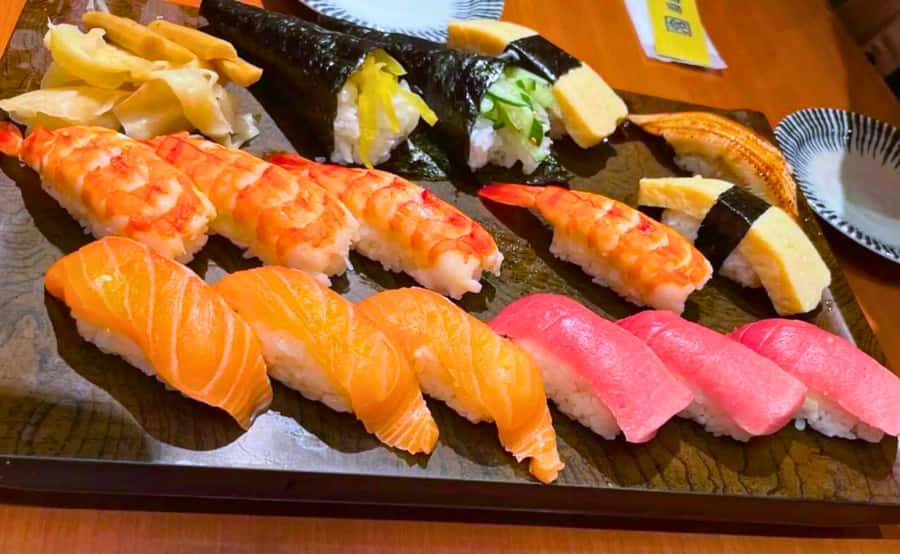
At $91 per person, you’re paying for a pack of meals plus guidance. The included items add up: 3 types of sushi with green tea, gyoza (with a choice of 1 to 4 flavors), 3 yakitori types with an alcohol or soft drink, and chicken soba ramen with water. If you choose the extra alcohol package, sake and plum wine are added.
A tour like this is usually worth it when (1) you’re getting multiple paid tastings and (2) someone is doing the hard work of guiding you to places where ordering and language would slow you down. Here, that’s exactly the point: you get local spots and a guide who helps you enjoy the meal without stopping to translate menus every time.
The only “catch” cost-wise is transportation. Since that isn’t included, your true total depends on how you’re getting to Ueno Station. Still, compared to paying for each meal separately plus dealing with lines and ordering stress, this price can feel like good structure.
How the Tour Stays Relaxed (And Why That’s a Big Deal)
The best praise in the feedback is about the guides. People mention the guides being friendly, authentic, and professional, and they’re praised for answering questions. You’ll see guide names like Kana, Nobu, Suzu, Mari, and Tatsuya tied to that experience.
That sounds like “nice guide” fluff until you think about what food tours actually require. In Tokyo, you often need help with what to order, how to order, and what to expect from Japanese basics like gyoza sauces or yakitori pairings. A calm, talkative guide keeps you from feeling lost.
The tour is also described as not rushed. That’s important if you like to savor. It also helps if you’re ordering alcohol or doing multiple stops, since you’re not trapped in an aggressive schedule that turns dining into sprinting.
Cultural Notes You’ll Pick Up Along the Way
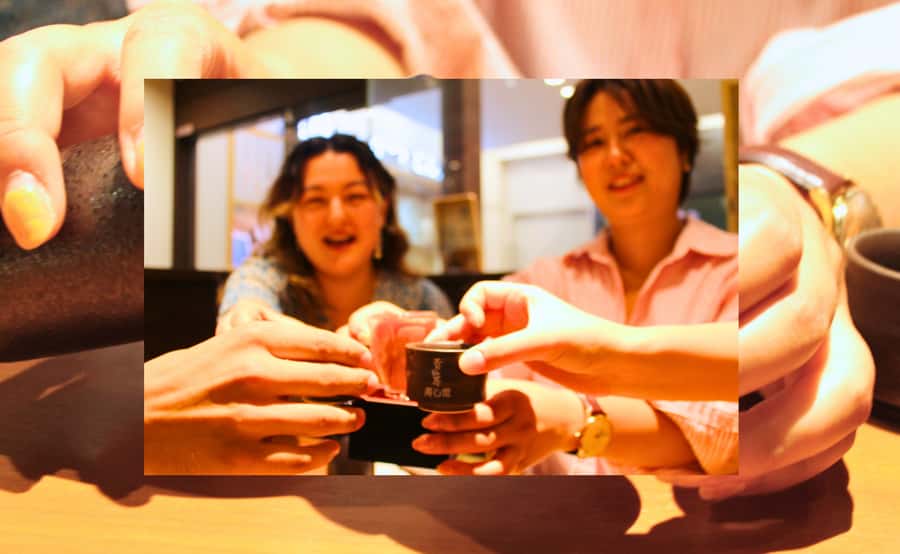
You’re not only eating. You’re learning how the city organizes food nights.
The tour includes insights about Ueno’s role in Tokyo’s food and drinking scene. Along the route, you’ll connect traditions (sushi, ramen) with modern everyday choices (izakaya drinks and yakitori variety). That mix is useful because it helps you interpret what you’re seeing outside the tour too.
And yes, part of the cultural lesson is simply how Japanese dining works: lines at popular places, eating in smaller neighborhood spots, and letting the food lead the pace. When you know that going in, you relax, and the whole night becomes easier.
Who Should Book This Ueno Food Night
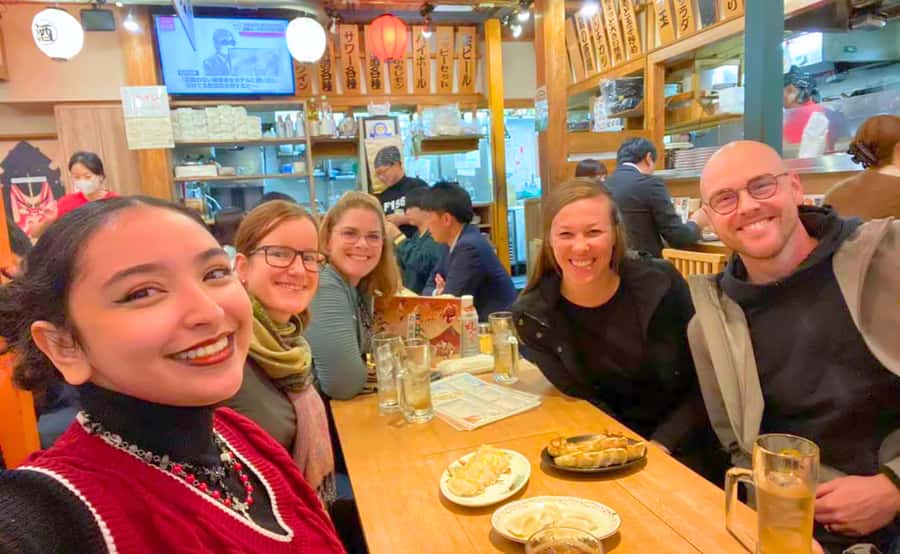
This tour is a great fit if you:
- Want to eat multiple iconic Tokyo foods without doing menu research first
- Like a guided experience that still feels casual
- Are traveling solo. The tour is explicitly described as solo traveler friendly, and the small-group energy helps you ask questions without being ignored.
You should think twice if you:
- Need vegetarian, vegan, or gluten-free accommodations (the tour can’t support these diets)
- Have mobility needs like wheelchair use (not suitable)
- Are traveling with children under 18 (not suitable)
- Are pregnant (not suitable)
If you’re a drinker, there’s also room to tailor your night. If you don’t drink, you still have soft drink options with the yakitori stop.
Should You Book This Tour in Ueno?
If you want an easy way to eat like a local in Tokyo, this is an appealing choice. You get a full “Tokyo basics” lineup—sushi, gyoza, yakitori, ramen—with enough structure that you don’t waste time arguing with menus.
I’d book it if you’re okay with lines and you eat typical Japanese food without special dietary restrictions. If that’s you, the guide-led pacing, the specific ramen broth details, and the relaxed izakaya stop are exactly what make this kind of tour worth the $91.
If you’re vegan/vegetarian, gluten-free, or need accessibility support, skip this one and look for a tour that explicitly fits those needs. For everyone else, Ueno is a smart starting point.
FAQ
Where do you meet for the tour?
You meet inside JR Ueno Station near the Hard Rock Cafe entrance area, close to the big station map, across from the bakery Andersen.
What’s included in the food and drink?
You get 3 types of sushi with green tea, gyoza (with choice of 1 to 4 flavors, with water), 3 types of yakitori with an alcohol or soft drink, and ramen with water. An extra alcohol package adds sake and plum wine.
Is transportation included in the price?
No. A transportation fee is not included.
Is alcohol included?
Alcohol can be included with the yakitori stop since you choose an alcohol or soft drink. If you select the extra alcohol package, sake and plum wine are added.
Can vegetarians, vegans, or gluten-free diners join?
No. The tour can’t accommodate vegetarian, vegan, or gluten-free dietary preferences.
Is this tour good for solo travelers?
Yes. It’s described as solo traveler friendly.
What languages are the guides?
Guides speak English and Japanese.
Is the tour suitable for children, wheelchair users, or pregnant women?
No. It’s not suitable for children under 18, wheelchair users, or pregnant women.