REVIEW · TOKYO
Tokyo: Sumo Morning Practice with Photo Banzuke and Guide
Book on GetYourGuide →Operated by VAS LLC · Bookable on GetYourGuide
Sumo isn’t polite until you see it up close. This Tokyo morning practice puts you at chair-level for real training and helps you understand what you’re watching. I especially liked the small group feel and how the guide explains the rules and traditions in plain language. One drawback: you have to be on time, because late arrivals can slow the start for everyone.
You’ll also get something rare in Japan: access to a stable morning session where you can actually observe instead of just passing by shrines and souvenir shops. And yes, you’ll learn what it means when sumo has no weight classes, so technique and balance matter more than size alone.
In This Review
- Key takeaways before you go
- Why a sumo morning in Tokyo feels different
- Getting there the right way: Kiyosumi-shirakawa Exit B1 (and why late matters)
- The first 15 minutes: quick guidance so you don’t feel lost
- 2.5 hours of chair-level sumo practice: the part you’ll remember
- What to bring for this section
- The 15-minute photo stop: get the shots, then get the meaning
- The on-foot parts: why the walking breaks aren’t random
- Price and value: what $115 buys in the real Tokyo morning world
- Who this tour fits best (and who might want to skip it)
- Practical logistics that can make or break your morning
- Be on time (seriously)
- Wear shoes you can stand in
- Bring a camera
- Should you book this Tokyo sumo morning practice?
- FAQ
- Where is the meeting point?
- How long is the tour?
- Is this a small group tour?
- Is there an English-speaking guide?
- What will I actually watch during the tour?
- Is there time to take photos?
- Do I need to buy tickets in advance?
- Is the tour suitable for families?
- What should I bring?
- What if I’m late?
Key takeaways before you go
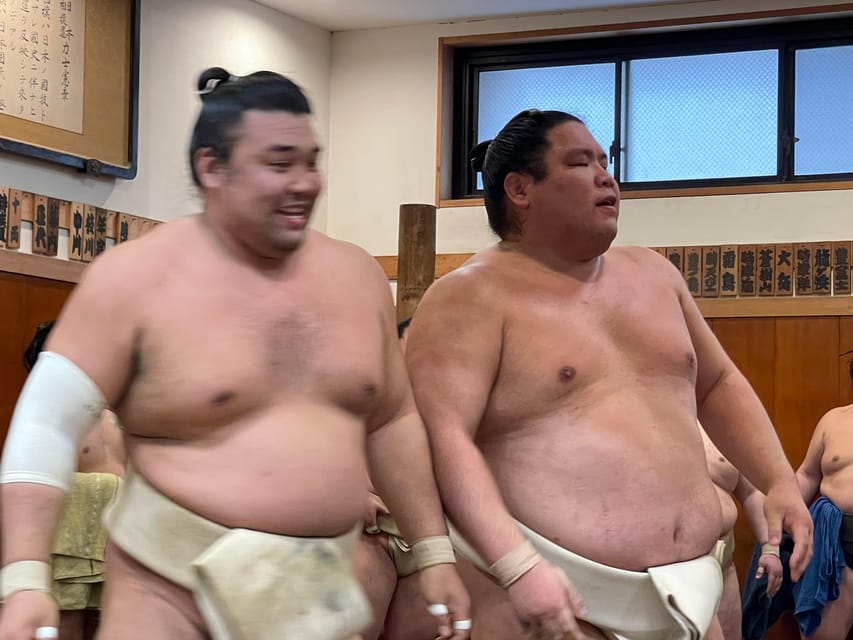
- Real access: You observe a morning practice session at a sumo stable that allows guests.
- Close viewing from chairs: You can watch training in a set area without craning your neck.
- Your guide makes it click: You get a short presentation on basics and why the rituals exist.
- Limited group size: Max 9 people, which keeps questions from turning into chaos.
- Tournaments are rare: The year’s official sumo season is only about 90 days, so this feels like the “real thing.”
- Time discipline matters: Build in buffer time for the meeting point and don’t rush the group.
Why a sumo morning in Tokyo feels different
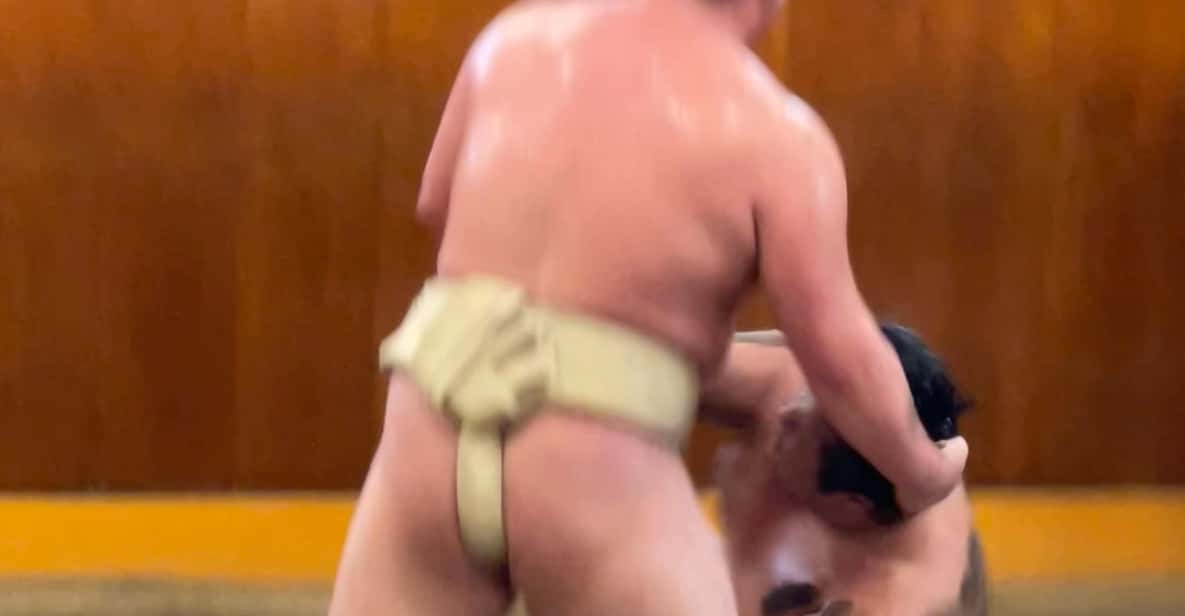
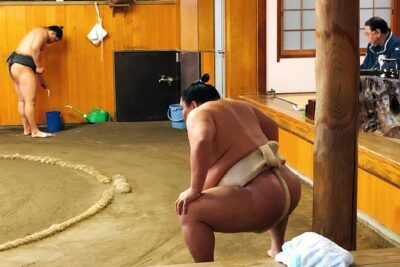
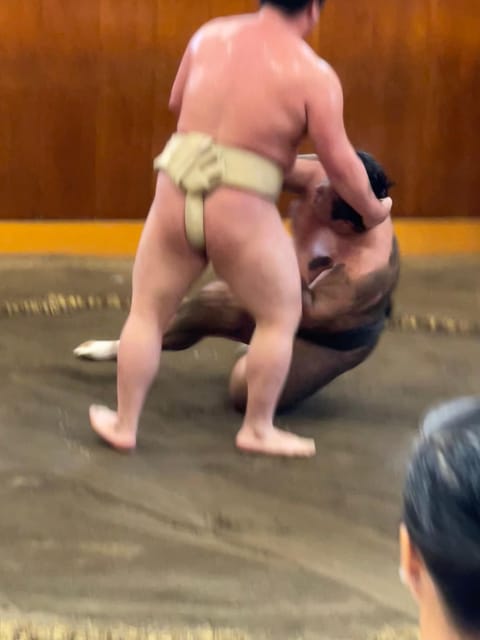
A sumo stable in the morning is not a show you watch from far away. It’s work. The air feels heavy in a good way, like you’re witnessing a system that’s been repeated for generations.
I love that this experience gives you both the spectacle and the meaning. You’re not just getting “titan photos.” You’re also getting a guided explanation of the basics—enough that when you see a wrestler charge, pivot, or reset, you understand what’s happening and why it matters in sumo.
Here’s another reason it’s worth your time in Tokyo. The official tournaments happen for only about 90 days across the year, so if you’re visiting outside those windows, a stable practice can be your most authentic sumo moment. This is also the kind of access that isn’t guaranteed everywhere. There are 44 sumo stables operating in Japan, and only a select few let visitors observe morning practice sessions.
That means you’re trading a generic “tour bus Japan” morning for something more specific—and more memorable.
You can also read our reviews of more guided tours in Tokyo

Getting there the right way: Kiyosumi-shirakawa Exit B1 (and why late matters)
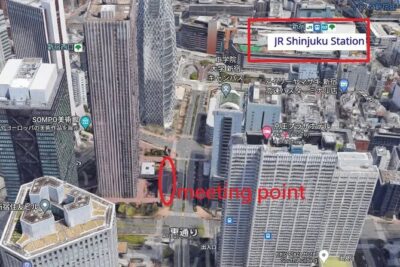
Your day starts at Kiyosumi-shirakawa Station, specifically Exit B1 near a FamilyMart. The directions are unusually specific for a reason: the meeting is designed so you’re visible and easy for the guide to spot.
So here’s the practical advice: arrive early, and stand where you can be found fast. If you’re coming by taxi, the meeting setup is meant to avoid you getting dropped off in the wrong spot and missing the group.
This tour is a group experience, not a private one. If people arrive late, the start can get delayed, and that changes the whole pacing of a seven-hour morning. One review noted the tour took longer to get going because people kept showing up late. That’s not a small detail. In a practice schedule, “a few minutes” becomes “a loss of time you can’t get back.”
Plan for station transfers, a bathroom stop, and a quick coffee. Then show up ready.
The first 15 minutes: quick guidance so you don’t feel lost
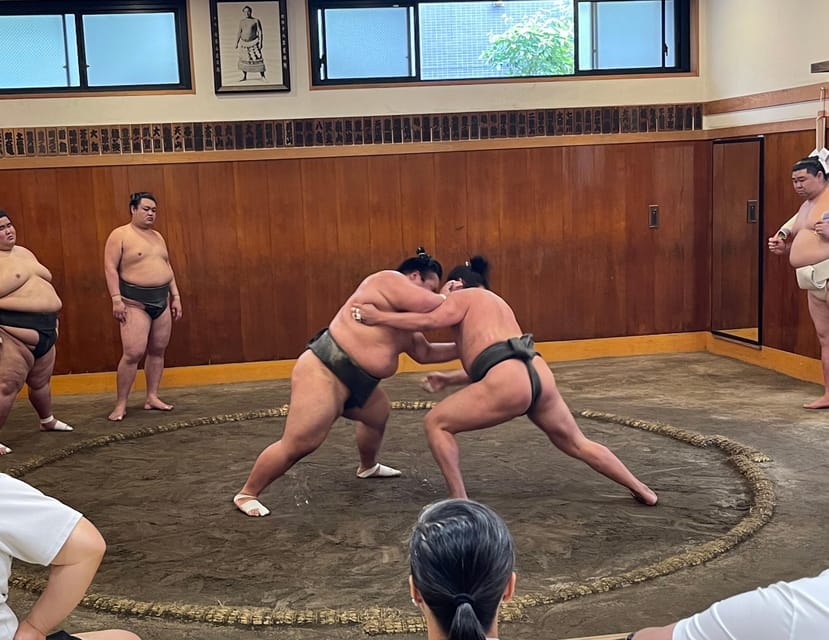
Before you sit and watch, you’ll have a short 15-minute guided intro. This isn’t wasted time. It sets expectations for what training will look like and how the space works.
Even if you know sumo at a basic level—rituals, big hairstyles, that classic stillness before impact—practice has its own rhythm. The guide helps you read the flow: when wrestlers are warming up, when they’re practicing set sequences, and how discipline shows up in small habits.
You’ll also be primed for the fact that you’re observing a stable morning session, not a tournament. That matters, because the feel is different. Tournaments have stakes and crowd energy. Practice has repetition and instruction energy. When you know the difference, you enjoy both more.
2.5 hours of chair-level sumo practice: the part you’ll remember
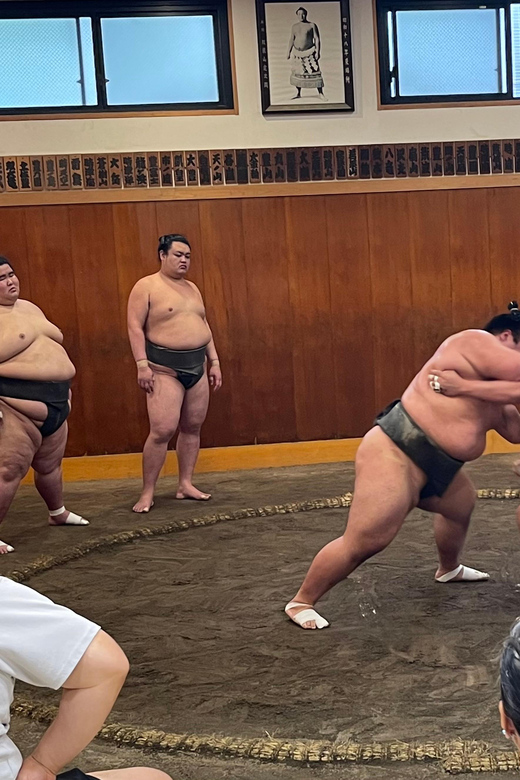
The main event is a long 2.5-hour observation block. This is where the experience earns its price.
The standout detail is the seating style: SIT IN CHAIRS. That might sound like a comfort perk, but it’s also a viewing strategy. Chairs help keep you from having to stand the entire time, and they give you consistent sightlines so you can actually follow movement instead of just watching flashes.
From this position, you’ll feel what makes sumo powerful. The training isn’t just dramatic. It’s physical math: footwork, grip timing, balance breaking, and the constant push-pull of momentum. Wrestlers move with intense control, then suddenly commit—like a switch flips from drill to contest.
And because sumo has no weight class, you learn quickly that outcomes aren’t just about who is bigger. Technique, leverage, and positioning show up immediately. Even if you only catch parts of each exchange, you’ll understand the sport’s core idea: force matters, but control matters more.
One review summed it up well: being so close made the experience exceptional, and the stable visit felt like a genuine peek rather than a tourist setup. That rings true when you’re watching people practice a craft, not posing for photos.
What to bring for this section
Wear comfortable shoes. You’ll be standing at least a bit, and you’ll move between short segments of the day. Bring a camera, and if you use a phone, consider a plan for battery life. You’ll likely shoot a lot once you see how close and active the practice is.
You can also read our reviews of more tours and experiences in Tokyo
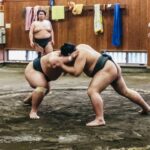
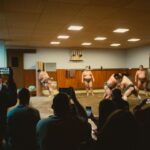
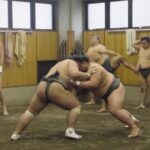
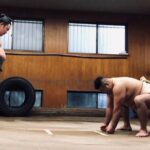
The 15-minute photo stop: get the shots, then get the meaning
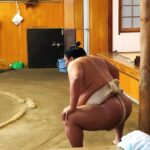
After the long practice block, there’s a 15-minute photo stop. This is your chance to grab clean pictures without interrupting the flow of training.
Here’s my advice for photo time: don’t waste it hunting for perfect angles you’ll never find. Use the time to capture what you actually care about:
- close views of training area action,
- moments that show the scale of the wrestlers,
- and details that help you remember the rituals.
Because the tour also includes that short presentation on sumo basics, you can connect the visuals to the context. That’s the difference between a “cool photo morning” and something that sticks.
If you want a simple rule: take a few calm photos early, then focus on watching and learning when you’re back in observation mode.
The on-foot parts: why the walking breaks aren’t random
You’ll have two short walking segments—10 minutes on foot, then another 10 minutes on foot—as the day flows from the station area to the stable session rhythm and back again.
These breaks matter because they help you reset. Seven hours can sound long, but it’s not nonstop standing. The schedule is broken up so you don’t burn out watching the same type of motion for hours.
Also, walking time is where you can re-check your bearings. If you’re the kind of traveler who likes to get oriented in a neighborhood, this day gives you small, manageable windows to do that without turning the tour into a sightseeing detour.
Then you’ll return to Kiyosumi-shirakawa Station, finishing where you started.
Price and value: what $115 buys in the real Tokyo morning world
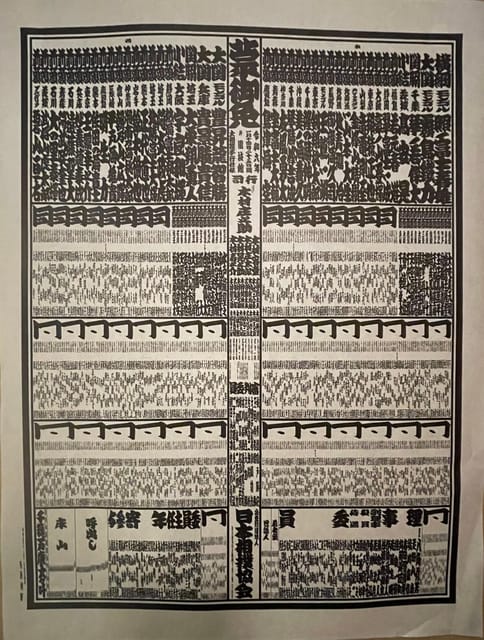
$115 per person sounds like a serious chunk of money—until you look at what you’re getting.
You’re paying for access that isn’t common:
- a stable that allows guest observation of morning practice,
- a live English guide who explains what you’re seeing,
- skip the ticket line, which can matter when schedules are tight,
- and a small group size capped at 9.
Think about alternatives. If you show up on your own, you might find general sumo-related sites. But access to actual morning stable practice is the hard part. Even if you do find a place that lets visitors observe, you still need context. Without guidance, you might recognize wrestlers and rituals, but miss what’s going on with technique and training structure.
The best value here is the combo: proximity plus explanation. That’s why so many people rate it nearly perfect. They’re not just watching big men do big moves. They’re understanding the sport’s discipline and tradition as it plays out in real time.
Who this tour fits best (and who might want to skip it)
This is a great match if you:
- like hands-on, close-up cultural experiences,
- want the real feel of practice rather than tournament spectacle,
- and enjoy learning rules and context while you watch.
It’s also a good choice for adults who don’t want a long, slow “culture lecture.” The explanation comes with the action, so it lands faster.
You should consider skipping if:
- you’re traveling with children under 9, because the tour isn’t suitable for that age group,
- you hate waiting or you’re likely to be late (this schedule is group-based and timing matters),
- you’re only interested in quick photos and nothing else, since a good chunk of the day is watch-and-learn.
One more note: it’s not unusual for a seven-hour experience to feel long if you’re an early-leaving type. One person felt the tour was a little long and wished they could have maximized city time on a sunny day. If you have firm plans after the tour, talk it over with your guide ahead of time.
Practical logistics that can make or break your morning
A few details are worth treating seriously, because they affect comfort and flow.
Be on time (seriously)
Meeting at Exit B1 near FamilyMart is clear, but it still needs discipline. One review highlighted the need for more precise directions to a specific meeting point, like waiting in front of the FamilyMart. In other words: don’t make the guide search.
If you’re running late, contact the guide. The guide may try to accommodate you, but the group schedule is the priority. That’s just how it works when the stable morning session has set timing.
Wear shoes you can stand in
You’ll be seated for much of the main practice, but you’ll also walk and shift positions. Comfortable shoes are the smart move.
Bring a camera
Not because this tour is photo-only—because practice is active and the best images come when you’re ready.
Should you book this Tokyo sumo morning practice?
I’d book it if you want one of the most authentic sumo experiences you can fit into a Tokyo trip. The main reasons are simple: close observation, a small group, and an English guide who helps you understand the sport quickly. The “no weight class” idea becomes real the moment you watch how leverage and technique show up in practice.
Skip it only if your schedule is fragile or you know you’ll struggle with timing. The experience works best when everyone arrives together and settles in without delays.
If you want sumo without the tourist gloss, this is a strong choice. It’s the kind of morning where you’ll leave with a new respect for how much discipline sits behind each match.
FAQ
Where is the meeting point?
You meet at Exit B1 of Kiyosumi-shirakawa Station, near a FamilyMart convenience store.
How long is the tour?
The total duration is 7 hours.
Is this a small group tour?
Yes. It’s limited to 9 participants.
Is there an English-speaking guide?
Yes, the tour includes a live English-speaking guide.
What will I actually watch during the tour?
You’ll observe a sumo practice session at a traditional sumo stable.
Is there time to take photos?
Yes. There is a 15-minute photo stop.
Do I need to buy tickets in advance?
The tour includes skip the ticket line.
Is the tour suitable for families?
It is not suitable for children under 9.
What should I bring?
Bring comfortable shoes and a camera.
What if I’m late?
You should not be late. If you’re running late, contact the guide. The tour is a group schedule, so late arrivals can affect the start time.