REVIEW · TOKYO
Tokyo Spring Daytime (Cherry Blossom) Food Tour
Book on Viator →Operated by Arigato Japan KK · Bookable on Viator
Cherry blossoms look better with a plan. This Yanaka spring tour pairs hanami viewing with food and local stories in Tokyo’s older neighborhoods. You’ll walk a light-to-moderate route, guided the whole way, and you won’t waste time hunting for the best spots on your own.
I especially like two things. First, you’re led by guides who know where to look for blossoms—people like Kay and Wesley have led with lots of practical guidance and photo-worthy viewpoints. Second, the food setup is generous: tea, sake, sweets, snacks, and a regional lunch built into the experience.
One thing to keep in mind: this tour needs good weather, and the route can shift based on conditions. It’s still a walking tour, so bring warm layers and expect possible changes if spring weather is wild.
In This Review
- Quick Hits: What Makes This Yanaka Cherry Blossom Food Tour Different
- Why Yanaka Is a Smart Choice for Hanami
- Getting There and Meeting: Nippori Start Point + Easy Finish
- Coffee Room Renoir: A Calm, Local Start Before the Blossom Walk
- Yanaka Cemetery Hanami Stroll + Tennō-ji: Where You Learn to Look
- Yanaka Ginza Shopping Street: Snacks, Sake Tasting, and Real Neighborhood Energy
- What You Eat: Tea, Sake, Sweets, Snacks, and Regional Lunch
- Light-to-Moderate Walking: How Comfortable Is the Pace?
- Guide Style: Why Kay and Wesley Matter for Your Day
- Value Check: Is $224 Worth It for 2.5 Hours in Tokyo?
- Weather and Route Changes: How to Think About Spring Uncertainty
- Who This Tour Suits Best (And Who Might Skip It)
- Should You Book This Yanaka Hanami Food Tour?
- FAQ
- FAQ
- What’s the duration of the Tokyo Spring Daytime (Cherry Blossom) Food Tour?
- What time does the tour start?
- Where do I meet the guide?
- Where does the tour end?
- How many people are in each group?
- Is the walking hard?
- What’s included in the tour?
- Is the tour vegetarian or pescetarian friendly?
- Is hotel pickup included?
- Does age matter for the sake tasting?
- What should I do if the weather is bad?
Quick Hits: What Makes This Yanaka Cherry Blossom Food Tour Different
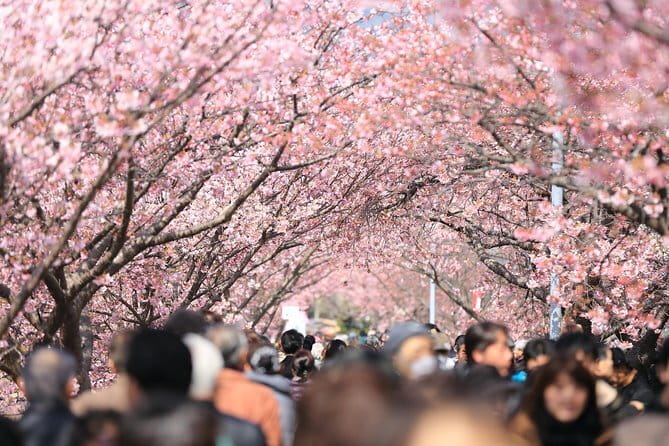
- Yanaka focus means you see a calmer, less staged Tokyo while still getting classic cherry blossom season moments
- Local hanami expertise helps you spot where blooms actually look best, without guessing
- Small group size (max 10) keeps the pace friendly and questions easy to answer
- Tea, sake, sweets, and regional lunch are included, not just a couple of bites
- Guides like Kay and Wesley have shown they’ll adjust plans for rain/snow and even work around food allergies
Why Yanaka Is a Smart Choice for Hanami
Tokyo’s cherry blossom season can turn into a stampede. Yanaka offers a different mood: old neighborhoods, side streets, and slower days where you can actually enjoy the flowers instead of battling crowds. This is exactly why I like this tour concept. It’s designed around the idea that you’ll see spring beauty and everyday Tokyo life in the same half-day.
The tour also leans into contrast. You get the dreamy hanami walk, including a visit to Yanaka Cemetery, where seasonal blossoms create a quietly beautiful atmosphere. And you also get daytime stops that feel grounded—tea, snacks, and neighborhood shopping streets—so the day isn’t only about photos.
If you want spring in Tokyo but with a bit less tourist theater, Yanaka is a strong match. You’ll come away with a better sense of how people live in this part of the city, not just a list of sights.
You can also read our reviews of more food & drink experiences in Tokyo



Getting There and Meeting: Nippori Start Point + Easy Finish
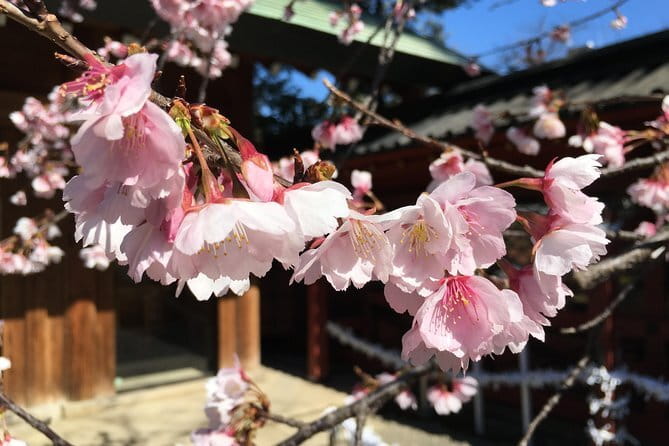
The tour starts at Coffee Room Renoir Nippori Yanaka in Yanaka (Taito City). You meet there at 11:00 am and finish in the Nippori Station area. That matters because it keeps the day simple. You’re not stuck commuting back across town with everyone else after the last bite.
You’ll also have a mobile ticket, which is convenient if you don’t want to juggle paper. And the meeting point is in a part of Tokyo that’s described as near public transportation, which helps if you’re arriving from a hotel outside the area.
If you’re traveling solo, there’s an option to email for help arranging your participation. Also, group size is capped at 10 people, so this isn’t the kind of tour where you feel lost in a crowd.
Coffee Room Renoir: A Calm, Local Start Before the Blossom Walk
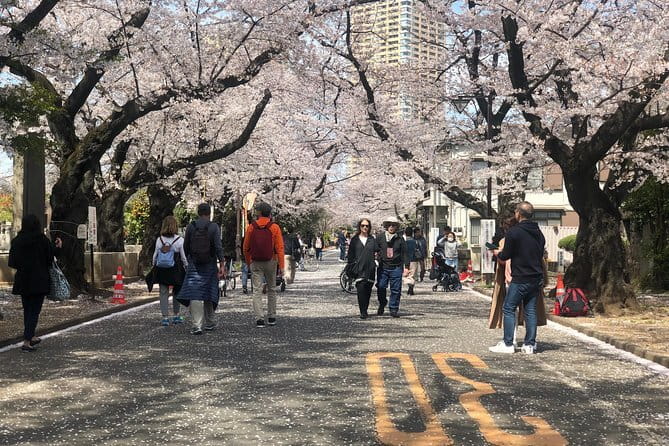
The first stop is Coffee Room Renoir Nippori Yanaka. Admission is listed as free, and the purpose here is more than caffeine. This is your “get your bearings” moment—an easy introduction to the old-town ambiance of Yanaka before you head out for hanami viewing and food stops.
I like starting with something familiar and quiet because it sets the tempo. You’re not rushing straight into the busiest viewing areas. Instead, you get a smooth lead-in that helps you understand the neighborhood and what to look for as you walk.
Even if you’re not a coffee person, think of this as a friendly starting point where your guide can frame the day—what’s coming, what to notice, and where the best spring moments tend to happen along the route.
Yanaka Cemetery Hanami Stroll + Tennō-ji: Where You Learn to Look
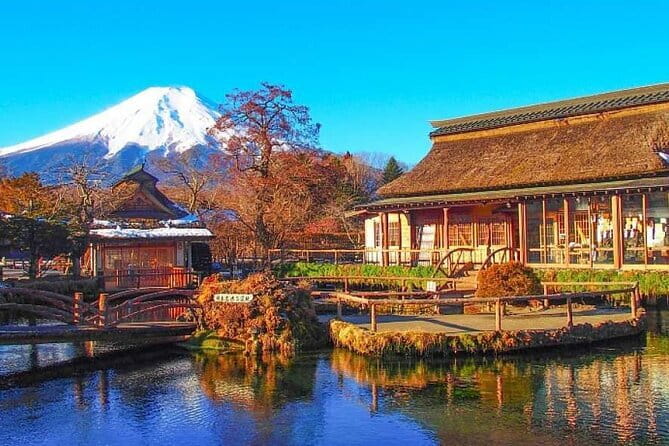
The heart of the hanami part is your Yanaka Cemetery stop. It’s listed as about 15 minutes, and it’s paired with a “real hanami stroll” with an expert English-speaking guide. This is where the tour earns its keep: you’re not just walking past cherry trees. You’re learning how to choose angles, timing, and viewpoints so the blossoms look their best.
From the experience feedback, guides also focus on keeping things enjoyable even when weather is less than perfect. One reason that stands out is adaptability—when conditions were cold, rainy, or snowy, the guide still adjusted the plan to protect the group and keep the day moving.
After the cemetery, you’ll continue to Tennō-ji and then Yūyake Dandan. The key value here isn’t a strict “checklist.” It’s that these are lived-in local places that fit naturally into the hanami season, helping you connect blossoms with neighborhood rhythm rather than treating spring like a one-and-done spectacle.
If you care about photos, this is one of the best segments of the day. You get multiple chances for blossom views, and you can ask your guide questions about what you’re seeing as you go.
Yanaka Ginza Shopping Street: Snacks, Sake Tasting, and Real Neighborhood Energy
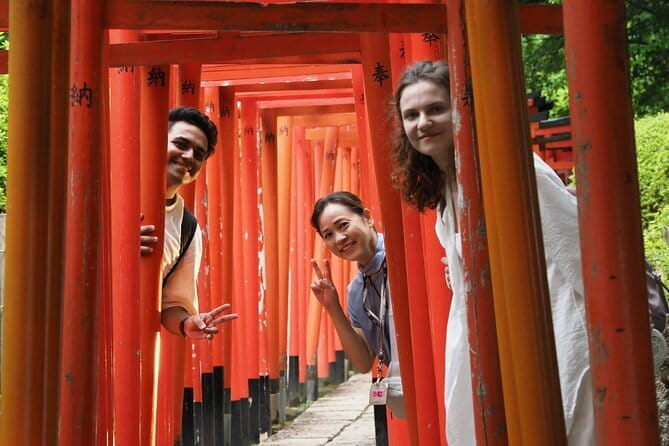
Later in the tour you’ll reach Yanaka Ginza Shopping Street, with about 15 minutes set aside there. This is where the experience shifts from blossom viewing to tasting and browsing.
The stop includes local snacks and a sake tasting (other beverages are available). One important practical note: the tour lists a minimum drinking age of 21, so the tasting is meant for adults who meet that requirement. Even if you don’t drink alcohol, this is still a strong snack-and-stroll moment.
I also like that this isn’t just “eat and run.” You get time to browse local shops along the street, which helps you see how the neighborhood functions beyond cherry blossom season. It’s one of the easiest ways to get context for what you saw earlier, especially if you’re the kind of person who enjoys everyday Tokyo details.
Admission is listed as free for this stop, so the cost is really going into guide time and the included tastings rather than entrance fees.
You can also read our reviews of more tours and experiences in Tokyo



What You Eat: Tea, Sake, Sweets, Snacks, and Regional Lunch
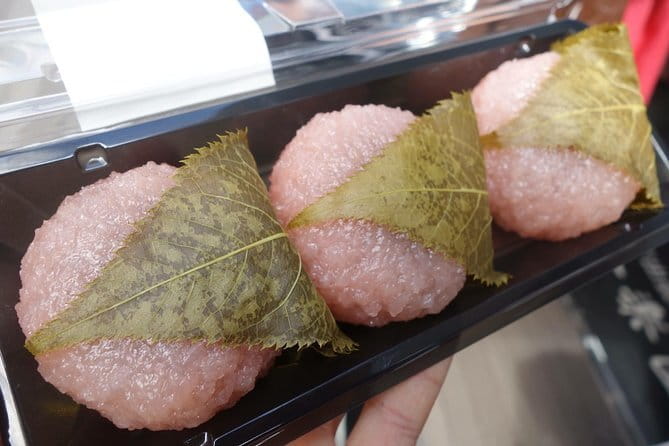
This tour is built around included food. You’ll get regional lunch, plus tea, sake, sweets, and snacks, and there’s also mention of Japanese desserts. That combination matters because it turns the tour into a true daytime experience, not a “walk between bites.”
It’s also listed as vegetarian, pescetarian friendly. That doesn’t guarantee every dish is plant-based, but it’s a good sign that the tour can handle common dietary preferences. The experience info also notes that you can bring food allergies into the conversation, and feedback indicates guides have handled allergy needs by adjusting as needed.
If you’re thinking about timing, this is a big plus. A lot of cherry blossom tours are either sight-heavy with overpriced purchases, or food tours that ignore the seasonal aspect. Here, the schedule includes both, so you’re not constantly deciding where to eat in a busy area.
A simple planning tip: if you’re sensitive to alcohol or don’t plan to drink, still treat this as a tasting moment. You’ll likely have non-alcohol options, and you can focus on sweets and snacks.
Light-to-Moderate Walking: How Comfortable Is the Pace?
The walking level is described as light to moderate, suitable for lower fitness levels. That’s exactly what you want during hanami season, when everyone is dressed a bit too lightly and walking distances can sneak up on you.
Still, “light to moderate” isn’t “no walking.” You should expect a steady pace across multiple stops, plus time for photos and short transitions. Comfortable shoes are a must, especially if you’re doing this in cooler spring weather.
Weather can also affect how the tour feels. The experience details say it requires good weather, and the route may change if rain or other conditions hit. One set of feedback specifically highlighted that guides managed rainy days by adjusting the plan to keep people out of bad weather while maintaining a great day.
So plan for flexibility: bring layers, a small umbrella if you like, and a calm mindset if the route shifts. The goal isn’t to “tough it out.” It’s to keep you seeing the right places at the right time.
Guide Style: Why Kay and Wesley Matter for Your Day
A big part of why this tour works is guide quality. The tour is limited to 10 people, which gives your guide space to personalize. And the feedback you can lean on points to guides who are enthusiastic and practical in equal measure.
In the experience feedback, Kay stood out for delivering an energetic, well-informed day—combining local history, cherry blossom spotting tips, and hidden corners you wouldn’t likely find on your own. Wesley also got strong notes for taking extra care when weather was rough and for offering lots of information along the walk.
The practical takeaway for you: you’ll get more than directions. You’ll get explanations. You can ask questions about the neighborhood, the season, and what to pay attention to as you move. And because the tour includes tastings, the guide can steer you toward what makes sense to try in context.
If you want a day where you feel guided but not trapped, this guide-and-size combo is a good match.
Value Check: Is $224 Worth It for 2.5 Hours in Tokyo?
At $224 per person for about 2 hours 30 minutes, this isn’t a bargain. But it isn’t just “a walk with a label,” either.
Here’s the value math that matters:
- You’re paying for a local English-speaking guide to lead the seasonal hanami segment (including where to look for blossoms)
- You get multiple stops across Yanaka, not a single attraction
- Food and drink are substantially included: regional lunch, snacks, Japanese desserts, tea, and sake tasting
- The group is capped at 10, which usually means more attention and better pacing than large coach-style tours
What’s not included matters too. Transportation costs are on you, and there may be additional food or drinks available for purchase at your expense. If your hotel is far from the meeting area, factor in subway time and cost.
Also, there’s an option for hotel pickup and drop-off if you select it. That can increase value if you don’t want to navigate public transit with spring crowds around.
As for booking timing, the tour is described as commonly booked about 112 days in advance, which suggests spring dates can move quickly. If you’re traveling during peak bloom weeks, I’d treat this as a book-early type of experience.
Weather and Route Changes: How to Think About Spring Uncertainty
Spring in Tokyo can be unpredictable. The tour specifically notes it requires good weather, and if it’s canceled due to poor conditions, you’ll be offered a different date or a full refund.
It also mentions that the itinerary and spots may change due to schedules, public holidays, weather conditions, or other unforeseen issues. In practical terms, you shouldn’t expect a rigid “exact same order no matter what” day. You should expect a guide to keep the spirit of the tour intact even if details shift.
That’s why this kind of guided experience can still be worth it when weather isn’t perfect. The goal is to keep you on track for hanami viewing and included tastings, not to force you into an uncomfortable slog.
If you’re the type who plans meticulously and hates flexibility, this is your one potential friction point. If you’re okay with “things change, but you’ll still have a great day,” you’ll likely handle it well.
Who This Tour Suits Best (And Who Might Skip It)
This tour is a strong fit if you:
- Want to see cherry blossoms with local guidance instead of guessing
- Like neighborhoods that feel less like a theme park
- Prefer short, manageable walking rather than a full-day hike
- Enjoy food tastings and want the day planned so you don’t spend time researching
It’s also family-friendly, and the tour notes children must be accompanied by an adult. There’s a specific detail for kids 10 and above: you’ll need a passport information copy. That’s easy enough if you plan ahead, but it’s good to know early.
You might consider skipping if:
- You only want a do-it-yourself blossom plan and don’t care about guide context or included food
- You dislike walking even at a light-to-moderate pace
- You’re traveling on a very tight schedule where a weather-related date change would be hard
Should You Book This Yanaka Hanami Food Tour?
If you’re going to be in Tokyo during cherry blossom season and you want a day that’s both seasonal and practical, I’d say book it. The included food, the small group size, and the guide-led hanami viewing approach make this feel like a real experience instead of a loose itinerary.
Pick this tour especially if you’re excited by the idea of learning where to look for blossoms and tasting local snacks without turning your spring day into a series of restaurant searches.
And if you’re worried about weather, don’t panic. The tour’s built-in flexibility and guide adaptation are exactly what you want during a season where forecasts can be wrong by a lot.
FAQ
FAQ
What’s the duration of the Tokyo Spring Daytime (Cherry Blossom) Food Tour?
It runs for about 2 hours 30 minutes.
What time does the tour start?
The start time is 11:00 am.
Where do I meet the guide?
You meet at Coffee Room Renoir Nippori Yanaka in Yanaka (Taito City), Tokyo.
Where does the tour end?
The tour ends in the Nippori Station area.
How many people are in each group?
The tour has a maximum of 10 travelers.
Is the walking hard?
The walking level is described as light to moderate, suitable for lower fitness levels.
What’s included in the tour?
The tour includes guided hanami sightseeing, tea, sake, sweets, snacks, regional lunch, and Japanese desserts, plus shopping time in the neighborhood.
Is the tour vegetarian or pescetarian friendly?
Yes. It’s listed as vegetarian and pescetarian friendly.
Is hotel pickup included?
Hotel pickup and drop-off is included only if you select that option.
Does age matter for the sake tasting?
Yes. The minimum drinking age is 21.
What should I do if the weather is bad?
The tour requires good weather. If it’s canceled due to poor weather, you’ll be offered a different date or a full refund.