REVIEW · TOKYO
Celebrate Unique Japanese New Year Tradition Culture Festivity
Book on Viator →Operated by OMAKASE · Bookable on Viator
Watching fox legends walk into New Year life is a rare Tokyo treat. This 3-hour experience is built around the Oji Inari Shrine folklore: on New Year’s Eve, foxes are said to visit, and locals turn that story into the Oji Fox Pageant with lanterns, kimonos, fox masks, and dancing.
I especially like the blend of quiet shrine time and party energy. You’ll visit three local shrines with a Japanese host, then shift to a cozy izakaya-style setup with sake education and tastings before heading to the procession starting point.
One thing to think about is crowd behavior. The tour keeps a maximum group size of 30, but any event with lanterns, masks, and tightly packed shrine areas can feel busy fast, so be ready to move with the flow and keep it respectful.
In This Review
- Key Things You’ll Actually Care About
- Oji Fox Pageant: What You’re Really Signing Up For
- Meeting at Ōji Station and Getting Your Bearings Fast
- Three Local Shrines: Where the Story Gains Meaning
- The Izakaya Moment: Sake Education With a Human Pace
- Sake Tasting and the Drink Setup: What’s Included, What to Expect
- Yellow Lanterns and Foxfires: How the Festival Finale Works
- Group Size and Etiquette: The One Issue You Should Actually Plan For
- Price and Value: Is $106.74 Worth It?
- Who This Tour Suits Best (and Who Should Skip)
- A Simple Plan So You Enjoy It More
- Should You Book This Oji Fox Pageant Tour?
- FAQ
- How much does the tour cost?
- How long is the experience?
- Where do I meet the tour?
- What does the tour include?
- Is alcohol included?
- How big is the group?
- What if the weather is poor?
Key Things You’ll Actually Care About
- Meet at the North entrance of JR Oji Station and return there at the end, so you’re not stuck with an awkward drop-off.
- Three shrine visits with a local Japanese host, giving you context beyond the decorations.
- Sake brewing education from a sake sommelier, plus a tasting linked to the night’s snacks.
- Hinoki cypress masu cups for your cheers, which is a small detail that makes the drink feel special.
- A front-row aim at the fox procession starting point, with traditional dances including the lion dance.
- Free-flow drinks for adults (sake and beer or other options) and soft drinks for under drinking age.
Oji Fox Pageant: What You’re Really Signing Up For
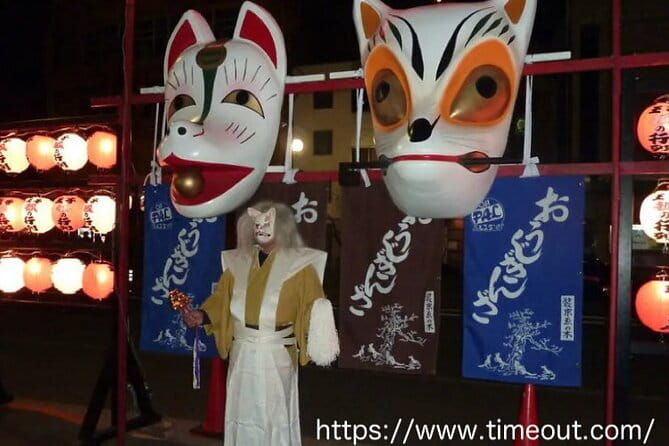
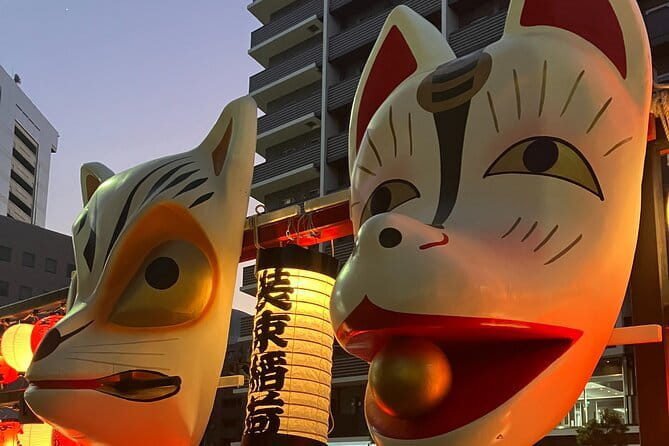
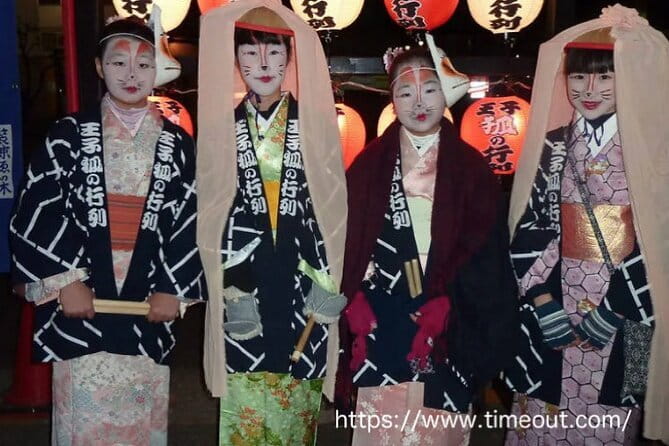
This isn’t just a photo stop for New Year lights. The heart of the experience is Oji’s fox folklore turning into something you can watch with your own eyes: yellow lanterns that symbolize foxfires, performers in kimonos and fox masks, and street-level festival energy tied to shrine culture.
You’ll start with a small, guided sequence—three shrine visits—then you’ll get the sensory part: sake, snacks, and a lesson on brewing. After that, you move to where the fox procession begins and you’ll catch traditional dances, including the lion dance, as the festivities build toward the midnight countdown.
The biggest practical win is how the tour connects dots that most visitors never connect. Shrines, sake culture, and festival performance are usually three separate tourist topics in Tokyo. Here, they’re part of one evening arc.
You can also read our reviews of more tours and experiences in Tokyo.



Meeting at Ōji Station and Getting Your Bearings Fast
You meet at the north entrance of JR Oji Station at 8:30 am. The tour ends back at the meeting point, which is a comfort in a city that loves last-minute transit changes.
Starting with a public transit meeting point matters because Oji is not the big-name Tokyo postcard zone. You’ll want your day organized and simple. This setup is simple: find the station entrance, meet the group, follow the host.
If you’re planning your own New Year day around this, I suggest you build in a little buffer before 8:30. Even if trains run on time, station exits can be confusing, and you’ll want to be relaxed when the group gathers.
Three Local Shrines: Where the Story Gains Meaning
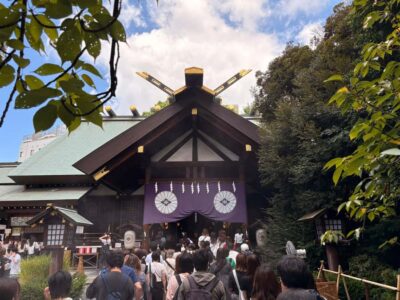
The tour’s first major block is three local shrines guided by your host. The shrines matter because the fox pageant isn’t just costumes and dancing; it’s grounded in the shrine setting and the New Year tradition that surrounds it.
Here’s what you should watch for during the shrine stops:
- How the host explains the connection between the fox folklore and the event.
- How people behave at the shrine spaces—quiet movement, respectful pacing, and staying out of the way when others need space.
- The feeling shift between each stop. Shrine visits aren’t meant to be rushed, and having them in a structured sequence helps you actually absorb what you’re seeing.
Potential drawback: shrine space can get crowded quickly during New Year events. Even if the tour caps at 30 people, any big regional festival draws extra foot traffic. If your group grows in practice, you might feel pressure to squeeze through areas that are meant for smaller, slower movement. Keep your voice low, follow the host’s timing, and treat it like you’re entering someone’s home—because you are.
The Izakaya Moment: Sake Education With a Human Pace
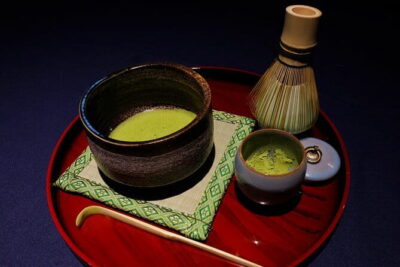
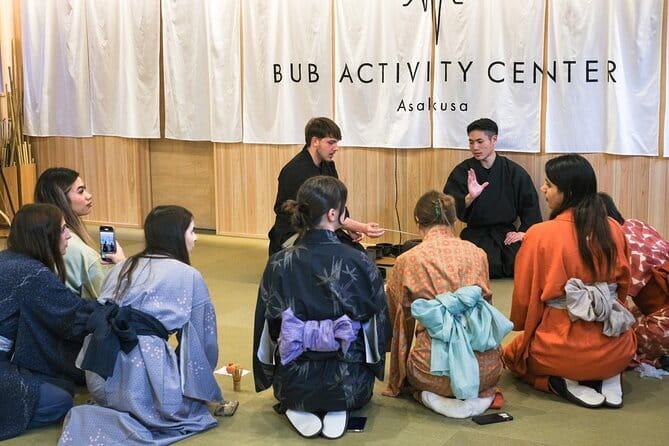
Next comes the cozy izakaya-style portion. You’ll learn about sake brewing from a sake sommelier, then you’ll do a sake tasting paired with snacks.
I like this part because it’s not just drinking. You’re getting the “why” behind the experience: how sake is made, what makes different styles distinct, and how to think about tasting beyond guessing what’s sweetest or strongest.
And yes, you get to toast. Say Kanpai with sake served in hinoki cypress masu cups. That wood cup detail sounds minor, but it changes the whole ritual. You’ll notice the aroma and warmth more than you would with a regular glass.
The included food makes the tasting more comfortable. You’ll have snacks such as edamame and fried items (the info specifically calls out edamame, fried chicken, French fries, and similar bites). Expect this to be the kind of food that keeps you moving through a festival rhythm without slowing you down.
Sake Tasting and the Drink Setup: What’s Included, What to Expect
The package includes a free-flow setup for alcohol. For adults, it lists sake and beer or other alcoholic beverages, plus soft drinks for under drinking age customers.
You’ll also do the tasting alongside snacks. The info mentions sake-tasting with five kinds of snacks, which helps you pace the experience. It’s a good structure for people who don’t want a heavy-food schedule but still want enough bites to enjoy the tastings.
Value check: $106.74 for roughly 3 hours is not cheap, but you are buying more than a walking tour. You’re getting guided shrine time, sake education, multiple drinks included, and snacks. In Tokyo, that combination can easily cost more if you had to piece it together yourself—especially the guided cultural context plus the event positioning.
Still, be honest about your own preferences. If you don’t want alcohol, you’ll have soft drinks, but the core of the experience’s center is very clearly sake-focused.






Yellow Lanterns and Foxfires: How the Festival Finale Works
After the shrine and izakaya portions, you’ll be taken to the starting point of the fox procession. This is where the story turns visual and loud in the best way.
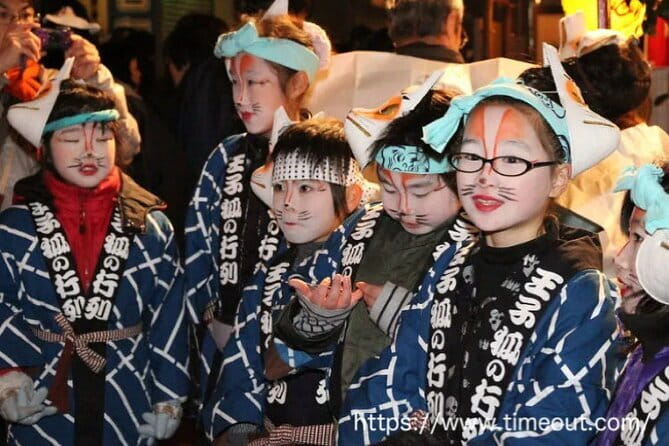
The event theme is foxfire symbolism: yellow lanterns are carried by participants. You’ll see people in kimonos with fox masks or fox makeup, plus traditional dances as the finale approaches. The info also highlights the lion dance as one of the featured moments.
Two practical tips here:
- Arrive mentally prepared for crowd flow. Even if you’re positioned near the starting point, you’ll be sharing space with others who came for the same finale.
- Watch the performance timing, not just the costumes. The energy comes from the sequencing—procession, dances, and the build toward the countdown.
Also note the tour is listed as about 3 hours (approx.). New Year events can shift by minute and by local schedule, so treat the midnight language as the festival’s broader arc. You’ll be there for the main finale portion, but don’t assume every minute aligns perfectly with what you imagine midnight should look like in a big city.
Group Size and Etiquette: The One Issue You Should Actually Plan For

The tour notes a maximum group size of 30 travelers, which is a healthy number for a guided cultural walk. But at least one review points to an uncomfortable scenario: a group that felt too large and awkward in shrine spaces, with participants taking over too much area.
So here’s the balanced way to think about it:
- If you prefer quiet, orderly shrine visits, keep your expectations realistic. New Year crowds can change the feel.
- If the group is packed, your best move is to stay close to the host and let the group pass through shrine areas in order.
- Don’t block others’ paths for your photos. This is one of those moments where being polite makes your experience better, faster, and more enjoyable.
If you’re the type who gets stressed by crowding, you might still enjoy the experience, but go in knowing the festival setting is part of the deal.
Price and Value: Is $106.74 Worth It?
At $106.74 per person for about 3 hours, you’re paying for a bundled experience: guided shrine visits, sake education, tasting, snacks, and drinks, plus access to the procession starting point.
Here’s what makes that feel like value rather than “just paying for entry”:
- Sake sommelier education plus tasting is typically not something you get on your own without booking.
- Hinoki masu cups and a free-flow drink setup add noticeable value.
- You’re not just watching from far away—you’re brought to the starting point.
Where the price might feel less worth it is if you’re not interested in sake or you’re primarily looking for a long, slow festival wander with no structure. This experience is designed to be a guided arc, not an open-ended stroll.
Who This Tour Suits Best (and Who Should Skip)
I think this tour fits best if you want:
- A structured way to experience Oji’s New Year fox tradition without doing research all week.
- A sake-focused cultural evening (education plus tasting).
- A taste of festival performance, including the lion dance, without having to plan timing and transit on your own.
It may not be ideal if:
- You hate group tours or you get easily frustrated by crowds.
- You’re not interested in alcohol at all (soft drinks are included, but the core pacing is sake-centered).
- You want total silence and space at shrines. Even with a cap, the season brings crowds.
A Simple Plan So You Enjoy It More
If you book, do yourself one favor: treat it like a ritual, not a checklist.
- Start your day with comfortable shoes.
- Pace your tastings. You’re moving through shrine spaces and then into a performance area.
- Keep your phone ready, but don’t let it block your respect for shrine etiquette and performer movement.
Also, because it’s a mobile ticket experience, keep your phone charged. Missing the ticket at a station meet-up is the kind of problem you can avoid.
Should You Book This Oji Fox Pageant Tour?
If you want an organized, culturally grounded New Year experience in Tokyo, I’d say yes—especially if sake is your interest. The combination of three shrine stops, a sake brewing lesson, and the chance to see the fox procession and lion dance gives you a full arc that most visitors don’t manage in a single evening plan.
I’d also book it if you like learning in a practical way. You’re not just handed a drink; you get a short education from a sake sommelier, and the tastings make more sense because of it.
But if your personal travel style is ultra-low-crowd, ultra-silent, or you’re not into sake culture, you may feel annoyed by the festival business. In that case, consider attending the procession area on your own at a time that feels less crowded to you.
FAQ
How much does the tour cost?
The price is $106.74 per person.
How long is the experience?
It lasts about 3 hours (approx.).
Where do I meet the tour?
Meet at the north entrance of JR Oji Station (1-chōme-10-18 Ōji, Kita City, Tokyo 114-0002, Japan).
What does the tour include?
It includes free-flow alcoholic beverages for adults, soft drinks for under drinking age customers, snacks (like edamame, fried chicken, French fries, etc.), three shrine visits with a host, a sake brewing lesson with a sake sommelier, and a trip to the starting point of the fox procession.
Is alcohol included?
Yes. For adults, the tour includes free-flow sake and beer or other alcoholic beverages. Soft drinks are provided for under drinking age customers.
How big is the group?
The tour has a maximum of 30 travelers.
What if the weather is poor?
The experience requires good weather. If it’s canceled due to poor weather, you’ll be offered a different date or a full refund.