REVIEW · TOKYO
Tokyo:Enjoy street food & Japanese food culture at Tsukiji Market
Book on Viator →Operated by gotcha · Bookable on Viator
Tsukiji eats start before the fish. This 3-hour stroll-style tour mixes food tasting with the places that shaped Tokyo’s sea-focused market traditions. I like that you get an English-speaking guide to steer you through what to buy and what to ask for, and I also like how the snacks aren’t limited to fish-only—seaweed, dried seafood, roast beef sushi, oysters or sashimi, plus bean snacks make it feel like a real food culture lesson. One watch-out: you’ll be walking on uneven market streets and this tour isn’t wheelchair accessible, so comfortable shoes and a moderate fitness level matter.
You’ll likely hear detailed stories from guides like Yoshi and Yuki (names that show up in past experiences), plus friendly help from other guides such as Haruka and Hiro. The best part is that the tour doesn’t treat Tsukiji like a photo set—it links the food to the people, rituals, and sea-safety prayers behind the market. The only drawback I’d flag up front is that lunch isn’t included, and you’ll also pay for extra shopping tastes if you want to go beyond the guided snacks.
In This Review
- Key things I’d zoom in on
- Why Tsukiji Outside Market feels different (and better) than a typical food tour
- Tsukiji Honganji Temple: the “why” stop before you start tasting
- Tsukiji Jogai Market tastings: where you learn how to snack like a local
- The boxed-lunch stop by the seafood bridge area
- Namiyoke Shrine: the market’s sea-safety prayer stop
- Snacks, allergies, and what you should expect to eat
- Price and value: is about $100.34 worth it?
- Getting ready: shoes, pace, and how to make the most of 3 hours
- Who this tour suits best
- Should you book this Tsukiji street food tour?
- FAQ
- FAQ
- What’s included in the tour price?
- Is lunch included?
- How long is the experience?
- How many people are in the group?
- Is the tour in English?
- Where does the tour start and end?
- What kinds of snacks might I try?
- Are there any food or allergy considerations?
- Is the tour wheelchair accessible?
- How do I get my ticket?
- Can I get a refund if I need to cancel?
Key things I’d zoom in on
- English-speaking guidance that helps you choose food fast and ask the right questions
- Tsukiji Honganji Temple first, then Tsukiji Outside Market tastings
- Seafood-and-meat snack mix, including options like roasted beef sushi and dried fish
- Shrine stop at Namiyoke, tied to market prayers for the safety of the sea
- Small group size (max 6 people) for a less chaotic, easier-to-follow experience
Why Tsukiji Outside Market feels different (and better) than a typical food tour
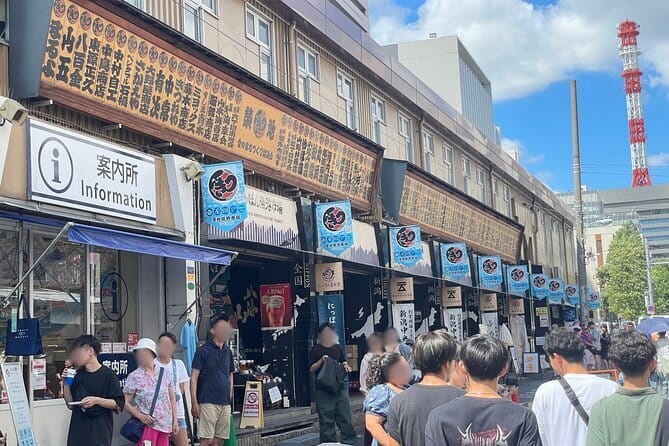
Tsukiji Outside Market is the part of the old Tsukiji story you can still walk through and actually eat. It sits next to the former Tsukiji Fish Market area—now closed—but the food shops, snack counters, and longtime market vibe remain. That matters, because you’re not just “trying street food.” You’re seeing how a market neighborhood feeds people day after day.
What I like about this tour’s approach is the balance. You’re not stuck only in seafood counters or only shopping. You start with a major temple, then you move into the market for tastings, then you circle back with a shrine stop that connects directly to why this place mattered to the sea and to the workers. If you want Tokyo that feels grounded instead of staged, this format does a good job.
Also, since it’s only about 3 hours, it’s a realistic plan even if your Japan schedule is packed. You still get plenty of tasting moments, and the day doesn’t get swallowed whole.
You can also read our reviews of more food & drink experiences in Tokyo


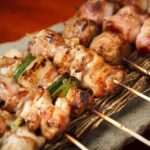
Tsukiji Honganji Temple: the “why” stop before you start tasting
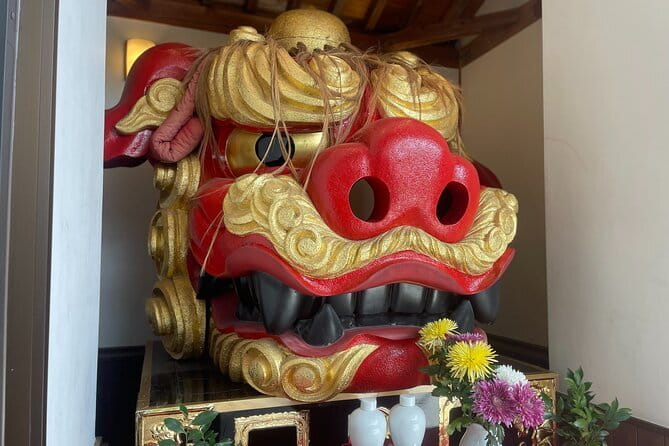
The tour begins at Tsukiji Honganji Temple, where you get about 20 minutes to look around. This isn’t a token photo stop. The temple’s decorations and building style pull in influences from other parts of Asia, including elements associated with India—so the atmosphere feels distinctly international compared with what you might expect from a straight “Japan-only” view.
Why I think this start works: it puts you in the right headspace for Tsukiji. The market has always been more than goods and money. It’s also community, ritual, and work tied to the sea. Once you’ve seen the temple setting, the food tastings later feel more connected to the place.
Practical note: you’ll want to keep your pace steady here so you don’t eat into tasting time later. Twenty minutes goes by quickly when you’re reading details and catching up with the guide.
Tsukiji Jogai Market tastings: where you learn how to snack like a local
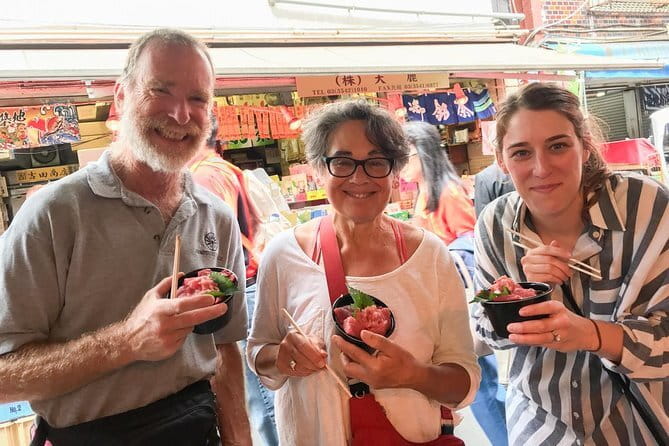
Next you head into Tsukiji Outside Market (Jogai Market area) for about 1 hour. This is the heart of the tour’s eating portion, and it’s designed around you buying a few snacks for tasting at recommended spots.
The tastings can include things like:
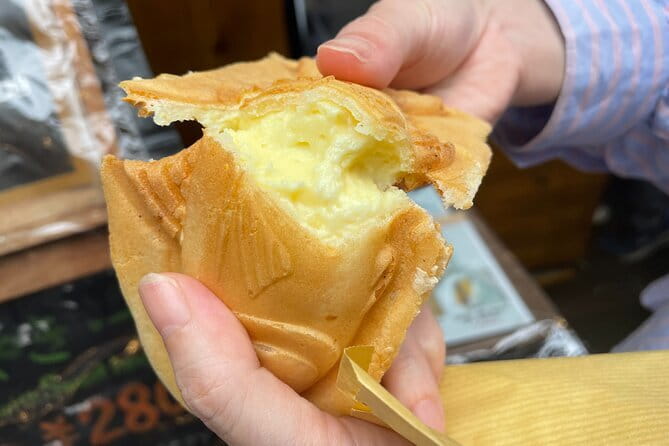
- Seasoned seaweed
- Dried fish
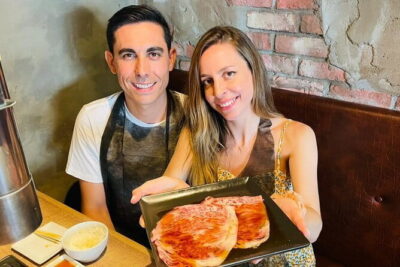
- Roast beef sushi
- Oysters or sashimi
- Bean snacks
Here’s the value of having a guide in this part: in a market like Tsukiji, the hardest part isn’t finding food—it’s figuring out what to choose quickly when there are lots of choices and language barriers. An English-speaking guide helps you translate what you see into something you’ll actually want to eat.
Based on past experiences shared with this tour, you may also run into more adventurous sample items such as king crab, sea urchin, and even lobster crackers. That doesn’t mean those exact items are guaranteed every time, but it’s a good sign that the tastings can move beyond the simplest “starter pack” foods.
One more cultural bonus: people often ask about what flavors mean in Japanese cooking, and guides here may explain things like dashi—the broth base that shows up in many classic flavors. Even if you don’t consider yourself a food nerd, learning the basic logic behind flavor makes your next bite more meaningful.
The boxed-lunch stop by the seafood bridge area
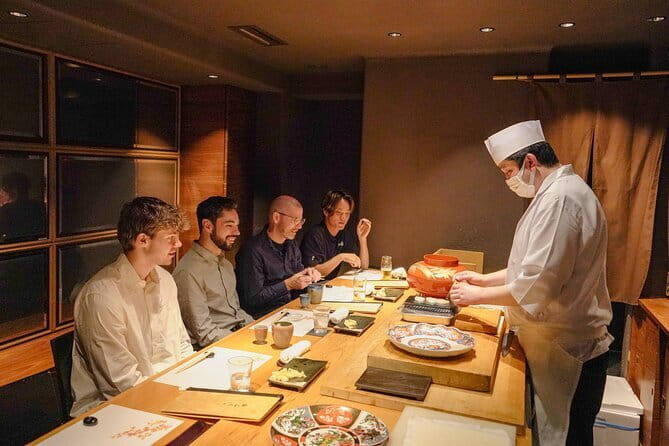
After snack tasting, you move to 築地魚河岸 海幸橋棟 for about 1 hour 10 minutes. This is where lunch time shows up, and the format is clear: you buy your own lunch. The tour doesn’t include the lunch price, but you’ll be eating your market snacks at the same time so you still get that “everything edible is happening right now” feel.
What you’re really buying here is choice plus convenience. You can pick a lunch that matches what you tasted earlier—seafood-focused if that’s your thing, or something calmer if you’d rather not go all-in again.
Since lunch cost isn’t included, it’s smart to treat this stop like a flexible budget moment. If you’re trying to keep total costs down, decide what you’ll spend before you get hungry—because the market makes it easy to overspend once you see everything on display.
Namiyoke Shrine: the market’s sea-safety prayer stop
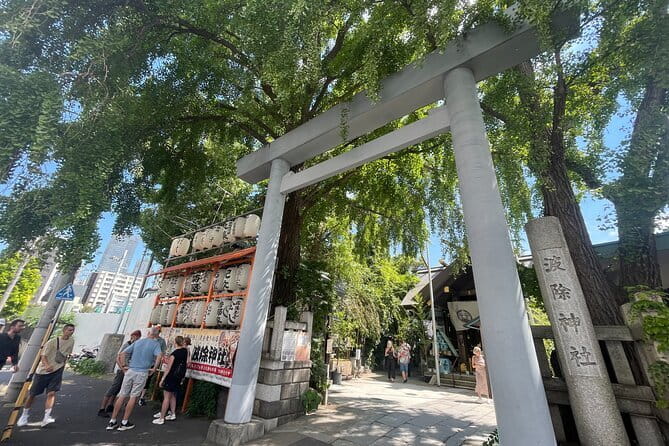
The tour ends at Namiyoke Shrine with about 30 minutes here. This shrine has been worshipped since the market was first established, and market people have prayed for the safety of the sea for many years.
This part works for me because it ties the market story back to something practical. The sea-safety prayer is not abstract. It connects to why fish markets have always been intense workplaces—weather, harvest luck, and the constant uncertainty of the ocean shape the whole industry.
If you tend to like cultural stops that actually relate to the food, this one delivers. It also gives you a calm finish after the pace of snack tasting and eating.
You can also read our reviews of more tours and experiences in Tokyo



Snacks, allergies, and what you should expect to eat
The tour includes snacks, and they can include seafood and meat. If you have allergies, you’ll want to be upfront with the guide before you order anything.
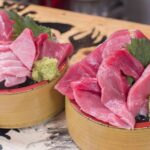
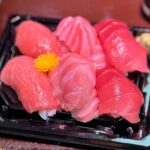
From the snack list, you can expect options like seaweed and dried seafood, plus things that may involve shellfish or raw or lightly prepared seafood (oysters or sashimi are explicitly part of the tasting options). The guide will make recommendations, but you still need to clearly state your restrictions.
If you’re on the fence about eating “market raw seafood,” think of this tour as a try-and-learn experience. You’re not forced into any one item beyond what’s offered in the guided tastings. If you tell your guide what you’re comfortable with, you can steer the selection.
Price and value: is about $100.34 worth it?
At $100.34 per person for roughly 3 hours, you’re paying for three things:
- An English-speaking guide
- Included snack tastings
- Access to a very specific Tokyo neighborhood experience (outside the old market closure site)
Lunch is not included, and there may be extra spending if you shop. So yes, the final cost can creep up depending on how much you choose to add at the lunch stop and beyond.
But the value can be strong if you’re the type of traveler who hates wasting time guessing what to buy. In Tsukiji, a guide can save you from buying the wrong thing, missing a great spot, or getting stuck when you’re tired and hungry. The snack list includes several items that many people would struggle to pick out on their own, especially in the crowded, fast-moving market setting.
The small group size—up to 6 people—also helps. You’re not fighting for attention. You can ask questions and still keep the pacing from turning into a long wait.
Getting ready: shoes, pace, and how to make the most of 3 hours
This experience is best for people with moderate physical fitness, and it isn’t wheelchair accessible. That tells you the tour is meant for walking and standing—think market streets, quick stops, and eating on the move.
A few practical tips so you feel comfortable:
- Wear comfortable shoes with decent grip.
- Expect to stand and walk more than you would on a museum-style tour.
- Bring a small plan for lunch: once you get there, the choices can be tempting.
- If you have allergy concerns, talk early. The snacks include seafood and meat, so you want clarity before the first bite.
Also, you’ll get a mobile ticket, and you’ll meet at the front gate area of Tsukiji Honganji Temple (the start point). The tour ends at Namiyoke Shrine, which is convenient because it lets you keep exploring the area right after without backtracking.
Who this tour suits best
This is a strong match if you:
- Love street food and Japanese food culture
- Want an easy, guided way to sample Tsukiji without wasting time figuring things out
- Prefer small group experiences where you can talk to your guide
- Like cultural context with your food, not just food on a conveyor belt
It’s less ideal if you:
- Need a fully seated, low-walking activity
- Want lunch fully included in the price
- Have strict allergy needs and don’t feel comfortable communicating them
Should you book this Tsukiji street food tour?
If you’re excited by seafood, snack tasting, and learning the “why” behind market rituals, I’d lean toward booking. The mix of temple + market + shrine makes Tsukiji feel like a place with meaning, not just a list of edible items. The small group size and English-speaking guidance are also real advantages when you’re trying to eat well in a crowded market.
If your main goal is a full-price, all-in lunch experience with minimal walking, you might prefer something else. Here, you’re in charge of lunch cost and you’ll need the comfort level for market walking.
Overall, this tour is a smart use of time in Tokyo: you get tastings, you get context, and you finish with a calm cultural landing rather than ending abruptly in another souvenir shop.
FAQ
FAQ
What’s included in the tour price?
The tour includes an English-speaking guide plus snack tastings such as seasoned seaweed, dried fish, roast beef sushi, oysters or sashimi, and bean snacks.
Is lunch included?
No. You can purchase your own lunch at the lunch stop, and the lunch fee is not included.
How long is the experience?
It runs for about 3 hours.
How many people are in the group?
The group is limited to a maximum of 6 people.
Is the tour in English?
Yes, it uses an English-speaking guide.
Where does the tour start and end?
It starts at the Tsukiji Honganji Temple main gate area (築地本願寺 正門) and ends at Namiyoke Shrine (Namiyoke Shrine 6-chōme-20-37).
What kinds of snacks might I try?
The included tastings can include seasoned seaweed, dried fish, roast beef sushi, oysters or sashimi, and bean snacks. Some tastings may go beyond the basics, depending on what’s available.
Are there any food or allergy considerations?
The included snacks can include seafood and meat. If you have any allergies, you should inform the guide.
Is the tour wheelchair accessible?
No, this tour/activity is not wheelchair accessible.
How do I get my ticket?
You receive a mobile ticket.
Can I get a refund if I need to cancel?
Yes, you can cancel for free up to 24 hours in advance for a full refund.