REVIEW · TOKYO
Tokyo Shinjuku Sumo Show and Experience with Drinks and Photo
Book on Viator →Operated by Shinjuku Sumo Club · Bookable on Viator
Tokyo’s Shinjuku Sumo Club makes sumo feel personal fast, with limited seating around the dohyo and a bilingual MC who keeps rituals and rules easy to follow. I love the way the setup puts you right in the action, and I also like the Sumo Challenge that turns watching into doing; one possible drawback is that it’s not a full tournament night, so the wrestling is more exhibition-style than nonstop bouts.
The venue is built for international visitors: clear explanations, crowd interaction, and photos with real wrestlers. Plan on a tight schedule and a compact space, and you’ll get a fun, education-heavy evening that fits neatly into a Tokyo itinerary.
In This Review
- Key highlights you’ll feel immediately
- Why Shinjuku’s Sumo Club Feels Different Than a Tournament
- Arrival at the venue and getting your ring-side bearings
- The bilingual MC: how you actually start to understand sumo
- Live bouts and demonstrations: what to watch for in the small ring
- The Sumo Challenge: the interactive moment with real impact
- Photo time and meet-and-greet: how the night ends
- Drinks and what $70 buys you in real terms
- How long it takes, and how to fit it into your Tokyo plan
- Who this experience is best for
- Should you book the Shinjuku Sumo Club?
- FAQ
- How long is the Shinjuku sumo show?
- Where does the experience start?
- How many people are in each show?
- Is there a mobile ticket?
- Is it bilingual for non-Japanese speakers?
- What drink is included with the ticket?
- What is the cancellation window?
Key highlights you’ll feel immediately
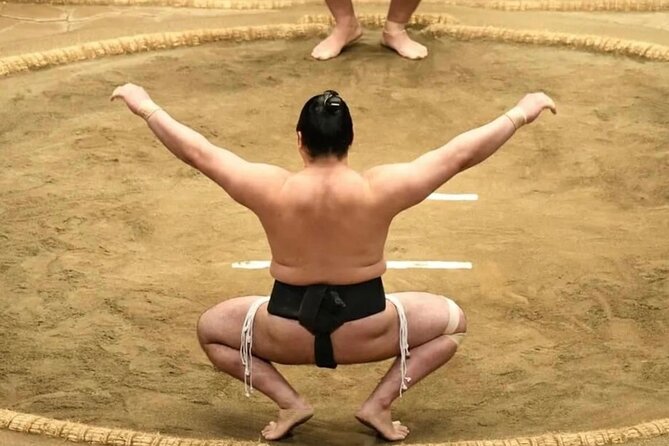
- Limited 50-seat format means a clear ring-side view for almost everyone
- Bilingual MC storytelling connects moves to tradition and meaning
- Sumo Challenge participation lets you test your strength in the ring
- Photo session and meet-and-greet make it more than a “watch and leave” show
- Dohyo-side seating keeps the experience hands-on and easy to follow
- Drink included is a bottle of water, with other drinks sold separately
Why Shinjuku’s Sumo Club Feels Different Than a Tournament
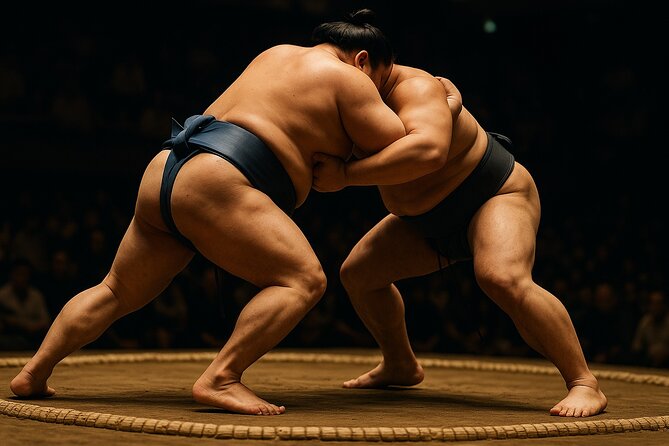
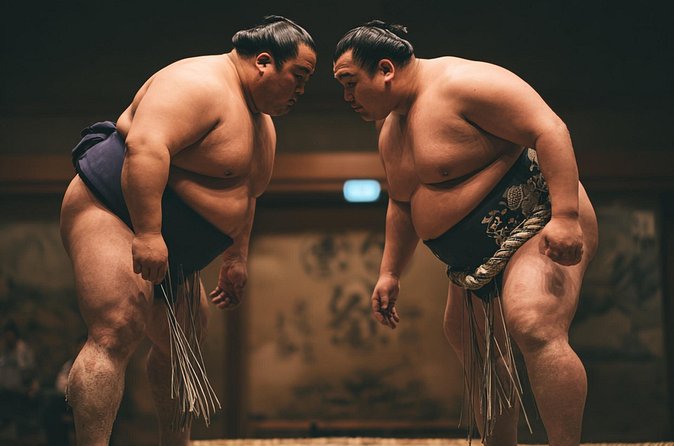
If your mental image of sumo is a huge stadium and a strict, formal tournament flow, this experience adjusts that picture. At the Shinjuku Sumo Club, you’re close enough to see the wrestlers’ focus, hear the calls, and understand what’s happening without needing to read a rulebook first. The show is designed for connection, not for distance.
I like that the seating is limited to about 50 people. In practice, that means you’re not craning your neck or watching from the far edge. You’re in the “work zone” around the dohyo, so even the small ceremonial bits (like the lead-in moments before action) land with more impact.
I also like that the program is bilingual, with an MC guiding you through the logic of the sport. Sumo can look simple until you learn what each move is trying to do. When someone explains the rituals and strategy clearly, the sport stops feeling like random pushing and becomes a set of decisions.
The one caveat: this is not a long, official-match session. It’s structured as demonstrations, brief matches, and audience moments. If you’re chasing hours of full-length tournament bouts, you may want to mentally budget this as an exhibition + interaction format rather than a whole season of sumo in one night.
You can also read our reviews of more tours and experiences in Tokyo

Arrival at the venue and getting your ring-side bearings
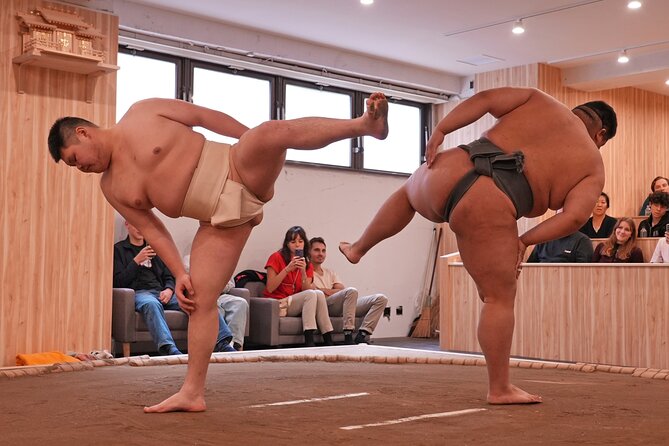
The experience starts at the Shinjuku Sumo Club meeting point at Ōkubo, 2-chōme, SEKISAKU BLDG, in Shinjuku (Tokyo 169-0072). The activity ends back at the meeting point, so you’re not left figuring out a second location afterward.
You’ll want to arrive with a little slack in your schedule. This kind of show works best when you’re seated early, especially because the ring is small and the action is staged around it. The earlier you sit, the better your view during the first demonstrations and explanations.
There’s also a practical comfort note from real-world experience: there is an elevator to the floor, not only steep stairs. If you’d rather avoid stairs, it’s worth planning to use the elevator when you arrive or when you’re leaving.
Once you’re inside, get oriented right away. The key is that everything centers on the dohyo, and the staff will guide you through the flow. When you’re paying attention to where the action moves, you get more out of the explanations and don’t miss the moment when audience participation is offered.
The bilingual MC: how you actually start to understand sumo
The host is a big part of why this show works for first-timers. A bilingual MC doesn’t just translate words. They connect what you’re seeing to why it matters in sumo culture and match structure.
Expect a quick setup that covers the basics and then builds as the evening moves along: what the wrestlers are doing, what the rituals mean, and how the match rhythm works. You’ll hear about traditional elements such as the throwing of salt and the broader idea of respect and ceremony in the sport.
One name that comes up from the show: Manny. In at least one run, the announcer Manny gave the kind of pacing that helps you follow both the match action and the cultural background without feeling lost.
This is the difference between “watching sumo” and “getting sumo.” When you understand a few key signals—what moves are trying to accomplish, how wrestlers create advantage, and what the ritual moments represent—you’ll enjoy the bouts more because you know what you’re looking for.
Live bouts and demonstrations: what to watch for in the small ring
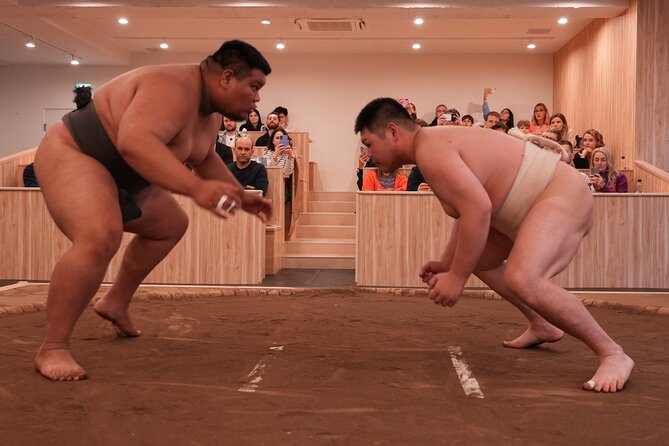
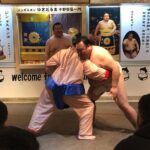
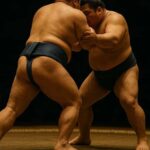
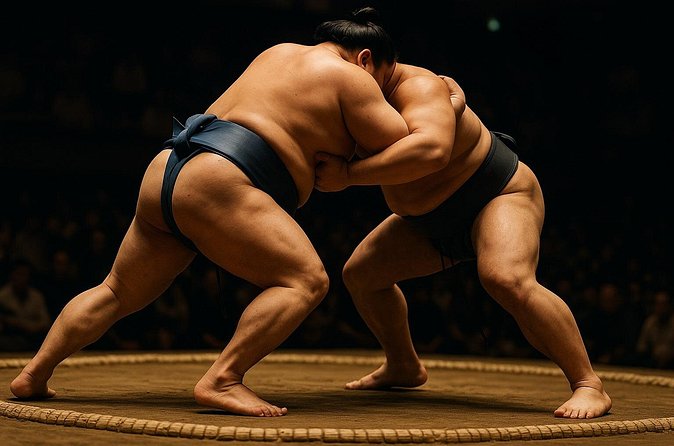
The show is built around close-up demonstrations and professional bouts explained in real time. You’ll see wrestlers go head-to-head, with live commentary explaining what’s happening and why a move works.
Because the ring is compact, the action can feel fast and tight. That’s not a flaw—it’s part of the appeal. In a small space, every shift of balance matters. If you’re used to sports with long pauses, sumo here can feel like a sequence of controlled bursts: step, test, strain, and then the decision.
That said, this is where expectations can differ. Some people come wanting more wrestling time or longer, official-feeling exchanges. The safest approach is to treat it as an exhibition night: watch for the combination of technique + storytelling, not for a tournament-style length or pace.
If you want to get the most out of it, watch the setup moments. Sumo isn’t just about strength; it’s also about stance, footwork, and leverage. When the commentary explains what a maneuver is supposed to do, you’ll start spotting the same patterns the wrestlers use again and again.
The Sumo Challenge: the interactive moment with real impact
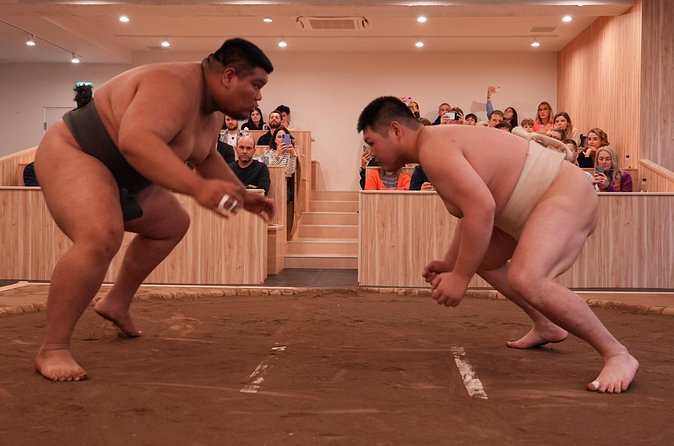
This is the part I’d circle on your itinerary. The show doesn’t stop at spectatorship. You step into the ring for the Sumo Challenge, and it’s a fun test of strength and balance, plus a clear way to appreciate how hard the sport actually is.
Participation is limited. In one account of the experience, only a small number of volunteers were selected, and the selection was described as a lottery. So even if you’re eager, don’t assume you’ll be chosen. If you’re okay with that, you’ll still enjoy the build-up, the practice vibe, and the photos even if you’re not the one in the spotlight.
The challenge itself matters because it changes how you watch. After you try it, you can’t unsee the balance and leverage. It also makes the show feel less like a scripted performance and more like an exchange between performers and audience.
And yes, it’s built to be friendly. The wrestlers are there to put on a show and to interact. That blend of theater and instruction is exactly what makes this type of small sumo club event worth considering in Tokyo.





Photo time and meet-and-greet: how the night ends
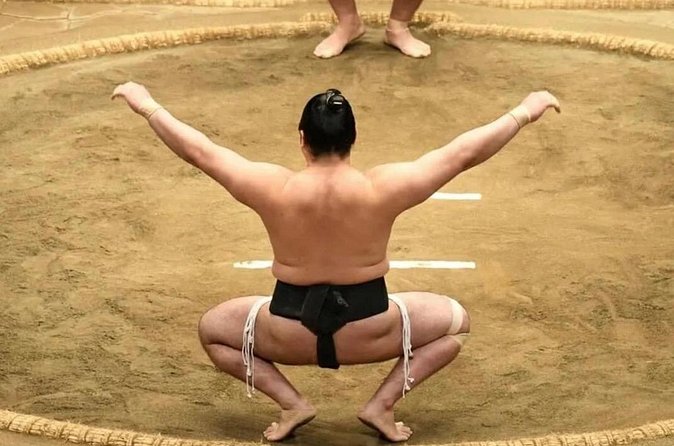
The experience wraps with a photo session and meet-and-greet with the wrestlers. This is more than a souvenir stop; it’s part of the overall “you were close to them” feeling that the smaller venue creates.
The photo moment also helps you remember what you learned. By then, you’ve already heard the rituals explained, watched the bouts, and maybe tried the challenge. Seeing the wrestlers in photos afterward lands as a continuation of the evening, not a random add-on.
If you care about photos, arrive ready in terms of timing and attention. The show runs on a schedule, and staff will move you through the last steps. Keep your camera or phone charged and ready to go so the final minutes don’t become stress minutes.
Drinks and what $70 buys you in real terms
The listed price is $70 per person, and at that level you should expect more than a quick demo. Here’s the value picture: you’re paying for a small, guided cultural sports show—bilingual explanation, ring-side access, audience participation, and wrestler photos.
The “drink included” detail is specific: the inclusive drink is a bottle of water. Other drinks are for sale. That means the price is not really carrying a cocktail or a meal; it’s carrying the experience package.
Is it expensive? It can be, depending on what you came for. If you want a long lineup of bouts like an official tournament, you might feel the time is short relative to the price. But if you want a focused, international-friendly, hands-on intro to sumo in one evening, this format can feel like good value because everything is concentrated and personalized.
Also note the setting: one account describes the surrounding area as a bit scuzzy. That doesn’t mean the show isn’t fun, but it’s good to know you might be walking through a more rough-edged slice of Shinjuku to get there.
How long it takes, and how to fit it into your Tokyo plan
The program runs about 1 hour 30 minutes. That makes it a practical choice for evenings when you want something cultural but don’t want to burn your whole night.
Because the show is compact and you’re seated close, it’s also less exhausting than some long sightseeing blocks. You’re mostly stationary, watching and listening, with one clear interactive moment in the middle.
I’d pair it with other Shinjuku-area plans: pre-dinner wandering, then the show, then a late snack afterward. If you schedule dinner too close, you risk rushing. If you keep dinner after, you can enjoy the show without thinking about timing every few minutes.
The show also has a mobile ticket, and it’s near public transportation. That matters in Tokyo, where “near” can still mean a few minutes of walking. Give yourself a cushion so you’re not arriving flustered.
Who this experience is best for
This is a strong pick if you’re:
- A first-timer who wants a clear explanation of sumo rituals and match logic
- Someone who likes interactive experiences, not just sitting in the dark
- Interested in a cultural sports night that works in English/Japanese because of the bilingual MC
- Traveling with friends or coworkers and want a shared, memorable moment
It may not be the best fit if you’re:
- Hoping for a long, tournament-style evening with many full bouts
- Expecting the inclusive price to include more than a bottle of water
Think of it as a “high-contact introduction” to sumo—shorter than an official schedule, but more personal because the venue is small and the audience is part of the show.
Should you book the Shinjuku Sumo Club?
I’d book this if you want sumo that feels human. The limited seating, the bilingual MC, the Sumo Challenge, and the wrestler photos combine into a package that’s hard to replicate on your own in Tokyo.
I’d hesitate only if you’re very sensitive to price for short-time content, or if you’re expecting hours of nonstop, official-match wrestling. If you calibrate your expectations as exhibition + instruction + participation, you’ll probably have a much better time.
If you do book, bring a curious mindset and a willingness to try the challenge moment if selected. That’s where the experience becomes more than entertainment.
FAQ
How long is the Shinjuku sumo show?
It runs about 1 hour 30 minutes (approx.).
Where does the experience start?
It starts at SEKISAKU BLDG in Shinjuku City, Ōkubo, 2-chōme (Tokyo 169-0072) and ends back at the meeting point.
How many people are in each show?
There’s a maximum of about 50 travelers, with limited seating around the dohyo.
Is there a mobile ticket?
Yes, the tour uses a mobile ticket.
Is it bilingual for non-Japanese speakers?
Yes. The MC is bilingual, and the show includes explanation of sumo history, rituals, and moves.
What drink is included with the ticket?
The included drink is a bottle of water. Other drinks are available for sale.
What is the cancellation window?
You can cancel up to 24 hours in advance for a full refund, and refunds are not available if you cancel less than 24 hours before the start time.