REVIEW · TOKYO
Tokyo Shibuya Walking Tour With A Local Guide
Book on Viator →Operated by Guydeez · Bookable on Viator
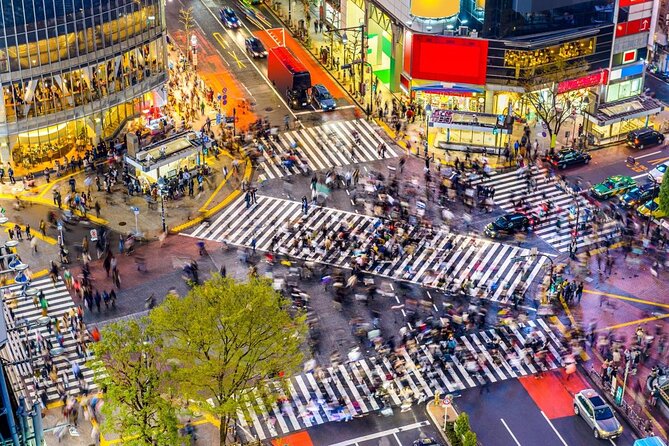
Shibuya can swallow you fast. I love the no-get-lost guidance, and I love that you hit Shibuya Scramble Crossing right away so you start the day oriented, not confused. In about two hours, you get a practical tour of Tokyo’s loudest intersection and the shopping streets that surround it, all led on foot at a comfortable pace.
You’ll also feel the difference of a real person talking you through the neighborhood. In the best outings, guides like Fabian, Riccardo, Mark, and Francisco are described as relatable, attentive, and flexible with what you want to focus on.
One possible drawback: this is a walking tour, not a deep dive into museums or a structured food crawl. If you want a meal plan, make sure you’re booking the right type of experience—because the route here is built around outdoor sights and street-level Tokyo.
In This Review
- Key points that make this Shibuya walking tour worth your time
- Shibuya in two hours: what you’ll actually cover
- Meeting at Dōgenzaka: starting point that keeps you from wasting time
- Shibuya Crossing: the orientation lesson hidden inside the photo stop
- Hachiko: the heartwarming landmark that also works as a navigation anchor
- Center Gai (Center-gai): a pedestrian street break from the big intersections
- Shibuya Mark City: when a mall complex becomes a map tool
- Shibuya 109: a fast hit of fashion energy without the slow shopping trap
- A view over Shibuya: why that last angle matters
- How the guide experience changes the day (customization included)
- Price and value: what $30.03 buys you in Shibuya time
- Included help: tickets, but not full sightseeing shopping sprees
- Getting around: transport isn’t part of the ticket
- The itinerary at a glance: how the stops flow
- Who should book this tour (and who might skip it)
- One caution from a bad-fit situation: clarify food expectations
- Should you book this Tokyo Shibuya walking tour?
- FAQ
- How long is the Shibuya walking tour?
- What does the tour cost?
- Is it private or small-group?
- What language is the guide available in?
- Where do I meet the guide?
- Where does the tour end?
- What stops are included in the walking route?
- Are admission tickets included for the stops?
- Is food or drink included?
- Do I need to pay for public transportation during the tour?
- Can I cancel for a full refund?
Key points that make this Shibuya walking tour worth your time
- Scramble Crossing first so you learn the layout before it gets chaotic
- Hachiko + station-area landmarks that make the rest of Shibuya easier to navigate
- Center Gai, Mark City, and Shibuya 109 as quick “on-the-ground” orientation stops
- Photo moments with purpose, not just standing around
- In-person guide in English, Spanish, French, or Italian for real-time local help
- Private or small-group options with customization included
Shibuya in two hours: what you’ll actually cover
This tour is built for momentum. You’re out for about 2 hours, walking through the Shibuya area where most first-time visitors feel instantly overwhelmed. Instead of you guessing which streets connect to which rail lines, the guide keeps you moving in a logical loop.
Most of the time is spent at a set of outdoor, street-level highlights—think big icons and major shopping corridors. Each stop is short (around 20 minutes), which is perfect when you want highlights without losing half your day to transit and wandering.
You can also read our reviews of more walking tours in Tokyo


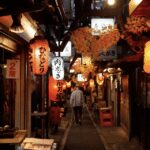
Meeting at Dōgenzaka: starting point that keeps you from wasting time
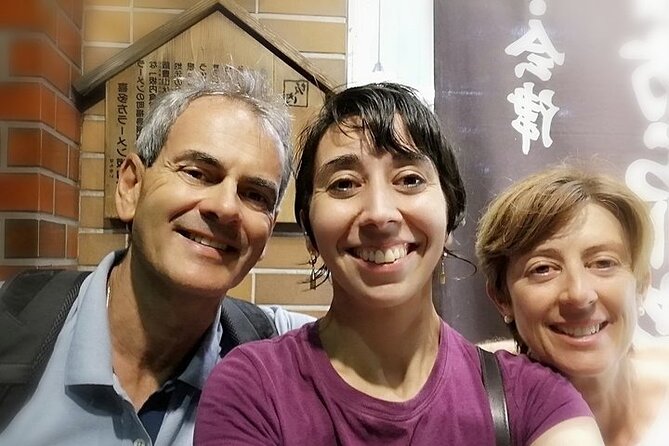
The meeting point is at Shibuya, Dōgenzaka 2-chōme 5-9, at the Hachikō Exit Store A. It’s close to public transportation, and the tour ends back at the same starting area, so you’re not left figuring out a new drop-off point.
Why that matters: Shibuya is a maze of exits. Starting near the Hachikō area means you can anchor your sense of direction quickly. After the walk, you’ll know where to stand when the crowds split and flow again.
Shibuya Crossing: the orientation lesson hidden inside the photo stop
Yes, it’s famous. But the real value of Shibuya Scramble Crossing isn’t just the view—it’s how it teaches you the neighborhood’s geometry.
You’ll spend about 20 minutes here, long enough to take photos from a good angle and still watch how pedestrians actually move through the crossings. That simple observation makes the rest of your Shibuya time easier, because you’ll understand which streets funnel people where.
Hachiko: the heartwarming landmark that also works as a navigation anchor
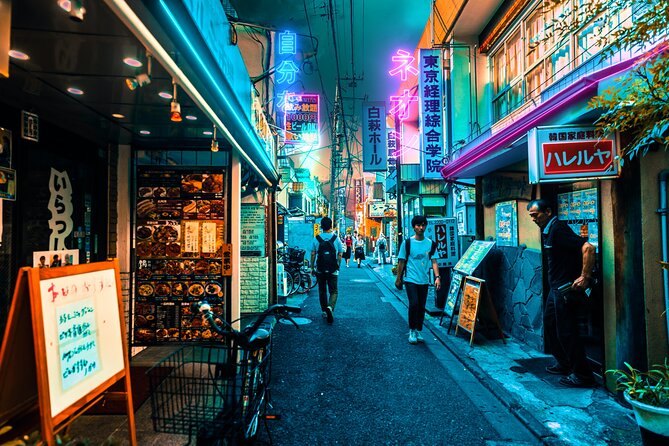
Next up is Hachiko, the statue near Shibuya Station. People love this stop because it’s emotionally simple: a loyal Akita dog remembered for waiting at the station for his owner.
But for practical travelers, the payoff is map-reading. When you can point to Hachiko as a fixed reference, you stop thinking in abstract station lines and start thinking in real walking routes. That’s the kind of mental shortcut that saves time later.
Center Gai (Center-gai): a pedestrian street break from the big intersections
Then you shift into Center Gai (Center-gai), a pedestrian shopping street lined with shops, cafés, and entertainment venues. This is one of those streets that feels like Tokyo’s everyday pace—less about a single photo and more about absorbing the vibe at street level.
In a two-hour tour, it’s a smart choice. It gives you a change of scene from the intersection overload, but you’re still learning how to move through the Shibuya core. If you’re the type who later wants to return on your own, this stop helps you picture where you’d go and what direction you’d head.
You can also read our reviews of more guided tours in Tokyo




Shibuya Mark City: when a mall complex becomes a map tool
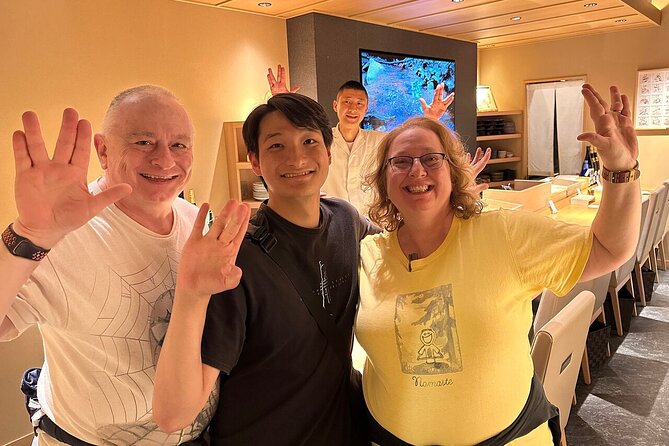
Shibuya Mark City is a multi-use complex near the station, with shopping, dining, movie theaters, and event space. From a traveler’s perspective, it’s useful because it acts like a built-in landmark—something solid you can use when you’re trying to remember where you are.
Also, it can serve as a weather buffer. The tour is outdoors-focused, so having a major complex nearby is helpful if you run into sudden rain or need a quick break.
Shibuya 109: a fast hit of fashion energy without the slow shopping trap
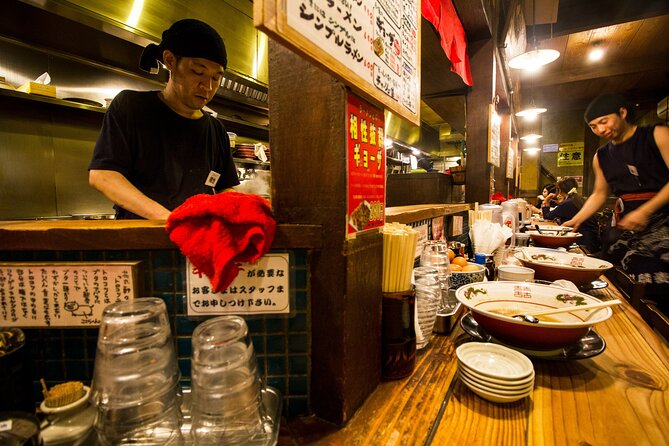
Shibuya 109 is a landmark department store known for trendy fashion aimed primarily at younger shoppers. The building is distinctive, and the experience of seeing it on the tour is about recognizing a major Shibuya identity—one that matters even if you don’t buy anything.
This stop works because it’s not just commerce. It’s a visual checkpoint. If you’ve ever walked through a shopping district and felt you couldn’t tell one block from the next, places like 109 reset your mental map.
A view over Shibuya: why that last angle matters
The final stop is described broadly as a scenic viewpoint in Shibuya, and it depends on the exact location your guide chooses. The point isn’t a museum ticket—it’s getting above street level for a minute so the whole area clicks into place.
This is where guides with strong local instincts shine. In good cases, you end up with a view that helps you understand where the crossings and major streets sit relative to everything else below. It’s not just pretty. It’s the fastest way to turn a walk into a mental map you’ll actually use later.
How the guide experience changes the day (customization included)
This tour includes customization, and you can choose between private or small-group formats. In plain terms: if you’re more interested in photography, street scenes, or simply learning how to navigate without stress, you can guide the walk.
You’ll also get an in-person guide who speaks English, Spanish, French, or Italian. That matters more than people think. In Tokyo, the difference between asking a question once and trying to solve it later on Google Maps can be the difference between a fun afternoon and a frustrated evening.
Also, the best guide style here seems to be responsive. People describe guides like Fabian as interesting and relatable, with a strong ability to listen. That kind of back-and-forth is exactly what turns a list of stops into an actual neighborhood lesson.
Price and value: what $30.03 buys you in Shibuya time
At $30.03 per person for about 2 hours, this is priced like a “help me not waste time” purchase. It’s not a premium luxury tour, but it includes what you need: an in-person guide, a route that keeps you oriented, and a structure that prevents aimless drifting.
A few value notes that matter:
- The tour includes a mobile ticket.
- The listed stops show free admission tickets, so you’re not paying entry fees at each checkpoint.
- Food and drinks are not included, and neither are tips (optional).
- Monument and museum entries aren’t included, so don’t plan on this replacing ticketed attractions.
One practical translation: you’re paying mostly for direction and context, not for access to paid interiors. If that matches your travel goal, the value feels solid.
Included help: tickets, but not full sightseeing shopping sprees
The experience includes help from the team to book tickets for the visits you want. That’s useful if you’re combining a neighborhood walk with a ticketed attraction elsewhere in your day.
But keep the boundaries clear. This is described as a city tour and not a tour inside the monuments, and it’s a walking experience. If you want indoor museum time, you’ll need to arrange that separately.
Getting around: transport isn’t part of the ticket
You’ll be walking, but the tour doesn’t include the cost of public transport used during the tour. That’s normal for city walking tours, but it does mean you should budget transit if your hotel is farther out.
The good news is that the starting point is near public transportation, so the “getting there” part usually won’t be a big hassle.
The itinerary at a glance: how the stops flow
The flow is simple: big icon, station-area anchor, shopping streets, landmark department store, then a viewpoint. The whole route is built so you’re not repeating yourself.
A few things you should expect:
- Short stops mean you’ll want to be ready for photos and quick looks.
- You won’t be stuck inside lines, because this tour is built around outdoor points and walkable areas.
- You’ll come away with a sense of where the major Shibuya pieces connect.
Who should book this tour (and who might skip it)
This works especially well if you:
- are on a first trip and need Shibuya orientation fast
- want a guided route without committing to museums or a food-focused plan
- like seeing a neighborhood’s landmarks and street-level “texture” in a short session
- want a guide in English, Spanish, French, or Italian
You might skip it if you:
- only want a specific ticketed interior experience (since entry to museums/monuments isn’t included)
- are specifically hunting for a structured food crawl—food and drink aren’t part of this package
One caution from a bad-fit situation: clarify food expectations
There was at least one confusing experience tied to food, which highlights a basic travel lesson: double-check what you’re actually booking. This tour is a walking tour with sightseeing stops, and food and drink are not included. If you’re hoping for tastings, you’ll want a different kind of itinerary or to add meals on your own after the walk.
That doesn’t mean the tour is “wrong.” It just means you should match your expectations to what the experience is designed to do.
Should you book this Tokyo Shibuya walking tour?
If your goal is to understand Shibuya quickly and get confident walking around the neighborhood, I think this is a smart buy. The best part is that you don’t start with guesswork—you start with the landmarks that actually help you navigate.
Book it if you want an efficient, guide-led loop that covers Scramble Crossing, Hachiko, Center Gai, major shopping landmarks like Mark City and 109, and a viewpoint to tie it all together. Skip it if you’re hunting for museum time or an organized food program.
FAQ
How long is the Shibuya walking tour?
It’s about 2 hours.
What does the tour cost?
It’s priced at $30.03 per person.
Is it private or small-group?
You can choose private or small-group. The group option requires a minimum of 2 participants.
What language is the guide available in?
Guides speak English, Spanish, French, or Italian.
Where do I meet the guide?
Meet at Japan, 150-0043 Tokyo, Shibuya, Dōgenzaka, 2-chōme 5-9 (渋谷ハチ公口店A).
Where does the tour end?
The tour ends back at the meeting point.
What stops are included in the walking route?
You’ll visit Shibuya Crossing, Hachiko, Shibuya Center-gai, Shibuya Mark City, Shibuya 109, and a scenic viewpoint in Shibuya.
Are admission tickets included for the stops?
The listed stops are shown with free admission. The tour also notes it’s not a tour inside monuments or museums.
Is food or drink included?
No. Drink or food is not included.
Do I need to pay for public transportation during the tour?
Yes. Transportation costs for public transit are at your own expense.
Can I cancel for a full refund?
Yes, free cancellation is available, and you can cancel up to 24 hours in advance for a full refund.