REVIEW · TOKYO
Mt. Fuji Skiing Experience- YETI Ski Resort & Onsen Day Trip
Book on GetYourGuide →Operated by TAIHOU CO,LTD · Bookable on GetYourGuide
Mt. Fuji shows up fast. This day trip combines YETI Ski Resort with big views from the slopes, plus a soak at Konohana no Yu with Mt. Fuji in sight. I love that it’s set up for real beginners and steady intermediates, and you’re not stuck thinking about logistics all day.
One thing to plan around: the whole schedule is timed tightly. If weather or crowds slow things down, you can end up feeling like there was less actual time skiing than you wanted, especially because the onsen stop is also limited.
In This Review
- Quick hits you’ll care about
- Getting from Tokyo to the mountains: the 10-hour rhythm
- YETI Ski Resort: 4 hours of slope time at Mt. Fuji 2nd Station
- The views: when Mt. Fuji and Suruga Bay show up
- Hot spring reset at Konohana no Yu (and what to expect)
- If Konohana no Yu is closed: Gotemba alternatives
- Matching a ski package to your comfort level
- Price and value: what $90 buys in real terms
- The guide experience: languages, pacing, and how it can swing
- Timing snags to watch for (and how to protect your day)
- Who this day trip suits best
- Should you book the Mt. Fuji YETI Ski Resort & Onsen day trip?
- FAQ
- Where do I meet the tour guide, and when does it depart?
- How long is the tour?
- Where is the YETI ski resort located?
- How much time will I spend skiing, and what skill levels fit?
- What’s included in the price?
- What’s not included?
- Which hot spring is planned, and how long is the stop?
- What if Konohana no Yu is closed?
- What languages are the tour guide services offered in?
- Can I cancel, and is pay-later available?
Quick hits you’ll care about
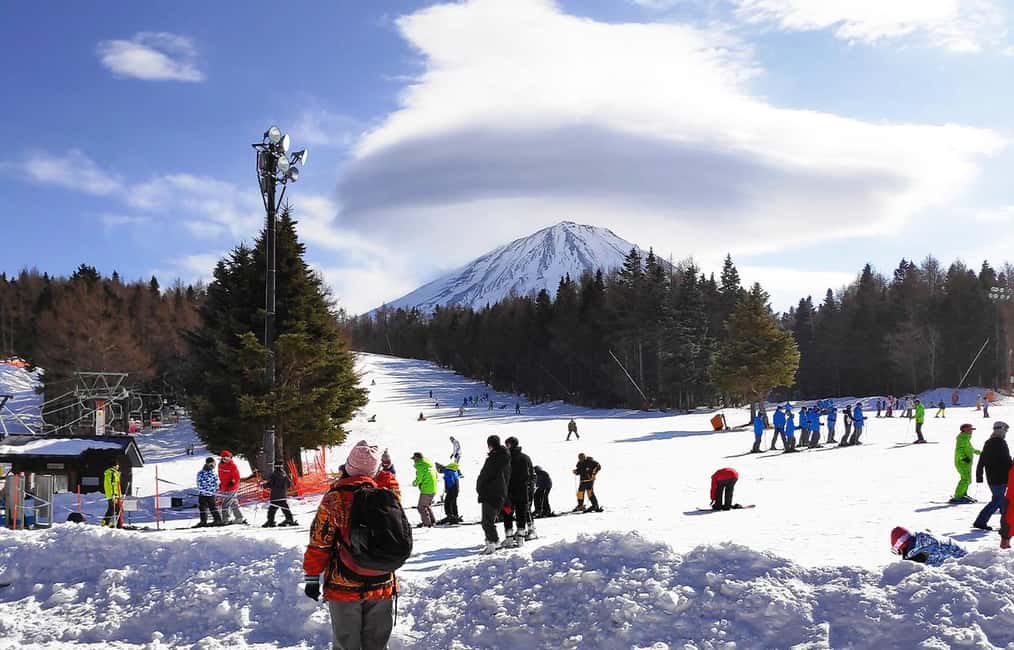
- YETI Ski Resort is up around 1,400 meters, and it’s positioned for early snow fun
- Four slopes are set for beginners and intermediate skiers
- Mt. Fuji + Suruga Bay can frame your ski day when the sky is clear
- Konohana no Yu is the planned hot spring, including an open-air bath with Mt. Fuji views
- If Konohana no Yu is closed, you’ll pivot to Gotemba Fuji Hakkei or Gotemba City Onsen Hall (self-paid)
- You’ll ride in a round-trip air-conditioned coach with a professional driver and a guide in Chinese/English/Japanese
Getting from Tokyo to the mountains: the 10-hour rhythm
This is a proper day trip, not a half-day escape. You meet at 7:15 AM at JR Tokyo Station (Marunouchi North Exit), then depart at 7:30 AM, usually without hanging around. The coach ride takes about 2.5 hours each way, and that timing matters because it shapes how much time you actually get on snow.
The day runs like this: you transfer to the Mt. Fuji 2nd Station area where the YETI snow park sits at altitude. You’ll get a solid block of ski time, then move on to hot spring recovery. After about an hour in the onsen, you’ll head back to Tokyo and aim to be back at JR Tokyo Station or the Shinjuku West Exit.
Because it’s a shared group tour, you’re not controlling the pace. If you’re the type who likes to squeeze in extra stops or dinner plans right after, this tour will make you rethink that. Build your evening flexibility.
You can also read our reviews of more tours and experiences in Tokyo
YETI Ski Resort: 4 hours of slope time at Mt. Fuji 2nd Station
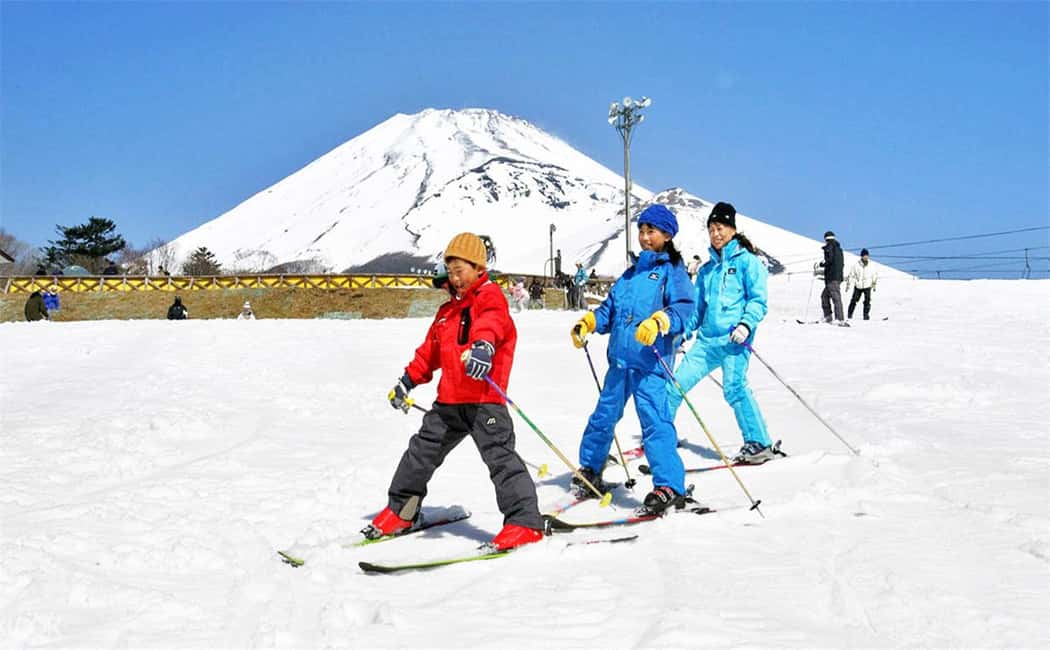
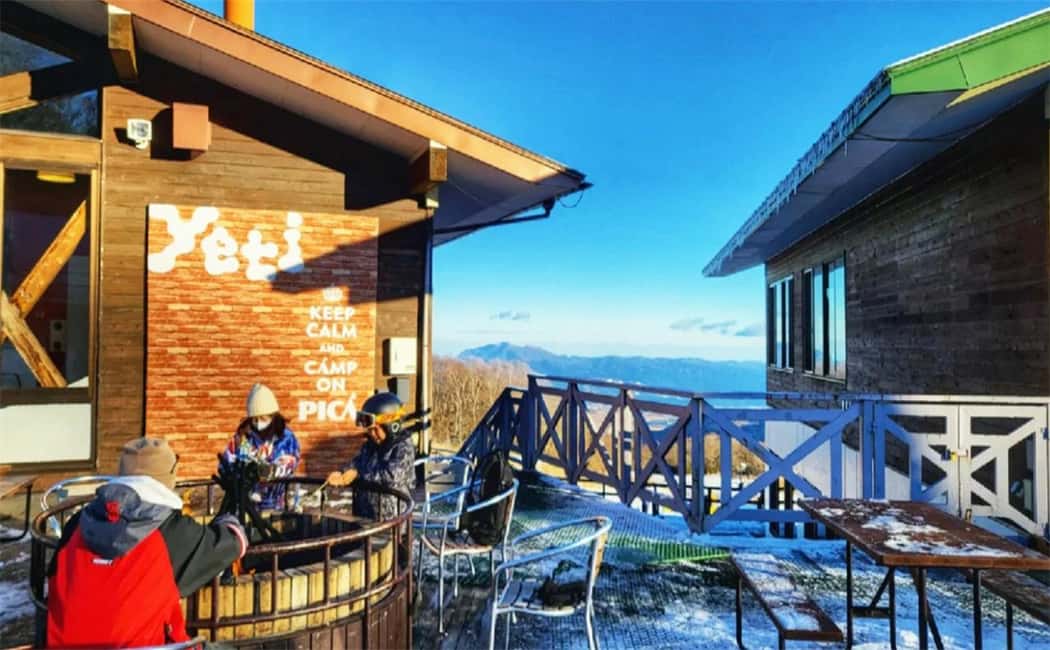
YETI Ski Resort is located at the Mt. Fuji 2nd Station snow park area, around 1,400 meters up. That height helps explain why skiing here feels so crisp and “real winter” compared to lower-elevation snow fun. It’s also why the views can be so dramatic if visibility is decent.
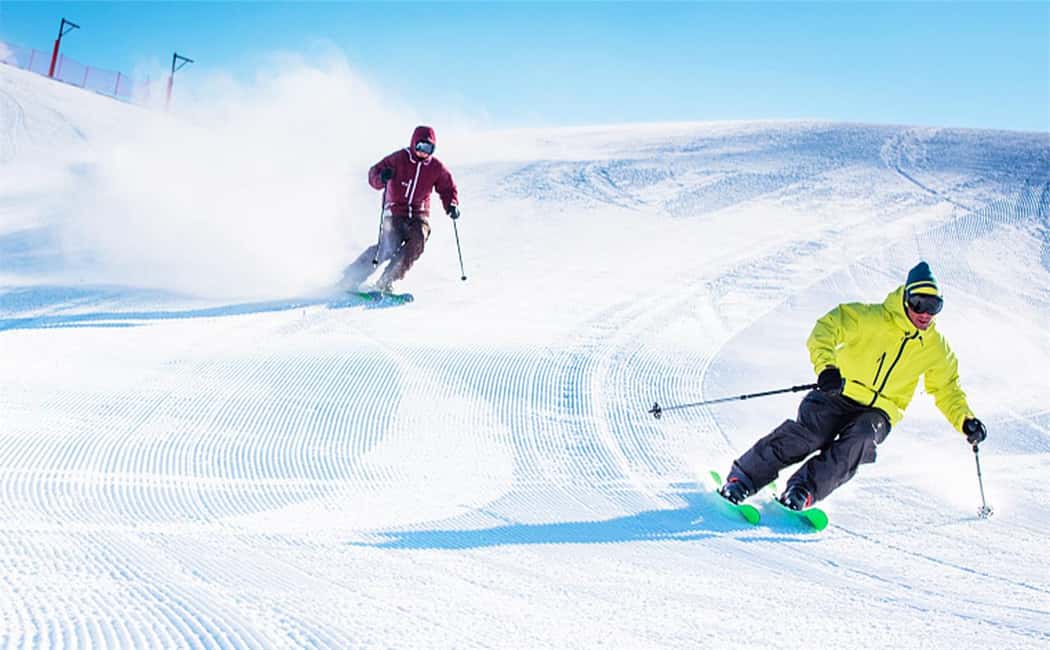
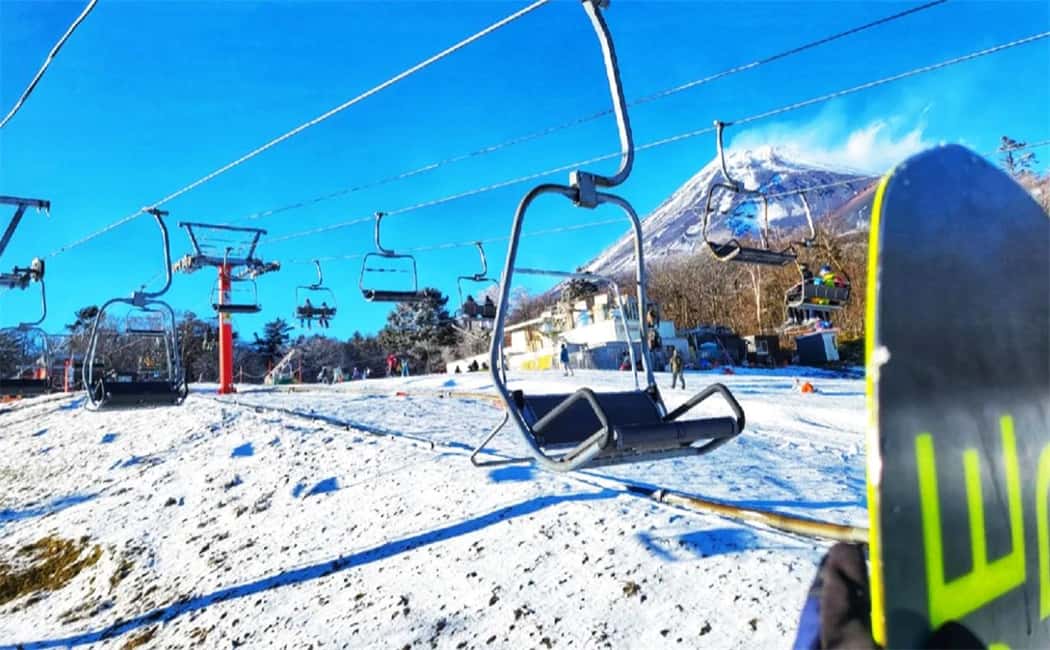
Your ski window is about 4 hours, which is enough for learning, getting your legs back under you, or chaining a few runs. The setup is beginner-friendly but not childish: there are four ski slopes, aimed at beginners and intermediate skiers. If you can turn, stop, and handle a gentle slope, you’ll likely feel in your element.
Ski equipment is included only depending on the ski package you choose. If you pick a package that covers gear, you’ll show up and get what you need. If not, you’ll want to plan accordingly. This is one place where checking your exact package before departure pays off.
The views: when Mt. Fuji and Suruga Bay show up
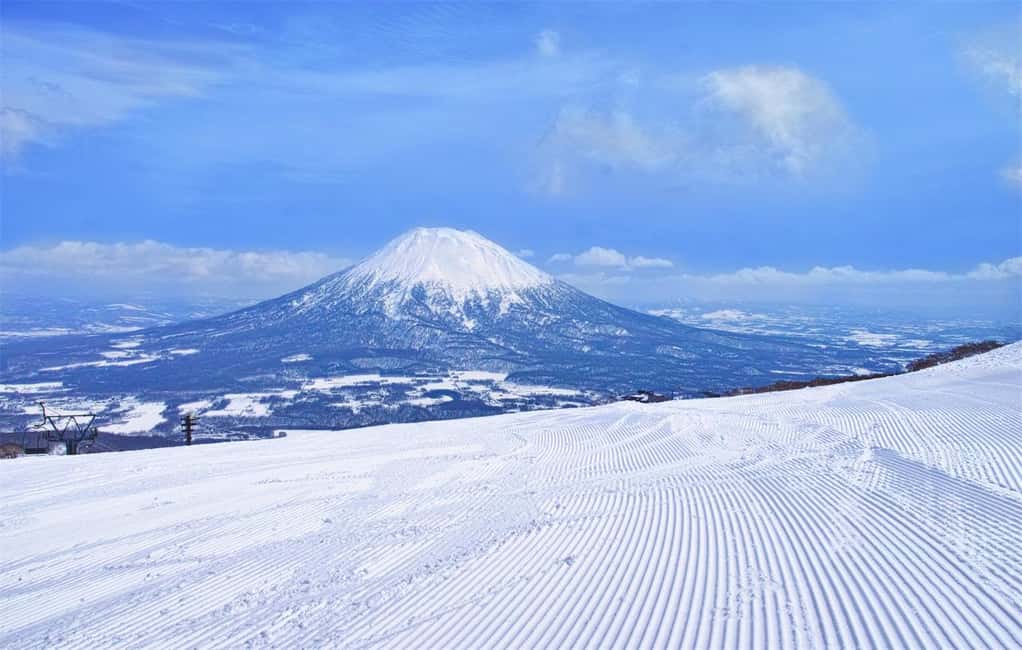
The reason many people book this day trip is the same reason ski commercials work: the scenery. On clear days, you can see Mt. Fuji and Suruga Bay from upper areas of the resort. Even if you’re not an expert skier, those overlooks change the feeling of the day from exercise to scene.
Here’s the practical note: weather decides everything. Cloudy or stormy conditions can reduce visibility fast, and that’s when you’ll be glad the slopes are still usable even if the views fade. Bring a realistic mindset: plan for skiing first, and treat the Mt. Fuji view like a bonus.
Also, altitude and mountain conditions can be colder than you expect. Dress in layers you can move in, not just warm coats that slow you down. Ski days are short on patience, and comfort helps you learn faster.
Hot spring reset at Konohana no Yu (and what to expect)
After the last run, you switch from poles to slippers. The tour’s planned hot spring stop is Konohana no Yu, a facility accessed by elevator from the parking area. The stop is timed at about 1 hour, so you’ll want to keep your routine efficient: rinse, soak, and don’t get distracted by every seat and towel display.
The highlight here is the open-air bath view. You’ll soak with Mt. Fuji scenery in mind, using what the tour describes as high-quality natural spring water. In real terms, it’s a classic “lungs out, shoulders down” reset after skiing. Your quads will thank you.
If you’re counting on the onsen to be the main event of the day, keep your expectations aligned. This is recovery plus a view, but it’s not an all-day spa. One hour goes quickly when the line is busy, and that’s true even in Japan.
If Konohana no Yu is closed: Gotemba alternatives
Sometimes the plan changes. If Konohana no Yu isn’t available, your tour uses backup options: Gotemba Fuji Hakkei or Gotemba City Onsen Hall. These are described as optional activity locations that are self-paid, so you’ll want extra cash on hand in case your onsen choice shifts.
This backup approach is useful for people who really care about not losing the hot spring portion of the itinerary. But it also means the onsen experience may feel different—different building, different layout, and possibly different view angles. You’re still getting the core idea: soak the muscles and warm up after cold air.
You can also read our reviews of more tours and experiences in Tokyo


Matching a ski package to your comfort level
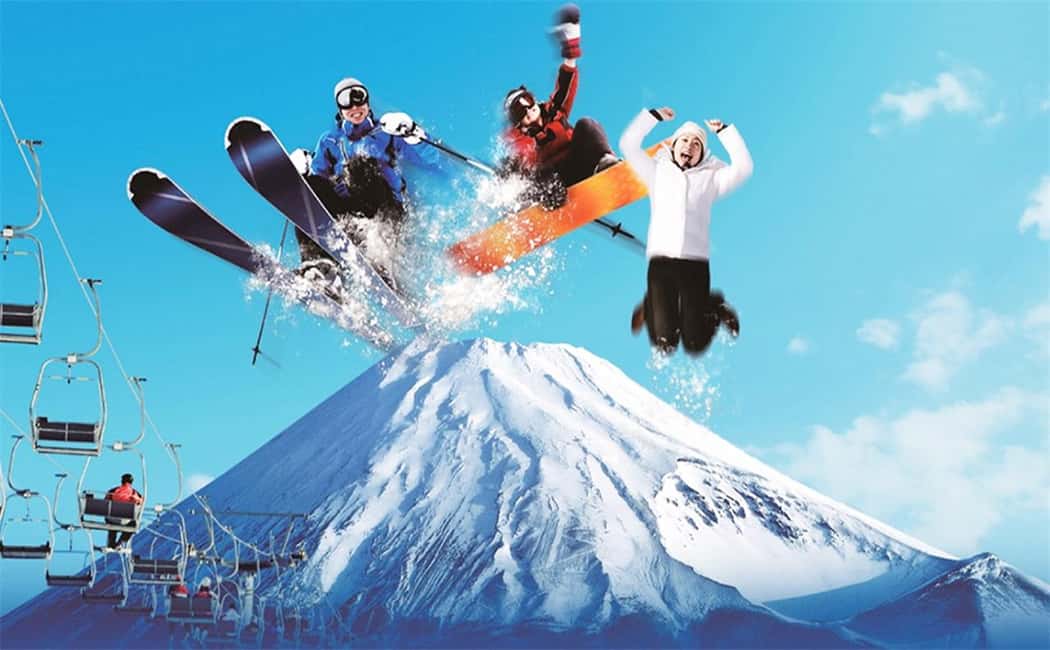
This tour is built around the idea that you’ll choose a ski package that fits your skill and interests. That matters because your day won’t feel smooth if you show up underprepared or overconfident.
Here’s a sensible way to match the package:
- If you’re learning basics, choose the package designed for beginners so the slope time matches your pace.
- If you’re comfortable on gentle runs, pick an intermediate-friendly option to use the 4-hour window efficiently.
- If you prefer not to worry about rentals, choose the package that includes ski equipment.
Even in the best-case scenario, a day trip means you’re juggling time. The best package is the one that reduces wasted moments—getting gear, getting sorted, and staying on schedule.
Price and value: what $90 buys in real terms
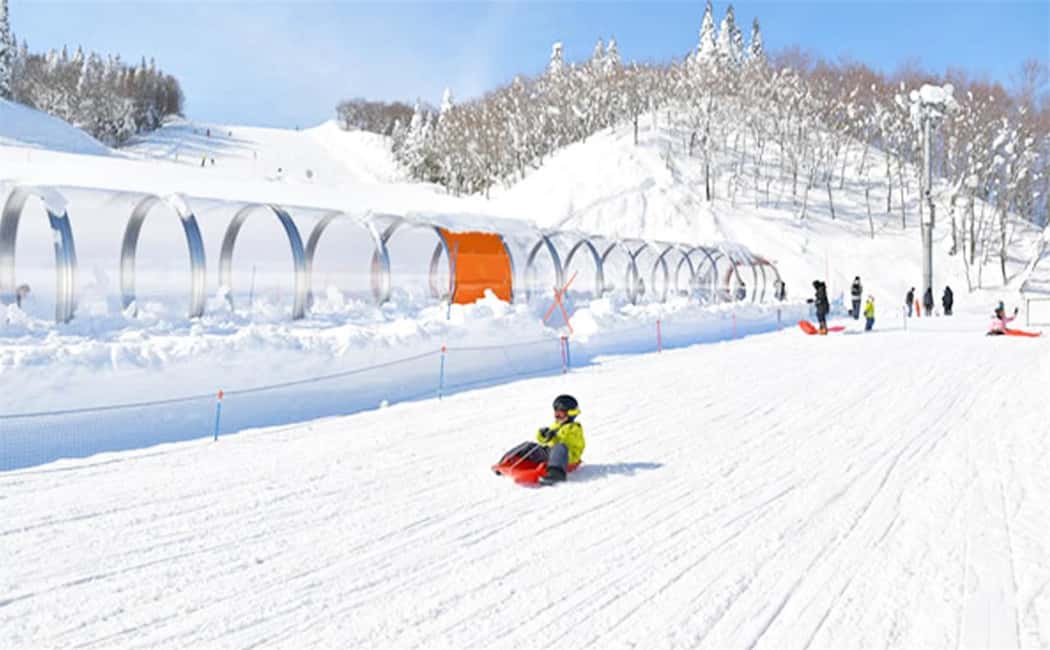
At about $90 per person for a roughly 10-hour day, you’re paying for more than “admission.” Your cost covers round-trip transportation in an air-conditioned coach, entrance to the ski resort, parking fees, and a professional driver. Ski equipment may be included depending on your selected package.
Then there are the add-ons. Food and drinks are not included. The onsen fee is described as optional, around $12 USD, depending on what’s offered and whether you choose to go. So the true cost can creep up if you also buy meals and if you decide to treat the hot spring as non-negotiable.
To judge value fairly, think about alternatives:
- Going solo from Tokyo would require sorting transport schedules, then paying for ski and rentals separately.
- Hiring a private guide might cost far more, and you’d still have fixed travel time constraints.
This tour’s value comes from bundling transport plus ski access, then layering the onsen stop for recovery. If you’re the kind of traveler who wants a smooth, one-day plan without stress, it’s a good deal. If you want maximum skiing time or you hate time limits, you might feel the schedule squeeze.
The guide experience: languages, pacing, and how it can swing
You’ll have a live guide, with languages listed as Chinese, English, and Japanese. In practice, guide style can shape how you experience the day—especially on a group tour where you’re sharing time with other schedules and ski readiness levels.
The good news: some guides clearly work hard to make the day feel fun and navigable. One guide named Wanting is noted for providing an introduction to the history of the mountain, along with help that made the whole outing feel planned rather than chaotic. Another guide named Samuel is praised for tips on sightseeing at various stops and for keeping people upbeat and comfortable during the day.
The balancing note: not every guide interaction lands the same way for every person. If you’re picky about English depth, or if you strongly prefer conversation that stays focused on logistics and local culture, you may want to mentally prepare for a mixed bag. I’d treat the guide as your translator and schedule manager first, and only then as your encyclopedia.
Timing snags to watch for (and how to protect your day)
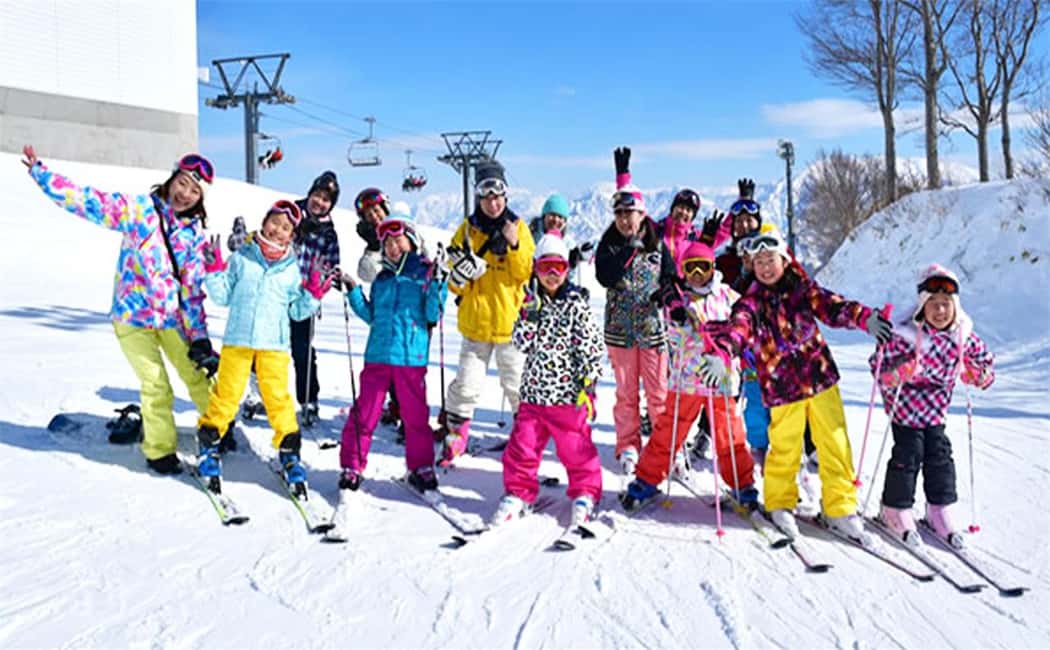
This itinerary is straightforward, but Japan travel has real-life variables. The tour specifically warns that bad weather, traffic conditions, or crowding during busy holiday periods can cause return-time delays. That can lead to shortening, rescheduling, or cancellation of some parts.
Your best defense is simple:
- arrive early at the station meeting point (at least 15 minutes before departure)
- check the weather forecast ahead of time
- don’t schedule another major transfer or event immediately after the tour
Also, you should expect email details the night before, including guide and driver info. It can land in spam, so check both places. The tour also asks you to bring cash, since some locations may not take credit cards.
If you keep those basics tight, you’re much more likely to get the full flow: travel, ski, soak, return.
Who this day trip suits best
I think this works best for:
- beginners who want a structured first ski day without planning the logistics
- intermediate skiers who want a scenic, not-too-committed day at Mt. Fuji altitude
- people who love a tight itinerary with one scenic payoff (Mt. Fuji views) plus one recovery payoff (a hot spring)
- travelers who prefer a shared tour structure over solo planning
It may not be ideal if:
- you’re a strong skier chasing maximum run time (4 hours can feel short)
- you want a long, unhurried spa experience
- you’re sensitive to schedule changes during bad weather or peak traffic
Should you book the Mt. Fuji YETI Ski Resort & Onsen day trip?
I’d book it if your priority is a one-day, low-stress Mt. Fuji ski taste plus a real hot spring reset. The combination of a beginner-to-intermediate slope set, the chance of Mt. Fuji and Suruga Bay views, and the planned soak at Konohana no Yu makes it a smart value play for many visitors.
I wouldn’t book it if your main goal is maximum time on snow or a slow spa day. The schedule is time-boxed by design, and mountain days can shift quickly. If that sounds like a problem, look for a longer ski session option instead.
If you go, go prepared: arrive early, bring cash, and treat the view as a bonus that depends on the sky.
FAQ
Where do I meet the tour guide, and when does it depart?
Meet at JR Tokyo Station Marunouchi North Exit. The meeting time is 7:15 AM and departure is 7:30 AM.
How long is the tour?
The tour runs about 10 hours.
Where is the YETI ski resort located?
It’s at Mt. Fuji 2nd Station Yeti Ski Resort, at an altitude of about 1,400 meters.
How much time will I spend skiing, and what skill levels fit?
You get about 4 hours at the ski resort. The slopes are described as suitable for beginners and intermediate skiers, with four ski slopes.
What’s included in the price?
Included are round-trip transportation by air-conditioned bus, entrance fee to YETI ski resort, parking fees, a professional driver, and ski equipment depending on the package you choose.
What’s not included?
Food and drinks are not included. The onsen fee is listed as an optional activity, around 12 USD.
Which hot spring is planned, and how long is the stop?
The planned hot spring is Konohana no Yu, with about a 1-hour sightseeing/soak stop. The open-air bath includes Mt. Fuji views.
What if Konohana no Yu is closed?
If it’s closed, the alternatives listed are Gotemba Fuji Hakkei or Gotemba City Onsen Hall. These are self-paid options.
What languages are the tour guide services offered in?
The guide services are listed in Chinese, English, and Japanese.
Can I cancel, and is pay-later available?
You can cancel up to 24 hours in advance for a full refund. There is also a reserve now & pay later option mentioned.