REVIEW · TOKYO
Tokyo: Samurai History Walking Tour
Book on GetYourGuide →Operated by Temples and Trails Tours Japan · Bookable on GetYourGuide
Samurai history starts right near Tokyo Station. This Tokyo: Samurai History Walking Tour strings together major stopping points tied to how warriors rose, changed, and finally faded after 1868. You’ll get an English-speaking guide who keeps the story clear and honest, without turning samurai into saints on parade.
What I like most is the way you move from big political power to personal, human stakes. Edo Castle ruins give you the heavyweight shogun-era backdrop, and Sengaku-ji puts the spotlight on the famous 47 Ronin gravesite in a way that feels real, not just legend. The tour also works well for families, since the explanations stay story-driven and question-friendly.
One consideration: it’s still a long walking route (with some public transport to rest your legs), so you’ll want decent stamina. It isn’t a fit if you tire very easily, and it’s not suitable for wheelchair users or people over 95.
In This Review
- Key Reasons This Tour Works
- Where the Tour Starts: Marunouchi Square and Tokyo Station Logistics
- The Samurai Story, Told in Real Places (900s to 1868)
- Edo Castle Ruins: Where Power Sat (and Why It Still Matters)
- A practical note on this stop
- Taira no Masakado’s Grave: A Smaller Site with Serious Weight
- Sengaku-ji and the 47 Ronin: Loyalty You Can See in Stone
- Don’t skip the museum if you like context
- Getting Around Without Draining Yourself: Timing and Transport Costs
- Food on This Tour: Keep It Simple with Convenience Store Snacks
- Who This Tour Fits Best (and Who Might Prefer Something Else)
- Price and Value: What You Pay for (and What to Budget Extra)
- Booking Details in Plain Talk (What Changes Your Day)
- Should You Book the Samurai History Walking Tour?
- FAQ
- Where does the tour meet?
- How long is the Tokyo Samurai History Walking Tour?
- Is the tour in English?
- How much does the tour cost?
- Is public transport included?
- What are the Sengaku-ji entry fees?
- Where does the tour finish?
- Will there be time for food?
- What kind of group size is it?
- Who should avoid this tour?
Key Reasons This Tour Works
- Marunouchi Square start: easy to find and close to Tokyo Station, so you can get rolling fast.
- Edo Castle ruins focus: you spend real time with the political heart of the Tokugawa era.
- Sengaku-ji 47 Ronin connection: the loyalty-and-revenge story becomes something you can stand beside.
- Straight talk about samurai reality: you’ll hear how samurai could be honorable, but also how power can corrupt.
- John’s storytelling style: guide John is friendly, and he’s willing to answer questions.
- No food stop, so plan snacks: you’ll move at a steady pace and eat when it’s convenient.
Where the Tour Starts: Marunouchi Square and Tokyo Station Logistics
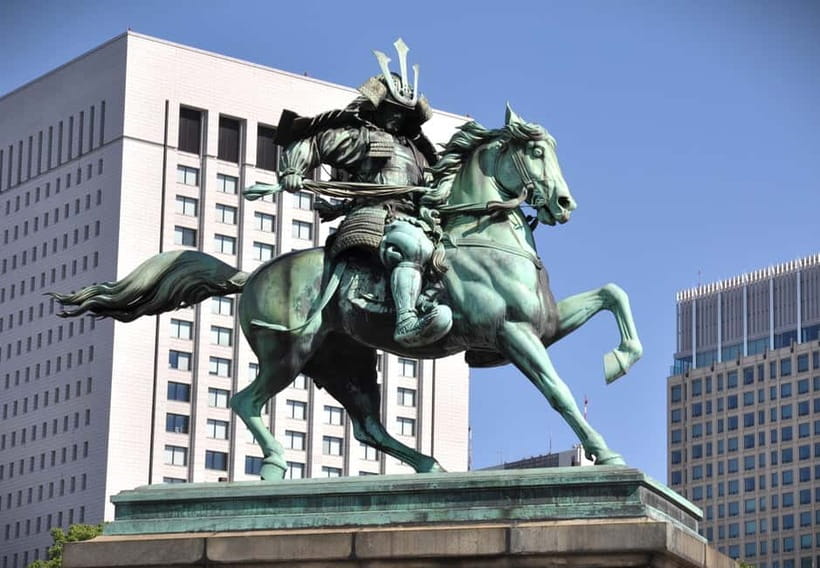
The tour meets outside JR Tokyo Station at Marunouchi Square (around the Marunouchi Central Exit area). It’s a smart choice because it’s central, easy to navigate, and you don’t need to hunt through side streets before you even start.
From there, you begin with a short guided introduction (about 30 minutes). This is the kind of start that helps your brain lock onto the timeline, because samurai history covers centuries and multiple power shifts. If you want to understand the big picture, that early framing matters.
You’ll also notice the group flow is built around movement. It’s a walking tour, but you’re not stuck doing every step on foot. You’ll take public transport occasionally to rest legs and keep the timing tight.
You can also read our reviews of more walking tours in Tokyo



The Samurai Story, Told in Real Places (900s to 1868)
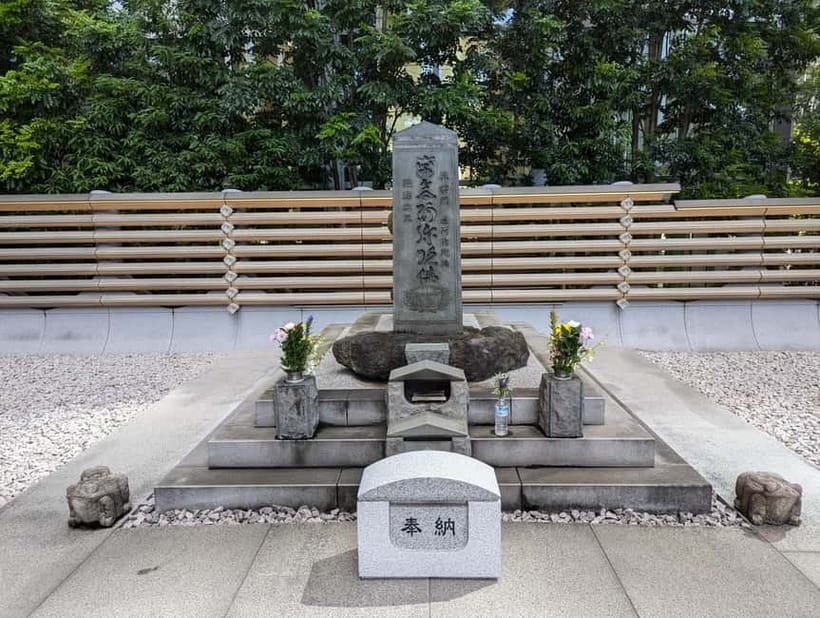
This tour is built around a simple challenge: samurai are famous, but the truth is more complicated than the posters. The guide sets up the questions you actually want answered—were samurai virtuous and honorable, or did they behave like thugs with better branding?—and then uses sites to explain how samurai formed and how their world ended.
You’ll hear that samurai history stretches from early formation in the 900s all the way to their demise in 1868. That arc is useful because it stops you from thinking of samurai as one fixed character type. Power, laws, and battlefield needs kept changing, and the people changed with them.
The best part is the tone. You’re not just collecting facts; you’re building a framework you can take with you to other Tokyo sights. Even if you only know a few samurai stories from popular culture, the tour helps you connect legend to history without flattening either.
Edo Castle Ruins: Where Power Sat (and Why It Still Matters)
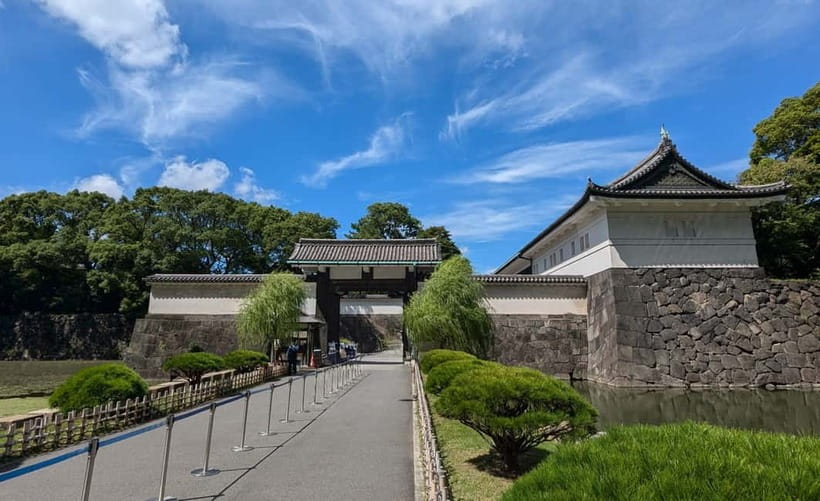
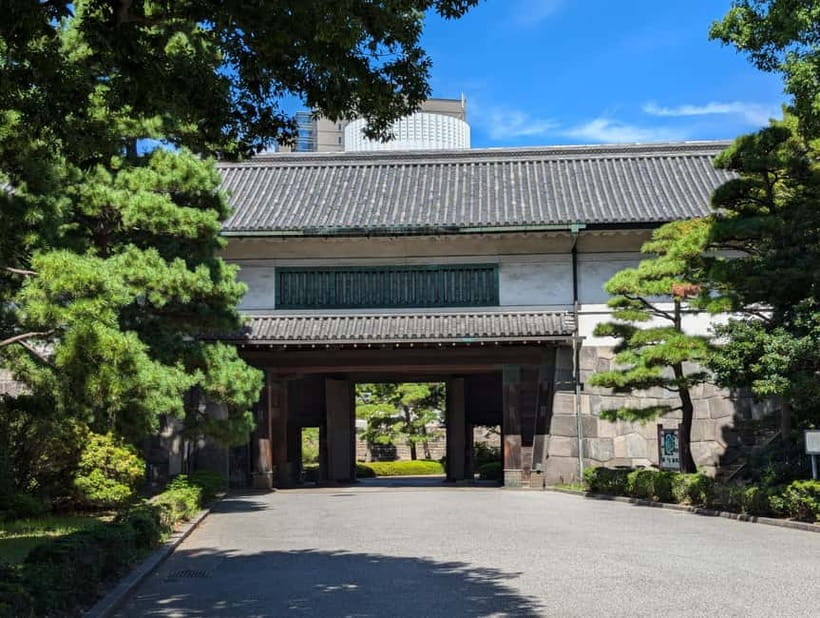
You spend the biggest chunk of time at the Edo Castle ruins area (about 105 minutes). This is where the story gets political. Edo Castle was closely tied to governance in the Tokugawa period, which means you’re seeing the kind of place where decisions shaped everyday life far beyond the battlefield.
What you’ll get out of this stop is perspective. It’s easy to think samurai history is only about duels and armor, but the castle grounds push you toward the reality of administration: order, control, succession, and the constant pressure of maintaining power.
This section also sets up why later sites hit harder. When you understand where authority was concentrated, the personal stakes in stories like the 47 Ronin feel less like theatrical tragedy and more like the cost of loyalty inside a strict system.
A practical note on this stop
Since this portion is long, wear shoes you can handle for steady walking. Tokyo’s surfaces are generally manageable, but you’ll still want comfortable footwear for a 4-hour outing that includes some travel between points.
Taira no Masakado’s Grave: A Smaller Site with Serious Weight
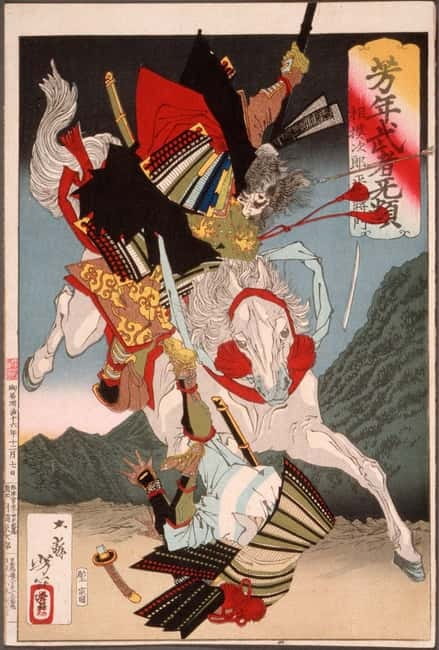
The route includes Taira no Masakado’s Grave, and even though it’s not the largest “tourist magnet,” it helps balance the story. Big castles show institutional power; this kind of grave-related stop shifts you toward earlier eras and the kind of conflict that helped define who could challenge the rules.
This is the sort of location where a guide’s framing matters. You learn to connect early warrior unrest with later samurai structures and expectations. It also nudges you to stop treating samurai history like a single straight line—because it’s more like a chain of causes and reactions.
If you like history that feels grounded in individuals, you’ll appreciate this pause. It’s also a useful reset point in the middle of the route, since the tour uses a steady rhythm rather than one rushed sprint after another.
You can also read our reviews of more historical tours in Tokyo






Sengaku-ji and the 47 Ronin: Loyalty You Can See in Stone
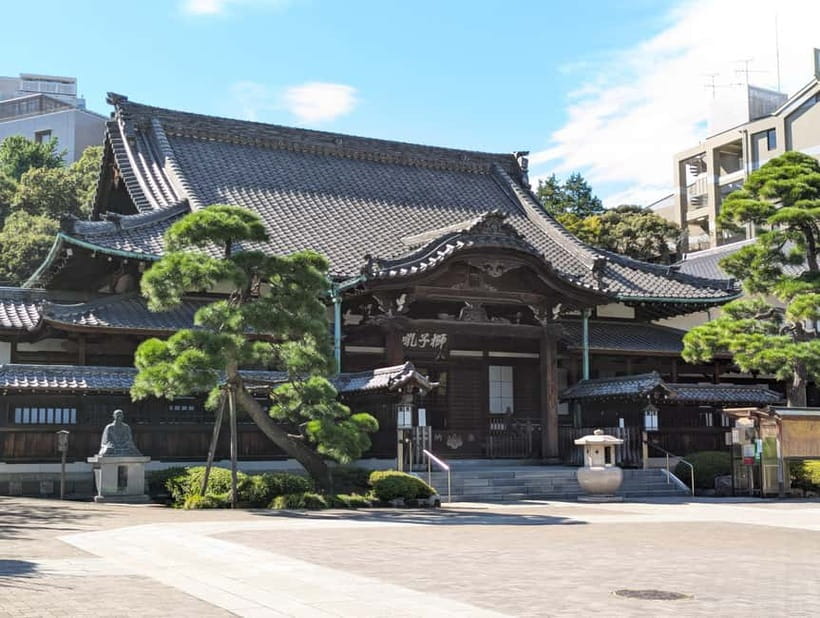
The final major stop is Sengaku-ji, with about 1 hour on site. This is where samurai legend becomes physical. The grounds are tied to the gravesite of the 47 Ronin, a story people know from books and film, but the moment you’re there, you get a different feeling.
Why it’s valuable: the tour doesn’t treat the 47 Ronin as a generic moral lesson. Instead, it uses the site to ask what loyalty meant inside the constraints of the time. You’re watching how narrative, ethics, and social order collide.
You should also plan for entry costs if you want the cemetery and museum portions. The temple’s cemetery and museum each have their own fees (listed as 300 yen and 500 yen respectively), and those are separate from the base tour price.
Don’t skip the museum if you like context
If you want to understand the story beyond the headline version, the museum can add detail. It’s also the kind of place where a short visit can make the surrounding site feel more complete.
Getting Around Without Draining Yourself: Timing and Transport Costs
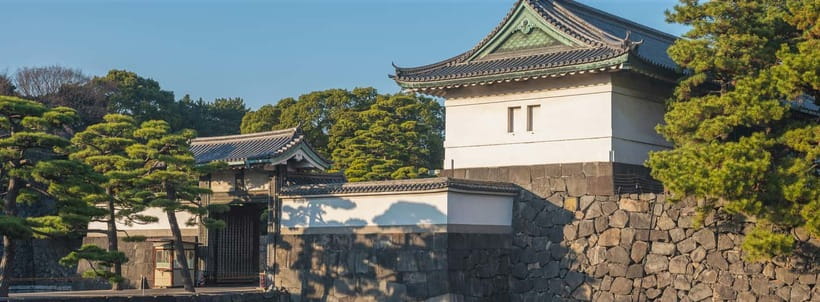
The tour runs about 4 hours total. That’s not an all-day commitment, but it still adds up because it mixes walking with occasional public transport.
Public transport is listed at about 400 yen per person. That’s worth budgeting, because it’s one of those “small line item, big reality” costs that you only notice after you arrive if you didn’t plan ahead. It’s also part of why the tour works: you keep moving, but you don’t fry your legs before you reach the final temple.
The tour finishes at Takanawa Gateway Station, which is handy if you’re heading toward other parts of the city afterward. It gives you a clear exit point instead of leaving you stranded in the middle of nowhere with sore feet.
Food on This Tour: Keep It Simple with Convenience Store Snacks
There’s no real food stop on this tour. It’s short enough that the plan stays focused on key sites, so you won’t be guided to a sit-down meal.
My advice is boring but effective: pick up snacks at a convenience store before you start. Then you can eat when hunger hits without messing up group timing. Think small stuff you can handle on foot—cookies, sandwiches, or fruit—whatever keeps your energy steady.
This approach makes the tour feel smoother, too. Waiting around for meals is how short tours become long ones.
Who This Tour Fits Best (and Who Might Prefer Something Else)
This is a good match if you want an organized route plus real interpretation. You’ll like it most if you enjoy asking questions and if you appreciate a guide who answers them in plain language.
It’s also a solid choice for families. The explanations are designed to be understandable even with teenage kids, and the pace stays manageable thanks to breaks and occasional transit.
On the flip side, if you tire very easily, this route may feel like a lot. It’s a relatively lengthy walking experience, and while extra rests can be added, the structure still assumes you can walk for stretches.
And as stated: it’s not suitable for wheelchair users or people over 95.
Price and Value: What You Pay for (and What to Budget Extra)
The base price is $33 per person for a 4-hour tour, with the guide fee included. That’s the main value: you’re paying for an expert storyteller who can connect sites into a coherent samurai timeline.
But the full out-the-door reality includes add-ons:
- Public transport: about 400 yen per person
- Sengaku-ji cemetery and museum: 300 yen and 500 yen each (separately)
So the right way to think about value is: you’re not just buying access to locations. You’re buying someone to explain why these locations mattered and what they’re really saying about samurai power and decline.
If you like history at walking pace with context, the price feels fair. If you only want to photograph famous sites with no interpretation, you might question whether the guide part is worth it.
Booking Details in Plain Talk (What Changes Your Day)
The tour includes a live English guide and is offered for private or small groups. A small group usually means less waiting and more chance to ask questions without feeling rushed.
The meeting point is straightforward if you’re already oriented around Tokyo Station. You should check messages from the provider via email and the GetYourGuide app, since they share a Google Maps link and may confirm details after booking.
If you’re staying near Tokyo Station, there’s also a possibility of meeting you closer to your hotel and escorting you to the start point. That’s limited to one group, so it’s something to ask about early if this would save you time.
Should You Book the Samurai History Walking Tour?
Book it if you want a focused introduction to samurai history using specific Tokyo landmarks instead of generic museum talk. I’d especially recommend it if you care about the “not all heroes” side of the story: how samurai behavior could be honorable and how it could be ruthless when power demanded it.
Don’t book it if long walking is a struggle for you, or if you plan to skip temple entry fees and museum content. Since Sengaku-ji costs extra, your experience will feel more complete if you’re willing to pay those on top and spend the hour there.
If you’re in Tokyo for a short time and want one guided route that ties together centuries—from early warrior formation to the end of the era in 1868—this is a good use of four hours.
FAQ
Where does the tour meet?
The tour generally meets outside the Marunouchi Central Exit of JR Tokyo Station, at Marunouchi Square. The provider also shares a Google Maps link for the exact meeting spot on the day.
How long is the Tokyo Samurai History Walking Tour?
It lasts about 4 hours.
Is the tour in English?
Yes. The live tour guide speaks English.
How much does the tour cost?
The price is $33 per person (base tour price).
Is public transport included?
Public transport is not included. The cost is listed as about 400 yen per person, and the group uses it occasionally to rest legs.
What are the Sengaku-ji entry fees?
For Sengaku-ji, the cemetery and museum each have listed entry fees: 300 yen for the cemetery and 500 yen for the museum.
Where does the tour finish?
The tour finishes at Takanawa Gateway Station.
Will there be time for food?
The tour generally does not stop for food. It’s recommended that you pick up snacks beforehand (like from a convenience store) and eat along the way if needed.
What kind of group size is it?
It’s offered as private or small groups.
Who should avoid this tour?
It is not suitable for wheelchair users or for people over 95. It also isn’t recommended for people who tire very easily, since it involves a relatively lengthy walk (even though rests and occasional public transport are included).