REVIEW · TOKYO
Tokyo: Real Ramen & Dumpling Cooking with Master Chef
Book on GetYourGuide →Operated by LLC en · Bookable on GetYourGuide
Ramen gets real when you fold the gyoza. This hands-on class turns Tokyo comfort food into technique you can actually repeat, taught by an English-speaking pro and designed for learning by doing. I especially like how much of the work is in your hands, from eggs to noodles, and you can count on real restaurant-style instruction from Yoshi and Amo. One catch: if you want vegetarian ramen, you must tell them in advance, since same-day changes may not be possible.
You’ll cook with your family or friends in a small setup (they mention a group can be up to four), which means fewer awkward pauses and more help when you need it. Another reason I like this one: you don’t just leave full, you leave with the recipes emailed after the class so your next bowl at home has a fighting chance.
The logistics are simple but specific. You’ll meet at Ekoda (Egota) Station on the Seibu Ikebukuro Line (not JR), and you’ll want to use a local train that stops there, then arrive about 15 minutes early so you don’t cut into class time.
In This Review
- Key things you’ll notice right away
- Real ramen cooking in Ekoda: what you’re signing up for
- Price and logistics: the $99 reality check and how to get there
- The 2-hour flow in plain English: egg, gyoza, chashu, soup, noodles
- What’s included: your ramen kit plus gyoza, eggs, and toppings
- Meet Yoshi and Amo: why English instruction matters for ramen technique
- Vegetarian ramen option: what you need to know before you book
- Who should take this class (and who might skip it)
- Small add-ons you might like: merchandise and take-home motivation
- Should you book Tokyo real ramen & dumpling cooking?
- FAQ
- Where is the meeting point?
- How long is the cooking class?
- Is the class taught in English?
- What do I make and eat during the class?
- Do you offer vegetarian ramen?
- Are recipes included after the class?
- Is there free cancellation?
Key things you’ll notice right away
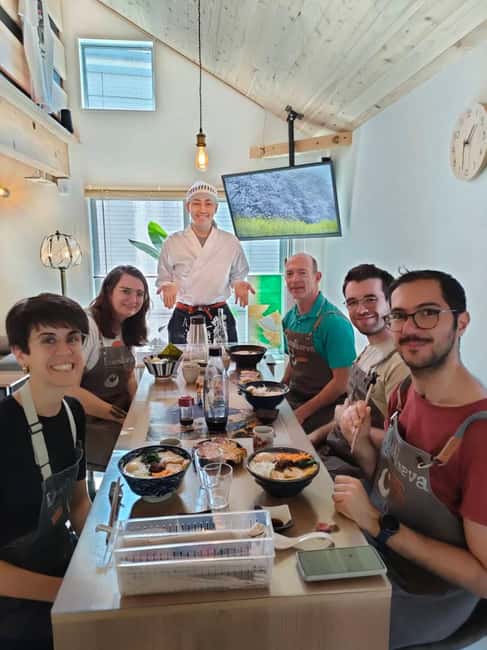
- English-led ramen coaching: Yoshi and Amo guide you through each step and answer questions patiently.
- Small group feel: they suggest a group size up to four, which helps you move at a comfortable pace.
- From egg to noodles: semi-soft eggs, topping prep, gyoza folding, chashu handling, then soup and noodles.
- You eat your work: ramen and gyoza are included, plus classic toppings like seaweed and spring onion.
- Recipes after class: the menu and recipes are sent after the lesson, not just tips spoken once.
Real ramen cooking in Ekoda: what you’re signing up for
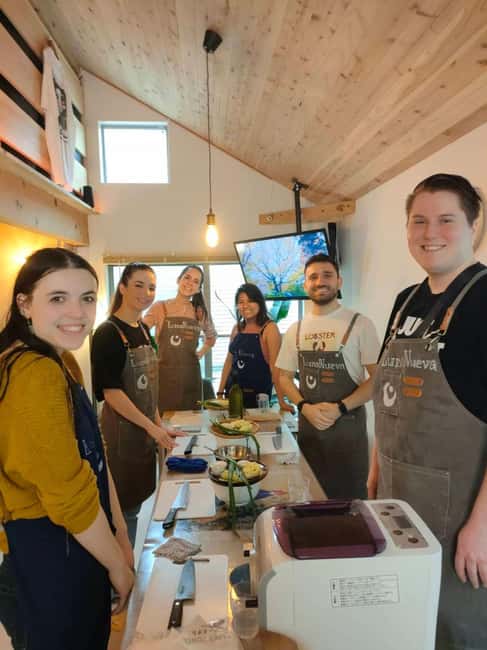
This is not a “watch and snack” experience. It’s a 2-hour ramen-and-gyoza cooking session where you make the key parts of the meal, then eat what you produce. If you’ve ever wondered why one bowl tastes better than another, this is the kind of class that teaches the mechanics behind flavor: egg timing, topping prep, dough folding, noodle handling, and assembly.
Yoshi and Amo run the class with a friendly, welcoming vibe, and they keep instruction clear enough for an English-speaking group. A big plus here is that the chef brings real restaurant experience and English teaching ability, which is rare. That matters because ramen is detail-heavy, and you’ll be able to ask why something works instead of just memorizing a method.
Value-wise, the $99 price makes more sense when you treat it like a cooking workshop, not dinner. You’re paying for technique plus ingredients and a kit of recipes you can use later. And yes, the portions can be generous, so come hungry.
You can also read our reviews of more cooking classes in Tokyo


Price and logistics: the $99 reality check and how to get there
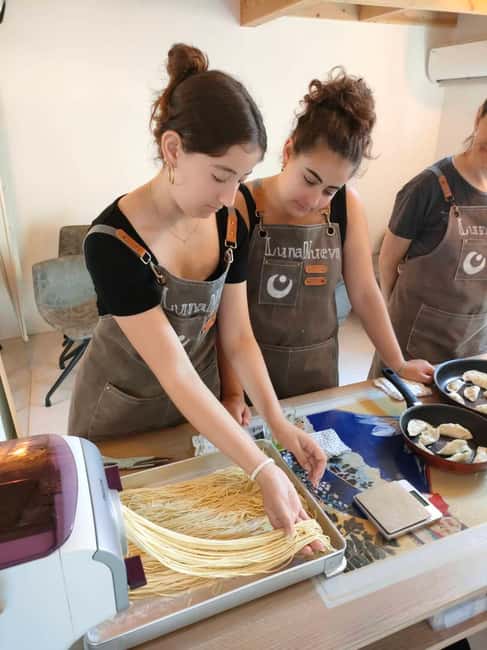
At $99 per person for a 2-hour class, you’re paying for hands-on coaching, included meal components, and recipe access afterward. If your goal is to taste Tokyo food quickly, you might get more variety by eating out. If your goal is to learn how ramen and gyoza actually come together, this price starts to look fair, because you’re leaving with a repeatable skill set and not just a meal.
The meeting point is Ekoda (Egota) Station, address: 1 Chome-78 Asahigaoka, Nerima City, Tokyo 176-0005, Japan. There’s a pickup-style meet-up: the host will wait at the out-of-ticket gate area 15 minutes before. In practice, that means you should arrive early, get oriented fast, and avoid stress if you’re coming off a train.
Two practical notes from the instructions:
- Use the Seibu Ikebukuro Line and take a local train that stops at Ekoda (not the Rapid).
- If needed, they provide a phone number (+818072621175) and strongly recommend adding it to WhatsApp in case you only have Wi‑Fi access.
Late arrival might reduce your class time, so build in a buffer. Tokyo transit can be efficient, but stations still take a few minutes to navigate.
The 2-hour flow in plain English: egg, gyoza, chashu, soup, noodles
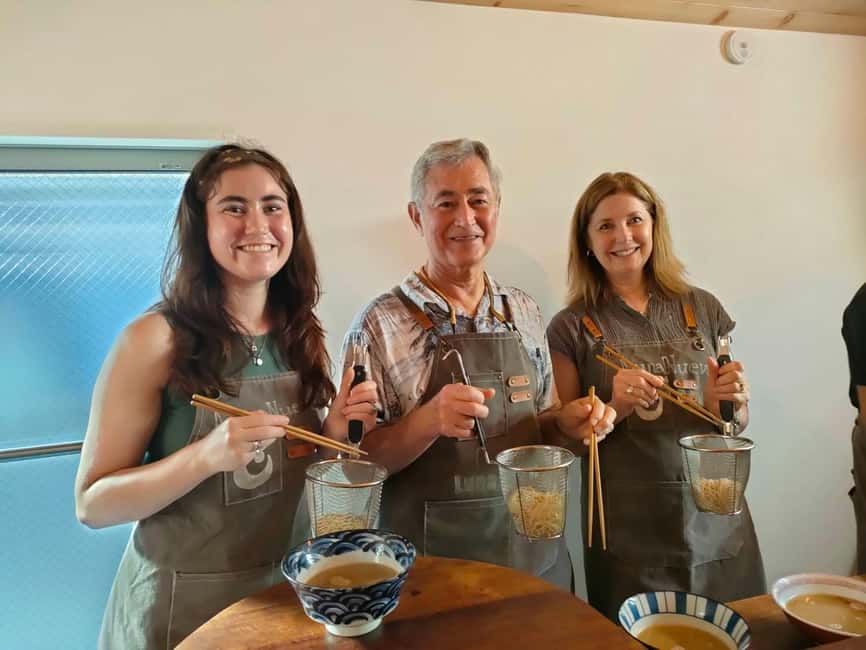
The class is structured like a ramen production line, but you’re the person doing the work. Here’s the rhythm you can expect:
First comes the semi-soft boiled eggs (nitungaming in Japanese meal language is often about the seasoned egg). You’ll learn how to set that texture before anything else. That egg is more than a garnish, it’s a flavor and texture anchor for the bowl.
Next you’ll prep ramen toppings. You’ll handle chopping and combining so you understand what goes into the finished bowl beyond the noodles and broth.
Then you move into gyoza. The process is very step-based: you’ll slice and combine ingredients, then fold the gyoza properly. Folding can feel fussy at first, but that’s exactly why it’s taught here. Good gyoza folding is one of the small details that turns it from “edible” into “you’d order this again.”
After the gyoza are shaped, there’s a cooking stage focused on flavor and finish. You’ll work with chashu too (slow cooked chicken for this class). The instruction includes infusing the chashu with flavors and then cooking the gyoza until they’re ready.
Now for the “grand finale” portion: you’ll craft the soup, then boil the noodles. A signature part is the noodle handling and draining technique. They emphasize timing and technique here, because ramen noodles are temperamental, and the way you drain them affects how they feel in the bowl. Finally, you assemble your toppings into the ramen so it looks right and eats right.
What’s included: your ramen kit plus gyoza, eggs, and toppings
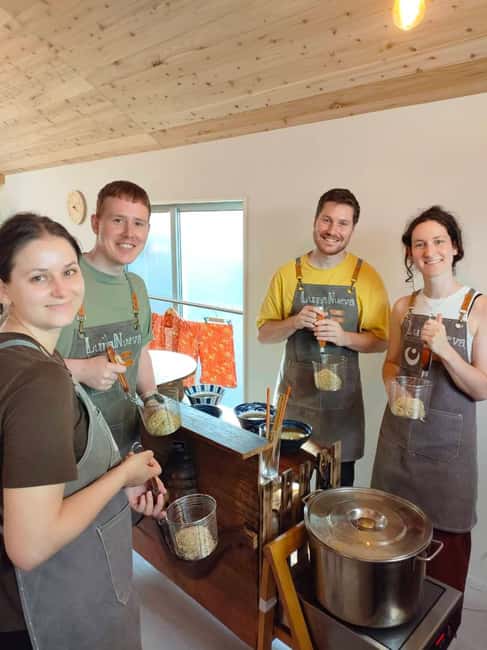
This class doesn’t leave you wondering what you paid for. Included items cover both cooking and eating.
You’re set up with the core components and tools needed for ramen and gyoza, plus:
- Ramen and GYOZA: 5 pieces
- Nitamago (seasoned running yolk egg)
- Chashu (slow cooked chicken)
- Seaweed
- Sliced spring onion
- Wood ear fungus
- Ramen topping
- Recipe materials: the menu and recipes are sent after the lesson
Because ingredients are already prepared for your group’s workflow, you’re not stuck hunting for hard-to-find items or doing guesswork. That’s a quiet form of value: the focus stays on learning, not on logistics.
One thing to mentally prepare for: this is a cooked-meal experience. You’ll likely end up with a solid amount of food at the end, which several people note as “huge portions.” If you’re the type who usually eats smaller meals, you might want to go light beforehand.
Meet Yoshi and Amo: why English instruction matters for ramen technique
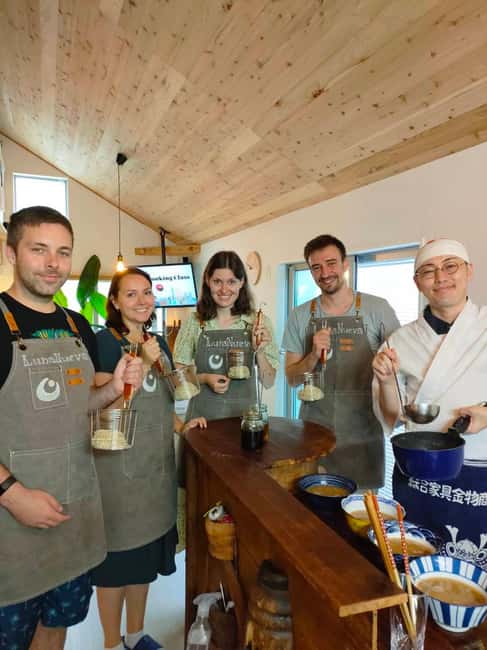
The chef team is a big reason this class gets strong praise. Yoshi and Amo are friendly and patient, and they actively answer questions instead of brushing them off. If you’re unsure about timing, texture, or how to handle noodles, the English instruction helps you troubleshoot in real time.
It also helps that the chef isn’t just a cooking enthusiast. They mention restaurant experience abroad and training in well-known ramen environments. That’s why the explanations feel practical. You’re not only making food, you’re learning how ramen people think about the process.
You can also expect stories and funny ramen-world anecdotes as the class moves. Those moments matter because they make the technique easier to remember. When you connect a method to a reason or a story, you’re more likely to reproduce it later at home.






Vegetarian ramen option: what you need to know before you book
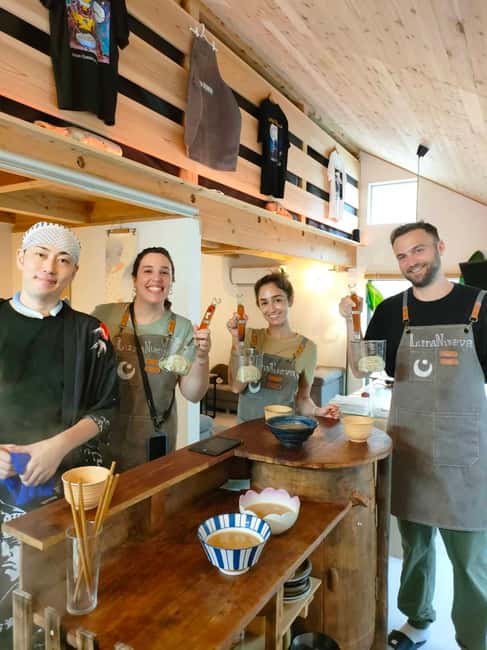
Vegetarian ramen is available, but there’s an important rule: you must inform them in advance. They explicitly state they can’t accommodate requests for vegetarian ramen on the same day without prior notice.
So if you’re vegetarian (or feeding someone who is), message them when you book. Don’t assume you can decide later after you see what’s cooking. This is one of those “small admin detail, big meal consequence” situations.
Also, keep your expectations realistic. The included chashu for the standard menu is slow cooked chicken. The vegetarian version should be handled separately, which is exactly why advance notice is needed.
Who should take this class (and who might skip it)
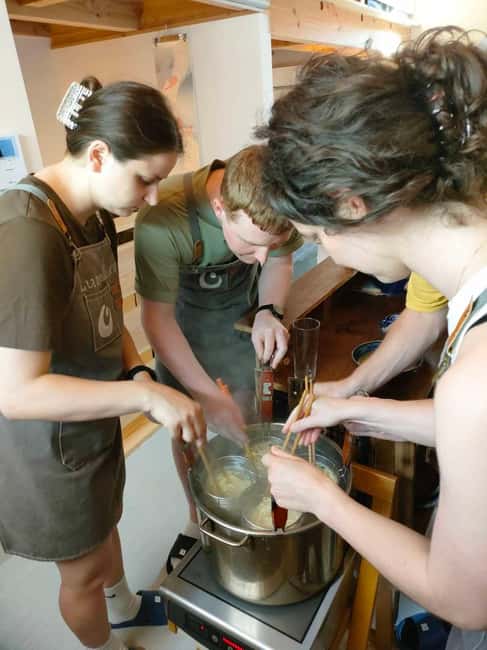
This class is a great fit if you:
- Want to learn ramen step-by-step, not just eat it
- Appreciate English instruction and lots of Q&A
- Like cooking enough that you’ll enjoy chopping, folding, and timing
- Want recipes you can use at home after you return from Japan
It may be less ideal if you want only quick food sampling, or if your schedule makes it hard to arrive on time. Late arrival can cut down class time, and the experience is built around a sequence. Also, if you’re planning vegetarian and you can’t give advance notice, you’ll run into the same-day limitation.
If you’re traveling as a family, it’s also worth noting they mention the class is designed so you can cook together and enjoy the meal as a group.
Small add-ons you might like: merchandise and take-home motivation
One of the fun parts of this kind of class is the “keep the habit alive” factor. In addition to the recipes being sent by email, people mention complimentary merchandise after the appointment.
There’s also the chance to buy items like t-shirts, and one person notes they bought a custom apron to use at home. These aren’t required, but if you like souvenirs that actually get used, it’s worth checking what’s available at the end.
Should you book Tokyo real ramen & dumpling cooking?
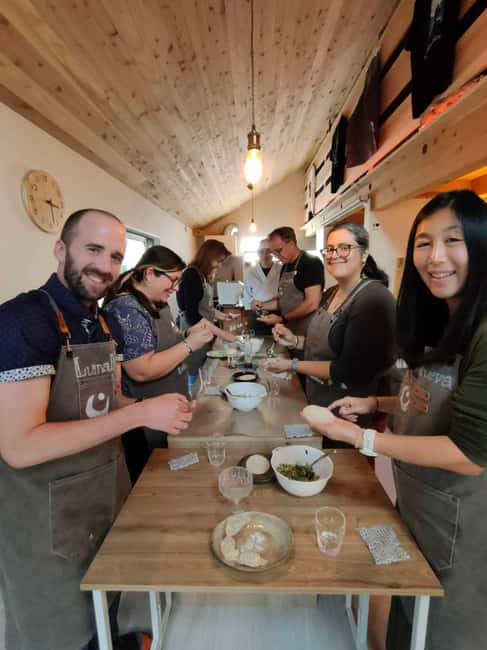
Book it if your idea of a good Tokyo day includes learning a skill you can repeat: folding gyoza correctly, getting eggs to the right texture, handling noodles so the bowl tastes right, and assembling toppings with confidence. With an English-speaking chef team like Yoshi and Amo, the learning curve feels manageable, not stressful.
Skip it if you’re not willing to follow the sequence or you can’t plan for the vegetarian advance notice. Also skip if your priority is maximum sightseeing per hour, because this is a hands-on class in Nerima, not a rapid food crawl.
My practical advice: if you’re going to spend money on ramen beyond a restaurant bowl, spend it on the class where you control the process. This is one of the few experiences in Tokyo where you leave with both a meal and a method.
FAQ
Where is the meeting point?
You meet at Ekoda (Egota) Station, at 1 Chome-78 Asahigaoka, Nerima City, Tokyo 176-0005, Japan. The host meets you at the out of ticket gate, and they say they will wait 15 minutes before.
How long is the cooking class?
The class duration is 2 hours.
Is the class taught in English?
Yes. The instructor is listed as English.
What do I make and eat during the class?
You’ll make ramen and gyoza (5 gyoza pieces included), plus nitamago (seasoned running yolk egg), chashu (slow cooked chicken), and ramen toppings including seaweed, spring onion, and wood ear fungus.
Do you offer vegetarian ramen?
Vegetarian ramen is available, but you must inform them in advance. Same-day requests without prior notice may not be accommodated.
Are recipes included after the class?
Yes. They include the MENU, and they will send all recipes after the lesson.
Is there free cancellation?
Yes. You can cancel up to 24 hours in advance for a full refund.