REVIEW · TOKYO
Japan Classic 10 Day – One Life Adventures
Book on Viator →Operated by One Life Adventures · Bookable on Viator
Japan turns practical in 10 days. One Life Adventures strings together Tokyo to Osaka with a tight mix of famous sights and guided food-and-culture stops, so you get structure without feeling stuck in a museum. I especially like the hands-on moments like the sushi-making class plus the way the tour leans on a real guide personality; Ashleigh’s energy shows up again and again in the tour feedback. The one clear consideration: this is active and fast-paced, with lots of walking and travel days that can feel intense if you’re not used to moving every day.
What makes it work is the trade-off. You’ll hit Tokyo icons, escape to Hakone, then keep rolling through Takayama and Kyoto before landing in Osaka’s neon food scene. You also learn quick language and customs (so you’re not guessing your way through everything), but you should be ready to cover ground, stand in lines, and wake up early when it counts.
In This Review
- Key highlights worth planning around
- Tokyo First Night: Senso-ji, dinner, and group momentum
- Orientation class, Harajuku, Meiji Jingu, and Akihabara: the Tokyo “starter pack”
- Tsukiji Fish Market and sushi class: where the food lesson sticks
- Hakone without the stress: Romance Car to ropeway to Lake Ashi
- Takayama and Hida flavor: bullet train day done right
- Morning market in Takayama, then on to Kyoto
- Fushimi Inari early, Kiyomizu-dera later: Kyoto with good timing
- Golden Pavilion, Daitoku-ji, and Kyoto’s martial arts side
- Arashiyama early, Monkey Park climb, and rowboat time in the valleys
- Osaka Dotonbori and karaoke: the trip’s loud, fun ending
- Pace, group size, and how to prepare (so you enjoy it)
- Price and value: is $6,629 fair for this 10-day route?
- Should you book Japan Classic 10 Day with One Life Adventures?
- FAQ
- Where does the tour start and end?
- How long is the Japan Classic 10 Day tour?
- What’s included in the tour price?
- What meals are included?
- Is the tour fast-paced or physically demanding?
- How big is the group?
- Is tipping included?
- What happens if I need to cancel?
Key highlights worth planning around
- Tokyo orientation plus simple Japanese customs and phrases to help you navigate faster
- Tsukiji sushi making and teriyaki frying as a real skill, not just a photo stop
- Hakone ropeway and Lake Ashi sailing with Fuji views when the weather plays nice
- Kyoto early starts at Fushimi Inari to cut down crowd time
- Quiet Kyoto time at Daitoku-ji plus a zen garden visit
- Osaka finale with Dotonbori food tour and karaoke
Tokyo First Night: Senso-ji, dinner, and group momentum
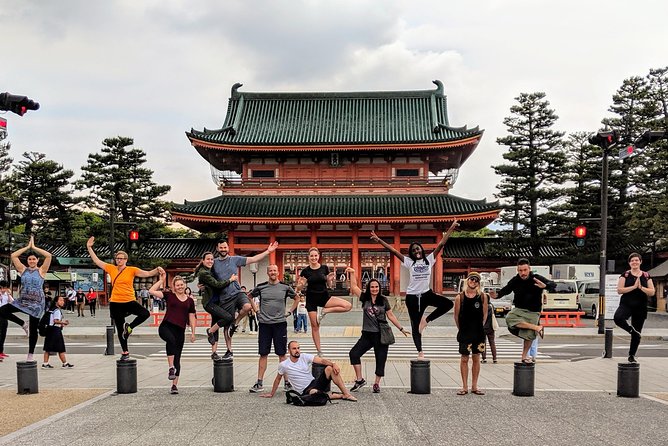
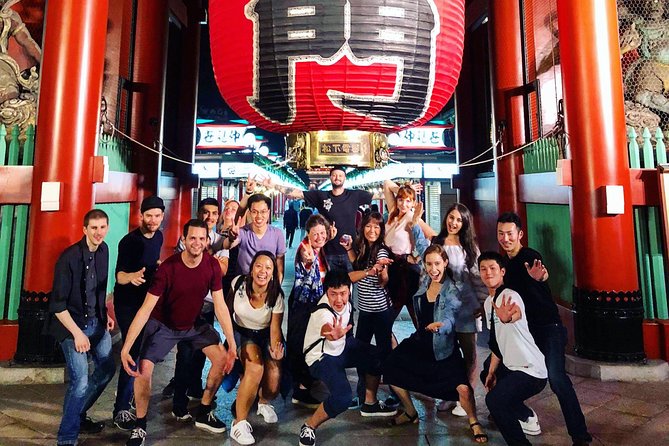
Your tour starts in Tokyo with an easy win: Senso-ji, one of the city’s most important temples. Even if you’re seeing it in photos your whole life, it’s the kind of place that feels bigger in person—red architecture, lantern-lit paths, and the sense that this is a living part of daily Tokyo.
The first night also includes dinner with your group. That matters more than it sounds. Japan moves fast, and when you begin with faces and a plan, you adapt quicker—where to line up, how to ask basic questions, how to keep your day moving without wasting time.
Practical tip: bring a crossbody or small day bag. Temple night walks are fine until you’re stuck reorganizing bags in a crowd.
You can also read our reviews of more tours and experiences in Tokyo.



Orientation class, Harajuku, Meiji Jingu, and Akihabara: the Tokyo “starter pack”
Day two is designed to make the rest of the trip easier. You get an orientation class focused on simple Japanese customs and phrases. You don’t need fluency. You need the basics that prevent awkward moments—how to behave in shops, how to read the flow of a situation, and what to say when you’re trying to buy or ask something quickly.
Then you bounce through several Tokyo moods in one day:
- Harajuku Station is the teen-pop-culture zone. Expect energy, loud fashion, and people-watching that never really gets old.
- Meiji Jingu Shrine shifts the pace. It’s a breather after the streets—trees, quiet space, and that feeling of stepping out of the city.
- Akihabara is your neon, electronics, and anime overload. Even if that’s not your niche, it’s fun to see how focused Tokyo can be.
Why this is good value: instead of spending your whole first week “figuring out Tokyo,” you get a guided sampler that helps you choose what to revisit later.
Tsukiji Fish Market and sushi class: where the food lesson sticks
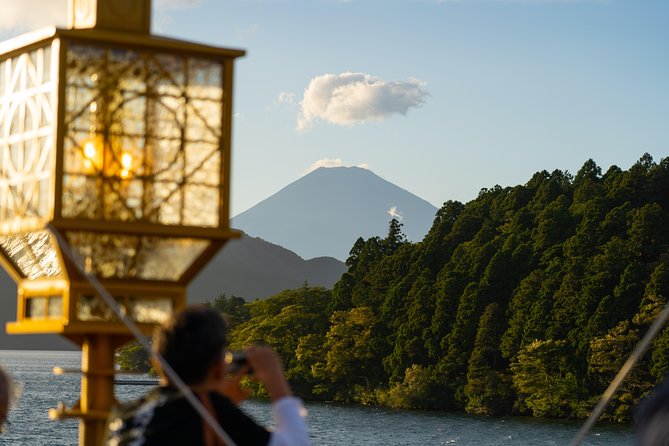
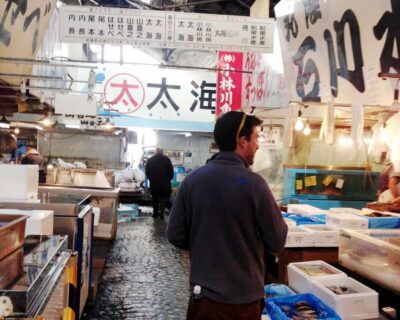
On day three, Tsukiji Fish Market anchors the day. Tokyo is famous for seafood, but Tsukiji is where you get that origin story. You walk the market area and see the pace and scale of the industry firsthand.
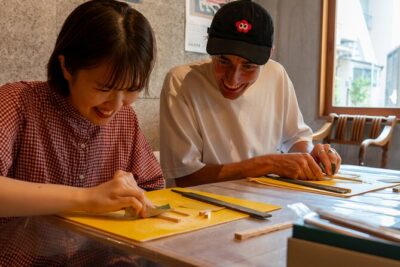
Then comes the payoff: a sushi making class. This is the kind of experience that keeps paying you back after the tour. When you roll sushi yourself—learn timing, technique, and how ingredients behave—you stop treating Japanese food as mystery food. You start treating it as craft.
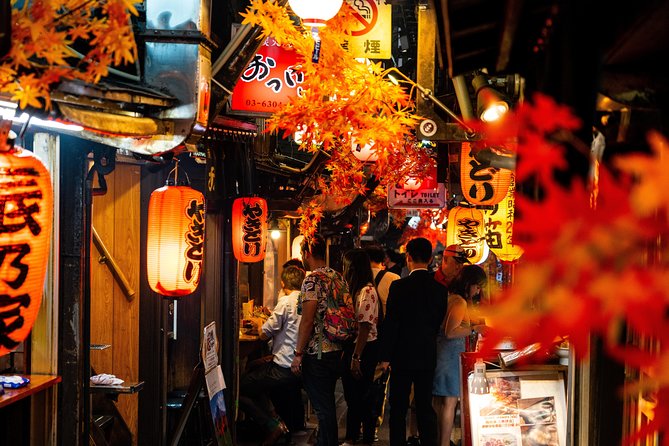
After that, you head to the Tokyo Metropolitan Government Building observation decks for skyline views, then move into Shinjuku. You’ll also get a food and nightlife alley stop: Omoide Yokocho, a famous yakitori-and-beer lane. The day ends with Shibuya Crossing, the classic split-second view of modern Tokyo life.
Consideration: Tsukiji mornings can be early and crowded. If you’re sensitive to noise and lines, pack patience—and plan to move fast, because this day is built to keep momentum.
Hakone without the stress: Romance Car to ropeway to Lake Ashi
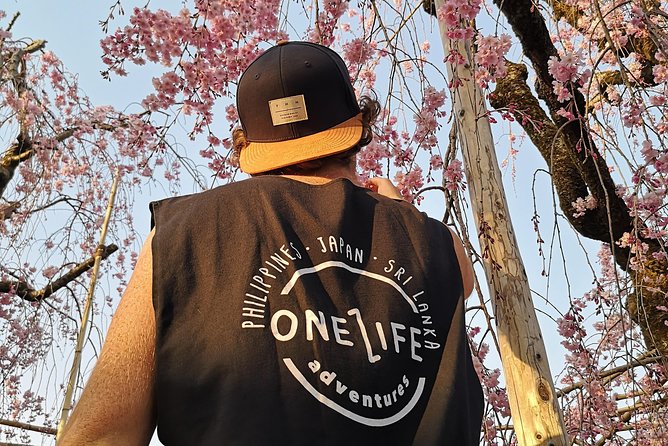
Day four is the “get out of Tokyo” day, and it’s done in a smart way: you leave by train (the Romance Car) and head toward Hakone, a mountainous area famous for views and hot-spring energy.
Once you check into the mountain guesthouse area, the schedule centers on three big hits:
- Hakone ropeway for high-angle views as you move uphill
- Lake Ashi with a pirate-ship-style cruise, where clear days can bring Mt. Fuji into the picture
- Hakone-machi and a traditional dinner setting, including nabe at the guesthouse
Hakone is one of those places where weather matters. If you get clouds, you’ll still enjoy the mountain atmosphere, but the Fuji moment might be softer. The cruise still feels special because you’re getting water-level perspective, not just waiting on a platform for a distant view.
Practical tip: bring a light layer. Even when Tokyo is warm, mountain areas can feel cooler by evening, especially around water.
Takayama and Hida flavor: bullet train day done right
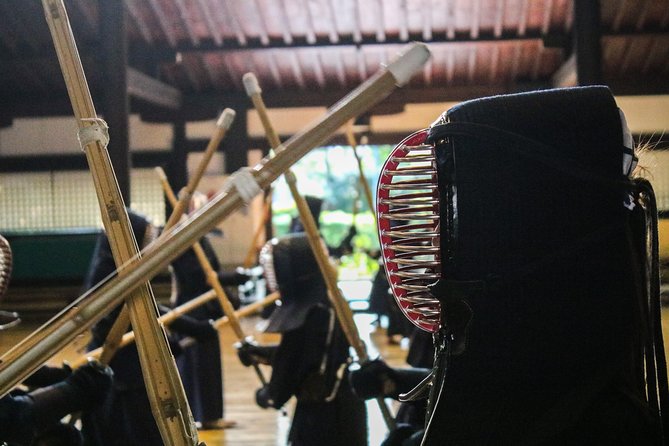
Day five turns into a long-transport day with a reason: it’s how you reach Japan’s older, more traditional pockets without losing your whole week. You’ll take a bullet train to Nagoya and then continue by scenic train past mountains toward Takayama.
Takayama is where the trip shifts toward old-town charm. You get to explore with a stop for Harada Sake Brewery, including a sake tasting and time for a Hida beef option if you choose to treat yourself. It’s a good pairing: local beverages plus local food.
This day is also a reset for your brain. After Tokyo intensity and Hakone scenery, Takayama feels slower even though you’re still on a schedule.
Consideration: bullet train segments eat time, and transfers take energy. This doesn’t mean it’s poorly planned. It means you should plan your body for travel days: water, snacks, and comfortable shoes.




Morning market in Takayama, then on to Kyoto
The morning of day six starts with Hida-Takayama Miyagawa Morning Market. Markets like this are great because they’re not just shopping—they’re daily rhythm. You walk along the river area, and you see what locals pick up for breakfast and what seasonal items look like.
Then it’s back on trains to Kyoto. Kyoto gets its reputation for a reason, but it’s also easy to burn out if you only chase the most famous spots. Your evening plans are built to help you settle into Kyoto’s vibe, including time around Gion, the famous geisha district.
Practical note: Kyoto evenings can be chilly. Even if your days are mild, you’ll feel it when you’re walking between areas.
Fushimi Inari early, Kiyomizu-dera later: Kyoto with good timing
Day seven is all about Kyoto’s icons, but with a smarter twist: early starts. You head to Fushimi Inari-taisha Shrine in the morning to escape peak crowds. Walking through the red gates is one of those experiences that feels slightly unreal—like the world narrows into a tunnel of color.
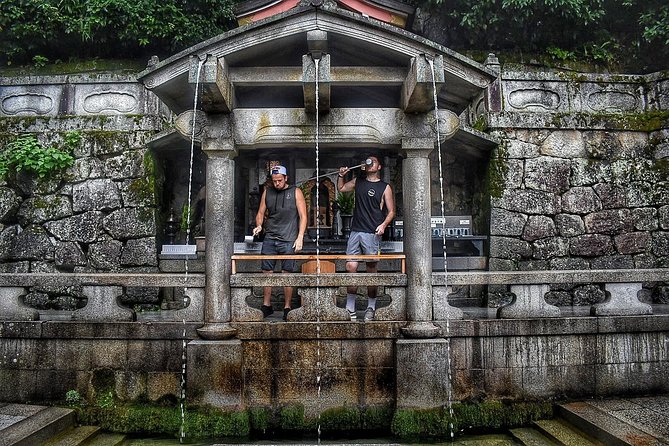
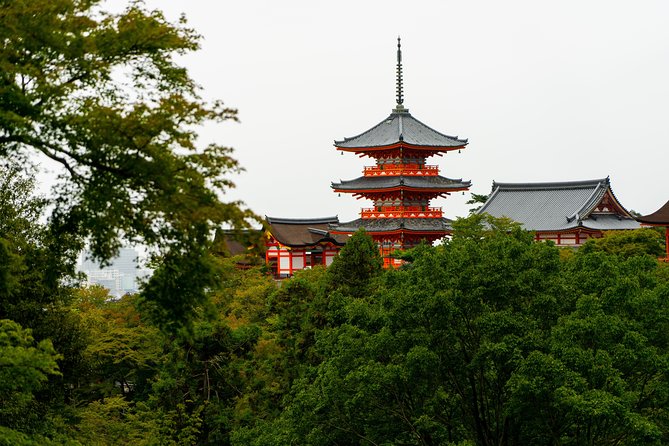
Then you move to Kiyomizu-dera Temple, another famous site with a dramatic hillside layout and big architectural presence. It’s the kind of place where you’re constantly turning your head trying to take it all in.
In a trip like this, early timing matters because you’re not just seeing temples—you’re trying to keep your energy up for the rest of the day. This Kyoto day gives you those moments without turning every hour into a grind.
Golden Pavilion, Daitoku-ji, and Kyoto’s martial arts side
Day eight is a strong mix of visual beauty and calmer spaces:
- Kinkakuji Temple (Golden Pavilion): the reflection views are the whole point here, and seeing it in person hits different than photos.
- Daitoku-ji Temple: this is the lower-key, quieter stop. You visit a zen garden, which gives your brain a break after busy sight areas.
- Kyoto Budo Center: you finish with a kendo class. The idea isn’t just watching—it’s learning how the dojo teaches movement, respect, and discipline.
This combination makes the day feel balanced. Big famous attraction. Then calm. Then action with a structured lesson. It’s also one of those experiences that helps you remember Kyoto beyond scenery.
Consideration: kendo practice can be physically demanding in a fun way. If you’re carrying injuries or have low stamina, go in prepared for standing, movement, and concentration.
Arashiyama early, Monkey Park climb, and rowboat time in the valleys
Day nine is a nature-and-animals morning before Osaka. You travel to Arashiyama early to avoid crowds, then wander through Bamboo Forest Street where the scale of the bamboo feels almost theatrical.
After that, you climb to Monkey Park Iwatayama. It’s a classic setup—steps up, a viewpoint, and chances to see Japanese macaques. If you hate heights or steep stairs, this portion is the one you’ll want to judge honestly.
Then you head through Arashiyama and take a private rowboat to explore the valleys. This is a nice contrast to the heavy temple and city walking earlier in the trip. You slow down. You look around. You stop performing the day for Instagram and start just taking in the place.
Then it’s train time to Osaka, check-in, and a shift into street energy.
Osaka Dotonbori and karaoke: the trip’s loud, fun ending
Osaka day is where the tour switches from sightseeing to atmosphere. You head to Dotonbori, a bright, food-focused area nicknamed the kitchen of Japan for a reason. You get a food tour here, which is perfect as a final step because it ties together everything you’ve been learning.
Later, the tour wraps with karaoke—a simple activity, but it’s a great social closer. You get to laugh, relax, and bond after days of trains and walking.
Day ten is a lighter close. You say goodbye in Osaka, with the tour ending at your accommodation.
Practical tip: karaoke evenings can run long. Pace yourself earlier in the day so you don’t end up too tired to enjoy it.
Pace, group size, and how to prepare (so you enjoy it)
This is a backpacking-style tour with a lot of walking. The company sets the expectation upfront: active, fast-paced, and best for travelers with moderate fitness. You’re also capped at 22 people, so it’s big enough to feel lively, but still manageable with a guide.
From the feedback, the guide experience is a major part of why people come away happy even after intense days. Ashleigh is highlighted for carrying the group with high energy, kindness, and professionalism—and using humor to keep things light when you’re running between stops.
Still, pace is the main trade-off. If your travel style is slow, this itinerary might feel relentless. If you like structure, early starts, and getting value out of every transit hour, you’ll likely love it.
What you’ll want before you go
- comfortable walking shoes (non-negotiable)
- a compact day bag and a way to keep water handy
- basic Japanese phrase practice (you’ll use it right away)
Price and value: is $6,629 fair for this 10-day route?
At $6,629 for about 10 days, this isn’t a budget-only trip. But it also isn’t just “transport plus a list of temples.”
You’re paying for a guided route that includes multiple organized activities, plus several meals. The tour includes:
- Lunch
- Breakfast (4)
- Dinner (3)
It also includes admission or guided access for key experiences across the days, like the sushi class, Hakone ropeway and Lake Ashi cruise, sake tasting, multiple Kyoto temples, and the kendo class. Even the “free” sights are part of a planned day flow, so you’re not spending your time figuring out transit and timing.
Where value can feel especially strong is when you’re traveling solo or you don’t want to plan every step yourself. The structure gets you from Tokyo to Osaka with fewer mental tabs open.
The honest bottom line: if you hate early mornings and packed schedules, the price won’t feel worth it because the itinerary experience is the product. If you enjoy fast, guided travel with real activities (not only photos), this pricing starts to make sense.
Should you book Japan Classic 10 Day with One Life Adventures?
Book it if you want a guided, high-energy Japan sampler that hits the big-name places plus hands-on food and culture. This tour is built for travelers who like being outdoors, moving between neighborhoods, and learning as you go. You’ll also get a strong guide-led vibe, and the emphasis on practical customs and phrases helps you feel more confident in Japan.
Don’t book it if you want a relaxed pace, long free afternoons, or minimal walking. This itinerary is designed to keep you busy, and that can be exhausting even when it’s exciting.
If you’re in the middle—ready to be active but not trying to conquer Japan like a training program—then this is a solid fit. It’s one of those trips where your enjoyment depends on your willingness to keep moving and to lean into the guide-led plan.
FAQ
Where does the tour start and end?
The tour starts in Tokyo, Japan and ends in Osaka, Japan. The tour ends at your accommodation in Osaka, and you get detailed instructions for reaching the airport.
How long is the Japan Classic 10 Day tour?
It runs for about 10 days.
What’s included in the tour price?
The tour includes lunches and some breakfasts and dinners (breakfast for 4 days, dinner for 3 days). It also includes certain classes and activities where admission is marked as included on the itinerary.
What meals are included?
Lunch is included. Breakfast is included for 4 days and dinner is included for 3 days.
Is the tour fast-paced or physically demanding?
Yes. It’s an active, fast-paced backpacking-style tour with a lot of walking. A moderate physical fitness level is recommended.
How big is the group?
The tour has a maximum group size of 22 travelers.
Is tipping included?
Tipping is not included.
What happens if I need to cancel?
This experience is non-refundable and cannot be changed for any reason. If you cancel, the amount you paid is not refunded.