REVIEW · TOKYO
Akihabara Pop Culture Tour with Maid Café and UFO Catcher Fun
Book on Viator →Operated by Shibainu Tour · Bookable on Viator
Akihabara feels like a video game. In this 3-hour walking tour, you’ll move through Electric Town with figure shops and arcade-style fun that’s easy to understand even if you’re new to the scene.
I especially like that the stops are practical: you get time to browse Akihabara Radio Kaikan and test hands-on retro electronics instead of just passing storefronts. It also helps that the experience is led by an English-speaking local guide, so the subculture details land faster than solo exploring.
One consideration: this is niche entertainment. If anime, retro games, capsule toys, and maid cafés don’t sound like your thing, you may wish you picked a more general Tokyo neighborhood tour instead.
In This Review
- Key Things You’ll Actually Do in Akihabara
- Why This Akihabara Tour Works Better Than Solo Browsing
- Getting Started at Akihabara Station (Meet-Up and Timing That Don’t Waste Time)
- Stop 1: Akihabara Radio Kaikan and the Figure-Packed Time Capsule Feeling
- Stop 2: Onoden for Nostalgic Retro Electronics (Showa-Era Flavor)
- Stop 3: Super Potato and the Retro Game Shop Energy
- Stop 4: Akihabara Gachapon Hall and How to Choose a Capsule Toy
- Stop 5: Taito Station UFO Catcher with ¥300 Play Credit
- Stop 6: Maidreamin Akihabara Head Store (One Drink and Real Service)
- Price and Value: What $84.70 Buys You in Real Terms
- Who This Tour Fits Best (and Who Might Prefer Something Else)
- My Booking Checklist for a Smooth Akihabara Afternoon
- Should You Book This Akihabara Pop Culture Tour?
- FAQ
- How long is the Akihabara Pop Culture Tour?
- What does the tour cost?
- What’s included in the price?
- What is not included?
- What places does the tour visit?
- Is the tour private?
- Do I need cash for the UFO catcher?
- Where does the tour meet, and where does it end?
- Is there free cancellation?
Key Things You’ll Actually Do in Akihabara

- Walk Electric Town with a guide who helps you spot what’s worth your time in dense stores.
- Radio Kaikan + Onoden give you two very different angles on the same pop-culture obsession: figures and Showa-era electronics.
- Super Potato is built for retro game lovers, with shelves of vintage hardware and cartridges.
- Gachapon Hall is your chance to turn the knobs and get a surprise capsule toy.
- Taito Station UFO catcher includes ¥300 worth of play, so you’re not guessing how it works.
- Maidreamin Akihabara includes entry plus one soft drink, so you’re not stuck figuring out what to do first.
Why This Akihabara Tour Works Better Than Solo Browsing

Akihabara can be overwhelming fast. One minute you’re surrounded by anime character goods, and the next you’re in an arcade hallway with machines that look like they belong in a science fiction movie. This tour gives you a plan and a guide that connects the dots between the storefronts.
Two things make it feel more rewarding than wandering: the pacing and the variety. You’re not just doing one type of shopping. You’ll see figures, retro electronics, arcade play, and capsule toys in a single afternoon, which is ideal if you only have a short window in Tokyo.
And the maid café stop matters too. It’s not there as a random photo stop. You get entry and a drink, and the guide’s job is to help the experience feel manageable rather than awkward.
You can also read our reviews of more tours and experiences in Tokyo.



Getting Started at Akihabara Station (Meet-Up and Timing That Don’t Waste Time)
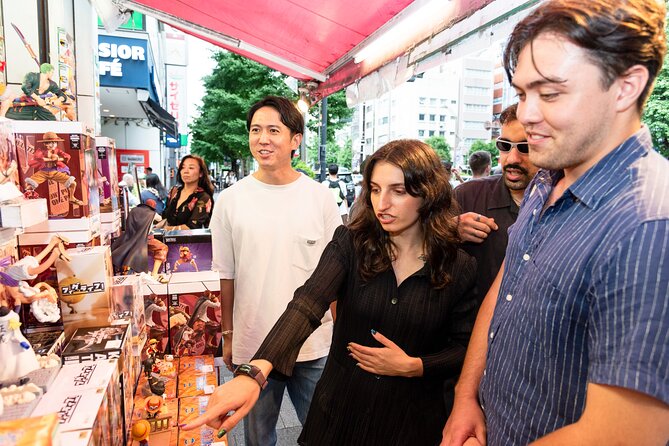
The tour starts and ends back at Akihabara Station, which is a huge plus when you’re planning the rest of your day. The meeting point is listed at Akihabara Station near 1 Chome Sotokanda in Chiyoda City.
You’ll also get a mobile ticket, which keeps the whole process simple once you arrive. Confirmation comes within 48 hours of booking, subject to availability.
One small practical win: the pre-tour details you receive can include a photo and precise map coordinates. That’s useful in Akihabara, where there are a lot of entrances and plenty of signage, and you don’t want to lose your first 20 minutes doing guesswork.
Stop 1: Akihabara Radio Kaikan and the Figure-Packed Time Capsule Feeling
Akihabara Radio Kaikan is the kind of place where the second you walk in, you’re hit with character after character. This is one of the best stops on the itinerary for people who want to understand what makes figure collecting such a big deal here.
You’ll have about 30 minutes to explore multiple floors of anime figures, character goods, and collectibles. That time matters. In figure shops, the “good stuff” is often in the details: limited-edition items, specific series, and how the shop organizes displays.
What I like about this stop is the way it teaches you how to shop there without rushing. You’re given a window to browse, not just glance. If you’re the type who likes comparing versions—different poses, different releases—this is where you’ll start to feel confident.
Tip for your first pass: keep your expectations flexible. Some items might be priced as collector-only pieces, so if you’re just window-shopping, treat it like an exploration stop and not a purchase stop.
Stop 2: Onoden for Nostalgic Retro Electronics (Showa-Era Flavor)
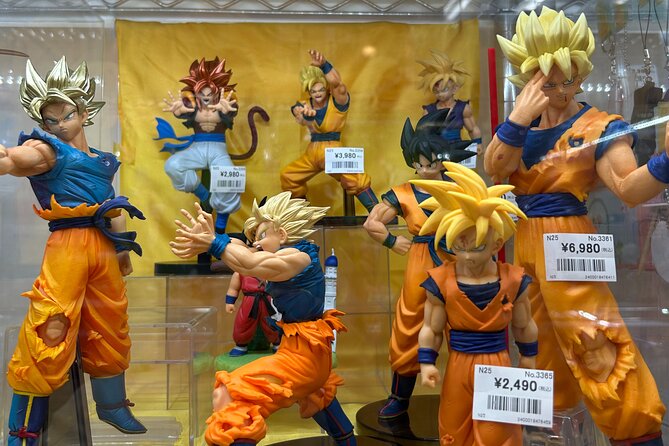
Onoden gives you a different kind of Akihabara: vintage gadgets and classic electronics. Instead of chasing anime characters, you’re looking at older devices—classic radios and quirky appliances, plus other old-school tech from past decades.
Your time here is shorter (around 15 minutes), but that short window works because it’s focused. You’re not expected to fully master electronics history in one afternoon. You’re meant to recognize the vibe and the category of items people collect.
If you like design, materials, and the physical feel of older tech, this stop can be a highlight. Even if you don’t buy anything, you’ll probably walk out with a better idea of why people still hunt these items.
A small consideration: this is an “eye-browse” stop. If you’re hoping for deep hands-on testing, the itinerary doesn’t promise that here. It’s more about seeing and understanding what’s available.
Stop 3: Super Potato and the Retro Game Shop Energy

Super Potato is the retro-game fan’s dream address. You’re taken into a place that feels like nostalgia with an organization system. Think classic consoles, pixel-based games, and vintage gaming memorabilia.
You get about 15 minutes here, which is enough time to do a quick sweep: look at shelves of cartridges, scan for hardware you recognize, and notice how the shop presents older games.
Why this stop is valuable: it helps you connect Akihabara’s pop-culture identity to the gaming roots. Retro gaming isn’t just a hobby here—it’s part of the neighborhood’s personality.
If you’re buying something, have your expectations clear. Extra purchases aren’t included, so you’re in control of what your budget allows. For most people, this stop is more about discovery than carting home a stack of old cartridges.






Stop 4: Akihabara Gachapon Hall and How to Choose a Capsule Toy

Gachapon is Akihabara in miniature. The machines are everywhere, and the “one more try” feeling is real—part luck, part excitement, part collection habit.
This stop is about 15 minutes, and you’ll be able to turn the knob to see what surprise toy you get. The point isn’t to overthink it. It’s to understand how capsule toy culture works here: you’re buying an expectation of surprise, then living with what you pulled.
What makes this stop good on a tour: you don’t have to decipher signage or figure out the process on your own. A guide helps you get moving and keeps it fun instead of frustrating.
Practical tip: decide beforehand if you want one capsule as a souvenir or if you’re in a “let’s see what happens” mood. Capsule toys add up quickly when you go from one to five.
Stop 5: Taito Station UFO Catcher with ¥300 Play Credit
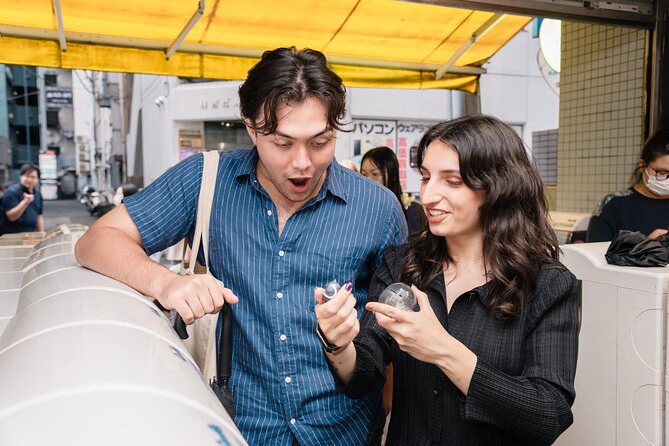
This is the most game-like part of the tour in a very literal way. At Taito Station Akihabara, you’ll try the UFO catcher, the claw machine-style game.
You get ¥300 worth of play credit included, which is a smart inclusion. Instead of paying extra on the spot without knowing what the machines cost, you start with a set amount and learn the rhythm.
How to approach it: treat it like practice first. Early attempts are often about understanding how the claw behaves, how hard it is to position, and how the timing works. Even if you don’t win immediately, you’re still getting the cultural experience.
A note on expectations: the itinerary includes play credit, but it doesn’t include the cost of additional game attempts. If you get hooked, you’ll want to budget for extra rounds yourself.
Stop 6: Maidreamin Akihabara Head Store (One Drink and Real Service)
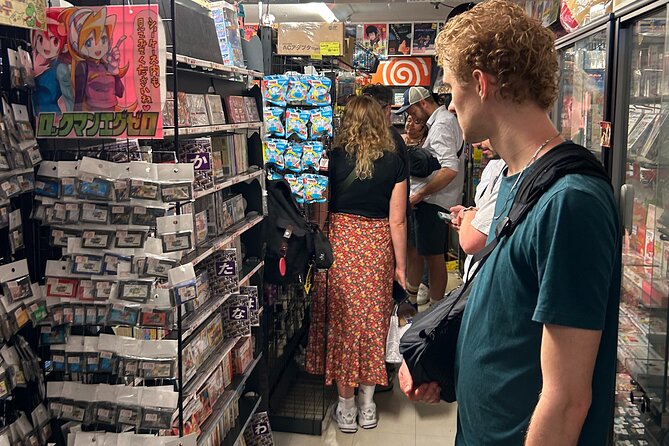
The maid café stop is included for about 1 hour, and it comes with entry plus one soft drink. That inclusion is what makes it comfortable. You’re not standing around wondering what the menu looks like or how strict the order flow is.
Maidreamin Akihabara Head Store is decorated for fun, and the staff interaction is part of the show. The tour framing helps here: you’re walking in knowing you’ll be greeted and served, which reduces the feeling of being a confused spectator.
From the experience stories I’ve seen, the guide can also help you join in when the café encourages guest participation—things like playful group poses. If you’re worried about language barriers, that help can be the difference between feeling awkward and actually enjoying the moment.
One practical consideration: this isn’t a fast-food meal. It’s a sit-down experience. Plan your day so you’re not rushing to catch a train right after, even though the tour ends back at the meeting point.
Price and Value: What $84.70 Buys You in Real Terms
At $84.70 per person for about 3 hours, the value is strongest when you compare it to the included experiences. You’re getting:
- An English-speaking local guide
- Maid café entry plus one soft drink
- ¥300 worth of UFO catcher play credit
That’s a lot of “paid experiences” bundled together. Plus, the guide saves time in a place where it’s easy to get lost in competing storefronts.
Also, many of the individual stops are admission-free to access during the visit windows, which means your money is going toward guidance and the specific paid attractions (maid café and arcade play). If you’d otherwise spend your afternoon bouncing from shop to shop randomly, this structure can feel like a time-saver.
If you’re on a strict budget: remember that snacks and extra drinks aren’t included, and any souvenirs or additional arcade attempts are on you. So the tour price covers the core plan, not every extra impulse purchase that Akihabara triggers.
Who This Tour Fits Best (and Who Might Prefer Something Else)
This is ideal for you if:
- You’re into anime figures, retro games, or capsule toys
- You want hands-on fun without spending the first half of the day figuring things out
- You like arcades and themed experiences, including the maid café side of Japanese pop culture
It may be less satisfying if:
- You’re not interested in pop-culture shopping and arcade games
- You prefer quiet sightseeing over stores and photo-ready culture stops
- You want a museum-style explanation. This tour is more about direct experience than deep historical lectures
One more match factor: it’s private, meaning only your group participates. If you’re traveling with friends or family and want a calmer pace, private formats usually feel easier to manage in a dense area like Akihabara.
My Booking Checklist for a Smooth Akihabara Afternoon
Before you go, I’d treat this like a “shop + play + snack later” plan.
- Wear comfortable shoes. You’re walking multiple storefronts in a concentrated area.
- Keep a small budget for extra gachapon and souvenirs. One capsule toy can lead to a second.
- If you’re celebrating a birthday or something personal, tell your guide ahead of time. There are examples of guides helping make those moments feel special.
- Check the pre-tour info carefully so you can find the meeting point quickly near Akihabara Station. Having the photo and coordinates helps a lot.
Also, be ready for the fact that Akihabara is an ideas-and-images overload. The guide’s job is to help you choose what to look at and what to skip.
Should You Book This Akihabara Pop Culture Tour?
If you want a short, action-packed taste of Akihabara with hands-on play and a real maid café stop, this is a strong bet. The structure is tight: figures, retro electronics, vintage games, gachapon, an arcade claw machine tryout, then a sit-down cultural experience with entry and a drink.
If your goal is only sightseeing of famous Tokyo buildings or you’re not interested in pop culture shopping, you’ll probably feel the time isn’t used well. But if you want your afternoon to feel like you stepped into a nerdy theme park—one that still feels authentically Japanese—this tour does that job.
FAQ
How long is the Akihabara Pop Culture Tour?
It’s about 3 hours.
What does the tour cost?
The price is $84.70 per person.
What’s included in the price?
You get an English-speaking local guide, maid café admission with one soft drink, and ¥300 worth of UFO catcher play credit.
What is not included?
Snacks, extra food and drinks, souvenirs, and additional game play are not included.
What places does the tour visit?
You’ll stop at Akihabara Radio Kaikan, Onoden, Super Potato, Akihabara Gachapon Hall, Taito Station Akihabara, and Maidreamin Akihabara Head Store.
Is the tour private?
Yes. Only your group will participate.
Do I need cash for the UFO catcher?
The tour includes ¥300 worth of play credit for the UFO catcher. If you want more attempts, you’d pay for that separately.
Where does the tour meet, and where does it end?
It starts at Akihabara Station (1 Chome Sotokanda, Chiyoda City, Tokyo 101-0028, Japan) and ends back at the same meeting point.
Is there free cancellation?
Yes. You can cancel up to 24 hours in advance for a full refund.