REVIEW · TOKYO
Tokyo: Private Mount Fuji and Hakone Day Trip with Guide
Book on GetYourGuide →Operated by TREKTIDE TRAVELS · Bookable on GetYourGuide
Fuji views feel personal on a private schedule. This 10-hour Mt. Fuji and Hakone day trip uses a private van and an English-speaking guide, with a plan built around big sights and room for you to adjust the timing. You’re aiming for the Mt. Fuji 5th Station plus a full sweep through Hakone’s volcanic and lake scenery.
I especially like the customizable itinerary feel, because the day is long enough to include the icons and still add a detour or two. I also like the mix: quiet beauty at Oshino Hakkai, then the more dramatic Hakone stops around Lake Ashi and Owakudani.
One main thing to watch: visibility is weather-dependent. When clouds roll in, you may still visit the stops, but the view payoff—especially at higher elevation—can drop fast, so dress for cold and changeable conditions.
In This Review
- Key things to know before you go
- Mt. Fuji and Hakone in One Long Day: What the 10 Hours Feel Like
- Pickup and Drop-Off That Actually Help: Tokyo, Hakone, and Kawaguchi
- Oshino Hakkai: Fuji’s Water Culture in a Peaceful Hour
- Kitaguchi-hongu Fuji Sengen Shrine: A Short Visit That Changes the Mood
- Mt. Fuji 5th Station at Komitake Baiten: The Moment Everyone Plans For
- Lake Kawaguchi, Oishi Park, and Chureito Pagoda: Fuji Views With Different Personalities
- Mt. Kachi Kachi Ropeway and Lake Ashi: Hakone’s Scenic Machinery
- Owakudani Valley: The Volcanic Reality Check
- How Customization Works, and Why Your Guide Matters
- Price and Value: Is $419 per Group Up to 5 Worth It?
- What to Pack for a Fuji-and-Hakone Day That Changes Fast
- Should You Book This Mt. Fuji and Hakone Private Tour?
- FAQ
- How long is the Mt. Fuji and Hakone private day trip?
- How much does this private tour cost?
- What pickup options are available?
- Where can I be dropped off at the end of the day?
- Is the guide available in English?
- What are the main stops during the day?
- Are meals included?
- Are entry fees and admission included?
- What should I bring for the day?
- Does the tour run in bad weather?
Key things to know before you go
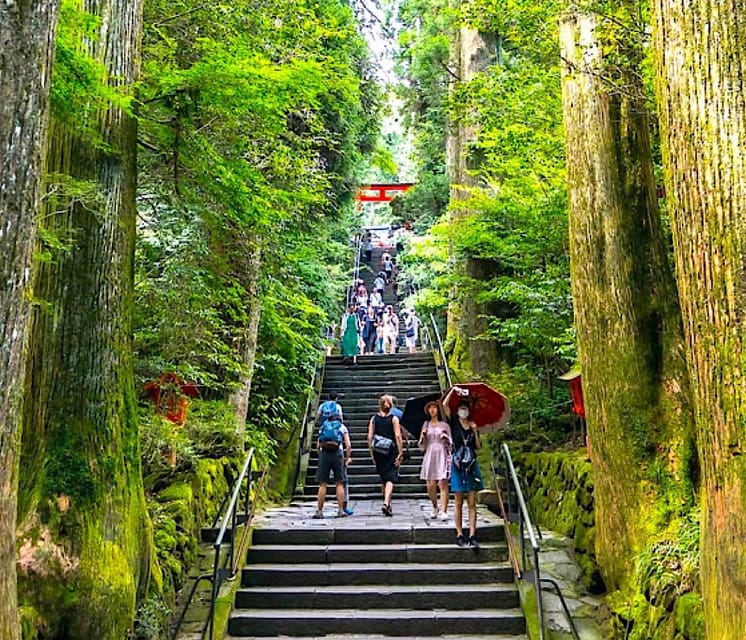
- Private van, private pacing: You’re not stuck with a bus timetable.
- Mt. Fuji 5th Station focus: A full-hour visit centers the day around the high-elevation experience.
- Classic Fuji-water stops: Oshino Hakkai and Lake Kawaguchi are included for that postcard-to-reality feel.
- Hakone’s signature hit list: Lake Ashi and Owakudani Valley keep the variety moving.
- Photo-ready viewpoints: Oishi Park and Chureito Pagoda are built in, so you’re not rushing alone.
Mt. Fuji and Hakone in One Long Day: What the 10 Hours Feel Like
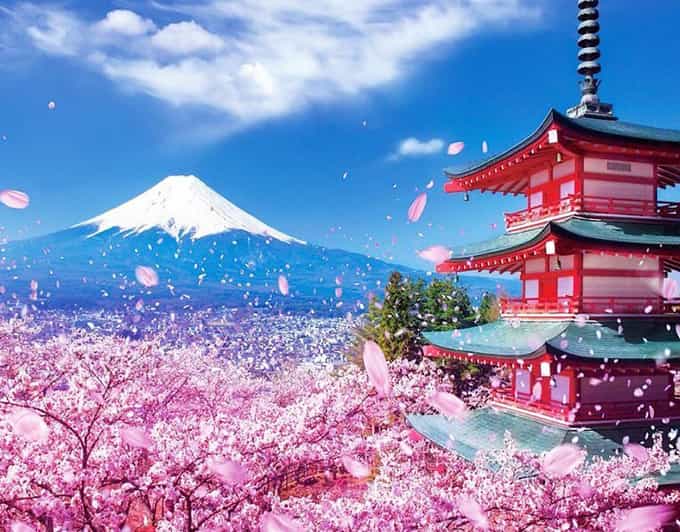
This is the kind of day that works because you have a driver and an order of operations. You’ll cover a lot of ground without doing the planning math yourself, and that matters with Mt. Fuji/Hakone days where buses, weather, and road timing can change quickly.
The tradeoff is simple: it’s a full day. You’ll have a moderate amount of walking, plus time in and out of vehicles as the geography shifts from Fuji’s slopes to Hakone’s lakes and valleys. If you like your sightseeing tight and efficient, this fits. If you prefer slow travel with long sit-down meals, consider adding an extra overnight in the region.
You can also read our reviews of more guided tours in Tokyo
Pickup and Drop-Off That Actually Help: Tokyo, Hakone, and Kawaguchi
One practical win is the flexibility on where you start. You can be picked up from options including Tokyo, or closer bases around Hakone and Kawaguchi, and you can be dropped off back in those areas too. That reduces the “how do we get there first?” stress that can wreck a day trip.
Also, the driver meets you at your hotel entrance or Airbnb entrance. That sounds minor until you’ve had the wrong door, the wrong lobby, or a van that can’t find you in a crowd. On this kind of day, that small logistics win keeps you from losing time at the start.
Oshino Hakkai: Fuji’s Water Culture in a Peaceful Hour
Oshino Hakkai is one of those places where the scenery feels calm, even if you’re excited. The water features and the Fuji-related springs give you a different angle than mountain viewpoints alone—more human-scale, more “look around and breathe.”
A one-hour visit is a smart amount of time here. It’s enough to walk the paths, take photos, and still keep the day moving toward Hakone. The main drawback is that you’ll want to keep your pace steady; if you get pulled into shopping or lingering for photos, the rest of the route can start to feel compressed.
If you’re the type who likes variety, Oshino Hakkai is a good early anchor. If you’re only chasing the absolute highest views, it can feel quieter than later stops—but it adds meaning to the whole Fuji story.
Kitaguchi-hongu Fuji Sengen Shrine: A Short Visit That Changes the Mood
You’ll also stop at Kitaguchi-hongu Fuji Sengen Shrine for about 30 minutes. This isn’t a long temple-and-meandering kind of block. It’s more like a reset button between “big photo” moments.
Why it works: shrines in Japan aren’t just backdrops; they’re active places tied to local beliefs and seasonal rhythms. Even in a short visit, you can get a sense of how people relate to Fuji beyond sightseeing—especially if your guide shares basic etiquette tips as you go.
This stop is worth it if you care about context, not just viewpoints. If you want every minute to be panorama time, you might feel the clock here—but many people find it a refreshing break.
Mt. Fuji 5th Station at Komitake Baiten: The Moment Everyone Plans For
The headline stop is Mt. Fuji 5th Station (Komitake Baiten), with about an hour on-site. This is the part most people are really booking for, and for good reason: higher elevation changes the air, the angles, and the whole mood of the mountain.
That said, this is also where weather really calls the shots. You can be on time and ready and still get lower visibility if clouds sit on Fuji. The tour runs in all weather conditions, so you should dress for cold and wind, not just for sunshine.
One extra practical thought: an hour at the 5th Station is enough to take photos and look around without turning it into a rushed sprint. But if you’re hoping for a specific photo angle, plan to move quickly to your preferred spots and then slow down. Your guide can help you choose where to stand depending on the conditions.
You can also read our reviews of more private tours in Tokyo

Lake Kawaguchi, Oishi Park, and Chureito Pagoda: Fuji Views With Different Personalities
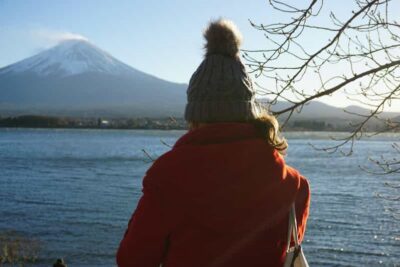
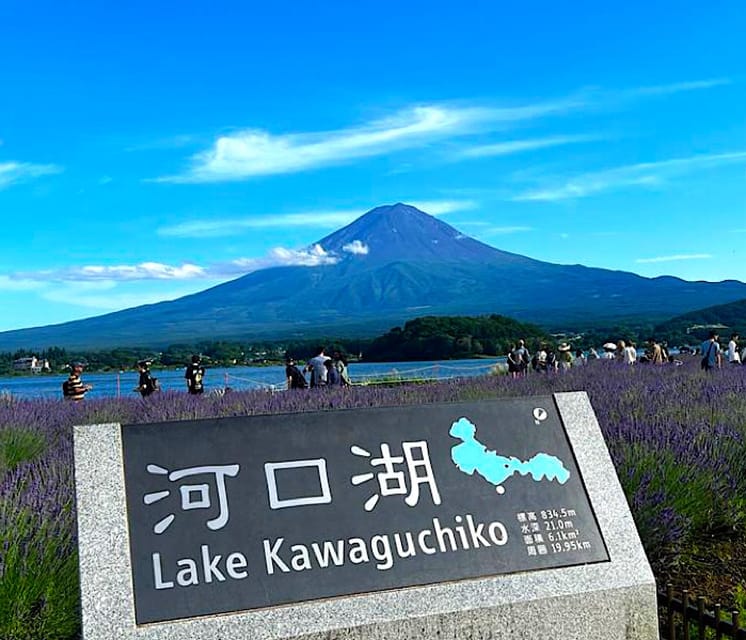
The day shifts into lakeside Fuji territory with Lake Kawaguchi (about an hour). This is where the mountain can look both dramatic and calm—depending on wind and cloud cover. If the morning conditions are good, Lake Kawaguchi can set you up for a strong photo sequence later.
Then you get time at Oishi Park (about 30 minutes) and Chureito Pagoda (about an hour). Here’s how I’d think about these stops:
- Oishi Park is more of a viewpoint-and-wander block.
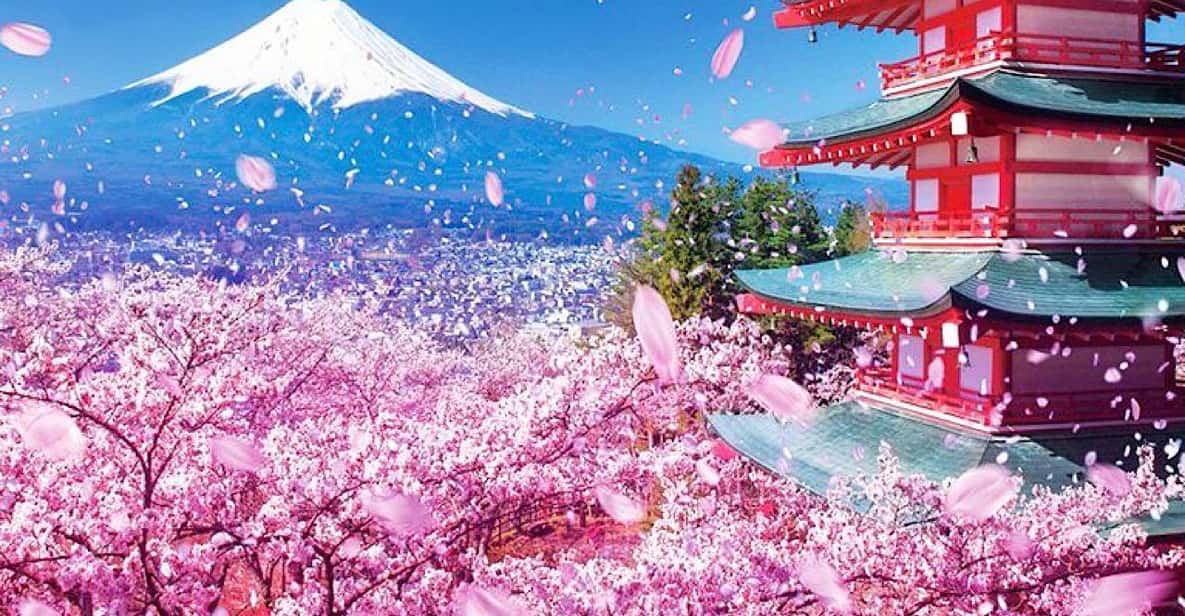
- Chureito Pagoda is the iconic composition stop, where timing and viewpoint selection matter.
The honest expectation: this area can be busy, and photo timing can decide whether your images feel clean or chaotic. That’s one reason having a guide helps. Even if you’re not trying to “beat the crowd,” someone can help you pick the right angle and manage the order of your time.
Mt. Kachi Kachi Ropeway and Lake Ashi: Hakone’s Scenic Machinery
Hakone is the “how do they make this look so theatrical?” region, and part of that comes from getting up and over the terrain efficiently. You’ll visit Mt. Kachi Kachi Ropeway for about an hour, which gives you a different perspective than walking-only routes would.
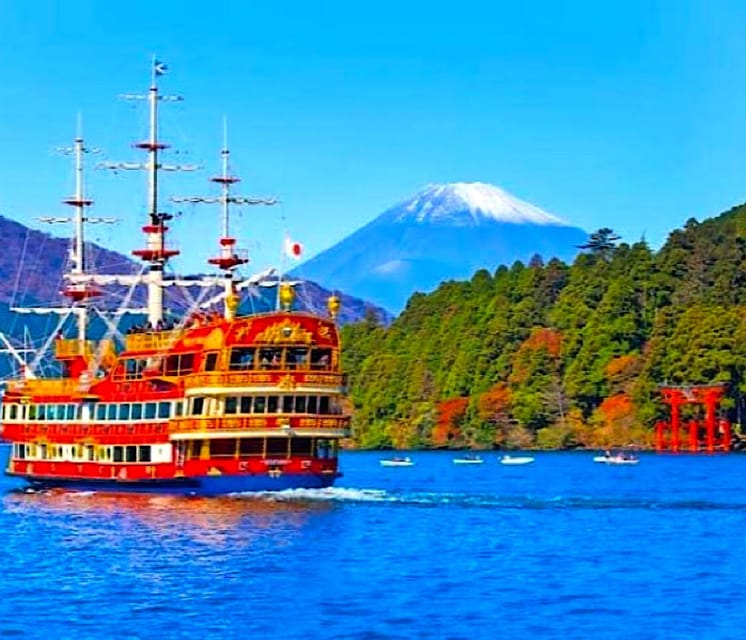
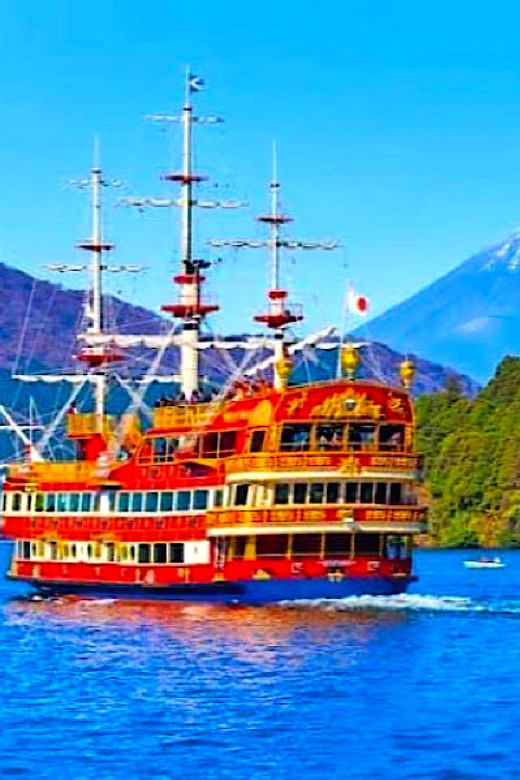
After that, you’ll head to Lake Ashi (about an hour). Lake Ashi is all about reflections and shoreline geometry. Even when visibility isn’t perfect, the lake gives structure to the day—water is easier to appreciate when the mountain is hidden.
A ropeway plus lake combo can feel slightly “tourist course,” but that’s also why it works in one-day format. You’re getting sweeping views without sacrificing the Fuji highlights. If you hate any ride-based activities, you might skip the ropeway mentally—but it’s part of the route’s value.
Owakudani Valley: The Volcanic Reality Check
The day ends with punchier atmosphere at Owakudani Valley (about an hour). This is Hakone’s volcanic heart: steam, sulfur vibes, and a landscape that reminds you the earth is doing the heavy lifting.
This stop is where you’ll feel the contrast with the earlier calmer Fuji-water scenes. It also tends to deliver even when the mountain itself is obscured, because the valley has its own drama built into the setting.
Keep expectations realistic: you’re not getting a long hike here. You’re getting a focused visit, enough time to see the activity and take photos, without turning the day into a physical challenge.
How Customization Works, and Why Your Guide Matters
The big promise is customization. In practice, it means your guide can adjust how you experience the route—what order you prioritize, what you linger on, and how you handle the inevitable weather changes.
This is also where quality variation shows up. In the strong versions of this day, guides like Hadi have been highlighted for tailoring routes to your time and even pointing out less-famous places, including a quieter shrine experience and thoughtful etiquette explanations. Sam has also been praised for accommodating an itinerary without friction, and Shaon for making the best of a weather day while still covering most of the plan.
There’s an important caution too. One unhappy account described a guide named Mukarram who allegedly skipped the Mt. Fuji 5th Station timing and left the group to handle parts independently, plus an awkward and negative start. That’s not something you should ignore—just a reminder that a private tour’s success depends on the person in the van, not only the route name on the page.
My practical advice: message your provider before departure with two priorities—Mt. Fuji 5th Station and how you want the day paced. Then ask what the plan looks like if visibility is poor. You’re not being difficult. You’re preventing the exact kind of day described in that negative scenario.
Price and Value: Is $419 per Group Up to 5 Worth It?
At $419 per group (up to 5) for a 10-hour private day, you’re paying for three things:
- A private English-speaking guide
- Round-trip van transportation
- A route built to hit Fuji and Hakone without you coordinating transfers
If you were to DIY this, you’d likely spend time piecing together local trains/buses, then deal with weather timing on your own. You could still pull it off, but the “value” here is time and stress reduction—especially for the Fuji 5th Station part, where elevation and weather can make plans fragile.
If you’re traveling solo or as a couple, the cost is still reasonable for what it covers, but the real value hits when you split it between multiple people. With a group of up to five, it can feel like you bought back a full day of planning.
The only time it’s poor value is if your priorities are narrow. If you only want one thing—say, just a view—and you don’t care about the rest, you might do a simpler option. But if you want multiple regions, multiple viewpoints, and a guide who can keep the day flowing, this price makes sense.
What to Pack for a Fuji-and-Hakone Day That Changes Fast
Bring comfortable shoes and warm clothing. Even in months that feel mild in Tokyo, conditions at higher elevation and around lakes can feel colder and windier.
Also pack:
- a hat
- camera
- sunscreen (yes, even when it’s not blazing)
- water
The tour runs in all weather conditions, so dress in layers. If rain or cold hits, you’ll still be able to enjoy the stops instead of spending the day miserable and rushed.
One more tiny note: no smoking is allowed.
Should You Book This Mt. Fuji and Hakone Private Tour?
Book it if you want a guided, private way to see both the Fuji icon stops and Hakone’s volcanic/lake scenery in one day. It’s especially a good fit if:
- you hate negotiating transit on a long day
- you want Mt. Fuji 5th Station included
- you’d like a guide to help with pacing and etiquette at cultural stops
Skip or adjust expectations if:
- you’re only chasing one viewpoint and nothing else
- you dislike any ride component (like the ropeway) and aren’t flexible
- you’re extremely weather-dependent on getting a perfect Fuji summit view
If you do book, do one thing that improves your odds: tell your guide your top priority and ask how you’ll adapt if visibility isn’t great. With that, this private day has the best chance of turning into the classic Fuji-and-Hakone story you came for.
FAQ
How long is the Mt. Fuji and Hakone private day trip?
The tour lasts 10 hours.
How much does this private tour cost?
It costs $419 per group, for groups up to 5 people.
What pickup options are available?
Pickup options include Hakone, Kawaguchi, and Tokyo.
Where can I be dropped off at the end of the day?
Drop-off locations include Hakone, Tokyo, and Kawaguchi.
Is the guide available in English?
Yes, the guide is an English-speaking live tour guide.
What are the main stops during the day?
The day includes Oshino Hakkai, Kitaguchi-hongu Fuji Sengen Shrine, Mt. Fuji 5th Station (Komitake Baiten), Lake Kawaguchi, Mt. Kachi Kachi Ropeway, Oishi Park, Chureito Pagoda, Lake Ashi, and Owakudani Valley.
Are meals included?
No, meals and drinks are not included.
Are entry fees and admission included?
No, entry/admission is not included.
What should I bring for the day?
Bring comfortable shoes, warm clothing, a hat, a camera, sunscreen, and water.
Does the tour run in bad weather?
Yes, it operates in all weather conditions, so dress appropriately and plan for quick weather changes.