REVIEW · TOKYO
Private Harajuku Omotesando Architecture Tour
Book on GetYourGuide →Operated by Showcase Tokyo Architecture Tours · Bookable on GetYourGuide
Architecture fans, this one’s practical and photogenic. A private walk through Omotesando and nearby streets turns Tokyo’s fashion frontage into readable architecture, with great photo moments around every bend.
I also love how the guide makes the buildings feel connected, from the area’s design push to the famous names you’ve seen in magazines. One consideration: it’s a walking-heavy 210 minutes, so comfortable shoes are not optional.
In This Review
- Private Omotesando Architecture Tour: the big idea
- Omotesando vs Ginza: why the vibe is different
- Starting at Meiji Shrine’s edge: where the tour really begins
- Jingubashi bridge to Meiji Shrine area: getting your bearings fast
- Yoyogi Gymnasium from a distance: landmark context without overload
- Designer storefront architecture: The Iceberg to Prada
- The side trip into back streets: where daily life adds meaning
- The guide makes it click: different experts, same goal
- Break time at Café Mori no Terrace: small pause, big reset
- Night tour: why the same buildings look different after dark
- Wheelchair accessibility and comfort: plan for walking
- Price and value: is $129 worth it for 3.5 hours?
- Who this Omotesando architecture tour fits best
- Should you book it?
- FAQ
- How long is the Private Harajuku Omotesando Architecture Tour?
- Where is the meeting point?
- How do I get to the meeting point from JR Harajuku Station?
- Is this tour private?
- Is the tour wheelchair accessible?
- What’s included in the tour price?
- What is not included?
- What should I bring?
Private Omotesando Architecture Tour: the big idea
Omotesando can look like just another high-end shopping strip from far away. Step onto it and you’ll feel the difference right away: it’s not only about brands. It’s about how buildings shape the mood of the street, and how designers treat Tokyo like a living showroom for form, light, and materials.
That’s where this tour earns its money. You’re not just scanning storefronts. You’re learning why major architects and designer labels keep choosing this neighborhood, and how the “clean” vibe on the main avenue changes once you move into side streets.
Omotesando vs Ginza: why the vibe is different
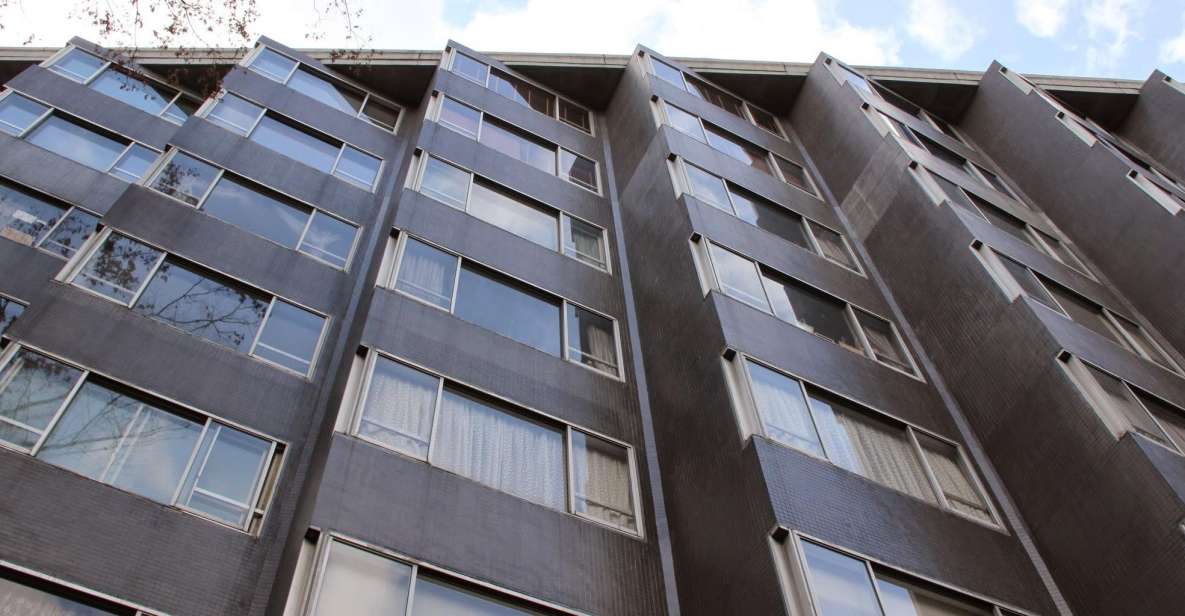
Omotesando and Ginza both signal money and style, but they don’t work the same way. Omotesando feels more like a carefully designed promenade: sleek streets, bold façades, and a sense that the architecture is part of the shopping experience. Ginza often reads more like polished retail blocks and department-store energy.
On this walk, you’ll understand that difference fast. The tour is built so you can compare the geometry and the street rhythm as you move—then notice how the atmosphere shifts again in the back lanes where everyday Tokyo shows up.
You can also read our reviews of more private tours in Tokyo



Starting at Meiji Shrine’s edge: where the tour really begins
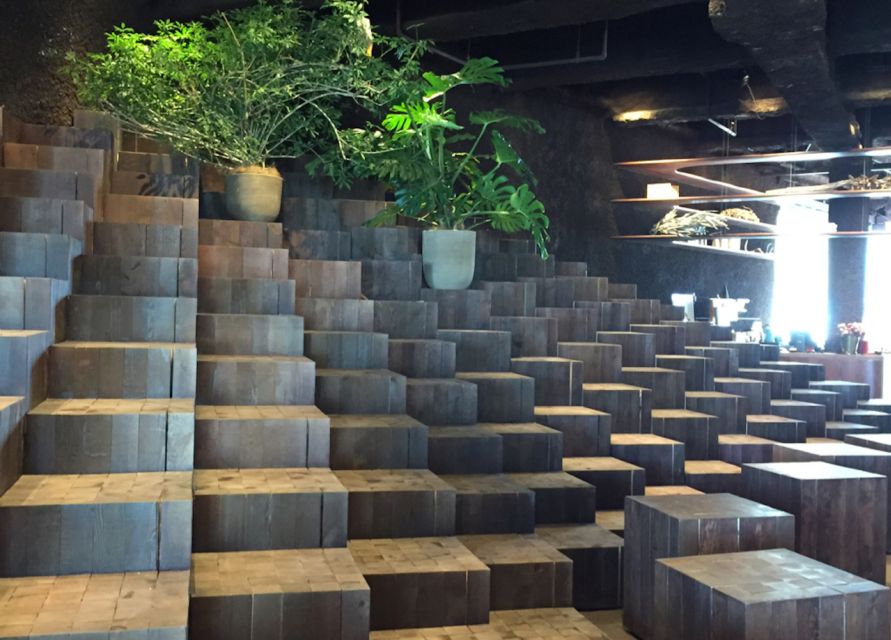
You meet at CAFÉ Mori no Terrace at the large open space where the Meiji Shrine’s big wooden entrance gate stands. Make sure you pick the café outside the shrine grounds—there’s another café with a similar name inside the Meiji area, and you do not go through Shinto gates from JR Harajuku Station to reach this meeting spot.
If you’re coming from JR Harajuku Station, use the Omotesando exit. Walk toward the forest edge, and you’ll be in the right area before the tour gets underway.
Jingubashi bridge to Meiji Shrine area: getting your bearings fast
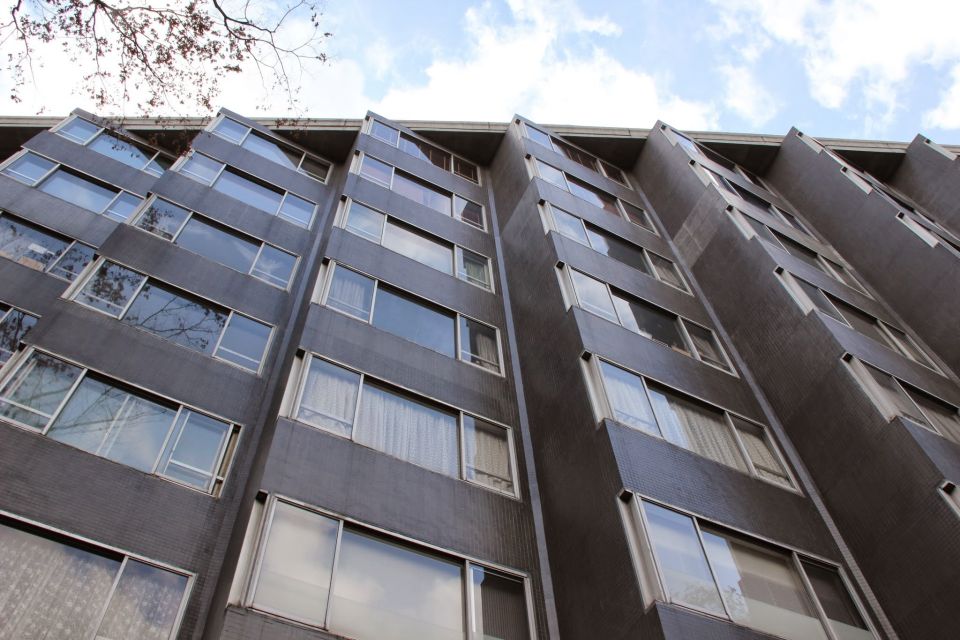
The route kicks off around the Jingubashi bridge area in front of the Meiji Shrine. This is smart because you’re not starting in the most complex retail zone first. You’re getting oriented with a broader view of the neighborhood, with the shrine surroundings helping you understand why Omotesando has that “designed contrast” feel: nature and formality on one side, fashion-forward architecture on the other.
You’ll want your camera ready here. The lighting and sight lines from this side of the area help you see how the street opens up into the modern blocks ahead.
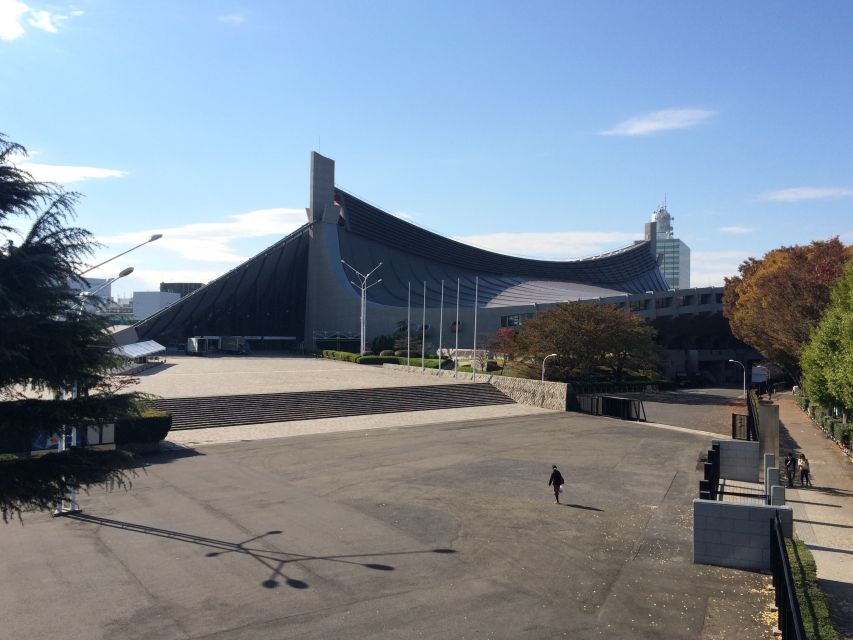
Yoyogi Gymnasium from a distance: landmark context without overload
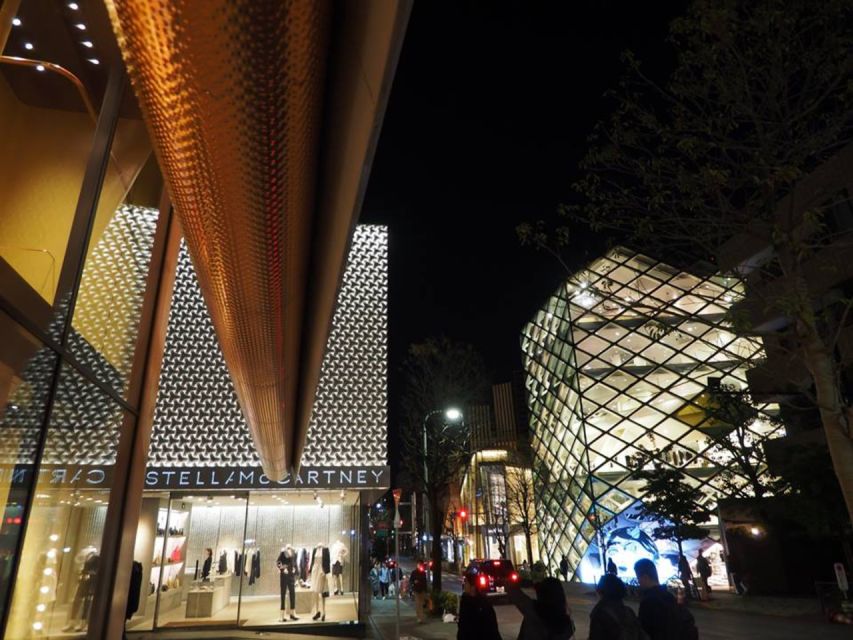
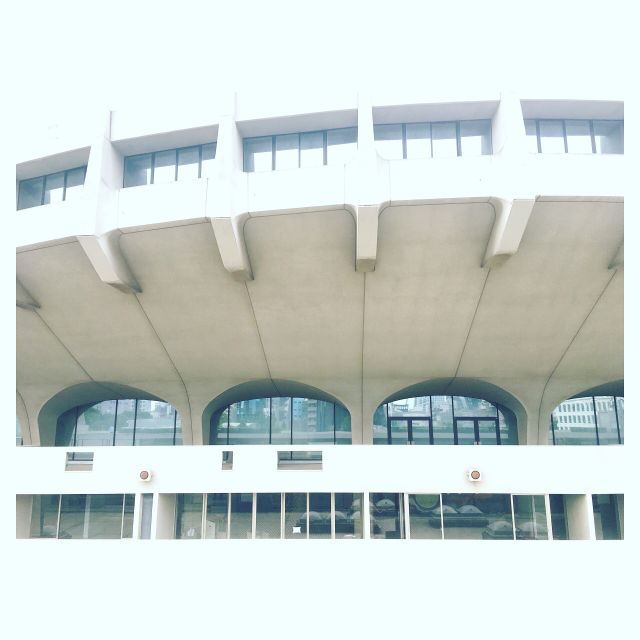
Next up is Yoyogi Gymnasium—seen from a distance. This works well because it lets you place the building in the city without forcing you into a full sightseeing crush. You’re learning to look, not just to point.
From this kind of vantage, you can start thinking about big-picture questions your guide will likely ask you to hold onto:
- How does the structure relate to the street?
- What changes when you view it from a moving walking route?
- Why do certain buildings feel “Tokyo” even when they don’t look traditional?
This is also a good moment to slow down mentally. After this, the tour shifts into the designer-and-architect mode.
Designer storefront architecture: The Iceberg to Prada
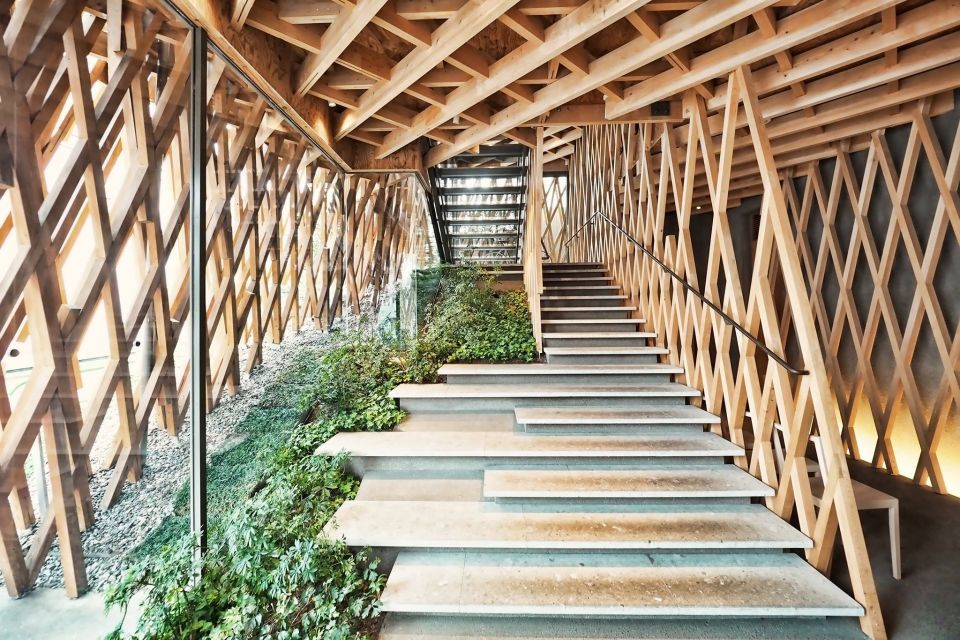
This is the heart of the experience: contemporary and emerging architectural works tucked among the famous brand names. You’ll pass through a stretch where labels like Dior, Louis Vuitton, Prada, and Sunny hills sit alongside more architectural “statements” such as The Iceberg.
The value here isn’t the brand list. It’s what your guide points out as you walk: how façades communicate style, how materials catch light, and how the buildings frame pedestrians instead of just facing cars or signage. Even if you’re not shopping, you’ll start reading the street like a design diagram.
A practical tip: if you’re into photography, move with intent. The tour is designed so you get photo opportunities at different corners. That means the best shots are often short stops where you change your angle, not long lingering in one place.





The side trip into back streets: where daily life adds meaning
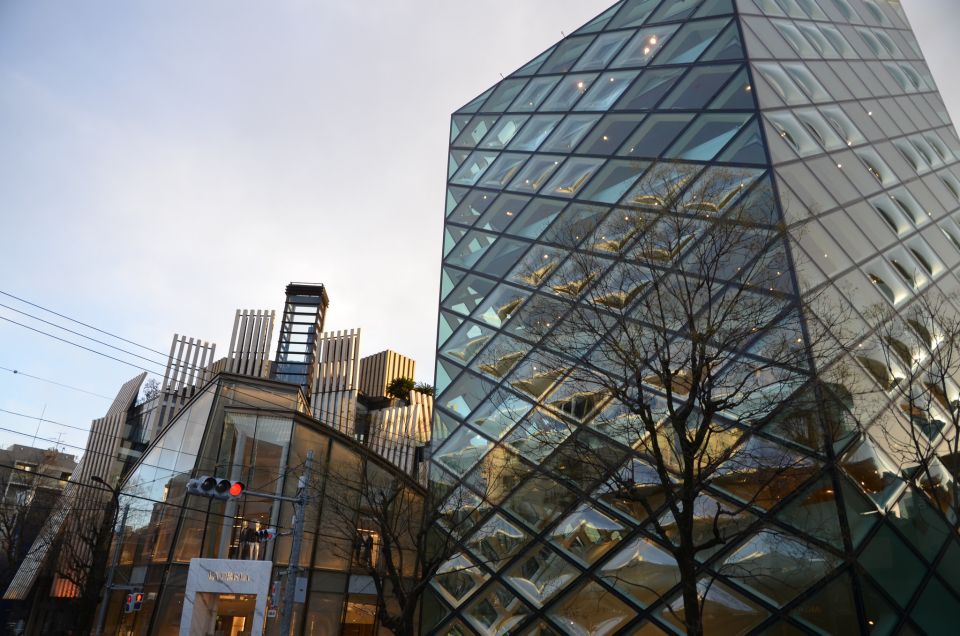
After the main avenue, the tour takes you into side streets. This matters more than you might expect. Omotesando can look like only sleek and planned, but the back lanes reveal how the architecture sits inside real neighborhoods and everyday routines.
This is where you’ll start seeing the “big picture” the tour promises: not just famous buildings, but how Japanese lifestyle shows up around them. And if your group needs a breather, this is a natural time for a short pause.
The guide makes it click: different experts, same goal
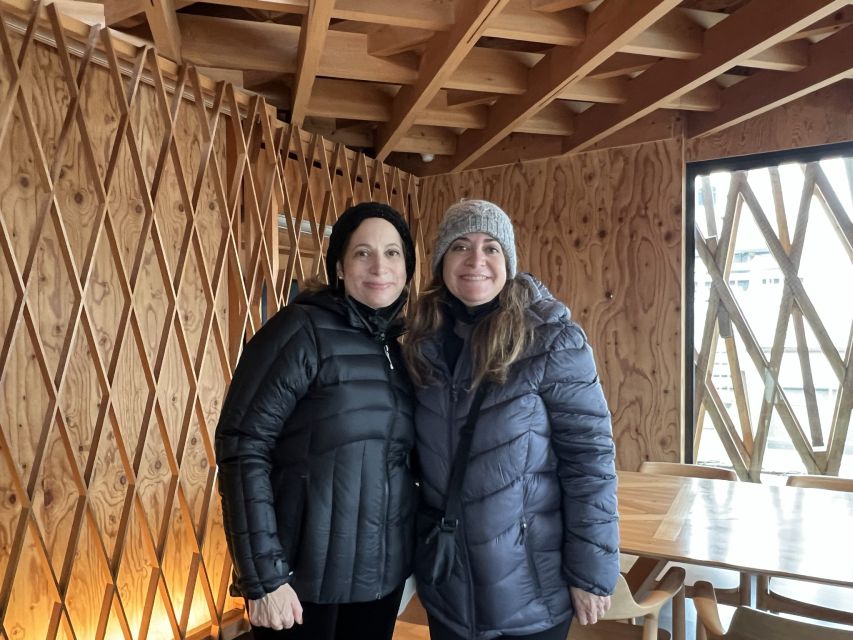
A big theme across the tour experiences is the guide quality—licensed English speaking, and able to answer questions clearly rather than just recite facts.
You might meet guides with very different professional backgrounds, but the approach tends to land the same way: architecture gets explained in plain language, and buildings get connected to the design thinking behind them. For example:
- Mrs. Sakai Mari is described as fluent and highly motivated, using additional materials to keep the walk moving and understandable.
- Taka has been described as a retired urban planner who earned an MIT background, with a strong command of Japanese architects (including discussion of major international recognition such as Pritzker Prize winners).
- Fuki is noted for matching your interests to specific stops, including discussing less impressive buildings so you learn what to watch for even when the design isn’t perfect.
- Yoshi and Hal are also mentioned as strong explainers who keep the story going as you walk.
What you should watch for during the tour is how your guide responds to your curiosity. One of the best signs this tour is working for you is when your questions start getting more detailed, not more confusing.
Break time at Café Mori no Terrace: small pause, big reset
You also get a break time with drinks. The tour is paced for a 210-minute window, so this pause isn’t random. It’s a practical reset that helps you keep your attention on details afterward—especially when the walking zone gets denser.
It also gives you a moment to plan your next photos. If you’re the type who likes to shoot the same façade from two angles, this break is the time to decide what you’ll try next.
Night tour: why the same buildings look different after dark
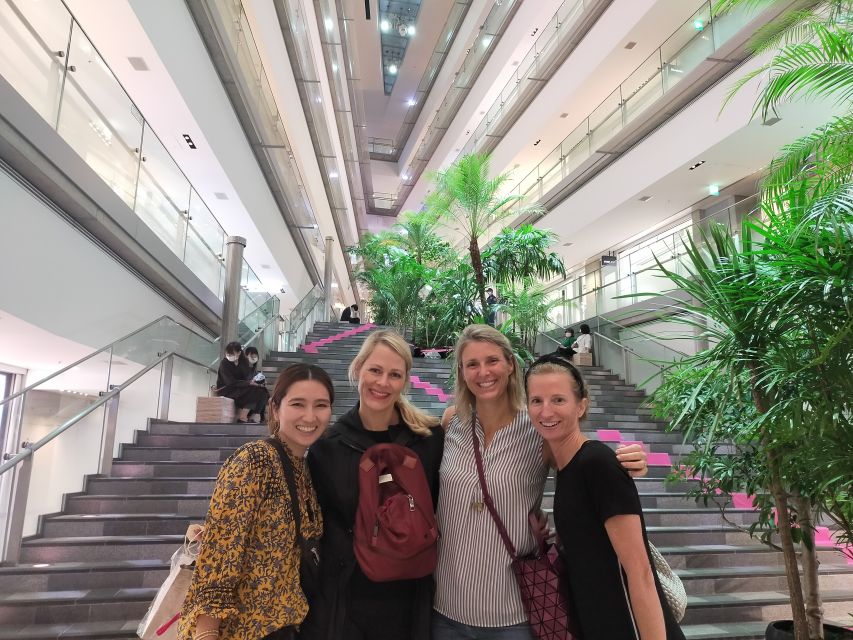
One of the standout options is taking the tour at night. This isn’t just about avoiding daytime crowds. It’s about seeing how architecture changes under different light.
With night viewing, reflections on glass and the glow around entrances and storefronts can make shapes and materials read differently. The tour’s promise here is simple: the same masterpieces feel like different objects once the streets switch from daylight function to evening mood.
If you can choose your time, I’d seriously consider night. Even if you think you know Omotesando already, night turns it into a new kind of architectural lesson.
Wheelchair accessibility and comfort: plan for walking
This tour is wheelchair accessible, which is important for an area that can still be uneven depending on the exact sidewalk routes. Still, you should expect real walking time. The tour duration is 210 minutes, and it’s designed to cover multiple major spots in a tight window.
Bring comfortable shoes. Also, think about your photo setup and how long you can comfortably stop without slowing the group too much.
Price and value: is $129 worth it for 3.5 hours?
At $129 per person for 210 minutes, the price only makes sense if you care about what you’re seeing. The tour isn’t selling you brand names; it’s selling guided interpretation: the why behind architecture choices, the connections between designer storefronts and architectural works, and the ability to notice details without needing to research everything yourself.
Here’s how I’d judge value for your own trip:
- If you like architecture stories and want context fast, this is strong value.
- If you only want a quick shopping walk, you might feel like you could do it on your own.
- If you’re traveling with someone who doesn’t care about architecture, the private format and tailor-able focus can help keep everyone engaged.
Private group also matters. You’re not getting dragged along with a one-size-fits-all pace.
Who this Omotesando architecture tour fits best
This tour is a great match if you:
- Like architecture, design, and street-level detail.
- Want famous names without turning it into a museum day.
- Enjoy photography and want clear reasons to stop at each corner.
- Prefer guided explanation over self-guided reading.
It’s also a nice fit for couples and friends who want Tokyo to feel modern and design-forward, but not sterile. The side streets help keep it human.
If you’re expecting a deep technical lecture, you might find it more of a street-to-story translation. The goal is for you to walk away understanding what to look for next time you see a similarly styled building.
Should you book it?
Book this tour if you want a structured way to see why Omotesando became an architecture-and-design magnet, and you don’t want to guess what you’re looking at. The meeting point near Meiji Shrine, the sweep toward Yoyogi Gymnasium, and then the designer-and-contemporary stretch create a logical visual route.
Skip it if you’re in full shopping mode only. This is for people who enjoy design, angles, and the story behind buildings—not for a casual stroll where you just window-shop and move on.
If you do book, wear comfortable shoes, keep your camera accessible, and come with even a small interest list. The tour is built so the guide can steer the walk toward what you care about.
FAQ
How long is the Private Harajuku Omotesando Architecture Tour?
The tour lasts 210 minutes.
Where is the meeting point?
You meet in front of the café in the large open space where the big wooden entrance gate of Meiji Shrine (Meiji Jingu) stands: CAFÉ Mori no Terrace, 1 Yoyogikamizonocho, Shibuya City, Tokyo 151-0052, Japan.
How do I get to the meeting point from JR Harajuku Station?
From JR Harajuku Station, exit via the Omotesando exit, then walk toward the forest area to reach the café. You do not go through Shinto gates from the station to get there.
Is this tour private?
Yes. It’s a private group experience.
Is the tour wheelchair accessible?
Yes, it’s wheelchair accessible.
What’s included in the tour price?
Included are a licensed English-speaking tour guide and a break time with drinks.
What is not included?
Meals and the transportation fee to/from the Harajuku Omotesando area are not included.
What should I bring?
Wear comfortable shoes.