REVIEW · TOKYO
Tokyo Professional Sushi Chef Experience
Book on GetYourGuide →Operated by H.I.S. Co Ltd(TIC) · Bookable on GetYourGuide
Two hours, and your hands learn sushi. I love that you get technique coaching from a 30-year Itamae and start by grating real wasabi yourself; I also love the small group setup that keeps explanations clear and unhurried. The trade-off is the $161 price, so it works best if sushi is your priority meal in Tokyo.
This class happens in a real Tokyo sushi restaurant setting, not a demo stage. You’ll build sushi rice (shari), roll and shape your own pieces, and taste a lineup including uni, negitoro, hirame, kuruma-ebi, chutoro, and akami, plus wakame udon and a complimentary drink. One small practical note: smoking indoors and strong fragrances are not allowed, so plan accordingly.
In This Review
- Key takeaways before you go
- Inside a Tokyo sushi restaurant classroom (in a good way)
- The 2-hour flow: what you do from first minute to last bite
- Fresh wasabi and shari: the two skills that make sushi make sense
- Hand-rolling with premium nori: getting past the messy part
- Fish prep demonstrations: learning what you can’t see at a counter
- The tasting lineup: tasting like a student, not just a diner
- Options for vegetarian and allergies: what matters operationally
- Practical rules that keep the room comfortable
- Price and value: is $161 really fair for 2 hours?
- Who should book this sushi chef experience
- Should you book it or skip it?
- FAQ
- How long is the Tokyo Professional Sushi Chef Experience?
- What group size is it?
- Is instruction available in English?
- Are vegetarian or allergy-friendly options available?
- What do I learn and make during the class?
- Are beverages included?
Key takeaways before you go
- Fresh wasabi, grated for real: taste it and learn how it should behave.
- Shari practice: learn what makes sushi rice feel right, not just look right.
- Premium nori and hand-rolled sushi: you’ll work with the ingredients the pros respect.
- Fish prep demonstrations: you see how technique changes the final bite.
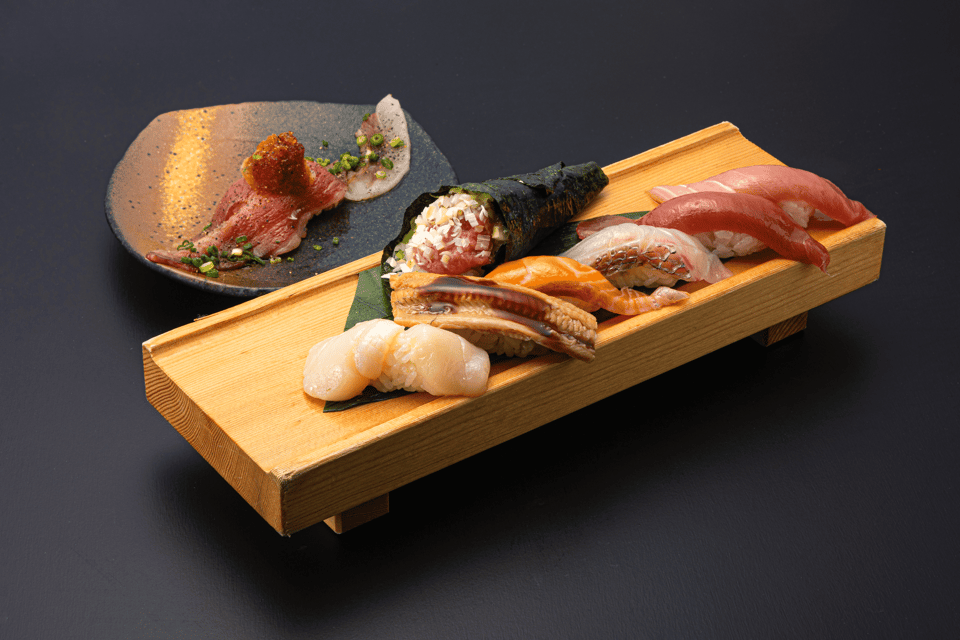
- A real tasting menu: uni, negitoro, hirame, kuruma-ebi, chutoro, akami.
- Wakame udon plus one drink: a satisfying finish, not just sushi.
Inside a Tokyo sushi restaurant classroom (in a good way)
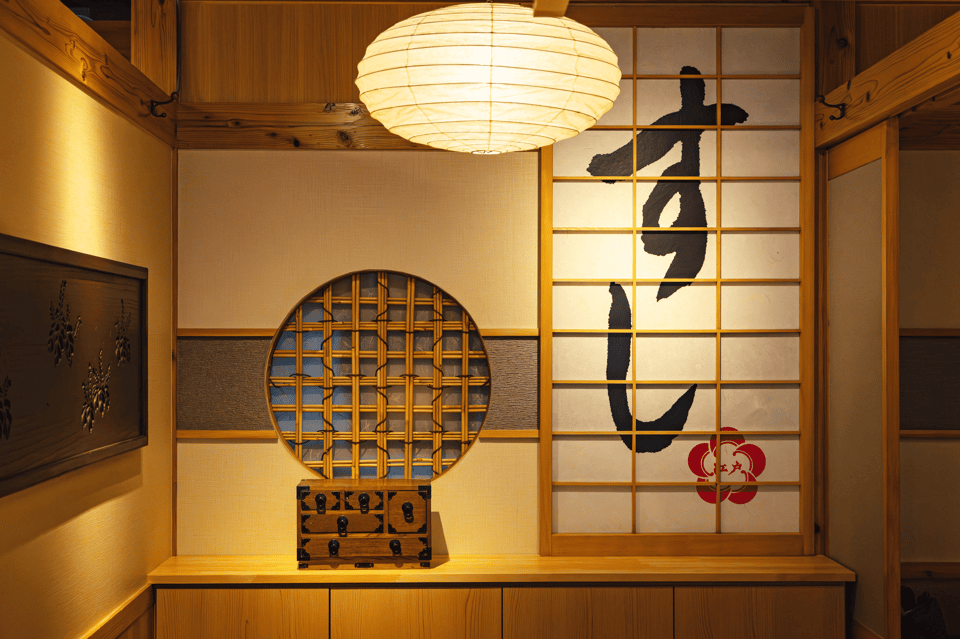
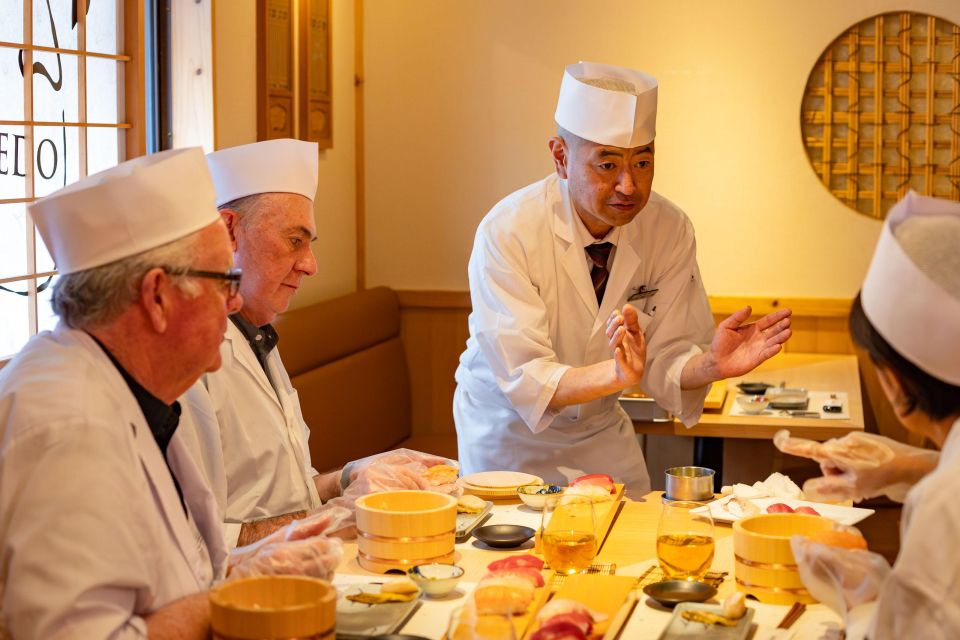
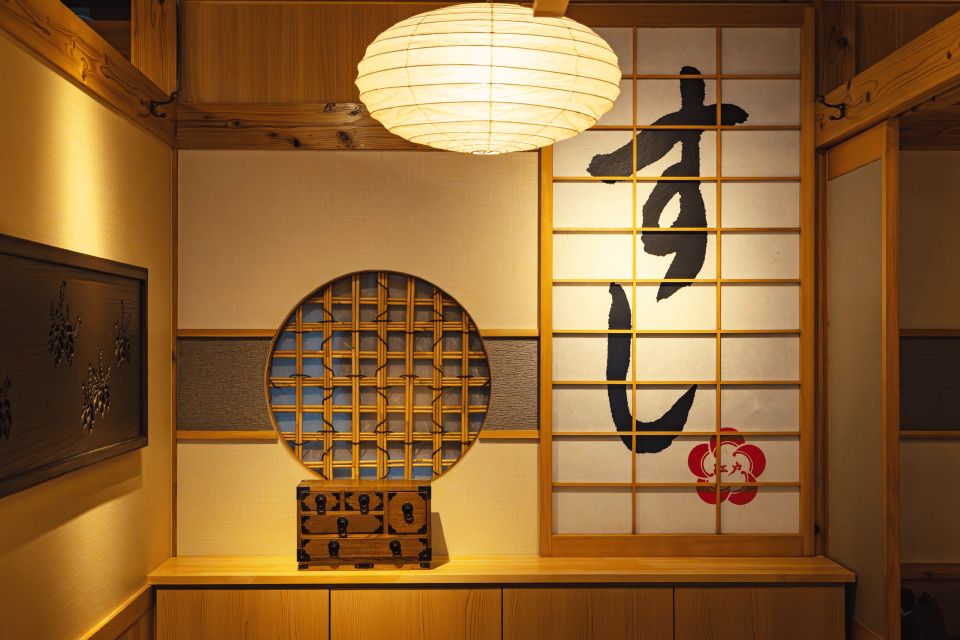
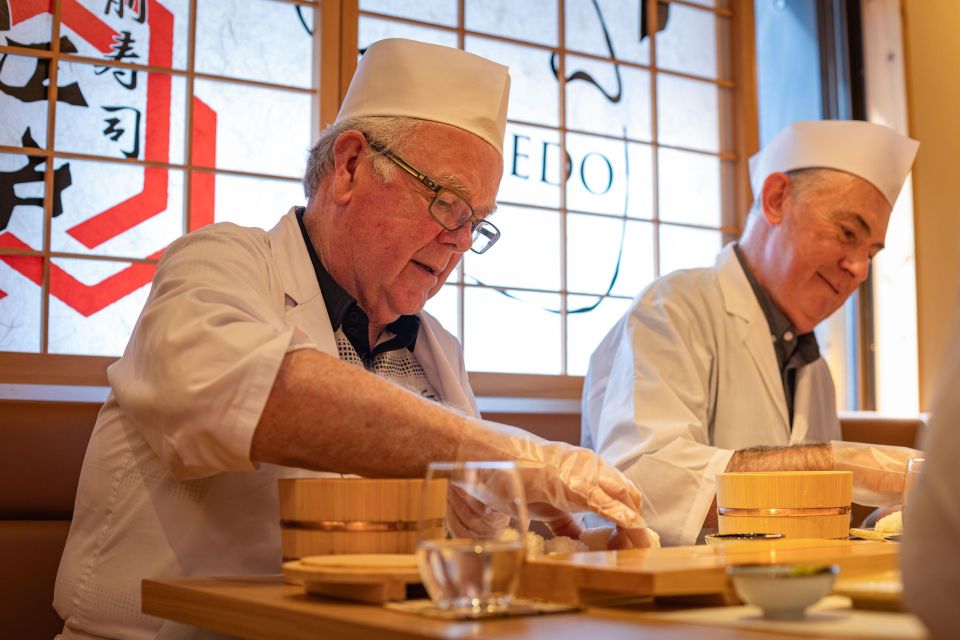
Tokyo sushi classes can be either too showy or too hands-off. This one hits a nicer middle: you’re in a genuine sushi restaurant environment, guided by an Itamae (a master sushi chef) with 30 years of experience. That matters because sushi is part food, part craft, and part rhythm. The pacing here makes it possible to learn without feeling rushed or stuck watching.
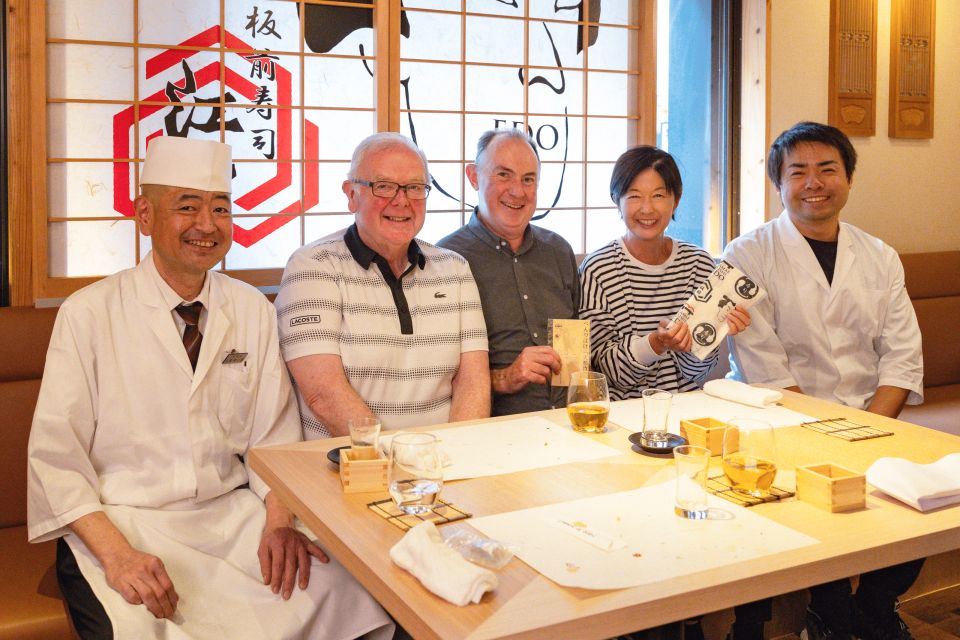
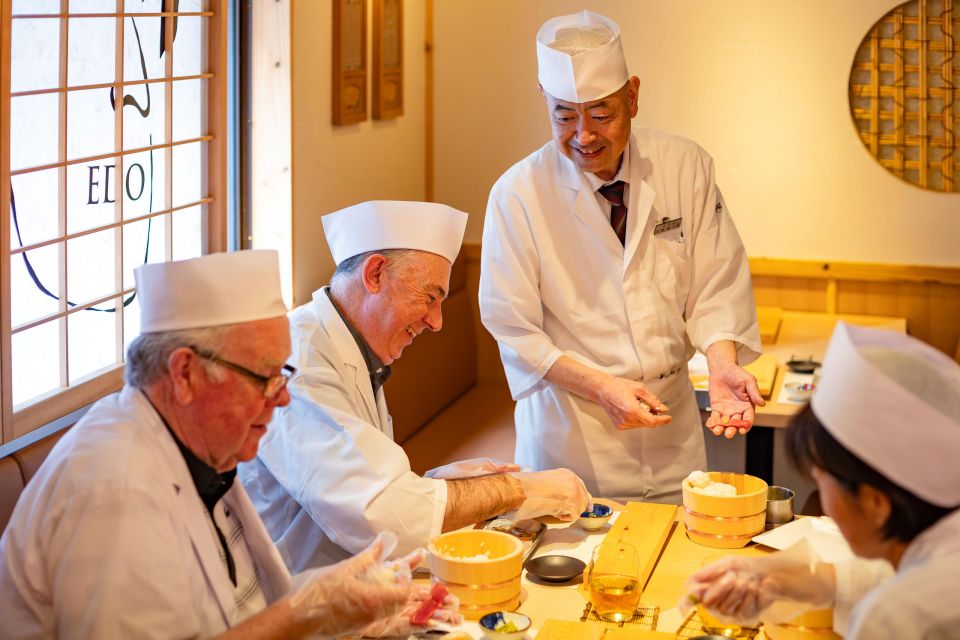
The small group size (limited to 8) is a big part of the value. With fewer people, you’re more likely to get hands-on correction when your rice is too sticky, your roll is uneven, or your fish slicing isn’t landing the way the chef expects. You also get interpretation support in English, which helps you connect the why behind the technique, not only the how.
If you’re sensitive to smells or you travel with strong perfume or fragranced products, keep in mind the rules: no strong fragrances, and no smoking indoors. It’s a small detail, but it makes the room more comfortable for everyone and helps the chef keep working without distractions.
You can also read our reviews of more tours and experiences in Tokyo.



The 2-hour flow: what you do from first minute to last bite
The timing is tight in the best way. Over about two hours, you’ll go from basics (wasabi and sushi rice) to shaping and tasting, with chef demonstrations threaded throughout.
Here’s the practical arc you can expect:
- You start with fresh wasabi and learn what changes when it’s grated rather than pre-ground.
- You move into sushi rice (shari): seasoning, handling, and the feel you’re aiming for.
- Then you make hand-rolled sushi using premium nori.
- You’ll also watch professional demonstrations of fish preparation and sushi techniques, so you’re not guessing while you work.
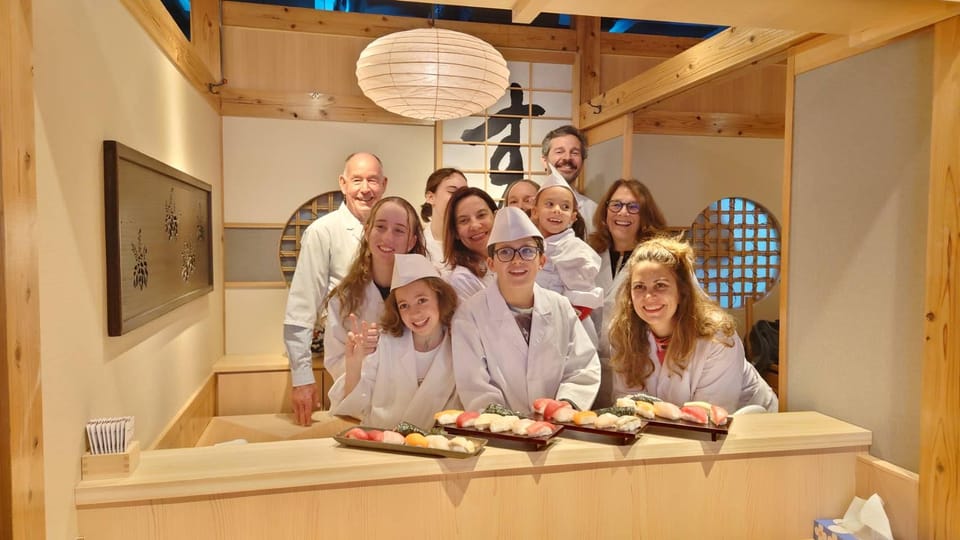
- Finally, you taste multiple cuts and styles, including uni (sea urchin), negitoro (tuna + scallion), hirame (flatfish), kuruma-ebi (sweet shrimp), chutoro and akami (different tuna portions), plus a wakame udon course.
- You finish with a complimentary drink choice (beer, sake, cola, or green tea), while the full drink menu is available separately.
That structure is why this class feels more like learning a craft than buying a ticket to eat sushi.
Fresh wasabi and shari: the two skills that make sushi make sense
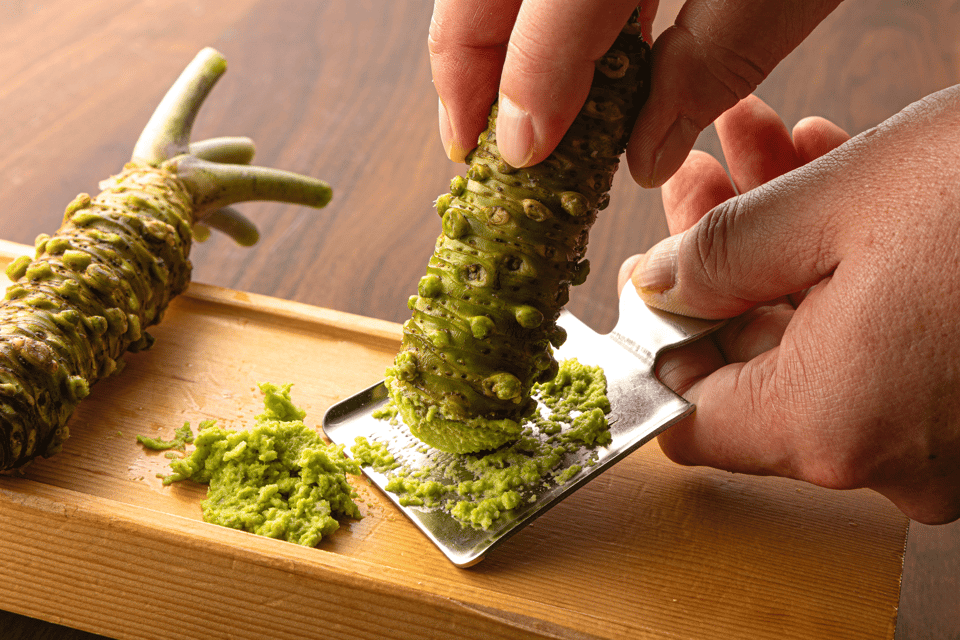
If you’ve only ever had sushi with a dab of jarred wasabi, this class starts by correcting that. You grate real wasabi and taste it the way it’s meant to be tasted. The point isn’t just heat. Fresh wasabi has a sharper, more complex flavor and a different punch on the palate. Once you taste it plain, you start understanding why sushi chefs treat wasabi as a precision ingredient rather than an afterthought.
Next comes the rice: shari is where a lot of home sushi classes fall short. Rice can be too hot, too cold, too wet, or not seasoned properly. Here, you learn the secrets of making shari that hold together without turning gummy. You practice how to handle it so it sticks enough for shaping, but not so much that it overwhelms the fish.
This is one of the best values in the whole experience: you’re learning two fundamentals you can reuse later. In other words, even if you never return to Tokyo, you’ll have the knowledge that makes store-bought sushi rice taste more like the real thing.
Hand-rolling with premium nori: getting past the messy part
Rolling sushi sounds simple until you’re holding nori in your hands. Nori is delicate. Too much pressure crushes it; too little and it won’t hold. With guidance, you learn the technique for hand-rolled sushi using premium nori, and you get a feel for the balance of rice-to-filling.
This part is also where the small-group advantage shows up again. When you’re learning to shape, the chef can correct your grip, your pressure, and even your timing. That’s important because sushi is sensitive to temperature and texture. You don’t just want something that looks good; you want the bite to stay clean.
And yes, there are those small “chef life” details you pick up along the way. You may start with basics like tying your apron correctly, then move straight into technique. Those quick moments help you settle into the chef’s workflow, which makes the actual shaping easier.
Fish prep demonstrations: learning what you can’t see at a counter
Even if you’ve eaten sushi your whole life, the hands-on value comes from seeing the process behind the plate. You watch professional demonstrations of fish preparation and sushi techniques. That means you see how fish is handled, how slicing affects texture, and how the chef builds consistency.
This isn’t just entertainment. Those demos help you understand why certain pieces are paired with specific flavors and why the same fish tastes different when cut or handled differently. When you later make your own pieces, you’re not working blind.
You also get to experience technique choices that matter for taste, like how firm fish should feel and how the shaped sushi should hold together long enough for the first bite.






The tasting lineup: tasting like a student, not just a diner
One of the most satisfying parts is the tasting sequence with multiple varieties, including uni, negitoro, hirame, kuruma-ebi, chutoro, and akami. This is where you start learning sushi vocabulary with your mouth, not just on a menu.
Here’s how to get more out of the tasting:
- Pay attention to texture first: uni is creamy and delicate; shrimp is sweet and springy.
- Notice fat and flavor differences in the tuna cuts: chutoro tends to feel richer than lean portions like akami.
- Compare the fish styles: negitoro gives you a mixed texture (tuna with scallion), while clean-cut hirame emphasizes tenderness.
You’ll also get a special wakame udon to balance the meal. It’s a smart pairing after sushi because udon is warm and comforting, and it helps reset your palate.
The complimentary drink (beer, sake, cola, or green tea) is a nice bonus, especially because you can choose what fits your stomach and your pace. If you want more drinks beyond the complimentary one, the drink menu is available separately.
Options for vegetarian and allergies: what matters operationally
The experience offers vegetarian and allergy-friendly options. That’s a big deal for value and comfort because sushi isn’t only about fish. The chef can guide you toward alternatives that still feel like sushi craftsmanship, not like a last-minute swap.
Practical advice: if you have allergies, communicate them early and clearly. Sushi preparation spaces can involve shared tools and cross-contact risks, even when options are offered. The more specific you are, the better the chef can adapt the plan for your safety.
If you’re vegetarian, you’ll likely focus more on rice, nori, and carefully chosen fillings and toppings. The class structure still holds, because the core skills—shari, rice handling, and rolling technique—translate across styles.
Practical rules that keep the room comfortable
Two short rules can make your class smoother:
- No smoking indoors.
- No strong fragrances.
It’s not just etiquette. Sushi is sensitive to smells, and it’s nicer for everyone when the room stays neutral so flavors stay pure.
Also note the age fit: the experience is available for elementary school students and up, but it’s not suitable for children under 10. If you’re planning with kids, check their comfort with food handling and focused instructions.
Price and value: is $161 really fair for 2 hours?
At $161 per person for a 2-hour class, you’re paying for more than a meal. You’re paying for:
- tuition and chef instruction from an Itamae with 30 years of experience
- the food, tools, and equipment
- hands-on practice plus fish prep demonstrations
- tasting multiple sushi varieties plus wakame udon
- one complimentary drink
That’s why the cost can feel reasonable compared with options where you only watch or only eat. You’re walking away with repeatable skills: grating fresh wasabi, building shari, shaping sushi, and tasting with a more educated palate.
That said, it’s still a meaningful spend. If you’re mainly chasing the cheapest way to eat sushi, you might prefer a normal meal. If you want to bring home skills and understanding, this is the kind of experience that pays you back later when you cook and share sushi with friends.
Who should book this sushi chef experience
This is a strong match if you:
- love sushi and want to understand how it’s made, not just how it tastes
- prefer small-group instruction over big-group tours
- want English support and guided interpretation
- want a restaurant setting with real technique, including fish prep demonstrations
- can travel with the understanding that children under 10 aren’t suitable
It may be less ideal if:
- you’re only looking for a casual snack stop (the focus is skill-building)
- you’re highly budget constrained for Tokyo dining
- you need to avoid any situation involving strong-smell sensitivities (the class does restrict strong fragrances, but it is still a sushi restaurant environment)
Should you book it or skip it?
Book it if sushi is a priority activity for your Tokyo trip and you want skills you can actually use again. The combination of hands-on shaping, shari practice, fresh wasabi, multiple tastings (uni, negitoro, hirame, kuruma-ebi, chutoro, akami), plus wakame udon makes the two hours feel full instead of rushed.
Skip it if you’d rather spend that time and money on a broader list of Tokyo food stops and you’re not interested in learning technique. Also consider that it’s best for ages 10 and up, and it’s set up for a focused small group atmosphere.
If that sounds like your travel style, this class is a solid, practical choice: you’ll leave with both a better bite and a better idea of how sushi is built.
FAQ
How long is the Tokyo Professional Sushi Chef Experience?
It lasts 2 hours.
What group size is it?
It’s a small group limited to 8 participants.
Is instruction available in English?
Yes. The instructor is English, with interpretation support.
Are vegetarian or allergy-friendly options available?
Yes. Vegetarian and allergy-friendly options are available.
What do I learn and make during the class?
You’ll learn techniques such as grating fresh wasabi, preparing shari (sushi rice), making hand-rolled sushi with premium nori, and you’ll practice sushi making while tasting different varieties.
Are beverages included?
A complimentary drink is included (beer, sake, cola, or green tea). Beverages beyond that may be available separately.