REVIEW · TOKYO
Mt. Fuji Tours with Kawaguchi Lake Ropeway View English Speaking
Book on Viator →Operated by Scenic Bend · Bookable on Viator
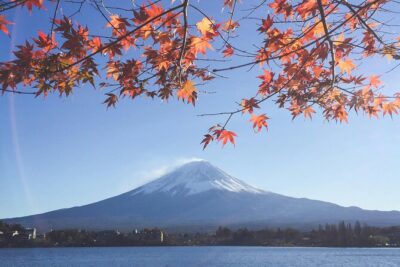
Mt. Fuji can vanish fast. This day trip gives you multiple shots at the mountain with Lake Kawaguchi views from above plus classic Fuji-area stops. I love the way the plan mixes big-ticket viewpoints with calmer places to reset, like Oshino Hakkai’s eight spring ponds. One thing to know up front: clouds can wipe out visibility, and that’s the biggest variable you can’t control.
I also like the straightforward structure: Tokyo pickup, then ticketed rides and set activities in a tight loop around Lake Kawaguchi and Fuji’s foothills. Guides you might get along the way include names like Sawaki, Erina, Luis, and Vivienne, and the common thread is clear communication and keeping the day moving. If you’re trying to fit Fuji into a first Tokyo trip without stressing logistics, this is built for that.
In This Review
- Key Things to Know Before You Go
- A Full Day on the Fuji Side: How the 10 Hours Feels in Real Life
- Pickup in Tokyo: Two Options and a Small-Group Upgrade
- Mt. Fuji Panoramic Ropeway at Lake Kawaguchi: Your First Big View
- Kachikachi Mountain Cable Car: Why the Second Ride Matters
- Lake Kawaguchi Konohana Museum Matcha Experience: Small Timing, Cultural Payoff
- Oishi Park: Quick Stop, Pretty Photos, Seasonal Mood
- Oshino Hakkai: The Best Low-Stress Stop on the Schedule
- Guides: The Real Difference Between a Good and a Great Day
- Price and Value: Is $81.41 a Smart Buy?
- The Weather Reality Check: Your Biggest Variable
- Traffic, Crowds, and Pacing: When the Day Can Feel Rushed
- Luggage, Passport, and Small Practical Tips That Save Hassle
- Who This Tour Suits Best
- Should You Book This Mt. Fuji and Kawaguchi Lake Tour?
- FAQ
- How long is the Mt. Fuji and Kawaguchi Lake ropeway tour?
- What is the price per person?
- What does the tour include?
- Are meals included?
- Where are the pickup points in Tokyo?
- Is Mt. Fuji guaranteed to be visible?
- What if the ropeway is under repair during Dec. 10 to Dec. 20?
- What happens if the Kachikachi cable car can’t run due to weather?
- How many people are on the tour?
- Can I cancel for free?
Key Things to Know Before You Go
- Ropeway + cable car = multiple Mt. Fuji angles instead of one single viewpoint
- Oshino Hakkai’s eight spring ponds give you a slower, more photogenic break from the rides
- Matcha time at Lake Kawaguchi Konohana Museum is on the schedule, but timing can shorten if traffic hits
- Oishi Park is quick (about 30 minutes), which helps when the day runs long
- Max group size is 45, and there’s also a small-group transfer option with door-to-door pickup in some areas
- Ropeway repairs and weather diversions can swap activities, so plan around flexibility
A Full Day on the Fuji Side: How the 10 Hours Feels in Real Life
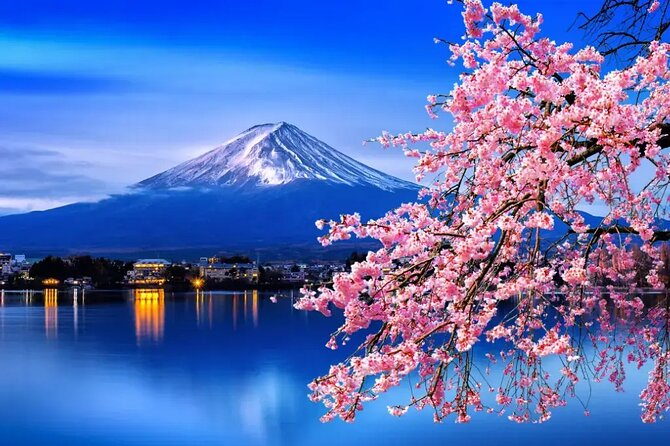
This is an all-day outing clocking in at about 10 hours including travel time. That’s a long stretch, but it’s also the point: you’re buying time savings versus taking trains, buses, and timed ticketing on your own.
The rhythm is a series of timed stops. When everything runs on schedule, you feel “busy but not panicked.” When traffic spikes or lines slow things down, you’ll feel that in the time you get at each spot. In short: this trip works best when you’re okay with a day that’s packed, not leisurely.
You can also read our reviews of more tours and experiences in Tokyo.



Pickup in Tokyo: Two Options and a Small-Group Upgrade
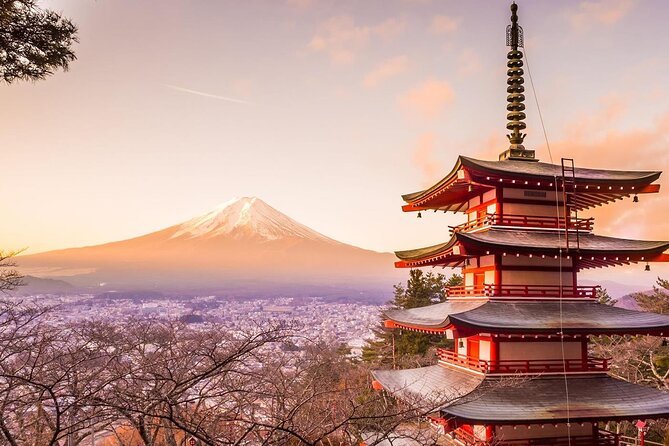
You get two central pickup points in Tokyo, with an option to upgrade to hotel pickup. There’s also a small group package that’s door-to-door transfer in some Tokyo districts (with a driver and guide), designed for fewer people and a more comfortable vehicle. The trade-off is that this small-group pickup depends on whether your hotel address falls within their transfer area.
Before your departure, you should receive a reminder email the night before with the pickup time, vehicle registration number, and guide contact information. That’s important because Fuji day trips are busiest at the start—being able to find your bus quickly matters.
Mt. Fuji Panoramic Ropeway at Lake Kawaguchi: Your First Big View

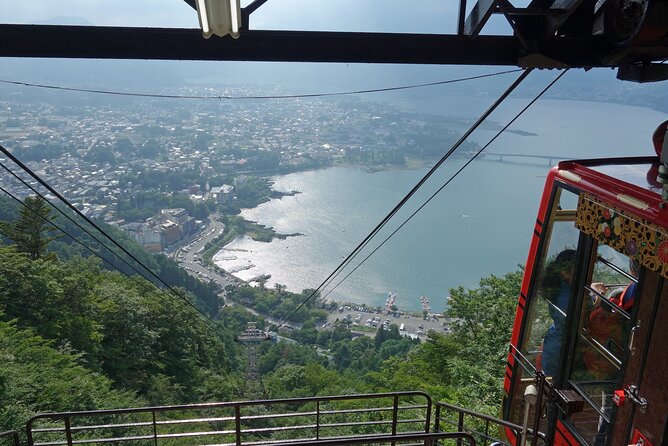
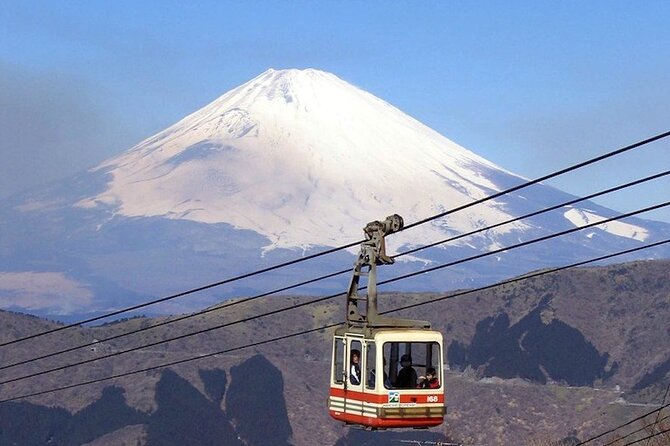
The first stop is the Mt. Fuji Panoramic Ropeway, which is tied to the Lake Kawaguchi Panoramic Gondola ride. This is usually where the day starts to feel special: you’re moving over the lake area with a view that can stretch out when visibility is clear.
A key practical note: there’s a maintenance window mentioned for Dec. 10 to Dec. 20, when the gondola may be repaired and you’ll take the Sengoku Boat instead. If the gondola is the specific thing you came for, double-check the date you’re booking.
This stop includes admission, and it’s built as a “big payoff” moment early in the day—so it’s worth being ready to go right when the group arrives.
Kachikachi Mountain Cable Car: Why the Second Ride Matters
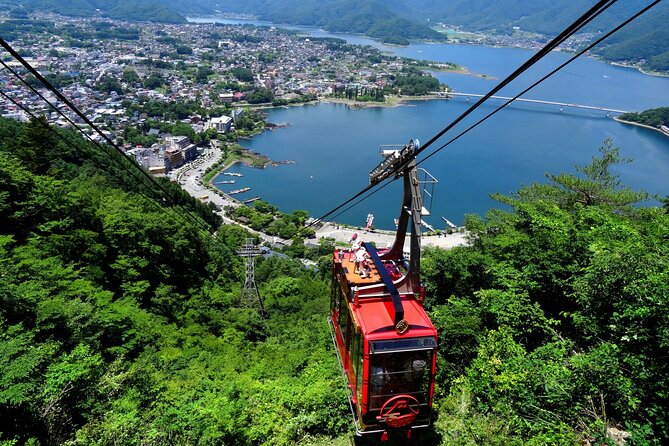
Next comes the Kachikachi Mountain Cable Car at Lake Kawaguchi, included in the ticketing and scheduled for about 90 minutes total. This is not the same view as the ropeway. You change elevation and angles, which increases your odds of seeing Mt. Fuji clearly—even if the first viewpoint is clouded.
The cable car runs on set hours that vary by day type. If you’re traveling on weekends or holidays, operating hours extend (and the last descent is later). Still, weather can force changes: strong winds or lightning can suspend the cable car. When that happens, the itinerary shifts to the Sengoku Warrior Boat and the ticket fee may be refunded.
I like this part of the design: it gives you a backup plan baked into the schedule, instead of leaving you stuck if conditions change.
Lake Kawaguchi Konohana Museum Matcha Experience: Small Timing, Cultural Payoff
Then you get matcha time at Lake Kawaguchi Konohana Museum, about 60 minutes. In theory, this is the perfect Fuji-day balance: less riding, more grounding in a local craft. In practice, timing can shorten if traffic jams or force majeure hit—so don’t plan on a long, slow tea ritual.
From the experience reports I’ve seen, guides often keep this stop efficient and informative, and that can make the matcha experience feel more meaningful even when time is tight. If you care about tea culture, this is a good add-on because it’s directly connected to the region’s flavor rather than just a generic shop stop.




Oishi Park: Quick Stop, Pretty Photos, Seasonal Mood
Oishi Park is scheduled for about 30 minutes. That’s short, but it’s enough to take photos and soak in the lakeside atmosphere. The tour description points out that the park blooms with lavender in summer, creating a purple backdrop that matches the Fuji-area palette.
If your day includes low cloud, park photos can still work, but your best results come when you catch clear skies. Think of Oishi Park as your “reset and refocus” break between structured rides and the walking stop at Oshino Hakkai.
Oshino Hakkai: The Best Low-Stress Stop on the Schedule
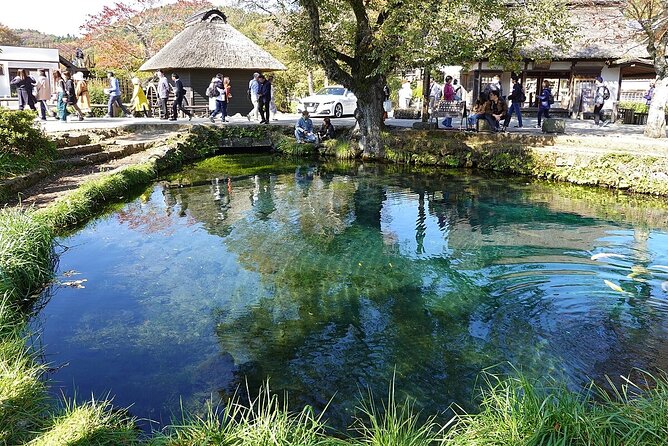
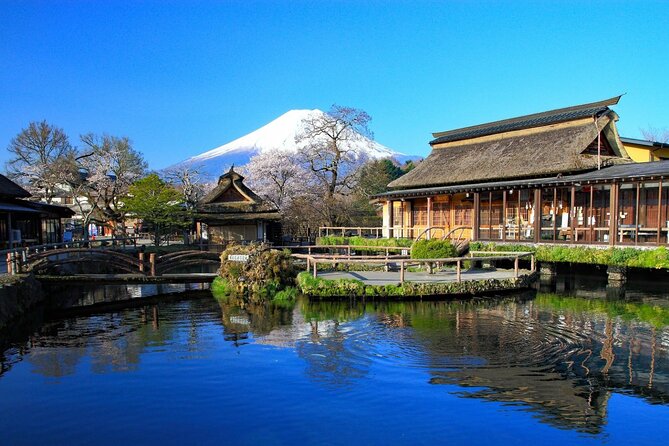
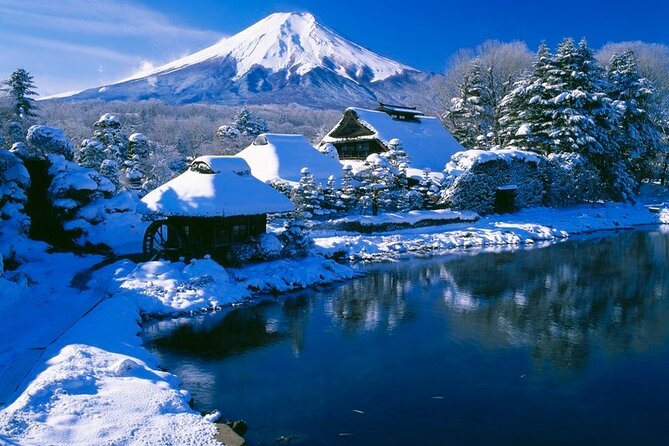
The final major sightseeing stop is Oshino Hakkai, framed as the “Jiuzhaigou” of Fuji’s foothills. You’re visiting eight clear spring ponds formed by snowmelt from Mount Fuji. You’ll have about 60 minutes here.
This is the stop that tends to feel different from the rest. It’s not a ride. It’s walking, looking, and taking in the water and stone details that don’t require perfect Mt. Fuji visibility. Even if the mountain is hiding, Oshino Hakkai gives you something real to see.
If you’re the kind of person who likes one place where you can slow down a bit, this is where I’d focus your attention. Move at a comfortable pace, take photos from different angles around the ponds, then come back to the center walkway so you don’t lose track of the group meeting time.
Guides: The Real Difference Between a Good and a Great Day
The tour is built around transport and timed sights, but the guide is what turns the day into something you can remember. Names that come up often include Sawaki, Erina, Luis, Brewski, Vivienne, Peter, Joe, Louis, and Wanting Feng, and many people highlight the same patterns:
- Clear English explanations so you know what you’re looking at
- Friendly communication and practical guidance on what to do next
- Fun moments that keep you engaged on a long bus day, including Mt. Fuji facts and even quiz-style breaks
One example from the experience reports: Sawaki helped someone navigate back to the bus using step-by-step directions when they were lost, even using a phone video to guide them. That kind of support matters more than it sounds, because Fuji areas attract crowds and it’s easy to get turned around for five minutes.
Price and Value: Is $81.41 a Smart Buy?
At about $81.41 per person, you’re paying for a lot more than viewpoints. You’re paying for:
- Round-trip transportation from Tokyo
- The timed route that reduces your self-planning work
- Ticketed admissions for the ropeway and cable car components
- Driver and vehicle-related costs covered in the price
What you’re not paying for is food. The tour data lists food and drinks as not included, plus accommodation. In other words, think of this as transportation + sight admissions, not a fully catered day.
So is it a good deal? If you’d otherwise spend hours building a route, lining up ticket schedules, and figuring out how to connect multiple Fuji-area stops, the price starts to make sense. The value rises further if you get a clear day—because those paid rides are what deliver the “multiple Fuji angles” payoff.
The Weather Reality Check: Your Biggest Variable
Mount Fuji visibility depends heavily on cloudy or rainy conditions. The tour explicitly warns that cloudy or rainy days can reduce visibility enough that the mountain may be obscured.
Here’s the practical strategy I recommend:
- Check the weather forecast before you book if you can.
- If your schedule allows, choose a day when skies look more stable.
- Pack for cool damp weather even in warmer months. Lakeside areas can feel chilly fast.
And if Fuji is hidden? You’ll still have Lake Kawaguchi scenery, cable car viewpoints, and Oshino Hakkai ponds. But the emotional highlight—seeing Fuji crisp and bold—can disappear.
Traffic, Crowds, and Pacing: When the Day Can Feel Rushed
Most of the time, the itinerary is well structured. Still, it’s a day trip to one of Japan’s most visited sights, so weekends and Japanese public holidays (often called red days) can bring serious crowding and traffic jams.
When traffic hits, you may see:
- shorter time at certain stops
- quick transitions between points
- reduced wiggle room for extra photos or browsing
Some experience reports also mention that certain parts of the itinerary can feel like tourist-trap shopping zones, including convenience-store style stops and stores tied to matcha or snacks. You can protect yourself by going in with a plan: decide what you truly want to buy, and don’t let shop time steal your best photo time.
If you hate crowds, aim for a weekday rather than a weekend or holiday.
Luggage, Passport, and Small Practical Tips That Save Hassle
This is a one-day outing, and it’s explicitly said that you shouldn’t bring luggage if you can help it. If you do carry luggage, the tour notes 1 luggage per person, and there can be an extra charge if luggage rules aren’t followed or if more than one piece is brought without being noted.
Bring your passport and valuables and keep them safe during the day.
If you’re traveling with a stroller, a foldable stroller can be carried, but you should inform customer service when booking so it doesn’t become a surprise.
Finally, this is a long bus day. Pack water and a light snack even if you plan to eat at stops later—your comfort will thank you.
Who This Tour Suits Best
This tour is a strong fit if you:
- want a Fuji day trip without building logistics from scratch
- enjoy transport-plus-activity days where you hit several sights in one go
- want multiple Mt. Fuji viewing opportunities through ropeway and cable car angles
- like pairing scenic views with a calmer walk at Oshino Hakkai
It’s less ideal if you:
- need deep time at each stop
- hate shopping stops and prefer total freedom everywhere
- can’t handle long days on a bus
Should You Book This Mt. Fuji and Kawaguchi Lake Tour?
Yes, I’d book it if your priority is efficiency and maximizing your chances of a clear view with multiple elevation angles. The structure makes it one of the easier ways to do Fuji from Tokyo with ticketed rides already handled.
Before you hit Confirm, ask yourself two questions:
- Are you okay with the fact that clouds can hide Mt. Fuji?
- Are you okay with a packed schedule, especially if you travel on a weekend or red day?
If you can say yes to both, this is a good-value day trip that turns Fuji planning stress into a sightseeing plan you can actually follow. If either answer is no, consider picking a different date (for visibility) or a different format (for more relaxed pacing).
FAQ
How long is the Mt. Fuji and Kawaguchi Lake ropeway tour?
The duration is listed as about 10 hours including travel time.
What is the price per person?
The price is $81.41 per person.
What does the tour include?
Included items are vehicle service fees, vehicle fuel costs, tolls/highway tolls, and the driver service fee. The ropeway ticket is included at the first stop, and the Kachikachi cable car fee is included at the second stop.
Are meals included?
No. Food and drinks are not included.
Where are the pickup points in Tokyo?
You can choose from two central pickup points. There’s also an upgrade option for hotel pickup.
Is Mt. Fuji guaranteed to be visible?
No. The tour notes that cloudy or rainy days reduce visibility, and Mt. Fuji may be obscured.
What if the ropeway is under repair during Dec. 10 to Dec. 20?
The tour says the Kawaguchiko Gondola may be repaired from Dec. 10 to Dec. 20, and you will take the Sengoku Boat instead. It also notes not to buy it if you want to use the gondola.
What happens if the Kachikachi cable car can’t run due to weather?
If it’s suspended due to strong winds, lightning, or other reasons, the itinerary changes to the Sengoku Warrior Boat at Lake Kawaguchi, and the ticket fee may be refunded.
How many people are on the tour?
The tour has a maximum of 45 travelers.
Can I cancel for free?
Yes. You can cancel up to 24 hours in advance for a full refund. If you cancel less than 24 hours before the start time, the amount paid is not refunded.