REVIEW · TOKYO
Tokyo: Nikko Private Day Tour
Book on GetYourGuide →Operated by Infinity tours and travels · Bookable on GetYourGuide
Shrines and waterfalls in one packed day. Nikko is one of those rare Tokyo-area escapes where you can swap city noise for forest views and still end at a UNESCO site that feels like it was built to impress Toshogu Shrine. The value here is that a private car plan keeps you efficient, so you spend more time looking and less time figuring out trains and transfers.
Two things I really like: the English-speaking guide who helps you connect what you’re seeing to Nikko’s role in Japan’s story, and the way the day strings together iconic stops in an order that makes sense—starting high up for views, then moving through bridges, lakes, and falls before landing at the shrine complex. One consideration: the full 10 hours can feel tight if the day runs behind schedule or if your driver’s pace is slow, and you may not get the same amount of time at every stop.
In This Review
- Key highlights to know before you go
- Tokyo to Nikko: why this one-day format works
- Private van logistics: hotel pickup, timing, and how to make it smooth
- Akechidaira Ropeway observation deck: your first Nikko views
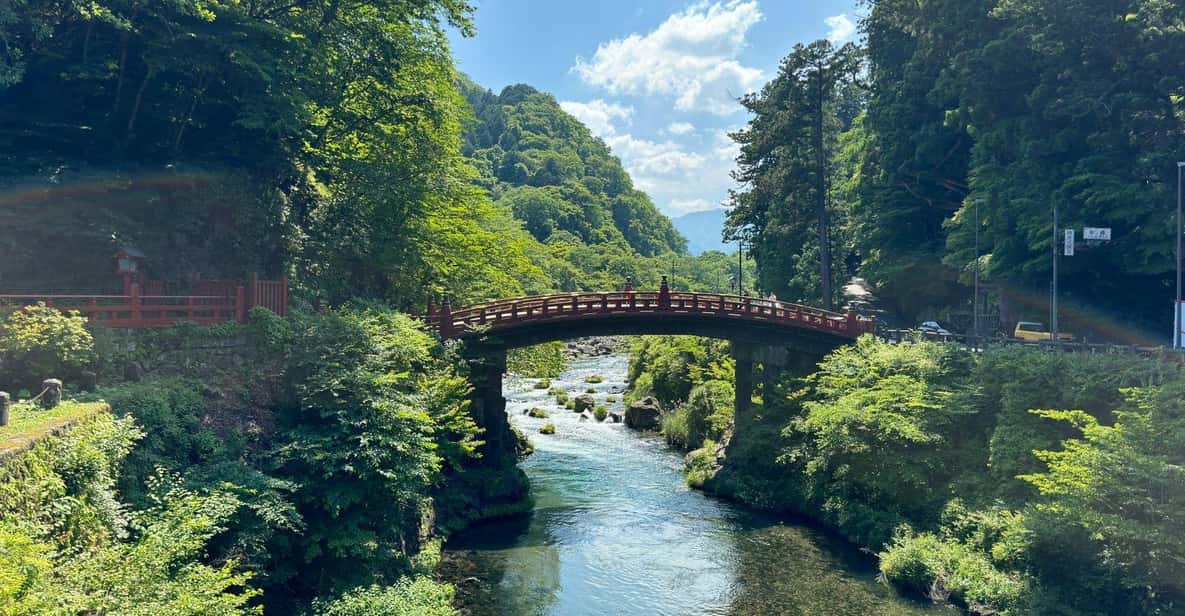
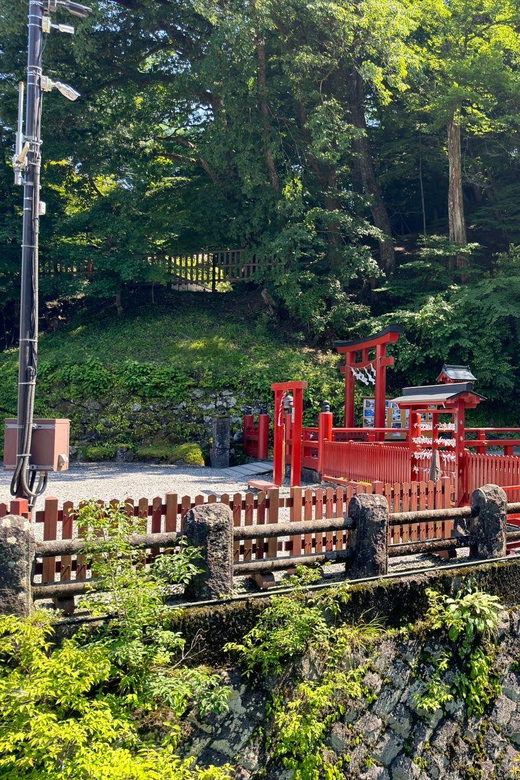
- Shinkyo Bridge: walking into Nikko’s spiritual postcard
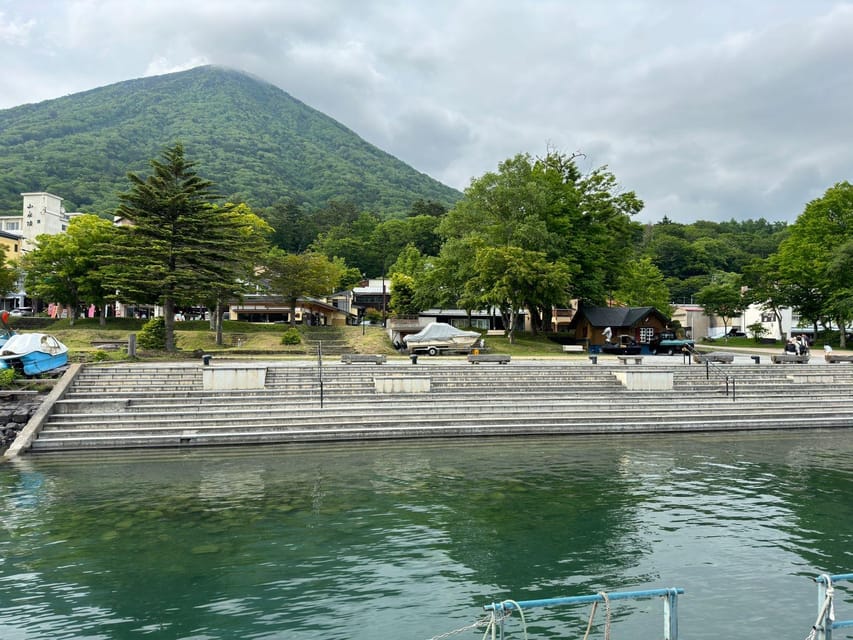
- Lake Chūzenji: a calm break before the shrine complex
- Kegon Falls: close-up walking and weather reality
- Nikko Toshogu Shrine: where Tokugawa Ieyasu’s story becomes visible
- The rest of the Nikko context: Rinnoji and Futarasan (what to expect around Toshogu)
- Food and pacing: how to plan your lunch without stressing out
- Price and value: what $503 per group really buys
- Who should book this Nikko private day trip
- Driver and guide quality: what you can learn from real examples
- Should you book the Nikko Private Day Tour?
- FAQ
- How long is the Tokyo to Nikko private day tour?
- Is this a private group tour?
- What stops are included during the day?
- Is the tour guided in English?
- Does the tour include pickup and drop-off from Tokyo hotels?
- What should I bring?
- Are there restrictions on alcohol, pets, or age?
Key highlights to know before you go
- UNESCO payoff: Toshogu Shrine, known for its detailed carvings and colors, dedicated to Tokugawa Ieyasu
- Easy transport day: hotel-area pickup, private van, and a single-day route that avoids rail juggling
- Big-view stops first: Akechidaira Ropeway observation deck and Shinkyo Bridge
- Nature stops built in: Lake Chūzenji and Kegon Falls, with walking for close-up views
- Guide adds meaning: history and cultural context that turns photos into understanding
- Comfort matters: comfortable shoes and water are not optional on a day with multiple walks
Tokyo to Nikko: why this one-day format works
Nikko sits in Tochigi Prefecture, and it’s famous for two things that don’t often share the same itinerary: spiritual heritage and real outdoor scenery. In a single day you can see a shrine complex tied to the Tokugawa shogunate, then switch gears to lakes and waterfalls with mountain air. It’s a handy way to get variety without staying overnight.
I also like that the day is structured around moving outward from Tokyo, then concentrating on the main Nikko sights. You don’t have to plan tickets, chase timing between different stations, or worry about being late for the last bus. This matters because the best part of Nikko isn’t just the big-name sites—it’s the flow between them, when the scenery and the historical mood build on each other.
You can also read our reviews of more private tours in Tokyo

Private van logistics: hotel pickup, timing, and how to make it smooth
This tour is built for a low-stress day. You get pickup in Tokyo and you ride in a van (about 2.5 hours one way), with the goal of maximizing sightseeing time once you reach Nikko.
A practical tip: be ready early. The pickup instruction is to wait in your hotel lobby about 10 minutes before your scheduled time. That “window” might not sound important, but on a day like this it helps you avoid a rushed start that can shave time off later stops.
Also, keep your expectations realistic about pace. The tour is 10 hours total, so you’ll be moving from viewpoint to viewpoint with limited downtime. If you prefer long photo sessions or extra time for lunch, you’ll want to approach this as a “see the big things well” day, not a “wander freely for hours” day.
Akechidaira Ropeway observation deck: your first Nikko views
The day starts with the Akechidaira Ropeway Observation Deck. This is a smart opening stop because it gives you a high-angle look at the Nikko area early, when you still have energy and when the scenery helps orient you.
This stop is self-guided, which I like. You can move at your pace, decide where to stand, and focus on photos without feeling like you’re waiting for a group shuffle. Bring your camera, and wear shoes you can walk in comfortably—observation decks usually involve a bit of uneven footing and standing time.
A heads-up: if weather is gray, viewpoints can be muted. That’s not a reason to cancel the whole day, but it’s one reason I’d pack a light weather layer and be prepared for fog or rain to affect how far you can see.
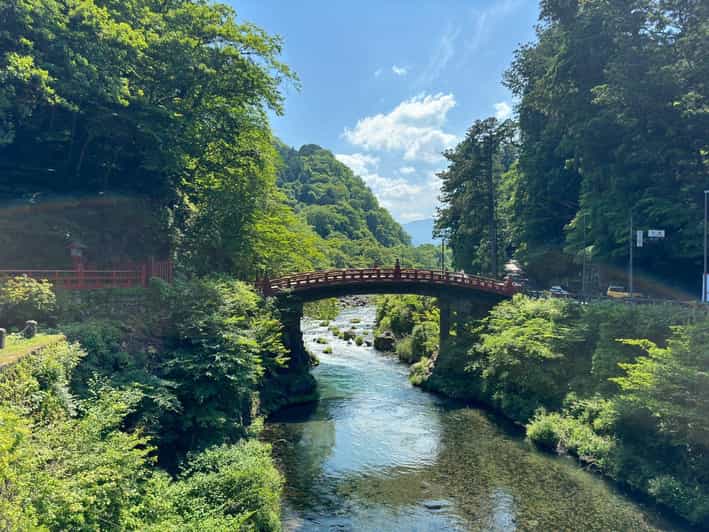
Shinkyo Bridge: walking into Nikko’s spiritual postcard
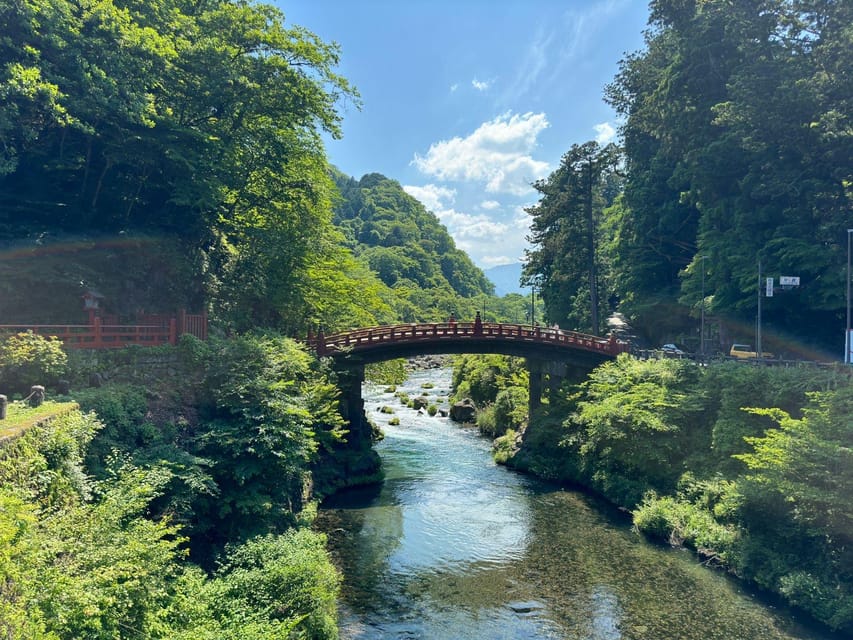
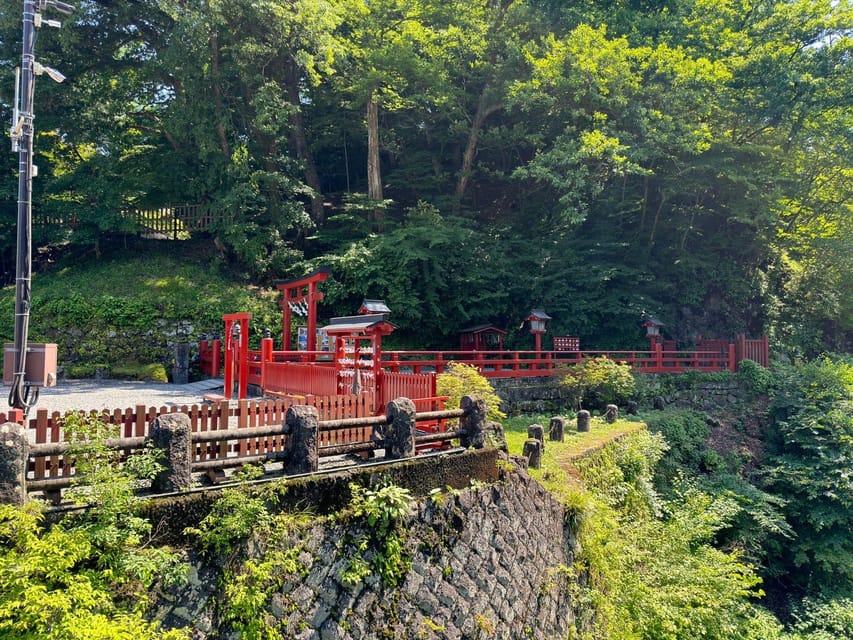
Next you’ll head to Shinkyo Bridge. This is a classic Nikko moment: a simple walk that feels meaningful because it connects you directly to the spiritual geography of the region.
Self-guided here, too, which is perfect because this is one of those places where you may want a quick walk for angles and reflections. The bridge experience is less about “one perfect photo” and more about taking a few minutes to slow down. Even if you’re moving fast for the rest of the day, this stop helps you transition from sightseeing mode into shrine mode.
Lake Chūzenji: a calm break before the shrine complex
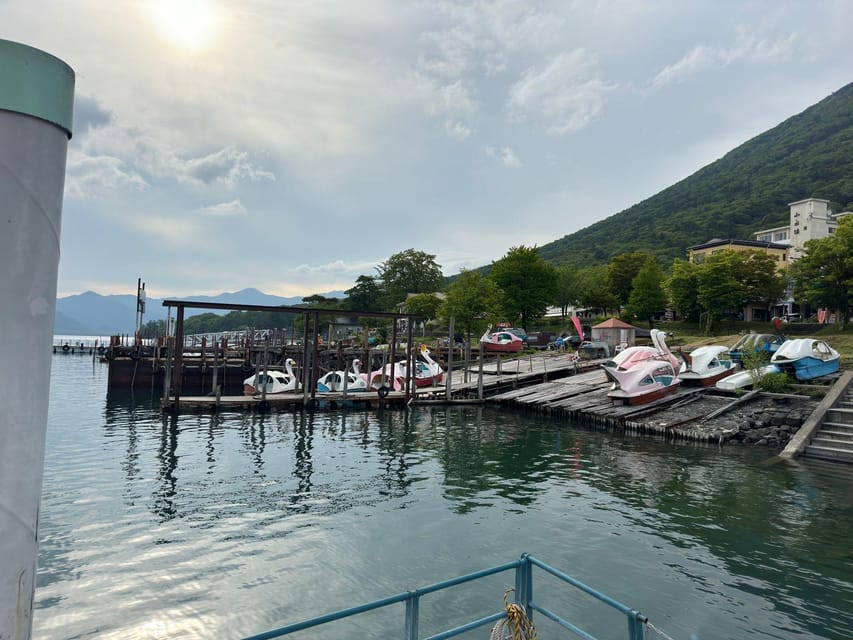
Then comes Lake Chūzenji, another self-guided visit. This stop is a useful breather in the schedule. After bridges and transport time, the lake gives you space to reset: you can walk around at your own pace, look for viewpoints, and take a moment away from the heavier walking around falls and temples later.
I like that the itinerary includes the lake before Kegon Falls and Toshogu Shrine. It creates breathing room, and it also changes the feel of the day. By the time you reach the shrine complex, you’re not just “touring”—you’re mentally in Nikko, where nature and spirituality are tied together.






Kegon Falls: close-up walking and weather reality
After the lake you’ll visit Kegon Falls. This is the part of the day that tends to demand more from your legs. You’ll be doing sightseeing and walking, and the whole experience is about getting close to the falls.
Bring water and wear comfortable shoes. Even if the walk is not long, it can be slippery if the area is wet, and your shoes matter. If it’s rainy, you’ll likely feel mist and damp air near the falls—so a weather-appropriate layer is a good idea.
Also consider timing. Falls can be fast if the line is short and the weather is cooperating, but they can slow down if conditions are poor. If you’re hoping for a specific “exactly timed” photo, be flexible with your minutes here.
Nikko Toshogu Shrine: where Tokugawa Ieyasu’s story becomes visible
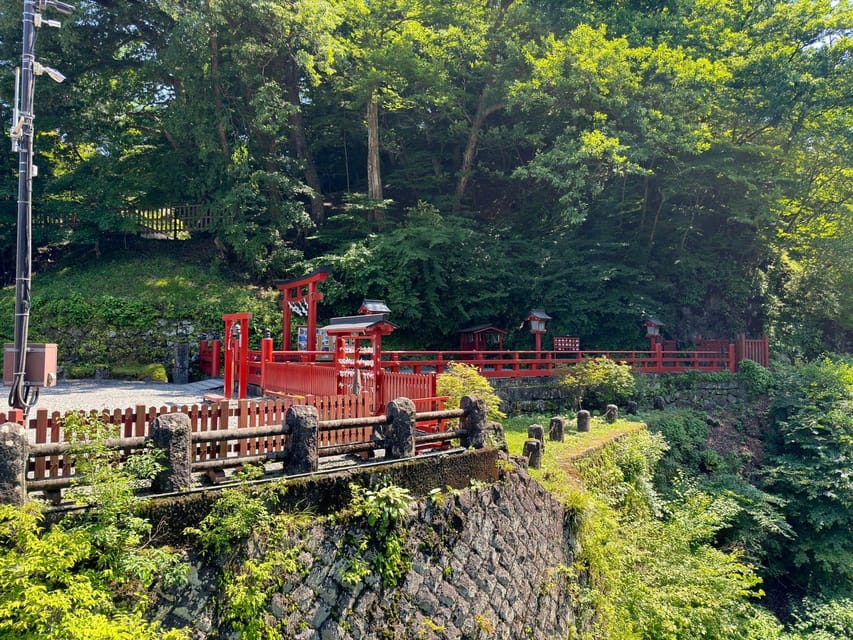
The main event is Nikko Toshogu Shrine, the UNESCO World Heritage site dedicated to Tokugawa Ieyasu, founder of the Tokugawa shogunate. This place is known for intricate carvings and colorful ornamentation, and you feel that “made-to-last” energy the moment you arrive.
This is also where an English-speaking guide pays off. Without context, Toshogu can turn into a swirl of details you photograph but don’t fully understand. With a guide, you’re better able to connect the site to the cultural and historical meaning behind it—how Nikko was built up as a center of spiritual authority tied to the shogunate.
A practical approach: don’t try to “finish” Toshogu in one pass. Plan to watch details for a few minutes at a time—then step back and re-scan the larger scene. It’s like reading a page of calligraphy: you get more by slowing down than by rushing ahead.
The rest of the Nikko context: Rinnoji and Futarasan (what to expect around Toshogu)
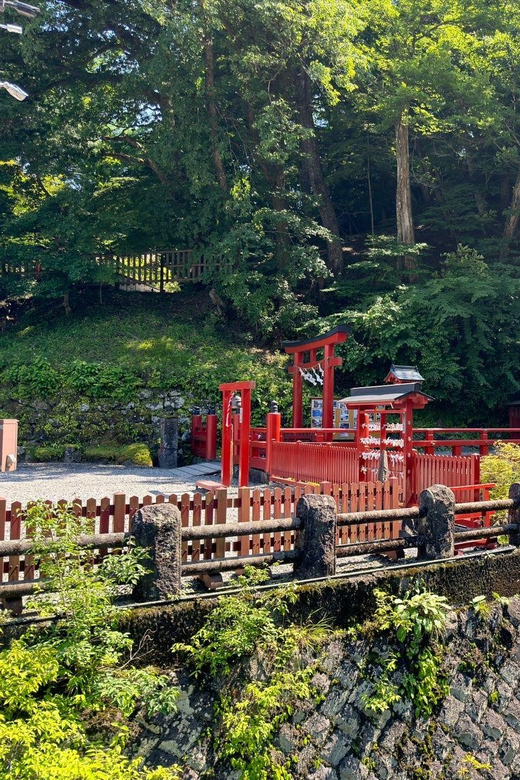
While Toshogu is the headline, Nikko’s broader religious setting includes other important sites such as Rinnoji Temple and Futarasan Shrine. Even if you don’t see everything in equal time during one day, the guide’s framing helps you understand why Toshogu is only part of the larger cultural landscape of Nikko.
If you’re the kind of traveler who likes connections—how places relate to each other—this is a good day for that. You’ll come away with more than a checklist of stops. You’ll have a clearer sense of how multiple shrines and temple spaces contribute to Nikko’s identity.
Food and pacing: how to plan your lunch without stressing out
The tour runs about 10 hours including transportation. That creates a simple reality: lunch probably isn’t a long sit-down meal. You’ll be on a schedule with multiple stops, so think of food as “fuel” rather than a destination of its own.
I’ll give you a strategy that keeps the day fun: bring water, and consider a small snack that you can use if lunch gets later than you hoped. The tour includes sightseeing plus walking at several key points. If you’re hungry and dehydrated, you’ll notice it fast.
One more pacing note: the day can feel shorter in practice if a driver keeps the schedule tight or if weather slows down the time you can comfortably spend at viewpoints. In that case, your best move is to prioritize what you personally care about most—whether that’s getting extra time at Kegon Falls, lingering longer at Toshogu, or saving energy for the last transfer back toward Tokyo.
Price and value: what $503 per group really buys
The price is $503 per group up to 6 people for a 10-hour private day trip. That number feels steep if you compare it to solo public transport. But value changes fast when you factor in what you’re avoiding: train planning, transfers, timing risk, and the mental load of coordinating multiple parts of the route.
Here’s the math that usually makes this feel worth it for real groups:
- If you have a group of 4–6, the per-person cost drops meaningfully versus typical private transfers
- You’re paying for time savings and a single English-speaking guide rather than piece-by-piece planning
- The private van gives you flexibility on the road that most public-transport plans can’t match
For solo travelers or couples, I’d weigh your priorities. If you strongly want Toshogu plus the scenic stops with minimal hassle, this tour is a comfortable way to get it done. If you’re okay spending time sorting logistics and you want more freedom to wander, self-planning could work out cheaper—but it will likely be more work.
Who should book this Nikko private day trip
This tour is a great fit if:
- You want Toshogu Shrine plus nature highlights in one day
- You prefer hotel-area pickup and a direct private route
- You’d appreciate an English-speaking guide to connect the details to the story
- Your group can travel together to share the cost
It’s not a good fit if:
- You need wheelchair access or have mobility impairments (the tour isn’t suitable for wheelchair users or people with mobility impairments)
- You’re traveling with children under 6
- You bring pets (pets aren’t allowed; assistance dogs are allowed)
Also note the day has walking components at key stops, including Shinkyo Bridge and Kegon Falls, so comfortable shoes are genuinely important.
Driver and guide quality: what you can learn from real examples
The tour includes an English-speaking guide/driver. One named example from a past booking: Asfand was described as a great driver and guide, with excellent knowledge and flexibility for the group’s needs. That’s exactly what you want in a private day—someone who can explain what you’re seeing, plus someone who can adapt when your group moves slower or stops for photos.
That said, schedule quality can vary with real-world conditions. If the driver’s stamina or pacing is off, you may feel it in how fast you move through the day. Your best safety net is to keep your priorities clear and to be ready for a day that’s designed to fit a lot into 10 hours.
Should you book the Nikko Private Day Tour?
If you want an efficient, private day where you get Nikko’s spiritual centerpiece and the big nature stops without logistical headaches, I think this is an easy yes. Toshogu Shrine is the anchor, and the ropeway viewpoint, Shinkyo Bridge, Lake Chūzenji, and Kegon Falls make it feel like more than one “temple day.”
Book it if:
- You’re traveling with a small group and can split the cost
- You’d like an English guide to connect the carvings and cultural meaning
- You’re happy with a structured 10-hour plan and a bit of walking
Maybe skip it if:
- You need very flexible time for long meals or slow wandering
- You rely on wheelchair access or have mobility limitations
- You want a low-structure “I’ll decide on the spot” nature day instead
If you book, plan smart: wear good shoes, pack water, and be ready to prioritize. Nikko rewards attention—and this tour gives you a fast, focused way to earn it.
FAQ
How long is the Tokyo to Nikko private day tour?
It’s listed as a 10-hour experience.
Is this a private group tour?
Yes, it’s a private group.
What stops are included during the day?
You’ll visit the Akechidaira Ropeway Observation Deck, Shinkyo Bridge, Lake Chūzenji, Kegon Falls, and Nikko Toshogu Shrine.
Is the tour guided in English?
Yes. The tour includes an English-speaking guide/driver.
Does the tour include pickup and drop-off from Tokyo hotels?
Hotel pickup and drop-off are part of the tour description, and pickup instructions say to wait in your hotel lobby about 10 minutes before pickup time. Confirm your exact pickup details when booking.
What should I bring?
Bring comfortable shoes, a camera, water, and weather-appropriate clothing.
Are there restrictions on alcohol, pets, or age?
Alcohol and drugs are not allowed. Pets are not allowed (assistance dogs are allowed). The tour isn’t suitable for children under 6 and isn’t suitable for wheelchair users or people with mobility impairments.
![[Self-Drive] Tokyo & Daikoku Custom Car Driving Tour - Shibuya Crossing: Scramble Chaos, With You in Control](https://e.thetokyoexplorer.com/wp-content/uploads/self-drive-tokyo-daikoku-custom-car-driving-tour-400x400.jpg)