REVIEW · TOKYO
4 Day Tour – Mount. Fuji, Tokyo, Hakone, Kamakura and Yokohama
Book on Viator →Operated by Sluzeb Tours · Bookable on Viator
Tokyo has a lot to fit. This route does it smarter.
You’ll get an air-conditioned private car and an English-speaking driver who can shape the day around your pace, not the other way around. I also like that the itinerary mixes iconic hits (temples, skyline views, the big crossings) with nature-heavy stops like Fuji viewpoints and Hakone’s volcanic area. The main thing to watch is that not everything is included: several major attractions have admission fees you’ll need to cover separately, and accommodation is on you.
One more practical note: the tour runs about 10 hours including commuting, so you’re trading planning stress for long days. The upside is you get door-to-door routing without wrestling trains with bags or timing transfers, and you’re free to focus on what you came for.
In This Review
- Key takeaways before you choose
- Why this private-car route works for Tokyo, Fuji, Hakone, and beyond
- Day 1 in Tokyo: Tsukiji, Asakusa, and skyline-and-neon variety
- Tsukiji Fish Market (free, ~45 minutes)
- Senso-ji Temple in Asakusa (free, ~1 hour)
- Tokyo Skytree (not included, ~1 hour)
- Imperial Palace East Garden (free, ~45 minutes)
- Akihabara (free, ~30 minutes)
- Meiji Jingu (free, ~30 minutes)
- Takeshita Street (free, ~1 hour)
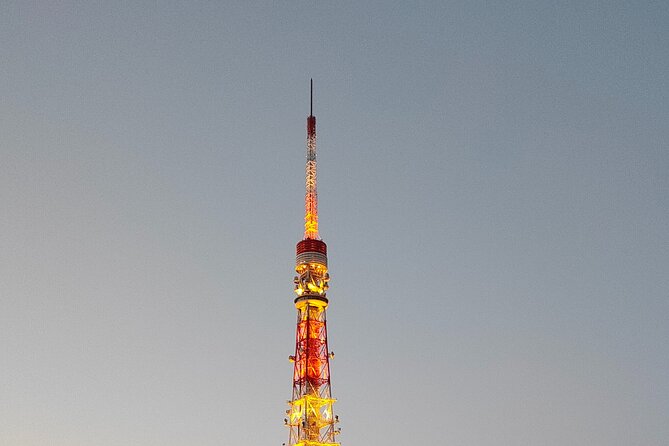
- Shibuya Crossing (free, ~20 minutes) and Tokyo Tower (free, ~10 minutes)
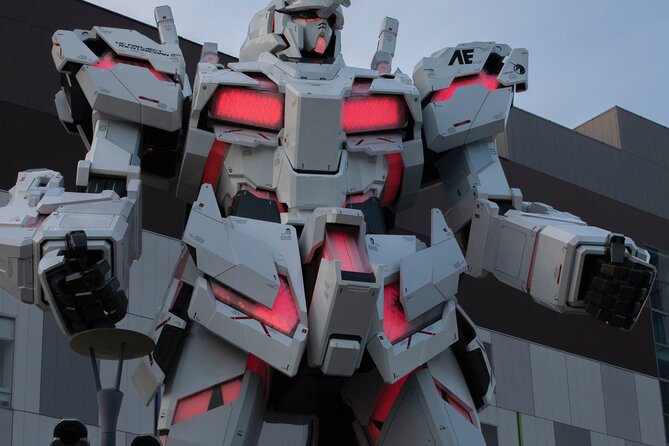
- Optional if time allows: teamLab Planets and Statue of Liberty replica (tickets not included for teamLab)
- Day 2: Kamakura temples, Komachidori, Chinatown, and Yokohama’s mix
- Kamakura’s bamboo and big Buddha trio
- Kamakura Komachidori (free, ~1.5 hours)
- Yokohama Chinatown (free, ~1 hour)
- Sankeien Gardens and Minatomirai (Sankeien not included; Minatomirai if time permits)
- Day 3 to Fuji country: springs, pagoda views, Lake Kawaguchiko, and 5th station energy
- Oshino Hakkai (free, ~30 minutes)
- Chureito Pagoda (free, ~30 minutes)
- Lake Kawaguchiko (free, ~30 minutes)
- Optional paid moments: Mt. Fuji Panoramic Ropeway and Saiko Iyashi no Sato Nemba (not included)
- Oishi Park (free, ~30 minutes)
- Arakura Fuji Sengen Shrine (free, ~30 minutes)
- Mt. Fuji 5th station (not included, ~2 hours)
- Gotemba Premium Outlets (free, ~2 hours)
- Day 4 Hakone: Lake Ashi, ropeways, volcanic Owakudani, and open-air art
- Amazake-chaya tea house (400 years old, relaxing stop)
- Hakone Shrine / Kuzuryu Shrine (not included, ~1 hour) and Lake Ashinoko (not included, ~1 hour)
- Hakone Ropeway (not included, ~1 hour)
- Owaku-dani Valley (free, ~1 hour)
- Gora Park and Hakone Open-Air Museum (not included for both)
- Price and value: what $3,000 per group actually buys
- The human part: English-speaking drivers who keep things moving
- Practical tips to keep 4 days from feeling like 4 sprints
- Should you book this 4-day Tokyo–Fuji–Hakone–Kamakura–Yokohama private tour?
- FAQ
- What’s included in the tour price?
- How long is the tour?
- What time does the tour start?
- Is pickup offered?
- Are tickets included?
- Is this a guided tour?
- Is there an English-speaking guide or driver?
- What if the weather is bad?
- What’s the cancellation policy?
- Can the tour handle more than 5 people?
Key takeaways before you choose
- Private car efficiency across regions: You skip the step-by-step transit stress between Tokyo, Kamakura/Yokohama, Fuji, and Hakone.
- Stops are front-loaded and view-driven: You’re aimed at major photo moments and classic temple sites without long dead-time.
- Admission mix means budgeting matters: Many sites are free, but key experiences (like ropeways, certain attractions, and some gardens/museums) are not included.
- You can ask for customization: It’s described as customizable, so you can request adjustments with your driver.
- Tour isn’t a formal guided tour by default: The driver is English-speaking, and a guide can be added for an extra cost if you want deeper commentary.
Why this private-car route works for Tokyo, Fuji, Hakone, and beyond
The biggest value here is simple: you’re not building a routing puzzle every day. Japan’s train system is excellent, but when you’re hopping between Tokyo, Kamakura, Yokohama, Fuji, and Hakone in just 4 days, the logistics start to eat your time.
With a private car, you gain three things fast:
time on-site (instead of transferring), less decision fatigue, and more flexibility when crowds, traffic, or weather change the plan. The tour start time is listed as 8:00 am, and the overall day timing (about 10 hours including commuting) tells you they’re aiming to make your mornings count.
You also get “comfort-first” travel. The car is air-conditioned, which matters on hot or humid days and when you’re out at viewpoints. And because it’s private (up to 5 people), the pacing can fit your group instead of matching strangers.
You can also read our reviews of more tours and experiences in Tokyo.



Day 1 in Tokyo: Tsukiji, Asakusa, and skyline-and-neon variety
Tokyo day one is designed like a sampler tray: food history, old temples, modern views, and shopping energy. It’s a lot, but it’s also a good way to get oriented fast.
Tsukiji Fish Market (free, ~45 minutes)
Even if you’re not there for a full-on food tour, Tsukiji is a strong start because it sets the tone for Tokyo’s intensity. You get a concentrated look at seafood culture and the market atmosphere without needing to plan where to go first. Because it’s listed as free and only about 45 minutes, it’s best as a quick walk-through plus photos.
Senso-ji Temple in Asakusa (free, ~1 hour)
This is one of Tokyo’s most recognizable temple areas, and the time allocation works: you can wander the approach and grounds without feeling trapped in a time slot. If you love street-level Tokyo details—lanterns, souvenir rows, temple crowds—this is where you’ll feel it most.
Tokyo Skytree (not included, ~1 hour)
Skytree is your big “modern Tokyo skyline” moment. The listing notes observation decks around the 45th floor area and views from about 202 meters above ground. Since admission isn’t included, you’ll want to decide in advance whether you want that ticket expense as part of your budget.




Imperial Palace East Garden (free, ~45 minutes)
This is a calmer counterpoint after the market and temple crowds. You also get a taste of the imperial setting without turning the day into a museum marathon. The listing mentions prior booking is required, so if you care about this stop, you’ll want to ensure you’re ready for that timing requirement.
Akihabara (free, ~30 minutes)
Akihabara is short on purpose here. It’s the right length for a quick wander: electronics, anime and manga stores, and the general pop-culture buzz. If you want deep shopping time, you’ll likely want extra hours beyond the tour window.
Meiji Jingu (free, ~30 minutes)
Meiji Jingu is listed right after Akihabara and makes practical sense. One stops loud, the next goes quiet: shrine grounds in a wooded area help reset your head before the later city-watching stops.
Takeshita Street (free, ~1 hour)
This is where youth fashion and sweets culture take over. The listing calls out popular crepes, and even if you don’t buy food, it’s a fun walk for people-watching and color. Expect it to be busy.
Shibuya Crossing (free, ~20 minutes) and Tokyo Tower (free, ~10 minutes)
Shibuya Crossing is fast but iconic. Tokyo Tower is short too, so treat it as a quick photo and skyline check rather than a full observation-deck day.
Optional if time allows: teamLab Planets and Statue of Liberty replica (tickets not included for teamLab)
Two Odaiba-adjacent-style photo moments are included: the Statue of Liberty replica is listed as free, and teamLab Planets is a possible time filler. If your group cares about immersive art, you’ll likely want to protect time for teamLab because admission isn’t included.
What I like most about this day is the contrast: you don’t just see temples or only neon. You also avoid the “one area all day” trap.
Possible drawback: Day 1 is packed, so if your group prefers slower days, you’ll want to ask your driver about pacing and which optional stops you’re comfortable skipping.
Day 2: Kamakura temples, Komachidori, Chinatown, and Yokohama’s mix
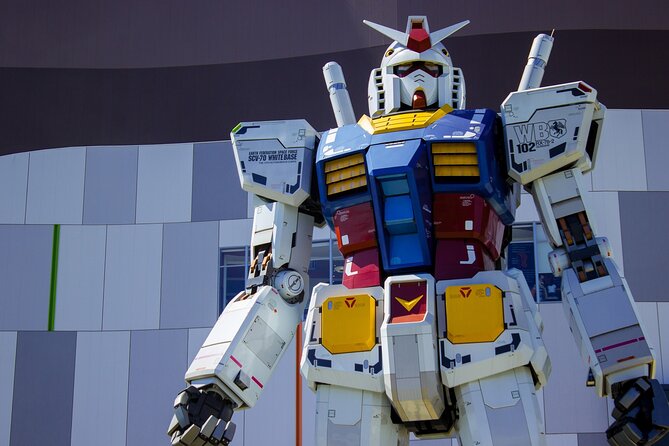
Day two shifts the vibe away from central Tokyo. You’re doing a classic coastal/near-coastal circuit: temples and historic streets in Kamakura, then Yokohama for food and garden calm.
Kamakura’s bamboo and big Buddha trio
You’ll hit four major Kamakura religious sites:
- Hōkoku-ji (Bamboo Temple), ~1 hour (not included)
- Hase-dera (Hase-kannon), ~45 minutes (not included)
- Kotoku-in (Great Buddha of Kamakura), ~30 minutes (not included)
- Tsurugaoka Hachimangu Shrine, ~1 hour (not included)
This is a lot of sacred walking in one day, but the times help. Bamboo Temple and Tsurugaoka Hachimangu give you greenery and shrine atmosphere. The Great Buddha stop is shorter and works well as a highlight moment.
Since admissions aren’t included for these, your budget should assume at least a couple paid entries here, not just the free strolls.
Kamakura Komachidori (free, ~1.5 hours)
Komachidori is your “break from temples” stretch. It’s a pedestrian shopping and snack lane, which is great when you want something lighter and more casual than ceremonies.
Yokohama Chinatown (free, ~1 hour)
Chinatown is a good way to end the Kamakura portion on a flavor note. The listing describes it as about 160 years old and mentions that only a few Chinese people still live there, with many residents coming from Guangzhou today. You don’t need that background to enjoy it, but it does explain why the area feels like a living cultural lane rather than a theme set.
Sankeien Gardens and Minatomirai (Sankeien not included; Minatomirai if time permits)
Sankeien is Japan-style garden space, and it’s listed as not included, so you’ll be making a conscious choice. Minatomirai is described as futuristic waterfront with Landmark Tower and Plaza, and it’s explicitly conditional on time.
I like the structure here because you’re not forced to do one long museum day. If your group is tired, you can prioritize Sankeien over Minatomirai (or vice versa) with the time you have.
Possible drawback: This day stacks multiple paid temple/garden entries. If your group is cost-sensitive, you’ll want to decide which paid stops feel most important before you go.
Day 3 to Fuji country: springs, pagoda views, Lake Kawaguchiko, and 5th station energy
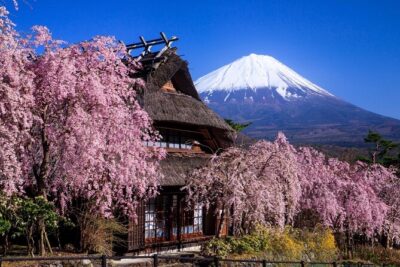
This is the day that turns the tour from city-hopping into mountain scenery. It’s built around the Fuji Five Lakes region, with multiple viewpoint-style stops that each give you a different composition.
Oshino Hakkai (free, ~30 minutes)
Oshino Hakkai is described as eight springs fed by the Mount Fuji aquifer. The key value for you here is variety in the water features without needing to hike. It’s also a natural monument, which adds weight to the stop beyond just photos.
Chureito Pagoda (free, ~30 minutes)
This is a quick, iconic stop that puts a pagoda in front of Mount Fuji views. Because it’s free and short, it works well even if weather shifts slightly.
Lake Kawaguchiko (free, ~30 minutes)
Lake Kawaguchiko is the most easily reached of the Fuji Five Lakes, and the listing describes it as a hot spring resort town. In practice, this stop is a “base area” moment: you get the lake setting and Fuji sightlines, then you move on to smaller, more specific view points.
Optional paid moments: Mt. Fuji Panoramic Ropeway and Saiko Iyashi no Sato Nemba (not included)
- Mt. Fuji Panoramic Ropeway is listed as not included and about an hour at this stage. If you hate spending money on rides, you can skip it. If you want height and viewpoints without hiking, it’s a reasonable use of paid time.
- Saiko Iyashi no Sato Nemba is also not included; it’s presented as a preserved old-style village area, which is a nice texture shift from pure nature views.
Oishi Park (free, ~30 minutes)
This is one of the classic “Fuji in the background” locations. The listing calls out the composition: Fuji behind, lake mid-ground, and Oishi Park lavender in the foreground. Even if lavender isn’t in season, the idea matters: it’s about getting a layered postcard frame.
Arakura Fuji Sengen Shrine (free, ~30 minutes)
This stop adds a scenic shrine setting with panoramic views. The listing notes cherry blossoms in spring and the area being popular for hiking. Here, your time is short, so think of it as a structured view pause, not a full hike.
Mt. Fuji 5th station (not included, ~2 hours)
This is where the day changes pace. The listing frames it as the halfway start area for hikers and climbers. Even if you’re not climbing, being at the 5th station area gives you the mountain atmosphere—the “this is really Fuji” feeling. It’s also the longest stop on the day besides the lake base.
Gotemba Premium Outlets (free, ~2 hours)
Ending with shopping can sound like a detour, but it’s a smart logistics move: after a long day of viewpoints, you get a guaranteed place to cool off, eat, and reset. Since admission is listed as free, it’s a low-risk block of time compared with paid attractions.
Weather note you should take seriously: the tour requires good weather, and Fuji visibility depends heavily on it. You can still have a great time even with partial views, but clear conditions give you the payoff the itinerary is built around.
Day 4 Hakone: Lake Ashi, ropeways, volcanic Owakudani, and open-air art
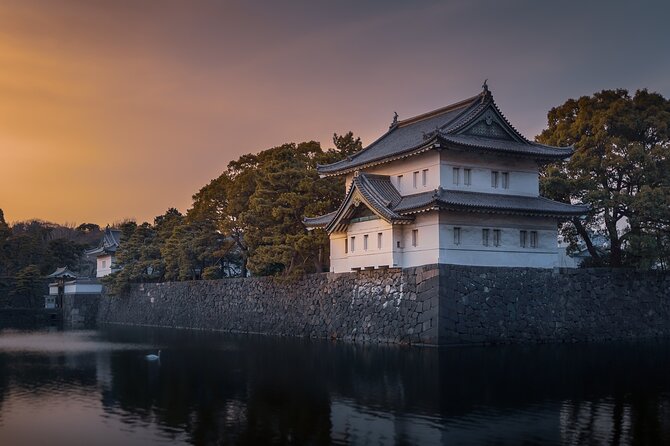
Hakone is the tour’s shift to volcanic calm and lake scenery. This day is spread across shrine, water, cable lift, volcanic valley, gardens, and outdoor sculpture.
Amazake-chaya tea house (400 years old, relaxing stop)
This is a nice soft-start. Since the listing describes it as founded 400 years ago and known for amazake made with a recipe unchanged since opening, it’s less about seeing and more about slowing down. That matters because Hakone days can feel like you’re always moving between viewpoints.
Hakone Shrine / Kuzuryu Shrine (not included, ~1 hour) and Lake Ashinoko (not included, ~1 hour)
Hakone Shrine is at the foot of Mount Hakone along Lake Ashi shores, with buildings hidden in dense forest. Lake Ashinoko is described as a crater lake formed after the last eruption 3000 years ago. Those details matter because they explain why the setting feels both intimate and dramatic: dense forest meets lake basin formed by volcanic activity.
Hakone Ropeway (not included, ~1 hour)
This lift connects Sounzan to Togendai via Owakudani and is operated as a funitel line (the listing notes the system became funitel in 2002). In plain terms: it’s your big “ride for views” block, and it also helps you reach the volcanic area efficiently.
Owaku-dani Valley (free, ~1 hour)
The listing calls out Owakudani as the most recommended thing to do, and I get why. It’s a volcanic zone known for sulfur springs and Kuro Tamago (Black Eggs). Even though you’re not promised specific egg experiences here, the sulfur-and-sulfur-related food vibe is part of why people come.
Gora Park and Hakone Open-Air Museum (not included for both)
Gora Park is described as a western-style hillside botanical garden with tea house, greenhouses, and a central fountain. The Hakone Open-Air Museum is an outdoor sculpture gallery spread across 70,000 square meters, with mountain views.
If your group loves art and doesn’t want museum walls, the open-air museum fits Hakone perfectly. If you’re more plant-and-view focused, Gora Park may feel more “you.”
Possible drawback: like earlier paid stops, Hakone includes several not-included admissions. If you want to control costs, decide early which of the ropeway, garden, and museum matter most.
Price and value: what $3,000 per group actually buys
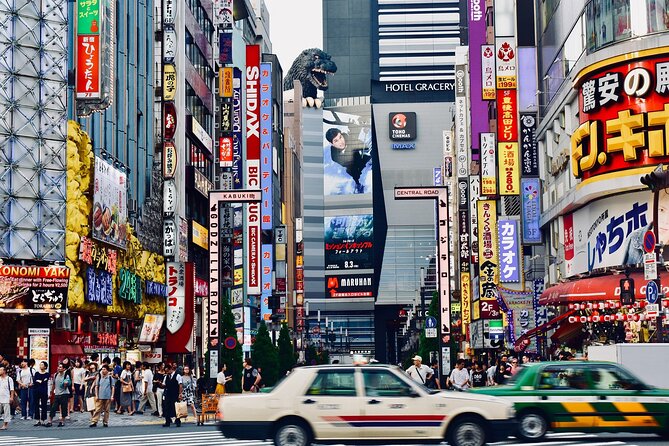
The tour is priced at $3,000 per group (up to 5 people). That’s roughly $600 per person at full capacity—and it drops if you share with a smaller group. In this kind of itinerary, the cost is mostly about two things: a private car across long distances and a driver who can translate and manage timing.
Here’s where you get value:
- Fewer transfers and less time lost to getting from one region to the next.
- Time savings that let you stack major stops without building your own route plan.
- English-speaking driver support, which helps you move through busy areas like Shibuya and Asakusa without guessing.
Where the cost can feel less fair:
- Accommodation isn’t included, so you’re adding hotel costs on top.
- Admission fees are mixed. The itinerary lists many stops as free and many as not included. You’ll want to budget for paid items like Skytree, teamLab Planets (if you go), ropeways, temple/garden entries, and the 5th station.
If you’re the type who values “spending money to buy time,” this fits. If you’d rather pay only for what you personally choose, you may find the list of optional paid attractions pushes your total cost upward.
The human part: English-speaking drivers who keep things moving
A private tour lives or dies by the driver. The standout detail from the experience is that the first day’s care was handled by a guide named Armad, who took excellent care of the group, helped with photos, and parked in convenient spots. Then the next three days were guided by David, who went out of his way to show unusual attractions.
You don’t need the backstory to understand what this means for your day-to-day. When a driver knows good stopping points and can manage timing, you lose less time to walking extra blocks or figuring out where to be. That’s a real quality-of-life upgrade when you have crowded areas and multiple neighborhoods.
Also, note that this is described as not a guided tour, though a guide can be arranged on request at an additional cost. If you want deeper historical context at each shrine and temple, ask about adding a formal guide rather than relying only on the driver’s explanations.
Practical tips to keep 4 days from feeling like 4 sprints
1) Budget for paid admissions early. Several stops are listed as not included (including key experiences like Skytree, multiple Kamakura temples, ropeways, and Hakone museum/garden entries). If you wait until you arrive to decide, the day can feel stressful.
2) Keep your must-dos and easy extras separate. teamLab Planets is explicitly conditional on time, and Minatomirai is also time-permitting. Decide what you’ll trade if the schedule tightens.
3) Fuji days are weather-led. The tour requires good weather. Even with a solid plan, visibility can change, so plan to enjoy the journey, not only the perfect Fuji photo.
4) Think about shoes and layering. This itinerary includes temple walking, market areas, lakeside viewing, and an outdoor museum day. Comfortable shoes matter more than you think, especially on day two and day four.
5) Your lodging choice becomes part of the strategy. Accommodation isn’t included, so pick hotels that reduce transfer friction. Since the meeting start time is listed as 8:00 am, being too far from convenient pickup points can cut into your morning.
Should you book this 4-day Tokyo–Fuji–Hakone–Kamakura–Yokohama private tour?
Book it if:
- You want maximum coverage with minimum transit hassle.
- Your group values comfort and private pacing, especially across multiple regions.
- You’re okay paying for some attractions separately in exchange for a guided routing plan.
- You prefer the kind of day where the driver handles the timing, so you can focus on photos, temples, and viewpoints.
Consider skipping or customizing further if:
- Your group is cost-sensitive and wants almost everything included (this itinerary has multiple not-included admissions).
- You prefer slow, deep dives into one city instead of stacking Tokyo + seaside + mountain scenery.
- You strongly want guided storytelling at every stop, since the default is not a formal guided tour (a guide can be added for extra cost).
FAQ
What’s included in the tour price?
The tour is priced at $3,000 per group up to 5. The itinerary includes many stops, but the data shows that some attractions have admission not included, while others are listed as free.
How long is the tour?
The duration is listed as approximately 4 days. Each day is described as about 10 hours including commuting time.
What time does the tour start?
The start time is listed as 8:00 am.
Is pickup offered?
Yes, pickup is offered.
Are tickets included?
Some stops are listed as free, and several are listed as admission ticket not included (for example Tokyo Skytree, teamLab Planets TOKYO if visited, Kamakura temple/garden stops, and many Hakone and ropeway-related items).
Is this a guided tour?
It’s described as not a guided tour, but a guide can be arranged on request for an additional cost.
Is there an English-speaking guide or driver?
Yes, you’ll learn about the region from an English-speaking driver.
What if the weather is bad?
The tour requires good weather. If it’s canceled due to poor weather, you’ll be offered a different date or a full refund.
What’s the cancellation policy?
Free cancellation is listed. You can cancel up to 24 hours in advance for a full refund.
Can the tour handle more than 5 people?
A group of more than 5 people can be facilitated at an additional cost.