REVIEW · TOKYO
Sumi-e (ink painting) experience in Tokyo
Book on Viator →Operated by Shuminavi Inc. · Bookable on Viator
A bamboo stroke can feel like magic.
This Tokyo Sumi-e experience is built for quick progress: you start with tools and basic instruction, then you put brush to paper in a calm, focused 60 minutes. I like the small group size (up to 9), and I like that you learn more than just how to copy a shape, including how to look at Sumi-e before you draw.
One thing to think about: the meeting is near JR Asagaya, and if you miss your slot, the experience is non-refundable and cannot be changed, so plan extra time to get there right.
In This Review
- Key things to know before you paint in Asagaya
- Getting to the meeting: JR Asagaya in plain terms
- What you learn in Sumi-e: tools, bamboo, and how to see ink
- The actual drawing session: what bamboo practice teaches you
- Group size and guidance: up to 9 people means fewer blanks
- Price and value: is $65.15 worth a 1-hour Tokyo art class?
- Alternatives in the same booking: watercolor and pen options
- Practical mindset: how to get the most from your hour
- A real drawback to take seriously: missed class consequences
- Who this Sumi-e session fits best
- Should you book Sumi-e in Tokyo at this price?
- FAQ
- Where do we meet for the Sumi-e class?
- How long is the experience?
- Is pickup available?
- What’s included in the price?
- What should I expect to draw?
- How do I choose between ink, watercolor, or pen options?
- What if I miss the class or need to change plans?
- How big is the group?
- Are travel costs included?
Key things to know before you paint in Asagaya
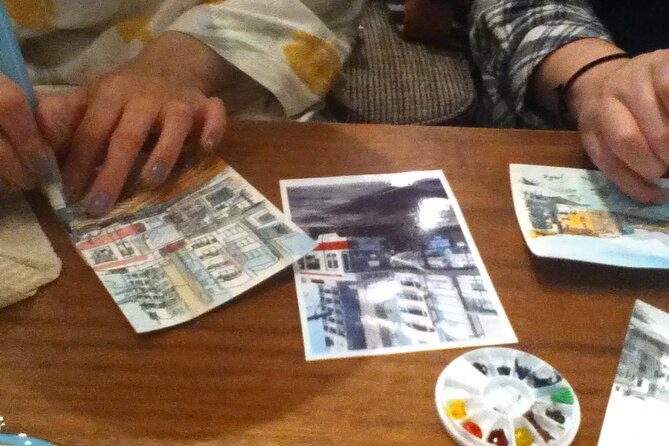
- You choose your art style in advance (by email): ink painting, watercolor, ballpoint pen, or colored pencil.
- Up to 9 people max: small enough to get guidance while still feeling like a group activity.
- You’ll start with a basic Sumi-e bamboo: a classic subject used to teach core brush behavior.
- You learn tool use and writing tips: the instructor explains how to handle calligraphy-style tools.
- The session is hands-on for about 60 minutes: plus a Q&A after you draw.
- Meet at JR Asagaya station, then walk ~5 minutes: simple logistics, but arrive early.
Getting to the meeting: JR Asagaya in plain terms
This starts at JR Asagaya Station, at the ticket gate. You’ll want to be there 5 minutes before the meeting time—not 10 minutes late. The class then moves to the venue together with a short 5-minute walk.
Why I like this setup for first-timers in Tokyo: Asagaya is straightforward enough to find with public transit, and the group transfer is short. You’re not paying for a long ride across town just to get to a small studio.
You should also know there’s an option for pickup offered, which can be helpful if you’re tired from the day or you’re traveling with luggage. If pickup is available for your time slot, it can shave off some stress. The tour also uses a mobile ticket, so make sure your phone battery is healthy and you can show the ticket without hunting for Wi‑Fi.
You can also read our reviews of more tours and experiences in Tokyo.



What you learn in Sumi-e: tools, bamboo, and how to see ink
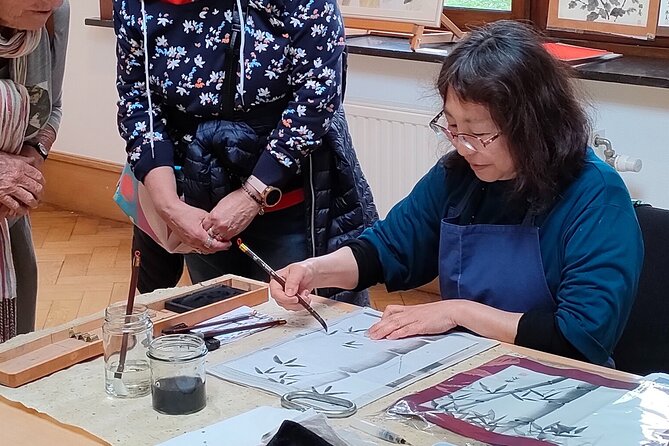
The instruction centers on one simple idea: Sumi-e is not only about copying what’s in front of you. It’s about understanding how ink behaves and how to judge a piece while it’s still forming.
Here’s what the class includes for ink painting:
- The instructor explains the tools and how to use them.
- You draw a basic Sumi-e bamboo while the instructor guides you.
- You learn how to look at Sumi-e, so you know what matters in spacing, brush direction, and overall balance.
I really like that last part. Most quick art classes teach technique, but this one also tries to teach eyes. You’re not just working blindly. You’re learning what makes an ink painting feel intentional.
One practical note: since this is “calligraphy tools” style instruction, expect a focus on brush control—pressure, stroke length, and confident direction. You don’t need fancy supplies. The class includes the tools, and that’s a big value piece at this price point.
The actual drawing session: what bamboo practice teaches you
The main event is your bamboo drawing. Bamboo is a smart choice for teaching because it forces you to practice:
- Long, flowing stems (stroke direction matters)
- Branch placement (composition comes from spacing)
- Repeated marks (you learn rhythm instead of overthinking)
During the session, you’ll draw as the instructor explains the steps. The class is paced for a mixed group, so you’re not expected to arrive as a brush-master. The goal is to leave with a piece that looks like it came from you—not a rushed souvenir.
This is also where the 60 minutes really matters. You don’t get stuck in a slow demonstration with nothing for you to do. You get enough structure to follow along, and enough time to make your own decisions once you understand the basics.
And yes, there’s a Q&A session after the drawing. That’s useful because questions usually come up once you see your own brush behavior on paper. Ask about how to fix a stroke, how to think about balance, or what to focus on if you try another Sumi-e subject later.
Group size and guidance: up to 9 people means fewer blanks
This class caps at 9 travelers, which changes the feel. In bigger groups, the instructor’s attention spreads thin and you end up waiting. With a small group, you’re more likely to get timely nudges while you’re in the middle of your bamboo strokes.
Another value point: the guide is included and so are calligraphy tools. In other words, you’re paying for instruction, not for renting supplies or trying to follow an unclear worksheet.
Also, because it’s a near-public-transport meeting, you’re less likely to feel travel friction right before you paint. That’s not glamorous, but it’s often what determines whether a short class is fun or stressful.
Price and value: is $65.15 worth a 1-hour Tokyo art class?
At $65.15 per person, this is not a bargain like a museum ticket. But it’s also not a high-end workshop. The value depends on what you get for that hour.
You’re getting:
- A guided Sumi-e session (not self-guided)
- Calligraphy tools included
- A focus on both making (drawing) and seeing (learning how to look at Sumi-e)
- A small group (up to 9)
- A built-in Q&A at the end
For Tokyo, that price starts to make sense if you want something hands-on that you can’t easily replicate at home. Watching ink art is one thing; using the brush and learning what makes a stroke work is another.
What keeps it from being a perfect deal: traveling expenses are not included. If you’re far from Asagaya, your transit costs add up. If you live or stay in the western part of Tokyo or near JR lines, it becomes much more of a straightforward value play.
Also, it’s generally booked about 18 days in advance on average. Popular time slots can sell out, so if this is on your must-do list, don’t treat it like a last-minute impulse.






Alternatives in the same booking: watercolor and pen options
Even though you’re looking at Sumi-e (ink painting), the booking lets you choose another art style:
- Watercolor painting: you’ll use a chosen photo of a Japanese landscape (Mt. Fuji) as the subject.
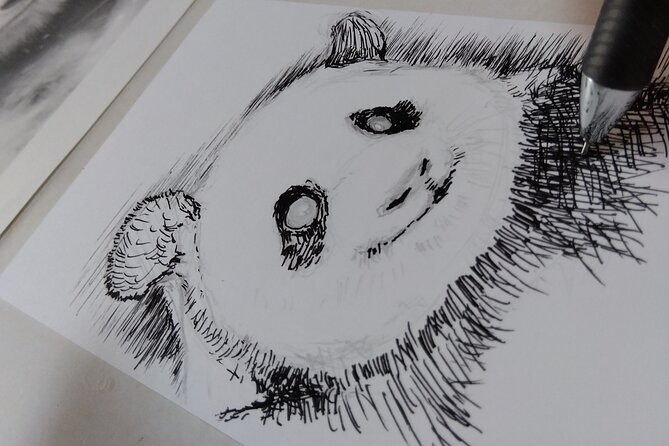
- Ballpoint pen drawings: you draw a landscape drawing using a Japanese landscape photo chosen by the instructor, plus shortcuts for rough finishing.
- Colored pencil drawings: you draw realistically on postcard size paper.
This is useful because it means the experience setup supports beginners across different media. If you’re traveling with someone who wants a different art style, you can still book through the same experience framework—just pick the option you want ahead of time by email.
For your planning: decide your medium early, because you’re asked to choose your desired experience once your reservation is confirmed.
Practical mindset: how to get the most from your hour
Here’s how to make the most of a short class like this:
Arrive with time buffer. The meeting point is at JR Asagaya Station’s ticket gate, and the group walks to the venue. If you’re directionally challenged, arrive early enough to calm your nerves before the group leaves.
Go in with low expectations about perfection. Sumi-e teaches brush behavior and balance, not “making a photo copy.” If your strokes look different on the first attempt, that’s normal. The learning comes from comparing your next stroke to what you were just taught.
Ask one real question. The Q&A is there for a reason. If you’re unsure why something looks off, ask. If you want to know what to practice next, ask. That one question can turn the class from a fun activity into a skill you can reuse.
A real drawback to take seriously: missed class consequences
One caution comes straight from a painful scenario: a participant had trouble finding the meeting/class location and missed the class. The follow-up message was perceived as cold and abrupt.
Even if your experience goes smoothly, this is the kind of thing that matters in real life: getting lost is easy in a new neighborhood, and then the rules take over. Since the experience is non-refundable and cannot be changed, the best defense is simple—arrive early, double-check the meeting point, and don’t cut it close.
If you tend to rely on maps inside train stations, give yourself more time than you think you need.
Who this Sumi-e session fits best
This works well if you want:
- A short, structured art class (about 1 hour)
- A beginner-friendly introduction to ink painting
- A way to create a take-home piece with guidance and tools provided
- A calm activity that doesn’t require hours of planning
It may not be ideal if:
- You need total flexibility because you might change plans last minute
- You dislike meeting at a specific station time and walking with a group
- You expect a deep, multi-session art course (this is a focused single-session experience)
Should you book Sumi-e in Tokyo at this price?
If you want a hands-on Sumi-e session near JR Asagaya with tools included, a small group cap, and a chance to ask questions, I think this booking makes sense. The combination of learning tools, drawing a basic bamboo, and learning how to look at Sumi-e is exactly what you’d want in a 60-minute format.
Book it if you can show up on time and you’re ready to learn by doing. Skip it if you’re the type who often runs late, struggles with meeting points, or might need to change plans.
FAQ
Where do we meet for the Sumi-e class?
You meet at the ticket gate of JR Asagaya Station, about 5 minutes before the meeting time. Then the group walks to the venue together.
How long is the experience?
It lasts about 60 minutes.
Is pickup available?
Yes, pickup is offered.
What’s included in the price?
The experience includes calligraphy tools and a guide.
What should I expect to draw?
For Sumi-e, you’ll draw a basic Sumi-e bamboo as part of learning tool use and brush technique.
How do I choose between ink, watercolor, or pen options?
After your reservation is confirmed, you’ll be contacted by email to choose the experience you want (ink painting, watercolor, ballpoint pen drawings, or colored pencil drawings).
What if I miss the class or need to change plans?
The experience is non-refundable and cannot be changed for any reason.
How big is the group?
The class has a maximum of 9 travelers.
Are travel costs included?
No. traveling expenses are not included.