Shibuya makes sense fast with a local guide. This private tour helps you connect the big landmarks to the real daily Tokyo vibe, moving through Shibuya and Kinza at a pace you control. Your host can steer the day toward what you care about, from anime-style Tokyo details to traditional culture moments, without the hassle of a group schedule.
I love that you get a truly personal outing—just your party with your guide—and you’re not stuck waiting for anyone else. I also like the human touch of a local drink or tasting built into the tour, so it feels less like a checklist and more like Tokyo life. One consideration: you’ll need to make your own way to the meeting point (no hotel pickup) and be comfortable walking for about three hours.
In This Review
- Key things to know before you go
- Why Shibuya and Kinza make perfect private-tour territory
- Price and what you really get for $142.70
- Meeting at Dogenzaka: your starting point matters
- Shibuya district on foot: shopping streets with real texture
- Hachiko Statue: more than a bronze dog photo op
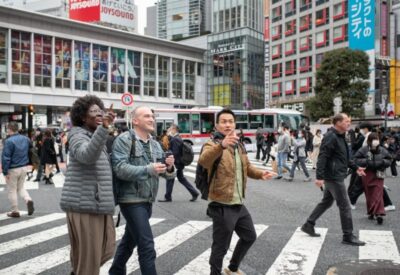
- Shibuya Crossing: seeing the choreography instead of just the chaos
- Meiji Jingu Shrine: the calm reset after street energy
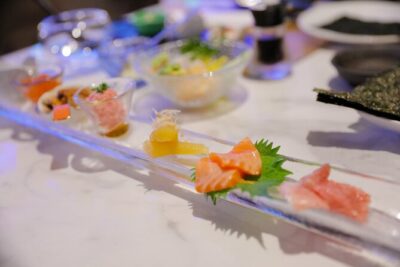
- The included drink/tasting: a small stop with big payoff
- How the guide style shapes your whole day
- Best for: who should book this Shibuya and Kinza private tour
- Timing and planning: making three hours feel like more
- A rare hiccup to plan for
- Should you book it?
- FAQ
- What areas does the tour cover?
- How long is the tour?
- Is this a private tour?
- What’s included in the price?
- Are attraction tickets included?
- Where do we meet, and where does it end?
- Do you offer hotel pickup or drop-off?
- What is the cancellation policy?
Key things to know before you go
- Private and tailored: it’s just you and your guide, with flexibility based on your interests (anime, art, culture, and more).
- Big names plus side streets: you’ll hit Shibuya’s most famous stops while also seeing smaller, easy-to-miss corners.
- Hachiko to crossing to shrine: the route creates a contrast from street energy to peaceful Shinto grounds.
- One local drink or tasting included: a small extra that makes the tour feel grounded in place.
- Mostly free stops: the core sights listed are admission-free, with optional paid entries only if you choose them.
- Mobile ticket and group discounts: handy if you’re traveling with others.
Why Shibuya and Kinza make perfect private-tour territory
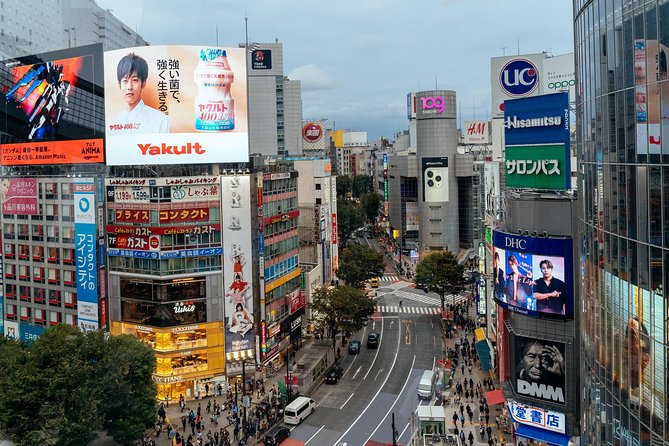
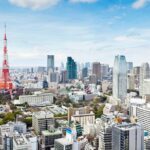
Shibuya is famous for a reason, but it can also feel like a giant theme park if you only move by instinct. This tour works because it doesn’t just point at the headline sights. It connects them to how Tokyo actually works—how people move, what neighborhoods feel like at street level, and why certain corners matter.
Kinza (often spelled in listings as Kinza/Kinza area) adds a useful contrast. You get a broader slice of the city’s rhythm without needing a full-day plan. And because the format is private, you can slow down when a street catches your eye—or skip ahead if you already know what you’re looking for.
If you like your travel days efficient but not rushed, the timing is a nice match. About three hours is long enough to see the key icons and still feel like you’re enjoying the neighborhoods, not sprinting between them.
You can also read our reviews of more private tours in Tokyo

Price and what you really get for $142.70
At $142.70 per person for a 3-hour private walk, the value comes from the format: you’re paying for time with one guide, not for a pile of admissions. Most of what you’ll do is walk through areas and landmarks that don’t require paid entry fees.
So the question isn’t, Is Shibuya expensive? It’s: Do you want a local guide to interpret the city for you? If you’re a first-timer, or if you want to understand Tokyo beyond photo stops, this price can feel fair fast. You’re essentially buying a shortcut to context—why Hachiko is there, why Meiji Jingu feels like a different world, and how to read Shibuya Crossing like a local rather than a spectator.
Booking this kind of private tour also helps if you’re traveling in a small group and want to avoid the friction of set group itineraries. The listing includes group discounts, which can make a private format even more appealing if you’re not traveling solo.
Meeting at Dogenzaka: your starting point matters
The tour starts at 2 Chome Dogenzaka, Shibuya and ends back at the same spot. I like this approach because it keeps the day simple: you aren’t trying to figure out a new neighborhood drop-off at the end, after you’ve walked a lot.
Do plan to get there under your own steam. There’s no hotel pickup, so your best friend here is smart transit planning. Since the meeting point is near public transportation, it’s straightforward—but still, build in a few minutes so you’re not arriving flustered.
Also, arrive a little early. One rare snag can derail a tight city day, so give yourself cushion to confirm you’re in the right exact meeting area.
Shibuya district on foot: shopping streets with real texture
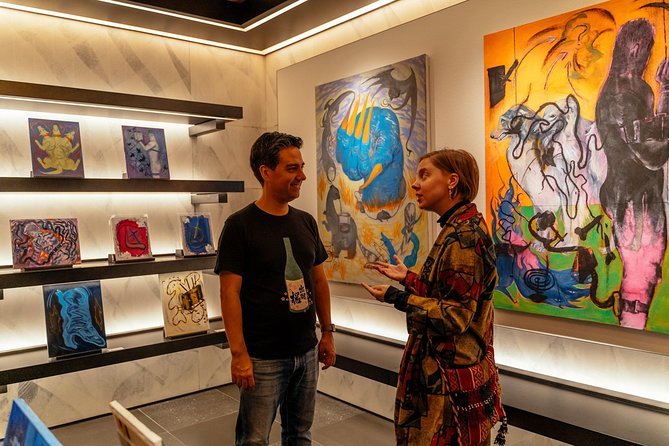
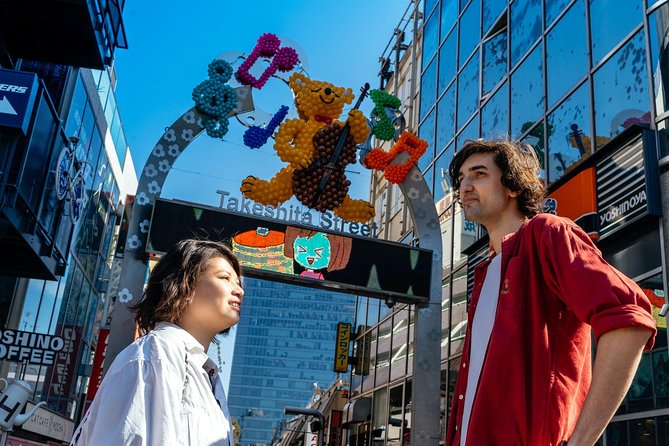
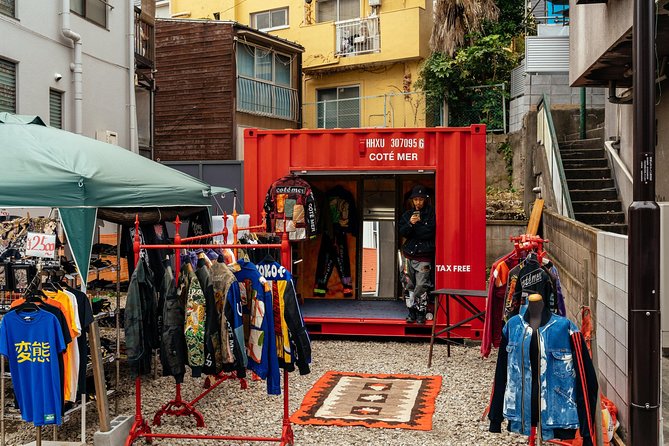
Your first stretch is in the Shibuya area, about 1 hour 30 minutes. Yes, Shibuya has huge shopping energy. But the tour angle is useful: you’re not just walking shopping aisles. You’re getting guided perspective on what you’re seeing as you pass it.
This is where a good guide earns their pay. You’ll likely notice details you’d otherwise miss—street-level patterns, how certain spots fit into the neighborhood story, and which lanes feel more local than tourist. The goal is to make Shibuya readable.
If you’re thinking, I just want photos—skip the rest—this part may not feel worth it. But if you want to understand how Shibuya became Shibuya, and what daily life looks like between the big moments, this first stop sets you up for the rest of the day.
Hachiko Statue: more than a bronze dog photo op
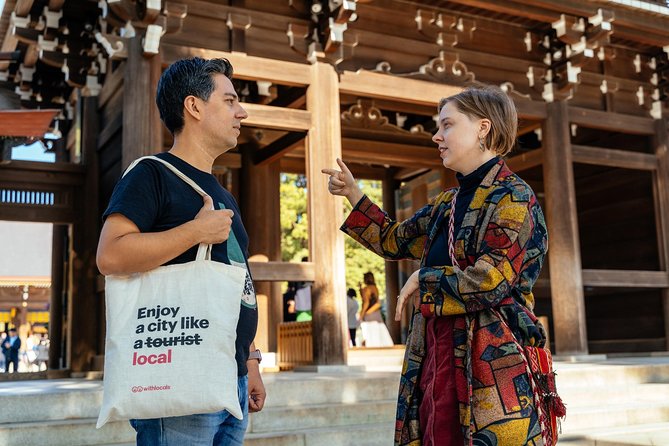
Next comes the Hachiko Statue, about 30 minutes, with the stop designed as your orientation anchor. Hachiko is famous, but what makes the experience work is the explanation behind the statue. Instead of treating it like a roadside attraction, you learn the story that shaped Shibuya’s emotional identity around loyalty and remembrance.
From there, the tour builds momentum. Hachiko also acts like a navigation tool: after you understand why it’s there, you’ll find yourself reading the surrounding area differently. You’ll start noticing how close everything is, and how the neighborhood funnels people toward the next landmark.
A small caution: this is a popular meeting-and-photo area. That means crowds can be real. A private guide helps because you’re not stuck waiting your turn the way you might be in a larger group.






Shibuya Crossing: seeing the choreography instead of just the chaos
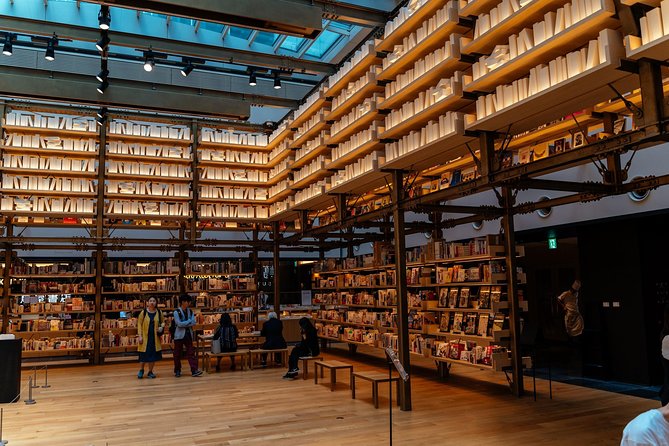
Then it’s time for Shibuya Crossing for about 30 minutes. The famous crossing can look like pure chaos until you know what to watch. A good host points out how the flow works—when people move, how lines of pedestrians “snap” into direction, and how the crossings shape behavior.
This is also where you’ll benefit from the private format. You can spend a minute where the view is best for your photos, then move along to experience the crossing from a different angle. It’s the same place, but it feels different depending on where you stand and how you time the moment.
If you’re worried about feeling like you’re just standing in the middle of the tourist pile, don’t. The point here is to understand what you’re seeing, then keep walking so the day doesn’t stall.
Meiji Jingu Shrine: the calm reset after street energy
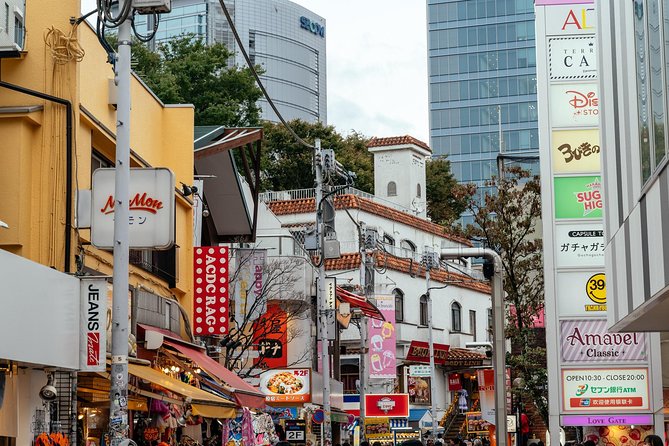
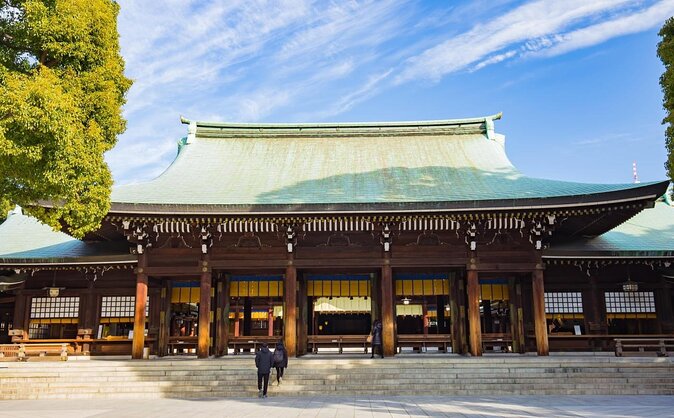
After the crossing, the tour heads to Meiji Jingu Shrine for about 30 minutes. This stop is a relief valve. Shinto shrine grounds tend to feel like a different climate—quieter, slower, and more focused.
Meiji Jingu is dedicated to the divine souls of Emperor Meiji and Empress Shoken, and the guide’s job is to help you notice what that means in practice. You’ll see how the shrine space is arranged and how visitors behave inside it, which changes your mindset immediately after being in Shibuya’s fast street world.
The timing here is smart. Going to the shrine after Shibuya makes the contrast hit harder. And since the shrine is on a shorter window, it works well even if your feet are already tired.
The included drink/tasting: a small stop with big payoff
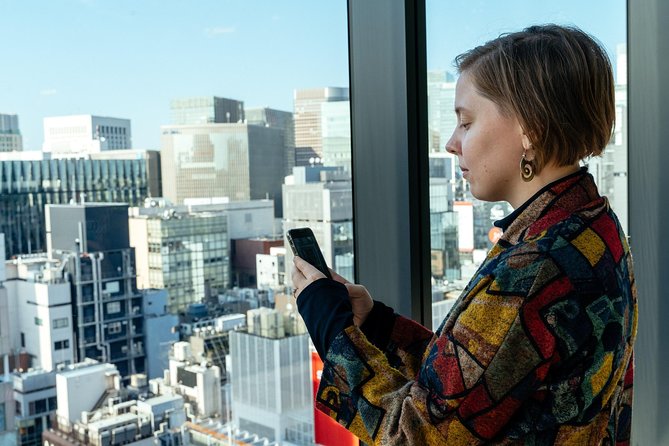
One local drink or tasting is included. This is a small line item, but it changes the feel of the tour. Food and drink moments are where you slow down and take in the setting without always thinking about the next photo.
It also gives you a practical benefit: you get a guide’s suggestion on what’s worth trying in the moment. Tokyo has plenty of choices, and a local can steer you toward something fitting for your pace and location.
If you have dietary restrictions, you’ll want to communicate them at the start. The tour is private, so your guide can usually adjust what you’re offered or how you approach that tasting moment.
How the guide style shapes your whole day
This kind of tour lives or dies by your guide’s ability to read your group fast. The strongest examples of this experience come from guides who adjust quickly to the mood of the party, not just to a rigid script. You may encounter hosts such as Sheilina Toh, Carlos, or Gulay, and the common thread in their style is tailoring: they help you aim your time at what you actually want to see.
You can also feel the difference when a guide helps with the “how” of Tokyo—where to stand, when to move, how to keep your day flowing. One visitor praised guide support for first-time navigation (including advice around subway use and a Suica-style setup), which is exactly the kind of help that makes day-one stress drop fast.
If you’re traveling with kids, solo, or a mixed-interest group, this flexibility matters even more. A private format lets your guide shift between history points, street culture, and practical tips without dragging anyone.
Best for: who should book this Shibuya and Kinza private tour
I’d put this near the top of your list if any of these are true:
- You want Tokyo context, not just landmark snapshots.
- You’re a first-timer and want your bearings fast.
- Your group has mixed interests (anime, temples, shopping streets, photo moments).
- You dislike group pacing and want your own rhythm.
- You plan to spend time in Shibuya anyway and want to make it smarter.
It may be less ideal if you already know Tokyo well and only want a self-guided photo loop. In that case, you might skip a guided day and spend your money on food and tickets instead.
Also, if you’re not comfortable walking for about three hours, consider your day plan carefully. The tour lists moderate physical fitness, which usually means steady walking through urban streets.
Timing and planning: making three hours feel like more
This route is compact: Shibuya area, then Hachiko, then Shibuya Crossing, then Meiji Jingu Shrine. You’ll cover a lot of territory, but it’s designed to avoid a full-day marathon.
For planning, think of it like this:
- Use the morning or earlier afternoon to get the high-energy Shibuya time while you still have energy.
- Then let Meiji Jingu serve as your mental cool-down.
- Keep your evening plans flexible, because the walking adds up.
One more practical tip: this type of tour is popular. The average booking window is about 38 days in advance, which suggests demand is real. If you’re traveling during peak seasons, book earlier rather than later.
A rare hiccup to plan for
Most of the time, everything runs as expected. Still, once in a while, a guide may not show up on time (or at all), which can turn a simple walk into a scramble. Your best defense is low-drama: confirm the exact meeting spot the day before, show up a bit early, and keep a way to contact your guide or operator if details change.
Should you book it?
If you want Shibuya to make sense quickly, I think this is a strong buy. The route hits the iconic places—Hachiko, Shibuya Crossing, and Meiji Jingu—then fills the gaps with a local’s interpretation and small detours you can’t easily find on your own.
Book it if you value a private, flexible format and you’d rather spend money on guidance than on admissions. Skip it only if you prefer fully independent wandering, you’re already comfortable navigating Tokyo, or you’re not up for steady walking.
FAQ
What areas does the tour cover?
You’ll explore Shibuya and the Kinza district, with stops that include the Hachiko Statue, Shibuya Crossing, and Meiji Jingu Shrine.
How long is the tour?
The tour is approximately 3 hours.
Is this a private tour?
Yes. It’s private and exclusively for your party.
What’s included in the price?
The tour includes a private tour with a local guide, one local drink or tasting, and CO2-neutral carbon emissions offset.
Are attraction tickets included?
Admission for the listed stops is free, but tickets for attractions that aren’t included are optional and would be paid separately if you choose them.
Where do we meet, and where does it end?
You meet at 2 Chome Dogenzaka, Shibuya, Tokyo 150-0043, Japan, and the tour ends back at the same meeting point.
Do you offer hotel pickup or drop-off?
No. Hotel pickup and drop-off are not included.
What is the cancellation policy?
Free cancellation is available up to 24 hours before the experience’s start time for a full refund. Changes made less than 24 hours before the start time aren’t accepted.