REVIEW · TOKYO
Tokyo: Legendary JDM CAR Daikoku Underground Meetup
Book on GetYourGuide →Operated by EPIC JAPAN EXPERIENCE · Bookable on GetYourGuide
You can feel the JDM energy before you even park. This 4-hour night loop blends Daikoku Parking Area car-meet chaos with Tokyo’s big-picture landmarks like Rainbow Bridge and Tokyo Tower. Guides like Hana, Ryu, and Jay (seen in recent runs) keep the ride rolling with car culture stories along the way.
I especially love how much time you get to actually watch cars at Daikoku, plus the stop at A-PIT Super Autobacs, where you can see tuning and parts culture up close. My one caution is simple: on rainy or bad-weather nights there can be fewer cars at the meeting spots, and the plan may feel less dramatic than the best-case nights.
In This Review
- Key highlights worth your time
- Why Daikoku Parking Area at night hits harder than you expect
- The ride plan: Tokyo Station to Rainbow Bridge and the Bayshore Route
- Daikoku Parking Area: your one-hour window for cars, sounds, and photos
- A-PIT Super Autobacs Shinonome: where parts culture becomes real
- Tokyo Tower night photos: turning the tour into a keepsake
- Car options: what you can ride in during the night loop
- Price and value: what $82 for four hours gets you
- Who should book this JDM night tour (and who might not love it)
- Practical tips so your night goes smoothly
- Should you book this JDM tour or pick another Tokyo experience?
- FAQ
- Is Tokyo Tower’s observation deck included?
- Where do I meet the group?
- How long is the experience?
- Can I get pickup from my hotel?
- What vehicle options are available?
- What if Daikoku has fewer cars due to rain or bad weather?
Key highlights worth your time
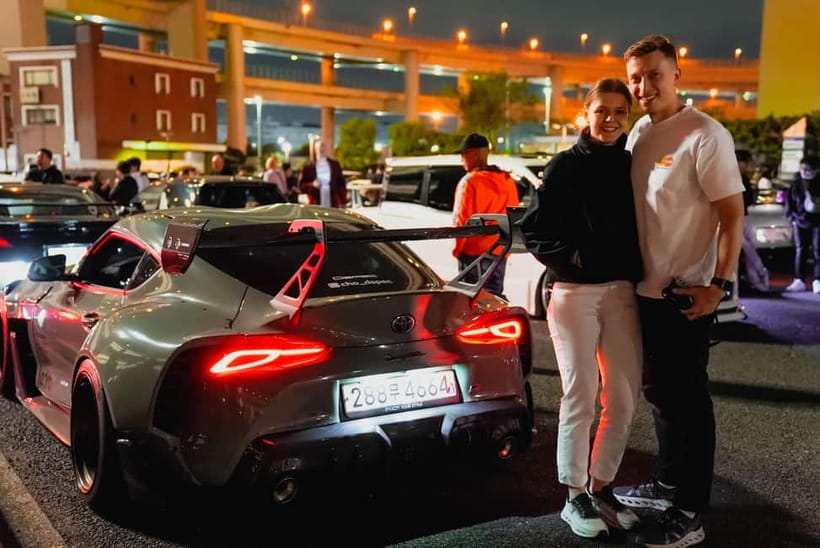
- Daikoku Parking Area car meet time to watch loud, heavily modified cars up close
- Rainbow Bridge night views passed by on the drive, with skyline vibes built in
- A-PIT Super Autobacs Shinonome for real-world parts and tuning browsing
- Tokyo Tower photo stop with a classic, brightly lit backdrop
- Car-guy guides who share the why behind the scene, in English/Japanese/Vietnamese
- Flexible routing when needed if a spot is restricted (your guide adapts)
Why Daikoku Parking Area at night hits harder than you expect
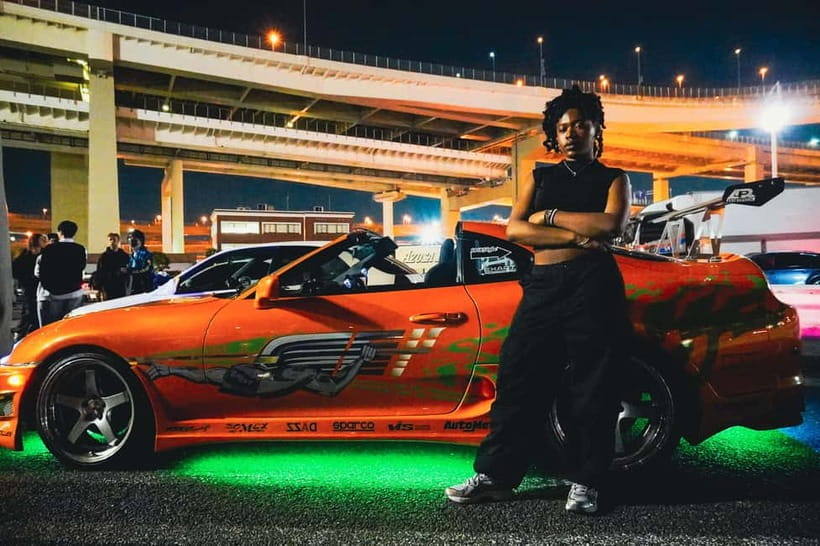
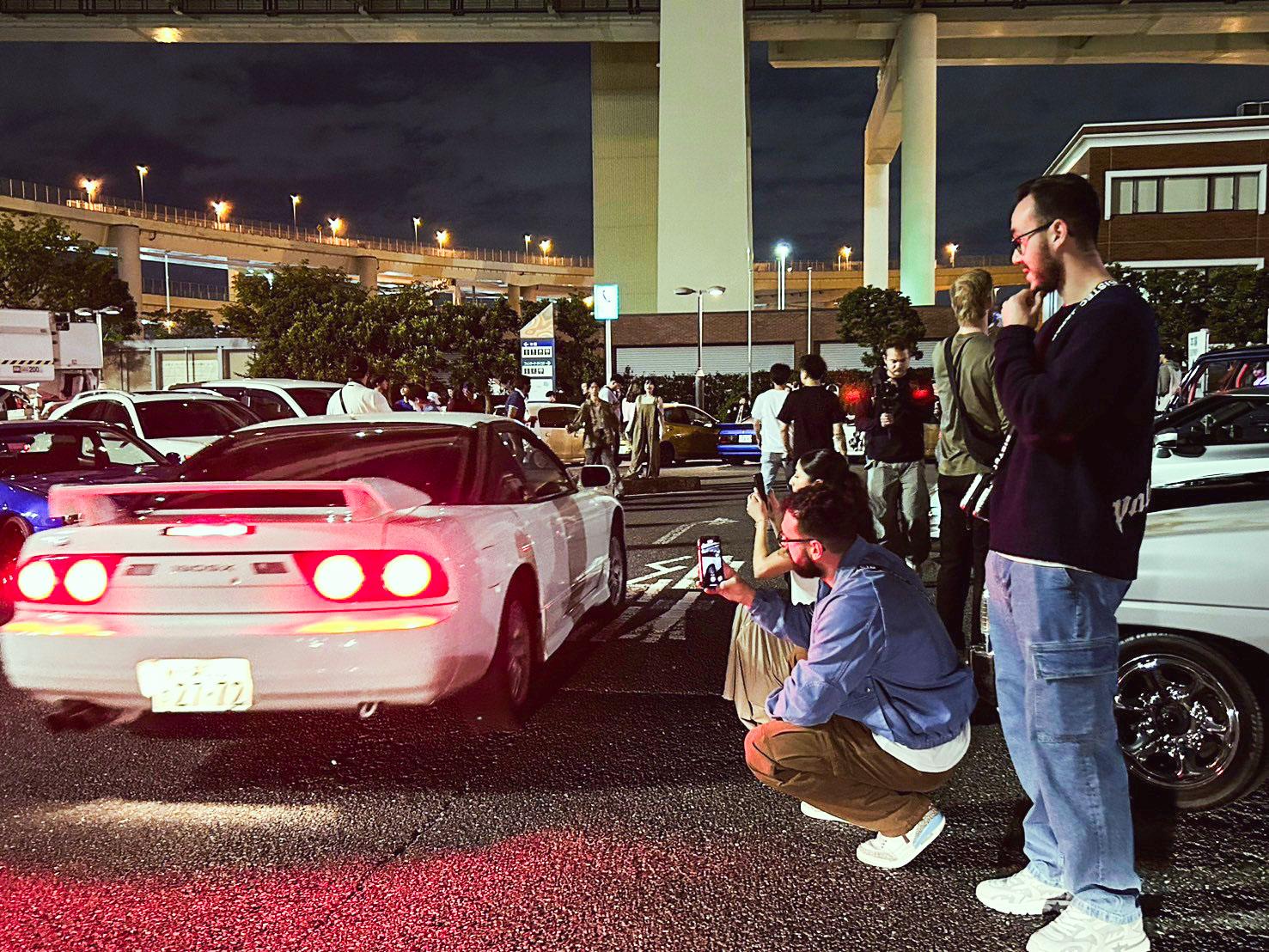
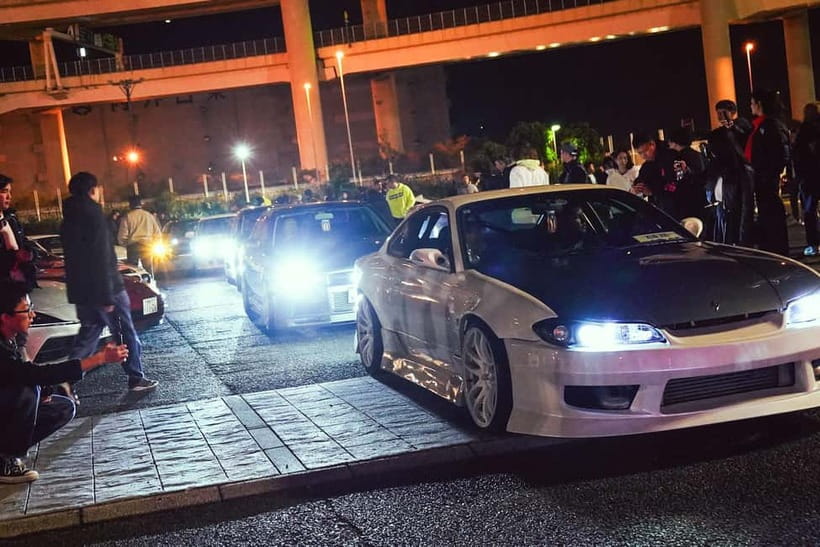
Daikoku isn’t just a car park. At night it becomes a magnet for everything from JDM sports cars to high-end luxury machines, with that unmistakable mix of people, fashion, exhaust notes, and handheld camera flashes. You’re not stuck staring at a screen; you’re standing where the action happens, and the volume of cars arriving and departing does a lot to set the mood.
What I like most is the balance: you get a real viewing window rather than a quick drive-by. Several guides mentioned in recent experiences also make sure you get a chance to take photos and find angles that work, instead of rushing everyone along.
The other big plus is that the meet feels like a culture you can understand, even if you do not know every model name. A good guide helps you connect dots: why certain cars are there, what people value in tuning, and how Japanese car culture has its own rules and rhythm.
You can also read our reviews of more tours and experiences in Tokyo.



The ride plan: Tokyo Station to Rainbow Bridge and the Bayshore Route
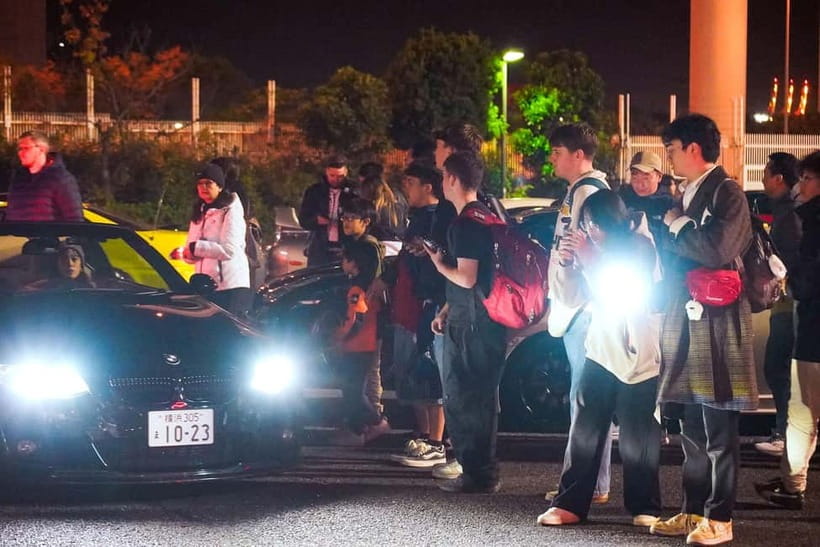
This tour starts near Tokyo Station, with pickup optional if you select that option and you’re in the hotel area. The basic flow goes from the Tokyo Station area through Tokyo’s city arteries, crossing Rainbow Bridge and then heading along the Bayshore Route for a nighttime city-view crawl.
Those few early moments matter more than you might think. Tokyo at night looks different from daytime, and this route gives you a quick set of skyline frames before you commit to the meet. If you care about photos, arriving at Daikoku with the city already in the background helps you later when you switch from skyline shots to close-up car details.
Also, the guides on this experience are car people first and storytellers second. Past guides named in recent runs, like Hana and Bin, have shared context about the places you pass, not just facts about engines. That makes the transfer time feel like part of the show.
Daikoku Parking Area: your one-hour window for cars, sounds, and photos
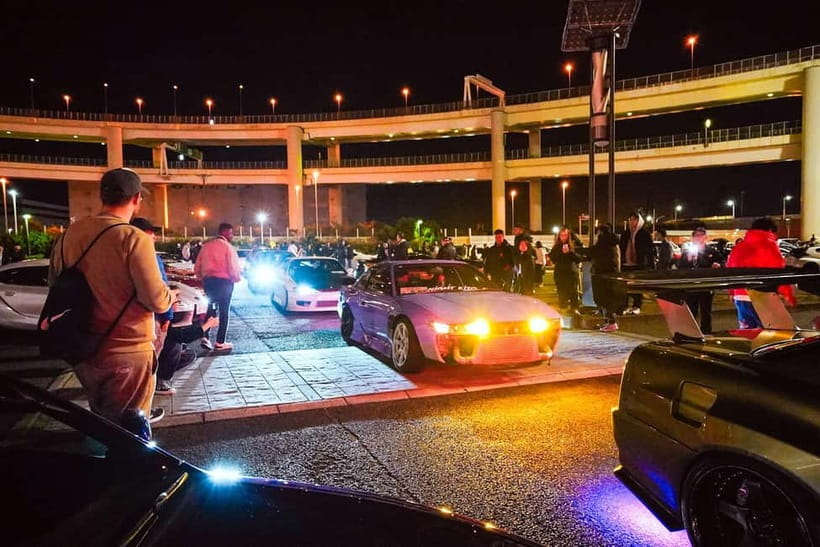
You get about an hour at Daikoku Parking Area, and that timing is a sweet spot. It is long enough to watch cars arrive, circulate, and leave, but short enough that you do not feel stuck waiting for the same lineup to repeat itself.
On strong nights, you can see a wide spread of cars in one place, including Japanese performance builds and even a few Western supercar brands. One recent experience mentioned seeing cars like McLaren, Maserati, Aston Martin, Bentley, and Lamborghini alongside Japanese sports cars. Even if the exact lineup changes night to night, the vibe tends to stay consistent: loud, visual, and very Japan.
Practical reality check: the tour is designed around legal meeting viewing, not street racing. The experience also notes that you will not be taken to illegal racing areas. That matters because it keeps the mood fun and social instead of risky.
If Daikoku is limited or closed by police on a particular night, your guide may pivot to another viewing area. I’d treat that as a normal possibility, not a failure. In earlier runs, Kazu and the crew adapted when access changed, including stops at alternate spots before the rest of the plan continued.
A-PIT Super Autobacs Shinonome: where parts culture becomes real
After Daikoku, you head to A-PIT Super Autobacs (Shinonome), Tokyo’s large tuning and parts shop stop. You get a break time with a visit plus free time for shopping, around 30 minutes.
This is one of those stops that works even if you are not the type to buy anything. Being inside a major tuning store is like seeing the backstage. You can browse categories you might only see online: performance parts, accessories, and the overall ecosystem that supports Japanese tuning culture.
A few things I think you will appreciate here:
- Even short browsing time can help you understand what people actually install, not just what they talk about.
- You can grab small souvenirs or practical items without it feeling like a trap stop.
- It gives your ears a rest after the car meet noise, while still keeping you in the same theme.
One caution: 30 minutes passes quickly inside. If you want a specific item, decide your target first, then move. If you prefer wandering, plan to keep it light and focused. The goal is to leave with a couple of things you truly care about, not to burn the whole window browsing everything.
Tokyo Tower night photos: turning the tour into a keepsake
The final built-in landmark stop is Tokyo Tower, usually timed for night viewing and photos. You get a shorter stop (about 15 minutes), so think of it as a framing moment, not a long sightseeing block.
Tokyo Tower works because it gives you a recognizable Tokyo landmark right at the end of a car-heavy evening. After you’ve spent the night chasing exhaust sounds and custom builds, Tokyo Tower becomes your visual anchor. If you like pictures, you’ll probably want a few angles: one where you can include both the tower and the lights around you, and another where it’s the main subject.
Also, this stop is a nice emotional landing. You finish the night with a classic skyline icon instead of heading straight back to a transit crush without a final scene.
One tip: charge your phone fully before you leave Daikoku. That tower lighting looks great in photos, but it also drains batteries if you keep switching settings.




Car options: what you can ride in during the night loop
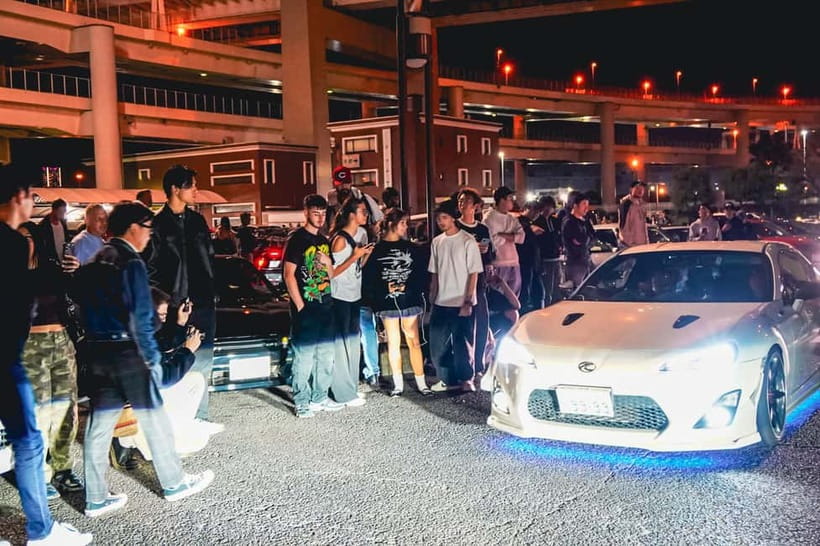
This experience offers different vehicle options, and the ride comfort changes depending on what you pick.
- Basic Car: clean and comfortable, and it’s non-private, meaning you ride in a mixed group.
- Sports Car JDM cars: also non-private, and the ride experience is more about style and the thrill of being in a performance-style vehicle.
- Luxury Car (Toyota Alphard): private and first-class level comfort, ideal if you want space and a smoother, quieter ride.
If your main goal is the meet, the car choice matters less than the Daikoku time. But if you care about the ride itself, people often talk about enjoying the drive in a sports car setup, especially for the feeling of acceleration in a city at night.
Language support is consistent across guide staff. Guides have been listed as speaking English, Japanese, and Vietnamese, and recent experiences also mention hosts helping with conversation and photos. If you are traveling with friends who want to talk cars, that multi-language ability is a genuine comfort boost.
Price and value: what $82 for four hours gets you
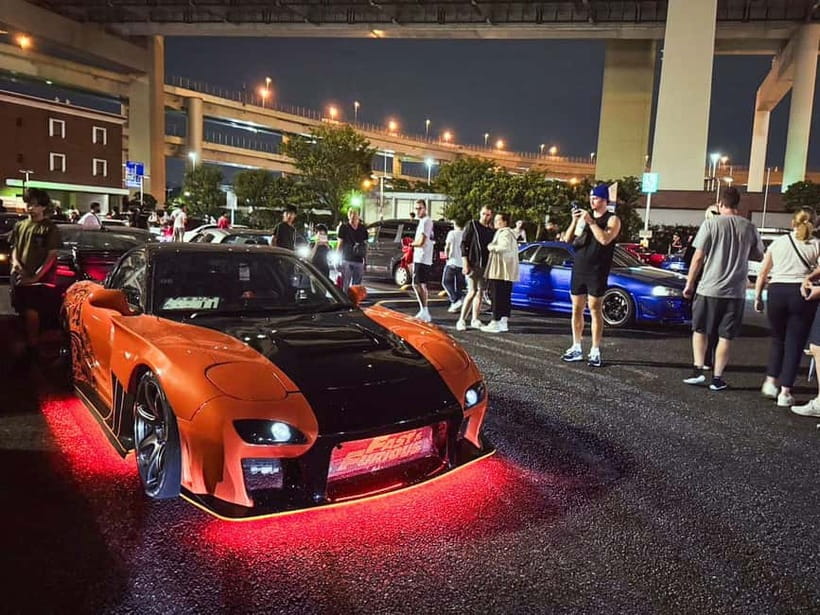
At $82 per person for about 4 hours, the value comes from what’s actually happening during that time.
You are paying for:
- a guided night experience led by a car enthusiast
- time at Daikoku, not just a quick stop
- time at A-PIT inside a major parts and tuning shop
- landmark stops that turn Tokyo into a nighttime photo set (Rainbow Bridge pass-by and Tokyo Tower)
Even though Tokyo Tower observation deck tickets are not included, the photo stop still delivers the landmark payoff. And since the itinerary is built around the right sequence, you are not bouncing between distant neighborhoods all night.
One more value angle: the fee is also tied to an Epic Japan Experience community membership with benefits like coupons for other cultural and workshop experiences. That does not change the immediate night out, but it can make future bookings feel like less of a gamble if you plan to do more than one activity.
For me, the biggest value signal is the way recent guests describe the guides: they keep things organized without killing the freedom to look around at each stop. That is exactly what you want for a night that mixes spectacle and shopping.
Who should book this JDM night tour (and who might not love it)
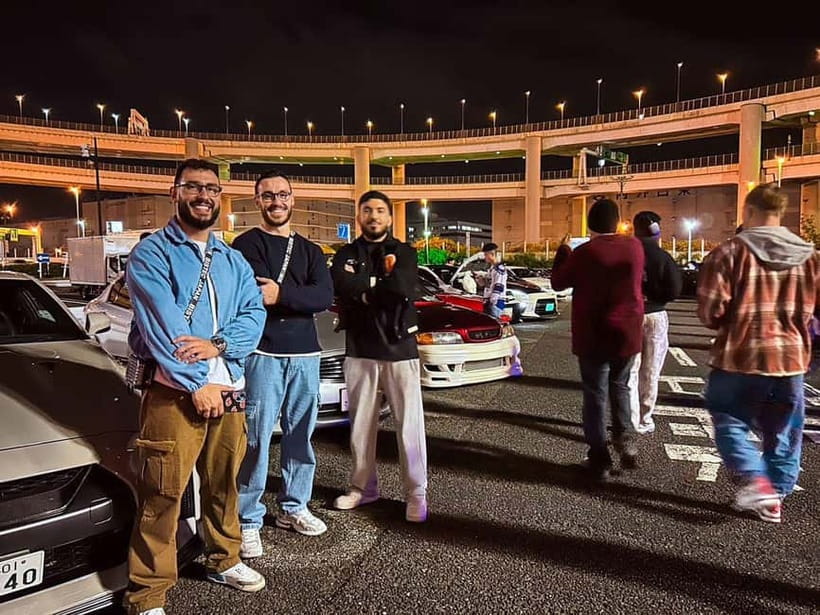
You’ll probably love it if:
- you want a focused, night-only introduction to Tokyo’s car scene
- you like seeing cars in-person more than watching videos
- you enjoy short “landmark + theme” tours rather than all-day museum pacing
- you want a guide who can explain what you are looking at, in plain terms
You might not love it if:
- you hate crowds or loud environments (Daikoku can feel intense on the right nights)
- you came mainly for long, sit-down sightseeing (Tokyo Tower is a photo stop, not a full visit)
- you expect a guaranteed maximum number of cars every night (weather and access restrictions can reduce what you see)
If you are traveling with a mixed group (some car fans, some not), this can still work because the night views and the landmark stops give non-car people something to enjoy while car fans do their thing.
Practical tips so your night goes smoothly
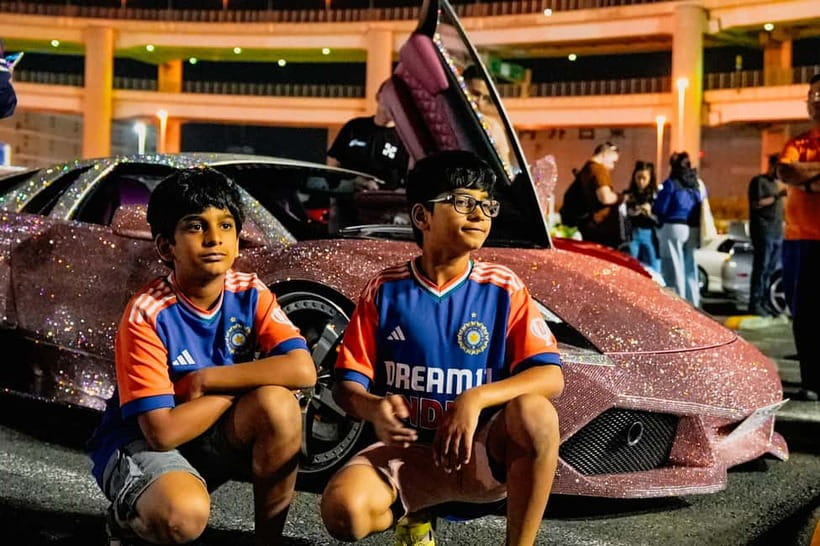
A little planning helps a lot for this kind of evening.
- Arrive early to the meeting point near Tokyo Station at the Marunouchi North Exit taxi rank. The guide will be holding a yellow sign reading Epic Japan Experience or JDM TOUR TOKYO.
- Wear shoes that handle walking and standing for photos. You’ll be positioning yourself at car viewing spots.
- Bring a charged phone and consider a small power bank. Tokyo Tower plus Daikoku photos adds up.
- If you care about A-PIT shopping, decide what you want before you get inside. The browsing window is limited.
- If weather is iffy, go in with flexible expectations. Rain can mean fewer cars, and the plan may not deliver the same lineup intensity.
Also, if you select pickup, remember Japan’s road transport rules mean pickup and drop-off must be at the same location. The experience notes you can meet directly at Daikoku PA upon request too, if that fits your schedule.
Should you book this JDM tour or pick another Tokyo experience?
Book it if you want one night where Tokyo shows its other face: speed culture, car obsession, and skyline lighting all in the same orbit. This is not just a car meet ticket; it’s a structured evening where you get time to watch, time to shop, and a final landmark scene to cap it off.
I would only skip it if your priority is a long sightseeing itinerary or you are traveling during a period when you know you’ll only have one clear night and you can’t handle the possibility of fewer cars. On a perfect night, this tour can feel like the best kind of organized chaos: you get access, you get context, and you still get room to explore.
If you do book, pick the vehicle option that matches your vibe: Basic if you want simple comfort, Sports if you want more of the car thrill during the ride, and the Alphard if you want a quieter, more spacious way to enjoy the whole loop.
FAQ
Is Tokyo Tower’s observation deck included?
No. The tour includes a photo stop and sightseeing at Tokyo Tower, but entry tickets to the observation deck are not included.
Where do I meet the group?
Meet in front of Tokyo Station, Marunouchi North Exit taxi rank. The guide will be holding a yellow sign that says Epic Japan Experience or JDM TOUR TOKYO.
How long is the experience?
It runs for about 4 hours.
Can I get pickup from my hotel?
Pickup is optional if your hotel is in the pickup area. Note that pickup and drop-off must be at the same location.
What vehicle options are available?
You can choose a Basic Car, Sports Car JDM cars, or a Luxury option using a Toyota Alphard (private and first-class comfort).
What if Daikoku has fewer cars due to rain or bad weather?
If the weather is bad, there may be fewer cars at the gathering spots, and refunds will not be provided in that case. Access can also vary, and the guide may adapt to the situation.