REVIEW · TOKYO
Tokyo: Kintsugi Workshop to Learn the Art of Golden Joinery
Book on GetYourGuide →Operated by Bloom Voyage JP · Bookable on GetYourGuide
Gold joins broken pottery. That is the point of this Tokyo workshop. You learn kintsugi (golden joinery) by repairing ceramic breaks with lacquer and powdered gold, turning damage into a visible story. I especially like the calm, hands-on pace and the philosophy behind it: you are meant to embrace imperfections instead of hiding them. One thing to consider: at this price, confirm what size of piece you will repair, since not every experience seems to cover the same amount of mending.
You meet the guide at Gakugei Daigaku Station, and you’ll get a picture of the guide before you arrive, which makes it easier to find the right person. The class is English-led, runs about 2 hours, and caps at 6 participants, so you actually get time at the work table instead of watching from the sidelines.
In This Review
- Key points to know before you book
- Arriving at Gakugei Daigaku Station and Settling Into a Small-Group Workshop
- Kintsugi Golden Joinery: The Philosophy Behind the Gold Seams
- What You Do in the Session: Prep, Lacquer, Gold Powder, and Patience
- Your Take-Home Keepsake: Why the Repair Feels Personal
- Price and Value in Tokyo: What $63 Covers (and What to Double-Check)
- Who This Tokyo Kintsugi Workshop Fits Best
- How to Set Yourself Up for a Smooth Experience
- Should You Book This Kintsugi Workshop?
- FAQ
- Where is the meeting point for the workshop?
- How long is the Kintsugi workshop in Tokyo?
- Is the workshop taught in English?
- What is included in the price?
- Do I need to bring a plate or ceramic piece?
- What can I take home after the workshop?
- How many people are in the class?
- Is the workshop suitable for wheelchair users?
- Is there free cancellation?
Key points to know before you book
- Golden joinery, not a cover-up: cracks become gold seams that celebrate the break
- A wabi-sabi lesson you can hold: imperfection and impermanence made practical
- Hands-on steps take real time: expect a chunk of work preparing the crack area
- Materials are mostly provided: lacquer and gold powder come with the class
- Small group focus: up to 6 people means more guidance while you work
- You take it home: your repaired ceramic becomes a personal keepsake
Arriving at Gakugei Daigaku Station and Settling Into a Small-Group Workshop
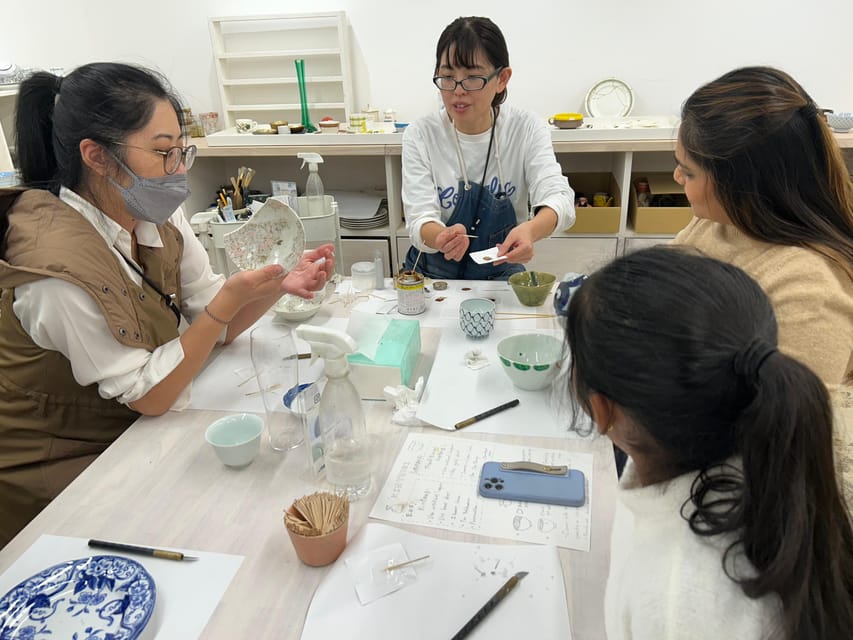
The whole experience starts with an easy logistics win: you meet your guide at Gakugei Daigaku station. Before the meeting time, the guide sends a photo, which helps you get your bearings quickly and avoid the usual Tokyo meet-and-search routine.
From there, you’re in a small group limited to 6 people. That matters more than it sounds. Kintsugi is slow, delicate work. When the group is larger, you end up waiting your turn and losing the calm, reflective vibe. Here, the structure keeps things moving, while still leaving you time to actually do the steps.
The workshop is English-led and scheduled for 2 hours. That timing is a sweet spot: long enough to get through the main stages of mending (prep, applying lacquer, adding gold powder, and finishing), but not so long that it feels like you’re spending half a day in a chair.
One caution: the info you’ll see says wheelchair accessible, but it also lists wheelchair users as not suitable. If mobility support is part of your plan, contact the provider directly and ask what seating and table setup looks like for your exact needs.
You can also read our reviews of more tours and experiences in Tokyo


Kintsugi Golden Joinery: The Philosophy Behind the Gold Seams
Kintsugi is older than it feels. The tradition dates to the 15th century, and the name literally means golden joinery. The idea is simple and powerful: instead of discarding broken ceramics, you repair them and make the repair part of the object’s identity.
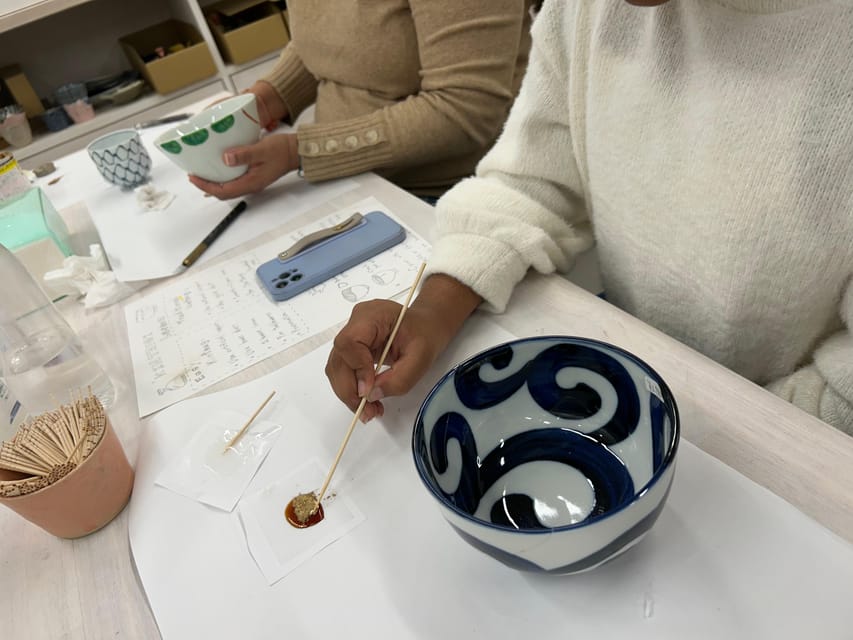
The method uses lacquer plus powdered metals. You may hear gold, silver, or platinum mentioned as options, and the workshop approach is built around the same concept: cracks and breaks get transformed into beautiful seams. Those seams aren’t meant to disappear. They’re meant to show up like handwriting—clear proof that something happened and the object lived through it.
This is where the philosophy comes in. Kintsugi overlaps with wabi-sabi, the Japanese appreciation of imperfection and the fact that things change. In practice, that means you aren’t trying to return the ceramic to a flawless past. You’re creating a new present moment that acknowledges the break.
That mindset is also why this class feels different from a typical craft workshop. You’re not just learning a technique. You’re learning how to slow down and look at a damaged surface without flinching.
What You Do in the Session: Prep, Lacquer, Gold Powder, and Patience
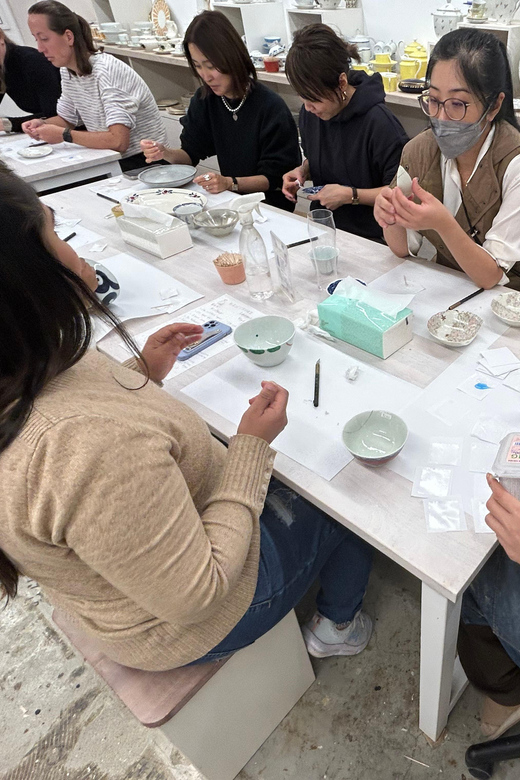
This workshop is hands-on, not a demo. You start with a brief introduction to both the art and the philosophy, and then you get to work on your own piece.
Materials and tools are largely covered. The main tools include lacquer and gold powder, and the class provides ceramic pieces for repair. You also get artificial lacquer as part of the process. If you’re wondering whether you’ll bring anything, the safest move is to confirm what piece you’ll work on—because the info also mentions a plate to work with that isn’t included and suggests arranging one for about ¥1,000–2,000. That can mean some participants may be repairing a specific provided item, while others choose a personal piece. Ask before you show up so there are no surprises.
In terms of the work itself, here’s the flow you should expect.
First comes prep. You’ll file or work the broken areas so the repair can grip properly. One useful detail from real experiences: expect a meaningful chunk of time on filing—about half an hour. If you’re bringing kids, this matters. It can be hard for younger participants because it requires attention and steady hand movements for a while.
Next comes application. You apply lacquer to the crack/join area. The goal is to create a bonding line that will later be enhanced with metal powder.
Then comes the signature part: gold powder. You add the powder where you want the golden seam to form. This is the moment where the piece visually changes from broken to intentionally repaired. It’s also the part that makes Kintsugi so photogenic—though you’ll probably spend more time quietly looking at the seam you created than snapping shots.
Finally, you wrap up and take your work home. The whole point is that the finished object becomes yours, with your touch on it—gold seams included.
One more small detail that can make the class more memorable: some instructors explain how traditional adhesives were made in older times, not just the modern materials you’re using today. That adds a layer of respect for the craft, especially if you like learning how techniques evolved.
Your Take-Home Keepsake: Why the Repair Feels Personal
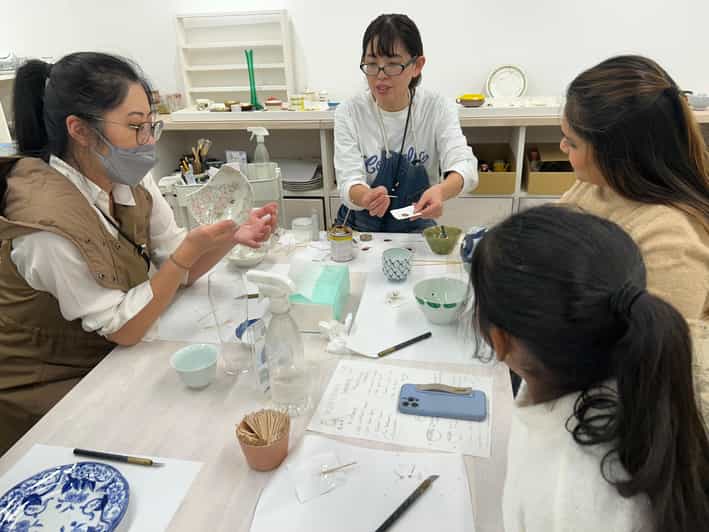
The best souvenir from this class isn’t plastic or paper. It’s a repaired ceramic item that shows the seams where it broke.
In Kintsugi, the repair line is supposed to be visible. That means you do not get a hidden fix. You get a purposeful mark: a golden join that reads like a timeline. The ceramic’s flaws become part of its design language.
I like that this makes the keepsake personal in a way many Tokyo workshops don’t. You’re not just making something new. You’re changing something damaged into something meaningful. And because the process is reflective—slower, quieter work—you tend to remember it every time you look at the piece.
Depending on the ceramic you receive, your project might look like a bowl or another broken utensil-shaped item. The key is that the finished piece is meant to be taken home as a tangible reminder of preservation and renewal, not a disposable craft artifact.
If you’re someone who loves Japanese aesthetics beyond the obvious souvenirs, this is exactly the kind of object that fits. It’s small enough to bring home, but conceptually big.
Price and Value in Tokyo: What $63 Covers (and What to Double-Check)
At $63 per person for a roughly 2-hour small-group class, the value is solid if you want a guided, hands-on experience with materials and an actual finished output.
Here’s what’s included:
- lacquer and gold powder (main tools)
- a brief introduction to the art and philosophy
Here’s where you should double-check before you book:
- a plate to work with is listed as not included, with a suggested range of ¥1,000–2,000
Now, that sounds like a potential conflict, because the class info also says broken pottery and materials are provided. What this usually means in real-world activities is that you might be offered a provided broken ceramic for repair, while the plate note applies when you want a specific type of piece or an additional option. Since both statements are in the provided info, the only responsible move is to confirm what you’ll physically be repairing in your session.
Also consider the one drawback that can pop up with workshops like this: if your goal is a dramatic transformation (a big bowl, many cracks, lots of visible repair), you should ask what the typical project scope is. One experience found the amount repaired felt small for the cost. That doesn’t mean the craft isn’t worth it, but it does mean you should align expectations about how much mending you’ll do.






Who This Tokyo Kintsugi Workshop Fits Best
This works best when you want an experience with meaning, not just a pastime.
It’s a great fit for:
- people interested in Japanese philosophy like wabi-sabi and the idea of imperfection as beauty
- beginners who want a guided craft step-by-step (English instruction is listed)
- solo visitors, couples, and small groups who like calmer activities
- anyone who wants a take-home piece that feels like your story, not a store-bought item
It may be less ideal if:
- you’re expecting a large-scale repair project with lots of mending time
- you’re bringing very young kids, since the process can include filing time that may be challenging (the info says babies under 1 year aren’t suitable)
And as mentioned earlier, if wheelchair access matters, confirm directly because the information provided is contradictory on that point.
How to Set Yourself Up for a Smooth Experience
A few practical moves will help you get the most out of the two hours.
First, be on time for the Gakugei Daigaku station meeting. The guide sends a picture, so watch your messages and look out for that specific cue.
Second, ask (before you arrive) which item you’ll repair and whether there’s any extra cost for the ceramic itself. The info says the class provides materials like broken pottery, but it also notes a plate to work with isn’t included. A quick confirmation prevents disappointment.
Third, mentally expect a craft session that takes focus. Even though the philosophy is reflective, your hands will be doing real work—especially filing and careful application.
Finally, if you care about the teaching style, this class has strong signs of clear instruction. Multiple experiences highlight that teachers explain the steps well, and some even talk about how old adhesives were made. That combo—practical guidance plus cultural context—is why the experience lands well.
Should You Book This Kintsugi Workshop?
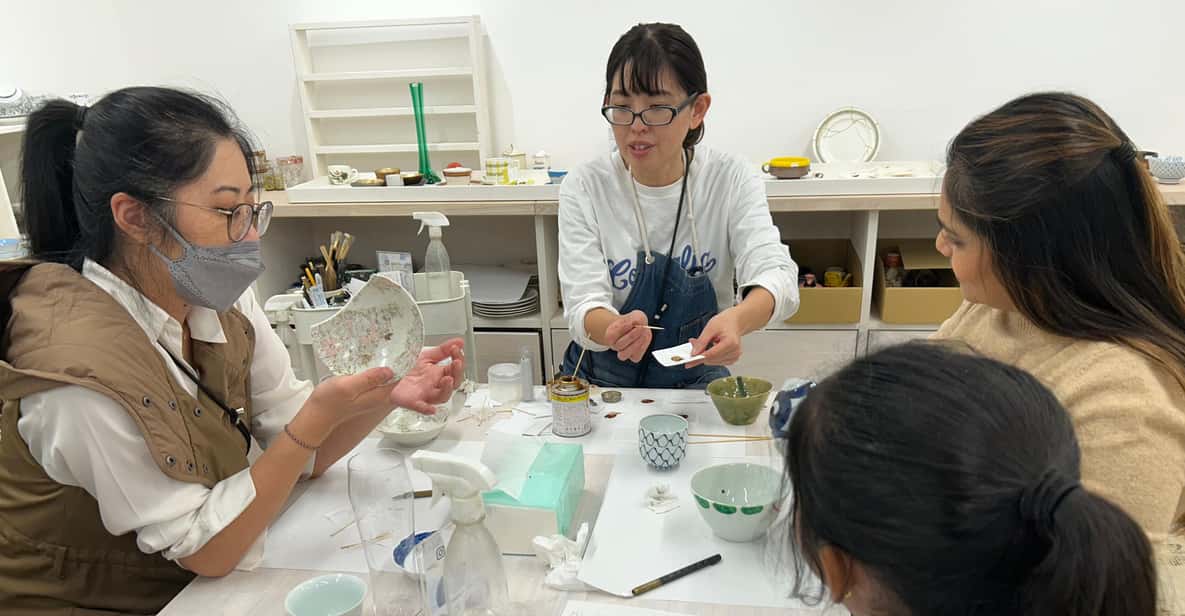
Book it if you want a Tokyo experience that connects craft, philosophy, and a real physical keepsake. For me, the value sits in the combination: gold seams, a wabi-sabi mindset you can actually practice, and a finished item you take home.
Skip or reconsider if your main goal is a big, dramatic repair project with lots of visible work, or if you’d rather avoid any uncertainty about what size piece you’ll be fixing. In that case, message the provider first and confirm the scope and whether any additional ceramic cost applies.
If you like thoughtful activities and you’re the type who appreciates flaws turning into features, this is the kind of class that can stick with you long after you’ve left the workshop table.
FAQ
Where is the meeting point for the workshop?
Please meet the guide at Gakugei Daigaku station. The guide will message you a picture of themselves before the meeting time.
How long is the Kintsugi workshop in Tokyo?
The workshop lasts about 2 hours.
Is the workshop taught in English?
Yes. The instructor is listed as English.
What is included in the price?
You get a brief introduction to the art and philosophy of Kintsugi, and the main tools provided include lacquer and gold powder.
Do I need to bring a plate or ceramic piece?
A plate to work with is listed as not included, and the information suggests arranging one for about ¥1,000–2,000. At the same time, the class info says broken pottery and materials are provided, so it’s worth confirming what you will repair for your specific session.
What can I take home after the workshop?
You take home the repaired piece as a personal keepsake.
How many people are in the class?
It’s a small group limited to 6 participants.
Is the workshop suitable for wheelchair users?
The information provided includes both wheelchair accessible and a note that it is not suitable for wheelchair users. If this is important for you, confirm details directly with the provider before booking.
Is there free cancellation?
Yes. You can cancel up to 24 hours in advance for a full refund.