REVIEW · TOKYO
Tokyo: Matcha Tasting and Making Experience
Book on GetYourGuide →Operated by matcha trip · Bookable on GetYourGuide
Matcha can taste like five different places. This Tokyo matcha tasting and making class is a hands-on way to learn what you’re really drinking, not just how it looks in a cup. I love the tight comparison format (you taste multiple types back-to-back), and I especially like that you end with real practice using a bamboo whisk. One possible drawback: 90 minutes is just enough to learn the basics and make your own, but it won’t replace a full, traditional tea ceremony experience.
A big reason it works is the teacher. Chisei, a former tea farmer who grew tea for six years in Kyoto, explains what matters in plain language and keeps things moving in a small group capped at five. You also get a welcome drink up front, plus matcha latte and even hojicha latte later, so the class never feels like lecture-only.
You’ll meet in the Henn na hotel area in Asakusa (Henn na hotel Asakusa Tawaramachi), then go up to the experience space on the 2nd floor. At $63 for 90 minutes, it’s not the cheapest thing you can do, but you are paying for variety, guidance, and the fact you actually whisk and take the skills home.
In This Review
- Key highlights you should care about
- Entering the Henn na hotel in Asakusa (and finding the right floor)
- The 90-minute flow: welcome drink, tasting, whisking, then latte and sweets
- The welcome drink and the matcha basics that actually help
- Tasting matcha from five regions: what you’re really comparing
- How Chisei’s Kyoto tea-farmer background changes the lesson
- Whisking your own matcha: where the class becomes useful
- Matcha latte, hojicha latte, and sweets: the payoff course
- Price and value: what $63 gets you in real experience terms
- Who should book this matcha trip in Tokyo?
- Should you book matcha trip’s Tokyo matcha tasting and making class?
- FAQ
- How long is the matcha tasting and making experience?
- How many matcha types do you taste?
- Is the class taught in English?
- Do you make matcha yourself?
- What drinks and sweets are included?
- Where is the meeting point?
- Is transportation included in the price?
Key highlights you should care about
- Tasting flight across five production areas so you can compare terroir, not just brands
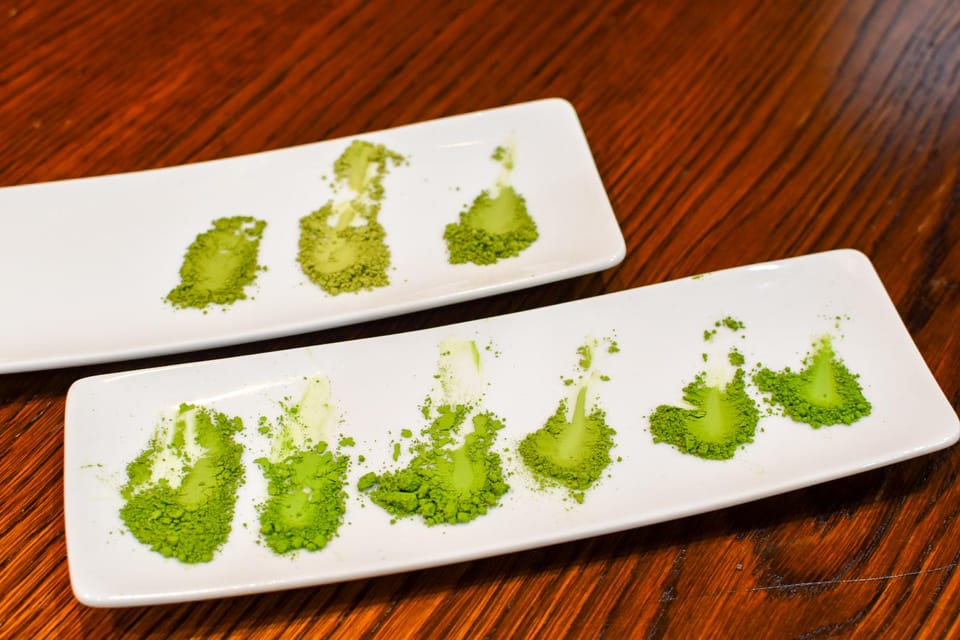
- Back-to-back matcha comparisons with color, aroma, and taste at the center of the lesson
- Bamboo-whisk practice where you make your own matcha after choosing your favorite sample
- Matcha latte plus hojicha latte using an original blend matched to milk
- Small group limit (5 participants) which keeps questions from getting lost
- Tea-farmer perspective from Kyoto with practical farming and production context
Entering the Henn na hotel in Asakusa (and finding the right floor)
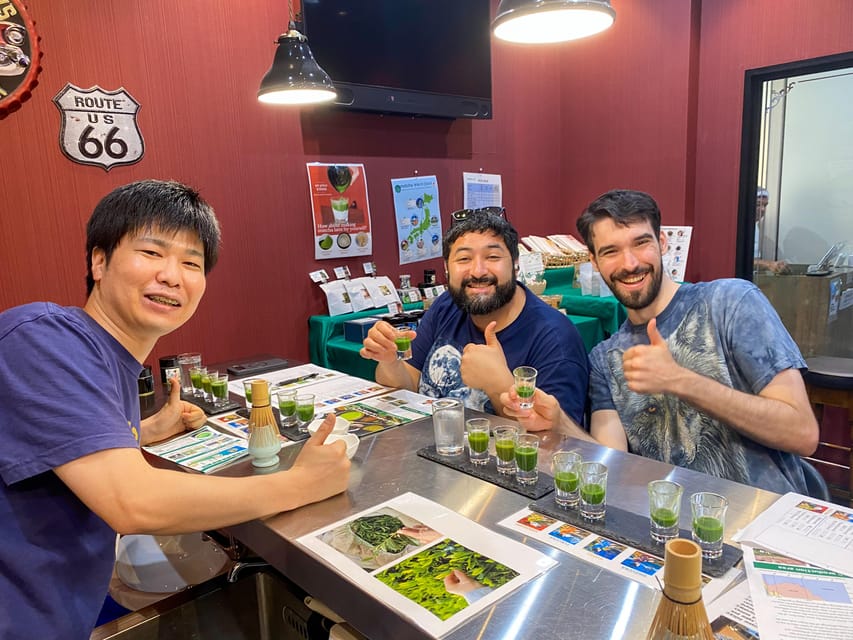
This experience starts at the cafe inside Henn na hotel Asakusa Tawaramachi, which makes your first task simple: get inside the hotel and head up. There’s a Familymart on the 1st floor, and you’ll want to use that as your landmark. The class happens on the 2nd floor, so don’t stop at the lobby level.
Why this matters: tea tastings are short, and you don’t want to burn time hunting. If you’re arriving near your start time, this setup is convenient because you can spot the Familymart quickly and then follow the hotel layout upward.
Also note the session is taught in English, which helps if you want the details without playing catch-up. You’ll be able to follow the explanation while the drinks are in front of you, not after they’ve vanished.
You can also read our reviews of more food & drink experiences in Tokyo



The 90-minute flow: welcome drink, tasting, whisking, then latte and sweets
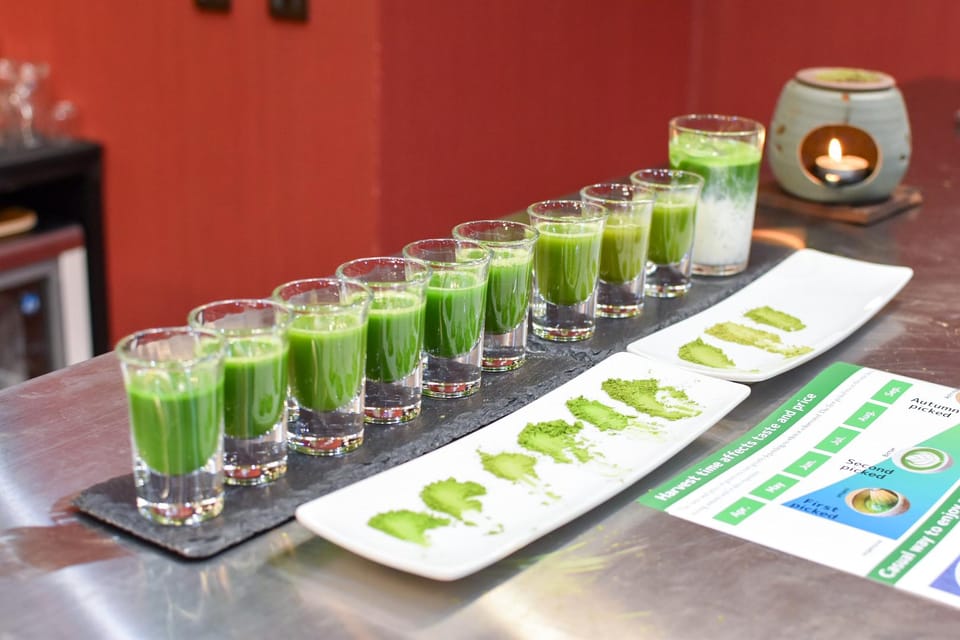
The class is built like a story: you taste first, then you learn how to make, then you enjoy the drinks that matcha is famous for. Here’s the practical rhythm.
First, you gather and get a welcome drink. While you sip it, your guide talks about matcha’s definition and how it’s produced, plus the cultivation methods behind it. Then comes the comparison phase, where you sample multiple matcha types in small portions at once, focusing on what you notice first: color, fragrance, and taste.
Next, you choose the matcha you liked best and make it yourself. You whisk an Ousucha (matcha) using a bamboo tea whisk, with your guide coaching you through the process. Finally, you switch from tasting and technique to enjoyment: you get matcha latte, hojicha latte, and matcha sweets.
This structure is smart for visitors. You get your bearings with sampling, you learn the why while it’s still fresh in your mind, and then you practice before your interest fades.
The welcome drink and the matcha basics that actually help
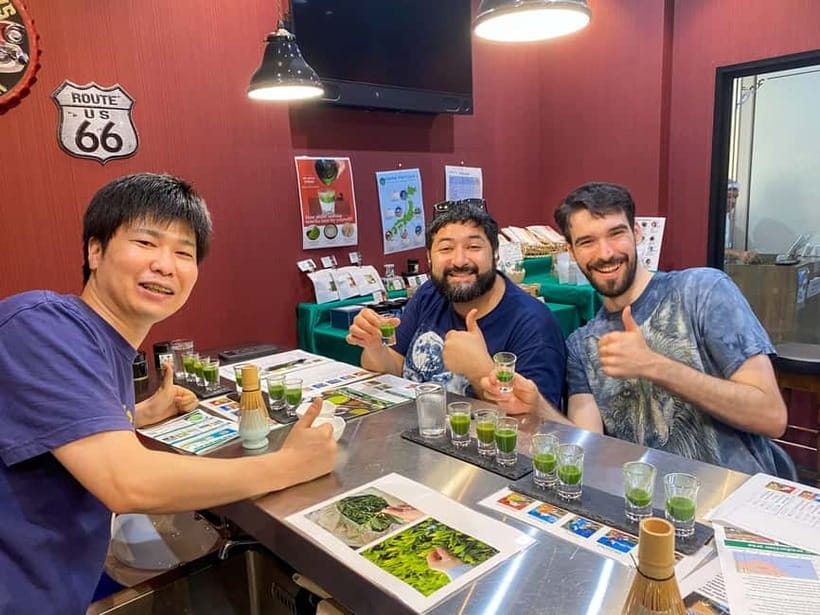
Before you pour anything yourself, you’ll get context. The guide covers the history and production of matcha, and you’ll hear how the definition of matcha ties to cultivation. This isn’t just trivia. When you understand what matcha is made from and how it’s grown, the tasting results make sense.
You’ll also learn that matcha isn’t only a single product style. Even inside matcha, production differences can change how it looks in the cup and how it tastes on the palate. That’s why the class does comparisons side by side. If you try one matcha alone, you can’t tell if the flavor is typical or just that one tea’s personality.
One more practical note: you’re not limited to “dry facts.” The welcome drink sets the tone so you’re ready to notice details during the tasting flight. You’ll be paying attention with your senses, not just listening.
Tasting matcha from five regions: what you’re really comparing
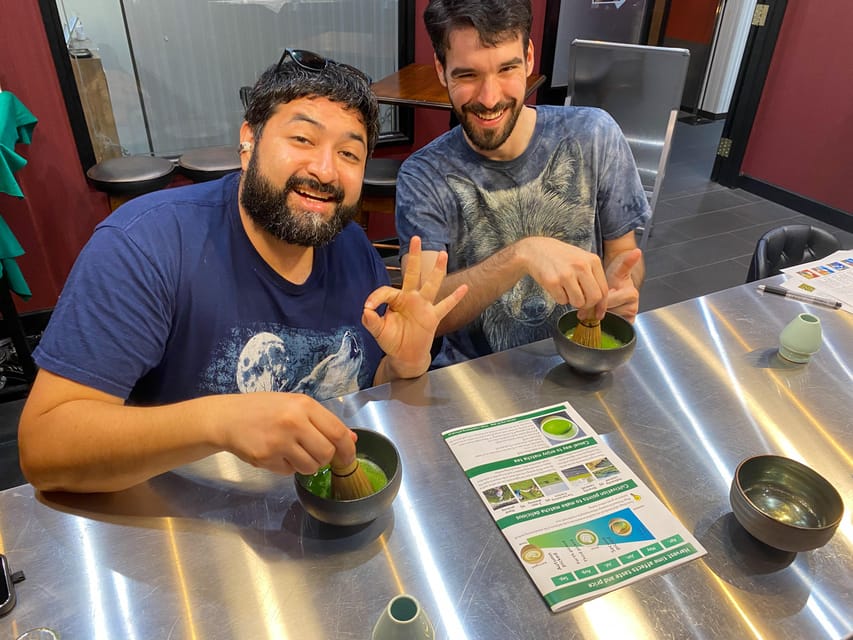
The experience centers on comparing matcha from different production areas in Japan. You’ll sample multiple types, with the format describing taste tests from five representative production areas. Across the full class, you’re looking at 10 matcha types, with a structured comparison that serves 8 kinds during the main tasting portion.
Here’s what to expect during the comparison segment:
- You look at the color of each matcha before it’s whisked into tea for tasting.
- You smell the fragrance, then taste in small portions so you can compare quickly.
- You learn which samples are ceremonial grade versus those sold as matcha in other markets but not defined as matcha.
That last point is important. The class includes 6 ceremonial-grade matcha examples and 2 samples that are often called matcha internationally even though they’re not defined the same way. This isn’t meant to confuse you. It gives you perspective on why labels can vary, and it helps you understand why some matcha tastes more like tea and others taste more like “green-flavored powder.”
I like that the comparison is visual and sensory, not just a numbered tasting. When you see the color shift and then taste the corresponding differences, it becomes much easier to remember what you preferred and why.
How Chisei’s Kyoto tea-farmer background changes the lesson
One standout element is the guide himself. Chisei is a former tea farmer who grew tea for six years in Kyoto, and his explanations are designed for real visitors, not just tea nerds. The reviews highlight his practical experience and the way he can explain farming and preparation with clear, confident energy.
In practice, that means you don’t just hear that matcha is made from shade-grown leaves. You learn what the guide thinks you should pay attention to when tasting and making it—like how production choices show up in the cup.
Also, because this is an English small-group class limited to five participants, you’re less likely to get brushed aside. If you’re curious about why a certain sample felt smoother or more bitter, you can ask and get a straight answer in real time.





Whisking your own matcha: where the class becomes useful
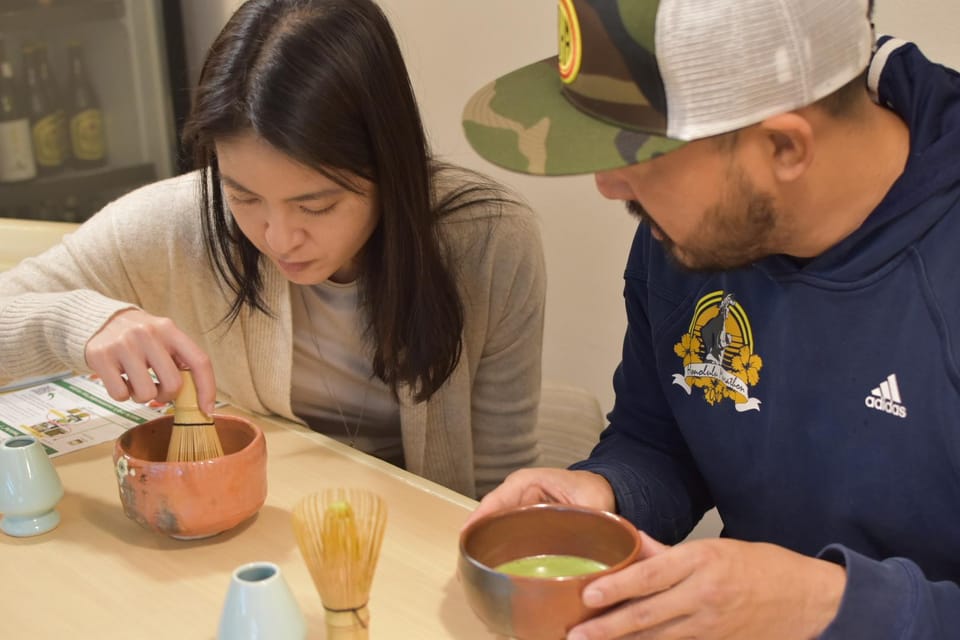
After tasting, the best part arrives: you pick your favorite matcha from what you tried and make it yourself. You’ll whisk Ousucha (matcha) using a bamboo tea whisk, guided step by step.
This is exactly where you learn the skill you can actually repeat later. Even if you’ve had matcha in Tokyo cafés, the at-home version is different. You’ll understand:
- how matcha texture changes with whisking
- how to approach the drink as a tea, not only a sweet milk flavor
- how your chosen matcha behaves when prepared properly
And you’re not left with nothing. The class is designed so you can keep making matcha at home after the session ends. That payoff matters if you’re the type who wants souvenirs you can use, not just photos.
One small consideration: since you’re tasting several types and then immediately whisking, the time moves. Come with a curious mindset, and you’ll do fine even if you’ve never used a bamboo whisk before.
Matcha latte, hojicha latte, and sweets: the payoff course
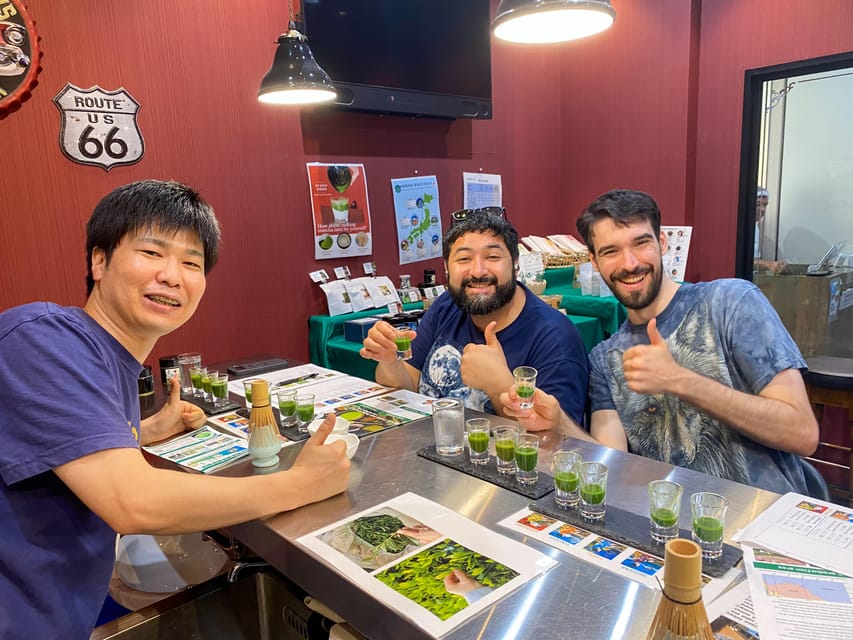
By the final stretch, the tone shifts from technique to enjoyment. You’ll have matcha latte and hojicha latte, plus matcha sweets. The class uses an original blend matcha designed to work well with milk.
Why that detail matters: matcha used for a latte doesn’t have to be the same profile you’d choose for a straightforward bowl of Ousucha. Milk rounds off bitterness and changes perceived sweetness. So tasting matcha in multiple forms helps you learn what each preparation highlights.
Hojicha latte is a clever addition too. Hojicha is roasted tea, which tends to feel warmer and more mellow than green tea styles. Getting it in a latte format lets you compare it directly with matcha, instead of treating them as separate worlds.
For most people, this final part is where the class feels like fun again. You stop analyzing and start enjoying the drinks in a setting that still ties back to what you learned earlier.
Price and value: what $63 gets you in real experience terms
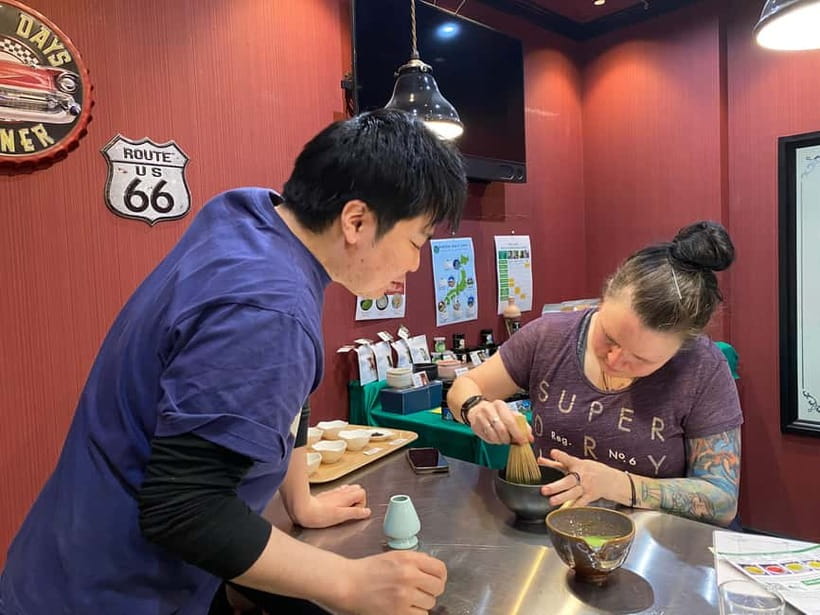
At $63 per person for 90 minutes, you’re paying for more than a drink. You’re buying:
- a tasting experience covering multiple matcha types across production areas
- a guide with tea-farmer farming context from Kyoto
- hands-on practice making matcha with a bamboo whisk
- included matcha latte and hojicha latte
- included matcha sweets
If you’ve ever taken a “tasting” that turns out to be mostly one or two samples and a long talk, this one feels more balanced because you do real comparisons and then real whisking. The small group limit (max 5 participants) also supports value. You’re more likely to ask questions and still have time to practice.
Is it expensive compared to buying a store matcha drink? Yes. But it’s also more like a workshop than a café stop. If your goal is learning how matcha differs by origin and preparation, this price can make sense.
Also, the booking flexibility is built in with free cancellation up to 24 hours in advance and a reserve-and-pay-later option. I treat that as part of the value, because it lowers the stress of planning around travel days.
Who should book this matcha trip in Tokyo?
This class fits best if you want more than a souvenir cup of matcha. You’ll likely enjoy it if you like food education with hands-on steps, or if you want to understand why matcha isn’t always the same experience from place to place.
It’s also a good match for visitors who:
- want an English-led activity
- prefer small groups over crowds
- like structured tasting rather than wandering a market alone
- want to learn a home-making skill, not just taste and leave
If you’re expecting a full formal tea ceremony with multi-course etiquette, this may feel a bit more casual. But if your goal is learning the fundamentals quickly and tasting across production areas, you’re in the right place.
Should you book matcha trip’s Tokyo matcha tasting and making class?
I’d book it if you’re the type who notices differences in flavor and wants a guide to translate what you’re sensing. The combination of matcha comparisons, the bamboo whisk practice, and the included latte and sweets makes it feel like a complete tea experience, not a short “green drink” stop.
Look especially hard at this option if you care about production origin. The class focuses on matcha from different Japanese production areas and teaches you how matcha production and cultivation connect to what you taste. And with Chisei’s Kyoto tea-farmer background, you’ll get answers that go beyond surface-level explanation.
If you only want one drink and zero hands-on work, then you can likely find a cheaper café option. But if you want to leave with both stronger matcha taste memories and the ability to make your own, this is a solid use of time in Asakusa.
FAQ
How long is the matcha tasting and making experience?
It lasts 90 minutes.
How many matcha types do you taste?
You taste 10 different types of matcha from 5 production areas. During the main comparison, 8 kinds are served.
Is the class taught in English?
Yes. The instructor provides the experience in English.
Do you make matcha yourself?
Yes. After choosing your favorite matcha from the samples, you make Ousucha using a bamboo tea whisk.
What drinks and sweets are included?
You get a welcome drink, matcha latte, hojicha latte, and matcha sweets. Matcha tastings are also included.
Where is the meeting point?
The cafe is in Henn na hotel Asakusa Tawaramachi. Enter the hotel and go to the 2nd floor (Familymart is on the 1st floor).
Is transportation included in the price?
No. Transportation to the experience location is not included.