REVIEW · TOKYO
Tokyo: Kappodo sushi Live Workshop
Book on Viator →Operated by 割烹道 · Bookable on Viator
Sushi starts with fish, not vibes. In Kappodo’s Tokyo D kitchen studio, you watch real fillets get cut right in front of you, then you build your own nigiri with an English-speaking chef who explains the why behind the technique.
I especially like the hands-on pace: you go from the chef’s demo to making Nigiri-zushi step by step. The class also brings in fish facts, including type of fish and what makes each one unique.
One thing to consider: at 1 hour 45 minutes, it’s not long-practice training. You’ll learn a lot, but you’re not going to leave as a full-on sushi chef.
In This Review
- Key things I’d zoom in on
- A hands-on sushi studio in Nishiazabu
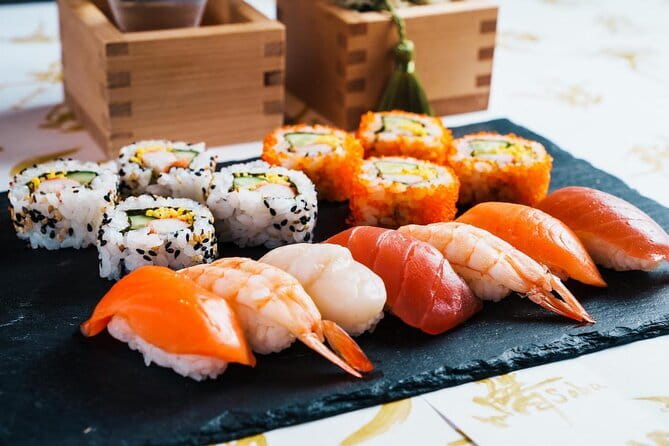
- What you make: 7 nigiri, gunkan, and a thin roll you cut
- The class flow: what happens minute by minute (and why it matters)
- 1) Start with a welcome drink
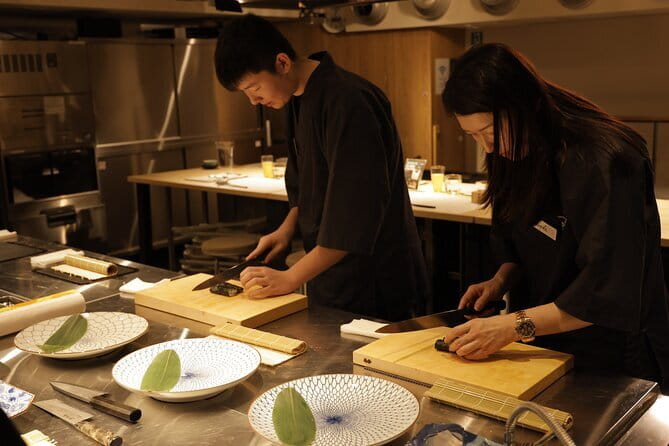
- 2) Watch fish cutting and decorating up close
- 3) The chef makes nigiri first, with English explanations
- 4) You make sushi with the chef standing beside you
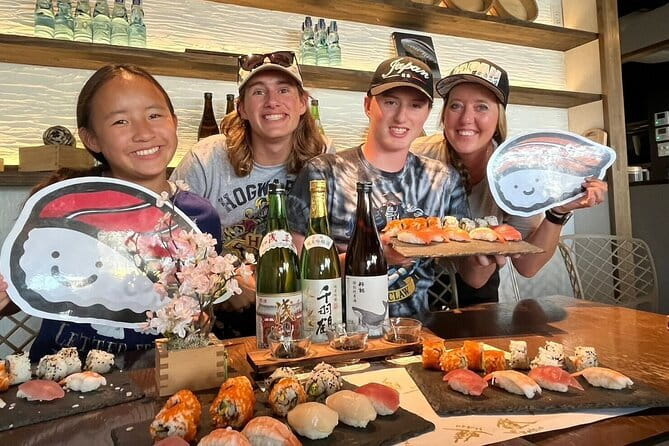
- 5) Cut the thin roll, take the photo, then eat
- 6) Ask questions before you wrap up
- English instruction plus fish and ocean facts
- Price and value: is $160 fair for what you get?
- Who should book this workshop (and who might want to think twice)
- Quick practical notes before you go
- Should you book Kappodo’s sushi live workshop?
- FAQ
- How long is the Kappodo sushi live workshop in Tokyo?
- Where is the meeting point?
- Is the class taught in English?
- What sushi will I learn to make?
- What is included in the $160 price?
- How many people are in a group?
- What is the cancellation policy?
Key things I’d zoom in on
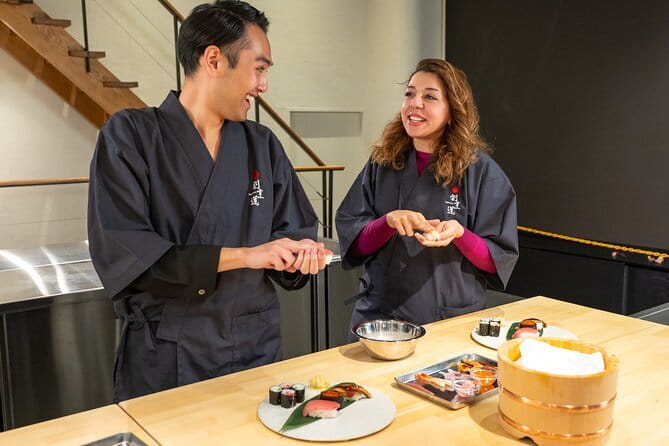
- Live fish cutting right in front of you so you understand what good prep looks like
- Small group (max 4) for more direct coaching
- You make 7 nigiri plus gunkan and a thin roll instead of just watching
- Fish + ocean-life explanations that make the food more interesting than a menu description
- Lunch, drinks, a participation certificate, and a 10% shop discount for real add-on value
A hands-on sushi studio in Nishiazabu
This workshop is based in Tokyo’s Minato City area, near Nishiazabu, at Kappodo’s Tokyo D kitchen studio (Kappodo H.Q / Tokyo D kitchen Studio / Cooking Workshop). The meeting point is listed clearly at DKビル, 2-chōme 21-12, and the activity ends back there—simple and stress-free.
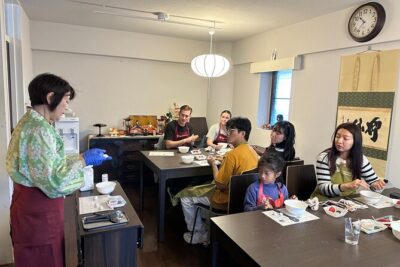
What I like about the setting is that it’s not a big “show.” It’s a working kitchen. You’re close enough to see fish being cut and prepared, and you’re close enough to ask questions while the chef is teaching. That proximity matters. Sushi technique is small and precise. When you’re far away, you just see plates. When you’re close, you see grip, angle, and timing.
The group size is capped at 4 travelers. That usually means less waiting and more attention. You’re also more likely to get your personal questions answered—especially if you’re new to sushi making or nervous about handling raw fish and rice.
Before you start cooking, you get a welcome drink (water or green tea). That sounds small, but it sets the tone. You’re not rushed the moment you walk in, and you can settle your hands and your brain before the knives come out.
You can also read our reviews of more tours and experiences in Tokyo
What you make: 7 nigiri, gunkan, and a thin roll you cut
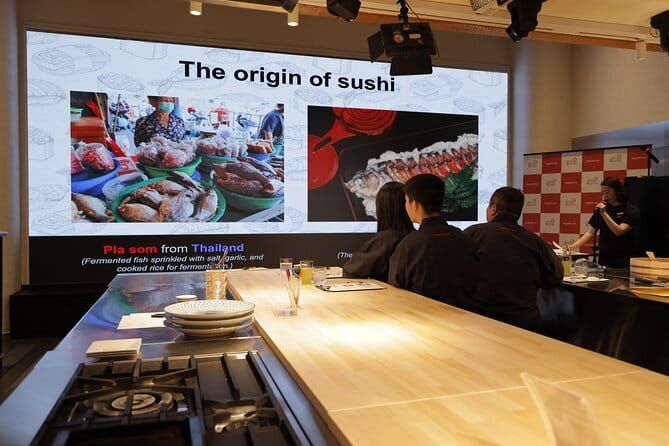
This class has a clear menu made for learning. You’re not just making one sushi style and calling it done. You end up with a spread that teaches different shapes, different textures, and different handling.
Here’s the core output:
- 7 Nigiri-zushi that you make yourself
- 1 Gunkan-style (the one with the spoon-like shape and seaweed holding things together)
- 1 thin roll, which you then cut into 6 pieces
That thin roll portion is more important than it sounds. Cutting isn’t just presentation. It teaches how to portion evenly so each bite gets the right ratio of rice, filling, and seasoning. In a small class, doing that step yourself helps everything click.
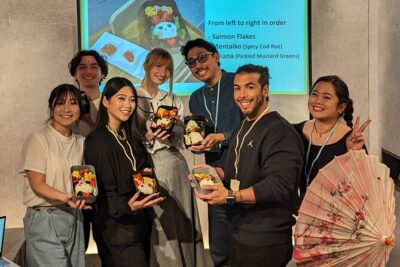
After you cut the roll, there’s a commemorative photo moment. That’s a fun touch, but the real point is that it marks the transition from cooking to eating. You finish the hands-on work, then sit down and enjoy what you made.
And yes—you do eat it. You’ll enjoy your sushi with a cool drink, and the class also includes lunch. For $160, that’s a big part of the value equation: you’re not paying just for instruction; you’re paying to produce and taste a real meal.
The class flow: what happens minute by minute (and why it matters)
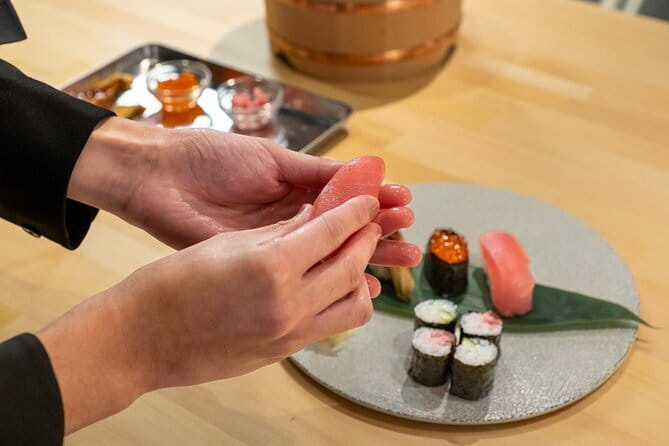
Even if you’ve never touched sushi tools before, the format is designed to keep you moving and not guessing.
1) Start with a welcome drink
You begin with water or green tea. It’s a small reset, and it keeps the workshop feeling calm. It also gives you a moment to get oriented in the kitchen before the chef starts cooking on your behalf.
2) Watch fish cutting and decorating up close
Next comes the chef’s demonstration: cutting and decorating fish right in front of you. This is where a lot of the “magic” turns into practical technique.
Sushi looks simple, but good sushi is built on three things:
- the fish cut (shape and thickness)
- the rice (texture and seasoning)
- the assembly (pressure and alignment)
Watching cutting in person helps you understand how the fish is portioned for nigiri. If you’ve only seen sushi on a plate, you’ll likely realize the prep is the hardest part.





3) The chef makes nigiri first, with English explanations
Then the chef makes nigiri with English explanations. This matters because the class isn’t just teaching you what to do—it’s teaching the reasoning behind it.
You learn not only the steps but also details about type of fish and each fish’s characteristics and life in the ocean. That kind of context is useful. When you know what a fish is like, you start paying attention to texture and flavor in a smarter way instead of just following a recipe.
4) You make sushi with the chef standing beside you
Now it’s your turn. You make sushi while the chef stands right in front of you or beside you, giving instructions as you go.
This is the part many people underestimate. Sushi rice handling is touchy, and fish placement can go wrong fast if you don’t know how much pressure to use. In a class with only up to 4 people, you’re more likely to get quick corrections instead of waiting until the end.
You make:
- the 7 nigiri pieces
- a gunkan-style piece
- and a thin roll that you later cut into 6 parts
5) Cut the thin roll, take the photo, then eat
After you cut the roll into 6 pieces, it’s time for the commemorative photo. Then you sit down and enjoy everything you made.
You’ll also have drinks: cool drink included, and the workshop notes alcoholic beverages are available, including an original sake tasting. If you like sake, this is one of the easiest ways to try it in context with the food you prepared.
6) Ask questions before you wrap up
There’s time to ask the chef questions about sushi—anything you’re curious about. That Q&A can be the difference between learning a technique and understanding how to think like a sushi eater and builder.
English instruction plus fish and ocean facts
A big draw here is that the chef teaches in English. That’s not just about comfort. It changes what you can learn.
Sushi has a lot of hidden decisions:
- why rice is handled a certain way
- why fish thickness matters
- why certain fish are paired with certain styles
The workshop directly mentions that the chef explains not only how to make sushi, but also the types of fish and little about each fish’s characteristics and its life in the ocean. That’s a fun education angle, but it also helps you build taste awareness.
For example, if you understand that different fish have different textures and flavor profiles, you’ll read sushi menus differently later. You’ll order with more intent instead of just pointing at whatever looks good.
Also, you don’t have to wait your whole trip to learn. Learning these basics in a working kitchen in Tokyo helps you spot good decisions when you later eat at restaurants. You might find yourself noticing details like cut style and how the rice supports the fish instead of just focusing on topping names.
Price and value: is $160 fair for what you get?
Let’s talk money plainly. The price is $160 for about 1 hour 45 minutes, with a mobile ticket.
For that, you get a lot of tangible things:
- Lunch
- Alcoholic beverages are available, including original sake tasting
- A certificate of participation
- A 10% off discount for items at the 1F Shop on the same day
Then there’s the real value: you get to make a full set of sushi styles—7 nigiri, gunkan, and a thin roll. That means you’re paying for instruction plus a meal you can actually eat, not just for a demo.
If you’re coming to Tokyo on a food-focused schedule, $160 can feel like a lot compared to casual street eats. But sushi-making classes are different. They require ingredients, fish prep, space, and time with a chef. Here, the small group size (max 4) supports that cost—less crowding, more attention.
Not included is private transportation, which is normal for city workshops. If you’re already using public transit, this isn’t a deal-breaker. The location is described as being near public transportation, which is what matters.
Who should book this workshop (and who might want to think twice)
I’d point this toward a few types of travelers.
Book it if you:
- want hands-on cooking, not just a food tour with photos
- are curious about fish and want practical explanations in English
- like small-group classes where you can ask questions while you work
- want to leave with an actual meal you helped create
You might think twice if:
- you’re hoping for a long, slow practice session where you repeat the same sushi type over and over
- you get stressed by standing and working with raw ingredients
- you’re only interested in eating sushi and don’t want to learn technique
But for most people—especially food lovers who want a skill, not just a souvenir—this hits the sweet spot. It’s structured, compact, and focused on results: you make a full assortment and learn how to do it.
Quick practical notes before you go
The workshop uses a studio kitchen format in Nishiazabu/Minato City. You’ll meet at the listed address at DKビル in Nishiazabu. The class ends back at the meeting point.
You’ll want to arrive with enough time to get inside, settle, and start with the welcome drink. Since the chef is working in front of you and teaching steps, being late can mess with the flow for everyone.
Also, plan on leaving with a better sense of sushi choices. Even if you don’t become a knife pro, you’ll understand how nigiri and gunkan are built and why rice handling and fish cut matter.
Should you book Kappodo’s sushi live workshop?
If your Tokyo trip includes at least one serious food meal, this class is a strong add-on because it turns sushi from something you consume into something you can build. The combination of live fish cutting, small-group coaching, and the fact that you make 7 nigiri plus gunkan and a thin roll makes it feel like more than a basic “try sushi” activity.
I’d book it if you like learning by doing and you want English explanations that connect technique to fish choices. I’d skip it only if you want a longer class or you prefer pure tasting over cooking.
One more reason to lean yes: after class, you get practical leftovers in the form of a participation certificate and a 10% discount at the 1F shop the same day. That’s not the main reason to go, but it helps the math.
FAQ
How long is the Kappodo sushi live workshop in Tokyo?
The experience lasts about 1 hour 45 minutes.
Where is the meeting point?
You meet at Kappodo H.Q / Tokyo D kitchen Studio / Cooking Workshop in Minato City, Nishiazabu, at DKビル, 2-chōme 21-12, Tokyo 106-0031.
Is the class taught in English?
Yes. The sushi chef provides English explanations during the workshop.
What sushi will I learn to make?
You will make 7 Nigiri-zushi, 1 Gunkan-style, and 1 thin roll that you cut into 6 pieces.
What is included in the $160 price?
Lunch is included. You also get alcoholic beverages with an original sake tasting option, a certificate of participation, and access to a 10% discount at the 1F Shop on the same day.
How many people are in a group?
The workshop has a maximum of 4 travelers.
What is the cancellation policy?
Free cancellation is available up to 24 hours in advance for a full refund. If you cancel less than 24 hours before the start time, the amount paid is not refunded.