REVIEW · TOKYO
Tokyo: Imperial Palace, the history of Japan (ENGLISH GUIDE)
Book on GetYourGuide →Operated by Sunrise Adventure · Bookable on GetYourGuide
One simple reason this tour feels special is the contrast: quiet gardens, big historical shifts. You’ll walk the eastern grounds of the former Edo Palace and hear how Japan moved from that world to the Japan you see today. I especially like that it’s paced like a story, not a checklist.
I also like the hands-on details: you get to see palace remnants where Edo Castle’s presence once dominated, including the spot where the castle base stood over 350 years ago. And yes, the tour includes a stop for the koi that are unique to this area.
The one thing to consider is language. The title suggests English, but the tour info lists French, so confirm the language when you book if you need English.
In This Review
- Key things that make this tour work
- Tokyo Imperial Palace grounds: what you can and can’t see
- Price and what you get for $40: a guided historical walking loop
- Meeting at Starbucks near Wadakuramon Fountain Park
- Entering through Otemon gate and the eastern gardens flow
- Edo Castle base and the story behind the missing main keep
- Koi fish, prefecture trees, and photo-friendly moments
- Guide style: questions, mythology, and how the story lands
- Weather and etiquette: what you should plan for on the day
- Getting the most from your palace-history walk
- Who this Imperial Palace history tour is best for
- Should you book this Imperial Palace history walk?
- FAQ
- Is access to the inner palace included?
- Where does the tour start?
- How do I get to the meeting point?
- What language is the guide?
- What is the price?
- What should I wear?
- What items are not allowed during the tour?
- What’s the cancellation policy?
Key things that make this tour work
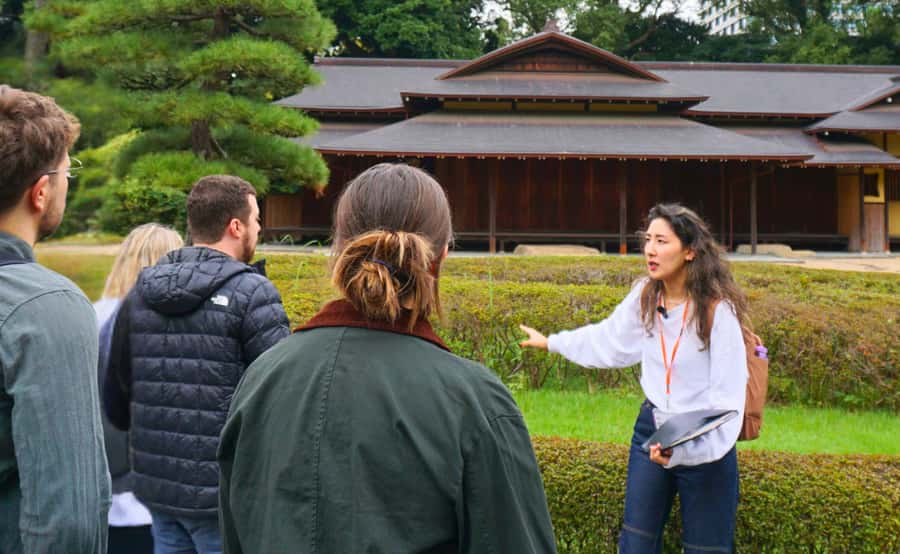
- Otemon gate start: you enter the Imperial Palace grounds at the main gate and keep moving with a guide.
- Edo Castle foundations: you’ll focus on what’s left of Edo Castle’s base rather than chasing a building that no longer exists.
- Unique koi highlight: you’ll meet a rare breed of koi found only here.
- Photo planning built in: the guide points out the best angles for pictures inside the gardens and ruins.
- Prefecture trees: you’ll notice trees connected to different regions of Japan.
- Small-group feel: at least some departures run small enough to make questions easy.
Tokyo Imperial Palace grounds: what you can and can’t see
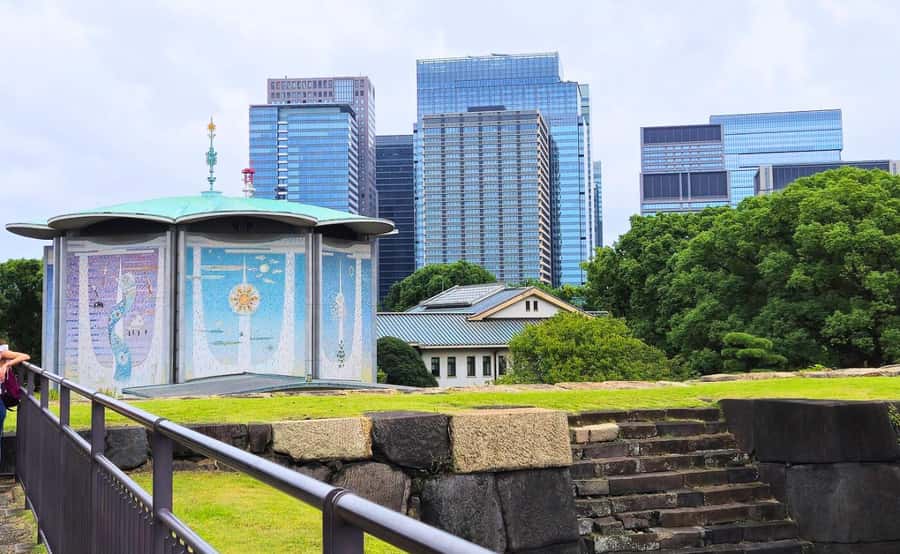
Tokyo Imperial Palace can be confusing at first glance. You’re in the center of power history, but most visitors expect a dramatic “main castle” moment—and the tour purposely frames what’s missing.
The tour centers on the eastern gardens and the palace ruins. The main castle no longer exists, and your guide explains why as you walk, so the absence doesn’t feel like a letdown. Instead, it becomes part of the lesson: how eras end, how new uses replace old ones, and what survives in stone, layout, and landscape.
A key boundary: you do not get access to the inner palace. That shapes the experience in a good way. You’ll spend your time in areas where walking, viewing, and context go together, instead of standing behind restricted lines.
You can also read our reviews of more guided tours in Tokyo



Price and what you get for $40: a guided historical walking loop
At $40 per person, this isn’t a budget-skip. It’s a classic “spend a little, learn a lot” kind of tour, mainly because the value is in the guided explanation and the way the route is chosen.
You’re getting a historical walking tour with a guide who connects the gardens and ruins to the bigger story of Japan’s evolution into the present. That matters because the grounds can look peaceful and timeless, even when you’re looking at evidence from very specific moments in the past.
If you like history only when it has a human shape, this is a strong match. The tour doesn’t just point at features; it ties them to why they mattered—especially the Edo period and the shift that followed.
Meeting at Starbucks near Wadakuramon Fountain Park
Getting started is simple once you know the exact target. Plan your train to Tokyo Station or Otemachi Station, then walk about 5–10 minutes to Wadakuramon Fountain Park.
From there, head toward Starbucks, where your guide waits near the fountain. The guide will hold a sign with the logo SUNRISE ADVENTURE. This kind of clear pickup setup helps you avoid the usual “which Starbucks” stress.
One small timing rule matters: be there within 10 minutes of the meeting time. After that window, the tour begins without you. I treat that as a real budget protection tip—missing the start isn’t just inconvenience, it can mean missing the full guiding storyline.
Entering through Otemon gate and the eastern gardens flow
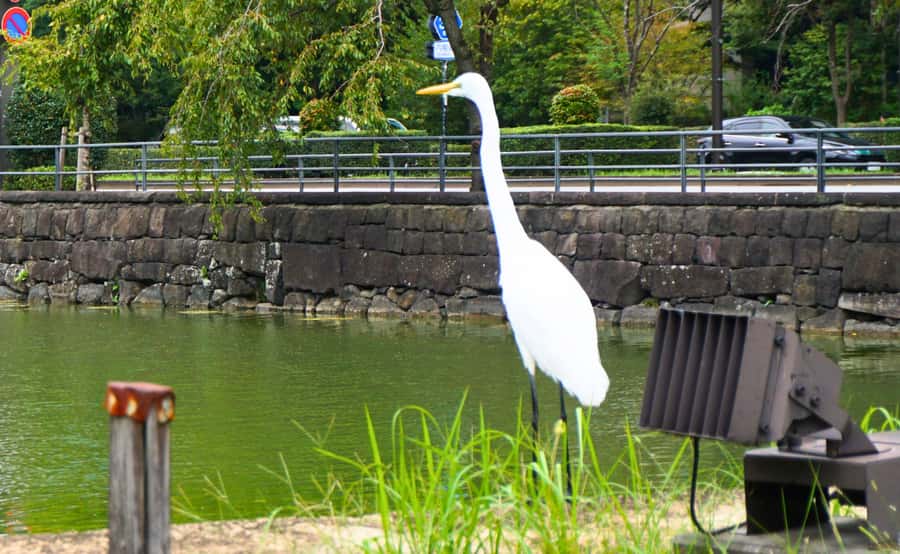
Once you pass through the otemon (main gate), the tour’s rhythm clicks into place. You’re not wandering randomly; you’re moving in a sequence designed to make the landscape readable.
You’ll follow your guide across the palace grounds and through the oriental garden areas. The point isn’t just scenic strolling. Your guide uses each section as a clue—how layouts relate to power, how gardens work as controlled space, and how the atmosphere of the area connects to its past function.
You also get a chance to see a miniature structure of the former palace. That’s a smart addition because, as you walk where things used to be, a small model can help your brain rebuild what you can’t see anymore. It’s the difference between guessing and understanding.
Edo Castle base and the story behind the missing main keep
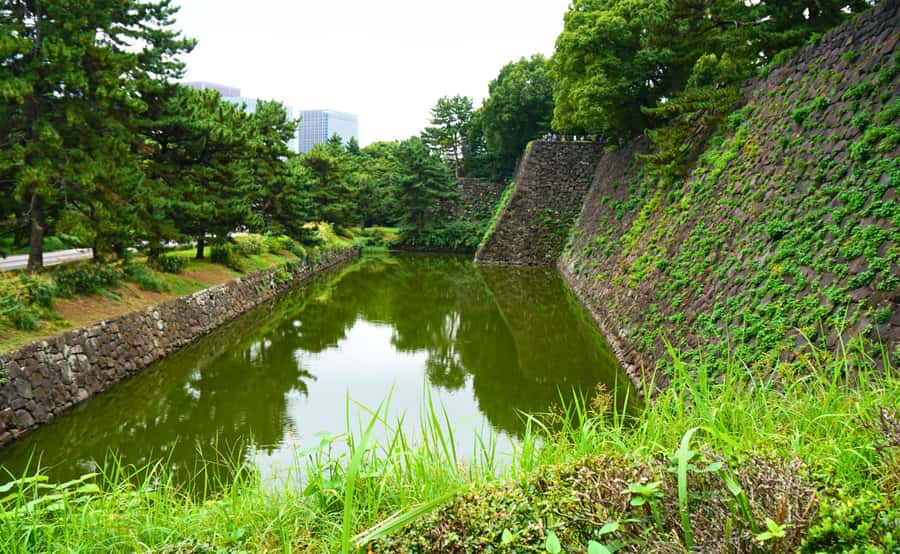
A standout part of this experience is the focus on Edo Castle more than 350 years ago. Instead of chasing a picture-perfect fantasy of what the castle looked like, you learn where the base was and how that earlier stronghold shaped the region.
You’ll also explore the former soldiers’ barracks area. That’s where the tour shifts from “royal gardens” to “how the system worked.” Barracks places the human element back into the geography—people lived and trained here, and that reality changes how you interpret everything you’re seeing.
And yes, you’ll hear why the main castle no longer exists. For many visitors, that’s the moment the tour becomes more than sightseeing. The guide’s explanation turns an obvious absence into context: what changed, what was lost, and what replacement structures or uses took over.
You can also read our reviews of more historical tours in Tokyo





Koi fish, prefecture trees, and photo-friendly moments
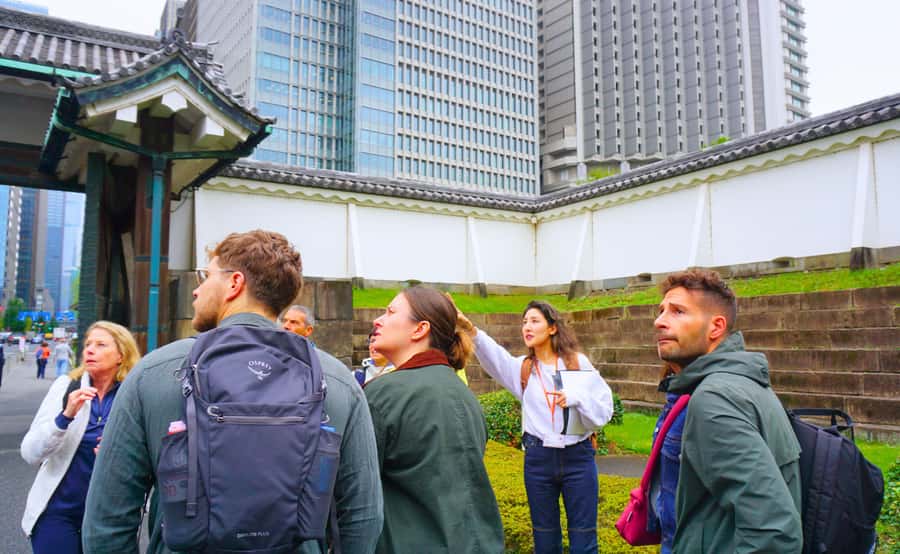
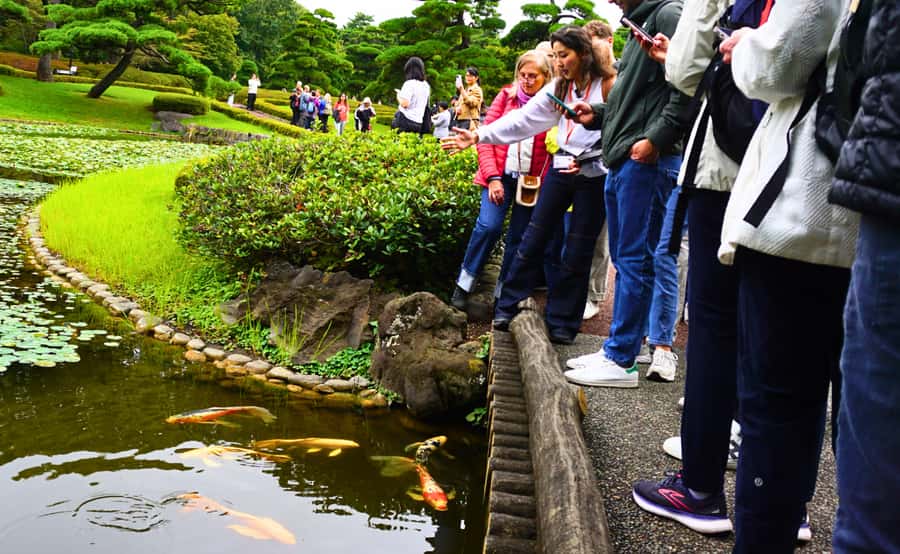
This tour has a fun streak, and it’s not just for laughs. You’ll get to meet a unique breed of koi that can be found only here. It’s one of those details that makes the grounds feel alive rather than like a museum backdrop.
There’s also a section with trees from different prefectures of Japan. You’ll notice how the grounds include variety in a deliberate way. That’s useful if you like nature but hate when “nature stops at plants.” Here, the tree selection connects to regional identity, not just aesthetics.
For photos, the guide helps you find the best spots. Even if you’re only using a phone, this makes a difference. You’ll understand where the light and angles work, and you won’t spend half your time walking in circles trying to find a postcard view.
Guide style: questions, mythology, and how the story lands
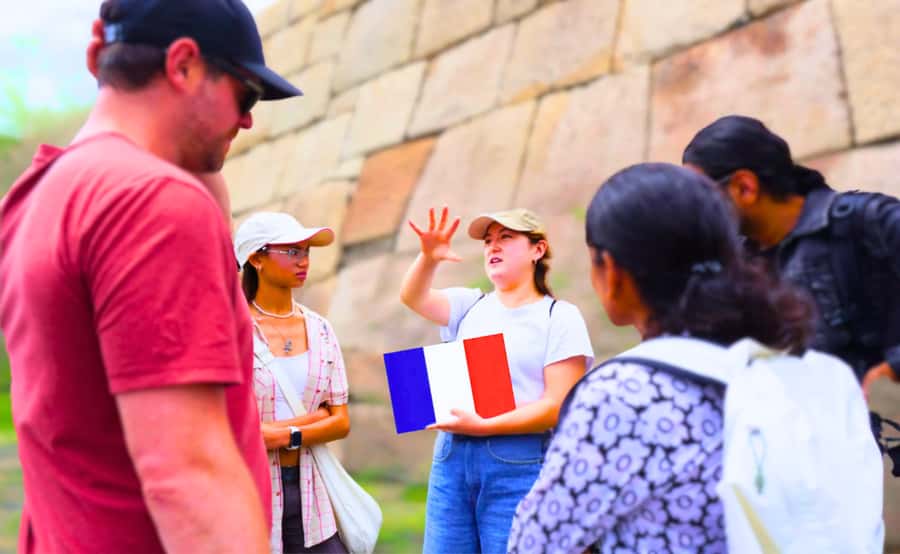
The biggest repeat praise for this experience is the guide’s ability to turn a walk into understanding. I like tours where I can ask small questions and get clean answers, and this one seems built for that.
Guides are listed as French, and some departures include Franco-Japanese staff such as Nicolas, who’s known for sharing details across topics like Japanese mythology and the language. That cross-topic approach is valuable because it helps you connect what you’re seeing to how people think, not just what happened in a textbook.
If you’re the type who enjoys asking why something is designed a certain way, or what a symbol means, you’ll likely get more out of this than someone who wants only dates and names.
One practical note: since French is stated in the tour info, language comfort matters. If you need English specifically, check at booking so you don’t arrive expecting one thing and get another.
Weather and etiquette: what you should plan for on the day

The tour runs in good weather or bad, so plan like you’re going to be outdoors. Wear clothing appropriate for the conditions, because you’ll be walking through gardens and along grounds where you can’t just hide indoors.
Also, the rules are clear and strict: no smoking, no drones, no alcohol and drugs, no littering, and no skateboards. It’s a helpful reminder that this is still an active, protected location. Following the etiquette keeps the experience calm for everyone.
If rain hits, bring something you can comfortably wear while walking. If it’s hot, wear breathable layers. The tour experience depends on your comfort level as much as on the information.
Getting the most from your palace-history walk
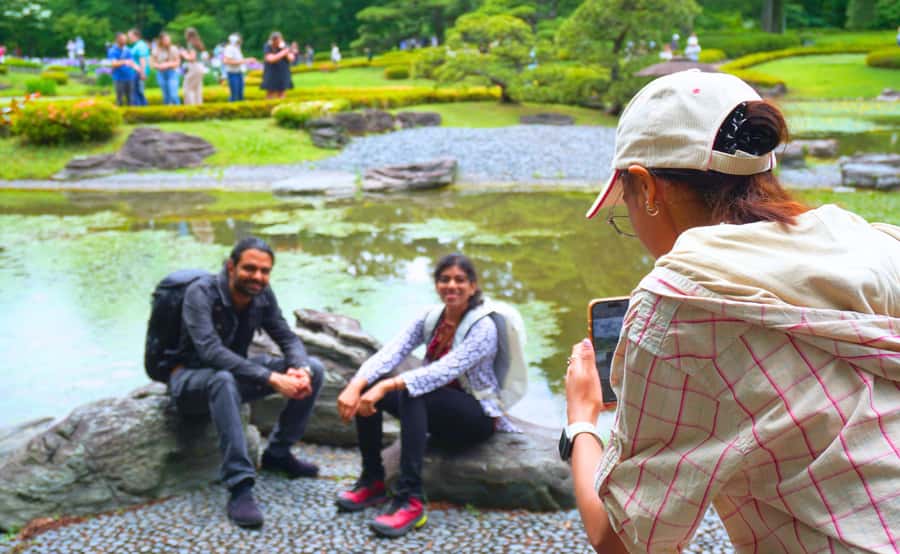
To enjoy this tour, go in expecting “history told through place.” You’re looking at gardens, remnants, and layouts that require interpretation. The guide’s job is to translate the ground into meaning, but you’ll get more from the walk if you stay curious as you go.
A good mindset is to compare what you see now with what the guide explains is missing. That’s especially true with the main castle absence. When you treat that as a teaching moment, the tour becomes more memorable.
Also, keep your phone charged. You’ll have multiple chances to photograph gardens and ruins, and the tour is built around photo-friendly spots rather than random stops that happen to look nice.
Who this Imperial Palace history tour is best for
This fits best if you want history with real context, not just a museum lecture. It’s a good choice for people who:
- enjoy walking tours that explain why landmarks matter
- want a clearer understanding of Japan’s evolution from Edo-era roots to modern life
- like gardens, but want the story behind the design
- appreciate small details like koi and tree variety
It may feel less exciting if your goal is only a big interior visit or if you specifically need inner palace access. This tour stays on the accessible grounds, and that’s intentional.
Should you book this Imperial Palace history walk?
I think you should book it if you want a guided, story-driven way to understand the Imperial Palace grounds without feeling lost. The value comes from the historical framing, the clear route through key areas, and the standout details like the unique koi and the Edo Castle base context.
Book it with a single caution: confirm the guide language before you commit, because the tour title and the language listing don’t perfectly match. If language is solved and you’re comfortable walking outdoors, this is a strong way to turn Tokyo’s calm palace grounds into an understandable chapter of Japan’s history.
FAQ
Is access to the inner palace included?
No. The tour does not include a visit to the inner palace.
Where does the tour start?
Meet at Starbucks near Wadakuramon Fountain Park. Your guide will be holding a sign with the SUNRISE ADVENTURE logo.
How do I get to the meeting point?
Take the train to Tokyo Station or Otemachi Station, then walk about 5–10 minutes to Wadakuramon Fountain Park.
What language is the guide?
The tour info lists French. If you need English specifically, confirm language when booking.
What is the price?
The price is $40 per person.
What should I wear?
Wear clothing appropriate for the weather. The tour runs in good weather or bad.
What items are not allowed during the tour?
Smoking, drones, alcohol and drugs, littering, and skateboards are not allowed.
What’s the cancellation policy?
You can cancel up to 24 hours in advance for a full refund.