REVIEW · TOKYO
Shinjuku: Golden Gai Food Tour
Book on GetYourGuide →Operated by Arigato Travel KK · Bookable on GetYourGuide
Golden Gai is a maze with a smoky soul. This Shinjuku food tour pairs yakitori and ramen with old-neon backstreets and a guided Golden Gai drink. You get a tight, English-led route through Tokyo nightlife that most people would never piece together on their own.
I like the small group size (up to 8), because the guide can keep things moving without losing the personal touch. I also like that you actually eat several times, including yakitori and ramen, not just a snack-and-walk experience.
One consideration: this is a 20+ nightlife tour, and many stops are dim, narrow, and focused on drinking, so it is not a good match if you want a quiet, early evening.
In This Review
- Key things I think you should know first
- Shinjuku at Night: why this route starts in the right pocket
- Meeting point: KISSATEN Tajimaya, West Gate exit, and the 5-minute reality check
- First flavors in Shinjuku: yakitori, smoke, and eating where locals actually hang out
- Ramen stop: a Tokyo shortcut for ordering and tasting
- Sushi and other local dishes: why this mix works better than a single-food tour
- Golden Gai history in plain English: post-war streets turned into tiny bars
- The Golden Gai drink stop: what to expect from the bar side of the story
- Your guide is the main attraction (Alex, Ray, Daniele, Wes, and more)
- Price and value: is $170 reasonable for 3 hours, food, and drinks?
- Nightlife reality check: who will love it, and who should rethink it
- Final call: should you book Shinjuku: Golden Gai Food Tour?
Key things I think you should know first
- You’re in a small group (max 8), so the pace feels human even on busy Shinjuku streets
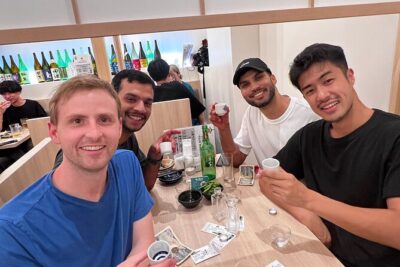
- Two drinks are included, and the night ends with a drink in Golden Gai
- You’ll eat more than one type of food: yakitori, ramen, and other local dishes along the way
- Golden Gai is the payoff: a maze of tiny pubs and karaoke spots, many just big enough for a few people
- Your guide steers etiquette and order strategy so you’re not fumbling with menus or vending machines
- It’s nightlife-first, so expect smoke, chatter, and bars that cater to adults
Shinjuku at Night: why this route starts in the right pocket
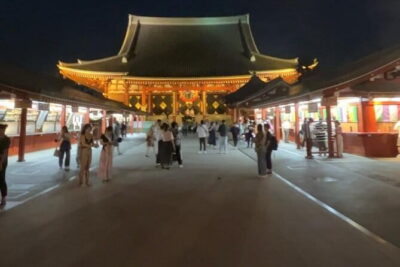
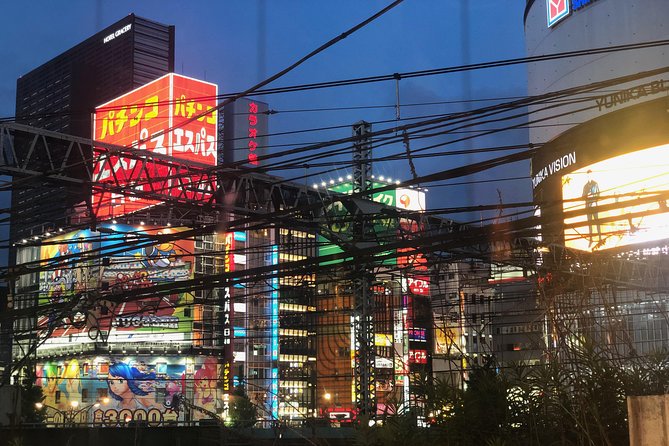
Shinjuku after dark has two personalities. You’ve got the huge, loud station area vibe that most first-timers know. And then you’ve got the smaller lanes that feel like you stepped sideways into another Tokyo. This tour is built for the second feeling.
It starts in West Shinjuku near KISSATEN Tajimaya Coffee House. That matters because it gets you away from the simplest tourist shuffle and into the lanes where you’ll notice the details—tiny storefronts, narrow alleys, and the kind of signage you only spot when you’re walking slowly.
And because the group is capped at 8, you’re not just herded between stops. You get time to taste, ask questions, and actually learn what you’re looking at.
You can also read our reviews of more food & drink experiences in Tokyo


Meeting point: KISSATEN Tajimaya, West Gate exit, and the 5-minute reality check
You meet in front of the KISSATEN Tajimaya Coffee House, at 1 Chome-2-6 Nishishinjuku, Shinjuku City, Tokyo 160-0023.
Directions are straightforward but still important in Shinjuku chaos. You follow signs for the West Gate to exit Shinjuku Station, then exit via B15. If you’re coming from another entrance, take a minute and map it once you’re on the right side of the station.
One small rule can save you stress: the guide can only wait 5 minutes after the starting time. After that, the tour departs. Also, once the tour starts, the guides can’t be reached for directions by phone, and you won’t be able to “catch up” by calling. Plan your arrival like you mean it.
First flavors in Shinjuku: yakitori, smoke, and eating where locals actually hang out
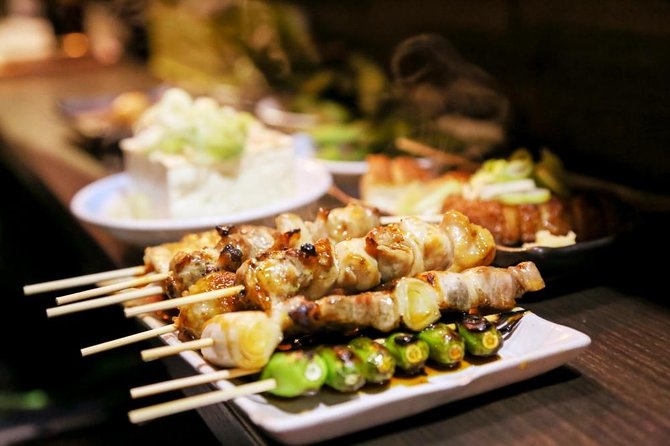
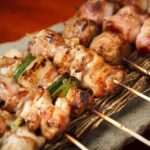
The most sensory part of this tour is the food corridor energy. You’ll walk through neon-lit streets and you’ll catch that unmistakable aroma of grilling skewers—smoke mixing with sweet soy and char. That smell is basically Shinjuku’s after-hours signature.
Yakitori is a centerpiece here. Expect skewers that are crispy outside, juicy inside, and built around the comforting Tokyo rhythm: order, wait a beat, then eat something hot while you’re still talking with your group. It is not fancy-foam dining. It’s the real stuff.
This is also where the guide earns their keep. Several guides (like Alex and Ray, based on past group experiences) are good at explaining what you’re eating and how to do it without being awkward. If you’re new to Japan, this tour helps you feel confident instead of stuck reading menus and guessing.
Ramen stop: a Tokyo shortcut for ordering and tasting
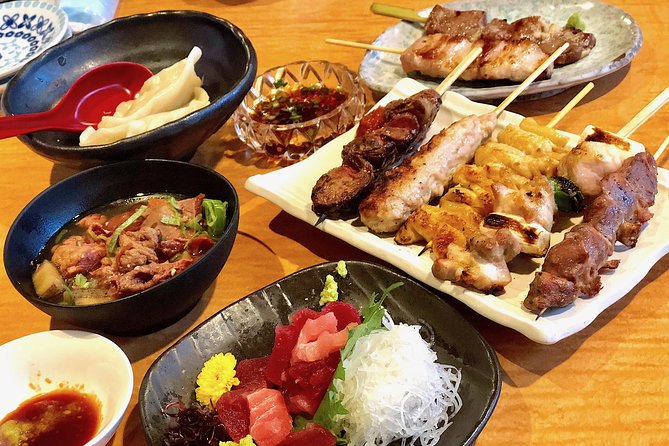
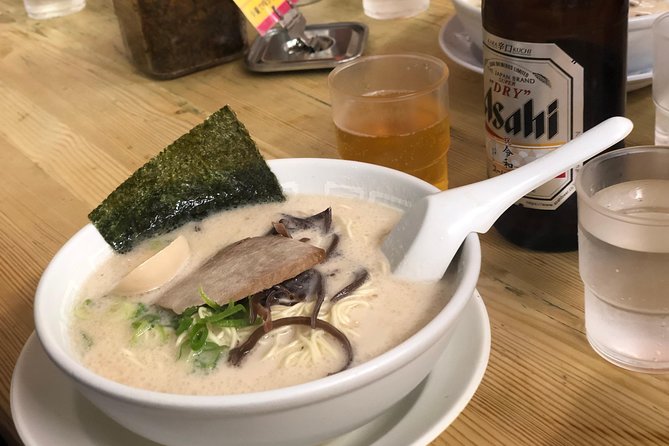
Ramen in Shinjuku is part comfort food, part street-culture machine. The tour includes a ramen tasting stop alongside the other food stops, so you’re not just chasing nightlife scenery—you’re building a proper meal from multiple bites.
Here’s the practical thing I love: your guide gives ordering tips that help you move fast. One useful example shared by prior participants is a note about the top left vending machine option at a ramen shop. If you’re the type who worries you’ll pick the wrong button and mess up the entire system, this kind of guidance matters.
And ramen is a great bridge between tourist and local. Everyone understands it. But only locals know which flavor balance hits hardest on a cold walk, or why the shop layout and ordering flow is the point.
Sushi and other local dishes: why this mix works better than a single-food tour
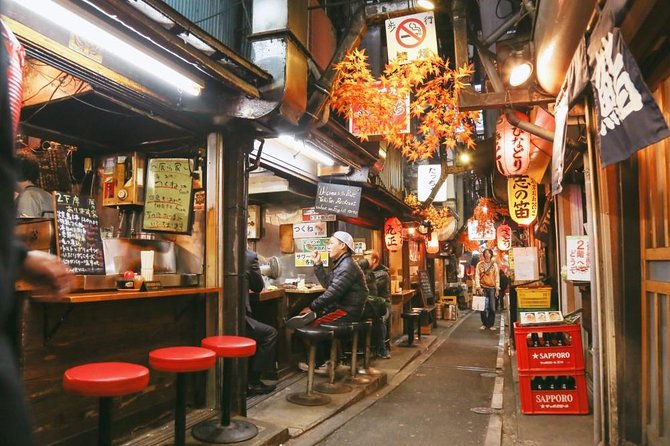
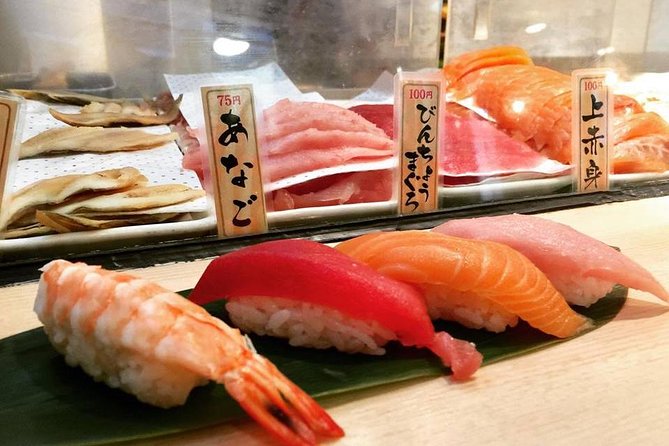
Not every bite is yakitori or ramen. The tour also includes a variety of dishes across multiple food stops. In past experiences, people have mentioned sushi nearby during the route, plus other local options that round out the flavors.
That variety is good value for you, because Tokyo can be tricky when you try to plan food alone. One spot might be amazing, but you might miss the places that are great for a quick bite-and-keep-walking night. With a tour, you sample enough range to start learning your own preferences—grilled skewers versus noodle broth versus whatever else the guide thinks you’ll enjoy.
One tip I’d give even if you’re an adventurous eater: pace yourself. With multiple tastings and alcohol involved, it’s easy to get full before Golden Gai. If that happens, you’ll still enjoy the nightlife drink—but you’ll feel rushed. Go slow early, so the last stop lands.
You can also read our reviews of more tours and experiences in Tokyo



Golden Gai history in plain English: post-war streets turned into tiny bars
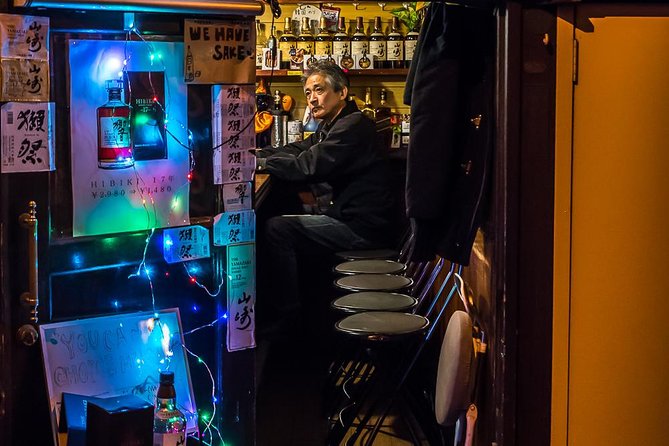
Then you move from food-lane Tokyo into story-lane Tokyo. Golden Gai is known as a maze of over 200 small pubs, quirky stalls, and karaoke spots, many sized for just a handful of people. It’s not one big bar you can scan. It’s a neighborhood of compartments.
The tour frames it with context: Golden Gai grew out of a post-war era when the area was associated with a bustling black-market culture, later evolving into today’s nightlife lanes. That historical angle makes the oddball details feel meaningful instead of random.
It also helps you understand the layout. When each bar is tiny, you’re not meant to stay long and talk loud across the room. You’re meant to drift, sip, and experience the personality of the place. The guide’s job is to keep you from feeling lost in the maze.
The Golden Gai drink stop: what to expect from the bar side of the story
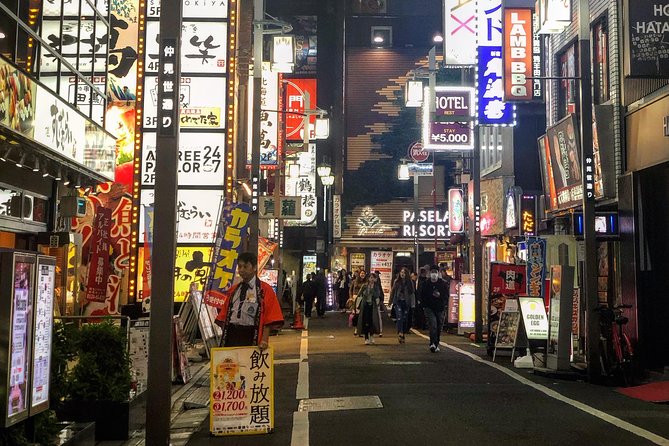
You finish with a drink in Golden Gai, and that is the logical payoff. The food stops feed you. Golden Gai then turns the volume up on the Tokyo nightlife vibe.
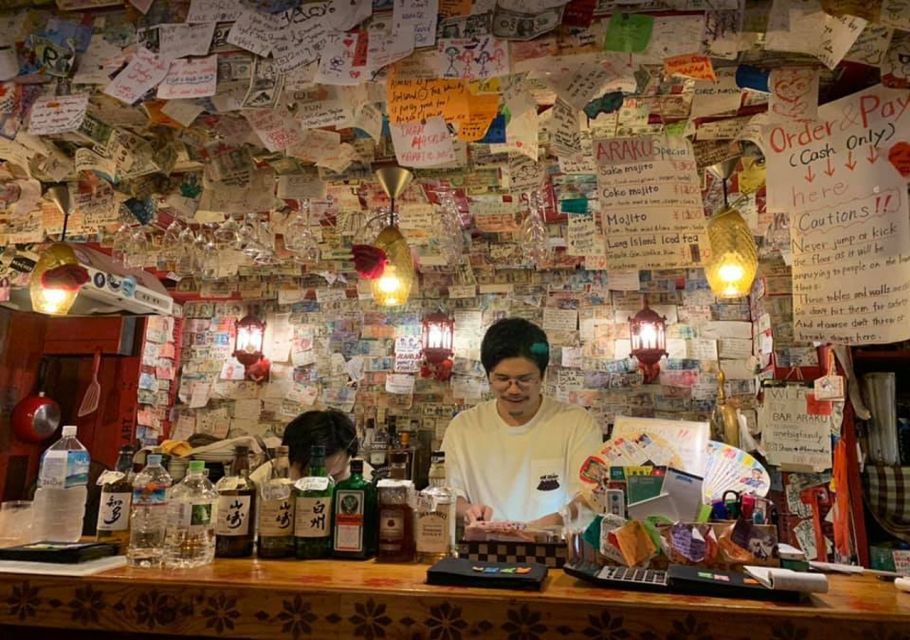
Many bars there have a retro look, with dim lighting and that classic “step inside and the outside disappears” feel. You may have the chance to sip something like sake, since the tour leans into the warm, cozy-drink side of the neighborhood.
Also, go in with the right mindset. Golden Gai is tiny by design. You may be shoulder-to-shoulder for a few minutes. You may have to squeeze into a small space. It’s not a restaurant experience where you spread out. It’s more like a series of mini encounters.
If you want a nightlife intro that feels authentic, this is one of the best ways to do it: you get a guide to translate the weirdness, and you get a drink to help you absorb the atmosphere.
Your guide is the main attraction (Alex, Ray, Daniele, Wes, and more)
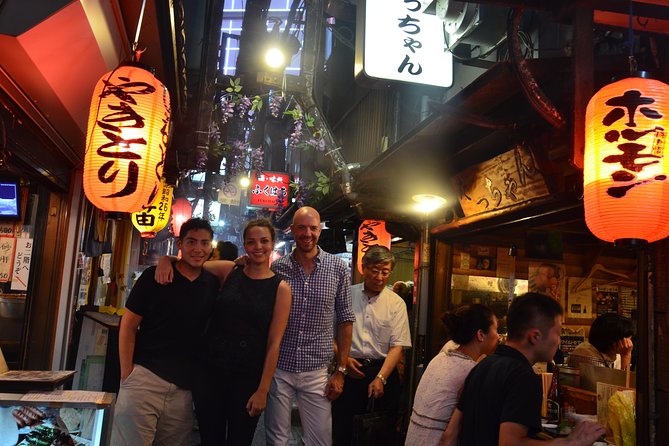
Let’s be honest: a food tour rises or falls on the person leading it. The guides for this tour have consistently shown strong knowledge and energy in past groups, including Alex, Ray, Daniele, and Wes.
The most praised strength is how they connect the dots. It’s not just walking. Guides explain Tokyo food culture and etiquette, so you know how to act at the table and how to order without stress. People also mention that guides are lively and attentive, and that they add useful travel tips along the way.
One extra detail that shows up in accounts is that some guides share historic photos as part of the storytelling—so you’re not just hearing words while you stare at buildings. It makes the post-war-to-now transformation easier to picture.
If you care about having a guide who can talk you through both food and culture, you’ll feel the difference fast.
Price and value: is $170 reasonable for 3 hours, food, and drinks?
At $170 per person for a 3-hour tour, this isn’t a budget activity. But it’s not priced like a ticketed museum either. The value comes from a few concrete things that are included:
- multiple food stops with a variety of dishes
- yakitori and ramen as key hits
- two drinks included
- a bar visit in Golden Gai
- an English-speaking guide
- a small group size, limited to 8 participants
So you’re paying for coordination and access. If you tried to build this yourself, you’d spend time figuring out where to eat, how to order, and how to navigate Golden Gai without wasting the night. Tours like this compress that learning curve into one evening.
That said, balance matters. A couple of experiences have suggested the food quality can feel only average for some people, likely because tour logistics require venues that can handle groups. If you’re a serious foodie hunting for the single best bowl of ramen in Tokyo, you might still find your own favorites later. This tour is more about cultural entry and convenience than about every bite being top-tier.
Nightlife reality check: who will love it, and who should rethink it
This tour is built around nightlife and drinking, which means it has a clear rule: you and your group must be 20 or older. If you’re younger, it simply won’t fit.
You should also know what your senses will face. Expect smoky grilling smells, dim bar interiors, and a lot of street noise. This is part of the point. Golden Gai is famous for being strange and lively, and that comes through in the atmosphere.
Who it suits best:
- first-time visitors who want a guided Tokyo night
- people who enjoy eating while walking
- anyone who wants Shinjuku stories tied to food and etiquette
Who should skip or choose another style:
- anyone wanting a quiet early dinner pace
- people who dislike bar settings or alcohol-centered itineraries
- serious food critics who want to chase the very best independent spots at every stop
Final call: should you book Shinjuku: Golden Gai Food Tour?
If you want a Tokyo night that feels like you’ve been let into the city’s back channels, this is a strong pick. The mix of multiple tastings, two included drinks, and a Golden Gai drink finish hits the core of why people come to Shinjuku after dark. Add in the small-group size and the fact that guides often cover etiquette and ordering tips, and it becomes more than a walk—it becomes confidence-building.
I’d skip it only if you’re uncomfortable with nightlife bars, smoke, or drinking culture, or if you’re expecting every bite to rival the absolute best solo spots in town. Otherwise, book it, show up a little early, and let the maze of Golden Gai do its thing.