REVIEW · TOKYO
Tokyo/Ikebukuro Manga lesson by acitive pro-Manga artists
Book on GetYourGuide →Operated by MANGA DOJO TOKYO · Bookable on GetYourGuide
Pro manga skill, packed into two hours. You’ll learn character creation and drawing techniques from active professional manga artists, with English interpretation to keep the lesson smooth. It’s held near Ikebukuro in a real manga-heavy spot, right next to Animate, so the whole experience feels like Tokyo pop culture instead of a museum lecture.
I especially like the small group size (up to 8), which makes it easier to get specific guidance when your panel or face proportions go weird. I also like the hands-on tools: you’ll use pro-grade supplies such as a G-Pen and screen tone materials, then apply what you learn immediately. One thing to consider is the fit between expectations and time: at $127 for 2 hours, it’s fun and focused, but it won’t turn you into a working manga artist, and some people may want more detailed instruction than a short workshop can provide.
In This Review
- Quick hits before you commit
- Ikebukuro workshop setup: next to Animate, easy to plug into your day
- Two hours with working manga artists: what you’ll learn
- Course levels: Beginner, Intermediate, and Advanced
- Beginner Course (10:00–12:00)
- Intermediate Course (13:00–15:00)
- Advanced / Professional Course (15:00–17:00)
- Hands-on drawing tools: G-Pen and screen tone practice
- Your short story comic: how yonkoma makes storytelling easy
- Asking about the manga life: career and behind-the-scenes value
- Price and value check: $127 for tools, interpretation, and pro time
- Logistics that actually matter: what to plan, what to bring, how to fit it
- Who this Tokyo manga lesson is best for
- Should you book this Tokyo/Ikebukuro manga lesson?
- FAQ
- How long is the Tokyo/Ikebukuro manga lesson?
- Where is the class located?
- Do I need drawing experience?
- Are art supplies and tools provided?
- Is there English help during the class?
- Is food included?
- Is it suitable for wheelchair users and young children?
Quick hits before you commit
- Active pro manga artists lead the class and you can ask career questions directly
- Up to 8 people means you’re not lost in a crowd
- Real drawing tools are included, including G-Pen and screen tone supplies
- Make your own characters and a short comic in the workshop
- English interpretation helps you follow the steps without guessing
- Near Ikebukuro + next to Animate makes it easy to plan around shopping and street life
Ikebukuro workshop setup: next to Animate, easy to plug into your day
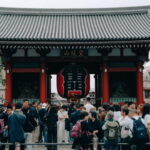
This class runs in the Ikebukuro area, at a venue near the station and right beside Animate. That location matters more than you might think. If you’re already in the middle of Tokyo’s manga and anime world, you won’t spend your limited time commuting across town, and you can roll straight into the neighborhood after class with zero stress.
Meeting point details can vary by the option you book, but you can expect to start near the Animate side of Ikebukuro. The timing is also built for a “one-and-done” outing: the workshop itself is 2 hours, with no extra half-day add-ons.
One small planning note: the experience includes art supplies and interpretation, but food and drinks are not included. If you’re doing this around lunch or dinner time, I’d schedule a quick meal nearby before you start, so you’re not trying to concentrate while hungry.
You can also read our reviews of more tours and experiences in Tokyo



Two hours with working manga artists: what you’ll learn
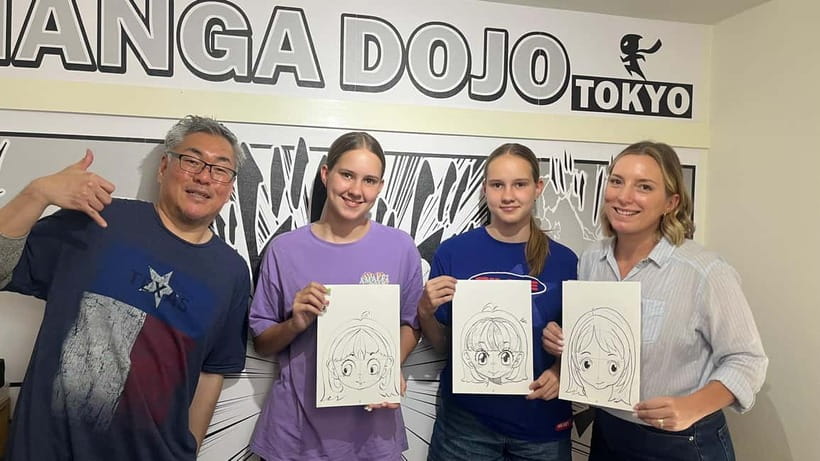
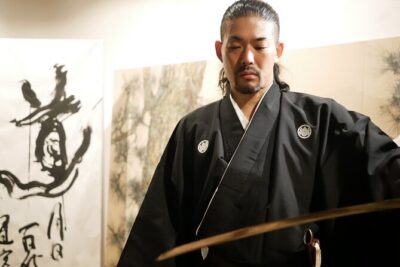
This is a manga artist experience led by people who actively publish manga. You’re not only watching someone draw; you’re learning the basics of how professionals think about manga storytelling and character design.
The class includes a mix of:
- Manga history and pop-culture context (enough to give you reference points for what you’re drawing)
- Hands-on instruction for drawing characters and manga styles
- Practical workshop time to create your own character ideas and comic
For many students, the “aha” moment is realizing how structured manga drawing actually is. Faces, expressions, and panel choices aren’t random artistry. You’re taught methods you can repeat: how to build a character, how to plan a panel, and how to bring a short story together using manga conventions.
You also get Q&A time. That part is genuinely useful if you’ve ever wondered how manga artists make a living, what their daily workflow feels like, or how they build a career. In one class context, the experience has included translation by Akari, and instruction by manga professional Kazuo Maekawa, which fits the overall promise of active, working guidance rather than a generic art talk.
Course levels: Beginner, Intermediate, and Advanced
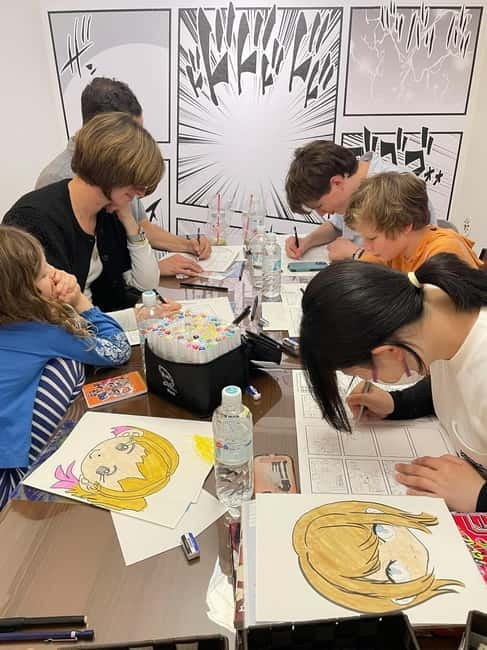
The workshop is offered in three course levels, and your choice changes what you’ll produce in the time you have. If you pick the wrong level, you can still have fun, but you might miss what you wanted most.
Beginner Course (10:00–12:00)
This option is designed for children (junior high and younger) and families, with no drawing experience required. You’ll focus on simpler character drawing and basic manga techniques in a friendly pace. If your goal is mostly creativity and “I made something cool,” this tends to be the easiest entry.
Intermediate Course (13:00–15:00)
This one fits high school students and adults who’ve drawn illustrations or manga as a hobby. The workshop includes character design, chibi drawing, and a 4-panel comic (yonkoma). That last piece matters: yonkoma teaches you timing in mini-stories, and you’ll see how expression and framing create the punchline or emotion.






Advanced / Professional Course (15:00–17:00)
If you’re aiming higher—more specialized production and more career talk—this is the session. It includes advanced character design, panel layout and storyboarding, plus anatomy and facial expressions. You’ll also get manga artist career advice and Q&A aimed at more serious learners.
Hands-on drawing tools: G-Pen and screen tone practice
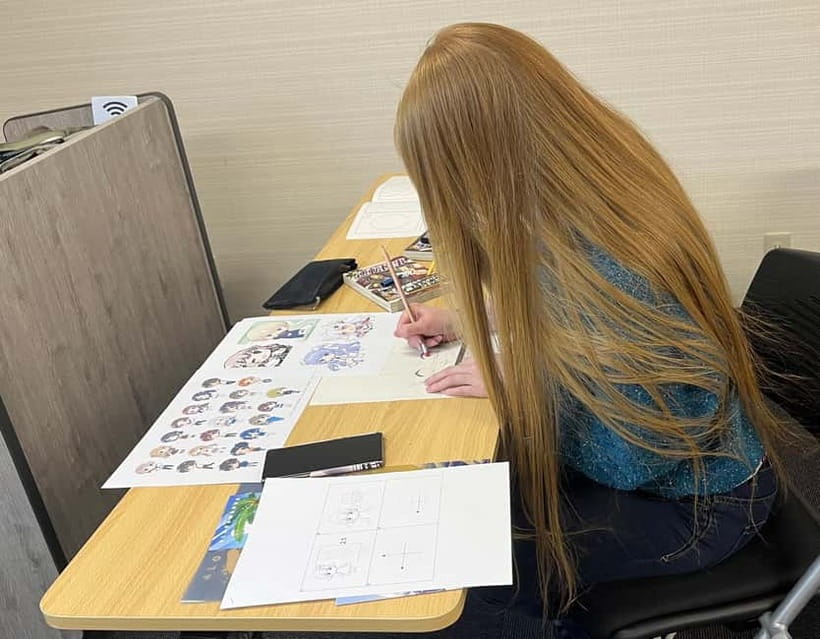
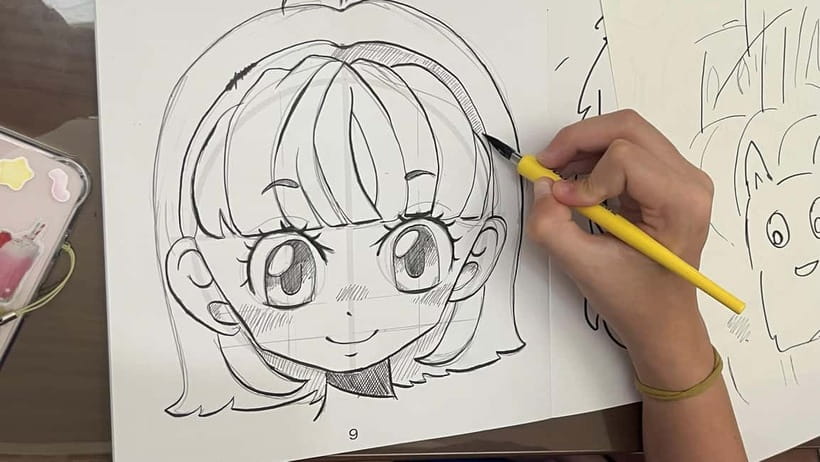
This is not a pencil-only class. You’ll use dedicated manga drawing tools included with the workshop, including a G-Pen and screen tone materials. That’s a big value point because the look of manga relies on specific effects—especially shading and texture. When you use the right tools during the lesson, you’re learning technique and style at the same time.
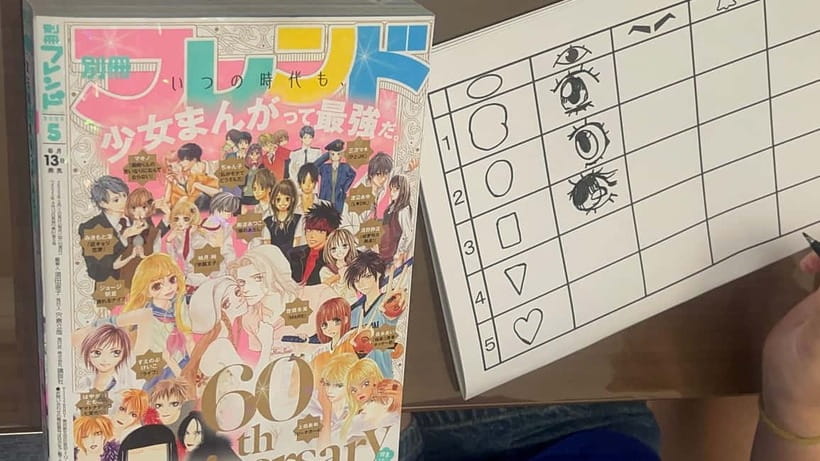
The class also gives you structured steps so you’re not stuck staring at a blank page. You’ll work through how to build a character face and shapes, then move into your own creation. In one described session, students practiced a character face step-by-step before drawing something specific like a cute character, which is the kind of guided pacing that helps beginners actually finish something.
The practical upside for you: even if your drawing skill is basic, tool guidance makes your results look intentional. That’s how you walk out with a finished piece instead of a half-finished sketch and a sigh.
Your short story comic: how yonkoma makes storytelling easy
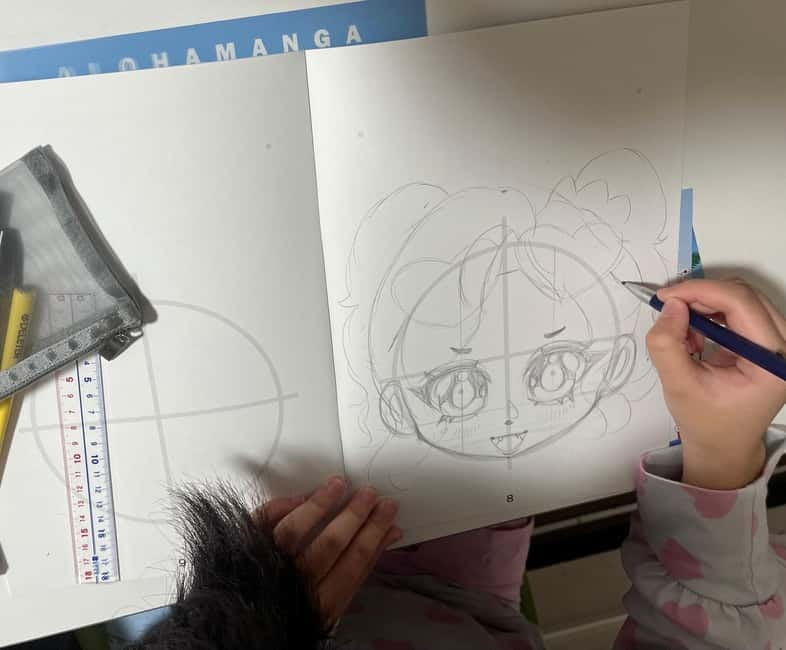
A major highlight is that you can create a short story comic during the class. Depending on your course level, that may mean a 4-panel yonkoma structure, plus character work and panel planning.
Why yonkoma is such a smart workshop format:
- It’s short enough to complete within 2 hours
- It teaches you basic pacing (setup, twist, or reaction)
- It forces you to think about expression and framing, not just drawing
You’ll be guided to create original manga characters, then turn that into a small narrative. If you’ve ever liked manga but felt intimidated by storytelling, yonkoma is the trick: you’re not writing an epic plot. You’re making a tiny moment work.
There’s also a group element designed for teamwork through group activity manga production. Even if you’re drawing solo at heart, group work can help you move faster, because you’ll see how other people interpret the same prompts.
Asking about the manga life: career and behind-the-scenes value
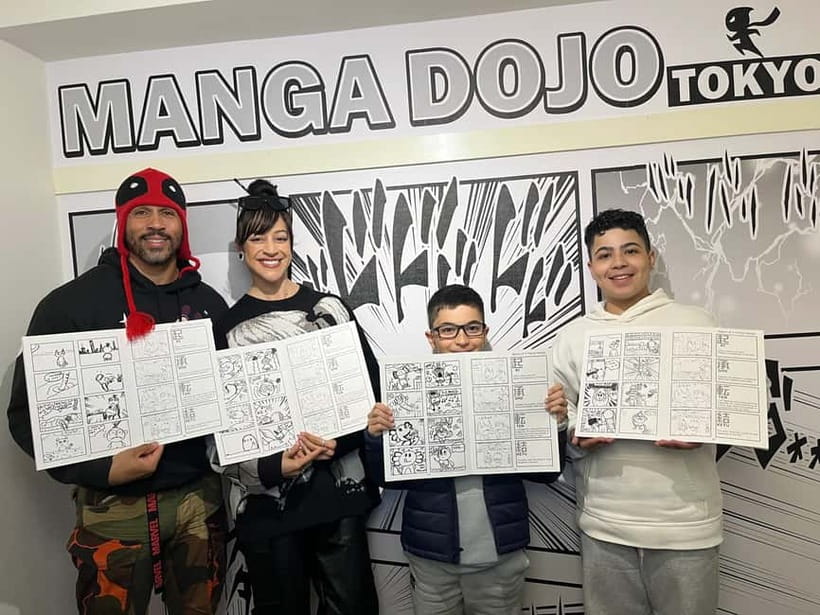
This workshop doesn’t treat manga like a hobby only. It also addresses the real-world side—how manga artists work, how they think about creating consistently, and what a career path can look like.
In practice, that Q&A time is where you get the most personal answers. You can ask direct questions about how professionals make a living or what their daily life looks like. That’s not the kind of content you get from videos or tutorials, because you can adapt your question based on what you’re learning while you draw.
If you’re interested in the industry, this is a strong reason to choose the Advanced/Professional session, where career advice and Q&A is part of the core plan.
Price and value check: $127 for tools, interpretation, and pro time
Let’s talk money honestly. $127 for 2 hours is not cheap for a class. The best way to judge value here is to look at what’s included and what kind of teacher you’re paying for.
You get:
- Pro-led instruction by active manga artists
- English interpretation
- All manga drawing equipment (not just a generic sketchbook and pencil)
- A small gift from a manga artist
On top of that, you’re in a small group of limited size, which makes your tuition go further than it would in a larger workshop. If you’ve ever paid for art lessons where you get only a quick glance from the instructor, this is the opposite setup: the format is designed to keep you moving and help you finish.
That said, one potential downside you should factor in is expectation management. If you’re hoping for a highly detailed, advanced breakdown of manga techniques line-by-line (or a serious professional-portfolio course), the short duration may feel limiting. A higher price can also feel harder to swallow if you think you’ll learn every advanced trick. This workshop is more like a high-quality foundation plus guided practice, not a full professional training pipeline.
Logistics that actually matter: what to plan, what to bring, how to fit it
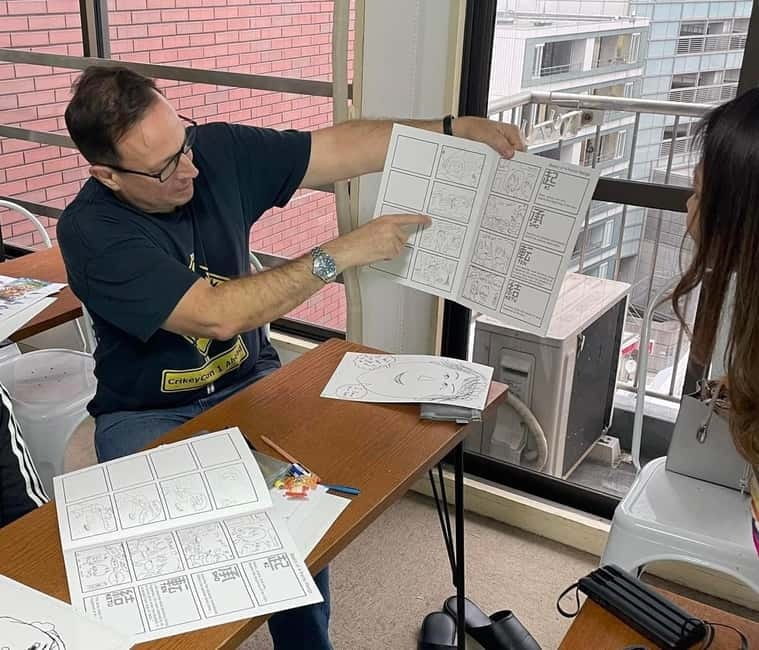
Because you’re drawing during the session, timing matters. Try to arrive with enough time to settle in and start cleanly; rushing in can make it harder to follow the steps, especially in a course where you’re learning tools like screen tone.
Also consider your energy level. Two hours goes fast when you’re drawing and listening through interpretation. If you do it late in the day after a long walking stretch, you might feel mentally tired even if your hands are fine.
What to bring is simple: the workshop includes all equipment, so you don’t have to carry drawing supplies. Food and drinks aren’t included, so plan to handle those on your own before or after.
Who this Tokyo manga lesson is best for
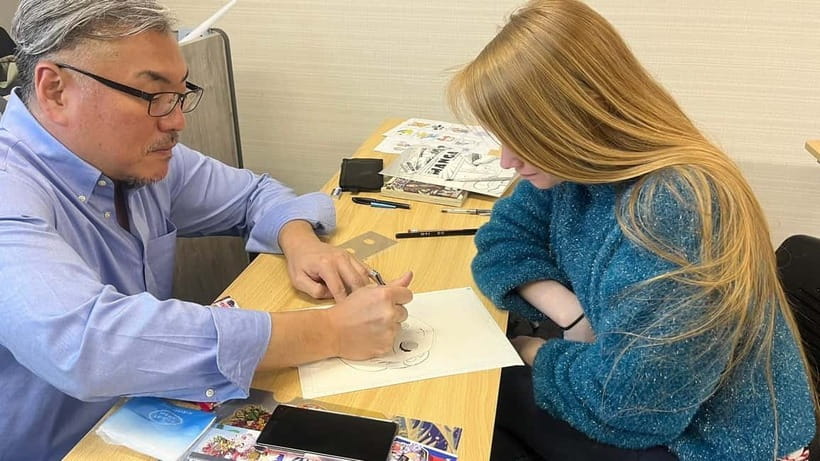
This is a strong pick if:
- You want hands-on manga drawing instruction in a short time window
- You’re excited by manga character design and want to make something original
- You like pop-culture experiences that feel authentic, not staged
- You want English support without sacrificing the pro atmosphere
It’s especially family-friendly at the Beginner level, since it’s built for children (junior high and younger) and families. If you’re an adult with hobby-level drawing experience, the Intermediate option is a good match, because chibi and yonkoma are practical skills you can use again later.
If you’re truly aiming at professional-level output, the Advanced session may feel closer to what you want, because it includes more about panel layout, storyboarding, anatomy, and expressions, plus career Q&A.
One caution: the activity information includes a note that it’s wheelchair accessible, but it also lists wheelchair users as not suitable. If accessibility is important for your planning, I’d contact the operator before booking to confirm the real on-the-ground setup.
Should you book this Tokyo/Ikebukuro manga lesson?
Book it if you want a fun, structured, pro-taught experience in Ikebukuro, with included tools and English interpretation, and you’ll enjoy finishing a short comic during the session.
Skip (or reconsider level choice) if you’re chasing ultra-advanced instruction for a long time, or if the $127 price makes you feel like you need a bigger time commitment to justify it. This is a tight workshop: it’s great for learning foundations, gaining confidence, and taking home a tangible drawing result.
If you’re on the fence, choose the course level that matches your drawing comfort. Beginner is easiest for young kids and first-timers. Intermediate is the sweet spot for hobbyists wanting real storytelling practice via yonkoma. Advanced is for learners who want more production technique and career-focused Q&A.
FAQ
How long is the Tokyo/Ikebukuro manga lesson?
The workshop runs for 2 hours.
Where is the class located?
It’s held near Ikebukuro, right next to Animate. The exact meeting point may vary depending on the option you book.
Do I need drawing experience?
No experience is required. That said, there are three course levels (Beginner, Intermediate, Advanced) and the lessons are aimed at different abilities.
Are art supplies and tools provided?
Yes. The experience includes all equipment for manga drawing, including specialized tools like a G-Pen and screen tone supplies.
Is there English help during the class?
Yes. English interpretation is provided, along with Japanese.
Is food included?
No. Food and drinks are not included.
Is it suitable for wheelchair users and young children?
The information says it’s wheelchair accessible, but it also lists wheelchair users as not suitable, so it’s best to confirm before booking. Children under 5 years are not suitable.