REVIEW · TOKYO
Tokyo/Ikebukuro Manga drawing workshop by pro-Manga artists
Book on Viator →Operated by Manga lesson by Professional Manga artists · Bookable on Viator
You’ll leave with ink on your fingers. This two-hour Tokyo workshop in Ikebukuro teaches manga basics with real one-on-one-style attention in a small group.
I like the way the class is built for different comfort levels, from first-time doodlers to people who already draw. You also get guidance from pro manga artists, so the feedback feels practical instead of vague.
One thing to consider: you’ll want to pick the right course level (Beginner, Intermediate, or Advanced) so you’re not stuck working too far above or below your current skills.
In This Review
- Key things I’d plan around
- Manga Dojo Tokyo in Ikebukuro: a smart base for your day
- What “course levels” really mean for you
- The two-hour workshop: what you learn and how it clicks
- Turning your Tokyo moments into manga (not just copying)
- Drawing with pro manga artists: what you’re really paying for
- Supplies and take-home souvenirs: the payoff after class
- So is it worth $114?
- How to fit this into your Tokyo day (without wrecking your schedule)
- Who this manga drawing workshop is best for
- The bottom line: should you book it?
- FAQ
- How long is the Tokyo manga drawing workshop?
- How much does it cost?
- What’s the group size?
- Do I need drawing experience?
- What course levels are offered?
- What will I create during the class?
- Are art supplies included?
- What souvenirs do I receive?
- Is cancellation free?
Key things I’d plan around
- Small group size (max 8): enough time to ask questions without feeling rushed
- Three course levels: Beginner, Intermediate, and Advanced so you can match your starting point
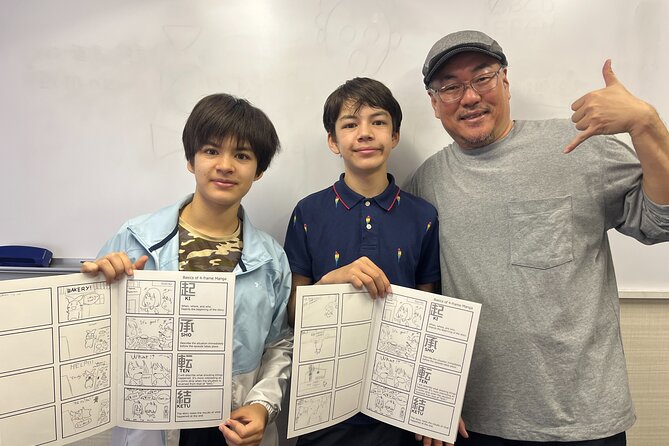
- Manga process taught end-to-end: story structure, panel layout, and character design
- Travel-memory option: you can turn your trip moments into manga, not just generic practice
- Take-home souvenirs included: original clear file plus a set of three postcards
Manga Dojo Tokyo in Ikebukuro: a smart base for your day
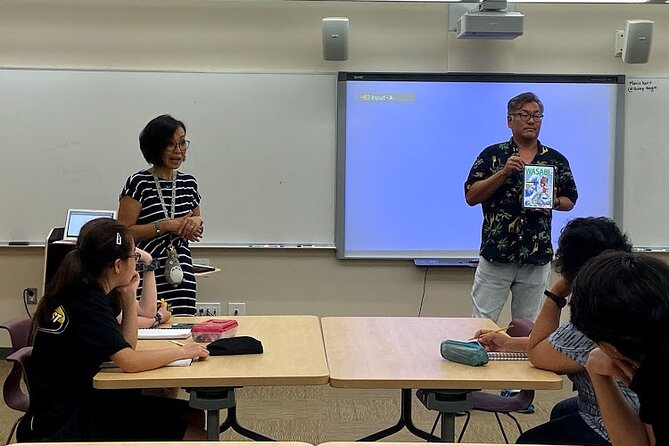
Ikebukuro is one of those Tokyo neighborhoods where getting around feels easy. Your workshop starts at Manga Dojo Tokyo at Higashiikebukuro (Toshima City). That matters because you can treat this like a true “do a thing” activity, not a half-day logistics puzzle.
The class is short—about 2 hours—so it fits neatly between other plans. Afterward, you’re not stuck far from transit. The location is also close to public transportation, which is a big deal when you’re balancing shopping, food, or sightseeing the same day.
And yes, it’s in a place specifically made for manga learning. That changes the vibe. You’re not trying to draw in a random room with supplies that don’t quite match what you need. Here, you’re in a dedicated studio setup, with materials provided.
You can also read our reviews of more tours and experiences in Tokyo



What “course levels” really mean for you
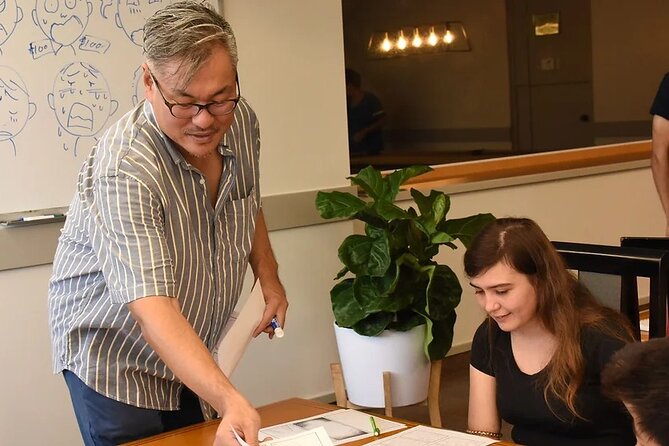
The workshop offers three course levels: Beginner, Intermediate, and Advanced. That’s not just marketing fluff. In a timed, hands-on class, your level determines how quickly you move from basic shapes into panels, expressions, and composition.
If you’re new to drawing, the big win is momentum. You’ll get a step-by-step path so you’re not staring at a blank page wondering where to start. If you already have drawing basics, you can use the session to sharpen manga-style decisions—especially around character design and how panels work together.
If you’re more advanced, you’ll still benefit from structured constraints. Manga is not only about drawing; it’s also about how a page tells a story. Having an artist-pro teacher steer you can help you stop guessing and start choosing.
One practical note: if you’re coming with younger kids, the workshop advises choosing a course that fits them. That’s worth taking seriously. A class that’s paced for adults can feel frustrating for children, and a class that’s too basic won’t challenge them.
The two-hour workshop: what you learn and how it clicks
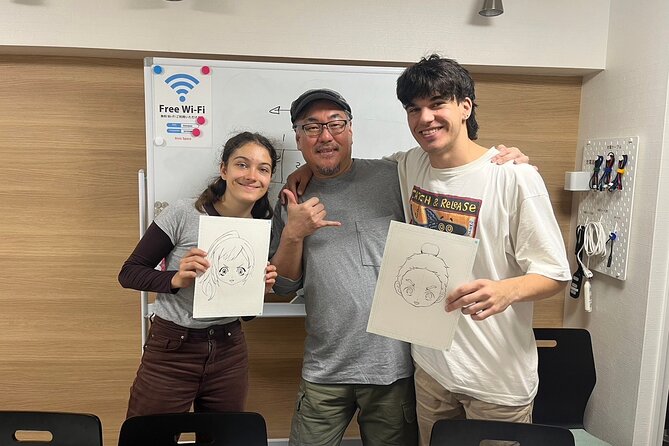
In 2 hours, you learn a surprising amount. The workshop focuses on the full manga creation workflow, not just “here’s how to draw a face.”
The process you’ll cover can include:
- Story structure
- Panel layout
- Character design
- Then a finish that becomes a custom creation you can take home
The reason this matters is simple: manga looks effortless when you know the rules. Once you understand the panel flow—how one moment leads to the next—your drawing stops being random and starts feeling like storytelling.
You also have multiple course themes. The workshop content can focus on experience drawing, travel-memory manga, professional guidance, and chibi-style original characters. The exact mix depends on which course you choose, but you can think of it like this:
- If you want the classic path, you work on the core process.
- If you want something personal, you turn your trip moments into a manga scene.
- If you want a fun character outcome, you can focus on original character design, including chibi-style drawing.
Even if you don’t know Japanese art terms, you’ll still be able to follow. The class includes an English guide, and the teaching approach is built for hands-on practice.
Turning your Tokyo moments into manga (not just copying)
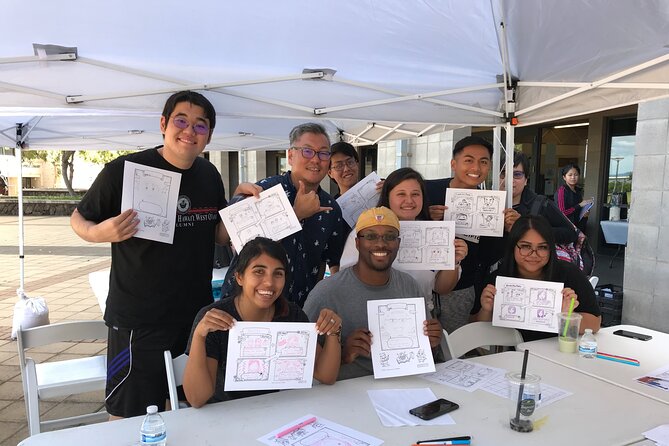
One of the most appealing parts of this experience is the option to turn travel memories into manga. That changes the whole feel of the class.
When you’re drawing a scene from your day—something you actually saw—you stop trying to invent everything from scratch. Instead, you translate what you know into manga form: a character reaction, a familiar landmark vibe, or a small moment that becomes funny when redrawn.
It’s also a souvenir you can’t buy. A postcard is nice, but it’s generic. Your manga scene is personal—proof you spent your Tokyo time doing something creative instead of only watching.
If you’re traveling solo, this is a great way to make a visual “snapshot” of your trip. If you’re traveling with a partner or friends, you’ll often find it’s easier to compare results when you start from your own experiences.
Drawing with pro manga artists: what you’re really paying for
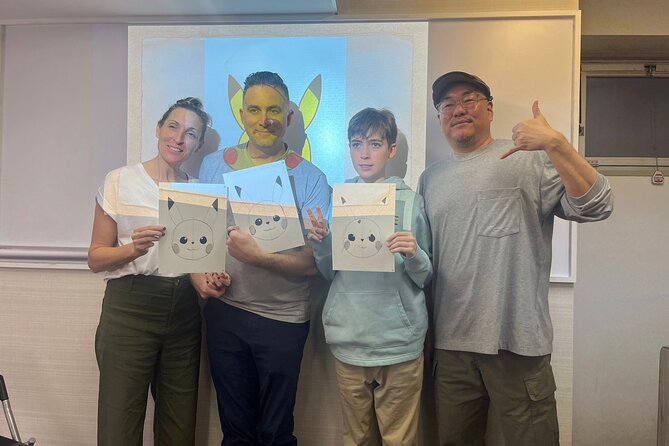
The price isn’t just for sitting in a room. You’re paying for instruction that speeds up learning.
A professional manga artist can spot the tiny issues that make a drawing look off—like proportion, how expressions read at a glance, or how to structure a page so it feels like manga rather than “a drawing someone made.” With the short time window, having expert feedback is the difference between progress and frustration.
The class also runs as a small group, with a maximum of 8 travelers. That size is key. In larger classes, you often wait your turn. Here, you can ask questions and adjust while the idea is still fresh in your head.
Based on what I’d expect from this setup, the teacher time tends to be most valuable when you get stuck mid-drawing. That’s when having an artist-pro guide your next move prevents that sinking feeling of starting over.





Supplies and take-home souvenirs: the payoff after class
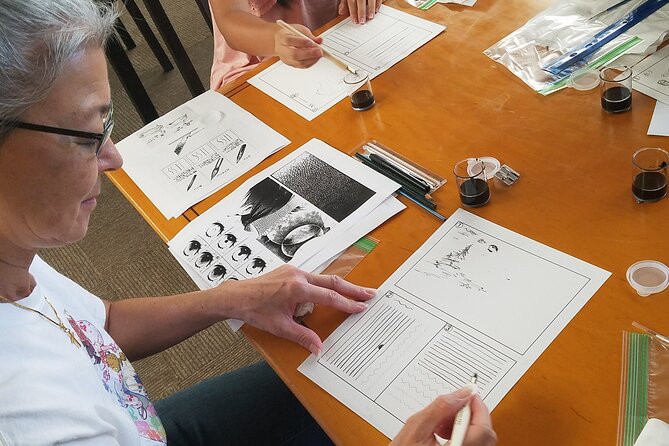
Materials are included, which makes this activity easier to plan. You get manga drawing supplies such as screen tones, pens, and comic paper. The class also provides a MANGA DOJO TOKYO original clear file plus a set of three postcards as souvenirs.
Those postcards are more than decoration. They’re like physical proof that you participated in a guided creative experience. And because they’re included, you’re not standing at a shop afterward thinking, I guess I should buy something.
Also, screen tones are a big part of manga styling. If you’ve never used them before, you’ll learn how they add texture and shadow quickly, without requiring heavy shading skills. That’s a practical shortcut for anyone who wants results fast.
Two things not included: bottled water and snacks. Keep that in mind so you don’t show up thirsty and distracted.
So is it worth $114?
At $114 per person for roughly 2 hours, the value depends on what you want from the activity.
If you’re looking for a quick cultural activity, it might feel like a pricier stop—especially compared with food or museum entry. But if your goal is skill-building plus a personalized souvenir, it can be a strong deal.
Here’s the practical value math:
- You get a small-group class (max 8), not a mass workshop.
- You get pro instruction from professional manga artists.
- You get supplies included, including screen tones and comic paper.
- You leave with take-home items (clear file + three postcards) tied directly to your experience.
In other words, you’re paying for guided learning and materials, not just for attendance. If you enjoy hands-on experiences, manga in particular, or you want something different from typical sightseeing, this is the kind of purchase that tends to feel justified.
How to fit this into your Tokyo day (without wrecking your schedule)
Because the class is about two hours and ends back at the meeting point, it’s easy to build around. I’d treat it like a creative “anchor” in your day.
Here’s how I’d plan it:
- Go in with your energy level intact. Drawing gets easier once you’re not running on stress.
- Plan a casual food stop before or after. Since water and snacks aren’t included, you’ll appreciate having a nearby option.
- If you want to explore, do it right after class while you’re still in “creative mode.” Ikebukuro is convenient for that.
Also, remember you’ll likely be concentrating for the whole session. That means pairing it with something too demanding right beforehand (like a long, exhausting walking day) can make the experience feel shorter than it is.
Who this manga drawing workshop is best for
This is one of those activities that works across a wide range of people—as long as you can enjoy learning through doing.
You’ll probably love it if:
- You want a hands-on Tokyo experience with real instruction
- You like manga culture and want to understand how it’s built
- You want a souvenir that isn’t mass-produced
- You enjoy asking questions and getting direct feedback
- You want a short activity that still feels meaningful
It can be especially good for couples or friends because drawing together is a conversation starter. It’s also a solid choice for families, as long as you pick a course level appropriate for the kids.
If you hate sitting still or you get anxious about performance, pick the Beginner level. The point here is making progress, not producing a perfect masterpiece on the first try.
The bottom line: should you book it?
I’d book this if you want more than just taking photos. This workshop gives you structured manga lessons, a chance to create something personal, and take-home souvenirs—all in a time window that won’t steal your whole day.
Choose your course level carefully, bring a curious mindset, and plan for a small group atmosphere where questions are welcome. If you do those things, you’ll come away feeling like you actually learned something you can use again.
If you’re on the fence, here’s the tie-breaker: do you want a memory you can frame (your drawing), or do you mainly want a story you can tell (a standard tour)? This leans hard toward the first one.
FAQ
How long is the Tokyo manga drawing workshop?
It lasts about 2 hours.
How much does it cost?
The price is $114.00 per person.
What’s the group size?
The maximum group size is 8 travelers.
Do I need drawing experience?
No. There are course levels designed for different abilities, including a Beginner course.
What course levels are offered?
There are three levels: Beginner, Intermediate, and Advanced.
What will I create during the class?
You can learn the manga creation process, including story structure, panel layout, and character design. Some course options also focus on turning travel memories into manga or creating original characters in chibi style.
Are art supplies included?
Yes. Manga drawing equipment is included, including screen tones, pens, and comic paper.
What souvenirs do I receive?
You receive a MANGA DOJO TOKYO original clear file and a set of three postcards after the class.
Is cancellation free?
Yes. You can cancel for a full refund if you cancel up to 24 hours in advance of the experience start time.
If you tell me your drawing comfort level (total beginner, can draw basic shapes, or already draw regularly) and whether you’re coming with kids, I can help you pick the best course level for the best experience.