REVIEW · TOKYO
Tokyo : Hand-Roll Sushi Class, Skytree view & Asakusa Tour
Book on Viator →Operated by JAPAN TRAVEL STAGE · Bookable on Viator
Skytree at golden hour feels like a cheat code. This private Tokyo combo pairs Skytree fast entry with an Asakusa hand-roll sushi class, plus guided stops that keep you moving without the usual crush. I like how the pacing makes sense for a short afternoon, and I also like that you’re not just watching from the sidelines. The one thing to consider is that the experience depends on good weather, since part of it is outdoors and you’ll want clear conditions for the views.
I really like the private guide setup. You get undivided attention at each stop, which matters when you’re choosing snacks, spotting photo angles, or figuring out what to buy on the spot. I also love that the tour includes Kappabashi kitchenware street, so you get the story behind the chef-focused shops instead of wandering randomly.
A possible drawback: this is a compact 3 hours 30 minutes, so it’s not the right pick if you want lots of unscripted time to linger everywhere. You’ll be walking, snacking, and stopping a bit, then rolling sushi before the evening is over.
In This Review
- Key things to know before you go
- A Private Asakusa Afternoon That Actually Feels Efficient
- Tokyo Skytree Views With a Fast-Pass Style Shortcut
- Senso-ji Temple: Old Faith, Solid Photo Stops
- Nakamise Street: Shopping and Snacks, Guided So You Don’t Waste Time
- Kappabashi Kitchen Town: The Chef Supply Street
- Hand-Roll Sushi Class at Hand Roll Tokyo Asakusa
- Price and Value: Why $123.56 Feels Reasonable for This Mix
- Who Should Book This Tour (and Who Might Skip It)
- Practical Tips for Making the Most of Your 3 Hours 30 Minutes
- Should You Book This Private Tokyo Skytree and Asakusa Tour?
- FAQ
- What is the duration of this Tokyo experience?
- Where does the tour start and end?
- What time does the tour begin?
- Is this a private tour?
- What’s included in admission tickets?
- What does the sushi class include?
- Which neighborhoods and stops are part of the tour?
- Is there a mobile ticket?
- How far in advance do people typically book it?
- What happens if the weather is poor?
- What is the cancellation policy?
Key things to know before you go
- Private, only-your-group format means less waiting and more personalized guidance at every stop
- Skytree observation deck entry is handled with a fast-pass style shortcut
- Senso-ji + Hozomon Gate + five-story pagoda gives you classic Asakusa in a tight loop
- Nakamise Street is a walk-through of Edo-era shopping and snack culture (about 250 meters)
- Hand-roll sushi class lets you choose ingredients and make your own set of rolls
A Private Asakusa Afternoon That Actually Feels Efficient
Tokyo can be fun and chaotic in equal measure. This tour is built for the middle ground: you still get big sights, but you also get the kind of guidance that saves time and reduces confusion. You start in the Skytree area and finish at Asakusa, so the route makes geographic sense for a late-afternoon outing.
The big “two-in-one” appeal is that you’re not just sightseeing. You’re also doing something with your hands. That hand-roll sushi experience turns the day from photo-taking into a memory you can taste. And because it’s a private tour, your guide can adjust the flow to your group energy—faster if everyone’s eager, slower if you want more explanation.
This also helps with crowd management. You’re still in popular areas (Skytree and Senso-ji are famous for a reason), but the private format keeps you from feeling like you’re trapped in a slow-moving pack. If you want a Tokyo highlight day without the shoulder-to-shoulder stress, this is a strong fit.
You can also read our reviews of more tours and experiences in Tokyo
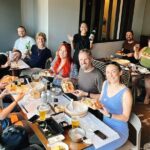
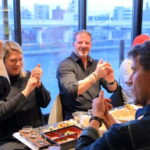

Tokyo Skytree Views With a Fast-Pass Style Shortcut
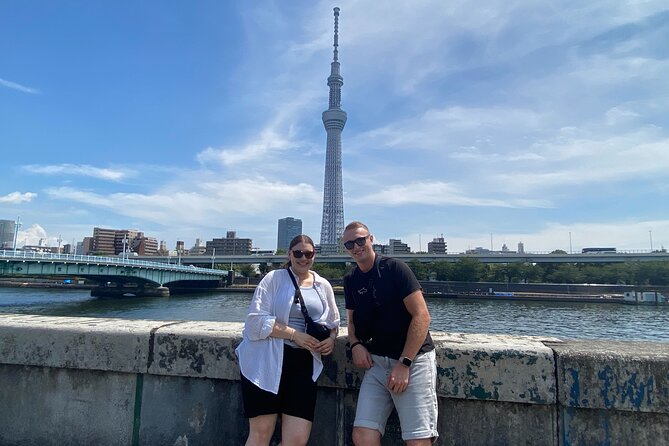
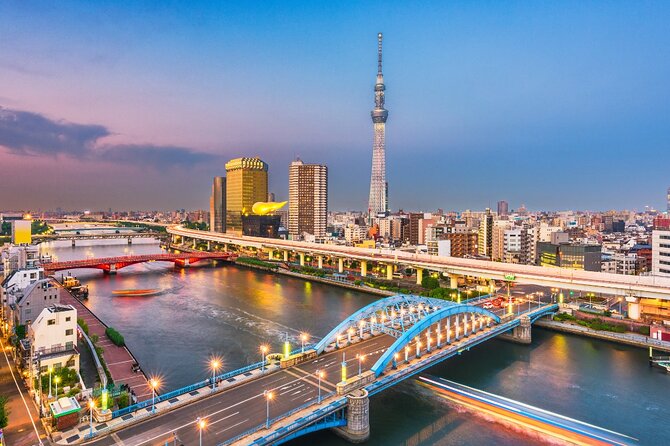
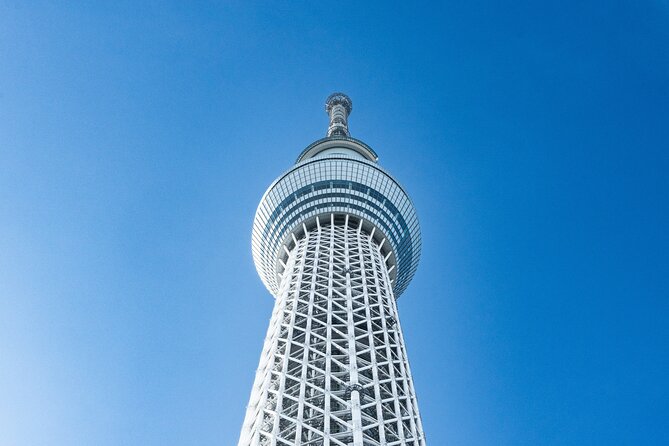
Skytree is the kind of structure you recognize instantly from photos. In person, it builds slowly as you get closer, then suddenly it’s just there—massive. The tour includes admission to the observation deck, and the fast entry style helps you get up quickly instead of spending your limited afternoon in a line.
The observation deck is about 350 meters up, which is high enough that your brain feels the scale. On a clear late-day visit, you can see a wide spread of Tokyo’s grid and neighborhoods. Even if the city view isn’t perfect, the elevation still helps you understand where everything sits, especially when you later move down into Asakusa’s older streets.
Practical note: bring your camera-ready layer. Even on a mild day, observation decks can feel cooler than street level. And if your group is photo-focused, the guide’s timing helps you avoid the worst moments when you’re all trying to shoot the same angle at once.
Senso-ji Temple: Old Faith, Solid Photo Stops
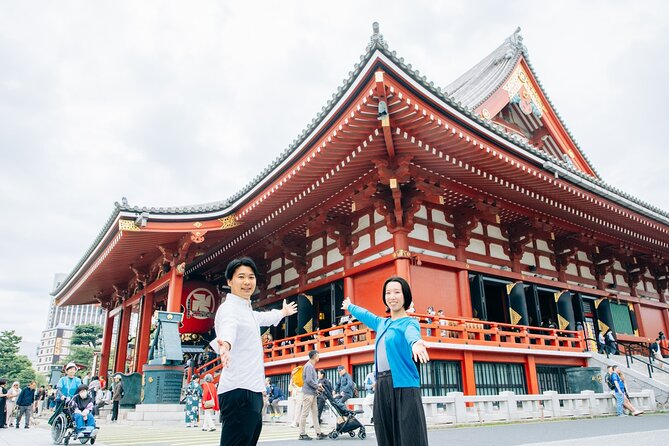
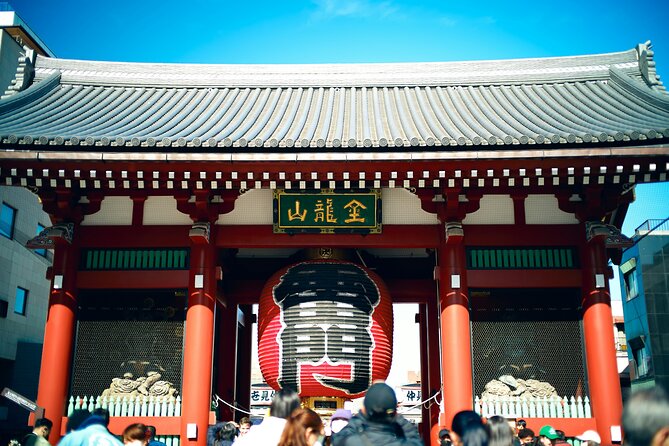
After Skytree, the tour shifts into classic Asakusa. You head to Senso-ji, described here as Tokyo’s oldest Buddhist temple, founded in 645 AD. Even if you don’t know the details, you can feel how long this place has been a gathering point.
What I like about this part of the experience is that it’s not just a quick pass. You go to the main hall area and you specifically get time to admire the temple’s standout features—like the five-story pagoda and the Hozomon Gate. These are the landmarks your photos keep returning to later, so it’s worth taking a moment rather than treating it like a photo checkpoint.
The possible drawback is crowd flow. Senso-ji is popular, especially around peak visiting times. A private guide helps you manage that, but you should still expect people. If your group prefers quiet, keep your expectations realistic and focus on the architecture, not on finding emptiness.
Nakamise Street: Shopping and Snacks, Guided So You Don’t Waste Time
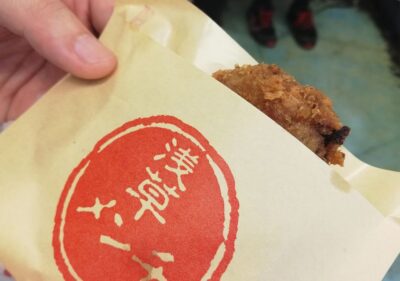
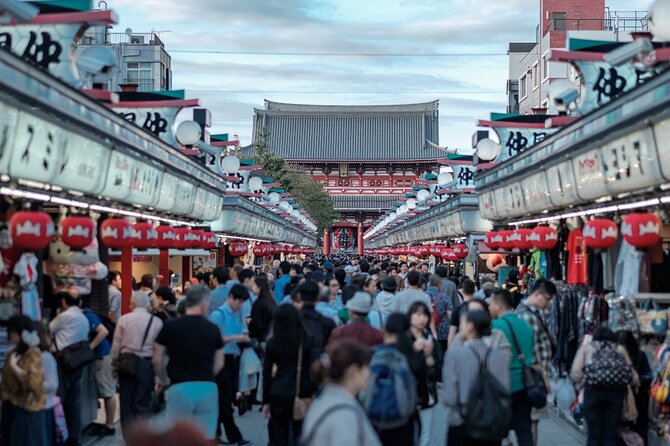
From the temple you walk through Shin Nakamise Shopping Street. It’s about 250 meters long and lined with souvenir shops and snack stalls that have been around since the Edo period. That mix is the fun part: you get a food-culture stroll and a shopping lane in one.
A guide adds real value here. Nakamise is easy to get “visually overwhelmed” by. Your guide can help you pick souvenirs and explain what local foods mean in this area. That turns the experience from wandering into learning. It also helps you avoid the common trap of grabbing something random because it looks cute, then realizing later it’s not practical to pack or share.
If you like tasting your way through places, this segment does a good job setting up the food theme for the sushi class later. If you don’t care much about shopping, you can still enjoy it as a snack-and-history walk—but keep an eye on your energy level, because you’ll be moving again soon.
Kappabashi Kitchen Town: The Chef Supply Street
Next comes Kappabashi (Kappabashi Dogugai), often called Kitchen Town. This is the part of Asakusa that food people actually geek out about. The street is known for specialized shops that support Japan’s food industry, and it’s frequented by professional chefs.
What’s great here is that it’s not just “souvenirs with knives.” It’s a real kitchen-tools culture street. You’ll see the kind of items that make a chef’s day easier—tools, utensils, and restaurant gear. Even if you don’t buy anything, the visual education is worth it. You start to understand the mindset behind Japanese cooking: precision tools, functional design, and care for everyday kitchen habits.
A fair consideration: Kappabashi can tempt you to buy things that are heavy or tricky to pack. If your suitcase space is tight, set a budget and prioritize items you can wrap safely. A private guide can also help you decide what’s realistic to take home, based on what you’re interested in.





Hand-Roll Sushi Class at Hand Roll Tokyo Asakusa
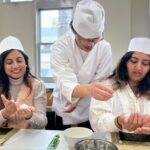
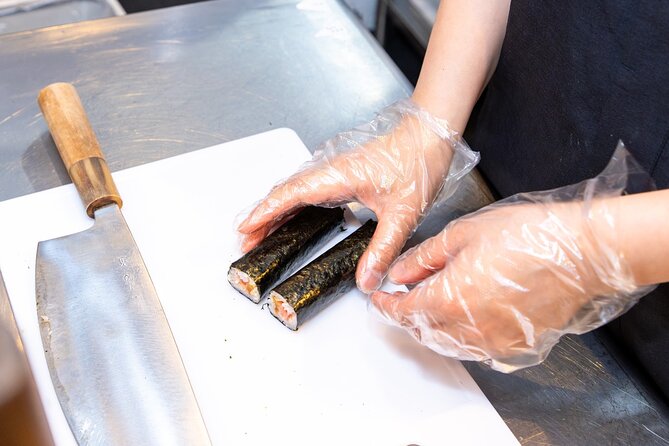
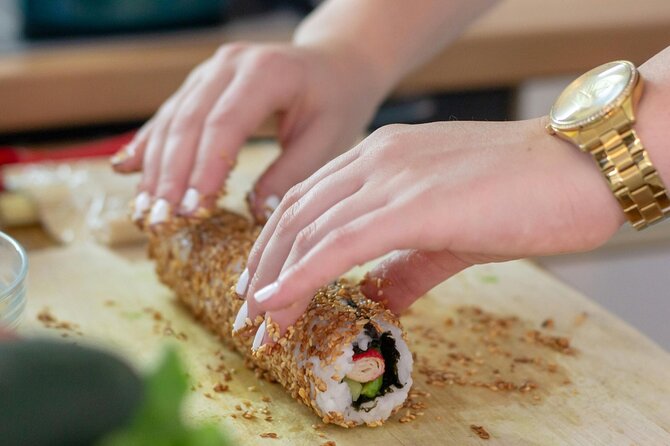
Then you land at Hand Roll Tokyo 浅草店 for the hands-on sushi-making workshop. This is where the tour becomes personal in a different way—you’re not just looking at food culture, you’re practicing it.
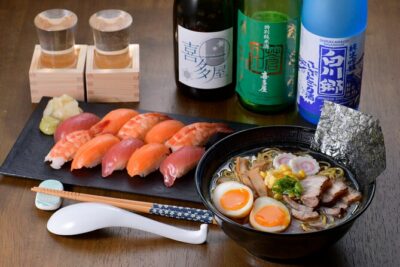
You get to choose ingredients. Two examples mentioned for selection are salmon and avocado, and tuna and cucumber. That ingredient choice matters because it shapes the rolls to your group’s tastes. It also helps explain why sushi in Japan often has a slightly different vibe than what you might expect if you only know Western rolls.
The class includes a special rolling setup (think sushi rolling tools/mat style), and you assemble your own hand rolls. The outcome is both practical and photo-friendly. In the experience feedback, people specifically call out that the class is fun and delicious, with a good amount of options and great opportunities for pictures.
My advice: lean into it. Don’t treat it like a chore. Smile while you roll. Take one or two photos mid-process, not just at the end. You’ll get a more natural series of shots that look like you were actually there doing something.
Price and Value: Why $123.56 Feels Reasonable for This Mix
At $123.56 per person, this isn’t the cheapest way to do Tokyo. But you’re not paying for one thing—you’re paying for a bundled afternoon: a private guide, major sightseeing time, a Skytree observation-deck admission, and a sushi workshop that includes the hands-on experience.
Here’s why the value can work in your favor:
- Private time: you’re not splitting attention with a big group, and that changes the quality of explanations and decisions
- Included admission for Skytree and the sushi class: that’s cost you don’t have to price out separately
- A tight route: you’re going from Skytree to Asakusa without spending extra energy planning connections
One more timing note: this type of experience is commonly booked well ahead (on average, around 50 days). If you’re traveling during peak periods, plan earlier rather than later.
This is also a good price point if you value having someone else manage the flow. If you love self-guided wandering, you may feel you could do parts of this cheaper on your own. But if you want the day to run smoothly and you’re excited about the sushi class, the cost starts to feel fair.
Who Should Book This Tour (and Who Might Skip It)
This tour makes the most sense for:
- couples who want a classic Tokyo day with a hands-on food finale
- small groups who don’t want crowded pacing
- food-minded visitors who like seeing the tools behind cooking, not just eating the results
- anyone who wants an Asakusa highlight loop without spending hours researching transit and timing
You might skip it if:
- you prefer long, slow temple visits with lots of unscheduled time
- you’re not interested in sushi-making or you’d rather do a full-day food tour
- you’re traveling during a period where weather tends to be unreliable (the experience calls out good weather as a requirement)
Practical Tips for Making the Most of Your 3 Hours 30 Minutes
This is a short, packed afternoon, so small choices matter.
Wear shoes you can walk in. Asakusa temple areas and shopping streets involve real pavement time. Bring a light layer for the observation deck. Even if street-level feels warm, height can change the feel.
For photos, decide early what your group wants most: temple shots, city views, or sushi-in-action. If everyone tries to shoot everything constantly, you’ll slow the pace and feel rushed.
Also, think about your souvenir plan before Kappabashi. It’s easy to get excited in a kitchen-tools street, and that’s exactly when people buy the wrong size item for their luggage.
Finally, arrive with an open attitude toward learning. Even if you’ve visited Asakusa before, the guide’s explanations around food culture and shopping choices can shift the way you see the streets.
Should You Book This Private Tokyo Skytree and Asakusa Tour?
Yes, if you want a compact Tokyo afternoon that blends major sights with a real skill-building food experience. The combination of Skytree fast entry, a guided temple-and-shopping loop, and the hand-roll sushi class makes the time feel efficient without feeling rushed.
If you care about avoiding crowd pressure while still hitting the icons, the private format is the reason to book. And if you’re drawn to Kappabashi’s chef-focused world, you’ll appreciate that this tour isn’t only about what you eat—it’s also about how cooking culture shows up in everyday tools.
If weather is uncertain, keep an eye on conditions and be ready to adjust plans. Otherwise, this is the kind of experience that leaves you with photos and a full stomach.
FAQ
What is the duration of this Tokyo experience?
It runs for about 3 hours 30 minutes.
Where does the tour start and end?
It starts at Tokyo Skytree (1-chōme-1-2 Oshiage, Sumida City, Tokyo 131-0045) and ends at Hand Roll Tokyo 浅草店 (1-chōme-12-6 Asakusa, Taito City, Tokyo 111-0032).
What time does the tour begin?
The start time is 3:00 pm.
Is this a private tour?
Yes. It’s private, and only your group will participate.
What’s included in admission tickets?
Admission tickets are included for Tokyo Skytree and for the Hand Roll Tokyo sushi-making workshop. Senso-ji admission is free.
What does the sushi class include?
You make hand-roll sushi by choosing your preferred ingredients, such as salmon and avocado or tuna and cucumber, and rolling the sushi during the workshop.
Which neighborhoods and stops are part of the tour?
You’ll visit Tokyo Skytree, Senso-ji, Shin Nakamise Shopping Street, Kappabashi Kitchen Town (Kappabashi Dogugai), and finish with the sushi class at Hand Roll Tokyo Asakusa.
Is there a mobile ticket?
Yes, the experience includes a mobile ticket.
How far in advance do people typically book it?
On average, it’s booked about 50 days in advance.
What happens if the weather is poor?
This experience requires good weather. If it’s canceled due to poor weather, you’ll be offered a different date or a full refund.
What is the cancellation policy?
You can cancel for a full refund up to 24 hours before the experience starts. If you cancel less than 24 hours before, the amount paid will not be refunded.