REVIEW · TOKYO
Sushi making experience in Shinjuku, Tokyo
Book on GetYourGuide →Operated by Bancre Inc. · Bookable on GetYourGuide
Sushi balls you can actually eat. This temari sushi making experience turns bite-size sushi into cute round shapes, and it’s fun even if you’re new to sushi. I like that you get hands-on time to make temari your own way, and I especially like the photogenic edible flowers that make what you eat look like art. One possible drawback: the instruction can feel brief, so if you’re hoping for a long, coach-by-coach sushi lesson, you may want to lower your expectations.
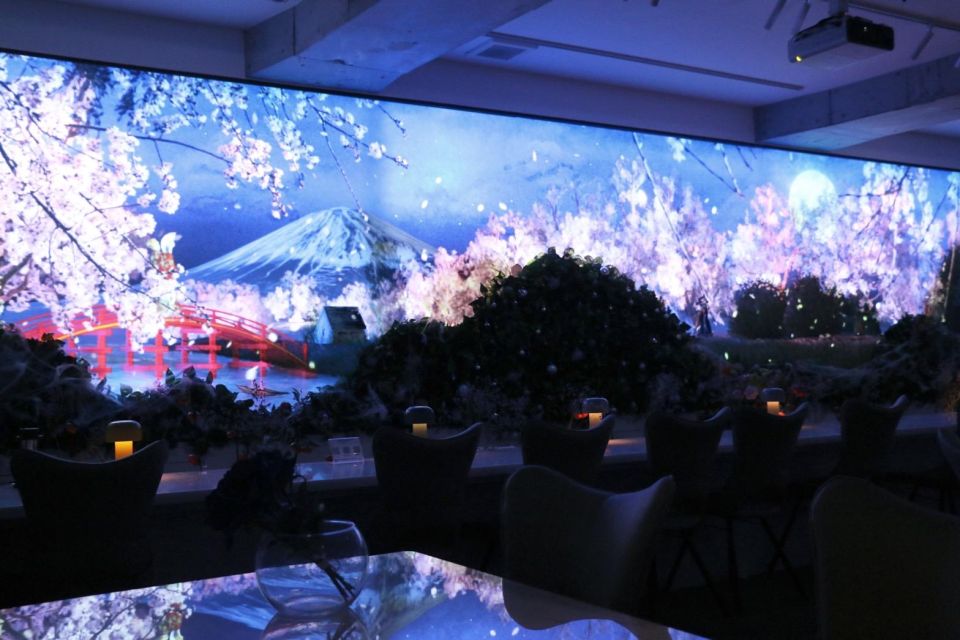
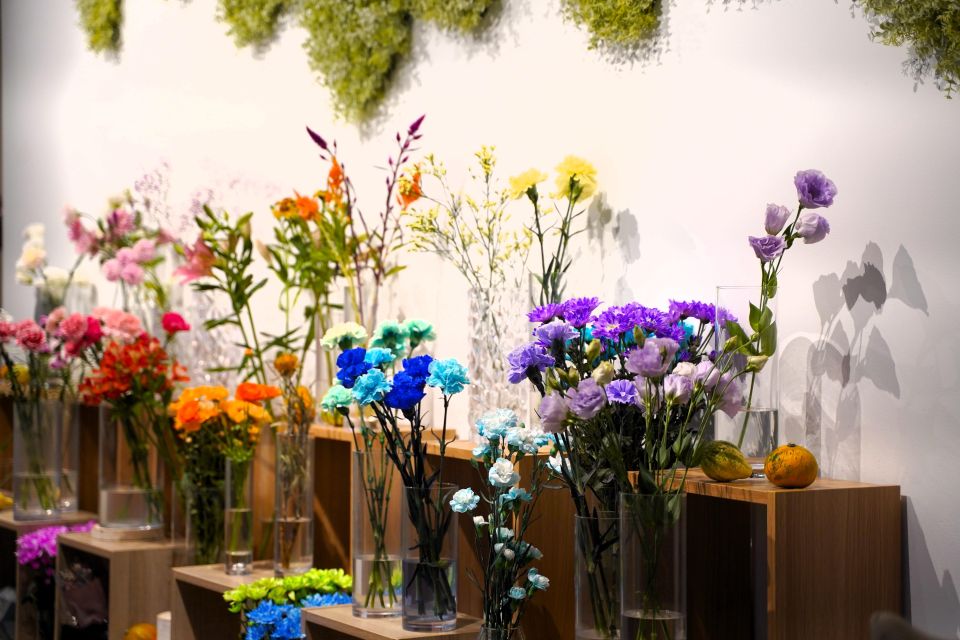
You meet at Flower Wall Monet, a lively cafe-bar in Shinjuku that’s literally surrounded by flowers. The vibe matters here. This isn’t just about rolling sushi; it’s about making something pretty, then eating it right there.
It runs for 90 minutes and caps at a small group of 8. You’ll place sashimi and vinegared rice into a wrap-on-your-hand method, then build your own round sushi. Just note that some staff may not speak fluent English, with translation support possible.
In This Review
- Key things that make this Shinjuku temari sushi experience special
- Flower Wall Monet in Shinjuku: the cute setting where your sushi starts
- What temari sushi is (and why it’s different from regular sushi)
- The 90-minute flow: demo, wrap, build, and eat at your pace
- 1) Arrival, drinks, and prep at your table
- 2) The demo: the wrap-on-your-palm method
- 3) Your turn: make temari your way
- 4) Eat what you made
- Vinegared rice, sashimi, and edible flowers: how your temari gets its look
- Price and value: what $70 buys you in real-world terms
- Instruction style and language support: what to expect so you’re not surprised
- Who this fits best in your Japan plans (and who should think twice)
- Getting the most out of your temari session (small tips that matter)
- Should you book the Shinjuku temari sushi experience?
- FAQ
- What do I make in this experience?
- How long is the sushi making experience?
- Where is the meeting point in Shinjuku?
- Is a drink included?
- Is alcohol included, and is there an age rule?
- How big is the group?
- What languages are supported?
- Do I get help while making the sushi?
- Is cancellation allowed?
Key things that make this Shinjuku temari sushi experience special
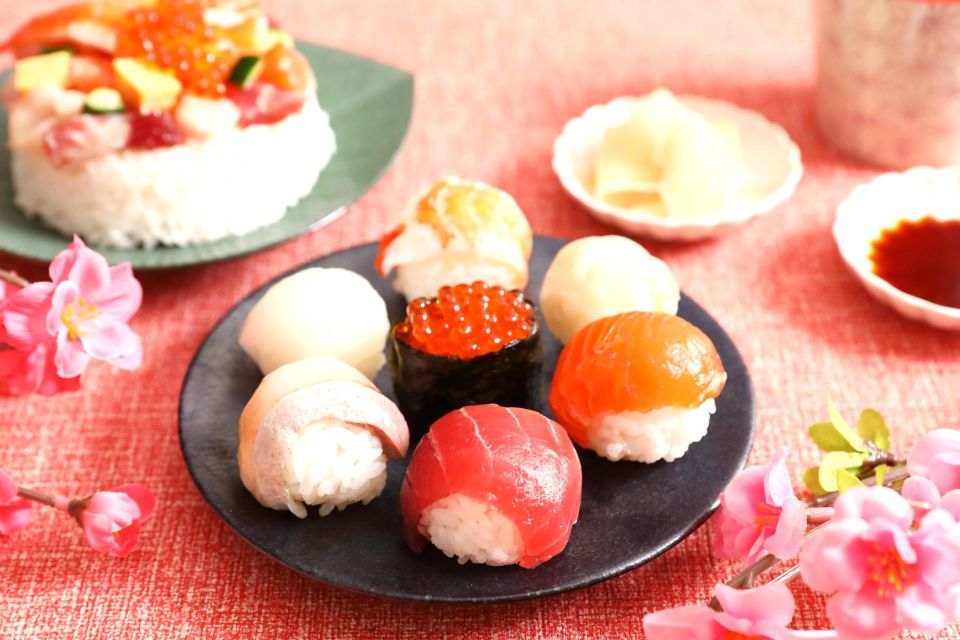
- Temari-zushi format that’s beginner-friendly: simple shaping, bite-size goal, and a method you can repeat.
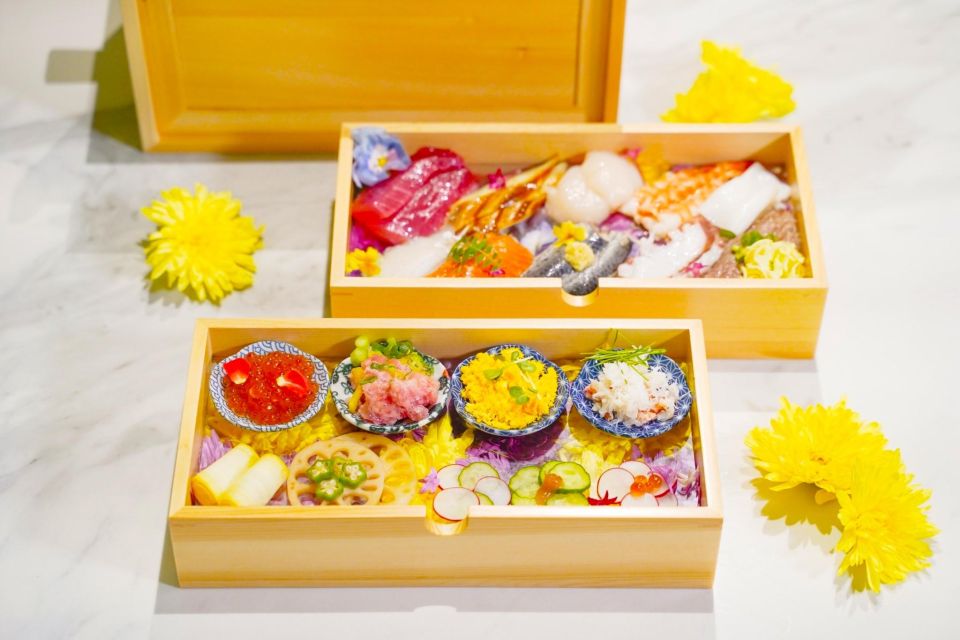
- Edible flowers for extra wow: your sushi can look like a little flower display.
- You customize the ingredients: build temari sushi using your favorites and the rice provided.
- Small group size (up to 8): enough attention for the demo stage without feeling crowded.
- A “make, then eat” rhythm: you’re not watching sushi theory for an hour.
- Cinematic setting at Flower Wall Monet: flowers everywhere, plus a cafe-bar atmosphere.
Flower Wall Monet in Shinjuku: the cute setting where your sushi starts
The meeting spot is Flower Wall Monet on the basement floor, in the building right next to H&M in Shinjuku. If you’ve ever looked for something in Shinjuku that sounds simple but feels like a maze, plan a few extra minutes to find the basement entrance calmly.
This matters because the atmosphere is part of the point. You’re not tucked away in a workshop; you’re at a cafe-bar surrounded by flowers. That puts you in the right mood for what comes next: shaping food into something that looks like a little toy ball called temari.
You’ll also get your drink order right when you arrive, and there’s 1 drink plus 1 sweets included. If you want alcohol, it’s available, but the legal drinking age rule is strict. Bring ID if you plan to have any.
You can also read our reviews of more tours and experiences in Tokyo.



What temari sushi is (and why it’s different from regular sushi)
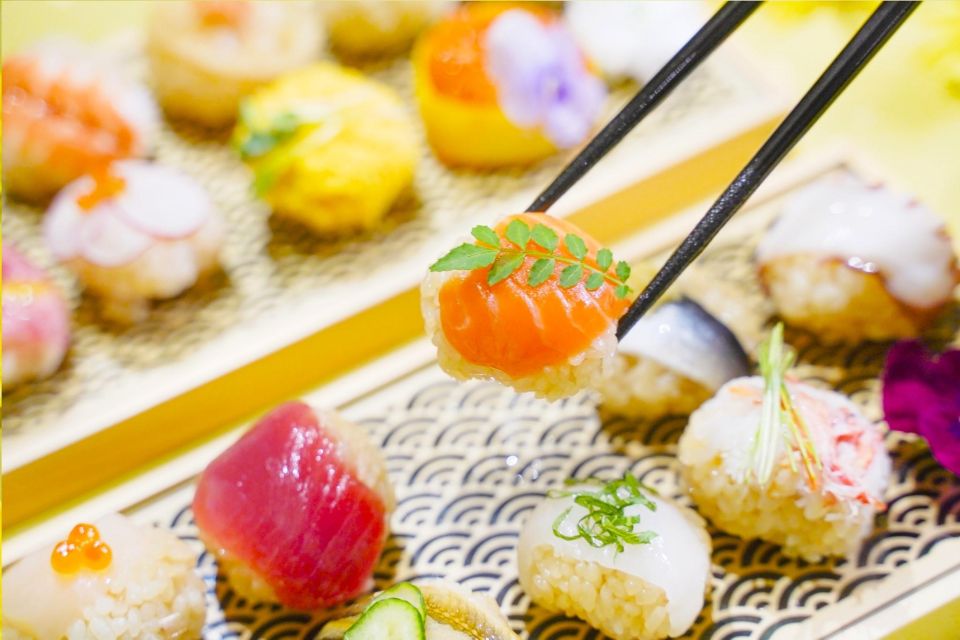
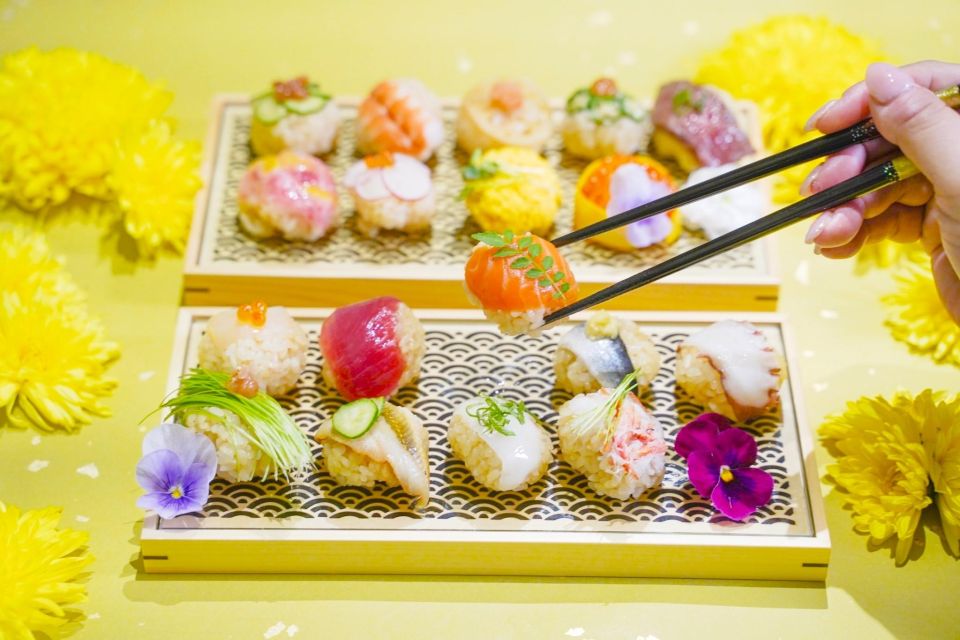
Temari is an ancient Japanese toy tradition, and temari sushi borrows that idea by shaping sushi into a round, ball-like form. Instead of building classic nigiri with a distinct oval shape, you’re aiming for a cute sphere you can pick up easily.
That difference is what makes this style work for first-timers. The “hard part” of sushi isn’t raw fish handling here. The main skill is assembling layers—gauze or plastic wrap, sashimi underneath, vinegared rice on top—then wrapping and shaping into something bite-sized.
And because the goal is a size that’s easy to eat, the session stays practical. You’re creating a dumpling-style bite of sushi art, not a delicate finger-precision performance.
The 90-minute flow: demo, wrap, build, and eat at your pace
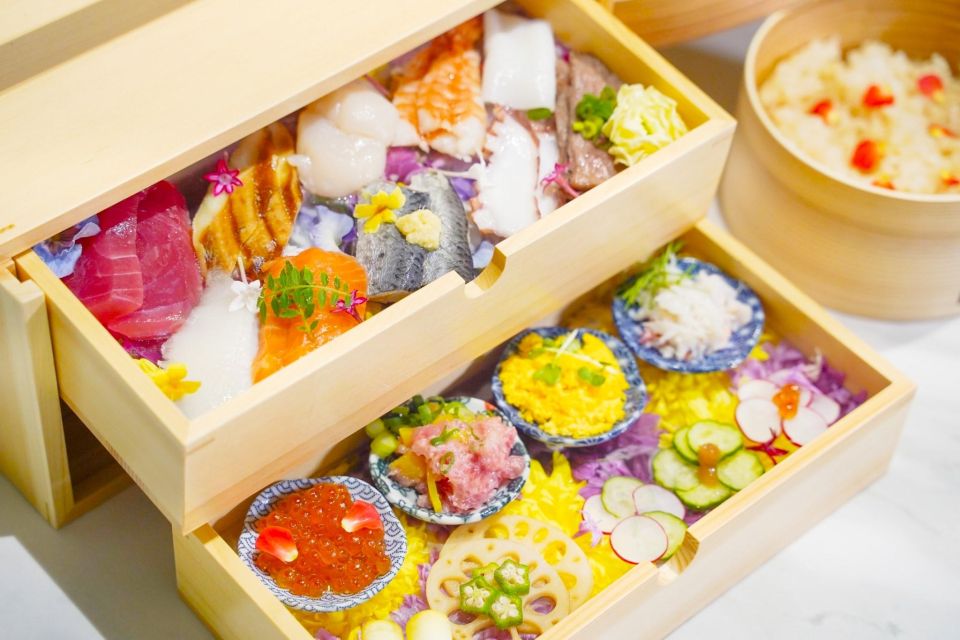
Here’s the way your time usually plays out.
1) Arrival, drinks, and prep at your table
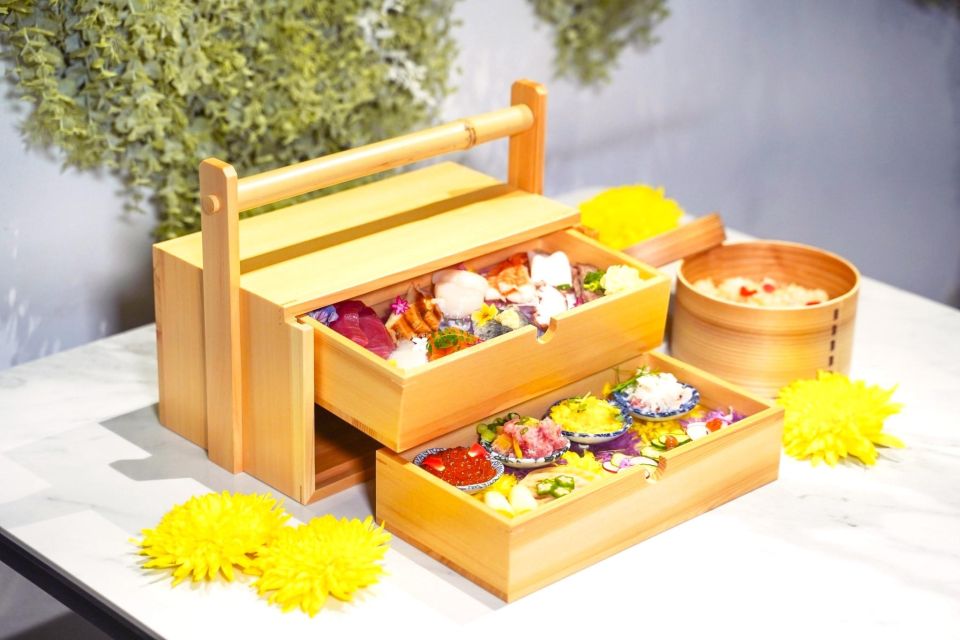
When you check in for your reservation, staff will take your drink order and prepare the sushi items for the number of participants. Food expenses are covered, so you’re not running up an extra bill for ingredients.
Once everything is on the table, you’re ready to start making.
2) The demo: the wrap-on-your-palm method
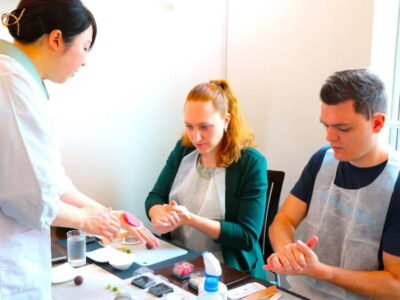
Staff will demonstrate once, and then you’ll do it yourself. The core setup is simple:
- Place a piece of gauze or plastic wrap on your palm.
- Add sashimi first.
- Add vinegared rice on top.
- Wrap it around and shape it so it’s ready to eat.
The key instruction is to make your temari sushi a size that’s easy to eat. This sounds obvious, but it’s the difference between sushi you enjoy and sushi you fight.






3) Your turn: make temari your way
After the demonstration, staff isn’t constantly standing over your shoulder. You can contact them if you need help, but the session is built for you to work at your own pace.
This is where your preferences actually matter. You’ll choose your favorite ingredients and build your own round sushi. If you enjoy food craft, you’ll probably love the repeatable rhythm: wrap, fill, shape, and adjust.
4) Eat what you made
Then comes the best part: you eat the sushi you built. You’re not leaving with a lesson; you’re leaving with something delicious in your stomach and a photo-worthy plate in your camera roll.
Vinegared rice, sashimi, and edible flowers: how your temari gets its look
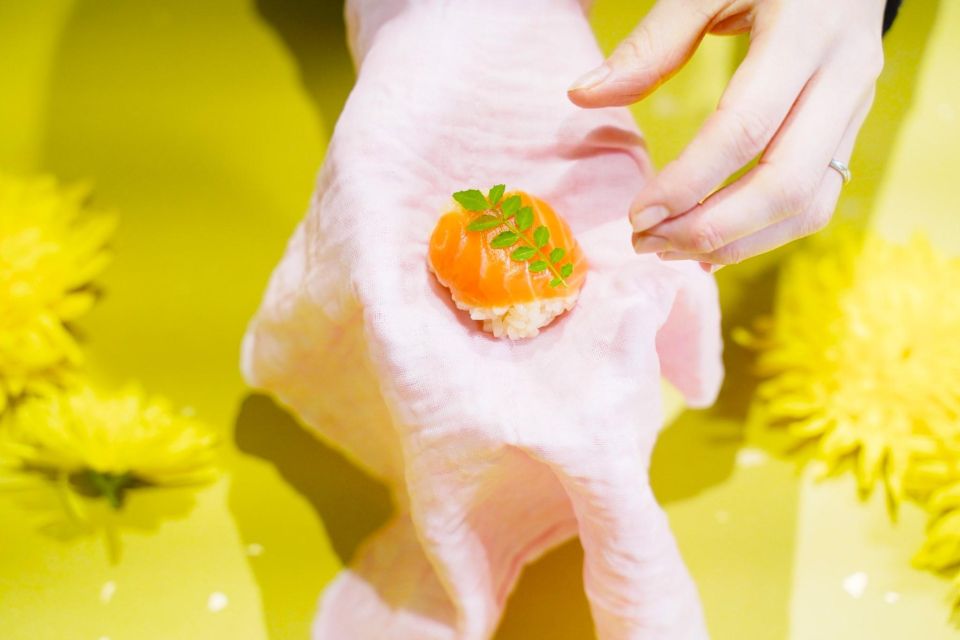
This experience is all about combining a few elements into a ball-shaped bite:
- vinegared rice
- sashimi
- wrap material
- and optional decoration with edible flowers
The edible flowers are what push temari sushi into the “art piece you can eat” category. They’re also what make the cafe setting feel like more than decoration. Flower Wall Monet isn’t random branding; it matches the theme of your food.
Because you’ll be making the sushi yourself, you’re also in control of how “balanced” it looks. If you add more flower accents, your ball might look more like a mini bouquet. If you keep it simpler, it’ll look more classic and clean.
One practical tip: don’t overstuff. If your temari is too large or packed tightly, it becomes harder to eat. The experience specifically steers you toward bite-size shaping for a reason.
Price and value: what $70 buys you in real-world terms
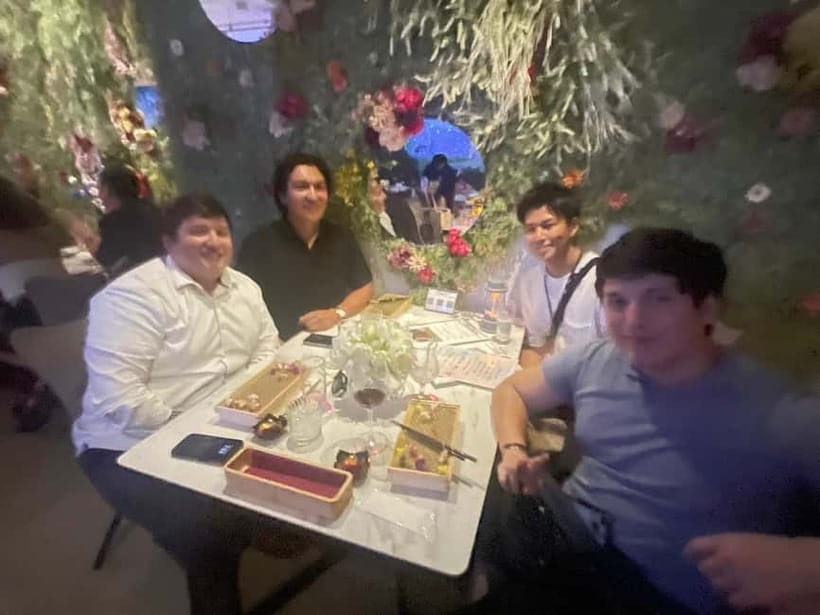
The price is $70 per person for 90 minutes. On paper, that can sound like a lot for a “sushi class.” But here’s what you’re actually getting based on the included items and setup:
- Food expenses are included.
- You get 1 drink and 1 sweets.
- The session is hands-on, with you shaping and eating your own temari sushi.
- The group is small, limited to 8 participants.
Value is really about expectation. If you’re hoping for a deep, multi-stage sushi education—rice history, fish cutting technique, and constant coaching—then $70 might feel steep. Two past bookings criticized the experience as not much of a class and said the instruction felt thin.
If, instead, you want a friendly, easy way to make something cute and tasty in Japan, then $70 starts to look more reasonable. You’re paying for ingredients, a drink, the venue atmosphere, and the hands-on shaping experience in a single sitting.
My practical take: treat this as a fun craft-meets-sushi session, not a full-on sushi master course.
Instruction style and language support: what to expect so you’re not surprised
The experience is designed to be easy, and it works that way because the method is straightforward and repeatable. Staff demonstrate once, then you build your temari.
That’s a double-edged sword:
- Great if you learn fast and prefer doing over listening.
- Risky if you want ongoing corrections and teaching moments.
On top of that, not every staff member may speak fluent English. Translation support may be used via a translator machine, and English, Japanese, and Chinese host or greeter support is listed.
What you can do to make it smoother:
- Pay attention during the demo. This is the moment that matters most.
- Ask a question early if something feels unclear about the wrap or shaping size.
- Keep your temari sized for eating, even if it looks a little less perfect.
If you’re easily disappointed by minimal instruction, read that as a warning sign before you book.
Who this fits best in your Japan plans (and who should think twice)
This experience fits well if:
- you’re a first-timer and want sushi without intimidation
- you enjoy food crafting and making something photo-worthy
- you like the idea of mixing flowers and edible art
- you want something simple you can finish in 90 minutes
You might think twice if:
- you want a long, instructor-led sushi workshop with lots of technique explanation
- you prefer constant hands-on supervision and detailed coaching
- language is a big issue for you, since some staff English may be limited
A practical way to decide: ask yourself what you want the story to be. If the story is I made cute temari sushi in a flower-filled cafe, you’ll likely enjoy it. If the story is I learned deep sushi skills step-by-step, you may feel shortchanged.
Getting the most out of your temari session (small tips that matter)
- Focus on the wrap step. That’s the foundation of everything.
- Aim for bite-size from the start. The experience explicitly emphasizes this, and it really changes the result.
- Take photos mid-build. Once you wrap and eat, you’ll want the visual memory.
- If you drink alcohol, bring your ID. Under-20 alcohol is prohibited by law, and the experience requires ID if alcohol is involved.
- Eat at your pace. After the demo, you can work independently, so don’t rush yourself.
These little choices make a big difference in whether it feels like a fun evening or a stressful one.
Should you book the Shinjuku temari sushi experience?
Book it if you want an easy, hands-on temari sushi making session in Shinjuku with a flower-filled setting, edible flower touches, and a straightforward wrap-and-shape method. The included drink and sweets also help the price feel less “add-on heavy.”
Skip it (or choose something else) if you’re expecting a full sushi class with lots of ongoing instruction. The structure is built around a single demonstration and then independent making. Add in the reality that some staff English may not be fluent, and you should go in ready to learn by doing.
If you’re in Shinjuku anyway and you like cute edible art, this is a solid use of 90 minutes. Just don’t expect a long instructor-driven masterclass.
FAQ
What do I make in this experience?
You make and eat temari sushi, shaped into bite-sized round forms using vinegared rice and sashimi.
How long is the sushi making experience?
The experience lasts 90 minutes.
Where is the meeting point in Shinjuku?
It’s at Flower Wall Monet on the basement floor of the building next to H&M in Shinjuku, Tokyo (Google plus code: MPR4+F5 Shinjuku City, Tokyo).
Is a drink included?
Yes. The experience includes 1 drink, and sweets are included too.
Is alcohol included, and is there an age rule?
Alcoholic beverages are available, but drinking alcohol for those under 20 years old is prohibited by law. Bring your ID.
How big is the group?
It’s a small group limited to 8 participants.
What languages are supported?
English, Japanese, and Chinese are listed, and translation support may be used if needed.
Do I get help while making the sushi?
Staff demonstrate once, and after that you can make sushi at your own pace. There is help available if you contact them for questions.
Is cancellation allowed?
Free cancellation is offered up to 24 hours in advance for a full refund. The activity is not covered by insurance.