REVIEW · TOKYO
Tokyo Full day Private Customized Tour with English Driver
Book on GetYourGuide →Operated by Travellers Japan · Bookable on GetYourGuide
One driver can stitch together Tokyo fast. This private 8-hour route is interesting because it blends big landmarks with quieter shrine-and-temple stops, all with a custom plan you control. I like the hotel pickup convenience and the way the day hits both food Tokyo (Tsukiji) and viewpoint Tokyo (Skytree). The main drawback to consider is reliability: there’s at least one reported case of a driver not showing up, so you’ll want to keep the communication plan tight.
This is built for efficiency, not lingering in one neighborhood for hours. You get a luxury ride, WiFi hotspot, and water/tea/coffee in the car, which makes a long day feel manageable. Still, you’ll be walking and moving between districts, and a few stops have specific rules (like no bags), so plan your day like a trip, not a casual stroll.
Skytree + Tsukiji + shrines in one go is the pitch, and that can be a great fit if you want Tokyo’s highlights without wrestling transit. Just know the entrance tickets for major viewpoints and meals are on you, and the schedule is paced accordingly.
In This Review
- Key things to know before you go
- The best way this private Tokyo day “makes sense”
- Pickup by car: comfort, languages, and the small-group reality
- Tsukiji Fish Market: start with food culture, not just photos
- Sensō-ji and Asakusa: older Tokyo with real street life
- Tokyo Skytree Tembo Deck: the skyline payoff
- Meiji Jingu Shrine: where Tokyo suddenly quiets down
- Imperial Palace grounds: calm contrast and Edo Castle context
- Shibuya Crossing and Takeshita Street: modern Tokyo at full volume
- Meiji Shrine and Tokyo Tower timing, plus Odaiba bay views
- Price and value: is $421 per group worth it?
- Reliability and practical tips to keep your day smooth
- Who this tour is a great fit for (and who should skip it)
- Should you book this Tokyo private tour?
- FAQ
- How long is the Tokyo private customized tour?
- Where does pickup happen?
- What’s included in the price?
- Are Tokyo Skytree and Tokyo Tower tickets included?
- Is food included?
- What sights are on the itinerary?
- What languages can the driver speak?
- Is the tour wheelchair accessible and who should avoid it?
Key things to know before you go
- You’re paying for a private driver with a customizable route, not a set-museum crawl
- Skytree is a ticketed highlight (entry fees aren’t included), but the views are the point
- Tsukiji starts your day with shopping, eating options, and hands-on food culture moments
- Sensō-ji + Asakusa-style markets give you the classic temple scene with lively street energy nearby
- Shibuya Crossing and Takeshita Street add modern Tokyo contrast right after older landmarks
- There are restrictions: no bags in the vehicle, no baby strollers, and you’ll want comfy shoes
The best way this private Tokyo day “makes sense”
This kind of private tour works when you treat it like a smart route, not a checklist. Tokyo has great transit, but crossing between areas quickly is where time disappears. With a driver, you can string together far-flung sights into one 8-hour arc and spend your energy on looking, not navigating.
What you’re really buying is time control. Your guide can shape the order and the pace around your preferences, and you still get a structured flow through major landmarks like Tsukiji, Sensō-ji, Skytree, Meiji Jingu, and the Imperial Palace grounds. If you love variety—history, food culture, skyline views, and street Tokyo—this route was built for you.
The other big value: you get support in the places where Tokyo gets confusing. An English-speaking driver helps with the “where exactly do we stand” moments, and the WiFi hotspot is useful for quick map checks, ticket timing, and translation backup.
You can also read our reviews of more private tours in Tokyo

Pickup by car: comfort, languages, and the small-group reality
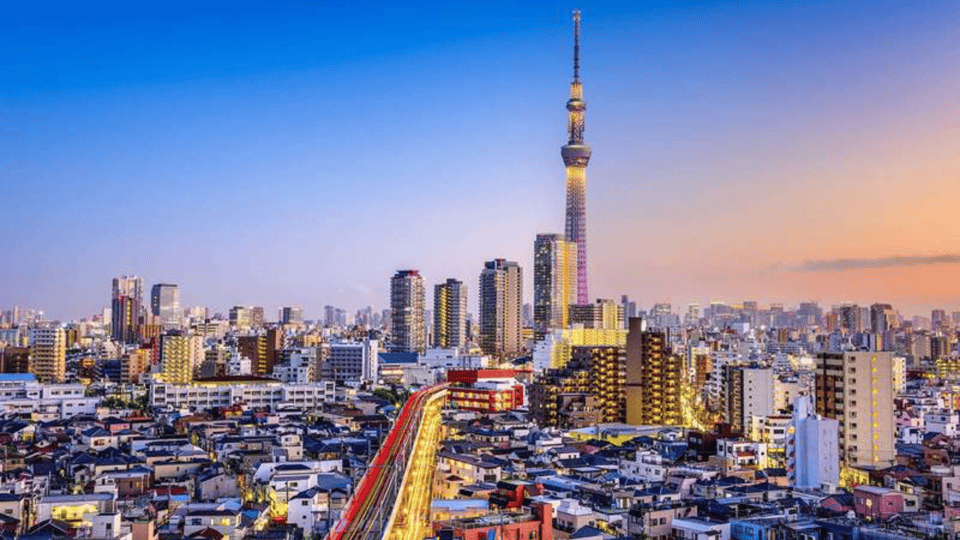
You’ll have hotel pickup and drop-off, which is a big deal in Tokyo. The car approach means you avoid the chaos of multiple station transfers, and you start each stop already positioned for the walk ahead.
The tour is priced for a group up to 5 participants, and it’s described as a small group experience. A luxury ride is included, with an expert driver who speaks English and also has additional language ability (English, Hindi, Japanese, and Arabic are listed, plus Italian is mentioned). In practice, this matters most when you want clarity: meeting points, timing, and what to expect at each attraction.
One practical note: the driver may be up to 30 minutes late due to traffic. Tokyo traffic can be unpredictable, especially around major hubs. If you have a timed ticket later in the day, build in some slack.
Tsukiji Fish Market: start with food culture, not just photos
Beginning at Tsukiji is a smart move. It’s not just a sight; it’s a food-focused morning energy that changes as the stalls and activity shift. The tour description includes time to shop for ingredients you pick with expertise, grab a meal, and learn how to cut fish—so this is set up for understanding food culture, not only snapping pictures.
You get about 40 minutes here in the schedule. That’s enough for a quick wander, a few bites if you choose, and ingredient shopping if you brought a plan. Since food isn’t included, you’ll decide what kind of snack moment you want. If you’re sensitive to strong smells, dense crowds, or standing for a while, Tsukiji can feel intense early on. On the flip side, if you love markets, it’s exactly the kind of place that helps you “get” Tokyo fast.
Tip I’d follow: treat Tsukiji like a walking-and-tasting starter. Wear comfortable shoes, keep your phone charged, and consider bringing a small snack backup since meals aren’t part of the package.
Sensō-ji and Asakusa: older Tokyo with real street life
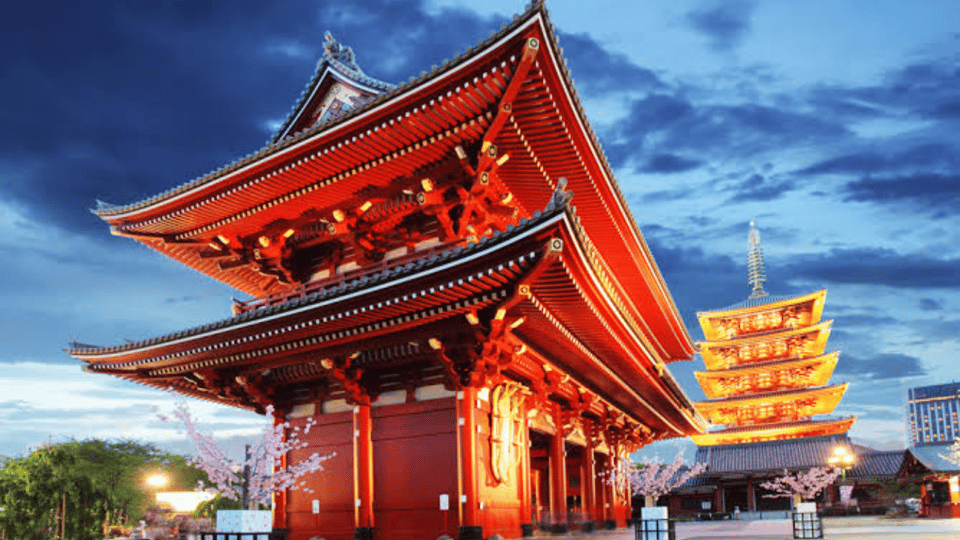
Sensō-ji is one of those places that pulls you in even if you’re tired. You get about 40 minutes, which is tight but workable if you’re focused on the big moments: temple entry area, key viewing spots, and nearby street atmosphere.
Sensō-ji is described as one of Tokyo’s oldest temples, devoted to the Buddhist goddess of mercy, Kannon. You’ll also see statues of various gods watching over gates and shrines. In other words, it’s not a single building you pass by—it’s a layered precinct where details matter.
The tour description also frames Sensō-ji as a blend of architecture, places of worship, Japanese gardens, and traditional marketplaces with a contemporary tourist perspective. That’s a good way to think about it: you’re looking at sacred space, but you’re doing it in the middle of one of Tokyo’s most active neighborhoods.
What to watch for: the stop time is limited. If you want longer photo time inside the grounds, you’ll need to keep moving when your driver encourages the next stop.
Tokyo Skytree Tembo Deck: the skyline payoff
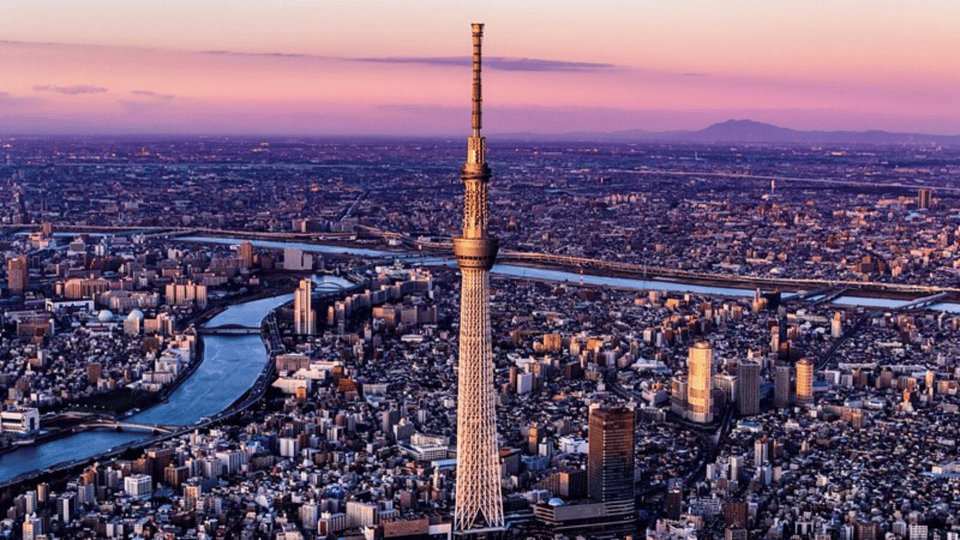
Skytree is the “yes, you came to Tokyo” moment. The tour includes time at Tokyo Skytree Tembo Deck Floor 350 for about 1 hour. This matters because the tower isn’t just tall for bragging rights: it’s built for views that are hard to replicate from street level.
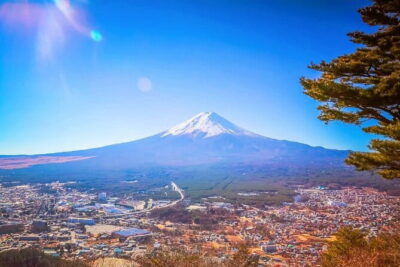
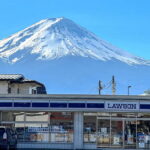
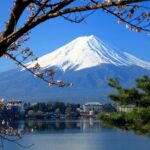
The description highlights Skytree’s height—634 meters—and adds a key detail: on a clear day, you can see Mt. Fuji. You won’t be able to force weather, but when visibility is good, this becomes one of the most memorable views in the entire day.
Important practical catch: Skytree entrance fees aren’t included. So you’ll need to factor that into your budget, and you’ll also want to check what ticket level you’re buying. Since the tour gives you one hour, don’t plan to treat it like a half-day museum. Get your view, then move.
You can also read our reviews of more tours and experiences in Tokyo

Meiji Jingu Shrine: where Tokyo suddenly quiets down
After the city buzz, Meiji Jingu is the kind of stop that makes you feel like you changed cities. The tour description emphasizes the shrine’s forest setting—about 70 hectares—right in the middle of Tokyo’s megacity.
You get around 40 minutes here. That’s enough to walk the main paths, soak up the greenery, and understand the atmosphere: step into the precinct and you forget you’re in the hustle bustle. This is one of those places where the “journey in” is part of the experience, not just the photo spot.
If you like shrines and nature, this is the counterbalance to the louder parts of the itinerary. If you don’t enjoy walking on paths among lots of other visitors, keep your expectations realistic: this is central Tokyo, so it won’t be empty.
Imperial Palace grounds: calm contrast and Edo Castle context
The Imperial Palace stop is scheduled for about 45 minutes. The description explains that the palace grounds sit on the site of Edo Castle, home of the shogun before 1868.
You’ll notice the protection style—wide moats and thick walls—and the contrast with the surrounding modern business buildings. That mix is part of the appeal: you’re seeing how historical power shaped Tokyo, even now.
This is not a “rushing photo” stop. The time slot suggests a slower rhythm: look at the grounds, enjoy the gardens, and get that green calm that makes downtown feel distant.
Shibuya Crossing and Takeshita Street: modern Tokyo at full volume
Next come the famous scenes: Shibuya Crossing and Takeshita Street.
Shibuya Crossing is listed for 45 minutes, and the description points to the Shibuya Station Hachikō exit area and the Hachikō statue, which is a common meeting place and usually crowded. Expect a lot of people, bright lights, and that fast-moving “Tokyo is Tokyo” energy.
Then Takeshita Street runs about 350 meters with over 130 shops and gourmet stores, stretching between Harajuku Station and Meiji Dori Avenue. Your stop time is about 30 minutes. It’s ideal for quick browsing: sweets, fashion splurges, and snack shopping without committing to an hour-long detour.
Small reality check: this part of the day is where you’ll feel the walking and crowds most. If you’re easily overwhelmed, keep it simple—pick one or two snack stops and one photo moment, then move on.
Meiji Shrine and Tokyo Tower timing, plus Odaiba bay views
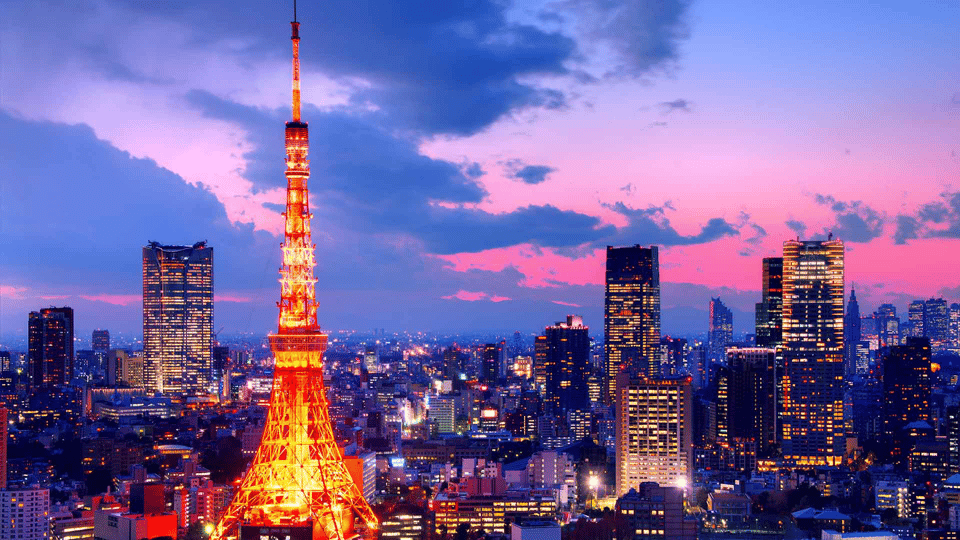
The itinerary and tour description both mention major skyline and sightseeing moments later in the day. You may see Tokyo Tower on the schedule with about 50 minutes assigned. The not-included list notes Tokyo tower tickets/fees are not covered, so you should plan for whatever you decide to pay on-site.
Separately, the description also mentions Odaiba Seaside Park on the edge of Tokyo Bay, with views of the metropolis and landmarks like Tokyo Tower and Rainbow Bridge, especially impressive after dark.
Because the specific route can be customized, what you experience depends on your exact pacing and timing. The best approach is to ask your driver what the likely photo window looks like that day. If you’re hoping for after-dark bay views, you’ll want the later portion of the itinerary to stay flexible.
Price and value: is $421 per group worth it?
The price is $421 per group up to 5, with an 8-hour duration. That comes out to roughly $84 per person if you’re filling all seats, though it’ll be higher if you’re traveling as fewer people within the group limit.
Here’s what you’re getting for that money:
- A private luxury ride with an English-speaking driver (plus other language capability)
- Hotel pickup and drop-off
- WiFi hotspot in the vehicle
- Highway tax and fuel
- Complimentary water, tea, or coffee
Not included:
- Tokyo Skytree entrance fees
- Tokyo Tower (not included)
- Food
So the value calculation is simple: if you would otherwise pay for taxis plus buy admission tickets plus spend time figuring out transport between distant neighborhoods, this can be a tidy way to package it. If you’re the type who loves riding transit, you might save money by DIY-ing. But if your priority is “see a lot with less stress,” the private driver can feel like a bargain.
The one thing I’d treat as a wildcard is reliability. With a reported instance of a driver not showing up and the day being ruined for a group, you should plan as if things can go sideways in the real world. Keep contact options ready and have the ability to adapt quickly.
Reliability and practical tips to keep your day smooth
Since you’re paying for convenience, you want to protect it. Here’s how I’d reduce the odds of a bad outcome.
- Confirm pickup details in advance and stay reachable the morning of the tour. The vehicle and timing are dependent on traffic, and your driver may be delayed by up to 30 minutes.
- Keep your phone handy and charged. The day includes multiple neighborhoods, and you may need quick map checks.
- Bring snacks. Food isn’t included, and the stops are short enough that you might not find a perfect meal option on schedule.
- Wear comfortable shoes. You’ll be walking through market streets, temple precincts, and crowded intersections.
- Follow the rules: no bags in the vehicle, no baby strollers, and no drinks/alcohol inside the car. If you rely on a large day bag, rethink what you bring.
If you’re traveling with anyone who struggles with crowds or walking, consider adjusting expectations. The schedule includes big scenes (Shibuya, Takeshita) after more solemn ones (Meiji Jingu, Sensō-ji). The pacing is part of the experience, but it can also be a lot in one day.
Who this tour is a great fit for (and who should skip it)
This tour makes the most sense if you want:
- A high-efficiency day covering iconic Tokyo sights without transit stress
- A mix of food culture, temples/shrines, and skyline views
- A guide who can speak English and help coordinate the flow
It’s also listed as wheelchair accessible, which is a real plus if you need that kind of support. Still, there are clear limitations on who it’s suitable for: it’s not recommended for pregnant women, people with pre-existing medical conditions, or people with high blood pressure. The tour also notes age limits, not suitable for people over 70 or over 95.
If you fit those guidelines, great. If you don’t, you’ll want a different style of day that’s easier on stamina and comfort.
Should you book this Tokyo private tour?
I’d book it if you’re traveling with a small group, you want hotel-to-hotel convenience, and you’re excited by the lineup: Tsukiji, Sensō-ji, Skytree, Meiji Jingu, and the modern Tokyo stops like Shibuya Crossing and Takeshita Street. The driver-based structure is the main advantage, especially for getting between areas without wasting your day on train transfers.
I’d think twice if you hate any chance of schedule risk. The included information shows a real-world issue with pickup reliability in at least one reported case, and with short stop times, a missed start can knock the entire day off track. If you do book, set yourself up to communicate quickly and keep your plans flexible.
If your top priorities are flexibility, fast sightseeing, and someone else handling the logistics, this is a strong match for Tokyo. Just go in knowing it’s a full day of movement, and budget for Skytree/Tokyo Tower tickets and your own food.
FAQ
How long is the Tokyo private customized tour?
The tour is listed as 8 hours. Starting times vary based on availability.
Where does pickup happen?
Pickup is included from your accommodation in Tokyo. There are 5 pickup locations options listed, and for pickups/drop-offs outside Tokyo you’re asked to contact the provider.
What’s included in the price?
Included items are a luxury ride with an expert English & Italian speaking driver, a customized itinerary, hotel pickup/drop-off, a WiFi hotspot, highway tax, fuel, and complimentary water, tea, or coffee.
Are Tokyo Skytree and Tokyo Tower tickets included?
No. Tokyo Skytree entrance fees and Tokyo Tower are listed as not included.
Is food included?
No. Food is not included.
What sights are on the itinerary?
The schedule includes Tokyo Skytree, Tsukiji Fish Market, Tokyo Imperial Palace, Sensō-ji Temple, Shibuya Crossing, Takeshita Street, and Meiji Shrine. Tokyo Tower also appears later in the plan, and Odaiba Seaside Park is mentioned in the tour description.
What languages can the driver speak?
The tour lists languages as English, Hindi, Japanese, and Arabic.
Is the tour wheelchair accessible and who should avoid it?
It is listed as wheelchair accessible. It’s not suitable for pregnant women, people with pre-existing medical conditions, or people with high blood pressure. It’s also not suitable for people over 70 or over 95.